Titanic vs. Icon of the Seas: A look at 2 behemoths of their time

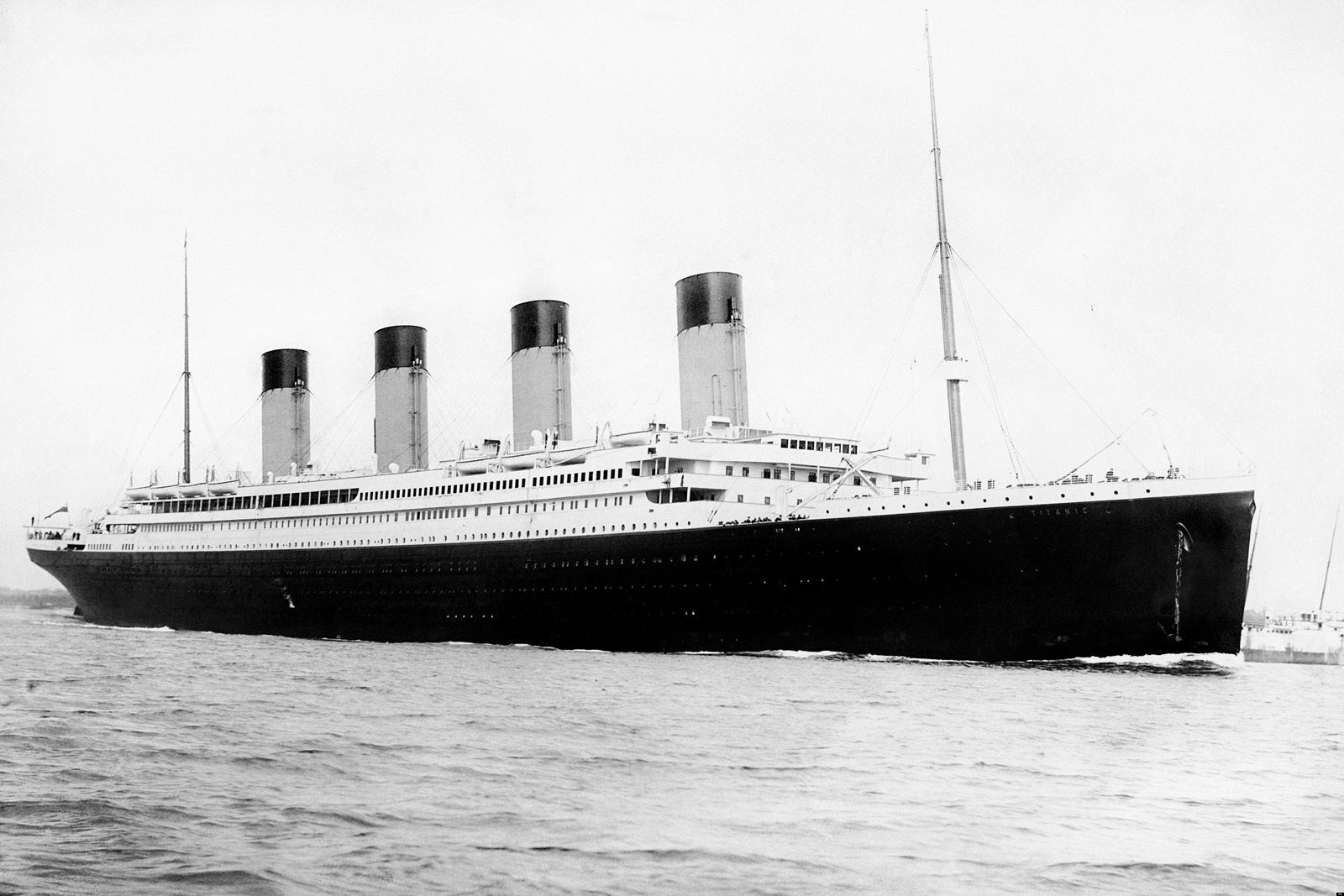
Think about the largest cruise ship in the world; I wouldn't blame you if one of your first thoughts was Titanic. But you might be surprised to learn that the infamous vessel was considerably smaller than Icon of the Seas, which is currently the world's largest ship.
How do these two ships measure up? Although the breaking of size records might be what these two ships are largely known for, the vessels differ in many ways, from their function to their onboard vibes.
In the early 1900s, leisure travel by ship was in its infancy, with many passengers booking sailings for general transportation as much as for relaxation. Titanic was officially a Royal Mail Ship, which meant it carried thousands of letters and packages in addition to people. In contrast, Icon of the Seas sails round-trip from the same port, exclusively carrying pleasure cruisers to ports full of beautiful beaches and adventurous excursions before returning them back to where they started.
Titanic offered several different passenger fare classes that were differentiated by both price point and access to amenities. Icon of the Seas also offers a wide range of cabin experiences, with fares correlated to accommodation size and included perks, but has far fewer areas than Titanic that are off-limits to passengers who paid the cheapest rates.
Here, we'll compare facts about Titanic versus Icon of the Seas that show us just how far the cruise industry has come and how these two massive architectural marvels stack up against one another.
Titanic vs. Icon of the Seas size
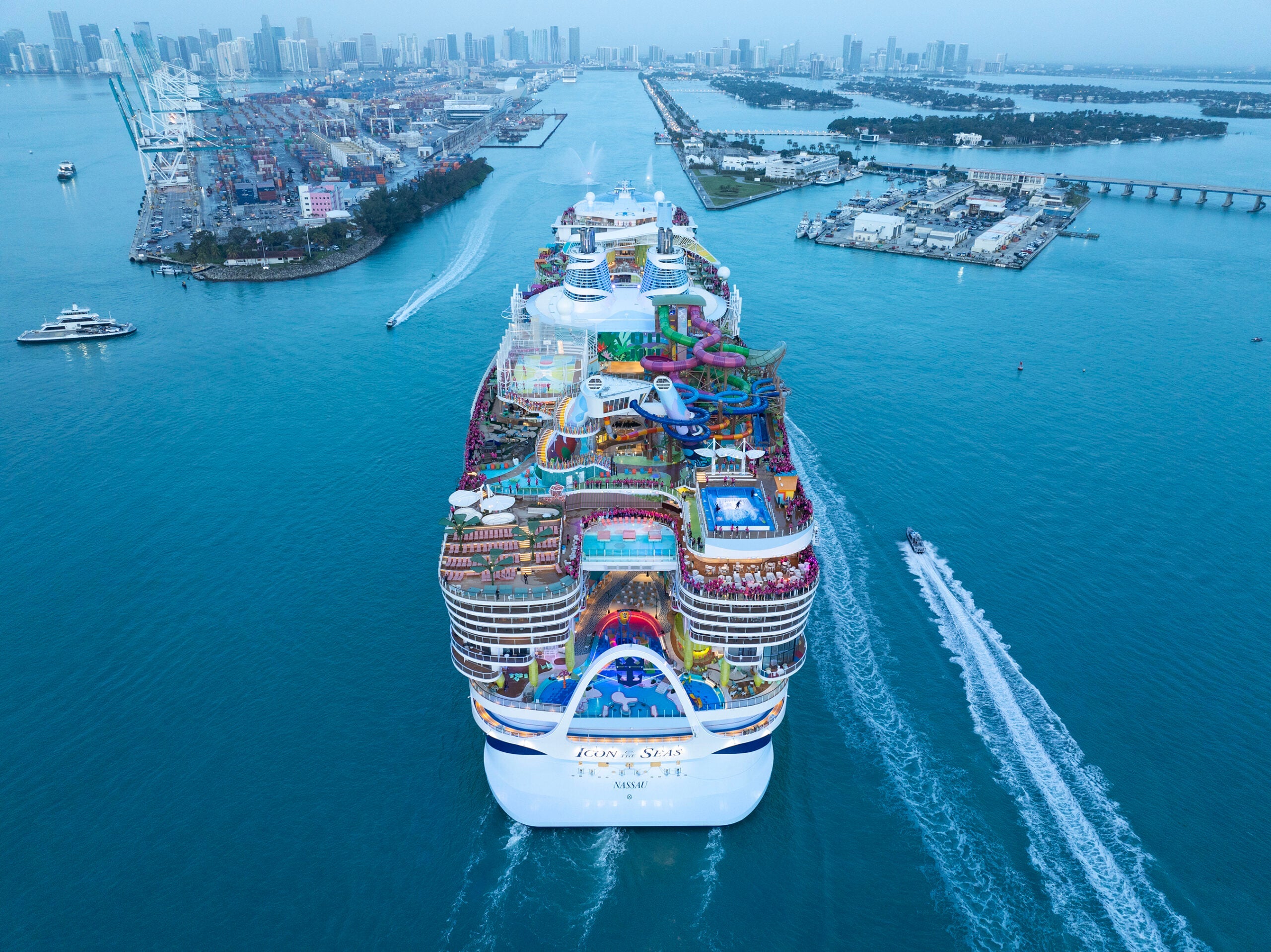
The first obvious difference between Titanic and Royal Caribbean's Icon of the Seas is in their sizes. While Titanic offered 10 total decks (seven for passengers), Icon of the Seas has 20 (18 for passengers) — twice Titanic's number, according to the Royal Museums Greenwich and Royal Caribbean's Icon of the Seas fact sheet.
Titanic was able to hold 2,435 passengers at capacity, plus 885 crew members. Icon of the Seas' maximum passenger count is 7,600 people, more than three times Titanic's. Icon has nearly as many crew — 2,350 — as Titanic had guests.
Regarding physical size, measured in gross registered tonnage, Icon of the Seas beats Titanic by a long shot. It measures 248,663 gross registered tonnage, more than five times the size of the 46,329-ton Titanic.
You might be surprised to learn that Icon of the Seas isn't even twice as long as Titanic (1,196 feet versus 883 feet, respectively), but it's more than twice as wide (219 feet versus 93 feet). That's to allow for more stability given Icon's 20 decks versus Titanic's 10.

Titanic vs. Icon of the Seas prices
When Titanic set sail for its ill-fated weeklong maiden voyage April 10, 1912, it was supposed to sail from Southampton in the United Kingdom to New York with a couple of stops in between. At the time, each passenger could expect to pay 7 British pounds for third class (also known as steerage), 13 British pounds for second class or 30 British pounds for first class, according to the BBC. That's the equivalent of about $1,067, $2,001 and $4,403 today, respectively.
For a seven-night Eastern Caribbean voyage on Icon of the Seas departing from Miami on April 11, 2026 (114 years and one day from the date Titanic left on its first and only sailing), prospective passengers can expect to shell out at least $1,804 per person for an inside or oceanview cabin, $2,247 per person for a balcony or $3,360 per person for a suite.
Prices seem comparable, but it's worth noting that Titanic didn't have balcony cabins and Icon of the Seas doesn't have the same type of class system that Titanic did. For pricing, I'm loosely pairing inside and ocean-view cabins with third class, balcony cabins with second class and suites with first class.
It's also important to consider that, although the sailing lengths and time of year are similar, the itineraries aren't apples to apples. Icon of the Seas sails in warm-weather destinations and, unlike Titanic, doesn't do transatlantic crossings, which tend to be less expensive nowadays.
On Titanic, the price passengers paid dictated their class, which in turn dictated the areas of the ship to which they had access. Different areas offered different amenities.
Cruisers who paid more received better dining; larger, more elegantly furnished cabins; and more activities. In terms of amenities, the setup is similar to the types of pricing structures we see on board modern cruise ships, but regardless of current pricing, every passenger — no matter how much they paid — generally has access to the same meals and entertainment.
Titanic vs. Icon of the Seas cabins
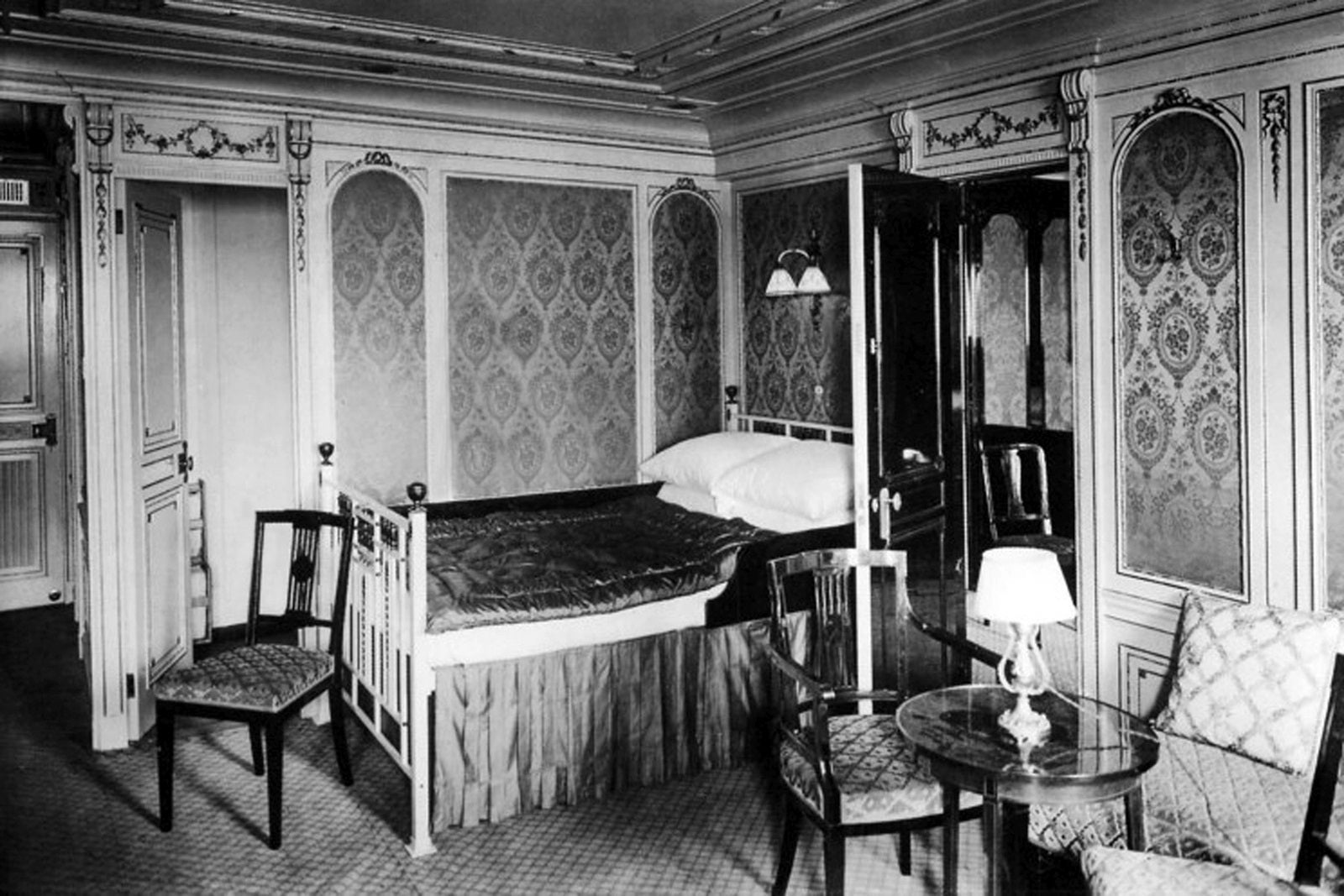
The most stunning difference between cabins on Titanic versus Icon of the Seas is the inconsistency that existed from third class to first class on Titanic.
Third-class rooms sometimes slept up to 10 people in tiny single bunks. Because the rooms were below deck, there were no windows, which also meant no natural light was available. Furniture in each third-class room included only bunk beds with bare-bones bedding and a sink.
Second-class rooms were a bit more nicely furnished and slept only two passengers. In addition to twin bunks with more comfortable bedding, each room had a sofa and a larger, nicer sink with a mirror and a wardrobe.
First-class digs were lavish, featuring intricate woodwork, high-end furniture and larger beds with plush bedding. The priciest accommodations — Parlour Suites — each offered two separate bedrooms, a living room, closet areas, a private bathroom and a private enclosed promenade. Generally, the more expensive your room, the higher on the ship it was located.
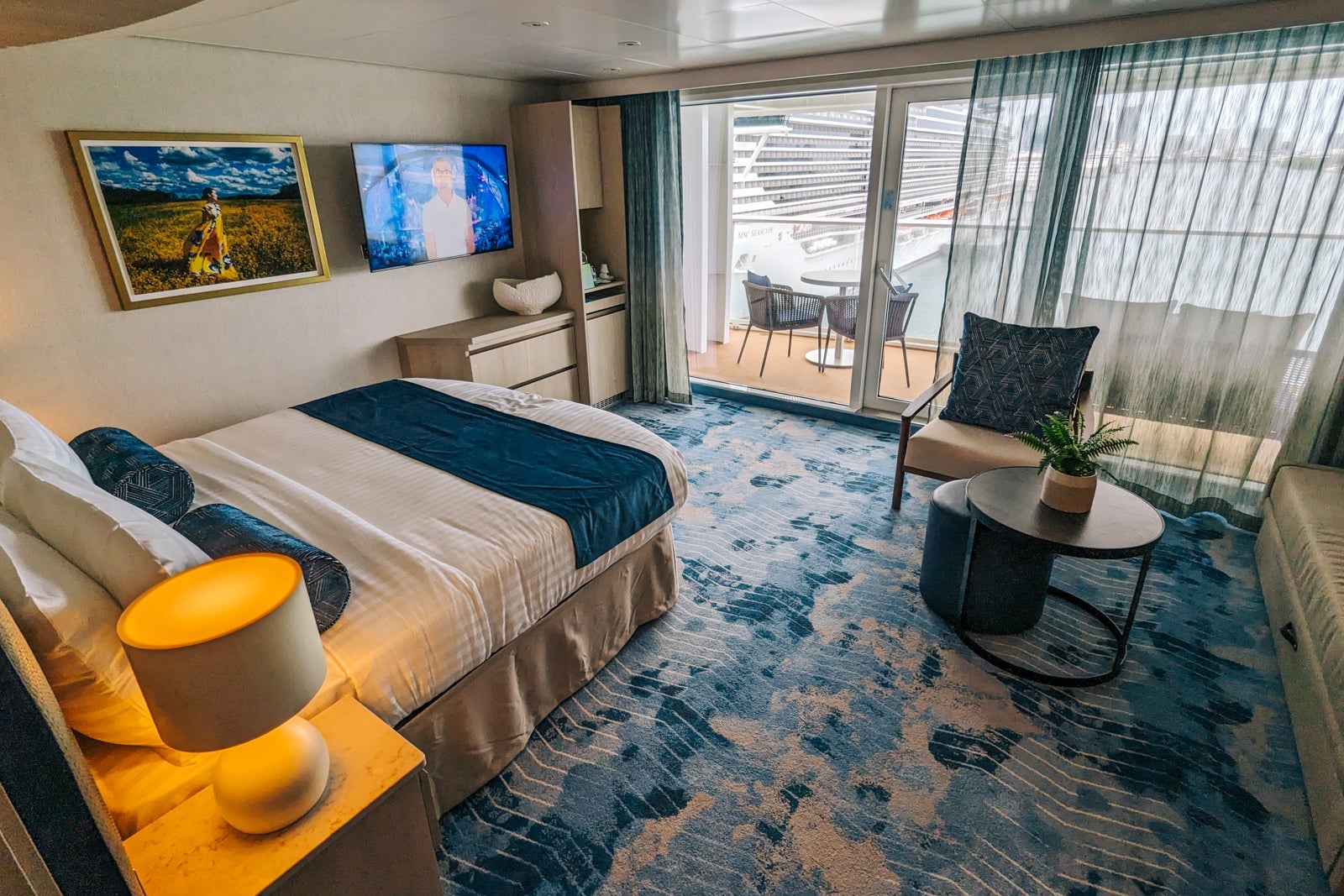
In contrast, Icon of the Seas offers more than 40 different cabin types within the inside, outside, balcony and suite categories — quite a few more choices and price points than existed on Titanic.
Plus, all passengers have access to nearly every public area on board. Guests booked in the most basic and least expensive rooms have access to just about everything on board. The exception is that if you book a high-end room in the Suite Neighborhood on Icon of the Seas, you get exclusive access to a private area with dedicated restaurants, a bar and a pool. Suite guests also receive additional perks — generally early boarding, priority disembarkation and butler service.
Style and decor remain largely the same between cabin types on Icon of the Seas, as is the case on most modern ships. There might be some variation in the color schemes found on different decks or cabin categories, with higher quality toiletries and bedding in suites, but largely, the vibe is similar from the least pricey cabins to the most costly. Further, Icon mixes cabin types together; you'll find inside cabins with no windows on higher decks, sharing corridors with balcony accommodations.
And, unlike all but a handful of rooms on Titanic, Icon's cabins have their own individual climate controls and bathrooms.
Titanic vs. Icon of the Seas food
With the rollout of White Star Line's Olympic Class (for which Titanic was the second ship), leisure cruising saw one of the first added-fee restaurants as a way to further separate the ranks among the upper echelons of first-class passengers, according to Titanic Belfast. Generationally wealthy passengers, known as "old money," found it offensive that they should have to dine with "new money" — recently successful people who originally came from low social standing.
The Restaurant, as it was called on Titanic, was an independently owned and operated restaurant on the ship. It had its own galley and cafe, fine China and over-the-top elegant decor. Food was priced a la carte. A second restaurant, simply referred to as the first-class saloon, offered meals fee-free. For dinner, first-class menus included items like salmon with mousseline sauce and cucumber, and sauteed chicken lyonnaise.
Second-class travelers dined in their own dedicated eatery. During the voyage, they could have expected to see baked haddock and curried chicken with rice offered.
People booked in third class dined below deck, where the dishes largely consisted of boiled meats and vegetables served up cafeteria-style.
On Icon of the Seas, passengers booked in suites can choose to dine in Coastal Kitchen, a restaurant that's located in the Suite Neighborhood, an area exclusive to suite guests and guarded by keycard entry. The area's private sundeck, called The Grove, also has an exclusive alfresco restaurant. But that's where the culinary exclusions end.
Otherwise, cruisers on Icon, regardless of cabin type booked, can choose from nearly 30 eateries that range from free pizza and main dining room and buffet fare to more costly options like for-fee Italian, steak, sushi and pub grub. You'll also find Starbucks and Johnny Rockets outposts among a slew of other selections. The number of dining locations and cuisine options on Icon of the Seas is truly impressive.
Titanic vs. Icon of the Seas entertainment and activities
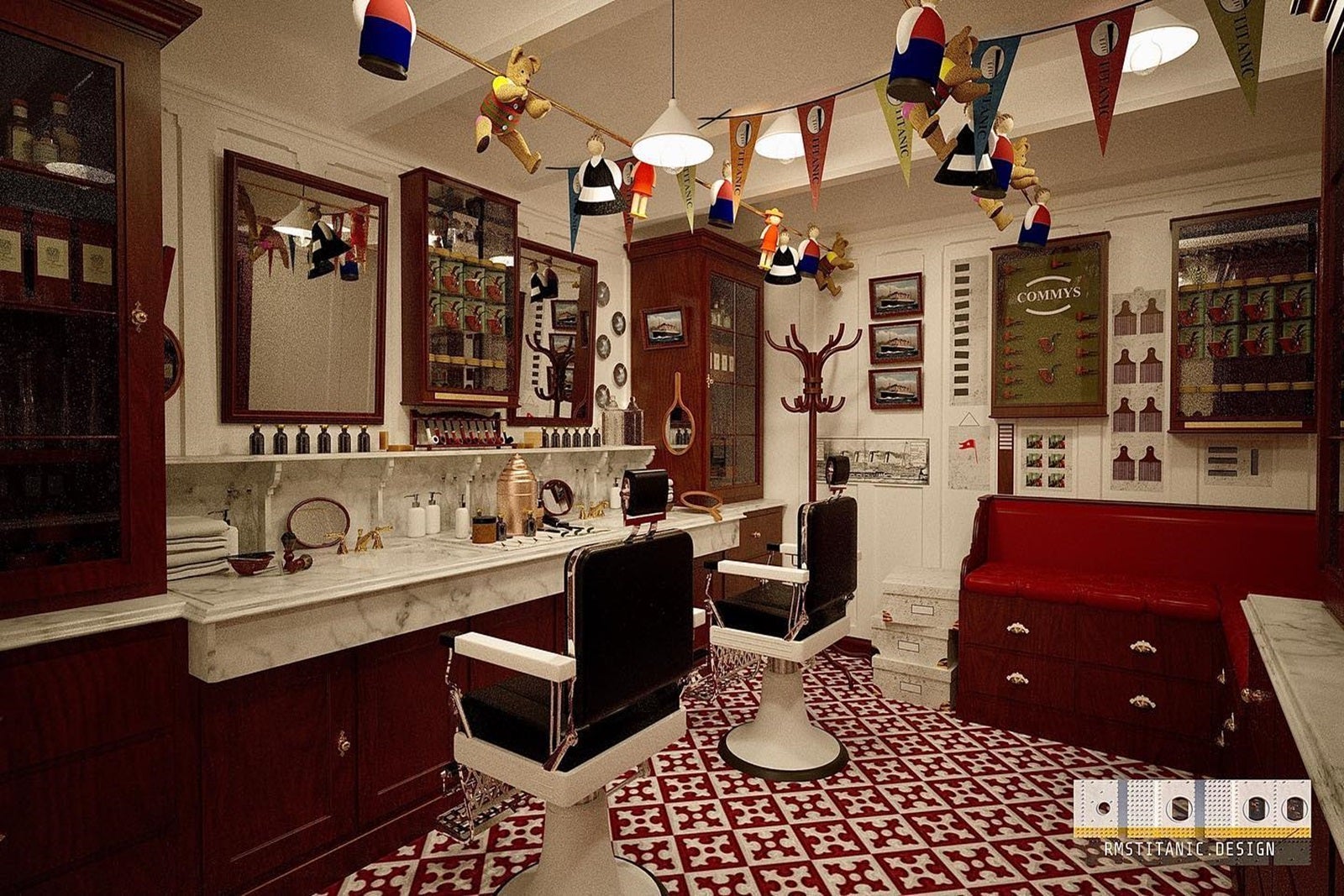
We've already established that Titanic was the largest ship in the world when it debuted, but a lesser-known superlative is that it was also the first passenger vessel to have a heated swimming pool on board. Only first-class passengers were allowed to use it, along with the ship's squash courts, gym and Turkish bath. Travelers booked in first class were also allowed to make use of the vessel's kennel by sailing with their dogs. (Today, the only modern cruise ship that allows pets on board — other than service animals — is Cunard's Queen Mary 2.)
Cruisers in the first and second classes also had their own dedicated barber shops. Third-class passengers did not have a place to get their hair cut.
Additionally, second class had its own promenade, smoking room and library, where tea was served daily with musical accompaniment.
In third class, guests had almost no entertainment apart from a piano, which they were allowed to play themselves. There was also a smoking room available for men only. Otherwise, passengers booked below deck were responsible for making their own fun.
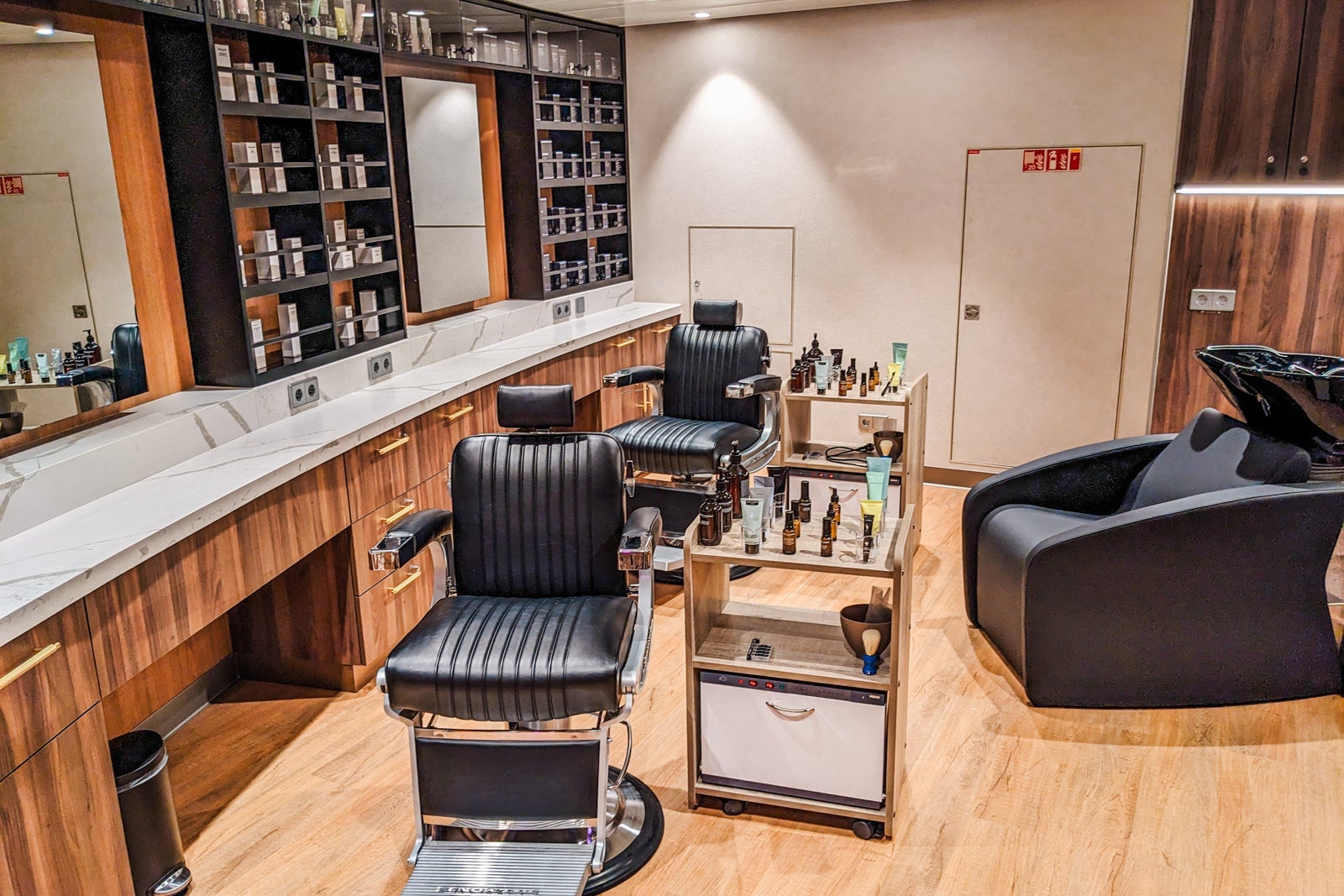
On Icon of the Seas, all passengers have access to a spa, a barber shop, a salon, a fitness center, free nightly theater shows, live music nearly around the clock, daily trivia, shore excursion options, pool deck parties, karaoke, a surf simulator, a carousel, numerous pools and waterslides, high-diving performances, pingpong, miniature golf, rock climbing, a ropes course, shopping, laser tag, an escape room, an arcade and an ice skating rink. Some do come with an added fee, but, unlike on Titanic, the type of cabin you book doesn't affect your ability to take advantage of any of these offerings.
Titanic vs. Icon of the seas comfort and safety
Travel on Titanic was likely anything but comfortable. Despite the indulgent food and elevated cabin decor included with the most expensive fares, indoor plumbing wasn't what it is now.
Although there were flush toilets, as well as bathtubs and showers, the facilities were largely communal and had to be shared among passengers in each class. (On a ship designed to carry more than 1,000 third-class passengers, there were only two third-class baths available.) Although all cabins had their own sinks, only the two most expensive suites on board had full ensuite bathrooms.
Additionally, travelers often felt the ship's movement, as stabilizers weren't regularly added to passenger vessels until years later. Plus, there were no temperature controls in cruisers' rooms. First-class accommodations were outfitted with additional heaters, but everyone else was at the mercy of the central heating and ventilation system. (Air conditioning wasn't available back then, nor was it needed for the itineraries Titanic had planned.)
In contrast, Icon of the Seas offers individual in-room controls for heating and air conditioning, and every cabin has its own ensuite bathroom with a toilet and a sink, as well as a shower, bathtub or some combination of the two.
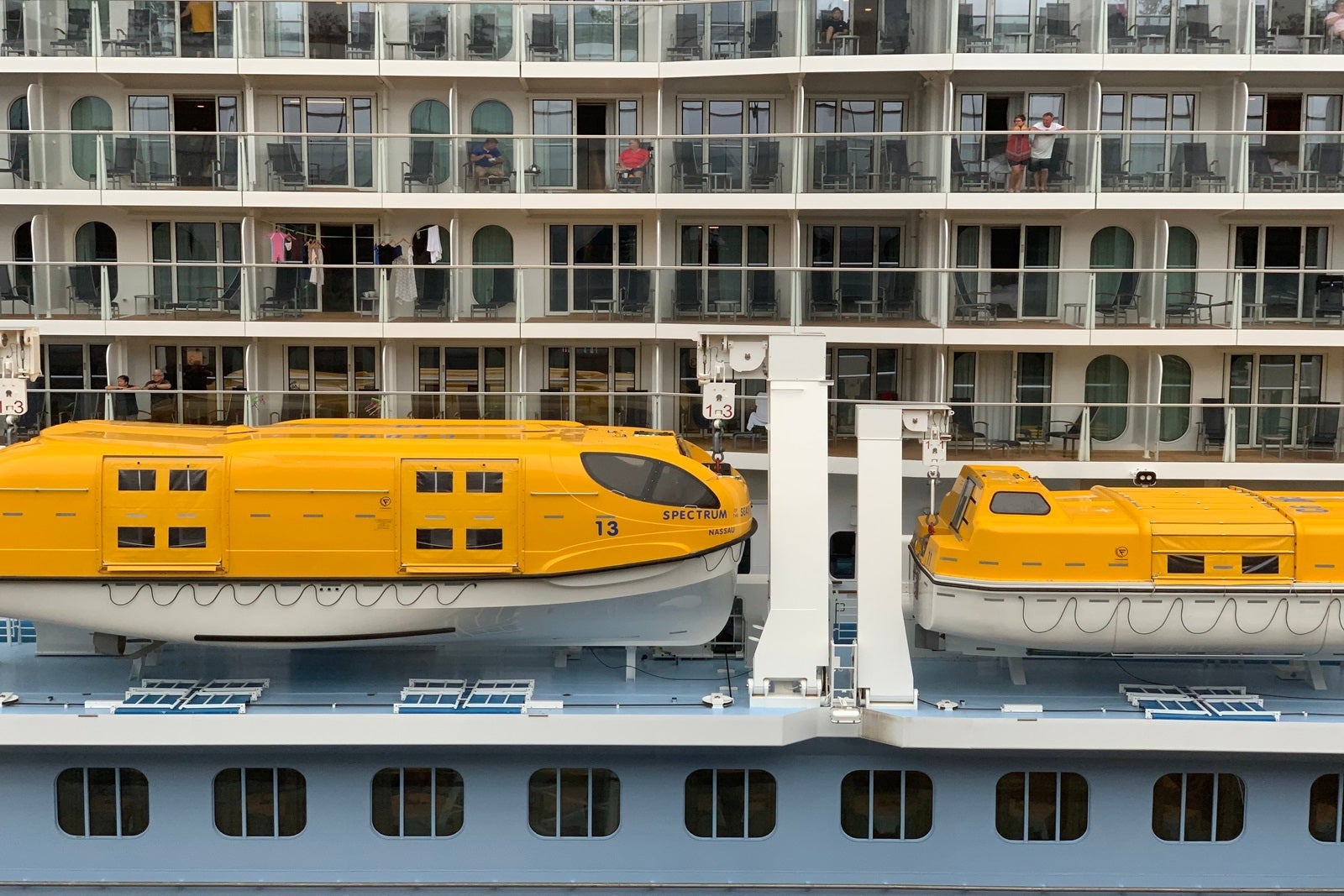
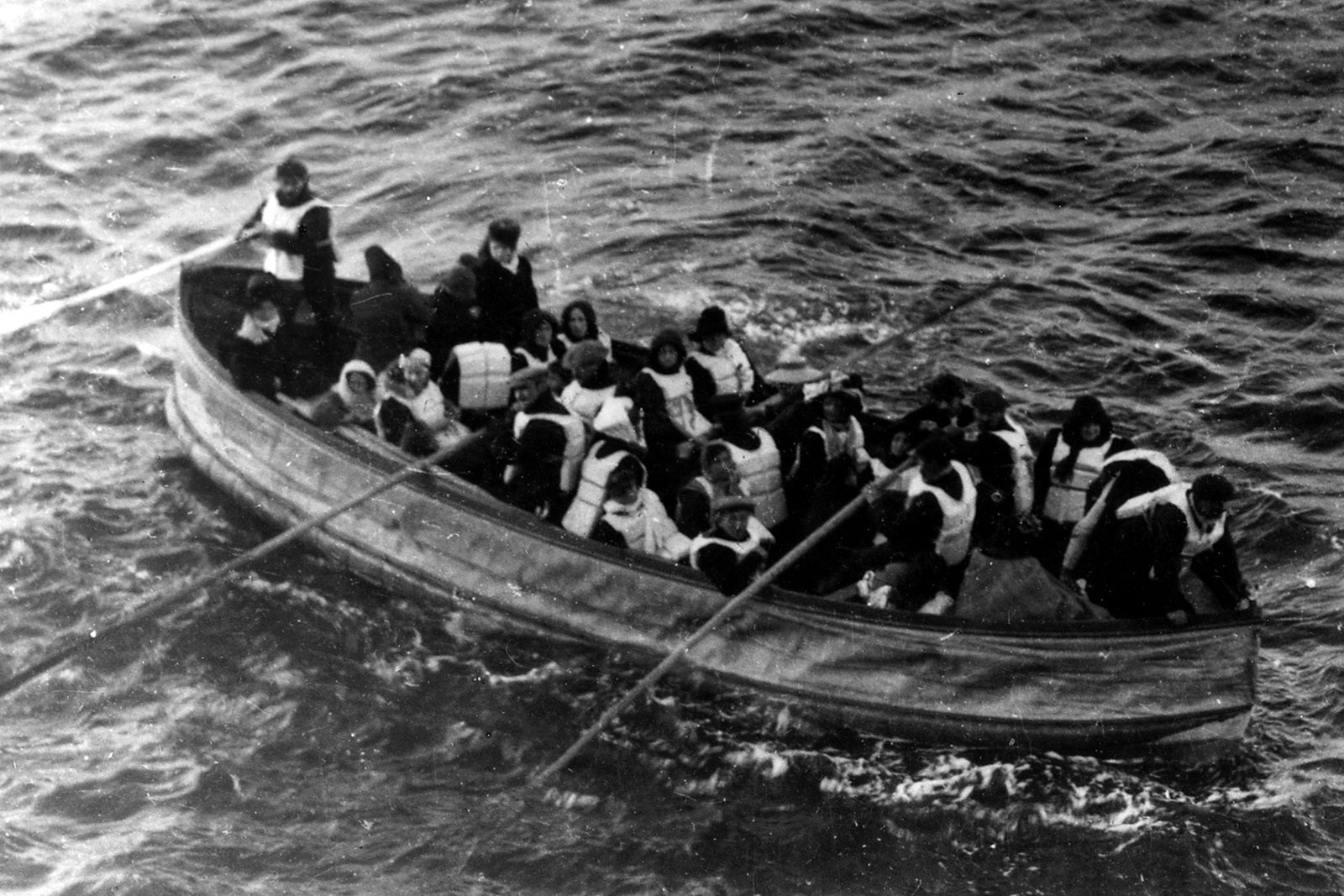
Unfortunately, as we know, Titanic had only enough lifeboats on board for about one-third of its passengers, most of whom perished when the ship hit an iceberg and sank April 14, 1912. Conversely, Icon of the Seas has more than enough rescue space for every single passenger who sails, per international maritime laws that now require ships to do so.
Muster drills did not take place during the Titanic era; now, before they set sail, passenger vessels are required to conduct safety drills that familiarize passengers with where their lifeboat stations are and how to properly don life jackets.
Titanic vs. Icon of the Seas quick stats
To sum up, here's a quick reference list to help you quickly compare stats between the two vessels.
Passengers
- Titanic: 2,435 (maximum capacity)
- Icon of the Seas: 7,600 (maximum capacity)
Crew
- Titanic: 885
- Icon of the Seas: 2,350
Decks
- Titanic: 10 (seven for passengers)
- Icon of the Seas: 20 (18 for passengers)
Ship measurements
- Titanic: 883 feet long, 93 feet wide, 46,329 gross registered tons
- Icon of the Seas: 1,196 feet long, 219 feet wide, 248,663 gross registered tons
Find out more about Royal Caribbean:
- The ultimate guide to Royal Caribbean cruises
- Royal Caribbean cruise ship classes explained
- Royal Caribbean cruise ships by size
- Royal Caribbean cruise ships by age
- All you need to know about Royal Caribbean cabins and suites
- Royal Caribbean food
- Royal Caribbean drink packages
- Where you can cruise with Royal Caribbean
- How to find the best Royal Caribbean ship for you
- Royal Caribbean's Crown & Anchor Society loyalty program
- How to pack for a Royal Caribbean cruise
TPG featured card

at American Express's secure site
Terms & restrictions apply. See rates & fees.
| 3X | Earn 3X Miles on Delta purchases. |
| 1X | Earn 1X Miles on all other eligible purchases. |
Pros
- Delta SkyClub access when flying Delta
- Annual companion ticket for travel on Delta (upon renewal)
- Ability to earn MQDs through spending
- Various statement credits for eligible purchases
Cons
- Steep annual fee of $650
- Other Delta cobranded cards offer superior earning categories
- Earn 100,000 Bonus Miles after you spend $6,000 or more in purchases with your new Card within the first 6 months of Card Membership and an additional 25,000 bonus miles after you make an additional $3,000 in purchases on the Card within your first 6 months, starting from the date that your account is opened. Offer Ends 04/01/2026.
- Delta SkyMiles® Reserve American Express Card Members receive 15 Visits per Medallion® Year to the Delta Sky Club® when flying Delta and can unlock an unlimited number of Visits after spending $75,000 in purchases on your Card in a calendar year. Plus, you’ll receive four One-Time Guest Passes each Medallion Year so you can share the experience with family and friends when traveling Delta together.
- Enjoy complimentary access to The Centurion® Lounge in the U.S. and select international locations (as set forth on the Centurion Lounge Website), Sidecar by The Centurion® Lounge in the U.S. (see the Centurion Lounge Website for more information on Sidecar by The Centurion® Lounge availability), and Escape Lounges when flying on a Delta flight booked with the Delta SkyMiles® Reserve American Express Card. § To access Sidecar by The Centurion® Lounge, Card Members must arrive within 90 minutes of their departing flight (including layovers). To access The Centurion® Lounge, Card Members must arrive within 3 hours of their departing flight. Effective July 8, 2026, during a layover, Card Members must arrive within 5 hours of the connecting flight.
- Receive $2,500 Medallion® Qualification Dollars with MQD Headstart each Medallion Qualification Year and earn $1 MQD for each $10 in purchases on your Delta SkyMiles® Reserve American Express Card with MQD Boost to get closer to Status next Medallion Year.
- Enjoy a Companion Certificate on a Delta First, Delta Comfort, or Delta Main round-trip flight to select destinations each year after renewal of your Card. The Companion Certificate requires payment of government-imposed taxes and fees of between $22 and $250 (for itineraries with up to four flight segments). Baggage charges and other restrictions apply. Delta Basic experiences are not eligible for this benefit.
- $240 Resy Credit: When you use your Delta SkyMiles® Reserve American Express Card for eligible purchases with U.S. Resy restaurants, you can earn up to $20 each month in statement credits. Enrollment required.
- $120 Rideshare Credit: Earn up to $10 back in statement credits each month after you use your Delta SkyMiles® Reserve American Express Card to pay for U.S. rideshare purchases with select providers. Enrollment required.
- Delta SkyMiles® Reserve American Express Card Members get 15% off when using miles to book Award Travel on Delta flights through delta.com and the Fly Delta app. Discount not applicable to partner-operated flights or to taxes and fees.
- With your Delta SkyMiles® Reserve American Express Card, receive upgrade priority over others with the same Medallion tier, product and fare experience purchased, and Million Miler milestone when you fly with Delta.
- Earn 3X Miles on Delta purchases and earn 1X Miles on all other eligible purchases.
- No Foreign Transaction Fees. Enjoy international travel without additional fees on purchases made abroad.
- $650 Annual Fee.
- Apply with confidence. Know if you're approved for a Card with no impact to your credit score. If you're approved and you choose to accept this Card, your credit score may be impacted.
- Terms Apply.
- See Rates & Fees