How is cruise ship speed measured, and how fast is a knot in miles per hour?


Have you ever wondered how cruise ship speed is measured? Ships aren't the fastest method of transportation, but that doesn't mean it's not fun to calculate your speed when you're sailing. Unlike land travel, ship speed is not measured in miles per hour.
Here, I'll cover how cruise ship speed is measured, how to calculate your ship's speed in miles per hour and some considerations that could affect how fast you're going.
What is a knot in nautical terms?

A knot is the nautical measure of speed used by cruise ships and other maritime vessels. One knot represents 1 nautical mile per hour.
But "knot" isn't simply a misspelled nickname for "naut" (as in nautical mile). Its origins are far more literal, according to the United States' National Ocean Service.
In the 17th century, ship crews measured vessel speed by tossing a rope with several evenly spaced knots and a triangular-shaped piece of wood into the water. As the ship moved, currents created resistance against the wood, causing more rope to be pulled into the water over a specified period of time. When time was up, crew members would pull the rope in and count the knots.
In short, the number of knots pulled out into the water over a specific period of time translated into the speed of the vessel's travel.
How fast is a knot in miles per hour?
When you convert 1 knot to miles per hour, it works out to 1.15 standard miles per hour for every nautical mile per hour. That's knot speed. So, although land-based miles per hour are just slightly faster than knots, for general purposes, it's a close comparison. For example, if your ship is sailing 20 knots, it's sailing roughly 23 mph.
How fast do cruise ships go?
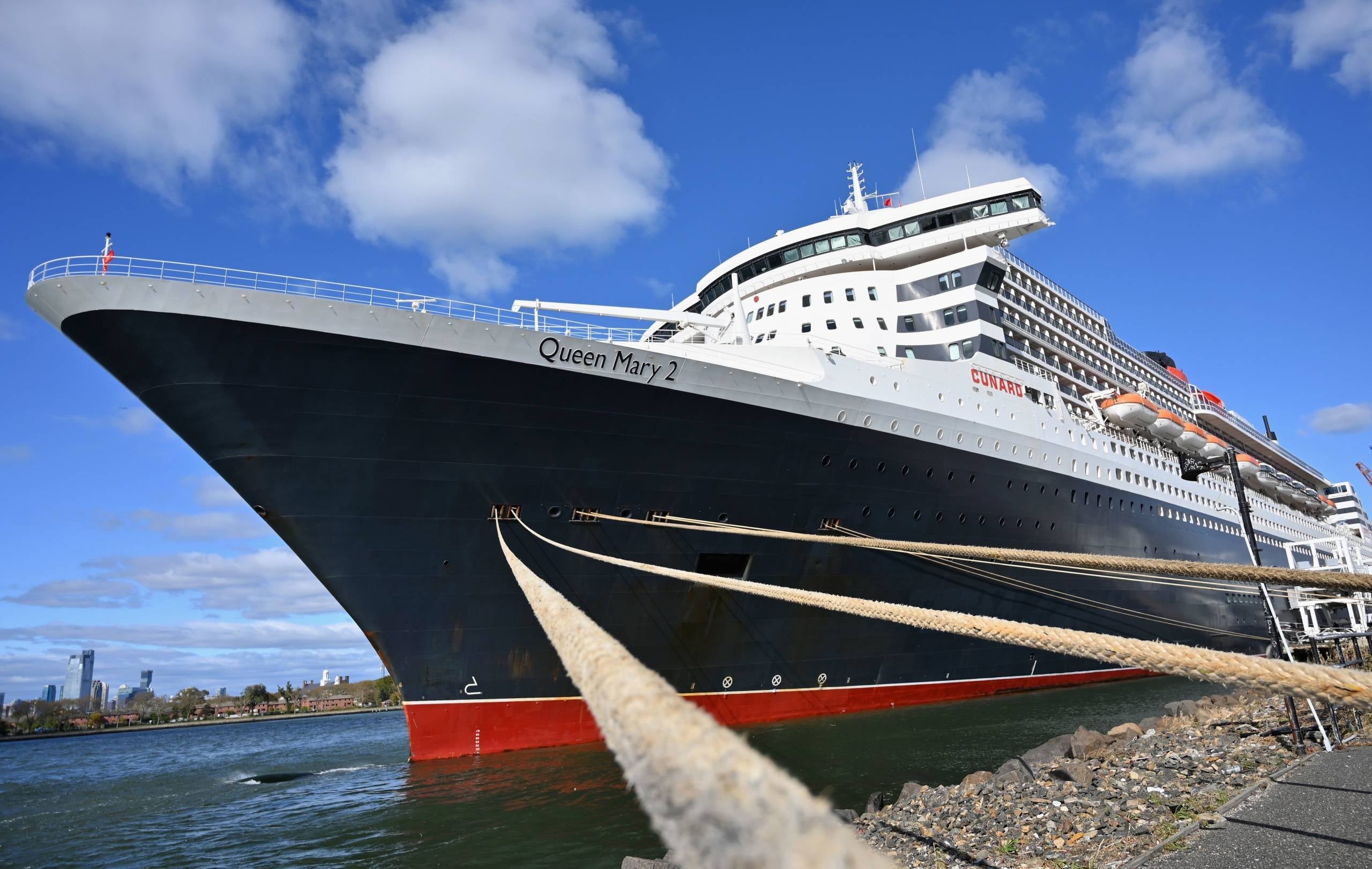
What is the maximum speed of a cruise ship? The maximum speed for most modern vessels is about 30 knots or 34.5 mph, but just because they can glide along that fast doesn't mean they actually do, or at least not all the time.
Officers on the bridge will adjust speed to account for weather and ocean conditions — rough seas and high winds mean slower speeds — and port arrival times. Early arrival into port can come with extra fees that cruise lines are loath to incur, which usually means they prefer to take their time by slowing their speed.

What is the average cruise ship speed?
Cruise ship average speed is affected by lots of outside forces, as mentioned above. In relatively calm conditions, the average present-day vessel travels about 20 knots or 23 mph between ports of call.
What is the fastest cruise ship?

Currently, the fastest cruise ship that's operational is Cunard Line's Queen Mary 2, which often serves as an ocean liner to ferry people back and forth between the U.S. and the United Kingdom. Its maximum speed is 30 knots.
Cunard, which has operated historically fast vessels throughout the years, won the Blue Riband — a coveted prize for the ship to cross between the U.S. and Europe while maintaining the highest speed — 18 times. The last ship in the fleet to hold the unofficial award, which dates back to the 1800s, was Queen Mary, which is currently a floating hotel in Long Beach, California, near Los Angeles.
Queen Mary was dethroned as the winner in 1952 by SS United States, which was operated by rival United States Lines and made the crossing in just three days, 10 hours and 40 minutes at a speed of nearly 35.6 knots or almost 41 mph. (Its maximum speed was 39 knots or about 45 mph.)
Today, SS United States is docked in Philadelphia and maintained by a nonprofit conservancy that hopes to find investors to restore the languishing liner, which is now more than 70 years old. It might not be operational, but its previous accolades make it the fastest passenger vessel currently afloat.
Planning a cruise? Start with these stories:
- The 5 most desirable cabin locations on any cruise ship
- A beginners guide to picking a cruise line
- The 8 worst cabin locations on any cruise ship
- A quick guide to the most popular cruise lines
- 21 tips and tricks that will make your cruise go smoothly
- 15 ways cruisers waste money
- 12 best cruises for people who never want to grow up
- The ultimate guide to what to pack for a cruise
TPG featured card
at American Express's secure site
Terms & restrictions apply. See rates & fees.
| 4X | Earn 4X Membership Rewards® points per dollar spent on purchases at restaurants worldwide, on up to $50,000 in purchases per calendar year, then 1X points for the rest of the year. |
| 4X | Earn 4X Membership Rewards® points per dollar spent at US supermarkets, on up to $25,000 in purchases per calendar year, then 1X points for the rest of the year. |
| 5X | Earn 5X Membership Rewards® points on prepaid hotel stays booked through AmexTravel.com or the Amex Travel App™. |
| 3X | Earn 3X Membership Rewards® points on flights booked through AmexTravel.com, the Amex Travel App™, or purchased directly from airlines. |
| 2X | Earn 2X Membership Rewards® points on prepaid car rentals booked through AmexTravel.com or the Amex Travel App™ and cruises booked and paid through AmexTravel.com. |
| 1X | Earn 1X Membership Rewards® point per dollar spent on all other eligible purchases. |
Pros
- Valuable dining and food-related credits
- Flexible rewards with airline and hotel transfer partners
- Multiple travel and purchase protections
- No foreign transaction fees
- Access to Amex Offers for additional savings (enrollment required)
Cons
- Not as useful for those living outside the U.S.
- Some may have trouble using Uber and other dining credits
- You may be eligible for as high as 100,000 Membership Rewards® Points after you spend $8,000 in eligible purchases on your new Card in your first 6 months of Card Membership. Welcome offers vary and you may not be eligible for an offer. Apply to know if you’re approved and find out your exact welcome offer amount – all with no credit score impact. If you’re approved and choose to accept the Card, your score may be impacted.
- Earn 4X Membership Rewards® points per dollar spent on purchases at restaurants worldwide, on up to $50,000 in purchases per calendar year, then 1X points for the rest of the year.
- Earn 4X Membership Rewards® points per dollar spent at US supermarkets, on up to $25,000 in purchases per calendar year, then 1X points for the rest of the year.
- Earn 5X Membership Rewards® points on prepaid hotel stays booked through AmexTravel.com or the Amex Travel App™.
- Earn 3X Membership Rewards® points on flights booked through AmexTravel.com, the Amex Travel App™, or purchased directly from airlines.
- Earn 2X Membership Rewards® points on prepaid car rentals booked through AmexTravel.com or the Amex Travel App™ and cruises booked and paid through AmexTravel.com.
- Earn 1X Membership Rewards® point per dollar spent on all other eligible purchases.
- Pay It® lets you tap in the American Express® App to quickly pay for small purchase amounts throughout the month and still earn rewards the way you usually do. Plan It® gives you the option to split up big purchases into equal monthly payments with a fixed fee. You’ll know upfront exactly how much you’ll pay.
- $120 Dining Credit: Earn up to a total of $10 in statement credits monthly when you pay with the Gold Card at Grubhub (including Seamless), Buffalo Wild Wings, Five Guys, The Cheesecake Factory, and Wonder. This can be an annual savings of up to $120. Enrollment required.
- $100 Resy Credit: Get up to $100 in statement credits each calendar year at over 10,000 qualifying U.S. Resy restaurants after you pay for eligible purchases with the American Express® Gold Card. That’s up to $50 in statement credits semi-annually. Enrollment required.
- $84 Dunkin' Credit: Earn up to $7 in monthly statement credits after you pay with the American Express® Gold Card at U.S. Dunkin’ locations. Enrollment required.
- $120 Uber Cash on Gold: Enjoy up to $120 in Uber Cash annually with your Gold Card. Just add your Card to your Uber account and you'll get $10 in Uber Cash each month to use on orders and rides in the U.S. when you select an Amex Card for your transaction.
- Enjoy complimentary Hertz Five Star® Status benefits like skipping the counter at select locations, adding an additional driver at no additional cost*, and vehicle upgrades**. Benefit enrollment and Hertz Gold+ registration are required. *Additional drivers must meet standard rental qualifications and must be a spouse or domestic partner to qualify as complimentary. Other additional drivers subject to fees. **Benefits are subject to availability and vary by location. Additional Hertz program Terms and Conditions including age restrictions apply.
- Book two nights or more with The Hotel Collection through AmexTravel.com or the Amex Travel App™ and receive a $100* credit towards eligible charges at over 1,400 upscale hotels worldwide. *Eligible charges vary by property.
- Book your travel through the Amex Travel App™ with added peace of mind – backed by American Express® service and support. Only for American Express® Card Members.
- Whenever you need us, we're here. Our Member Services team will ensure you are taken care of. From lost Card replacement to statement questions, we are available to help 24/7.
- No Foreign Transaction Fees.
- Annual Fee is $325.
- Terms Apply.