Wi-Fi on cruise ships: 5 things to know about internet use on board


When I first began writing about cruising three decades ago, the typical internet connection at sea wasn't just slow. It was glacial. You'd click on a website only to experience many seconds of frustration. Maybe the page would come up. Maybe it wouldn't. Maybe the cruise would end while you were still sitting there.
Thankfully, those days are long gone. Internet service on cruise ships in recent years has gotten a lot faster — and less expensive, to boot. Indeed, if you haven't been on a cruise in a few years, you might be shocked at how much faster the Wi-Fi speeds are on cruise ships than during your last sailing — and how much more affordable internet packages have become in some cases.
While there still are some ships and some cruising locations where surfing the internet takes significant patience, excruciatingly slow internet speeds on cruise ships are increasingly a thing of the past.
That's the good news. The bad news is that Wi-Fi on cruise ships still isn't as fast or reliable as what you have at home.
Here is a look at the ins and outs of Wi-Fi on cruise ships, including five things you should know about the internet at sea.
Wi-Fi on cruise ships will never be as fast (or reliable) as home
Yes, all cruise ships today offer an internet connection, but it might not be the seamless experience you've come to expect on land.
While the internet situation on ships has improved significantly in recent years, you'll still find speed and reliability issues when surfing the web on some ships in some locations around the world.
Related: 16 mistakes cruise ship passengers make on disembarkation day
Why aren't internet speeds and reliability the same on ships as they are on land? One obvious reason is that there is no cable wire running to your cruise ship. On cruise ships, every packet of data you are downloading onto your phone or computer, for the most part, is coming over a satellite, which is not a quick or inexpensive proposition.

In recent years, maritime communication companies that specialize in providing internet connections to ships have been trying to speed things up. Solutions have included adding more satellites and linking their systems to land-based towers that connect with ships as they near shore.
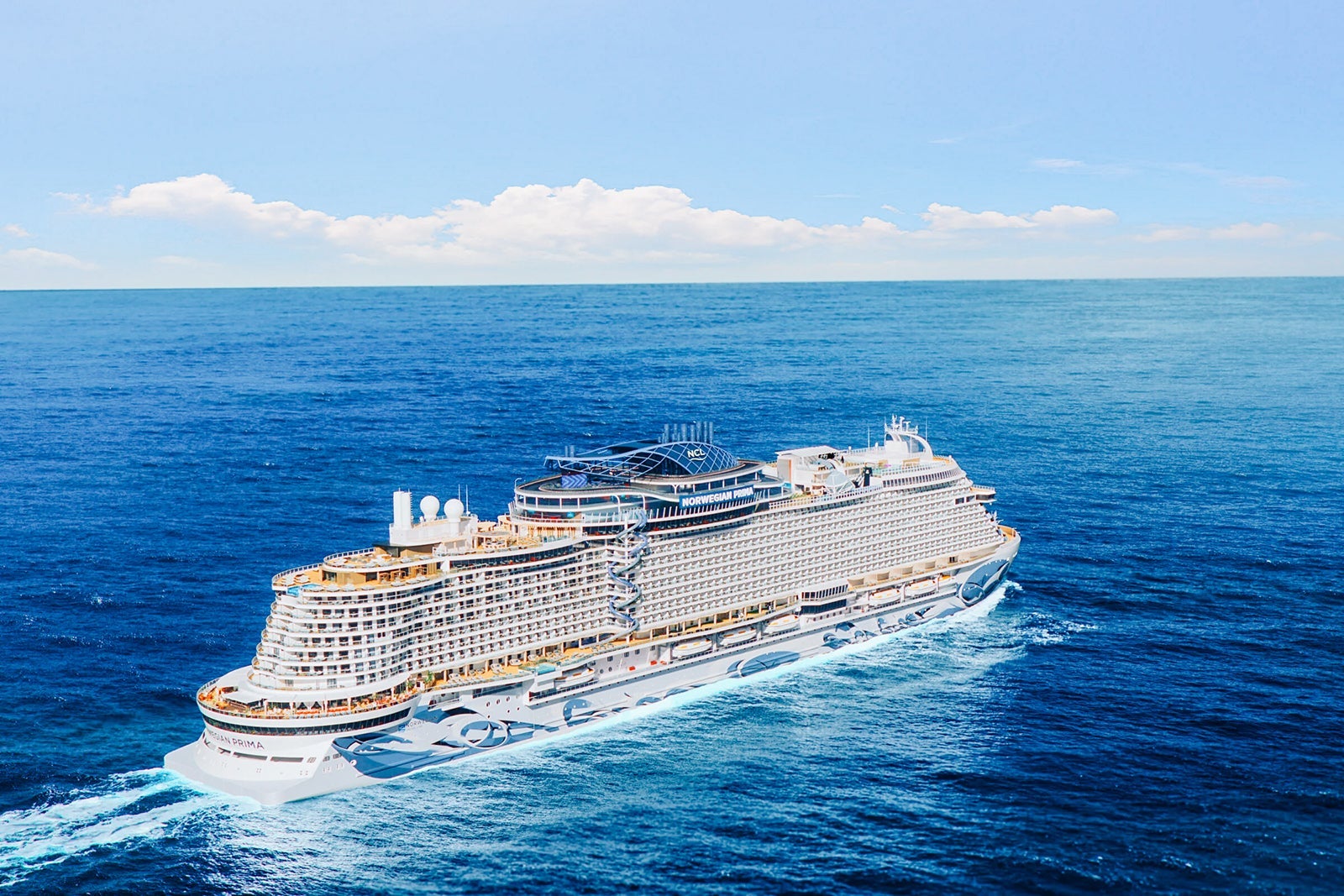
But, in the end, there are limits to just how well a satellite system can work. For starters, a ship needs a clear "line of sight" to a satellite to exchange data, something that isn't always the case. Cruise ships traveling through the famed Norwegian fjords, for instance, can lose their satellite signal due to the height of surrounding mountains.
And there are certain parts of the world where satellite coverage is too thin or nonexistent to allow for internet access on cruise ships — though this has been changing fast. During a sailing in the Russian Arctic on a Hapag-Lloyd Cruises ship, I was forced to live without internet for a good part of a week due to a lack of satellite coverage in the area (something that, I must say, was kind of wonderful).
So while onboard cruise Wi-Fi speeds are getting better, they'll likely never be as fast as at home, where a hard wire brings the signal straight to your router.
Onboard internet speed is getting much faster
On some cruise ships, the signal has become so much faster that you now can stream Netflix from the comfort of your cabin — something that would have been unthinkable just a few years ago.
New satellite systems, paired with multimillion-dollar investments in shipboard technology, are making things better in a big way. A turning point came just over a decade ago, in 2014, when cruise giant Royal Caribbean partnered with satellite company O3b Networks to create a new onboard internet system that it claimed was six times faster than anything else at sea. Called Voom, the system tapped into satellites operated by O3b that could shoot their beams directly at ships as they moved.
More recently, Royal Caribbean — like many other cruise lines — has switched to using SpaceX's Starlink satellite service for its internet service at sea, which is even faster. Still, it's all relative.
When I ran a speed test of Voom on Symphony of the Seas in 2024, I found the service usually offered download speeds of just 9 megabits per second. At no time during the cruise did I find download speeds exceeding 10 Mbps, but at times, they dropped to as low as 4 Mbps. Compare that to the download speeds of around 400 Mbps that I get at my home in North Carolina through my cable provider, Spectrum.
Still, while significantly slower than many home connections, the 9 Mbps that I got on Symphony of the Seas was still fast enough to enjoy Netflix and other streaming video services, though I did experience a few hiccups.
A couple of times during the cruise, I lost the internet connection completely for a spell. The speed also seemed to briefly slow down at times and occasionally freeze.
Royal Caribbean still claims Voom is the fastest and best Wi-Fi option on cruise ships today, but we're skeptical — not because the Wi-Fi is slower than stated, but because other cruise lines, like Carnival Cruise Line, are quickly catching up. Many now use the very same Starlink service that Royal Caribbean uses, with similar results.
Cruise internet costs have gone down
Not too many years ago, you had to pay a small fortune for the privilege of accessing the internet on a cruise ship. The base rate for onboard Wi-Fi for years started at around 75 cents a minute. That's $45 for a single hour online!
The old pay-by-the-minute system, which could leave even modest internet users with sky-high bills, has given way to simpler and more affordable "all-you-can-browse" plans on most lines in recent years.
How much does Wi-Fi cost on a cruise today? While it varies by line, you can expect to pay around $15 to $30 per day for internet service on many ships. That's for one device. If you want to hook up multiple devices, you'll often pay less on a per-device basis.
Royal Caribbean's Voom connection, for instance, often costs around $27 per day for one device. In the old days of 75 cents-a-minute pricing, that same amount of money would have gotten you just 40 minutes of web time.
Related: 15 ways that cruising newbies waste money on their first cruise
The $27-a-day-or-so rate at Royal Caribbean is the rate you'll get based on buying the service for the entire cruise. You can't get that rate if you just want internet access for a single day. Single-day packages cost more.
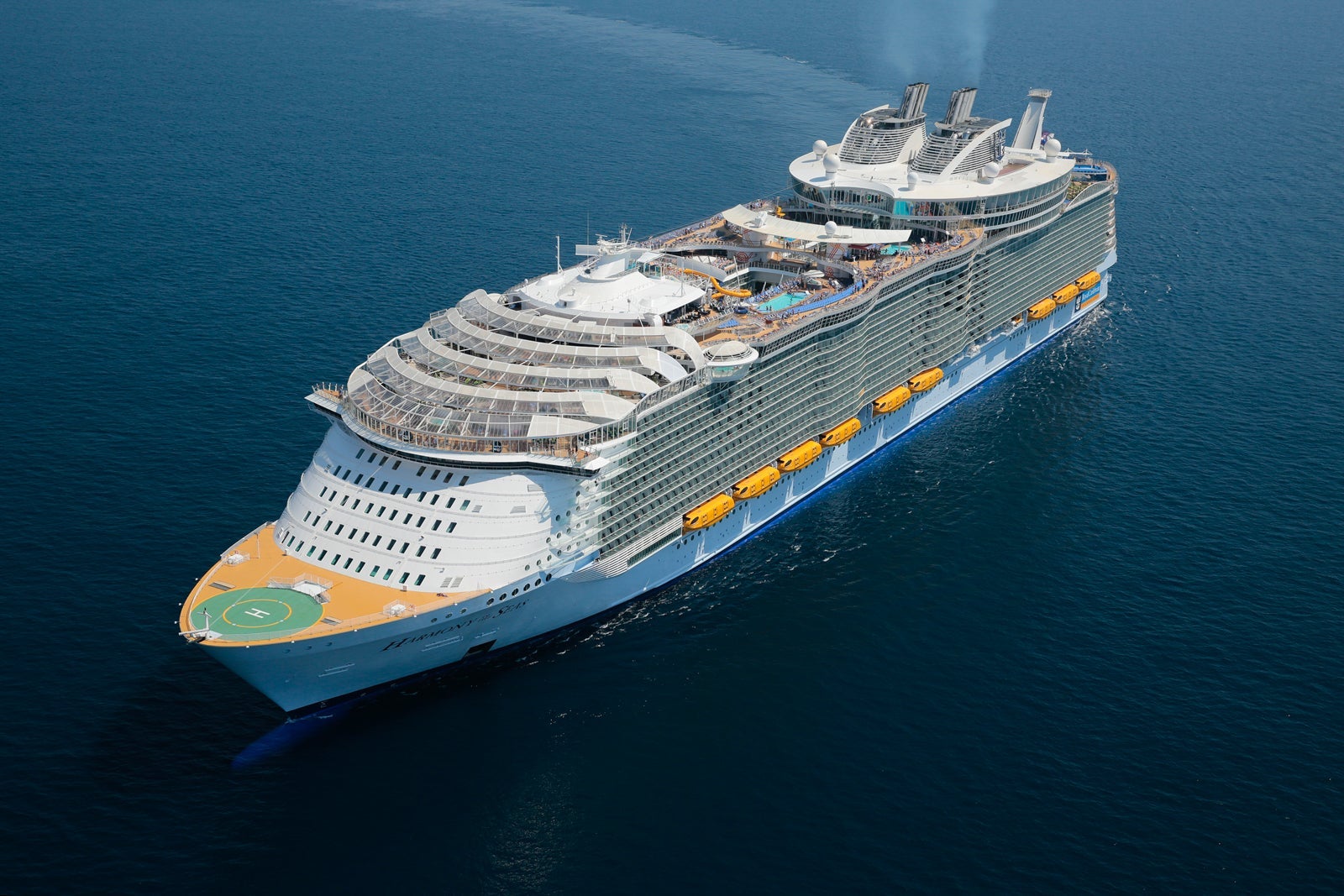
But you can get an even better price — often 20% to 30% off the regular price — if you buy your internet in advance of a Royal Caribbean sailing.
Meanwhile, perhaps the biggest development in cruise internet costs in recent years is that many higher-end lines have begun offering internet access for — get this — free. Viking, Regent Seven Seas Cruises and Silversea Cruises are among the lines now including unlimited internet time in the base cost of a voyage. At some of these lines, such as Regent, you can pay extra for faster service.
Another way to get free or cheaper internet time on ships is to join cruise line loyalty programs. Some offer free cruise Wi-Fi or discounted package pricing to customers who hit mid- to upper-tier levels.
At Celebrity Cruises, for instance, the top Zenith tier in the line's Captain's Club loyalty program comes with unlimited free Premium-level internet (the fastest plan at the line). At Princess Cruises, customers can get 50% off MedallionNet internet packages after reaching the Platinum level in the line's Captain's Circle loyalty program (to qualify, you'll need to complete either five cruises or 50 cruise days).
On Royal Caribbean, the path to free internet on a cruise is through its high-end suites. Book a room in a Sky Class or Star Class suite (all suites above the junior suite level), and you'll receive free Voom.
Apps offer an alternative to paid cruise Wi-Fi
In recent years, a growing number of cruise lines have rolled out free apps for your phone that will let you make reservations for onboard restaurants, spa treatments and other services without ever leaving your pool deck lounge chair. On some ships operated by Carnival, you can even order beer and pizza to be delivered wherever you happen to be using an app.
Many of these apps also will show you a schedule of daily activities, offer ship deck plans and sometimes port maps to help you get around, and let you check your onboard account statement in real time. On Celebrity Edge and other Celebrity Cruises Edge Class ships, you can even use an app to remotely open your cabin door, change channels on the TV and turn off the lights.
While all these apps work off cruise ship Wi-Fi, the good news is that they don't require the purchase of a plan to use. Nor do they come with any other sort of fee — at least, for most features.
At Carnival, you'll pay $5 (per user, per cruise) to add a "chat" feature to the line's otherwise free HUB app. This feature will let you communicate via textlike messages with other app-enabled passengers.
Cruise internet tip: Use airplane mode to avoid unwanted charges
Whether or not you're purchasing a Wi-Fi plan on a cruise ship, I have one very strong piece of advice: Put your phone in airplane mode the moment you step on board the vessel and leave it that way for the duration of the sailing.
This is the safest way to avoid unwanted data charges, which can be enormous. (Remember the story of a family that racked up $14,000 in data charges on a cruise?)
As many cruisers have found the hard way, international phone plans, such as AT&T's $12-a-day International Day Pass, do not apply to cruise ships at sea. If you let your AT&T phone roam while you're on a vessel, you'll pay twice that amount — $20 a day — even if you only use it for a few minutes.
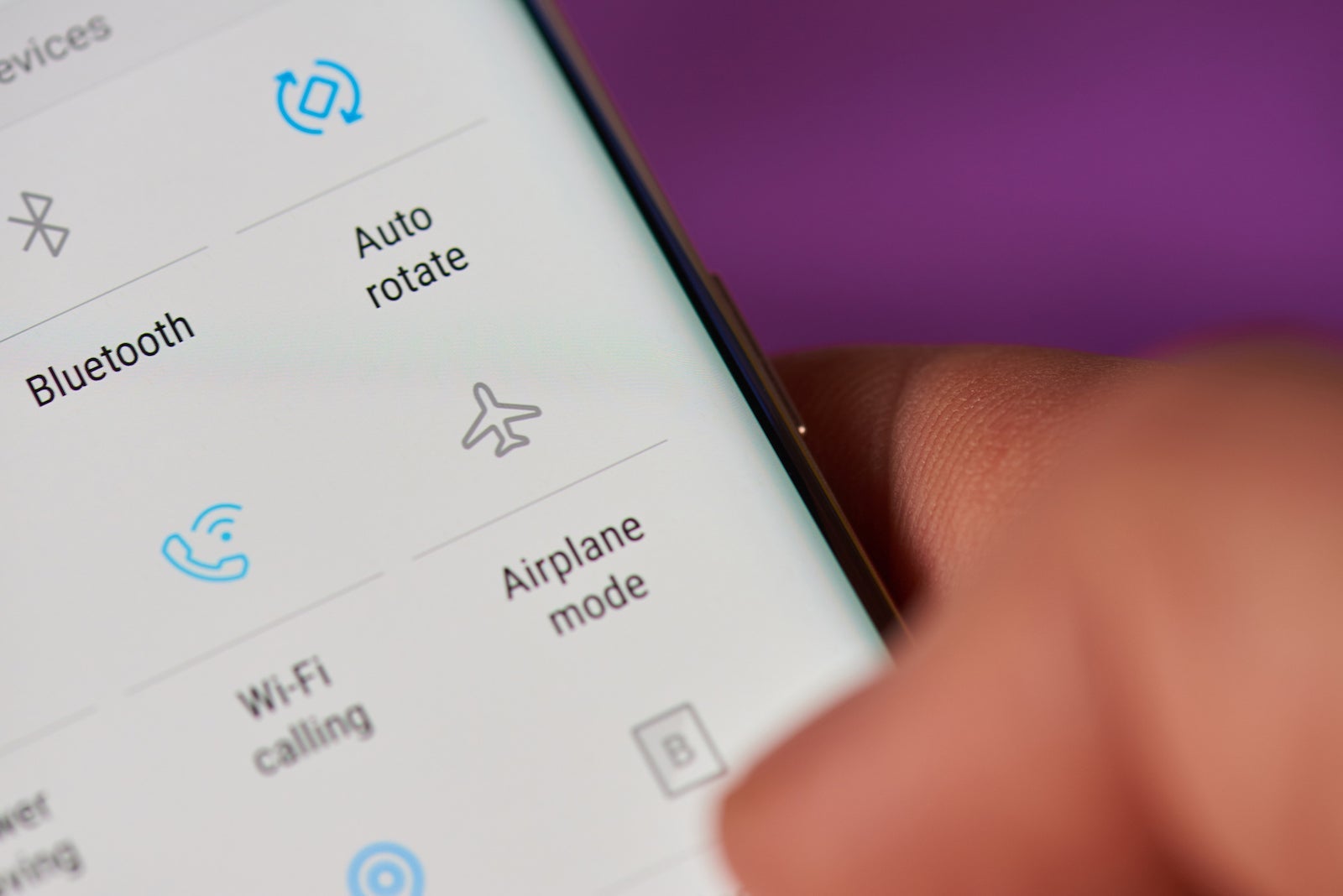
If you insist on leaving your cellular service on during a cruise, you should at least disable any apps running in the background (as they'll eat up data and run up your bill) and disable email auto-check.
Personally, I find it easier to just hit the airplane mode button. Once in airplane mode, I reactivate the Wi-Fi feature on my phone to access the cruise Wi-Fi and sign up for a shipboard plan that will let me stay in touch by email or a Voice over Internet Protocol service like WhatsApp.
Planning a cruise? Start with these stories:
- The 5 most desirable cabin locations on any cruise ship
- A beginners guide to picking a cruise line
- The 8 worst cabin locations on any cruise ship
- The ultimate guide to what to pack for a cruise
- A quick guide to the most popular cruise lines
- 21 tips and tricks that will make your cruise go smoothly
- The ultimate guide to choosing a cruise ship cabin
TPG featured card

at Capital One's secure site
Terms & restrictions apply. See rates & fees.
| 5X miles | Earn 5X miles on hotels, vacation rentals and rental cars booked through Capital One Travel |
| 2X miles | Earn unlimited 2X miles on every purchase, every day |
Pros
- Stellar welcome offer of 75,000 miles after spending $4,000 on purchases in the first three months from account opening. Plus, a $250 Capital One Travel credit to use in your first cardholder year upon account opening.
- You'll earn 2 miles per dollar on every purchase, which means you won't have to worry about memorizing bonus categories
- Rewards are versatile and can be redeemed for a statement credit or transferred to Capital One’s transfer partners
Cons
- Highest bonus-earning categories only on travel booked via Capital One Travel
- LIMITED-TIME OFFER: Enjoy $250 to use on Capital One Travel in your first cardholder year, plus earn 75,000 bonus miles once you spend $4,000 on purchases within the first 3 months from account opening - that’s equal to $1,000 in travel
- Earn unlimited 2X miles on every purchase, every day
- Earn 5X miles on hotels, vacation rentals and rental cars booked through Capital One Travel
- Miles won't expire for the life of the account and there's no limit to how many you can earn
- Receive up to a $120 credit for Global Entry or TSA PreCheck®
- Use your miles to get reimbursed for any travel purchase—or redeem by booking a trip through Capital One Travel
- Enjoy a $50 experience credit and other premium benefits with every hotel and vacation rental booked from the Lifestyle Collection
- Transfer your miles to your choice of 15+ travel loyalty programs
- Top rated mobile app