Why are cruise ships registered in other countries?

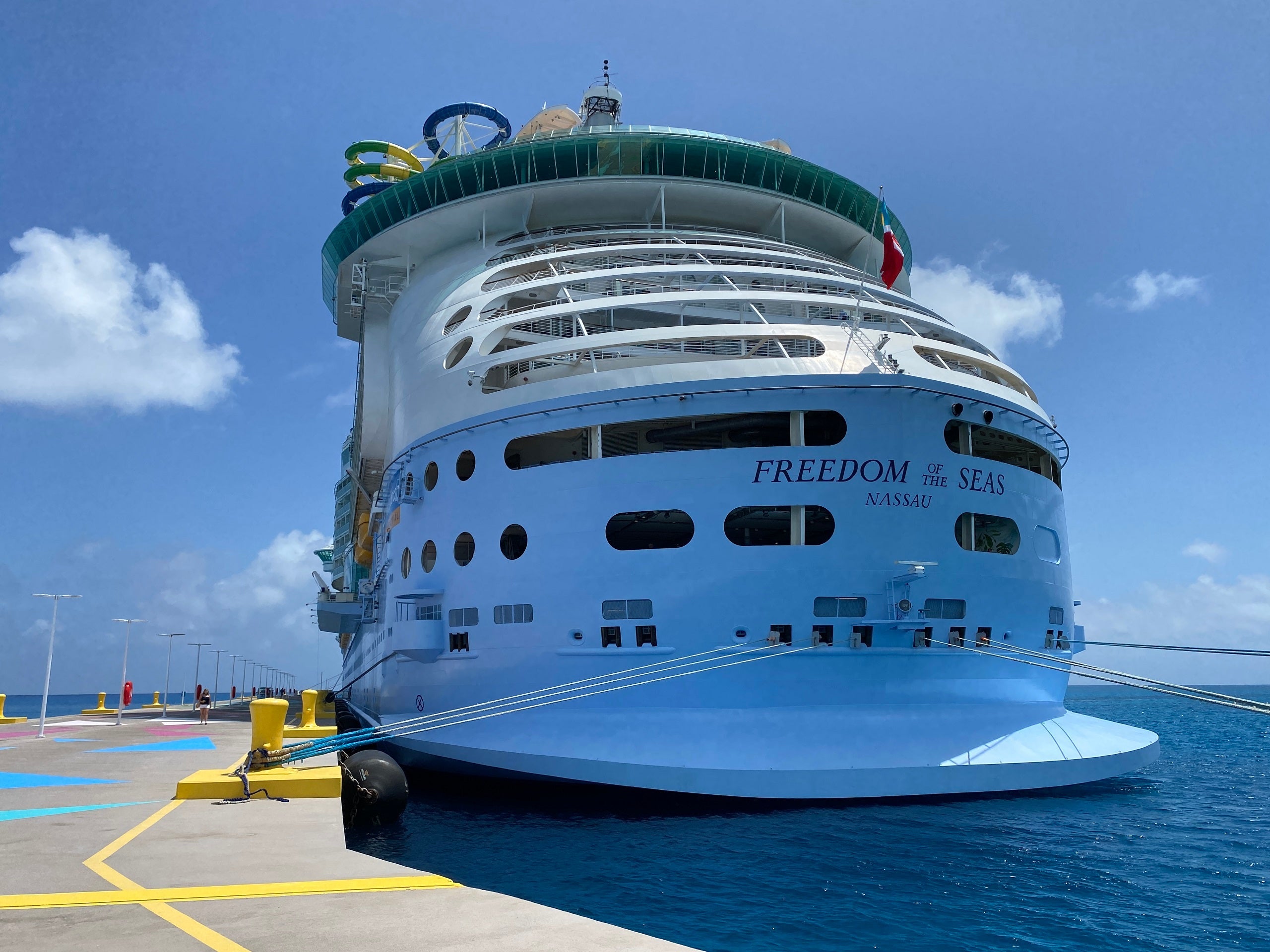
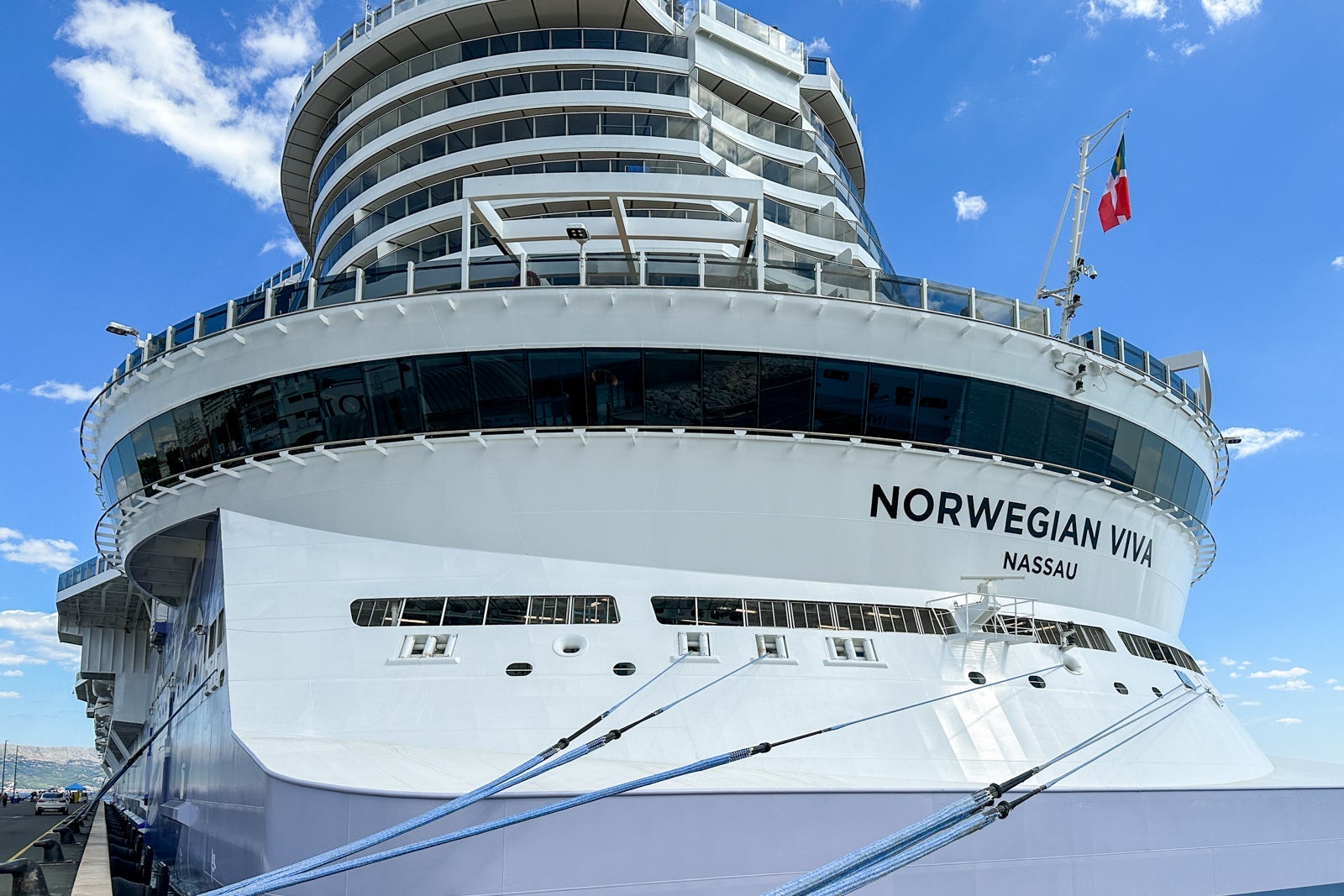
If you've ever seen the back of a cruise ship and wondered why it bears the name of a seemingly random city, you're not alone. That city represents the country in which the ship is registered. But, with cruisers from the United States making up the largest number of passengers in the global cruise market, why are cruise ships not registered in the U.S.?
Here, I'll explain why you're unlikely to see the names of U.S. cities emblazoned on cruise ships.
Where are cruise ships registered?
The names you'll most often see on ships are cities in the Bahamas, Bermuda, Panama, the Netherlands and the United Kingdom, among others. (For decades, Liberia also flew its flag on ships from several popular cruise lines, but that has since changed.) Registering ships in foreign countries — which charge cruise lines for the privilege of being registered there — is known as "flags of convenience."
Why are cruise ships registered in the Bahamas, Panama and other countries?
Because the ships weren't built in the U.S.
United States law doesn't allow vessels to be U.S. flagged unless they were built there. Unfortunately, there are no U.S. shipyards with the capacity or expertise to construct ships as large as today's behemoths, so they're built overseas — mostly in Europe.
Because cruise lines want to pay less in taxes
Cruise lines pay taxes to their home countries — the nations where their ships are registered. Lines often pay less in taxes when their ships are flagged in countries like Panama and the Bahamas, which saves them money.
That's not to say cruise lines don't pay taxes, though, including in the United States. Although the U.S. has a reciprocal agreement with most of the countries in which cruise ships are registered — meaning that if the U.S. doesn't federally tax those nations' vessels, they won't tax America's vessels, either — cruise lines still pay taxes in the United States annually but at a reduced federal rate.
As an example, in 2023, Carnival Corporation & PLC — which operates Carnival Cruise Line, Princess Cruises, Holland America Line, Cunard, Seabourn and other brands — paid $13 million in taxes on a loss of $62 million, according to its annual report. It also pays port docking fees and, in some ports, such as those in Alaska, a per-passenger head tax levied each time the ship visits.
Cruise industry spending in the U.S. in 2019 — before the COVID-19 shutdown — supported approximately $2.6 billion in direct taxes and more than $7.2 billion in total taxes (including direct, indirect and induced) for U.S. federal, state and local governments, according to the Cruise Lines International Association. On average, each $1 million the cruise industry spends in the U.S. supports approximately $102,000 of direct U.S. federal, state and local tax revenue.
Because cruise lines want lower labor costs

Salaries for the lowest-paid workers on cruise ships are low by American standards, but many crew members can earn more money on ships than they'd make working on land in their home countries. In addition to their pay, crew receive gratuities from passengers and opportunities to advance to higher-salaried positions.

Ships that are registered in the U.S. are required to employ American crew and pay them according to United States laws that require minimum wage. That, of course, drives up costs for the lines — and, subsequently, passengers — so it's more economical for cruise lines to flag their ships abroad.
By registering their vessels outside the U.S., cruise lines can also require their employees to work more than 40 hours per week without overtime pay — something that's necessary due to the nearly 24/7 operational nature of cruise ships and limited number of crew berths.
What cruise ship is registered in the U.S.?
The only mainstream megaship registered in the United States is Norwegian Cruise Line's Pride of America, which required a special government exception for its registration. Because it's flagged in the U.S., it can exclusively sail intra-island cruises around Hawaii without calling on a foreign port — something required for foreign-flagged ships under the Passenger Vessel Services Act.
Additionally, some smaller cruise ships registered in the United States include those in the fleets belonging to UnCruise Adventures and American Cruise Lines. Those companies operate smaller expedition-style vessels, riverboats and Great Lakes vessels that are U.S.-flagged. Due to their smaller sizes, they could be constructed and, therefore, registered in the U.S.
Bottom line
Cruise lines almost always register their ships in countries outside of the United States to reap benefits like lower taxes and reduced labor regulations. With lower operating costs, cruise lines can pass on those savings to passengers and keep cruise fares affordable.
Learn more about cruising with these TPG resources:
- Packing for a cruise? These items aren't allowed on board
- Man overboard: Cruise ship overboards and how they happen
- What is baked Alaska, and why is it paraded around cruise ships?
- What are the largest cruise ships in the world?
- What is the Jones Act, and how does it affect cruise ships?
- What is a lido deck on a cruise ship?
- What's a cruise cabin guarantee — and will it save you money?
- What's the difference between a cruise ship concierge and a butler?
TPG featured card

at American Express's secure site
Terms & restrictions apply. See rates & fees.
| 4X | Earn 4X Membership Rewards® points per dollar spent on purchases at restaurants worldwide, on up to $50,000 in purchases per calendar year, then 1X points for the rest of the year. |
| 4X | Earn 4X Membership Rewards® points per dollar spent at US supermarkets, on up to $25,000 in purchases per calendar year, then 1X points for the rest of the year. |
| 5X | Earn 5X Membership Rewards® points on prepaid hotel stays booked through AmexTravel.com or the Amex Travel App™. |
| 3X | Earn 3X Membership Rewards® points on flights booked through AmexTravel.com, the Amex Travel App™, or purchased directly from airlines. |
| 2X | Earn 2X Membership Rewards® points on prepaid car rentals booked through AmexTravel.com or the Amex Travel App™ and cruises booked and paid through AmexTravel.com. |
| 1X | Earn 1X Membership Rewards® point per dollar spent on all other eligible purchases. |
Pros
- Valuable dining and food-related credits
- Flexible rewards with airline and hotel transfer partners
- Multiple travel and purchase protections
- No foreign transaction fees
- Access to Amex Offers for additional savings (enrollment required)
Cons
- Not as useful for those living outside the U.S.
- Some may have trouble using Uber and other dining credits
- You may be eligible for as high as 100,000 Membership Rewards® Points after you spend $8,000 in eligible purchases on your new Card in your first 6 months of Card Membership. Welcome offers vary and you may not be eligible for an offer. Apply to know if you’re approved and find out your exact welcome offer amount – all with no credit score impact. If you’re approved and choose to accept the Card, your score may be impacted.
- Earn 4X Membership Rewards® points per dollar spent on purchases at restaurants worldwide, on up to $50,000 in purchases per calendar year, then 1X points for the rest of the year.
- Earn 4X Membership Rewards® points per dollar spent at US supermarkets, on up to $25,000 in purchases per calendar year, then 1X points for the rest of the year.
- Earn 5X Membership Rewards® points on prepaid hotel stays booked through AmexTravel.com or the Amex Travel App™.
- Earn 3X Membership Rewards® points on flights booked through AmexTravel.com, the Amex Travel App™, or purchased directly from airlines.
- Earn 2X Membership Rewards® points on prepaid car rentals booked through AmexTravel.com or the Amex Travel App™ and cruises booked and paid through AmexTravel.com.
- Earn 1X Membership Rewards® point per dollar spent on all other eligible purchases.
- Pay It® lets you tap in the American Express® App to quickly pay for small purchase amounts throughout the month and still earn rewards the way you usually do. Plan It® gives you the option to split up big purchases into equal monthly payments with a fixed fee. You’ll know upfront exactly how much you’ll pay.
- $120 Dining Credit: Earn up to a total of $10 in statement credits monthly when you pay with the Gold Card at Grubhub (including Seamless), Buffalo Wild Wings, Five Guys, The Cheesecake Factory, and Wonder. This can be an annual savings of up to $120. Enrollment required.
- $100 Resy Credit: Get up to $100 in statement credits each calendar year at over 10,000 qualifying U.S. Resy restaurants after you pay for eligible purchases with the American Express® Gold Card. That’s up to $50 in statement credits semi-annually. Enrollment required.
- $84 Dunkin' Credit: Earn up to $7 in monthly statement credits after you pay with the American Express® Gold Card at U.S. Dunkin’ locations. Enrollment required.
- $120 Uber Cash on Gold: Enjoy up to $120 in Uber Cash annually with your Gold Card. Just add your Card to your Uber account and you'll get $10 in Uber Cash each month to use on orders and rides in the U.S. when you select an Amex Card for your transaction.
- Enjoy complimentary Hertz Five Star® Status benefits like skipping the counter at select locations, adding an additional driver at no additional cost*, and vehicle upgrades**. Benefit enrollment and Hertz Gold+ registration are required. *Additional drivers must meet standard rental qualifications and must be a spouse or domestic partner to qualify as complimentary. Other additional drivers subject to fees. **Benefits are subject to availability and vary by location. Additional Hertz program Terms and Conditions including age restrictions apply.
- Book two nights or more with The Hotel Collection through AmexTravel.com or the Amex Travel App™ and receive a $100* credit towards eligible charges at over 1,400 upscale hotels worldwide. *Eligible charges vary by property.
- Book your travel through the Amex Travel App™ with added peace of mind – backed by American Express® service and support. Only for American Express® Card Members.
- Whenever you need us, we're here. Our Member Services team will ensure you are taken care of. From lost Card replacement to statement questions, we are available to help 24/7.
- No Foreign Transaction Fees.
- Annual Fee is $325.
- Terms Apply.