10 things you should never buy on a cruise ship (or in port)


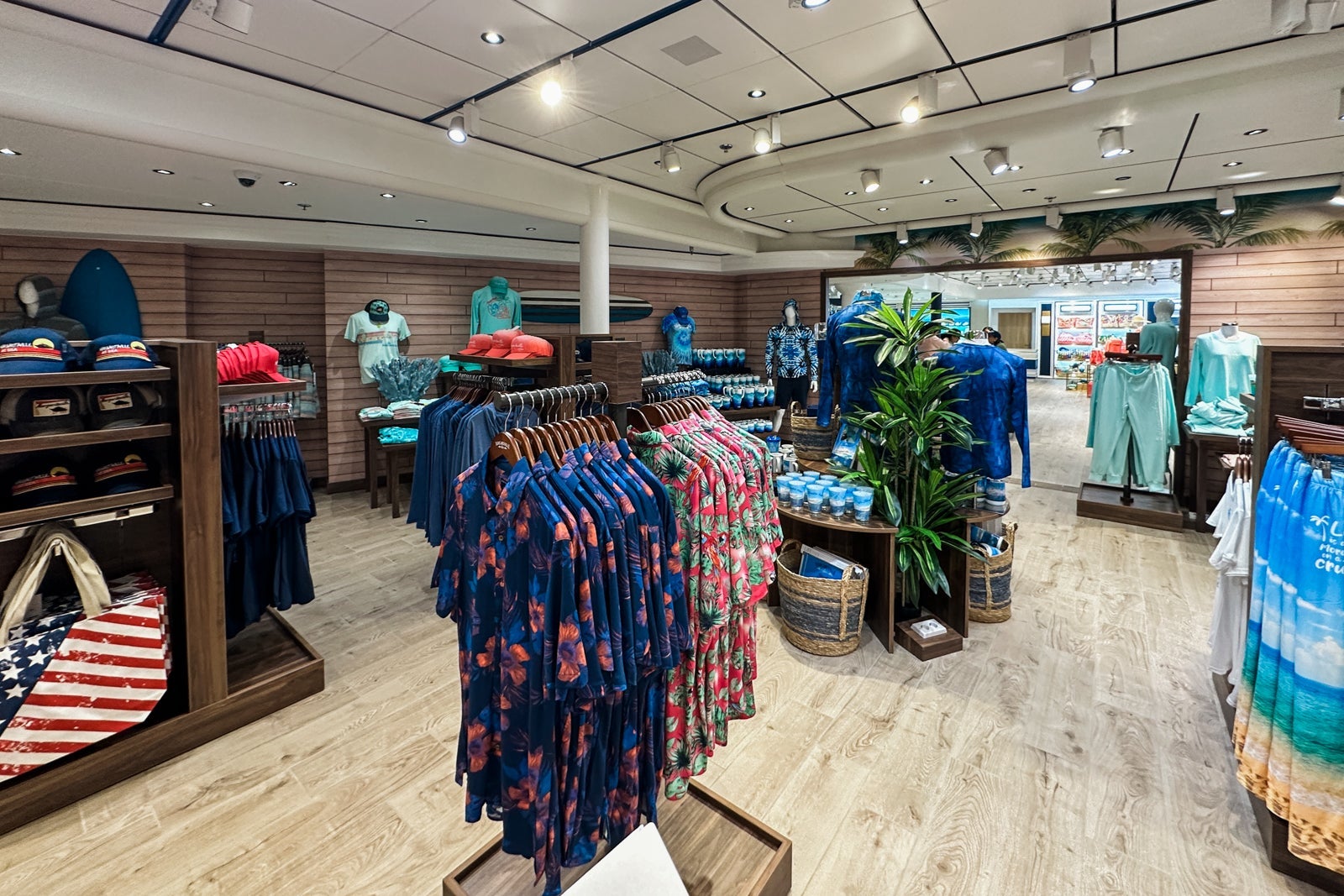
Stop! Put down your keycard, and step away from the inch-of-gold sale table.
Cruise ship shops can be useful, but they're generally overpriced. They carry items you might have left at home and find that you need. Even the best packer occasionally has their suitcase lost by an airline.
Onboard boutiques sell dresses and fancy shirts for the people who show up and then realize that formal nights really do require, you know, formal attire. Also, they're the place to purchase cruise line logo items if you wish to proclaim your love of your favorite line to the world.
If you need something, go ahead and buy it. However, cruise ship shops can be dangerous to your wallet — especially after a couple of gloomy, rainy days at sea when some shopaholics will buy just about anything to get a hit of that "only on vacation" feeling.
Ships also tempt travelers with other ways to part with their cash, from pricey spa treatments to fine art sales.
In port, there are other pitfalls to avoid — products that won't make it past your local customs officer, those that are hard to transport home and inexpensive (read: poorly made) tchotchkes that are likely to break before you even put the key in your front door.
Here's our advice on what to avoid when the shopping bug bites on your next cruise vacation. Pay attention if you have a hard time keeping your wallet in your pocket when you're traveling. You know who you are.
What not to buy on board
Precious gems and "inch of gold" jewelry
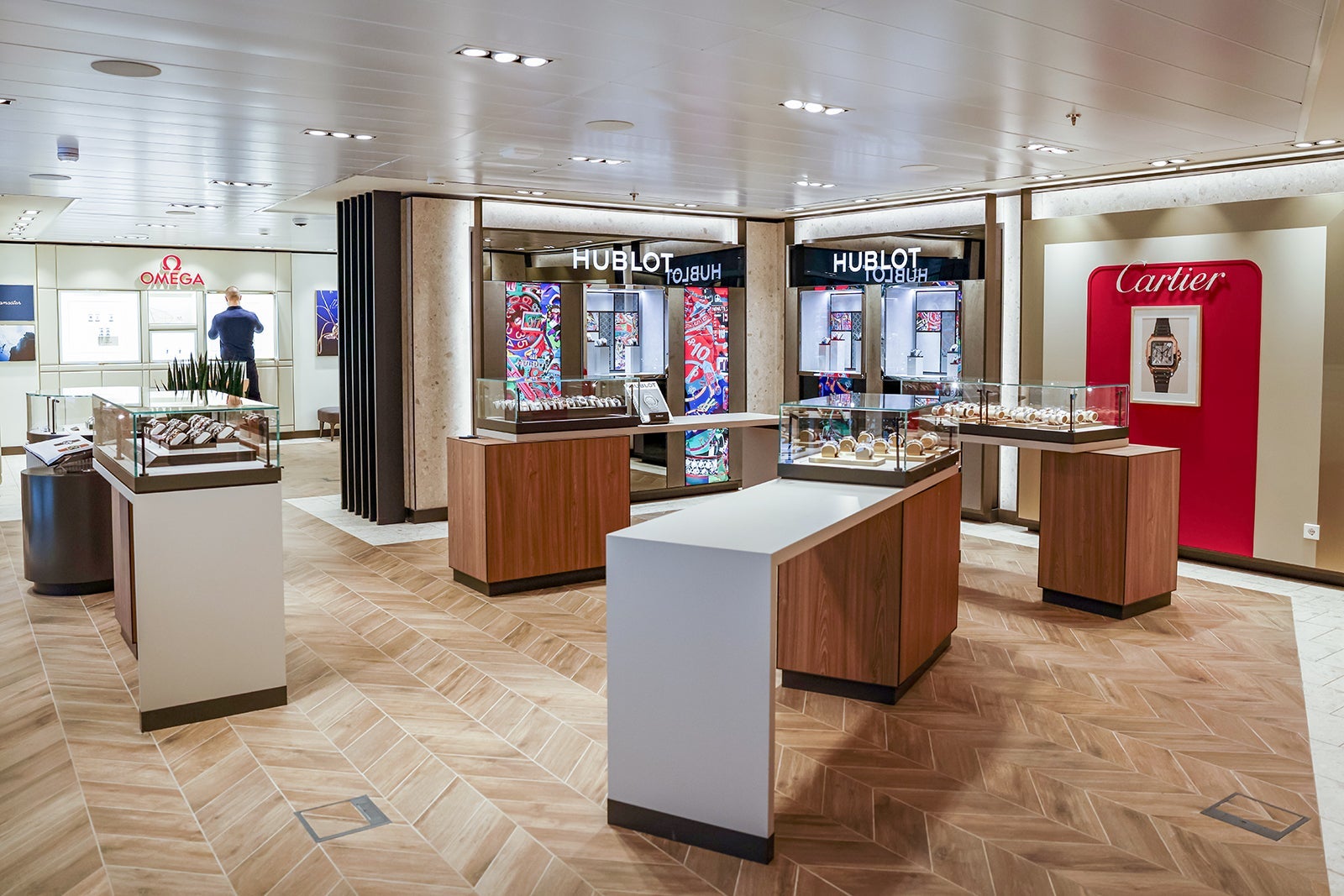
If you're not already an expert in evaluating gemstones, a cruise is not the best time to make a big-ticket jewelry purchase.
When dropping thousands of dollars, you want to ensure you're getting the quality you expect. Your mind is elsewhere on a cruise — from the pool and the hot tub to the cocktail lounge or what's on tonight's menu.

After all, who wants to spend a sunny afternoon indoors researching gemstone cuts and carats?
Also, avoid the "inch of gold" sales, no matter how low the prices are. Trust us: None of it looks nice, and it's not the real thing.
Related: 15 ways that cruising newbies waste money on their first cruise
Toiletries
Basic hygiene products are available in the ship's gift shop for the desperate — and they're often priced accordingly. If you're heading into port in the morning and you can wait and buy the product at a regular drugstore, you'll get a much better deal.
Also, curating a collection of toothpaste, shampoo, nail files and sunscreens from around the world will jazz up your medicine cabinet when you return home and serve as constant reminders of your international adventures.
Another option: Consider buying travel sizes that can be refilled and live in your suitcase's toiletry bag permanently to prevent future mishaps.
Related: The 7 best cruise ship spas
'Medi-spa' and weight-loss treatments
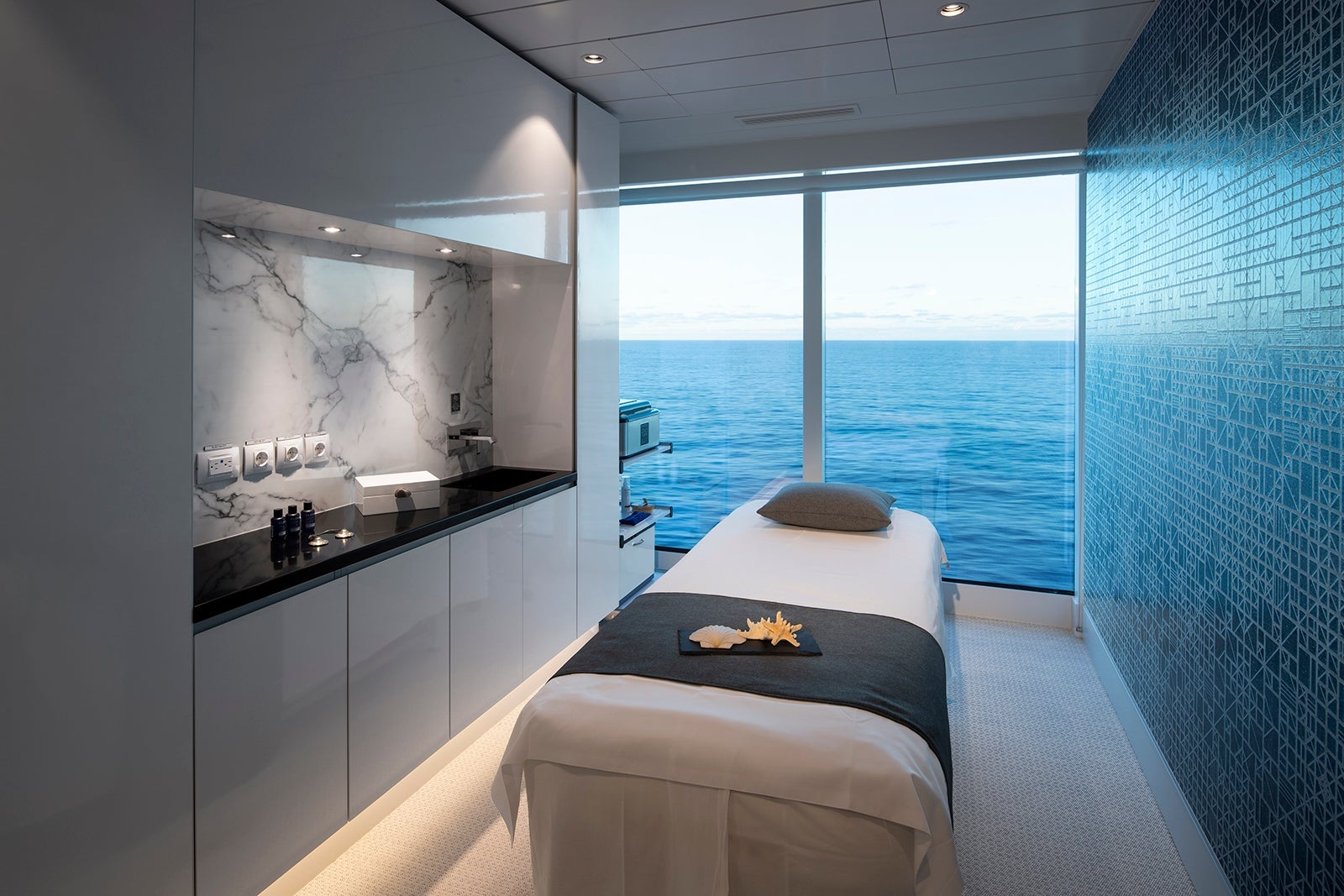
Some cruise lines offer "medi-spa" treatments, such as Restylane injections, but do read the fine print to learn about the required training. You might be surprised to hear that the "medi" terminology is a bit misleading, and most ships are not sailing with doctors who perform these treatments. Also, sometimes you need multiple visits to experience the desired effects.
Further, you don't want to sign up for any treatments that might leave you in pain or affect the food or alcohol you can consume or how much sun you can handle on your vacation. If you're tempted, read all the fine print, and ask about post-treatment care.
Regardless of which ship you sail, also avoid spa treatments with claims that wouldn't be medically sanctioned back home, such as Ionithermie, which says it helps you lose weight. (Spoiler alert: We tried it. It doesn't work.)
Manicures and pedicures
These salon services are often surprisingly marked up. Also, it takes just one bump from a wave to result in an imperfect finish. Our opinion? Take the time to get your polish done at home, look for a well-reviewed spot in port or bring your own polish. Whatever you do, skip the onboard nail salon.
Related: 16 mistakes cruisers make on cruise ship sea days
For-fee room service
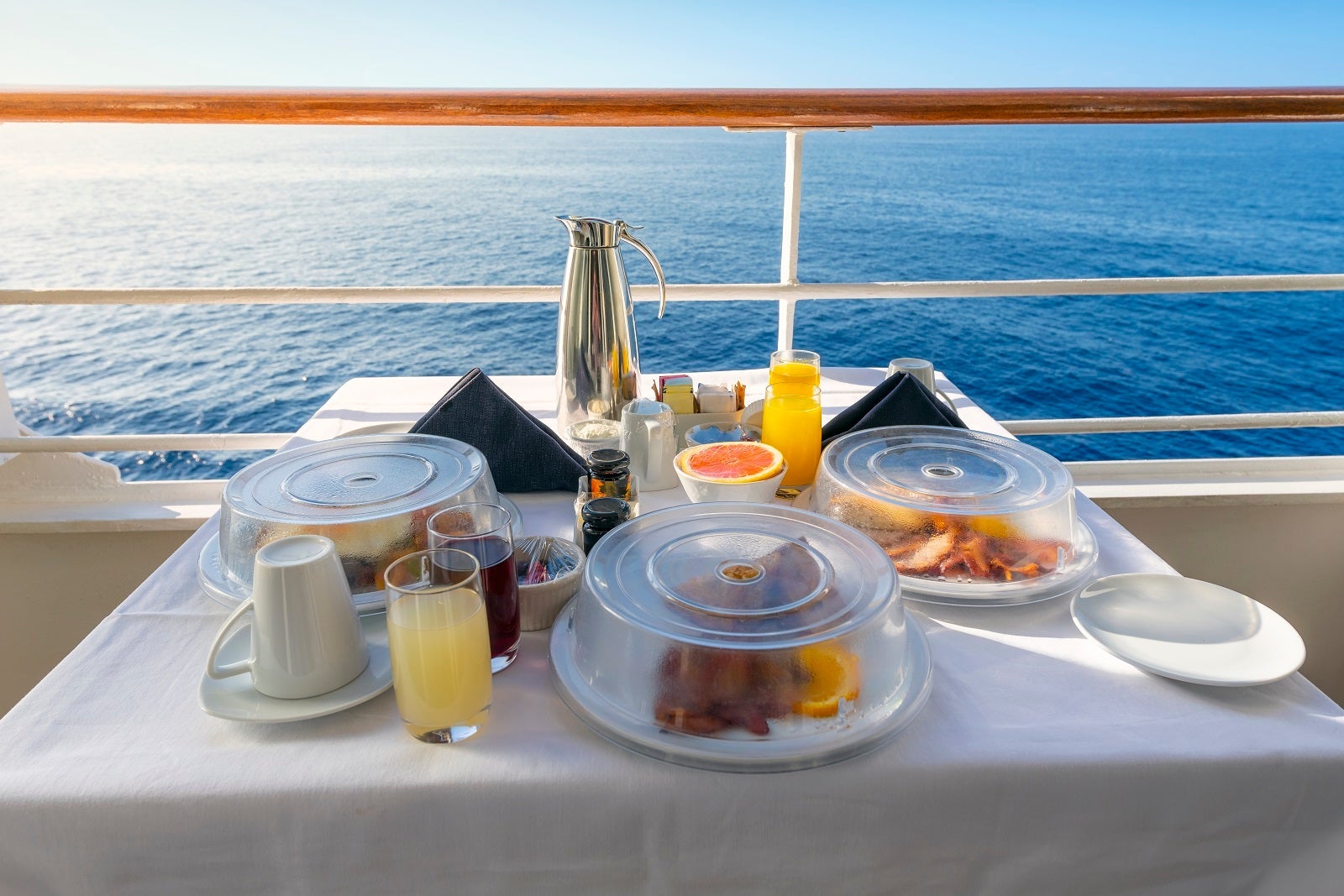
One of the perks that used to distinguish cruise ships from hotels was free room service, but those days are over.
With most cruise lines now charging fees for all but continental breakfast (and some even charge for that), room service doesn't quite hold the allure it once did — particularly when food is so readily available just about everywhere throughout the ship.
Our advice: Unless it's late at night and everything else is closed, you're feeling ill or you're traveling with kids who will have a meltdown if you force them to venture to one of the onboard eateries, skip the room service if it's not free.
Art
Are you a world-renowned connoisseur of art from different time periods with an encyclopedic knowledge of minor artists and their lesser-known works? We didn't think so.
Unless you want to spend hours frantically searching online for the value of a piece of artwork, stay away from those onboard art auctions — no matter how bad the weather gets, how crowded the pool deck becomes on sea days or how much you want that free Champagne.
What not to buy in port
Souvenirs from the port terminal

From cheap hammocks in Mexico to inexpensive fans in Spain, the souvenirs you'll find in trinket-filled shops are designed for the quick grab-and-go.
You went on a shore excursion and didn't leave time to shop for your nephew? Pick up something at the terminal. The problem is that the quality there is generally low.
If you can, wander into town for a little while to pick up something marketed to locals rather than tourists. Look for souvenirs made by local artisans or produced locally.
Liquor
The most well-known megaship cruise lines will confiscate port-side liquor purchases and return them to you at disembarkation. (Luxury lines will let you bring alcohol on board.)
Still, buying liquor to bring home comes with risks and annoyances unless you are cruising right into your homeport. (You weren't planning on filling your checked luggage with Tahitian vanilla rum, were you?)
That said, if you're on a river cruise in France that goes through your favorite wine region, we understand if you make an effort to secure your favorite bottles to enjoy back home.
Related: Can I bring alcohol on a cruise ship? A line-by-line guide
Cured meats and soft or raw cheese
Trying to sneak culinary specialties like jamon Iberico from Barcelona and raw-milk Comte from France through U.S. customs isn't worth the stress — especially when being caught with it could put your Global Entry in jeopardy.
Our advice? Eat your fill at restaurants while on vacation — or as a picnic on your cabin's balcony — and stick to noncontroversial edible souvenirs, such as chocolate.
Fresh fruit and plants
Customs also won't allow you to bring fresh fruit into the country. In some disembarkation ports, you'll find bins with signs that threaten fines if you don't dump any fresh fruit you might have tucked away in your luggage.
Yes, the bananas, mangoes, pineapples and coconuts in the Caribbean might be ripe and sweet, but the fines are rich, too.
Look for frozen drinks made from fresh fruit, rather than powders or syrups, when you're in port so you can get your fill of the real thing before returning home.
Unfortunately, live plants are also banned, which means you won't even be able to bring them back on board your ship with you. In other words, just say no to those woven palm hats the locals keep trying to convince you to buy.
Planning a cruise? Start with these stories:
- The 5 most desirable cabin locations on any cruise ship
- A beginners guide to picking a cruise line
- 8 cabin locations on cruise ships you should definitely avoid
- The ultimate guide to what to pack for a cruise
- Which cruise brand is best for you? A guide to the most popular lines
- 15 ways that cruising newbies waste money on their first cruise
- The ultimate guide to choosing a cruise ship cabin
TPG featured card

at Capital One's secure site
Terms & restrictions apply. See rates & fees.
| 5X miles | Earn 5X miles on hotels, vacation rentals and rental cars booked through Capital One Travel |
| 2X miles | Earn unlimited 2X miles on every purchase, every day |
Pros
- Stellar welcome offer of 75,000 miles after spending $4,000 on purchases in the first three months from account opening. Plus, a $250 Capital One Travel credit to use in your first cardholder year upon account opening.
- You'll earn 2 miles per dollar on every purchase, which means you won't have to worry about memorizing bonus categories
- Rewards are versatile and can be redeemed for a statement credit or transferred to Capital One’s transfer partners
Cons
- Highest bonus-earning categories only on travel booked via Capital One Travel
- LIMITED-TIME OFFER: Enjoy $250 to use on Capital One Travel in your first cardholder year, plus earn 75,000 bonus miles once you spend $4,000 on purchases within the first 3 months from account opening - that’s equal to $1,000 in travel
- Earn unlimited 2X miles on every purchase, every day
- Earn 5X miles on hotels, vacation rentals and rental cars booked through Capital One Travel
- Miles won't expire for the life of the account and there's no limit to how many you can earn
- Receive up to a $120 credit for Global Entry or TSA PreCheck®
- Use your miles to get reimbursed for any travel purchase—or redeem by booking a trip through Capital One Travel
- Enjoy a $50 experience credit and other premium benefits with every hotel and vacation rental booked from the Lifestyle Collection
- Transfer your miles to your choice of 15+ travel loyalty programs
- Top rated mobile app