Editorial note: This is a recurring post, regularly updated with new information and offers.


When it comes to no-annual-fee credit cards, it doesn’t get much better than Chase’s duo of the (see rates and fees) and the (see rates and fees).
And right now, both the Freedom Flex and the Freedom Unlimited have a welcome offer: Earn a $200 bonus after spending $500 on purchases in the first three months from account opening.
Both reward credit cards offer strong earning rates with no annual fee. Even better, they offer the flexibility to earn either cash back or fully transferable Chase Ultimate Rewards points when combined with select Chase cards, such as the (see rates and fees).
Here's how the current offers compare and what to know before applying.
Chase Freedom Flex welcome offer
New cardholders can earn a $200 bonus after spending $500 on purchases in the first three months from account opening. This is the standard offer we've seen before.
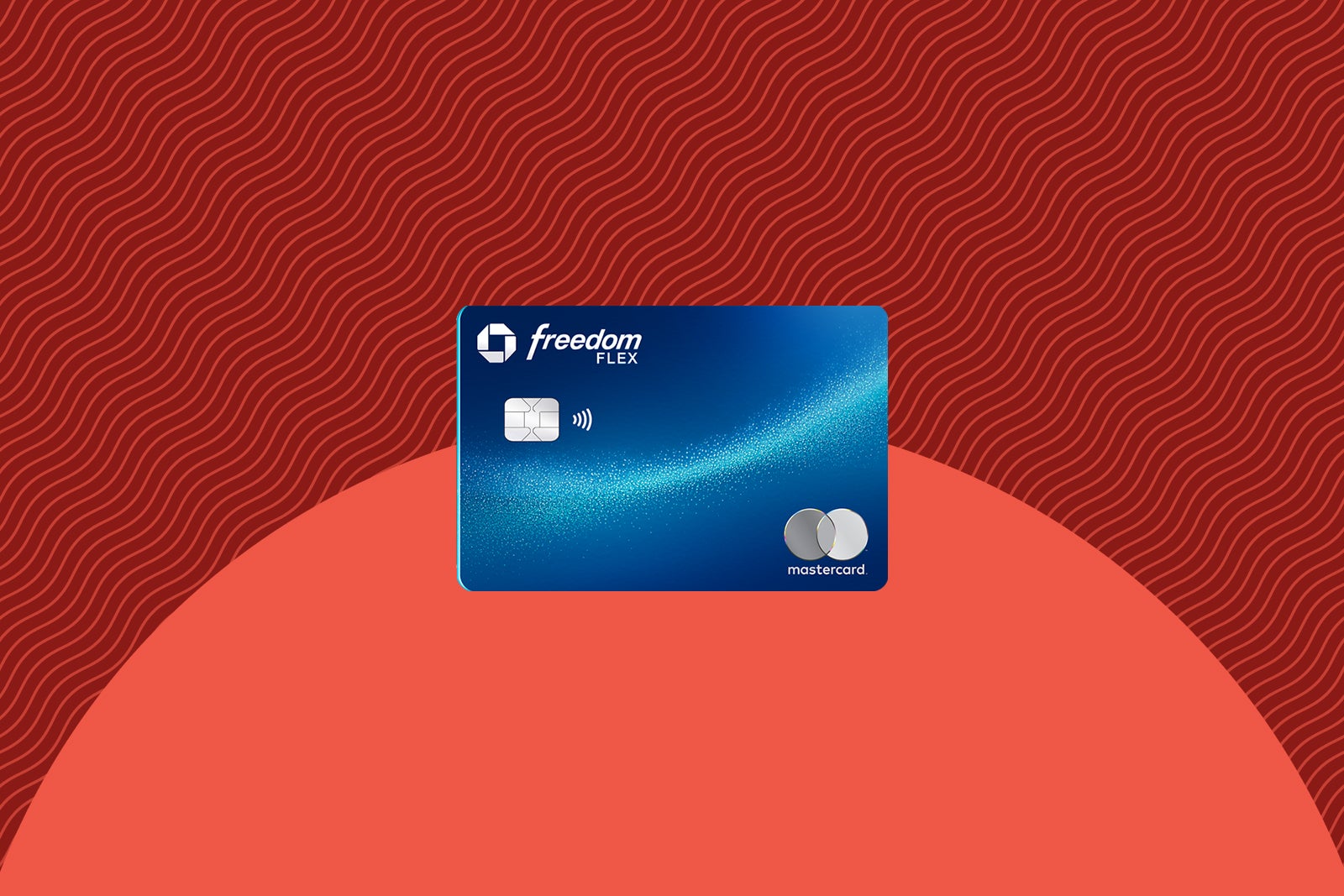
Earning rates
- 5% cash back on the first $1,500 spent on rotating categories each quarter (activation required)
- 5% cash back on travel booked through Chase Travel℠
- 3% cash back on dining
- 3% cash back at drugstores
- 1% cash back on all other purchases
The rotating 5% categories require a little more planning, but they can also provide more upside if your spending aligns with them. That’s an impressive lineup of earning categories for any card, let alone a no-annual-fee credit card.
Apply:
Chase Freedom Unlimited welcome offer
Right now, new cardholders can earn $200 cash back after spending $500 on purchases within the first three months from account opening.
This is the typical offer we see in the card's history.

Earning rates
- 5% cash back on travel booked through Chase Travel
- 3% cash back on dining
- 3% cash back at drugstores
- 1.5% cash back on everything else
The 1.5% rate on purchases outside the card's bonus categories makes the Freedom Unlimited the simpler option for everyday spending.
Apply:
How to get more value from Chase Freedom rewards
While both cards are marketed as cash-back cards, there are a couple of ways to stretch your rewards further.
Turn your cash back into transferable Chase points
What really makes these two cards powerful is how well they play with others.
If you have another Chase card that earns transferable Ultimate Rewards points, such as the , the (see rates and fees) or the (see rates and fees), you can combine the points from your Freedom Unlimited or Freedom Flex.
I have both the Freedom Unlimited and the Freedom Flex, and pair them with my Sapphire Reserve to convert the cash back into Ultimate Rewards points.

This unlocks the ability to transfer your points at a 1:1 ratio to the Ultimate Rewards program’s airline and hotel partners, including valuable programs like Air France-KLM Flying Blue, British Airways Club and World of Hyatt*. Your rewards have significantly more flexibility when used in this way.
That can also increase the potential value of the current welcome offers. The Freedom Flex and Freedom Unlimited's $200 bonuses can become 20,000 points.
Based on TPG's November 2026 valuations, which deem Chase points at 2.05 cents apiece, these bonuses could be worth about $410, when maximized through transfer partners.
*1:1 transfer ratio for World of Hyatt with select cards
Related: The power of the Chase Trifecta: Maximize your earnings with 3 cards
Get more value with Points Boost
Freedom Flex and Freedom Unlimited cardholders now have access to Points Boost offers on select hotels booked through Chase Travel. These offers can make your points worth up to 10% more, increasing their value from the standard 1 cent apiece to as much as 1.1 cents each.
While that's not as high as the Points Boost rates available on select Sapphire and Ink cards, it's a nice addition for two cards with no annual fee, especially if you prefer the simplicity of redeeming through Chase Travel rather than transferring points to travel partners.
What to know before applying for a Chase Freedom card
It’s worth noting that the Freedom Unlimited charges foreign transaction fees, so it's not ideal for use outside the U.S. The Freedom Flex, meanwhile, recently dropped its foreign transaction fees, giving it an advantage for purchases abroad.
Additionally, you’ll want to consider Chase’s 5/24 rule and the issuer’s other application restrictions before applying. You’d hate to waste a hard inquiry on your credit report only to be denied.
Bottom line
Both Freedom cards can be valuable additions to a Chase Ultimate Rewards strategy with also having identical welcome offers, particularly if you already hold a Sapphire Preferred, Sapphire Reserve or Ink Business Preferred.
The Freedom Unlimited remains the simpler option for everyday spending, thanks to its 1.5% cash-back rate on purchases outside its bonus categories.
To learn more, read our reviews of the Freedom Unlimited and the Freedom Flex.
Apply here:
Apply here: