Olivia Mittak is a credit cards editor at TPG. She specializes in maximizing earn for points and miles, finding the best welcome bonuses and choosing the right credit cards for your wallet.
January 19, 2026 • 7 min read
The cards we feature here are from partners who compensate us when you are approved through our site, and this may impact how or where these products appear. We don't cover all available credit cards, but our analysis, reviews, and opinions are entirely from our editorial team. Terms apply to the offers listed on this page. Please view our advertising policy and product review methodology for more information.
Editorial note: This is a recurring post, regularly updated with new information and offers.
Editorial disclaimer: Opinions expressed here are the author's alone, not those of any bank, credit card issuer, airline or hotel chain, and have not been reviewed, approved or otherwise endorsed by any of these entities.
Comments
By commenting, you agree to our Community Guidelines to help create a positive space for conversation. The responses below are not provided or commissioned by the bank advertiser, our partners, or The Points Guy (“TPG”). They have not been reviewed, approved, or otherwise endorsed by any of these parties. All responses are submitted by individual contributors, and neither the bank advertiser, our partners, nor TPG are responsible for ensuring that all posts and/or questions are answered.
Related stories
Quick summary
A popular beginner card offers at least 1.5% cash back on all purchases and can be paired with other cards to maximize value.
Combining this card with higher-tier options allows you to transfer rewards to a wide range of travel partners, enhancing redemption value.
Pairing with a card featuring rotating quarterly categories can further boost your rewards, especially for spending at select merchants.
Diversifying with cards from other issuers can help fill gaps in bonus categories, such as dining or groceries, and optimize overall rewards.
What to consider
Transferring rewards to travel partners typically requires holding an eligible higher-tier card within the same rewards ecosystem.
Some recommended pairings involve cards with modest or premium annual fees, which may be offset by benefits like statement credits or lounge access.
Rotating category cards require activation each quarter and may have spending caps for elevated rewards.
What you'll miss from the article
A detailed comparison of specific card pairings and strategies to maximize rewards for various spending habits.
Generated by AI with support from our editorial team.
The (see rates and fees) is a great beginner credit card. It earns at least 1.5% cash back on all purchases, meaning it can still provide value to your wallet even after you've opened numerous other cards.
Thanks to its flexibility, it can work well in tandem with many credit cards, even those not issued by Chase. Here are some of my favorite choices for cards to pair with the Freedom Unlimited.
Unlock the Freedom Unlimited's full potential
On its own, the is a strong card, but if you want to truly maximize it, you'll need to partner it with one of Chase's higher-tier options:
The Sapphire Preferred and Sapphire Reserve are likely the best choices for most people, since they offer compelling benefits that justify their annual fees without the need for a separate side hustle or business.
Here's a quick breakdown of what these cards offer.
Chase Sapphire Preferred
The easily makes up for its $95 annual fee with its simple list of benefits, provided you can use them organically.
THE POINTS GUY
This is the card I use to power up my own Freedom Unlimited. I spend on my Sapphire Preferred to earn bonus rewards on dining, select travel and online groceries (excluding Walmart and Target), while my Freedom Unlimited is handy for general purchases that aren't covered by bonus categories.
I also take advantage of my Sapphire Preferred's complimentary DoorDash DashPass membership (activate by Dec. 31, 2029) to make up for more than my card's annual fee. A DashPass membership costs $9.99 per month, or $96 for the annual plan, meaning I come out in the green each year.
Then, when I'm ready to redeem my points for travel, I combine all of the rewards I've earned and send them off.
If you feel ready for a premium travel card, the may make more sense for you than the Sapphire Preferred.
If your current spending habits are a good match for the Sapphire Reserve's benefits, I recommend pairing it with the Freedom Unlimited. Use your Sapphire Reserve for purchases that earn within its bonus categories or trigger a statement credit, and your Freedom Unlimited for other purchases.
Complement the Freedom Unlimited with the Freedom Flex
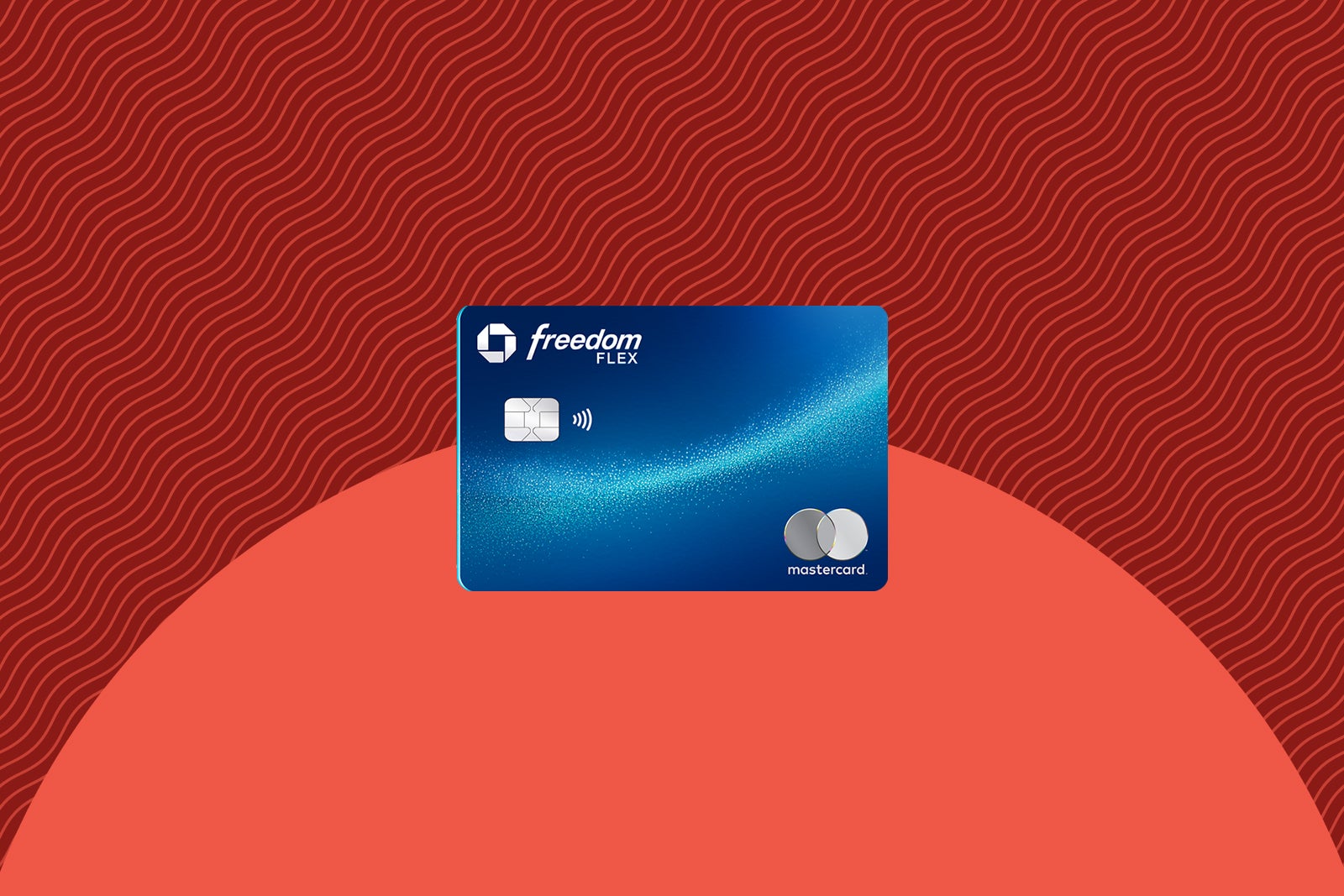
The very first duo I took advantage of in my wallet was the and the (see rates and fees).
THE POINTS GUY
If you don't feel ready to pay an annual fee in order to give your Freedom Unlimited a boost, this is a great option. The Freedom Flex's claim to fame is its rotating quarterly categories. Cardholders can earn 5% cash back on these categories each quarter they activate (on up to $1,500 in combined spending, then 1% back).
Chase often features popular spending categories on the Freedom Flex, including at gas stations and gyms and with PayPal. This benefit expands your ability to earn significant rewards beyond the Freedom Unlimited's categories for dining and drugstores.
Just keep in mind that you'll still need the , or another eligible Chase Ultimate Rewards points-earning card to transfer your rewards to travel partners.
The is a great gateway into Chase, but I always recommend diversifying your wallet with cards from other issuers as well. Thankfully, the Freedom Unlimited is easy to pair with most cards from other banks. Here are two of my favorite recommendations.
American Express Gold
My first foray after opening Chase cards was into American Express with the . While the Freedom Unlimited earns 3% cash back on dining, the Amex Gold offers a stronger 4 points per dollar spent rate (on up to $50,000 of dining purchases worldwide each calendar year, then 1 point per dollar spent).
THE POINTS GUY
The Freedom Unlimited doesn't offer a bonus category for groceries, so the Amex Gold can lend a helping hand. The Amex Gold earns 4 points per dollar spent on U.S. supermarkets (on up to $25,000 of spending each calendar year, then 1 point per dollar spent).
While the other cards I've recommended lean on the Freedom Unlimited's 1.5% cash back rate to supplement their bonus categories, the script is flipped with this pairing.
THE POINTS GUY
The Venture Rewards earns at least 2 miles per dollar spent on purchases, which is better than what the Freedom Unlimited offers. Since the Venture Rewards lacks bonus categories for dining and drugstores, the Freedom Unlimited can supplement with its 3% cash back rates in both categories.
The Venture Rewards has a $95 annual fee, the same as the . Deciding between the Sapphire Preferred and the Venture Rewards comes down to which issuer's transfer partners you favor.
Remember: Without the Sapphire Preferred (or another eligible Chase card), you won't be able to transfer your Freedom Unlimited's rewards to Chase's travel partners.
I regularly use my own with my and to get the most points from my spending. This way, I'm able to move more quickly toward my personal travel goals.
The Freedom Unlimited is at its best when paired with the right card. Whether you decide to open one or multiple of the cards mentioned in this guide, you'll be well on your way to getting the most out of your Freedom Unlimited.
By commenting, you agree to our Community Guidelines to help create a positive space for conversation. The responses below are not provided or commissioned by the bank advertiser, our partners, or The Points Guy (“TPG”). They have not been reviewed, approved, or otherwise endorsed by any of these parties. All responses are submitted by individual contributors, and neither the bank advertiser, our partners, nor TPG are responsible for ensuring that all posts and/or questions are answered.