No longer interested in the Chase Sapphire Reserve? Consider these 4 cards instead


Update: Some offers mentioned below are no longer available. View the current offers here.
The Chase Sapphire Reserve® (see rates and fees) has long been a top-tier travel card for points enthusiasts, prized for its flexible rewards, generous travel protections and broad transfer partner network. But with a suite of recent changes, including a significantly higher annual fee and an overhaul of some benefits, many cardholders are now reconsidering whether it's still the right fit for their wallet.
As of June 2025, the Sapphire Reserve's annual fee has increased from $550 to $795, making it one of the most expensive consumer travel cards on the market. Authorized user fees have also gone up from $75 to $195, and Chase is replacing its longstanding 50% redemption boost (when using points through Chase Travel℠) with the new Points Boost program, though existing cardholders will receive a two-year grace period before that switch takes effect.
During this grace period (until Oct. 26, 2027), existing cardholders will automatically receive the best value between Points Boost and their 50% redemption boost.
Not everything is changing, though: popular benefits like the $300 annual travel credit, Global Entry/TSA PreCheck/NEXUS credit, Priority Pass lounge access and best-in-class travel protections are staying put.
For some travelers, these new benefits may add meaningful value. But for others, particularly those who don't spend heavily enough to trigger new perks or redeem primarily through Chase Travel, the math may no longer work in the Reserve's favor.
If you're reevaluating your wallet strategy, here are four strong alternatives that may better suit your needs and spending style.
Related: Chase Sapphire Reserve changes: New earning rates, more statement credits for a higher annual fee
If you want to stay with Chase
If you're not ready to leave the Chase ecosystem, you can still access Chase's valuable transfer partners without the hefty annual fee.

Chase Sapphire Preferred Card
Annual fee: $95
If you still want access to Chase Ultimate Rewards but but can't justify the Sapphire Reserve's $795 price tag, the Chase Sapphire Preferred® Card (see rates and fees) is a fantastic alternative, and one of our favorite overall travel cards here at TPG.

It's the card I use most in my wallet — thanks, in part, to its lack of foreign transaction fees — and the one I personally recommend most often to friends and family who want flexible points, great travel value and a reasonable annual fee.
With the Sapphire Preferred, you'll earn:
- 5 points per dollar on travel booked through Chase Travel and on Lyft rides through Sept. 30, 2027
- 3 points per dollar on gas and EV charging, vacation homes at brands like Airbnb and VRBO, dining worldwide, top streaming services and online grocery purchases (excluding Target®, Walmart® and wholesale clubs)
- 2 points per dollar on all other travel
- 1 point per dollar on all other purchases
While it lacks some luxury perks like lounge access, it still delivers a ton of value for the price, making it ideal for travelers who want to earn and use Ultimate Rewards points without the pressure of maximizing high-end benefits. If you still love the Chase ecosystem but want something more cost-effective, this card is truly hard to beat.
Related: Does it make sense to hold both the Chase Sapphire Preferred and Reserve?
How to downgrade the Chase Sapphire Reserve
If you want to switch from the Sapphire Preferred to another Chase card, you can request a product change by calling the number on the back of your card or sending a secure message through your Chase account.
Popular downgrade options include the aforementioned Sapphire Preferred (which retains point transfer capabilities) and the Chase Freedom Unlimited® (see rates and fees), a no-annual-fee option that earns 1.5% cash back and keeps your points alive.

It's generally recommended to downgrade rather than cancel to preserve your account age, avoid a potential dip in your credit score and maintain access to your points. Just make sure your account is at least 12 months old, as Chase generally doesn't allow product changes earlier than that.
Related: When can you downgrade your credit card?
If you want a premium travel card
If you're still chasing airport lounges, luxury perks and travel credits — just not at the Reserve's new $795 price point — Capital One's premium travel card may offer better value. It comes with strong protections and travel-centric benefits, but at a significantly lower annual fee.
Capital One Venture X Rewards Credit Card
Annual fee: $395
If you love the premium perks of the Sapphire Reserve but are looking for a more straightforward, cost-effective option, you might want to consider the Capital One Venture X Rewards Credit Card.
Like the Sapphire Reserve, the Venture X offers airport lounge access (including Priority Pass, Capital One Lounges and Plaza Premium Lounges), along with a $300 annual travel credit for travel bookings through Capital One Travel. With a lower annual fee and less complicated points earning structure, the Venture X provides a more streamlined travel rewards experience.
It's important to note, however, that starting Feb 1, 2026, additional Venture X cardholders (including authorized users and account managers) will no longer receive complimentary lounge access. Primary cardholders can add lounge access to additional cardholder accounts by paying $125 per card.
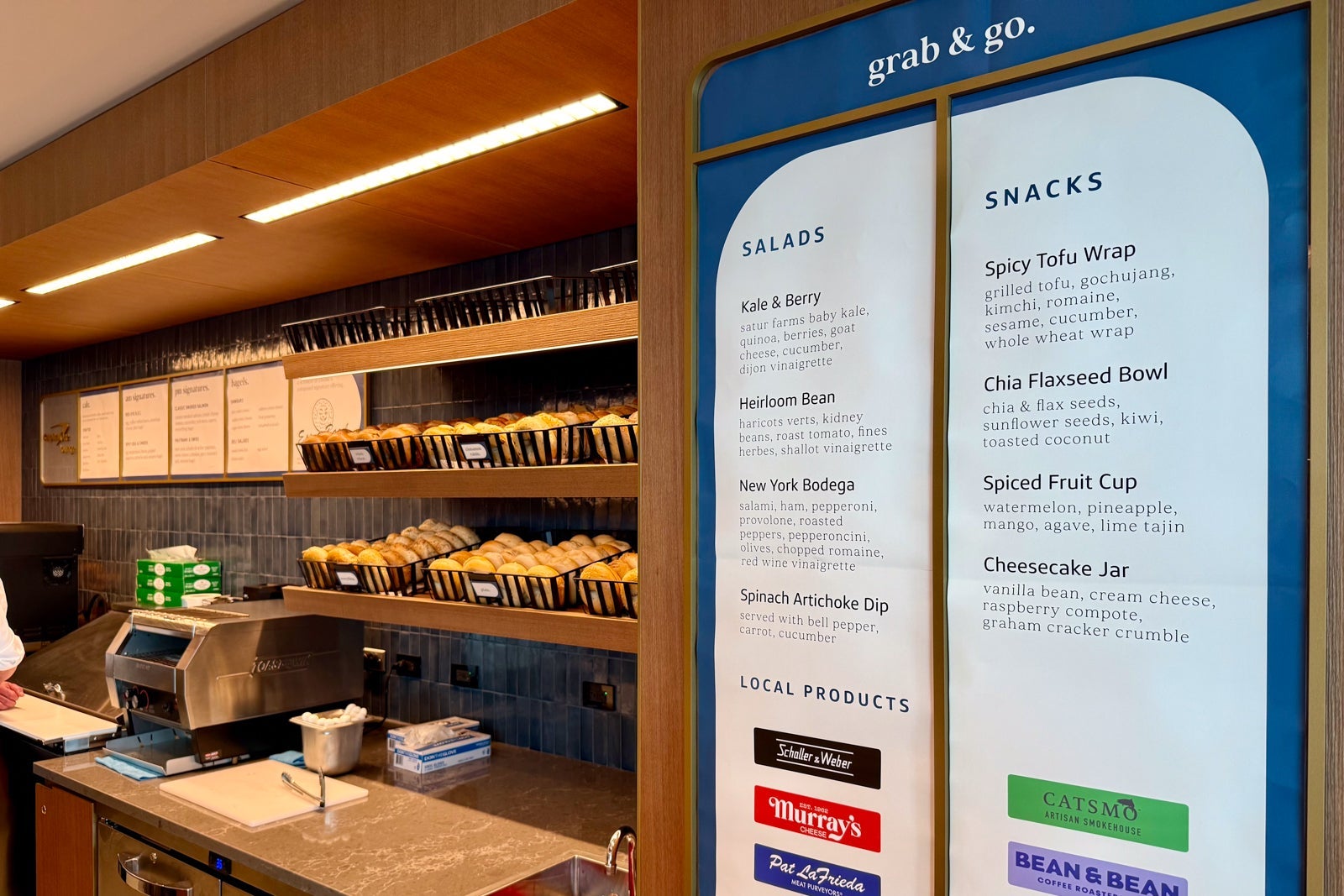
By comparison, the Sapphire Reserve allows cardholders to bring up to two guests for free into Chase Sapphire Lounges and Priority Pass lounges, with additional guests incurring a $27 fee per visit. This gives the Reserve a slight edge when it comes to lounge access, especially if you frequently travel with others.
When it comes to earning rates, while the Sapphire Reserve earns 3 points per dollar spent on travel and dining, the Venture X delivers 2 miles per dollar spent on every purchase, plus an impressive 10 miles per dollar spent on hotels and rental cars booked through Capital One Travel.
Add in 10,000 bonus miles annually (available via the Capital One portal) and no-annual-fee authorized users, and the Venture X packs incredible value for frequent travelers who want premium benefits without the hefty annual fee. Per our July 2025 valuations, those 10,000 miles are worth approximately $185.

Overall, with comparable perks and a more affordable annual fee, the Venture X is an attractive alternative for those who want a simpler, premium travel card that still delivers solid value.
Related: The best premium credit cards: A side-by-side comparison
If you want premium hotel benefits
The Sapphire Reserve has long been a go-to for travelers seeking broad travel rewards, airport lounge access and flexible redemptions. But with a rising annual fee and many of its best perks leaning heavily toward general travel rather than hotel-specific benefits, you might be looking for more targeted value, especially if you consistently stay with a single hotel brand.
Hilton Honors American Express Aspire Card
Annual fee: $550 (see rates and fees)
As far as premium hotel cards go, there is a lot to like about the Hilton Honors American Express Aspire Card. While diverging from the Sapphire Reserve in terms of flexible points earned, it offers concrete elite perks and ongoing value you can use every year, especially if Hilton hotels are already part of your travel routine (or could be).
The card offers automatic Hilton Diamond status, a Free Night Reward every year (plus a second one after spending $30,000 in a calendar year, and a third after spending $60,000 in the same calendar year) and up to $400 (up to $200 biannually) in Hilton resort statement credits each year. That alone can help offset the annual fee if you stay at Hilton properties even just once or twice a year.
Related: Best hotel credit cards

If you want top rewards on dining
If the Chase Sapphire Reserve's dining benefits were a major draw for you, I have good news: there's another card that does it even better.
American Express Gold Card
Annual fee: $325 (see rates and fees)
The Reserve has long been a favorite for foodies, thanks to its earning 3 points per dollar spent on dining. But the American Express® Gold Card card one-ups it with 4 points per dollar spent on restaurants worldwide (including takeout and delivery, up to $50,000 per year, then 1 point per dollar after) and 4 points per dollar spent at U.S. supermarkets (up to $25,000 per year, then 1 point per dollar after).

With the Amex Gold, you'll also earn 3 points per dollar spent on flights booked directly with the airline, through amextravel.com or through the Amex Travel App™ (a nice nod to travel spend), up to $120 in dining credits and up to $120 in Uber Cash annually for U.S. Uber purchases** (both dining and Uber Cash are disbursed as up to $10/month statement credits) (enrollment required for select benefits; terms apply). It's a top pick for anyone whose spending is focused more on dining out than airport lounges.
**Uber Cash will only be deposited into one Uber account when you add the Amex Gold as a payment method and redeem with any Amex card.
Related: Best dining credit cards of July 2025
Bottom line
The Sapphire Reserve still offers tremendous value for travelers who can maximize its perks — and some of the new benefits may appeal to those who frequently book through Chase Travel or spend heavily across categories. But with the annual fee now at $795, it's worth reassessing whether the card aligns with your current lifestyle.
Whether you're looking to stay loyal to Chase, switch to a more affordable premium card or opt for something better suited to your travel or dining habits, there's no shortage of strong alternatives. The best card is the one that delivers the most value for you, and with these changes to the Sapphire Reserve, now might be a great time to find the perfect fit.
Related: Why I'm keeping my Chase Sapphire Reserve — even with its pricier $795 annual fee
For rates and fees of the Hilton Honors Amex, click here.
For rates and fees of the Amex Gold, click here.