10 years of the Dreamliner -- why pilots love flying the 787

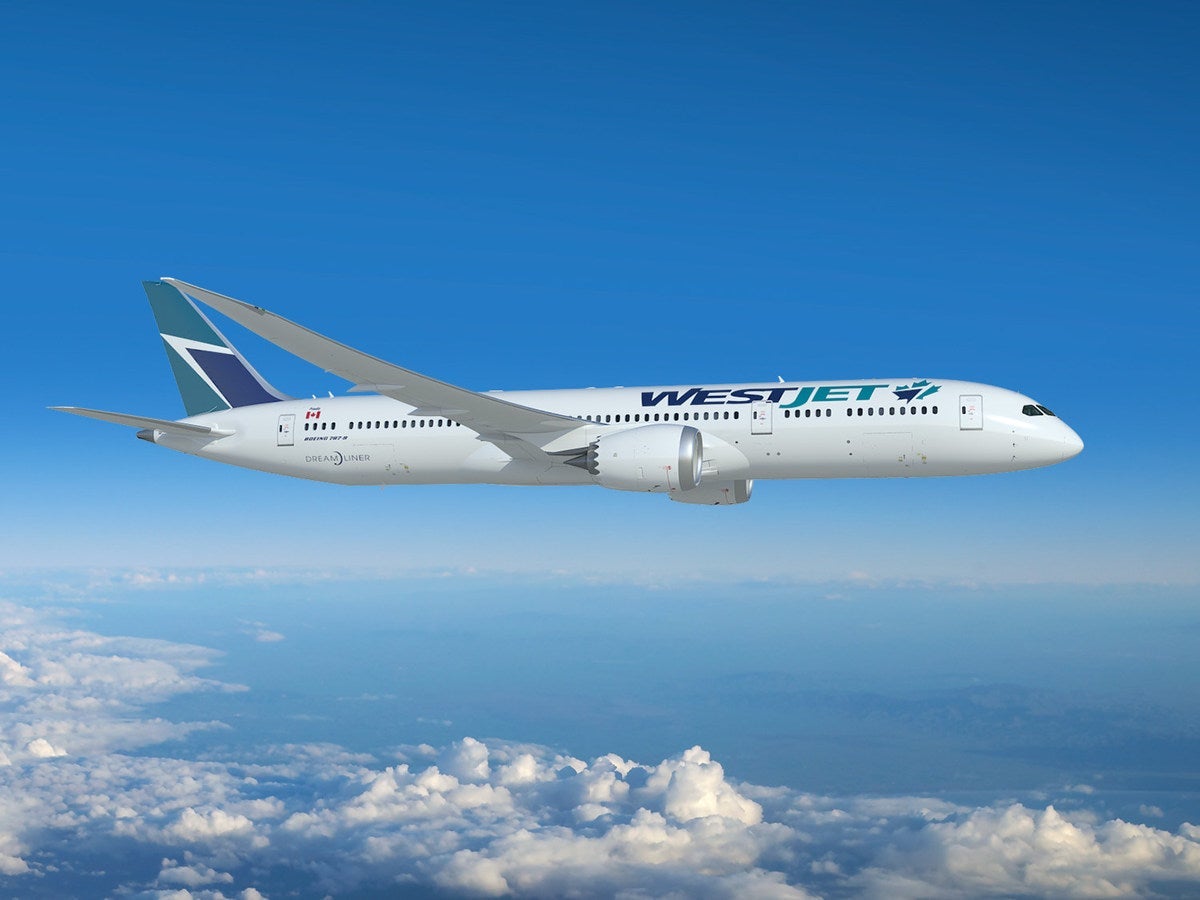
Ten years ago this week, the Boeing 787 Dreamliner took to the air for the first time. Easing effortlessly into the sky from a rain-soaked Seattle runway, it marked the start of one of the most successful aircraft of the modern era.
There are now more than 1,000 Dreamliners in service with airlines worldwide, the biggest operator being All Nippon Airways with 71 airframes. The original aircraft, the -8, has been stretched, with the -9 and -10 variants giving airlines greater range and capacity.
Qantas has used the greater range of the 787-9 to start the first regular direct service between Australia and the U.K., a 17-hour epic journey between Perth and London.
While passengers love the experience in the back, it's also a great place for the pilots to work. A number of features on the aircraft set it apart from other aircraft types. So, even when your working day can be 19 hours long, I'd much rather be doing it in a Dreamliner than any other type.
Sign up for the free daily TPG newsletter for more travel tips!
Air quality
Without doubt, the best feature of the Dreamliner is the revolutionary air conditioning system. With a lower cabin altitude and higher moisture content, it ensures that you don't become as dehydrated during the flight. As a result, you arrive at your destination feeling fresh and ready to go.
All other aircraft types use what's known as "bleed air" to condition the cabin. As air passes through the engine, some of this is "bled" off and sent into the air conditioning system. After it is filtered, cooled and then heated again, it has its moisture content altered and enters the cabin as the air you breathe.
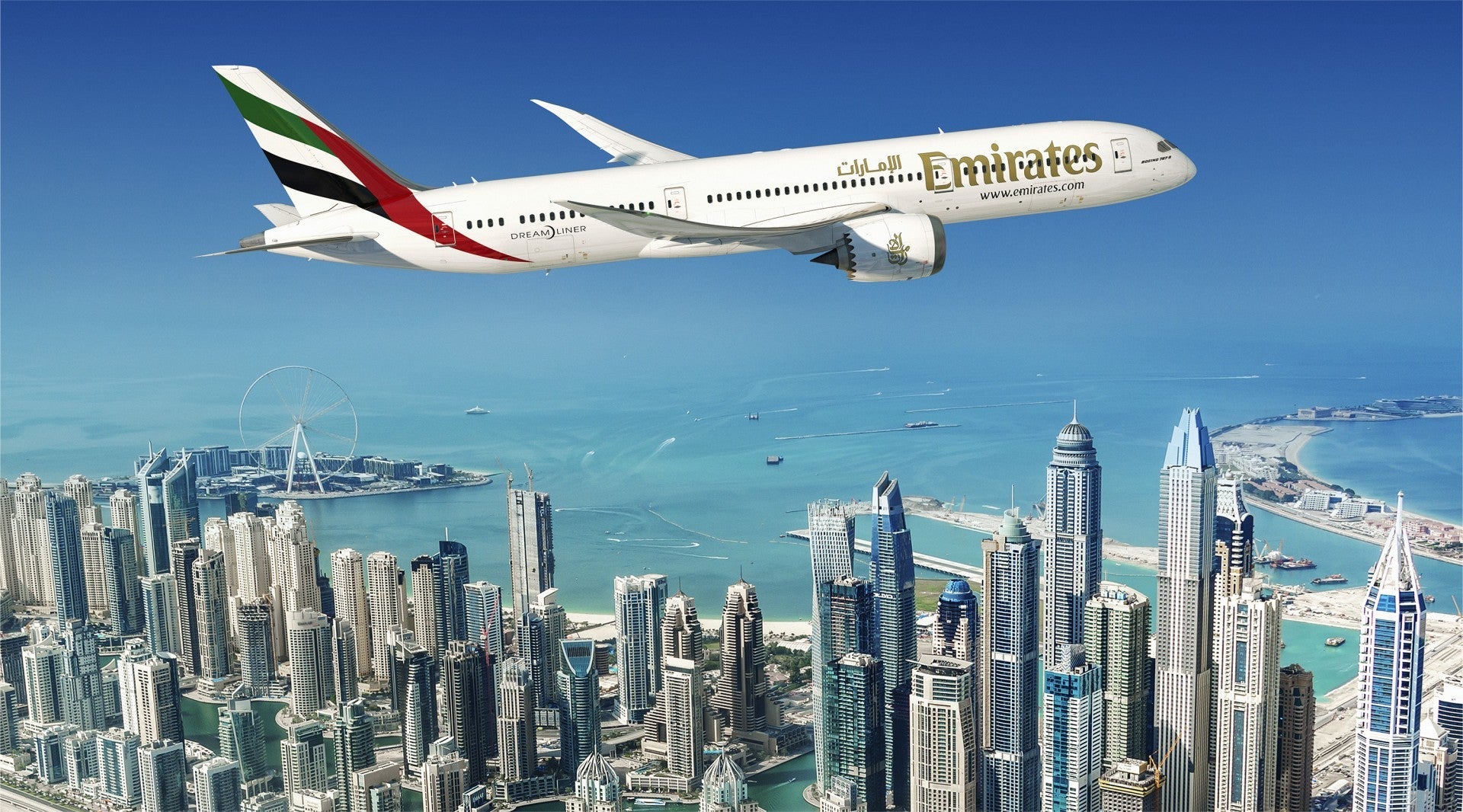
The problem with this air, particularly in my experience on the 777, is that it can be incredibly dry. I find myself drinking liters and liters of water, often needing to keep my skin topped up with moisturizer. When I'm trying to sleep, my nose is dry and all in all, it doesn't make for a particularly comfortable flying experience.

On the Dreamliner, instead of using air from the engines, Boeing designed the aircraft to use air taken directly from the outside. This means that the air that you breathe on a 787 has come from the fresh air outside. As the engines aren't then losing energy to power the air conditioning system, it also makes them more efficient. More efficient engines equals lower carbon emissions.
Air is taken into the aircraft by two dedicated inlets just below where the front of the wing meets the fuselage. It is then directed into four electrically operated Cabin Air Compressors (CACs). The air is compressed and sent to two identical air conditioning packs. Each pack has two dedicated CACs, however a single CAC is enough to power a single pack.
From here, the supply of air to the cabin is much the same as other aircraft, except when it comes to another important factor — more moist air.
The air on the Dreamliner is much more moist than on other types. Before departure, the crew tell the system exactly how many passengers are on board. The air conditioning system then uses this number to optimize the humidity of the air being directed into the cabin creating an environment much more like that on the ground.
Read more: The 11 questions pilots get asked all the time

Finally, the fuselage of the Dreamliner is made from carbon fiber instead of the conventional aluminum. Not only does this make it lighter but it also makes it much stronger, meaning that it can withstand much higher cabin pressurization. As a result, the cabin altitude is roughly 30% lower than other aircraft at the same cruising altitude. This may not sound like much, but over a 14-hour flight you certainly notice the difference.
Crew rest area
No matter what job you do, getting decent sleep is important. When you're responsible for 250 lives, it's really important. With aircraft like the Dreamliner allowing airlines to fly ever longer routes, flight times are creeping up toward the 20 hour mark.
In October this year, Qantas operated the world's first flight between New York and Sydney, a 19-hour and 16-minute epic journey. It was part of the airline's "Project Sunrise," a study into the feasibility of super-long-haul flights for both machine and human.
Even though the 787 Dreamliner is a great aircraft to operate these ultra-long-range (ULR) flights, humans don't cope particularly well being cooped up in a pressurized tube for such a long time. For the crew working 20-plus hour days, they have to perform at their peak, right until the end of that long slog. ULR flights pose their own challenges to those who keep you safe on board, so getting decent sleep on the aircraft is critical. Fortunately, the Dreamliner has great facilities for the crew to rest.
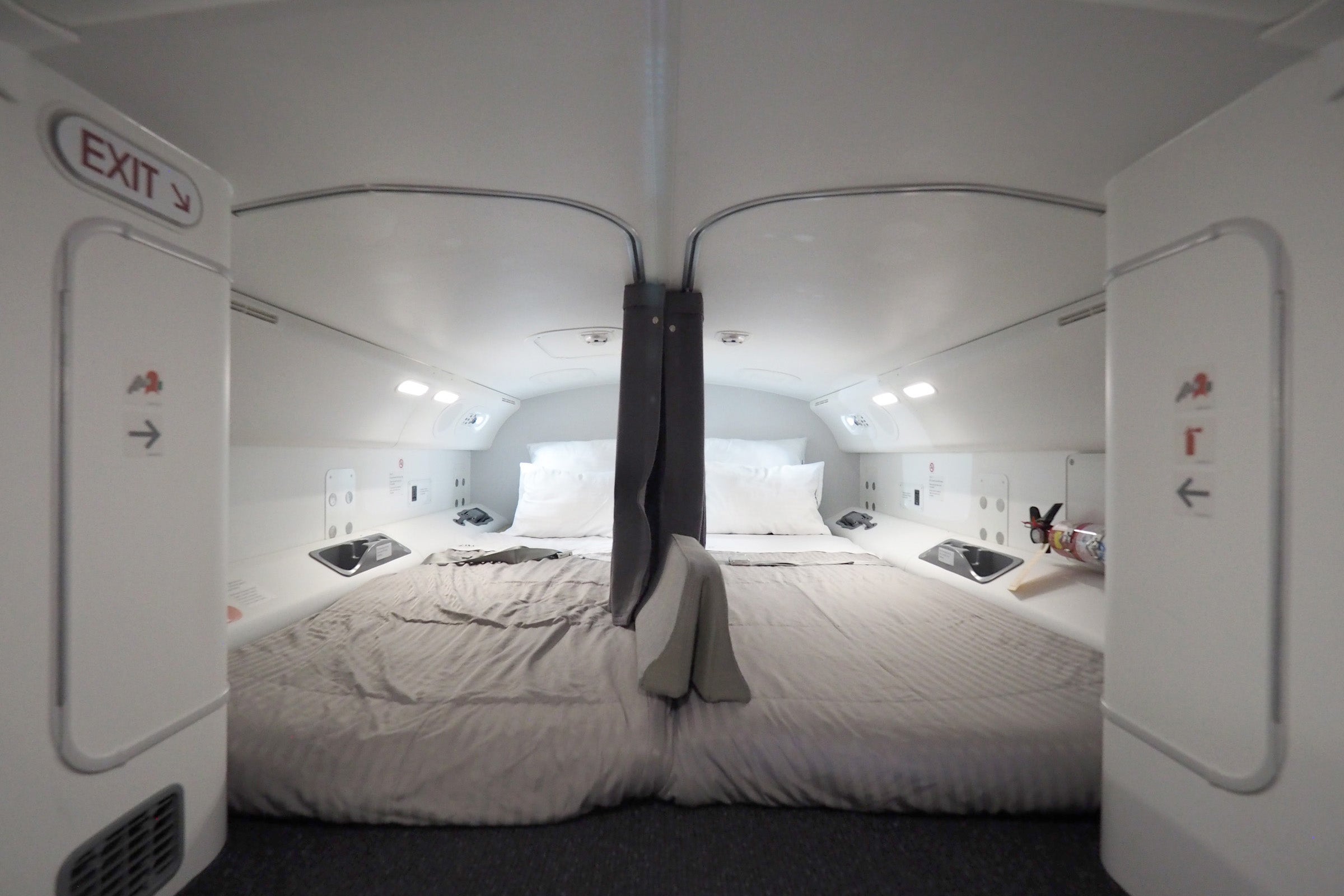
Hidden away above the first class cabin, there is a rest area for the pilots -- the Overhead Flight Crew Rest (OFCR). It's accessed by a hidden door and once upstairs, there is a seat for watching the in-flight entertainment and also two beds. I use the word bed lightly because it is effectively just a thin mattress on the floor, but still, it's pretty comfortable. Depending on the airline, these are furnished with anything from a thin blanket and pillow to bedding from the first class cabin.
When sleeping in the cabin, it's rarely the ideal temperature. Either it's too hot and you're throwing your blanket onto the floor or it's too cold and you're looking for a spare coat to wear. Fortunately, in OFCR this isn't a problem. There is a control panel to control the temperature, from a chilly 15 degrees Celsius (59 Fahrenheit) up to a tropical 26 degrees Celsius (79 Fahrenheit). Personally, I'm a 20 degrees man.
Controlling the light is also really important for good sleep. With the door closed and the curtain at the end of the bed drawn, it really is quite dark and surprisingly quiet. Only the odd bang from overenthusiastic flight attendants stowing trolleys tends to be heard.
That said, there is no bed like your own, and there are very few beds that will throw you around because of turbulence as you try to sleep. If you've managed your sleep well before the flight, hopefully you'll drop off to sleep pretty quickly. If you weren't able to manage your sleep, it's going to be a long flight.
Read more: How pilots stay alert on ultra-long-range flights
Performance
Another thing I love about the 787 is its performance. Way back in a time before mobile phones and reality TV, the two greats of aircraft building imagined two very different views of the future of the industry. Airbus decided that due to route congestion, more people would need to squeeze onto single flights so opted for the giant A380. They envisaged that people would fly from hub to hub and then connect from there to their destination.
This was fine in theory but it required airports to change their infrastructure to accommodate the aircraft. Taxiways had to be dug up and strengthened, parking stands needed widening and airbridges needed altering.
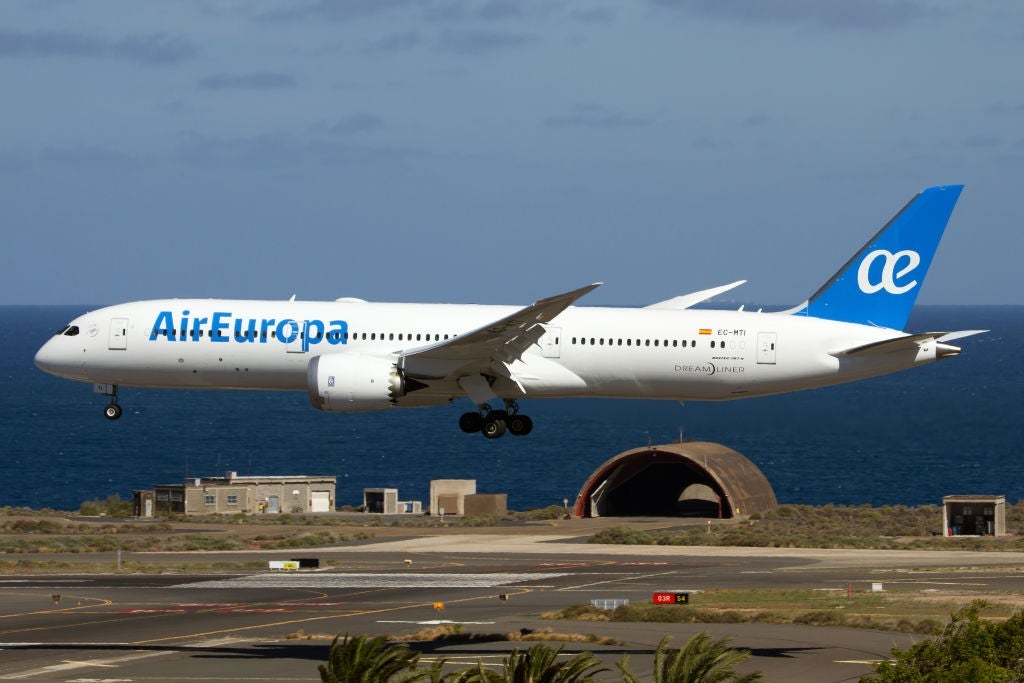
Boeing on the other hand imagined that people didn't want to hassle of multiple flights, but instead would rather fly direct to their destination. As a result, they built an aircraft which could carry fewer passengers but had the performance to get in and out of smaller airports. With the increased fuel efficiency, 40% to 50% better than the 747-400, it allowed airlines to open up "thin" routes. These would be routes where a lower revenue was required to make the route profitable, funded by fewer passengers. With this structure in mind, routes such as London to Charleston, Krakow to Chicago and Perth to London all of a sudden became feasible.
Cruising altitude
Another aspect which make it great for pilots is the cruising altitude, made possible by the incredible design of the wing. If you've ever watched a 787 on landing, you'll have noticed just how much the wings flex just before touchdown. This design enables the aircraft to climb to higher altitudes for a given weight than most other aircraft types.
This benefits us in a couple of ways. Firstly, it means that we can often fly above the turbulence. There has been many a night flying across the Atlantic where the aircraft below us at 33-37,000 feet has been complaining about the bumpy flying conditions. Meanwhile, up at 43,000 feet, we've had a smooth ride.
Secondly, by flying higher than most other traffic, it means we are more likely to get short cuts. As air traffic is a giant 3D puzzle for ATC, when you have more aircraft at a certain altitude, there is less scope for them to deviate from their planned route. When there are fewer aircraft to conflict with at your altitude, ATC are able to let you fly more direct routes. This not only saves fuel but also time.
Comfortable flight deck
When you are spending hour after hour sat in the same office, it really makes a big difference if that office is comfortable. Boeing seems to have given this some serious consideration when designing the flight deck of the 787, with several features which help keep us alert during the long flights.
The seat itself provides good support for your back, allowing you to adjust the recline, height, lumbar and arm rests. Judging by the odd position the seat can be in when I jump in, it seems that even the most odd body shapes can find a comfortable seat position.
For the 3 a.m. body lows, there's a vent which blows warm air over your shoulders and the floor plate under our feet is heated, providing a comforting glow if you slip your shoes off for a few minutes.

Boeing has also added a radio transmission switch in an easy to reach position above the instrument panel. It's far more comfortable to reach this switch than the normal one down on the central panel.
That said, standby for a controversial statement which the aviation purists may hate: I still question the need to have an old-fashioned control column between your legs. It's only used for the first and last few minutes of the flight and otherwise just gets in the way. I don't want to start an Airbus versus Boeing argument which so many people seem to enjoy, but having a table in front of you instead of a control column is far more useful and comfortable during the long flights.
Good things come in small packages
This may seem like an odd one, but I love the fact that the Dreamliner is smaller than most long-haul aircraft. This means that there are fewer crew, just eight to 10, making for a more sociable working environment. By the end of each flight you can have had a good chat with all the crew, meaning a more enjoyable time when down route. I get the impression that working with 23 crew on the A380 can be a very impersonal experience.
A smaller aircraft also means fewer passengers. As a result, there are fewer people to get lost in the terminal and delay the flight and fewer people to get ill mid flight or get drunk and cause a disruption.
Bottom line
All in all, the 787 Dreamliner is a great aircraft to work on. The flight deck is a comfortable place to spend a night out of one's own bed, the air quality is superior to any other aircraft which I've flown on and the performance allows it to do things many other aircraft cannot. Like all new aircraft, there were a few teething problems as it entered service but now, 10 years on, it's one of the most commonly seen aircraft at airports around the world. Here's to the next 10 years!
TPG featured card

at Capital One's secure site
Terms & restrictions apply. See rates & fees.
| 5X miles | Earn 5X miles on hotels, vacation rentals and rental cars booked through Capital One Travel |
| 2X miles | Earn unlimited 2X miles on every purchase, every day |
Pros
- Stellar welcome offer of 75,000 miles after spending $4,000 on purchases in the first three months from account opening. Plus, a $250 Capital One Travel credit to use in your first cardholder year upon account opening.
- You'll earn 2 miles per dollar on every purchase, which means you won't have to worry about memorizing bonus categories
- Rewards are versatile and can be redeemed for a statement credit or transferred to Capital One’s transfer partners
Cons
- Highest bonus-earning categories only on travel booked via Capital One Travel
- LIMITED-TIME OFFER: Enjoy $250 to use on Capital One Travel in your first cardholder year, plus earn 75,000 bonus miles once you spend $4,000 on purchases within the first 3 months from account opening - that’s equal to $1,000 in travel
- Earn unlimited 2X miles on every purchase, every day
- Earn 5X miles on hotels, vacation rentals and rental cars booked through Capital One Travel
- Miles won't expire for the life of the account and there's no limit to how many you can earn
- Receive up to a $120 credit for Global Entry or TSA PreCheck®
- Use your miles to get reimbursed for any travel purchase—or redeem by booking a trip through Capital One Travel
- Enjoy a $50 experience credit and other premium benefits with every hotel and vacation rental booked from the Lifestyle Collection
- Transfer your miles to your choice of 15+ travel loyalty programs
- Top rated mobile app