Boeing's first-ever Dreamliner flight was 10 years ago this week

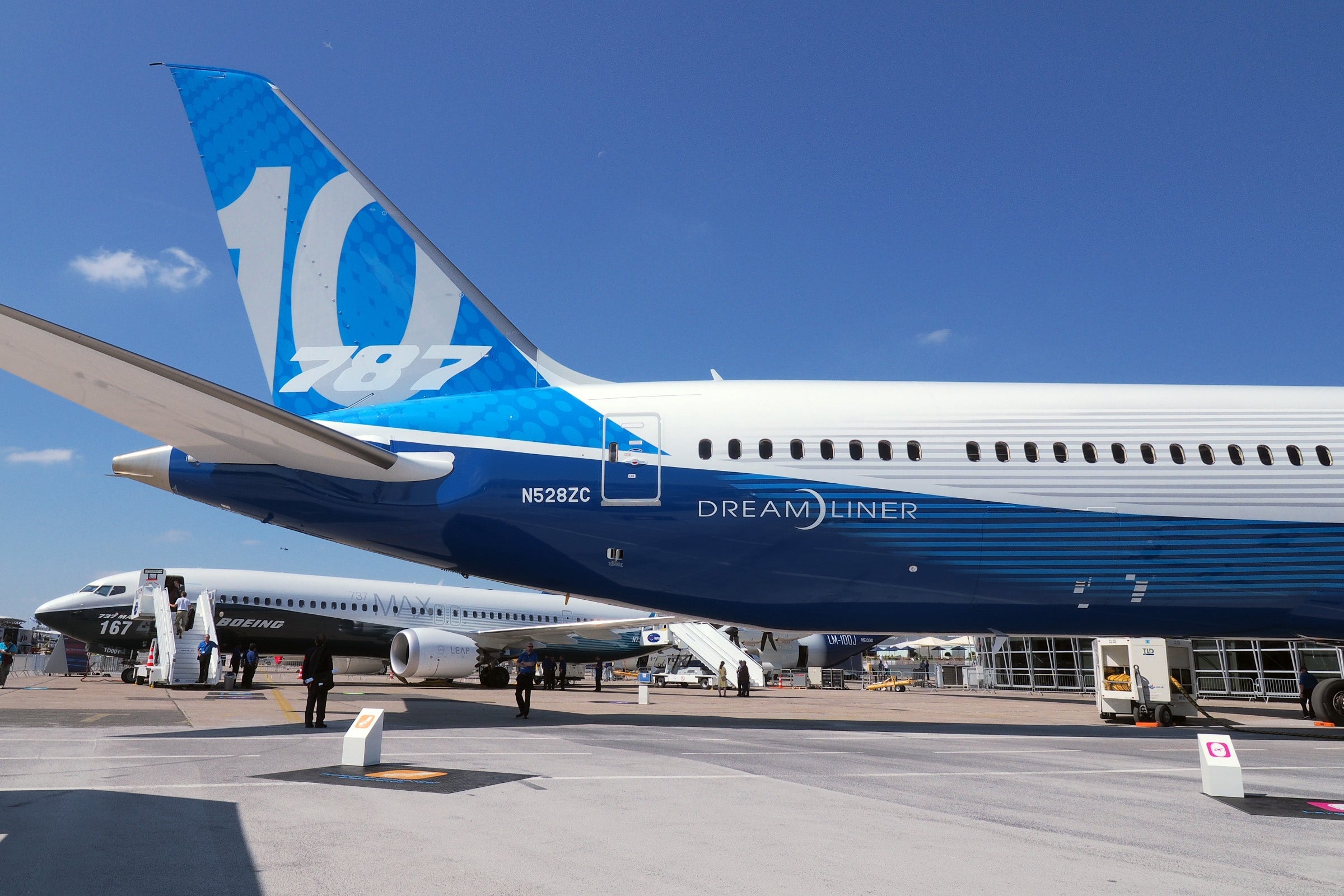
It was ten years ago this past weekend that Boeing's 787 took to the skies for the first time ever. The jet's maiden flight happened on Dec. 15, 2009, though it would not enter regular passenger service until about two years later.
The Dreamliner, as the jet is also known, was the first to be made primarily of carbon composites. Despite being slow to enter service because of production issues, the 787 has been become one of the world's most-popular aircraft for overseas flying. It has led to new, direct international routes between smaller markets that previously required multi-leg itineraries.
Carbon composite airplanes like the 787 can also be kept at higher humidity and cabin pressure as compared to their traditional aluminum counterparts, meaning many passengers find the planes more comfortable.
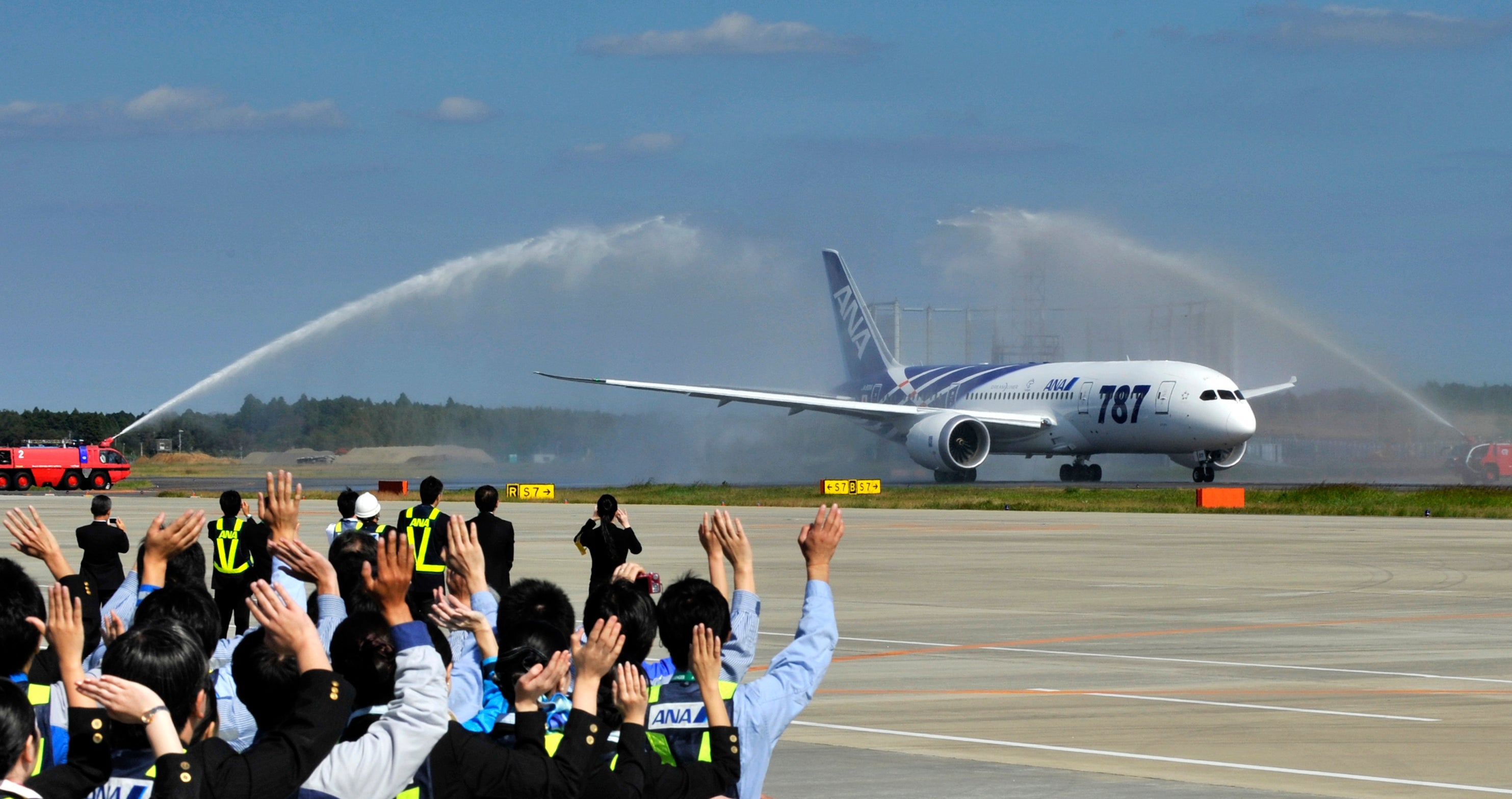
The first passenger flights were operated by All Nippon Airways on Oct. 26, 2011, on a special one-time charter from Tokyo (NRT) to Hong Kong. The plane entered normal commercial service in November of that year.
Sign up for the free daily TPG newsletter for more airline news!
Boeing's 787 entered service just a few years after the Airbus A380, putting the two manufacturers' conflicting strategies into stark relief. Boeing bet on airlines favoring smaller wide-bodies that could fly "long thin" routes — flights that would be difficult to profitably serve with bigger jets. Airbus favored the idea of huge jets flying between major airports, concluding in part that its "superjumbo" would appeal to carriers looking to increase capacity to slot-restricted airports like London Heathrow, Tokyo Narita and New York JFK.

In the end, airlines saw more potential for the Dreamliner than for the A380. The latter will soon be out of production, and Airbus' new composite A350 began commercial service in 2015, giving airlines a new Airbus option to go up against Boeing's 787 and 777.
Although the 787 has had some issues in its first decade — most notably lithium ion battery issues that led to an early worldwide grounding as well as some ongoing problems with its Rolls Royce Trent engines — it's been a successful aircraft in the market. Just as Boeing promised, the aircraft has helped open numerous new routes that would have been difficult to profitably serve with bigger jets. Some notable Dreamliner routes added in recent years include Chicago O'Hare-Krakow on LOT Polish Airlines; Perth to London on Qantas; and London Heathrow-Charleston, South Carolina, on British Airways.
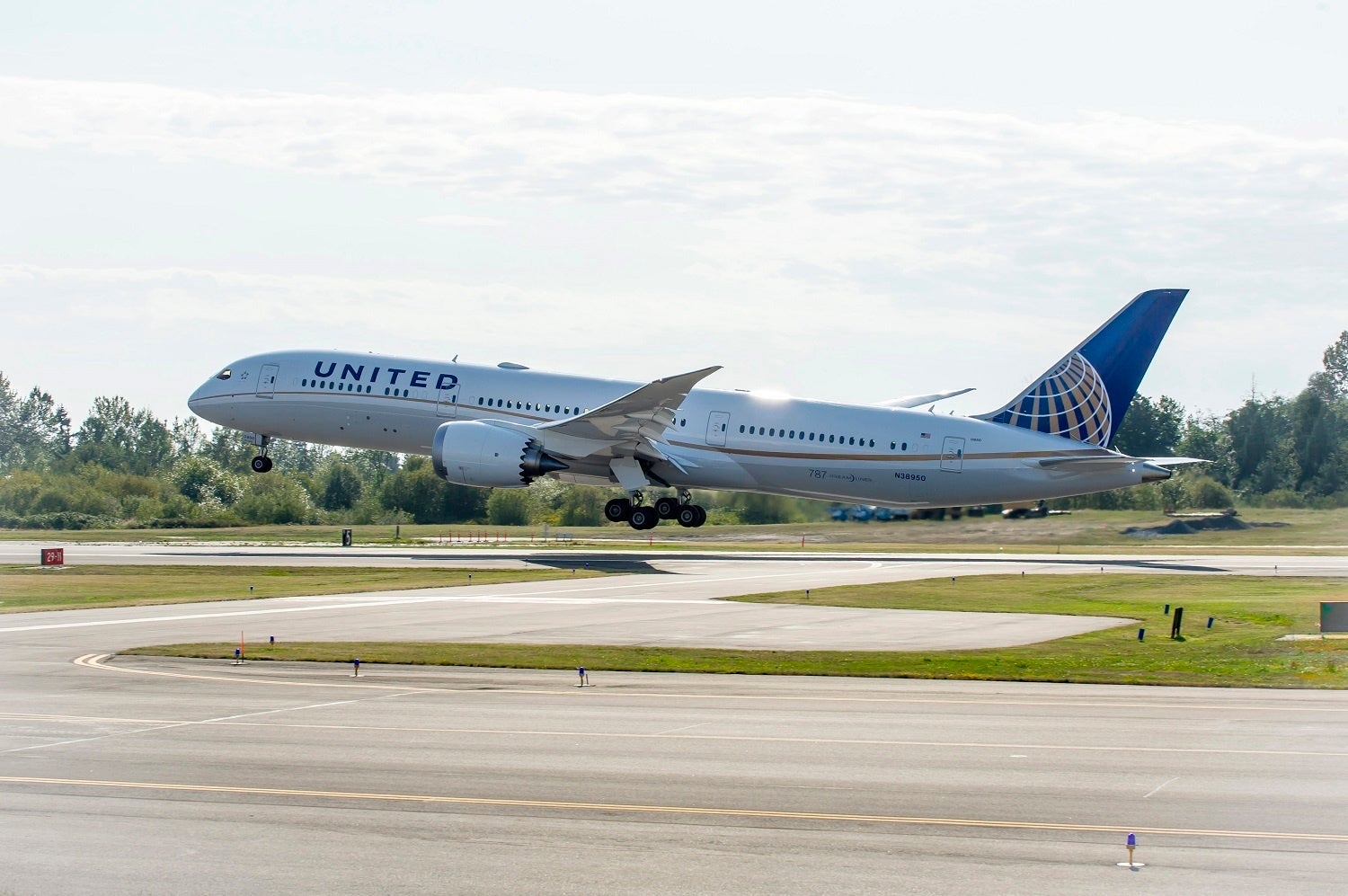
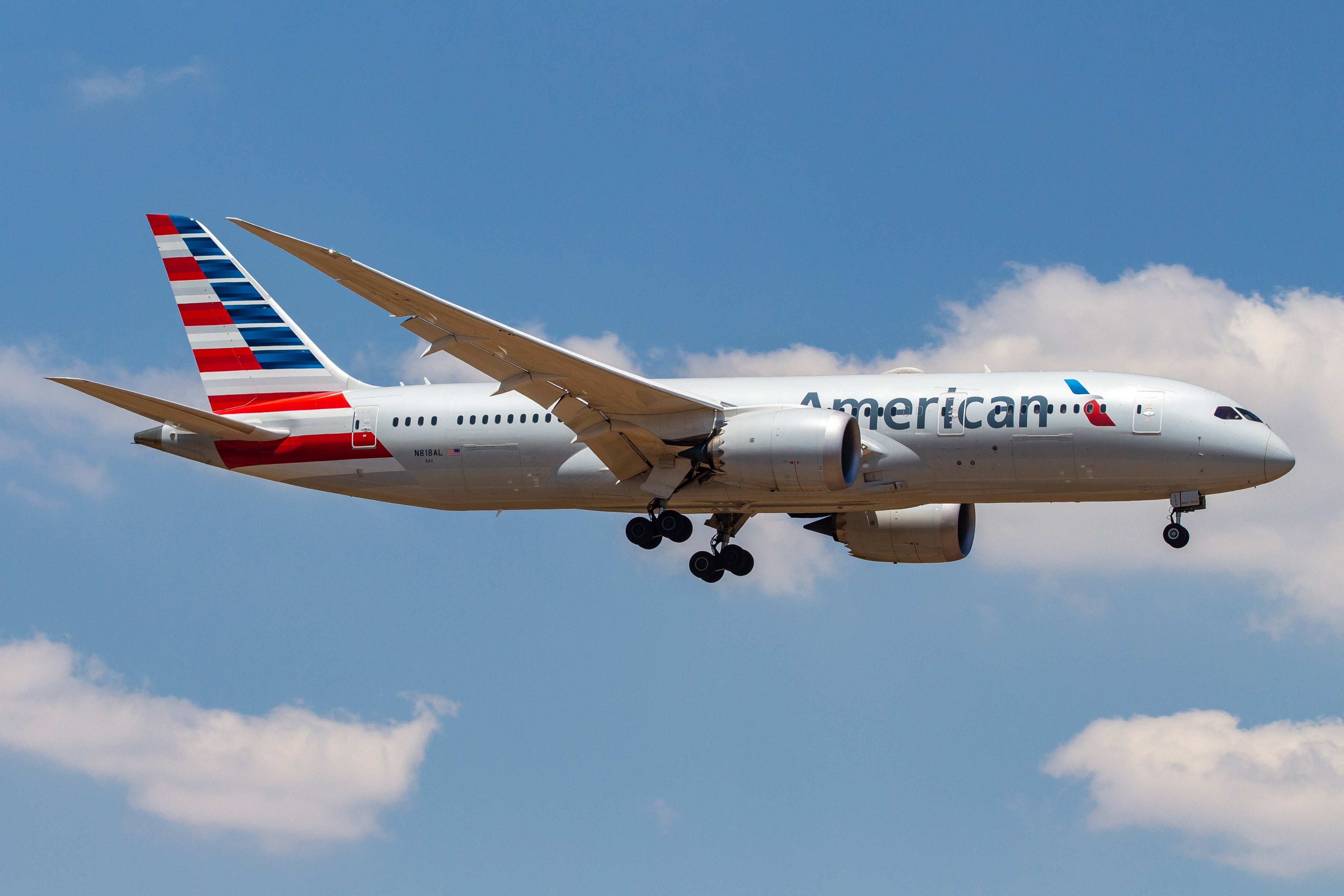
Nearly 1,000 787s have come off the production line, according to FlightRadar24. ANA is the largest Dreamliner operator with 71 in its fleet, but American Airlines, United Airlines, Japan Airlines and Air Canada and Etihad each count more than three dozen, according to the manufacturer.
This story was updated to reflect the correct number of 787s that have been produced.
TPG featured card

at American Express's secure site
Terms & restrictions apply. See rates & fees.
| 3X | Earn 3X Miles on Delta purchases. |
| 1X | Earn 1X Miles on all other eligible purchases. |
Pros
- Delta SkyClub access when flying Delta
- Annual companion ticket for travel on Delta (upon renewal)
- Ability to earn MQDs through spending
- Various statement credits for eligible purchases
Cons
- Steep annual fee of $650
- Other Delta cobranded cards offer superior earning categories
- Earn 100,000 Bonus Miles after you spend $6,000 or more in purchases with your new Card within the first 6 months of Card Membership and an additional 25,000 bonus miles after you make an additional $3,000 in purchases on the Card within your first 6 months, starting from the date that your account is opened. Offer Ends 04/01/2026.
- Delta SkyMiles® Reserve American Express Card Members receive 15 Visits per Medallion® Year to the Delta Sky Club® when flying Delta and can unlock an unlimited number of Visits after spending $75,000 in purchases on your Card in a calendar year. Plus, you’ll receive four One-Time Guest Passes each Medallion Year so you can share the experience with family and friends when traveling Delta together.
- Enjoy complimentary access to The Centurion® Lounge in the U.S. and select international locations (as set forth on the Centurion Lounge Website), Sidecar by The Centurion® Lounge in the U.S. (see the Centurion Lounge Website for more information on Sidecar by The Centurion® Lounge availability), and Escape Lounges when flying on a Delta flight booked with the Delta SkyMiles® Reserve American Express Card. § To access Sidecar by The Centurion® Lounge, Card Members must arrive within 90 minutes of their departing flight (including layovers). To access The Centurion® Lounge, Card Members must arrive within 3 hours of their departing flight. Effective July 8, 2026, during a layover, Card Members must arrive within 5 hours of the connecting flight.
- Receive $2,500 Medallion® Qualification Dollars with MQD Headstart each Medallion Qualification Year and earn $1 MQD for each $10 in purchases on your Delta SkyMiles® Reserve American Express Card with MQD Boost to get closer to Status next Medallion Year.
- Enjoy a Companion Certificate on a Delta First, Delta Comfort, or Delta Main round-trip flight to select destinations each year after renewal of your Card. The Companion Certificate requires payment of government-imposed taxes and fees of between $22 and $250 (for itineraries with up to four flight segments). Baggage charges and other restrictions apply. Delta Basic experiences are not eligible for this benefit.
- $240 Resy Credit: When you use your Delta SkyMiles® Reserve American Express Card for eligible purchases with U.S. Resy restaurants, you can earn up to $20 each month in statement credits. Enrollment required.
- $120 Rideshare Credit: Earn up to $10 back in statement credits each month after you use your Delta SkyMiles® Reserve American Express Card to pay for U.S. rideshare purchases with select providers. Enrollment required.
- Delta SkyMiles® Reserve American Express Card Members get 15% off when using miles to book Award Travel on Delta flights through delta.com and the Fly Delta app. Discount not applicable to partner-operated flights or to taxes and fees.
- With your Delta SkyMiles® Reserve American Express Card, receive upgrade priority over others with the same Medallion tier, product and fare experience purchased, and Million Miler milestone when you fly with Delta.
- Earn 3X Miles on Delta purchases and earn 1X Miles on all other eligible purchases.
- No Foreign Transaction Fees. Enjoy international travel without additional fees on purchases made abroad.
- $650 Annual Fee.
- Apply with confidence. Know if you're approved for a Card with no impact to your credit score. If you're approved and you choose to accept this Card, your credit score may be impacted.
- Terms Apply.
- See Rates & Fees