It's Not Just You: Why Everyone Gets Gassy and Bloated on Airplanes

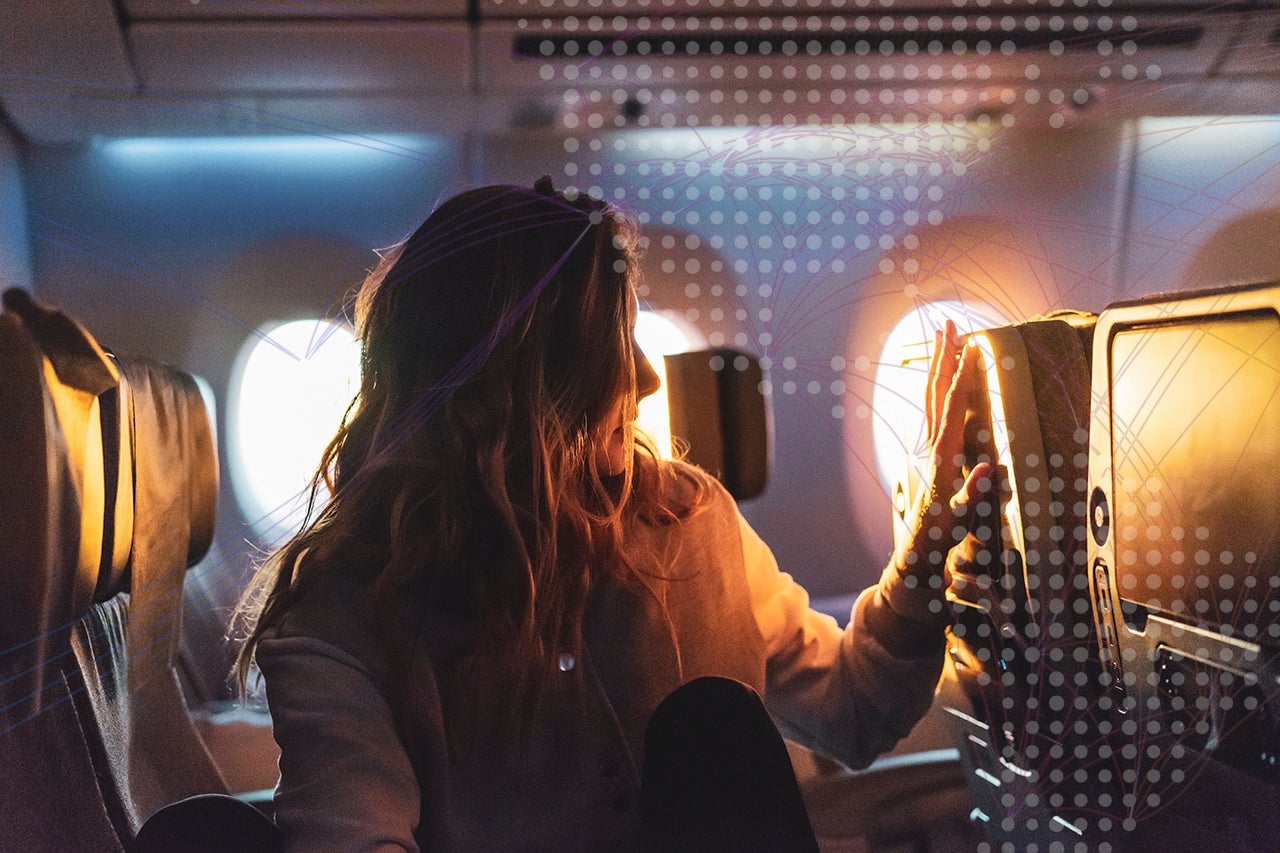
Cramped seats that just keep getting smaller, coffee made with questionably safe water, the potential for developing life-threatening blood clots: air travel certainly comes with its complications.
And there's a minor health hazard associated with flight that, though it rarely makes headlines, can wreak havoc on your stomach by causing gas and bloating.
Yes, there's actually a scientific reason why being in an airplane can make you feel extra gassy — and it's not the fault of that fast-food burger you scarfed down while waiting to board the plane (or at least, not entirely).
According to Dr. Lawrence J. Brandt, MD and the Emeritus Chief of the Division of Gastroenterology at Montefiore Medical Center in New York, the key to understanding what causes this unpleasant feeling is to think of your body as a balloon.
"A balloon is filled with gas, and as it ascends into the atmosphere, the pressure surrounding the balloon decreases and the gas contained therein increases. The same thing happens to your body. As the pressure around you decreases, the gas in your belly isn't constrained as much and it expands. This can make you feel bloated or become distended," he told TPG.
Luckily, in-flight stomach pain is relatively simple to avoid — as long as you follow a few guidelines before take off and en route to your final destination.
Take a laxative
If you're prone to constipation, Brandt recommends taking a laxative one or two days before your flight in order to minimize the amount of stool in your body. "The bacteria in your colon is what produces the gas," he explained.
Watch your diet
Another way to reduce gas is to avoid certain foods — both before as well as during the flight — that cause it, such as broccoli and cauliflower, not to mention anything that's extra greasy. (Which does, sadly, mean saying goodbye to that airport burger.)
Dr. Arun Swaminath, MD and the Director of the Inflammatory Bowel Disease Program at New York's Lenox Hill Hospital, even suggests going on a low FODMAP diet the day of your flight.

FODMAP is an acronym for "Fermentable Oligo-, Di-, Mono-saccharides And Polyols," which basically means carbs that are hard for your small intestine to absorb. Examples of what to avoid include certain dairy products like milk and yogurt; fruits such as apricots, nectarines and plums; vegetables like asparagus and mushrooms; and certain sweeteners, including honey and xylitol.
Carbonated drinks also create extra gas in your body, which means sparkling water, soda and beer are all no-no's.
Avoid chewing gum
"Chewing gum often results in swallowing air, another thing I avoid on planes," Swaminath said.
Keep it moving
Another tip from Brandt is to walk up and down the aisle every hour or two. Not only is this good advice for avoiding deep vein thrombosis, but it will "also increase bowel motility and help spread out the gas," Brandt said. "It may even help you pass some gas."
Which brings us to the experts' final point: If you feel the urge to pass gas, just do it. Or, as Swaminath puts it, "Do what comes naturally." If you're worried your seatmate will notice, just head to the nearest bathroom.
Women should be especially cognizant of how they're feeling in-flight. According to Brandt, women are simply more likely overall to have bloating and distension, meaning they may also have a higher probability of discomfort while flying — just one more reason why the aisle seat is the way to go.
TPG featured card

at Capital One's secure site
Terms & restrictions apply. See rates & fees.
| 5X miles | Earn 5X miles on hotels, vacation rentals and rental cars booked through Capital One Travel |
| 2X miles | Earn unlimited 2X miles on every purchase, every day |
Pros
- Stellar welcome offer of 75,000 miles after spending $4,000 on purchases in the first three months from account opening. Plus, a $250 Capital One Travel credit to use in your first cardholder year upon account opening.
- You'll earn 2 miles per dollar on every purchase, which means you won't have to worry about memorizing bonus categories
- Rewards are versatile and can be redeemed for a statement credit or transferred to Capital One’s transfer partners
Cons
- Highest bonus-earning categories only on travel booked via Capital One Travel
- LIMITED-TIME OFFER: Enjoy $250 to use on Capital One Travel in your first cardholder year, plus earn 75,000 bonus miles once you spend $4,000 on purchases within the first 3 months from account opening - that’s equal to $1,000 in travel
- Earn unlimited 2X miles on every purchase, every day
- Earn 5X miles on hotels, vacation rentals and rental cars booked through Capital One Travel
- Miles won't expire for the life of the account and there's no limit to how many you can earn
- Receive up to a $120 credit for Global Entry or TSA PreCheck®
- Use your miles to get reimbursed for any travel purchase—or redeem by booking a trip through Capital One Travel
- Enjoy a $50 experience credit and other premium benefits with every hotel and vacation rental booked from the Lifestyle Collection
- Transfer your miles to your choice of 15+ travel loyalty programs
- Top rated mobile app