'Jump and slide!' -- 11 instructions you need to follow to survive an emergency

For those of you who travel regularly, I get it. You've seen that safety video a million times. It's not as funny as the airline thinks it is, you know where the doors are and you know how to put your mask on. You'd really rather be reading a magazine or sending an email and just get this aircraft in the air so you can get to your destination as quickly as possible.
However, how would you feel if your pilots had the same attitude to dealing with an engine failure on takeoff? We practiced it in the simulator six months ago. That's enough, right?
Before each and every takeoff, we talk through what we will do in the case of engine failure and discuss exactly how we will do it. We also discuss how we will fly the aircraft, which buttons we will press and how we will identify which engine has failed.
We don't expect it to happen but by having it fresh in our minds each time we take to the sky, we are best prepared to deal with the event safely -- should it happen. And this should be the same for passengers sitting in the cabin.
With just a few minutes of careful thought and attention, you can improve your chances of safely evacuating an aircraft should the worst happen.
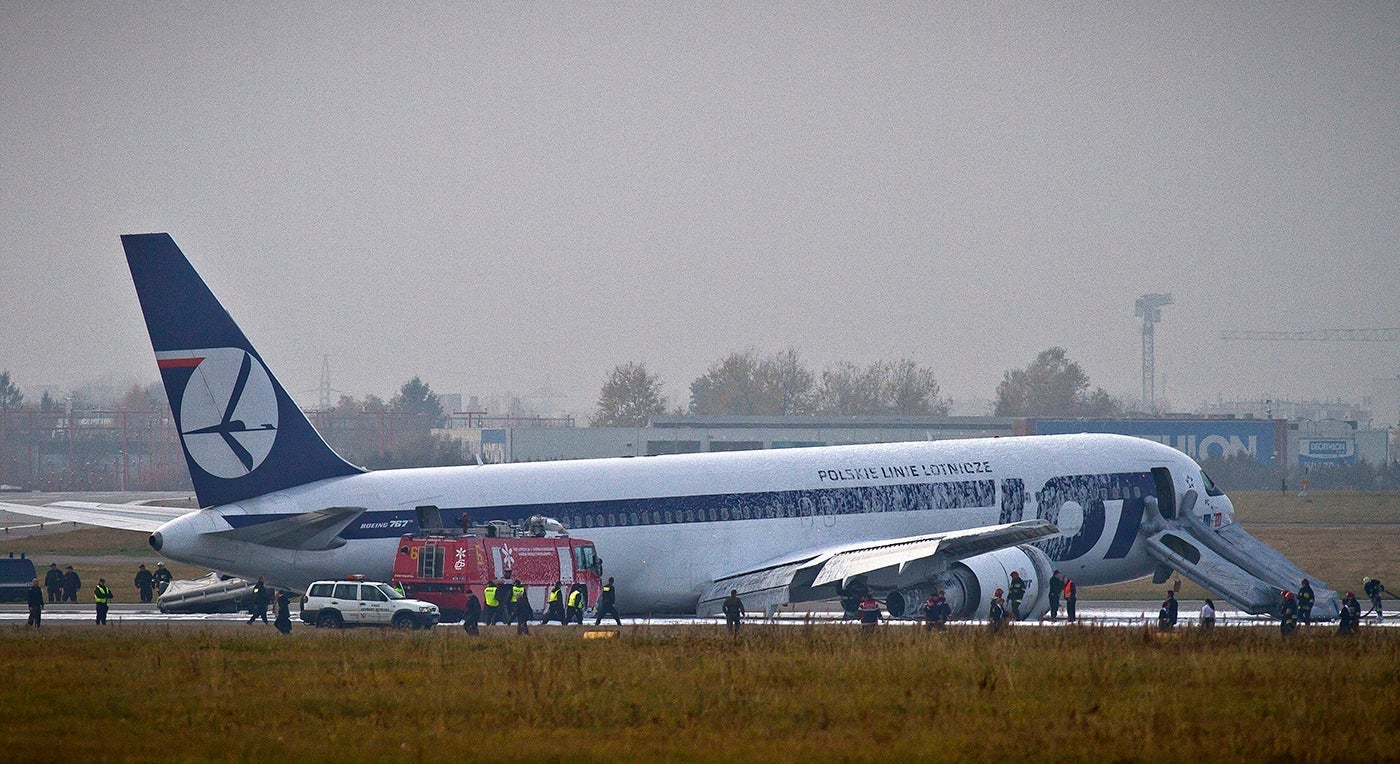
First, please watch the video below. It shows the reality of an emergency evacuation, albeit done under controlled test conditions.
When the cabin is full of smoke and it is dark, panic will set in. To give yourself the best chance of survival, you need to be prepared. Here's what you can do.
1. Count the rows to your nearest exit
As you make your way to your seat, take a look around you. Which door did you board through? Which way did you turn when you boarded? Where are the other doors? Familiarising yourself with your surroundings is a key aspect of increasing your situational awareness, which will improve your chances of escaping in an emergency.
When you find your seat, take another moment to look around again. Where are the two nearest doors?

In the event of an emergency, there's a chance that one door could be blocked and the cabin will be dark and full of smoke. You may not be able to see your hand in front of your face.
Read more: Singapore to New York: How pilots fly this epic 18-hour journey
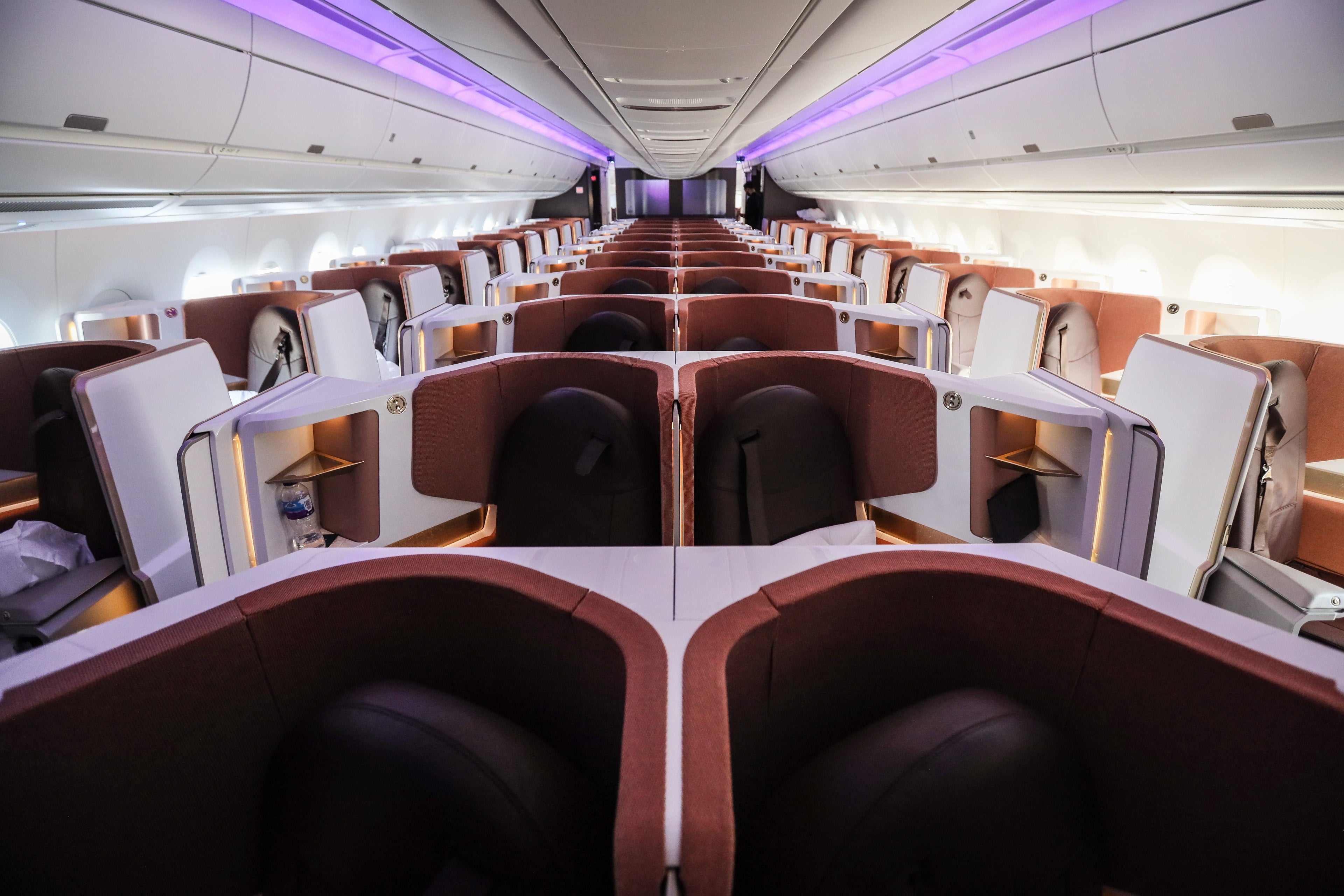
Before you sit down, count the number of seat rows to the two nearest exits, one in front of you and one behind you and memorize this. Should the cabin be filled with smoke, the safest way to the exit is by crawling along the floor. This is why there is emergency lighting along the floor.
If you know how many rows there are to the exit, you can count the rows as you crawl, knowing exactly when the exit will appear.
2. Watch the safety demonstration
The single easiest way to be prepared for an emergency evacuation is to watch the safety demonstration. Before each flight, it is the legal responsibility of the captain to ensure that all passengers are briefed about the safety and emergency procedures of that particular aircraft type. On an airliner, it is impractical for the captain to do this themselves, so the responsibility is delegated to the cabin crew.
When it comes to leaving the aircraft quickly, your crew knows what they are talking about. They go through refresher training every year and are asked safety-related questions before each flight to ensure that their knowledge is up to speed. As a result, they don't do the safety demonstration for their own entertainment, they do it for your benefit.
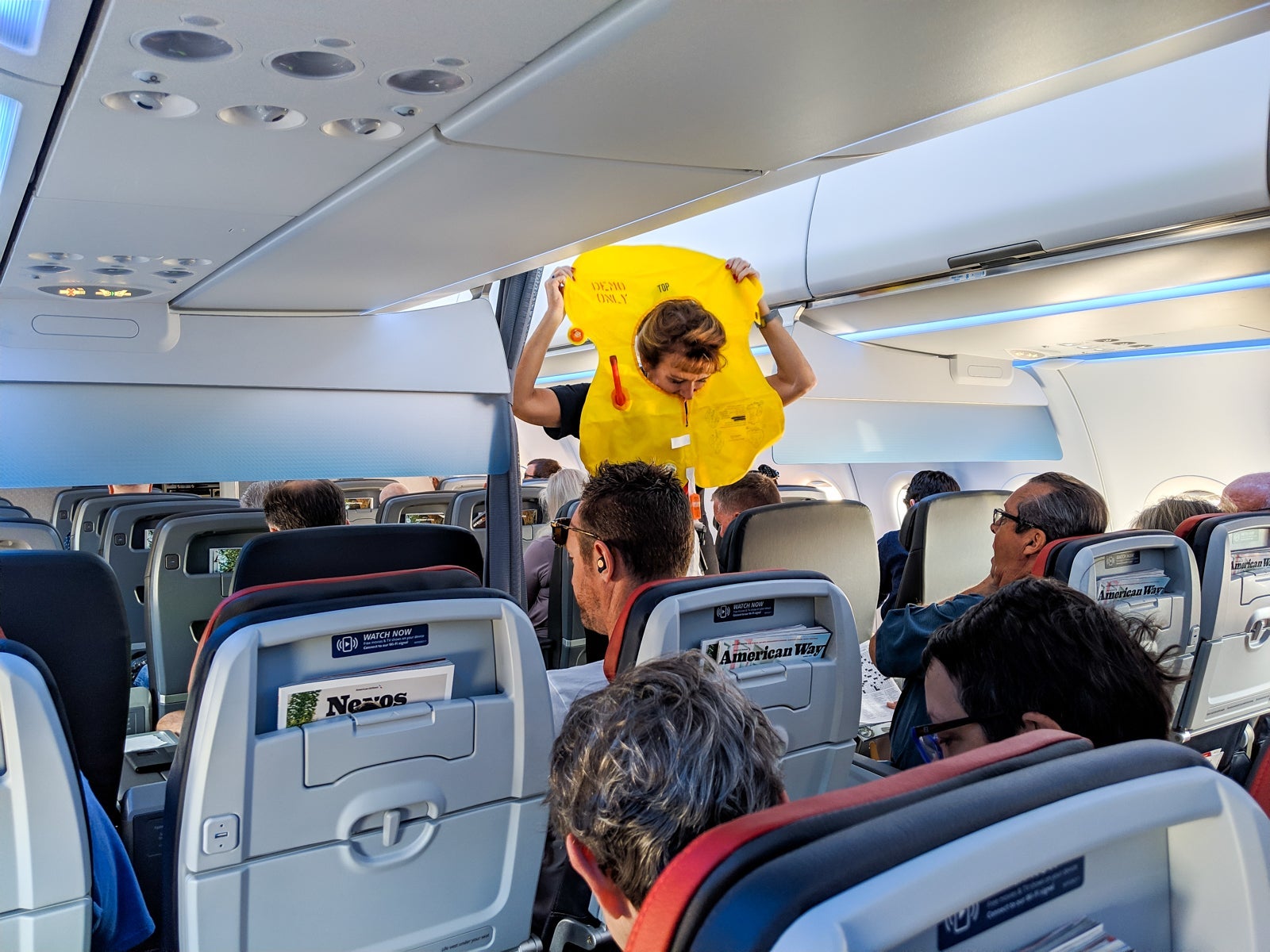
Please, on behalf of all pilots and cabin crew around the world, put your phones down, hold that conversation for a few minutes and pay attention to the demonstration.
Like the pilots in the flight deck rehearsing the engine failure situation, this is your chance to rehearse your actions in case of an emergency. It could make all the difference one day.
3. Practice unfastening your seatbelt
When the unexpected happens and adrenaline is coursing through our veins, our bodies make us do strange things. This is particularly true when it comes to evacuating an aircraft in an emergency.
We are all used to operating the seatbelt in a car. Reach down to your side, press the button and the belt pops off and automatically recoils. You could do this with your eyes closed.
But what about the seatbelt on an aircraft? Sat reading this now, (assuming you're not on an aircraft) do you know which side the buckle sits? Which way does it open? Does it automatically release when you lift the buckle?
Read more: 8 myths about being a pilot, debunked
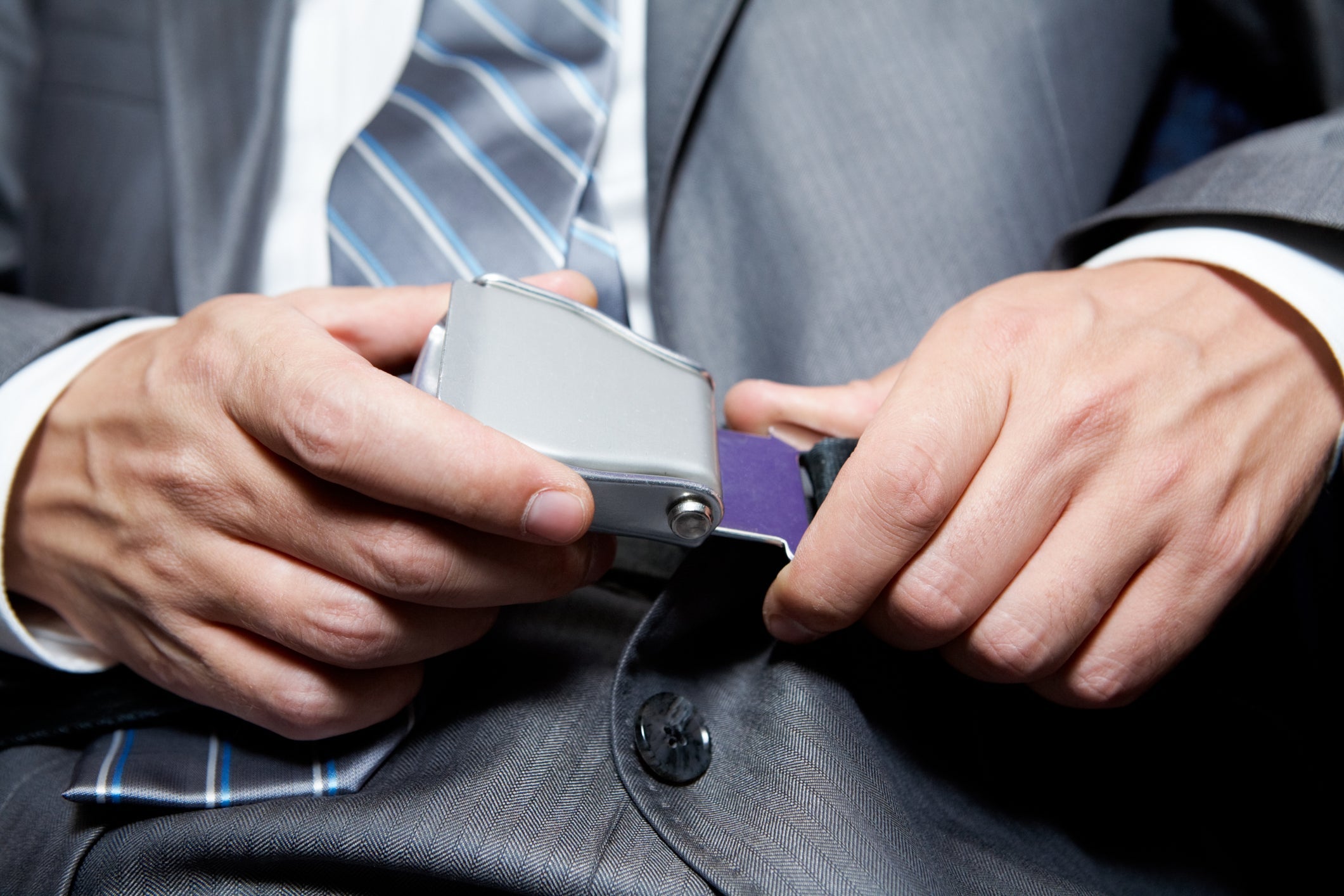
Tragically, investigations into the reasons why passengers did not manage to escape an aircraft in an emergency found that many of them were desperately trying to release their seatbelt like that in a car. They were familiar with this action and, in a time of high stress, reverted to what felt natural to them.
For this very reason, when you sit down and fasten your seatbelt, practice undoing it. Which way does it open? Which hand will you use? Do you need to pull it apart with the buckle lifted? Practice again and again until you are able to do it with your eyes closed.
4. Keep your shoes on and dress appropriately
If someone asked you to walk over burning embers and then stand in snowy conditions for an hour, would you choose to do this with your shoes off, dressed in just a t-shirt? The reality of an emergency evacuation could require you to do both of these.
When settling into your seat, I totally understand wanting to take your shoes off and removing hoodies to make yourself more comfortable. However, if the sudden need to evacuate the aircraft was required, you will not have time to put them back on.
Keep your shoes on until the aircraft is safely airborne and, if you can, keep another layer of clothing on. Always give yourself the best possible chance of escape and survival once outside. The same applies before landing.
5. Keep your phone, wallet and keys in your pocket
In the event of an evacuation, there is no time to collect personal items. More on this later.
However, having your most important items in your pockets will reduce the sudden desire to stop and extract your bag from the overhead locker. Keep your phone, passport and keys on your person and, should you evacuate the aircraft, you have everything you need to make your way home.
6. Read the safety card
In all honestly, could you accurately adopt the brace position right now? How would you position your legs? What would you do with your hands? Could you open a door if you had to? Can you escape through all doors if the aircraft ends up on water? (Spoiler alert, on some aircraft, you can't.)
There's only so much information the safety briefing can contain so it's for this reason why reading the safety card is so important. Which brings us nicely on to...
Read more: Smashed windshield — how pilots deal with cracked glass
7. Know how to do the brace position
The safety cards show you how to adopt the brace position, and this will differ if your seat is front or rear-facing. It will also tell you to place your hands on your head, but how exactly?
When asked to place their hands on their head, most people will instinctively interlock their fingers. However, this can present a risk. The whole point of doing this is to protect your head from falling items.
However, with your fingers interlocked, there's a chance that the falling items may break all your fingers. So how will you then unfasten your seatbelt?
What you need to do in this situation is to protect the hand which you're going to use to unfasten your seatbelt which you practiced when you sat down. Place that hand on your head and then place the other hand on top of it, without interlocking your fingers.
This way, should items fall and break one hand, the other hand should be protected to enable you to release your seatbelt and escape.
8. Listen to the crew
Should the aircraft come to a sudden stop on takeoff or an event occurs on landing, before you take any action of your own, listen to your cabin crew.
In the case of an engine fire resulting in a rejected takeoff, there could be some very compelling views out of the window, suggesting that you need to escape. However, this may not necessarily be so clear cut.
From your window in the cabin, you only have a limited picture of what is going on. You may see smoke out of your window, but there could be a larger fire on the other side. It may seem as if no action is being taken, but in the flight deck, the pilots are assessing the problem and dealing with the issue.
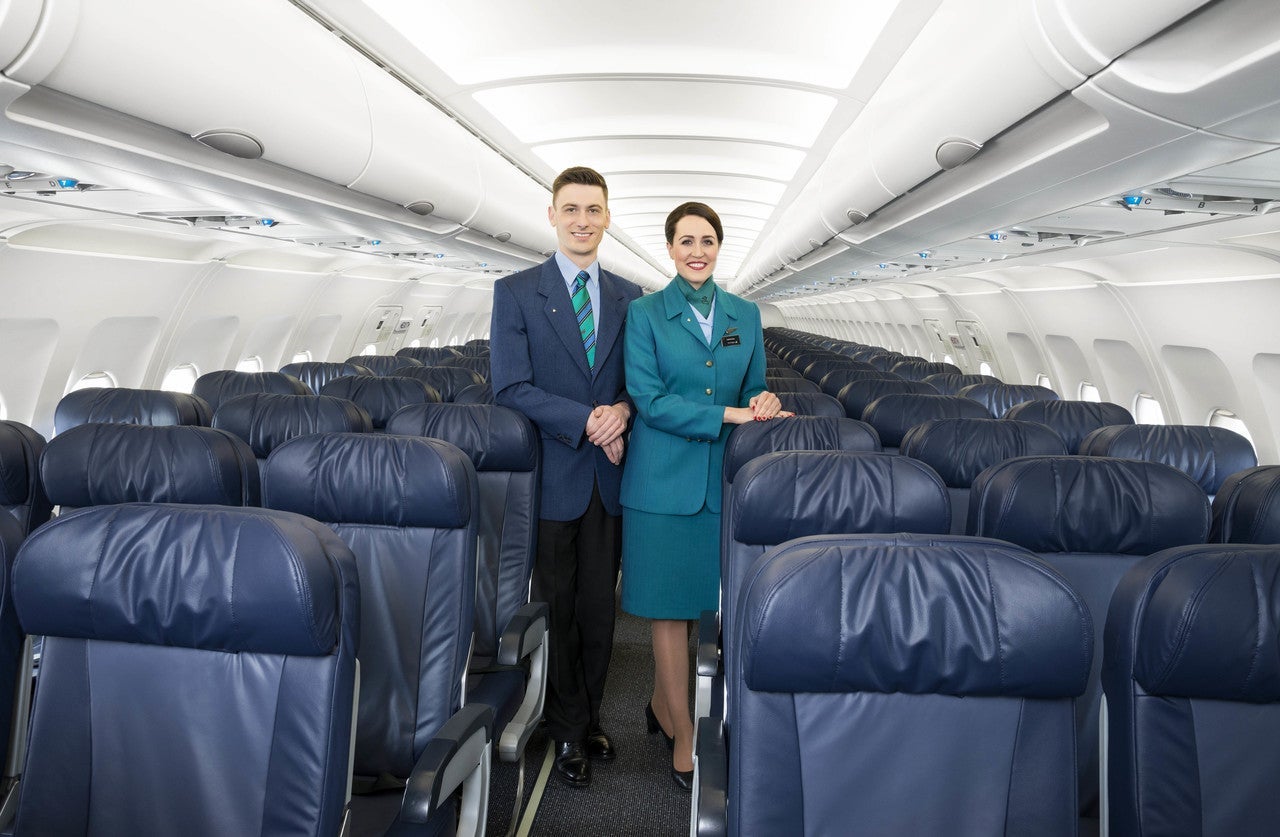
Whilst this is going on, you may see the cabin crew standing at their doors. This does not mean that they are about to open them, it simply means that they are ready to do so if commanded by the captain.
The cabin of an aircraft is designed to withstand the harsh environments of the atmosphere at 43,000 feet. It is, therefore, more often than not, safer to remain in the aircraft than evacuate into a bigger problem. Quite literally, out of the frying pan and into the fire.
Listen to your cabin crew and do exactly what they say.
9. Leave your bags behind
This is the biggest gripe of pilots and cabin crew when they see images of emergency evacuations. Quite simply put, carrying a bag with you when evacuating an aircraft, even if you were already holding it, is a risk to your life and to those around you.
The reason why bags must be stowed under the seat in front, or secured in an overhead locker, is to stop them from becoming an obstruction in the case of an evacuation.
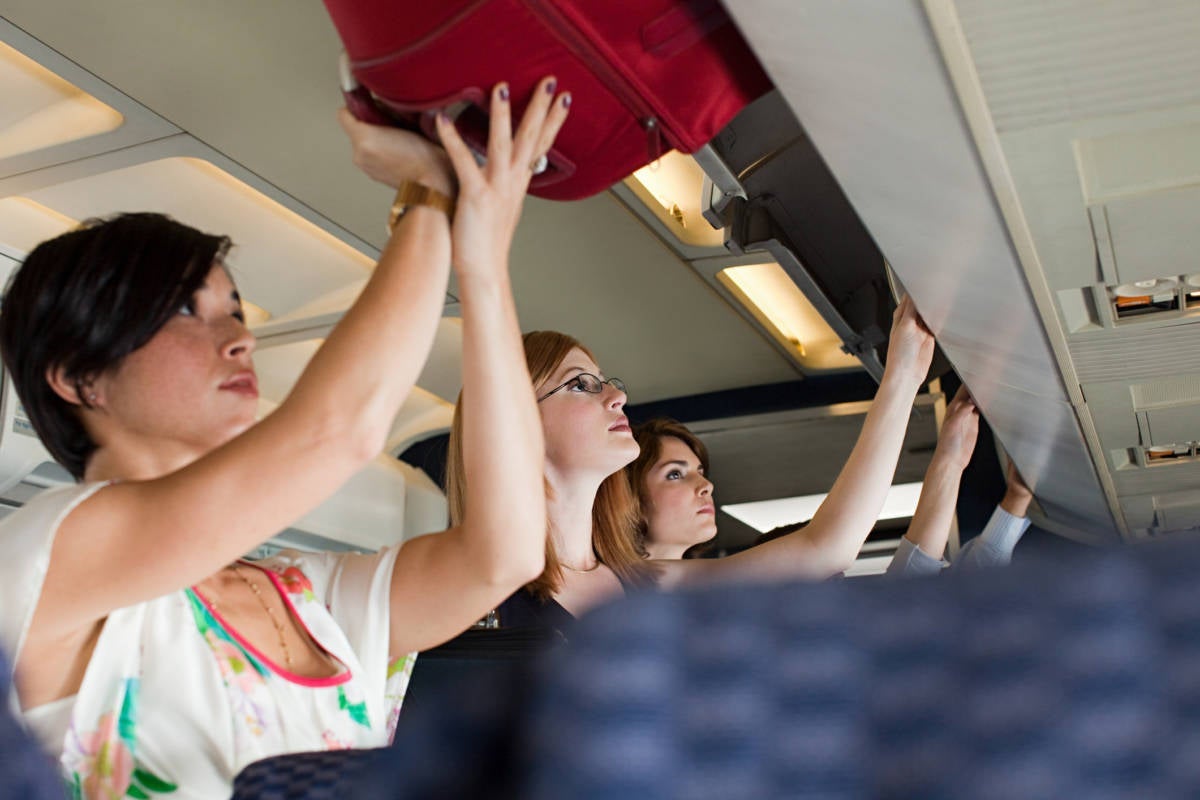
If people decide to take a bag with them, it could get stuck between seats, it could get dropped and be a tripping hazard, it could cause you to lose your balance and injure yourself on the slide. When full of smoke, an aircraft must be able to evacuate all passengers within 90 seconds using only half the exits. Attempting to carry bags with you puts everyone's lives at risk.
I can't stress this enough. Please, leave your bags behind.
10. Keep moving
"Keep moving! Keep moving! Jump and slide! Jump and slide!"
These words, or something similar, are what you'll hear your cabin crew screaming at you in the case of an evacuation and for good reason. Once at the door, people tend to freeze. However, as seen in the video at the start, if you stop moving, you will block the escape of those behind you. This includes stopping to sit down before sliding.
Aircraft doors are surprisingly high off the ground, the upper deck of a 747 or A380 even more so. As a result, it is understandable that people will stop and try and ease themselves onto the slide.
However, this will drastically slow down the flow rate, trapping more people in a smoke-filled cabin for longer. As a result, the crew is trained to keep people moving and get them out and jumping onto the slides as quickly as possible.
11. Once outside, it's not over
Finally, that icy cold fresh air hits your face as you're rushing down the slide. However, it's not time to celebrate just yet. Most injuries from emergency evacuations occur when coming off the slide. This is exactly why you should be dressed appropriately, with your shoes on and unhindered by bags.
At the bottom of the slide is a friction strip that will throw you up onto your feet, using your momentum to get you running away from the aircraft.

Once safely clear of the aircraft, now is not the time to get your phone out and start filming. The environment around an airport is incredibly dangerous. There's a reason why passengers are not allowed to roam freely across the airfield.
Runways and taxiways could be in use by other aircraft and there will no doubt be a swarm of emergency vehicles making their way to the aircraft as quickly as possible. At night, with no lighting, it will be pitch black. You will be very difficult to see.
Listen to instructions from the crew, who will be telling you what to do with the use of loudhailers. Keep your situational awareness about you and keep a lookout for emergency vehicles that may be heading your way.
Oh, and without stating the obvious, with the potential of a fuel leak, this is not a good time to start smoking.
Bottom line
The chances of having to evacuate an aircraft in an emergency are incredibly small. Most pilots will go their entire career without having to do so. That said, like with aircraft emergencies, we are always prepared for the eventuality of an evacuation and you should be, too.
With a few simple steps, you can increase your chances of evacuating the aircraft safely. Hopefully, you'll never need to use them, but I'm sure you'll be glad you did them should the highly unlikely ever happen.
TPG featured card

at Capital One's secure site
Terms & restrictions apply. See rates & fees.
| 5X miles | Earn 5X miles on hotels, vacation rentals and rental cars booked through Capital One Travel |
| 2X miles | Earn unlimited 2X miles on every purchase, every day |
Pros
- Stellar welcome offer of 75,000 miles after spending $4,000 on purchases in the first three months from account opening. Plus, a $250 Capital One Travel credit to use in your first cardholder year upon account opening.
- You'll earn 2 miles per dollar on every purchase, which means you won't have to worry about memorizing bonus categories
- Rewards are versatile and can be redeemed for a statement credit or transferred to Capital One’s transfer partners
Cons
- Highest bonus-earning categories only on travel booked via Capital One Travel
- LIMITED-TIME OFFER: Enjoy $250 to use on Capital One Travel in your first cardholder year, plus earn 75,000 bonus miles once you spend $4,000 on purchases within the first 3 months from account opening - that’s equal to $1,000 in travel
- Earn unlimited 2X miles on every purchase, every day
- Earn 5X miles on hotels, vacation rentals and rental cars booked through Capital One Travel
- Miles won't expire for the life of the account and there's no limit to how many you can earn
- Receive up to a $120 credit for Global Entry or TSA PreCheck®
- Use your miles to get reimbursed for any travel purchase—or redeem by booking a trip through Capital One Travel
- Enjoy a $50 experience credit and other premium benefits with every hotel and vacation rental booked from the Lifestyle Collection
- Transfer your miles to your choice of 15+ travel loyalty programs
- Top rated mobile app