Sean Cudahy is an aviation reporter covering news about airlines, frequent flyer programs and consumer travel issues.
June 3, 2026 • 9 min read
The cards we feature here are from partners who compensate us when you are approved through our site, and this may impact how or where these products appear. We don't cover all available credit cards, but our analysis, reviews, and opinions are entirely from our editorial team. Terms apply to the offers listed on this page. Please view our advertising policy and product review methodology for more information.Editorial disclaimer: Opinions expressed here are the author's alone, not those of any bank, credit card issuer, airline or hotel chain, and have not been reviewed, approved or otherwise endorsed by any of these entities.
Comments
By commenting, you agree to our Community Guidelines to help create a positive space for conversation. The responses below are not provided or commissioned by the bank advertiser, our partners, or The Points Guy (“TPG”). They have not been reviewed, approved, or otherwise endorsed by any of these parties. All responses are submitted by individual contributors, and neither the bank advertiser, our partners, nor TPG are responsible for ensuring that all posts and/or questions are answered.
Related stories
Quick summary
Flight cancellations in the US rose nearly 15% in 2025 compared to the previous year, driven by factors like a government shutdown and severe weather.
Early 2026 data suggests cancellation rates remain elevated, with even typically reliable airlines experiencing operational challenges.
Allegiant Air, Delta and Southwest ranked highest in reliability based on metrics such as on-time performance, cancellations and baggage handling in TPG’s latest report.
Travelers are advised to book morning flights, use airline apps for updates and rebooking, and consider carry-on bags or tracking technology for smoother journeys.
What to consider
Flight disruptions can increase throughout the day, making early departures less prone to delays or cancellations.
DOT policy entitles passengers to a refund if a flight is canceled or significantly delayed and travel is declined, but accepting rebooking may forfeit this right.
Schedule changes, especially on low-demand days or late-night flights, may occur due to operational adjustments, so travelers should monitor notifications closely.
What you'll miss from the article
A detailed breakdown of which airlines excel in specific reliability categories and practical tips for minimizing travel disruptions this summer.
Generated by AI with support from our editorial team.
For travelers, 2025 wasn’t exactly smooth sailing at airports.
Across the country, flight cancellations climbed to the highest level in three years, as Mother Nature — and Congress — dealt airlines and passengers a one-two punch of travel woes.
So far, 2026 has offered a bit of a headache of its own.
Flight cancellations are up
According to TPG’s Best Airlines Report, unveiled Wednesday, flight cancellations last year surged nearly 15% versus 2024, as reported by the U.S. Department of Transportation.
A big reason for the downturn was the government shutdown last fall — the longest one to date — during which airlines were required to cut flightsat dozens of the nation’s busiest hubs, amid a critical air traffic control staffing crunch.
But the numbers aren’t looking great this year, either.
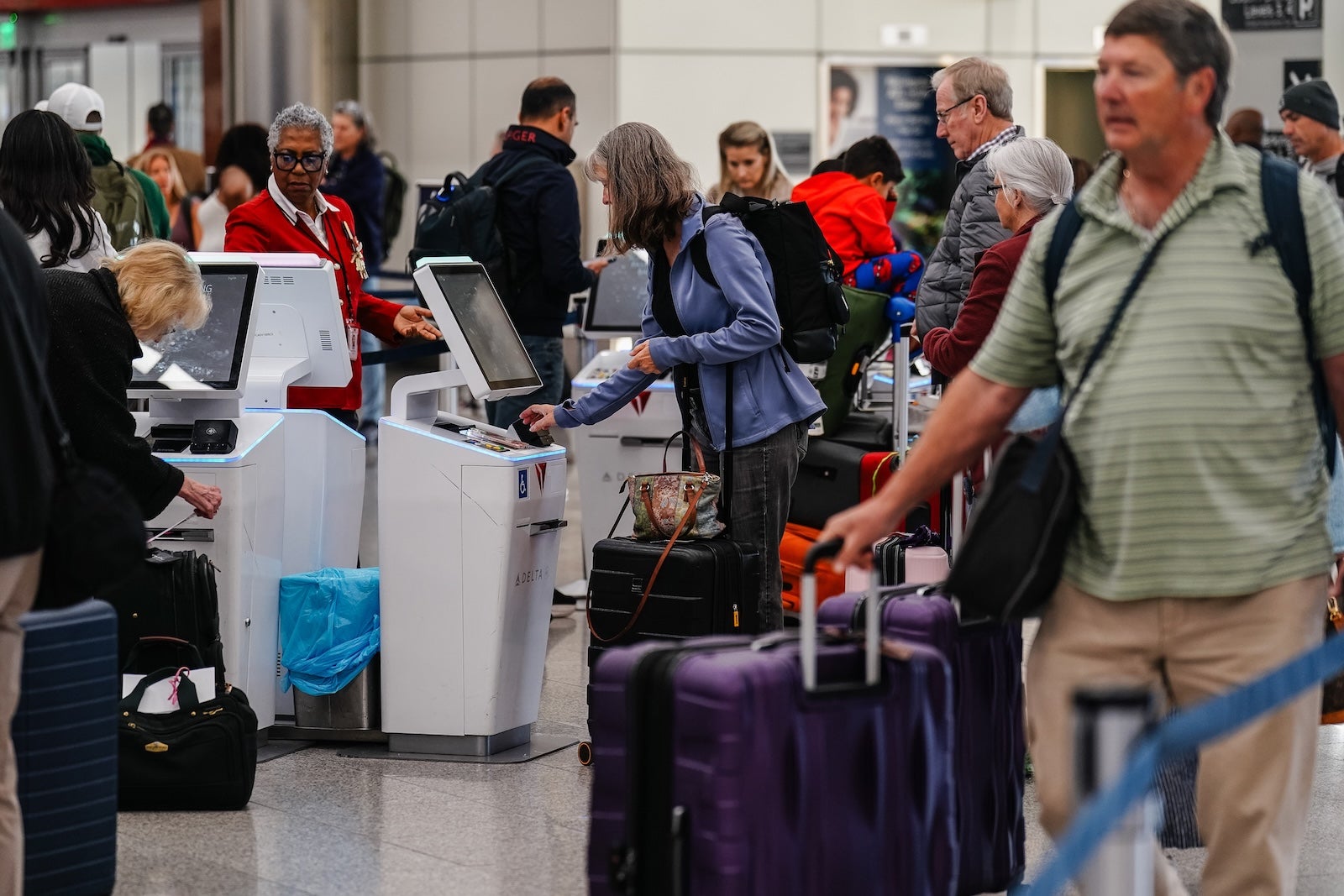
Travelers check-in via kiosks at Hartsfield-Jackson Atlanta International Airport (ATL). ELIJAH NOUVELAGE/BLOOMBERG/GETTY IMAGES
Elevated cancellation rate in 2026
Through March, U.S. airlines had canceled roughly 3.4% of all departures, according to DOT data reviewed by TPG.
If that pace of cancellations continued, 2026 would easily wind up being the worst year for shuttered flights since 2022, when travel roared back in the wake of the COVID-19 pandemic and airline meltdowns were pervasive.
Even some of the nation’s most historically reliable airlines haven’t been immune.
Delta: Strong 2025, but tough start to 2026
Delta Air Lines on Wednesday finished first in TPG’s Best Airlines rankings for the eighth straight year. It was thanks, in no small part, to its strong operational performance in 2025 — typically a hallmark for the Atlanta-based carrier.
But 2026 has been a different story.
A quarter of the way through this year, Delta’s flight cancellation rate ranked an uncharacteristic sixth in the airline industry, per DOT data, which showed Delta has lagged historically weaker competitors — even perpetual last-place finisher Frontier Airlines.
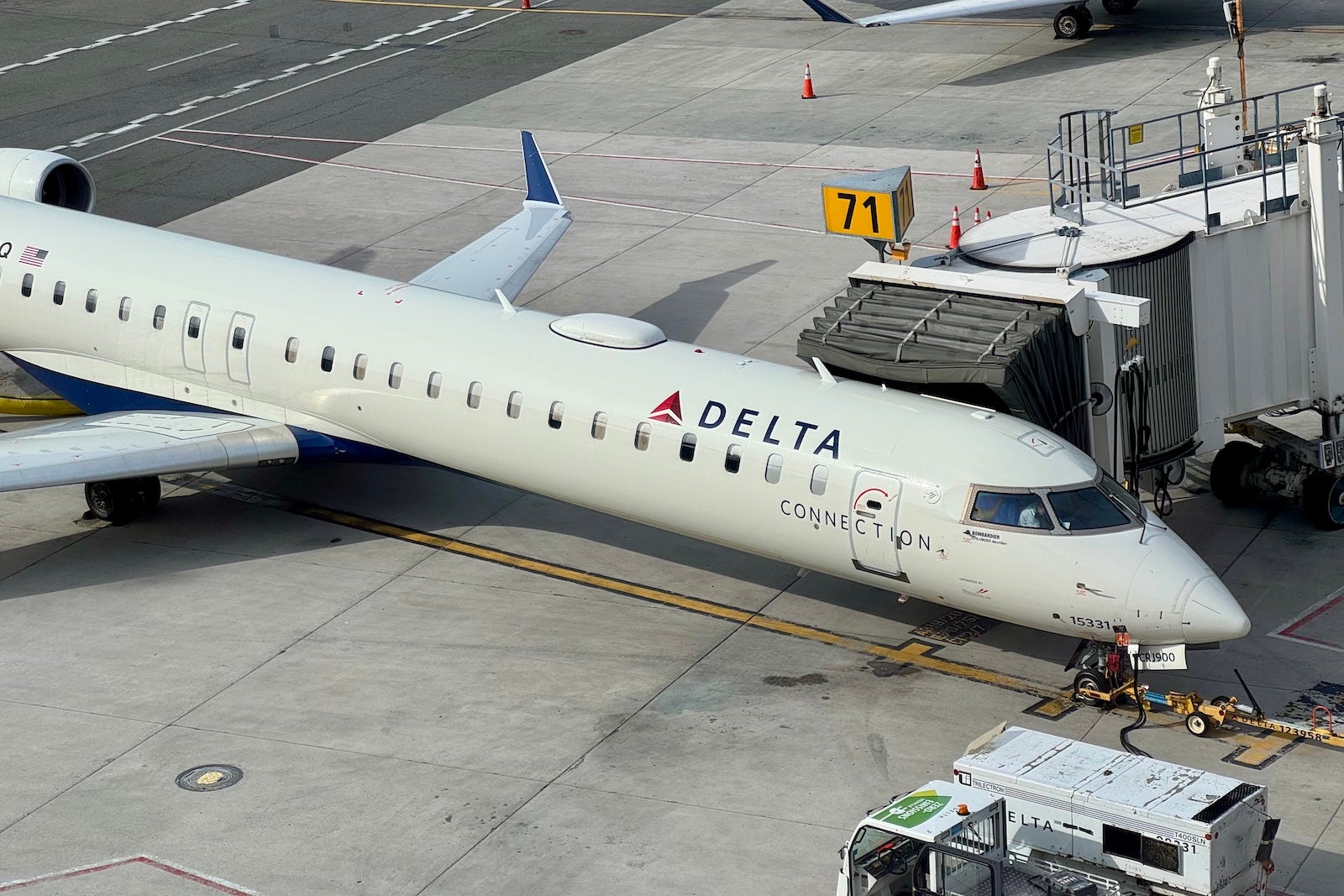
A Delta Air Lines regional jet at New York's LaGuardia Airport (LGA). SEAN CUDAHY/THE POINTS GUY
Last week, The Wall Street Journalreported the airline was working to shore up its operations and staffing ahead of the summer rush.
Plenty of curveballs
The airline industry (and travelers by extension) have faced plenty of curveballs this year, though. This has included an uncertain geopolitical landscape and a handful of punishing winter storms in January, which hit top Delta and American Airlines hubs especially hard.
With summer now upon us, travelers can only hope to avoid the usual waves of pesky summer thunderstorms, which regularly threaten to snarl air traffic at major hubs this time of year.
With that in mind, here are some top things to know — and ways to prepare — as you head to the airport this summer.
Which US airlines are most reliable?
Based on 2025 data outlined in TPG’s Best Airlines Report, three carriers clearly outpaced the rest of the industry on key metrics such as on-time performance, cancellations, baggage handling and involuntary bumps:
Allegiant Air won our report’s all-important reliability category — an impressive feat even if it comes with the caveat that the budget airline operates a smaller, simpler route network than its larger competitors.
Delta, which, despite its more recent hurdles, generally ran a strong operation in 2025.
Southwest Airlines has made vast operational improvements in recent years, all but burying memories of its high-profile holiday meltdown in 2022.
Southwest now routinely ranks among the most operationally reliable airlines in America — a trend that has continued in 2026.
The carrier’s 1.1% cancellation rate to date this year, as reported by FlightAware, trails only that of smaller foe Allegiant. (Southwest's flight delay rate year to date ranked among the middle of the proverbial pack.)
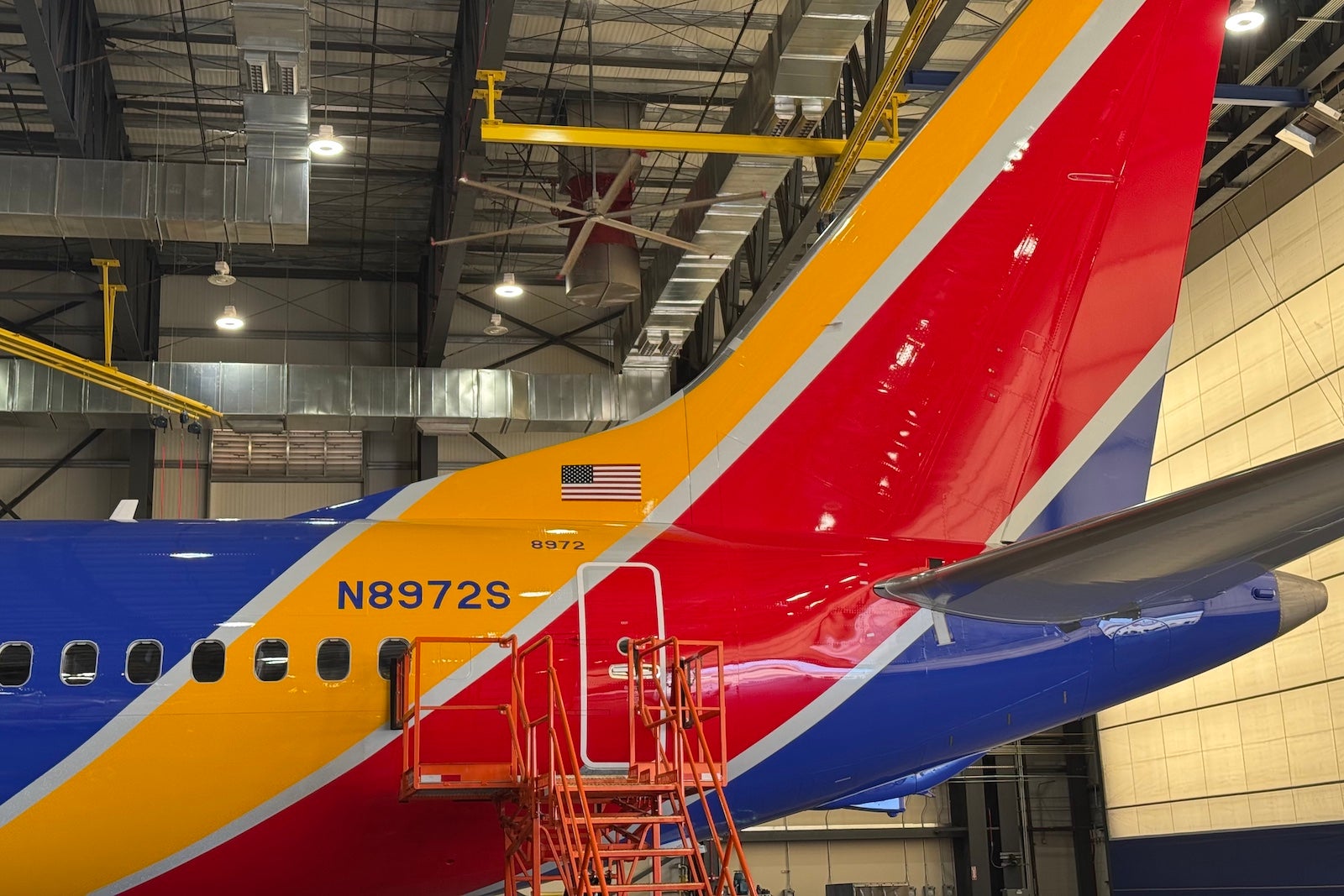
The tail of a brand-new Southwest Airlines Boeing 737 MAX 8. SEAN CUDAHY/THE POINTS GUY
TPG’s Best Airlines Report: Reliability category top finishers
Metric
Best U.S. airline, based on 2025 DOT data
On-time performance
Delta
Cancellations
Allegiant
Mishandled baggage
Allegiant
Mishandled wheelchairs, scooters and mobility devices
Delta
Involuntary bumps
Delta, Allegiant (both had zero)
Tips for traveling this summer
Here’s some of our top advice for flying this summer, regardless of the airline.
Fly in the morning if you can
Morning flights just tend to get delayed and canceled less often.
Flight disruptions often climb throughout the day as planes (and crews) zip between cities and thunderstorms fire up later in the afternoon or evening.
The overnight hours, on the other hand, give airlines valuable buffer time to reset their operations and crew staffing. More often than not, they're starting the day "fresh."
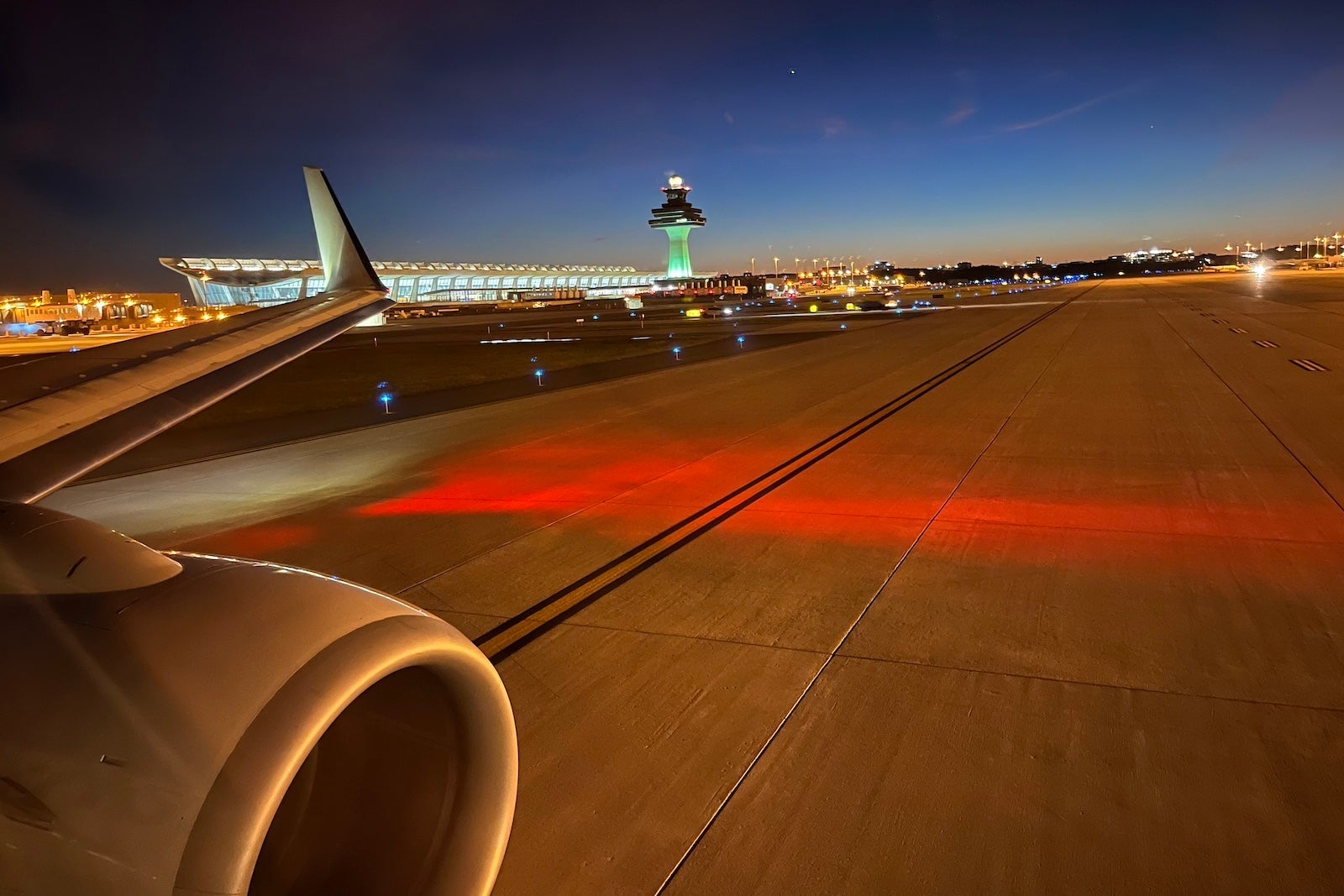
Pre-dawn departure at Dulles International Airport (IAD). SEAN CUDAHY/THE POINTS GUY
So, if you can stomach the 3 a.m. or 4 a.m. alarm, flying first thing in the morning can be a major itinerary-saver.
Have the airline’s app handy, and know what it can do
Flight delays are made even worse if you have to stand in a long line or wait on hold for hours with the airline.
Keep in mind: You can usually rebook yourself — or make other reservation changes — right through your airline’s mobile app when problems pop up.
Oftentimes, you’ll see updates in your airline’s app before the flight attendant or gate agent announces them, giving you a head start on grabbing open seats on a different flight.
SEAN CUDAHY/THE POINTS GUY
Some airlines will now also send meal and hotel vouchers to stranded passengers through the app, eliminating the need to wait in any queue.
Brush up on your refund rights
If your flight is canceled or significantly delayed and you choose not to travel, the airline owes you a refund for the unused portion of your trip — no questions asked — under DOT policy.
This also applies to reservations that go through a significant time change.
Just keep in mind: If you accept rebooking or other accommodations, you’re likely not eligible for a refund.
Carry on when possible, or use tech to track your bag
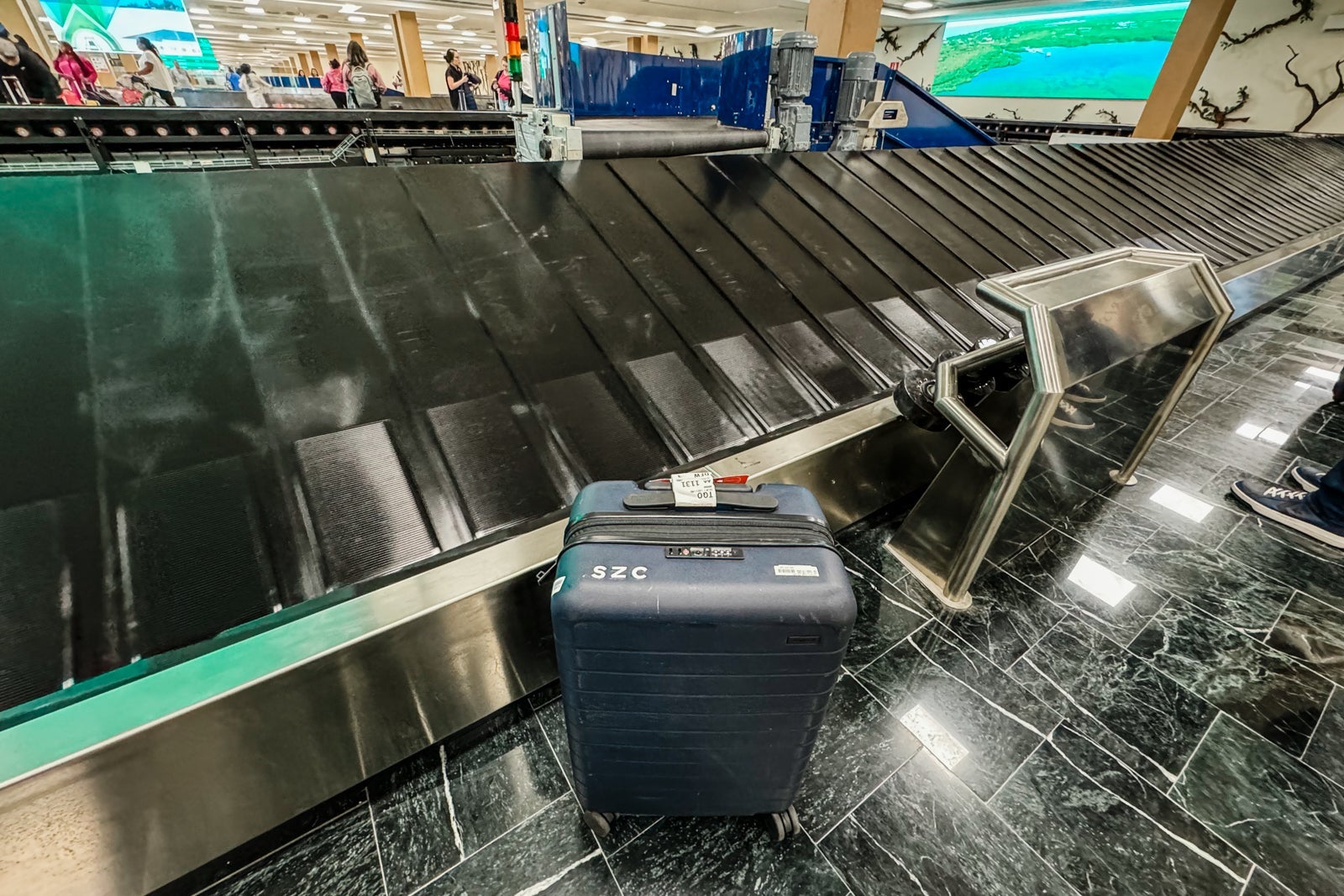
Carrying your bag on board the plane remains one of the simplest ways to keep close tabs on your bag.
That’s especially true when problems arise; a last-minute pivot to a new flight is far simpler if you don't have to contend with checked baggage.
SEAN CUDAHY/THE POINTS GUY
But with the Transportation Security Administration’s 3-1-1 liquids rules still in place and long summer vacations on the horizon for many travelers, going carry-on-only isn’t always realistic.
This is where bag tracking tools come in handy.
The largest U.S. carriers have had built-in bag tracking services on their mobile apps for years.
But a few carriers have now added integrations with Apple’s AirTags, which can help travelers get a real-time look at where their luggage is.
United Airlines is one of those carriers. Despite turning in the U.S. airline industry’s worst rate of mishandled baggage in 2025, the airline offers robust AirTag bag-tracking technology (and an overall stellar app).
While we’re not seeing mass flight cancellations as a result of the global fuel crisis, airlines have been making schedule changes in recent months.
To be clear, we’re not talking last-minute cancellations that you hear about on your way to the airport; domestically, in most cases, carriers are reducing their schedules and cutting flights on lower-demand days or during quieter times of the day. Think late-night departures, domestic red-eyes, and flights on Tuesdays and Wednesdays.
My best advice: Simply opt into all notifications from your airline, and keep watch on any bookings you have farther into the summer — and, moreover, the fall. If your flight is affected by a cutback, there’s a good chance the airline will immediately rebook you onto another flight.
Just remember, you don’t have to accept the new departure time. You can opt for a refund instead.
By commenting, you agree to our Community Guidelines to help create a positive space for conversation. The responses below are not provided or commissioned by the bank advertiser, our partners, or The Points Guy (“TPG”). They have not been reviewed, approved, or otherwise endorsed by any of these parties. All responses are submitted by individual contributors, and neither the bank advertiser, our partners, nor TPG are responsible for ensuring that all posts and/or questions are answered.