FYI: Residential Cruise Ships Are a Thing
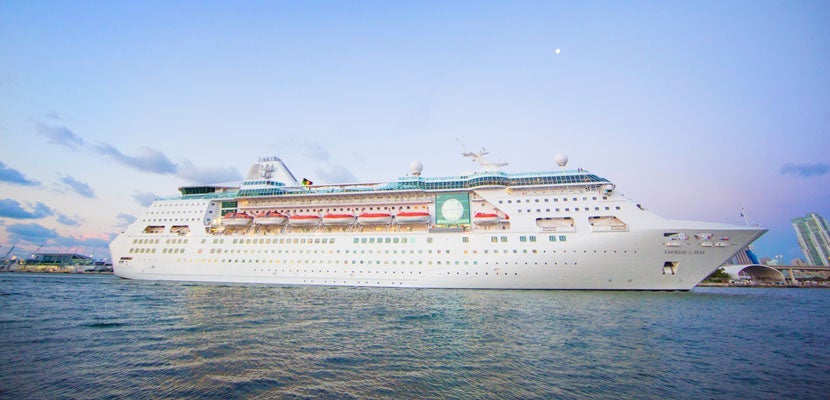
Most of us seem to know one or two people who spend what seems like half their lives aboard a cruise ship. Every time you turn around, they're just getting back from an Antarctic adventure, are talking excitedly about their upcoming cruise of the Mediterranean or are posting black tie-clad selfies from a captain's dinner several miles out to sea. These veteran cruisers (sometimes called "frequent floaters") practically seem to live on the water — and now they really can.
In the past year, a handful of cruise lines have realized that there's a market of hungry homebuyers who would happily pay to own a cruise ship cabin, and the cruise lines are abiding.
The idea, as a business, dates back to 2002, when The World and its 165 residences at sea set sail and never looked back. Like any commercial cruise ship, this luxury ocean liner is packed with amenities, including restaurants, bars, a movie theater, a spa and wellness center and an ever-changing list of ports of call. This year, the ship started out in Antarctica, then moved up the east coast of South America before heading across the Atlantic to the Canary Islands and Casablanca; residents will spend the next few months touring Europe, the Middle East, India, the Maldives, Malaysia and expect to be ringing in the New Year in Sydney. The residences, which all come with private verandas or balconies, range from studios to three-bedroom cabins. Prices reportedly range from between $825,000 and $7.3 million (though you've got to prove that your net worth is at least $5 million if you want to join this club).
The World then got some competition with the announcement of Utopia, another residential cruise ship designed to be twice the size of The World. It's also different from The World in that, in addition to its 190 residences, the ship will feature a 206-room boutique hotel for guests who would prefer to spend the bulk of their year on dry land. Though its official launch date has been adjusted a few times, Utopia has been selling its homes — which will cost cruisers anywhere between $3.9 to $30 million — since 2013, with the latest reports claiming the ship will be ready later this year.
Cruise ship living spawned two more competitors last year, with The Marquette, which will keep water-based living closer to home as the ship sticks to traversing 5,500 miles worth of American rivers and 1,100 miles of Intracoastal Waterway. Cabins will range between 528 and 924 square feet, and ownership options will include half, full or two-month tiers (with prices topping out at $499,000 for full ownership of the largest cabin plus $2,040 monthly in HOA fees).

Not to be outdone, Crystal Cruises announced last summer that it, too, would be offering opportunities for onboard ownership on three of its new polar class cruise ships, with the top deck of each ship reserved for full-time cruisers (48 residences apiece), who will have access to their own private restaurant as well as other facilities — plus all the first-class amenities that their temporary brethren receive, like Michelin-starred dining options. The new ships are estimated to set sail in 2018.

While all of this may seem like a new travel trend, try telling that to Mario Salcedo, a.k.a. "Super Mario," a 66-year-old investment manager who has spent the past 20 years living aboard a variety of commercial cruise ships and who currently calls Royal Caribbean's Empress of the Seas home (he has stayed on 23 of the cruise line's 25 ships). While he doesn't officially own a cabin, he books his individual trips early enough to keep the same one, which is an interior stateroom. "I don't do anything in my cabin other than shower, get dressed and sleep," Salcedo, who spends about $65,000 a year to stay afloat, told Condé Nast Traveler.
So, what's it like to spend all your time on a cruise ship? Salcedo says it's pretty similar to The Love Boat. "Watch the reruns," he told mental_floss. "Everybody's happy. Everyone's defenses are down. Everyone wants to have a good time and socialize." Salcedo also believes that it's been good for his health. "I've never been sick a single day. Never had norovirus, none of it. I eat smart, exercise and I have no stress. Zero stress!" That sounds like a lifestyle we can get on board with.
How does this sound to you? Would you want to spend your life at sea?
TPG featured card
at American Express's secure site
Terms & restrictions apply. See rates & fees.
| 4X | Earn 4X Membership Rewards® points per dollar spent on purchases at restaurants worldwide, on up to $50,000 in purchases per calendar year, then 1X points for the rest of the year. |
| 4X | Earn 4X Membership Rewards® points per dollar spent at US supermarkets, on up to $25,000 in purchases per calendar year, then 1X points for the rest of the year. |
| 5X | Earn 5X Membership Rewards® points on prepaid hotel stays booked through AmexTravel.com or the Amex Travel App™. |
| 3X | Earn 3X Membership Rewards® points on flights booked through AmexTravel.com, the Amex Travel App™, or purchased directly from airlines. |
| 2X | Earn 2X Membership Rewards® points on prepaid car rentals booked through AmexTravel.com or the Amex Travel App™ and cruises booked and paid through AmexTravel.com. |
| 1X | Earn 1X Membership Rewards® point per dollar spent on all other eligible purchases. |
Pros
- Valuable dining and food-related credits
- Flexible rewards with airline and hotel transfer partners
- Multiple travel and purchase protections
- No foreign transaction fees
- Access to Amex Offers for additional savings (enrollment required)
Cons
- Not as useful for those living outside the U.S.
- Some may have trouble using Uber and other dining credits
- You may be eligible for as high as 100,000 Membership Rewards® Points after you spend $8,000 in eligible purchases on your new Card in your first 6 months of Card Membership. Welcome offers vary and you may not be eligible for an offer. Apply to know if you’re approved and find out your exact welcome offer amount – all with no credit score impact. If you’re approved and choose to accept the Card, your score may be impacted.
- Earn 4X Membership Rewards® points per dollar spent on purchases at restaurants worldwide, on up to $50,000 in purchases per calendar year, then 1X points for the rest of the year.
- Earn 4X Membership Rewards® points per dollar spent at US supermarkets, on up to $25,000 in purchases per calendar year, then 1X points for the rest of the year.
- Earn 5X Membership Rewards® points on prepaid hotel stays booked through AmexTravel.com or the Amex Travel App™.
- Earn 3X Membership Rewards® points on flights booked through AmexTravel.com, the Amex Travel App™, or purchased directly from airlines.
- Earn 2X Membership Rewards® points on prepaid car rentals booked through AmexTravel.com or the Amex Travel App™ and cruises booked and paid through AmexTravel.com.
- Earn 1X Membership Rewards® point per dollar spent on all other eligible purchases.
- Pay It® lets you tap in the American Express® App to quickly pay for small purchase amounts throughout the month and still earn rewards the way you usually do. Plan It® gives you the option to split up big purchases into equal monthly payments with a fixed fee. You’ll know upfront exactly how much you’ll pay.
- $120 Dining Credit: Earn up to a total of $10 in statement credits monthly when you pay with the Gold Card at Grubhub (including Seamless), Buffalo Wild Wings, Five Guys, The Cheesecake Factory, and Wonder. This can be an annual savings of up to $120. Enrollment required.
- $100 Resy Credit: Get up to $100 in statement credits each calendar year at over 10,000 qualifying U.S. Resy restaurants after you pay for eligible purchases with the American Express® Gold Card. That’s up to $50 in statement credits semi-annually. Enrollment required.
- $84 Dunkin' Credit: Earn up to $7 in monthly statement credits after you pay with the American Express® Gold Card at U.S. Dunkin’ locations. Enrollment required.
- $120 Uber Cash on Gold: Enjoy up to $120 in Uber Cash annually with your Gold Card. Just add your Card to your Uber account and you'll get $10 in Uber Cash each month to use on orders and rides in the U.S. when you select an Amex Card for your transaction.
- Enjoy complimentary Hertz Five Star® Status benefits like skipping the counter at select locations, adding an additional driver at no additional cost*, and vehicle upgrades**. Benefit enrollment and Hertz Gold+ registration are required. *Additional drivers must meet standard rental qualifications and must be a spouse or domestic partner to qualify as complimentary. Other additional drivers subject to fees. **Benefits are subject to availability and vary by location. Additional Hertz program Terms and Conditions including age restrictions apply.
- Book two nights or more with The Hotel Collection through AmexTravel.com or the Amex Travel App™ and receive a $100* credit towards eligible charges at over 1,400 upscale hotels worldwide. *Eligible charges vary by property.
- Book your travel through the Amex Travel App™ with added peace of mind – backed by American Express® service and support. Only for American Express® Card Members.
- Whenever you need us, we're here. Our Member Services team will ensure you are taken care of. From lost Card replacement to statement questions, we are available to help 24/7.
- No Foreign Transaction Fees.
- Annual Fee is $325.
- Terms Apply.