
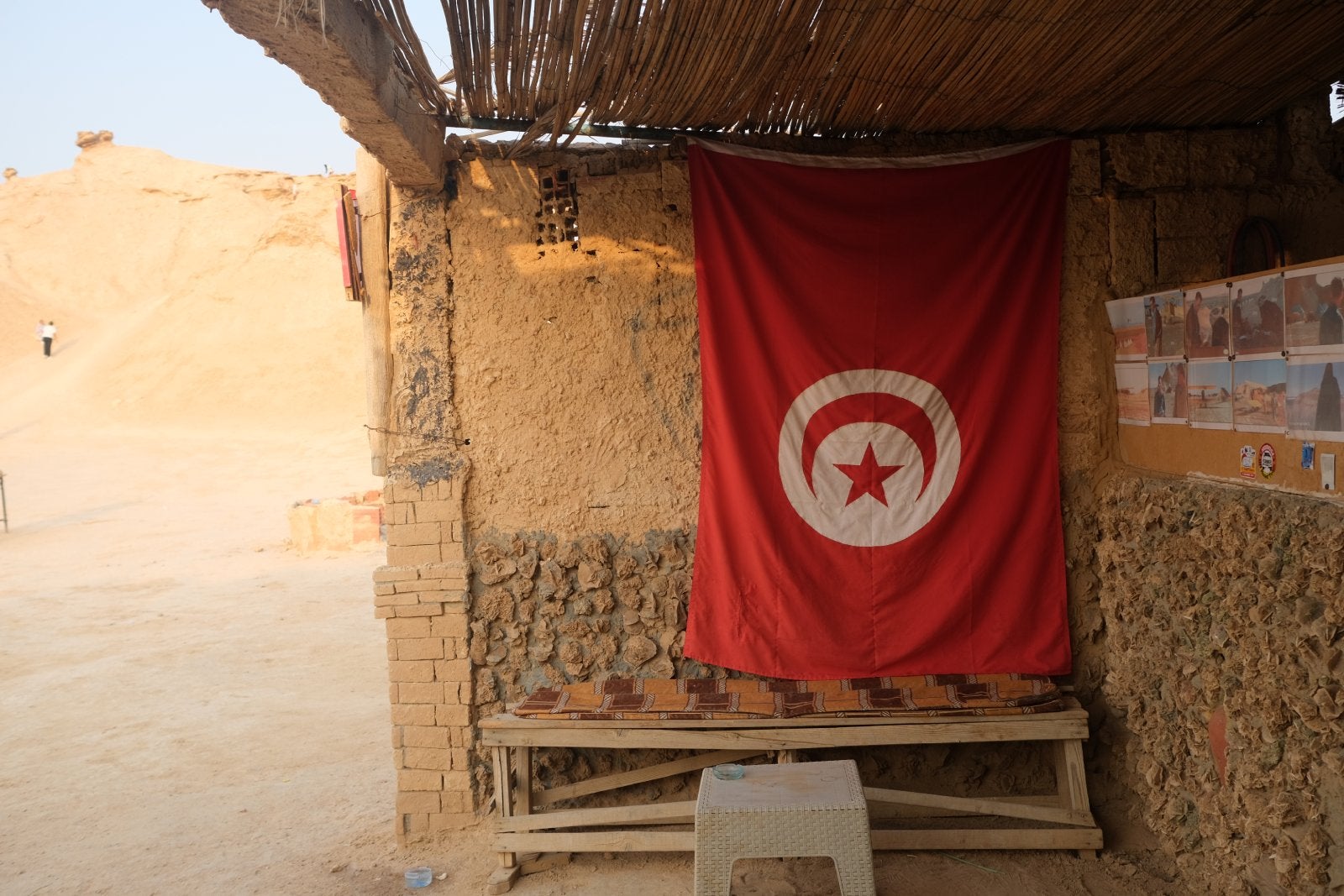
American citizens do not need a visa to visit Tunisia for stays of 90 days or less, just a valid passport with at least six months’ validity and one blank page.
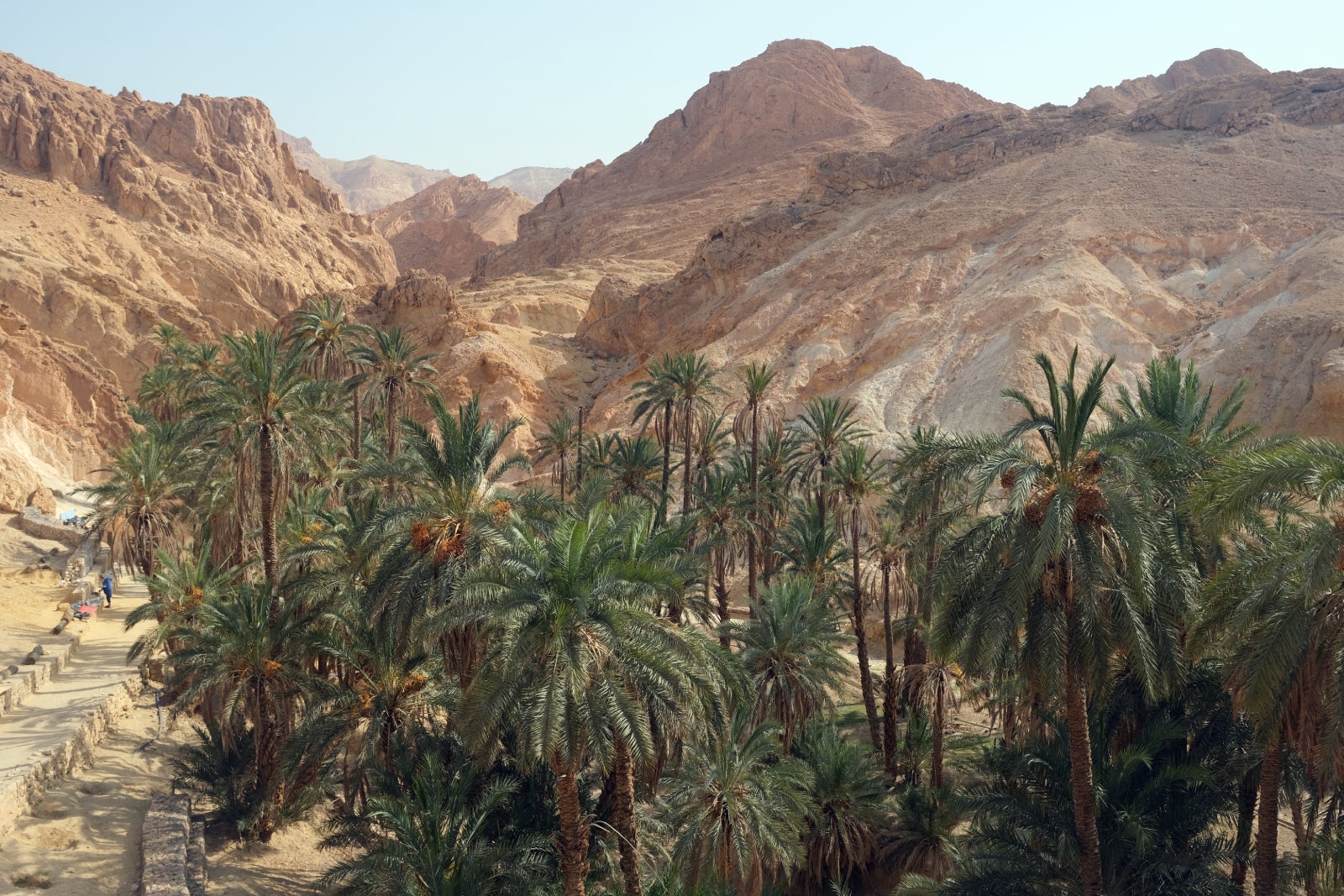
Tunisia is about to have a big year. On the morning of Aug. 2, 2027, a total solar eclipse will cut a path across the central part of the North African nation, bringing several minutes of darkness to sites like the ancient Roman amphitheater in El Jem, the Great Mosque of Kairouan and the dramatic Sahara Desert dunes and canyons surrounding Tozeur.
The latter will also draw “Star Wars” fans to many of the Tatooine filming locations to mark the franchise’s 50th anniversary of the movie’s release in 2027. The capital of Tunis isn’t in the path of totality, but any trip in 2027 should also include a stop in the picturesque cliffside village of Sidi Bou Said, which UNESCO recently added to its World Heritage list, joining other culturally significant sites like the Medina of Tunis and the Archaeological Site of Carthage.
Itinerary overview
This 7-day itinerary covers a tour of Tunisia’s most important cultural and historic landmarks in a road trip from Tunis to Tozeur and back, plus tips for where to be during the 2027 eclipse and how to maximize the perks and benefits of the Chase Sapphire Reserve® (see rates and fees) along the way.
How to get there
Currently, there are no nonstop flights between the United States and Tunisia, so you’ll need to plan for at least one layover before connecting to Tunis-Carthage International Airport (TUN), the country’s largest airport.
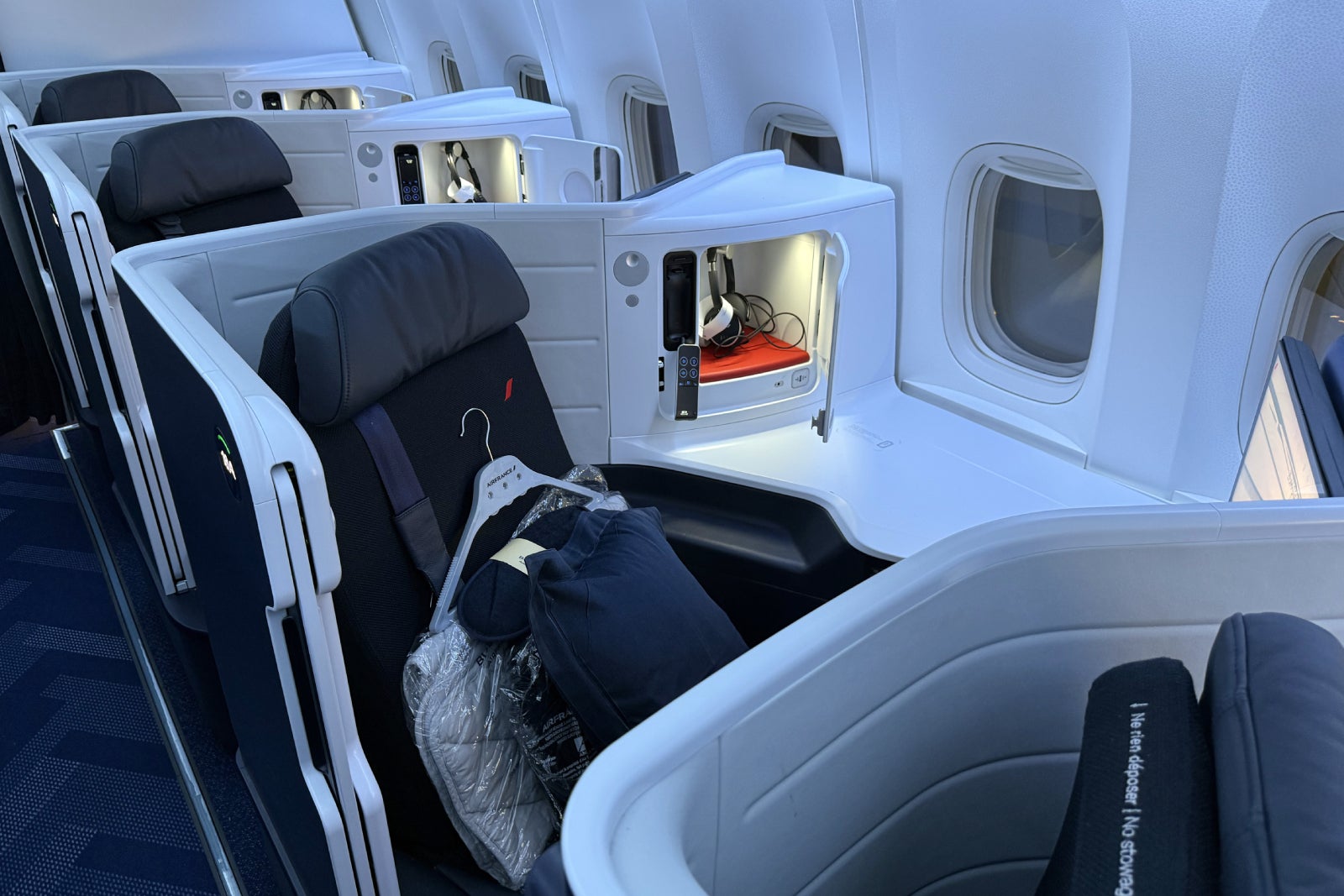
I flew to TUN on Air France via Paris-Charles de Gaulle Airport (CDG), since I’m loyal to the SkyTeam alliance and it offered the most frequent connections. However, if you’re loyal to another airline alliance, you can also find connections to TUN on Lufthansa via Frankfurt, ITA via Rome, Royal Air Maroc via Casablanca and Turkish Airlines via Istanbul.
Chase Sapphire Reserve editor tip: When booking flights, check the Chase Travel℠ portal to see what routes and airlines are available to book using the Points Boost feature. I found several business-class fares offering the maximum Points Boost value of 2 cents per point. I ultimately transferred 142,000 Chase Ultimate Rewards points to Air France-KLM Flying Blue after finding an amazing round-trip business-class fare directly on the Air France website, yielding a value of 5.83 cents per mile.
Day one: Arrive in Tunis and settle in
I landed in Tunis around 5 p.m. after a red-eye flight from New York and a relaxed connection in Paris.
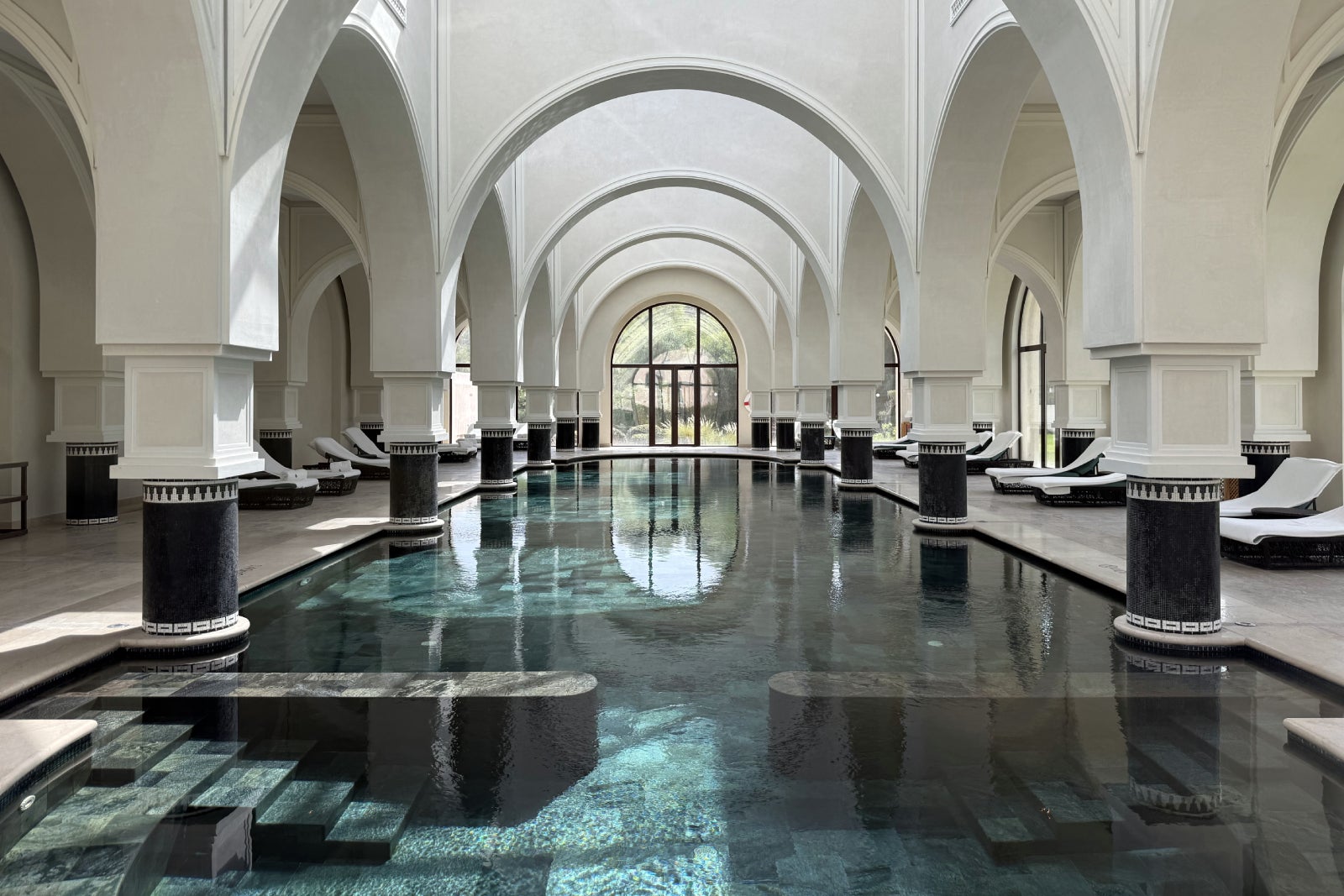
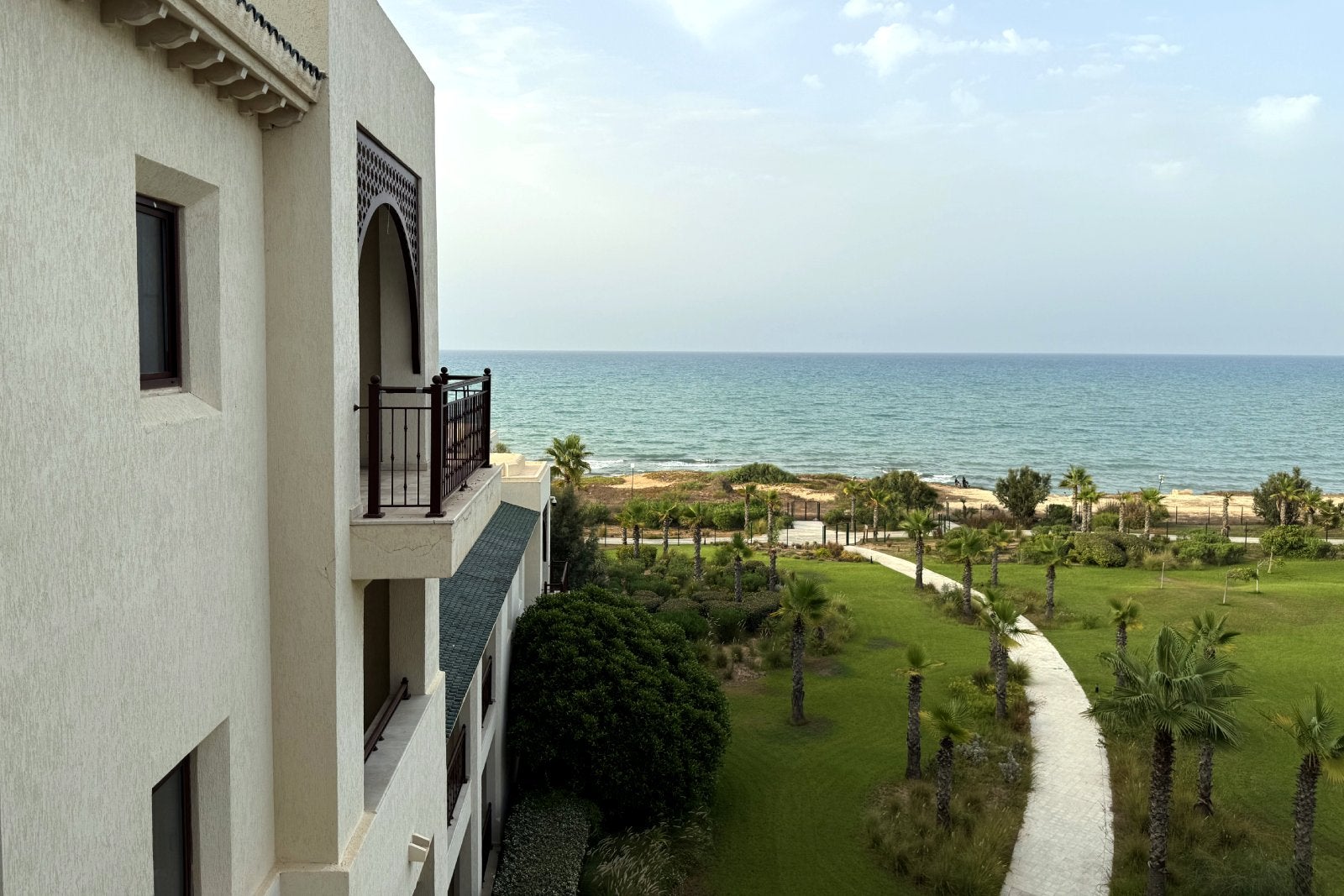
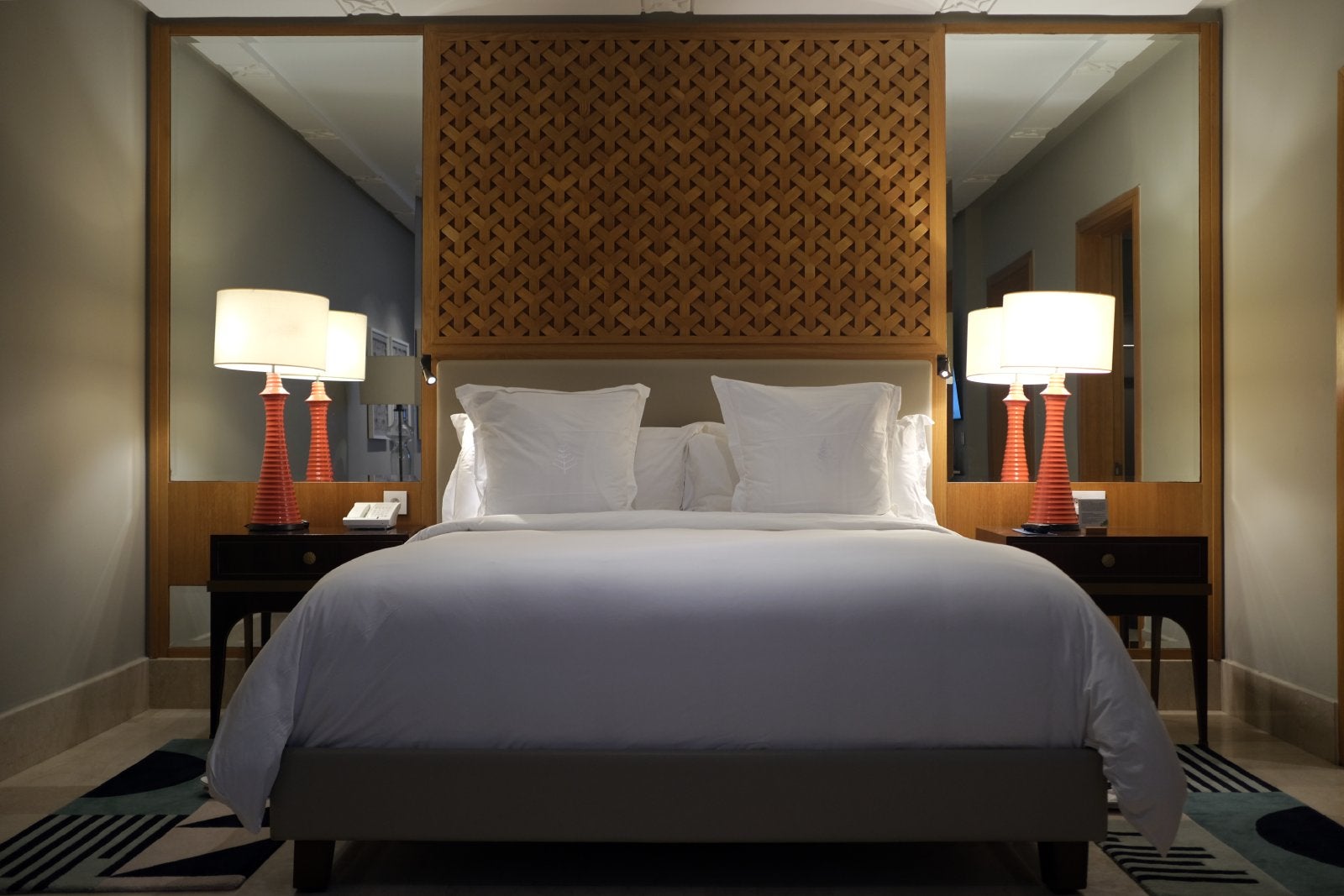
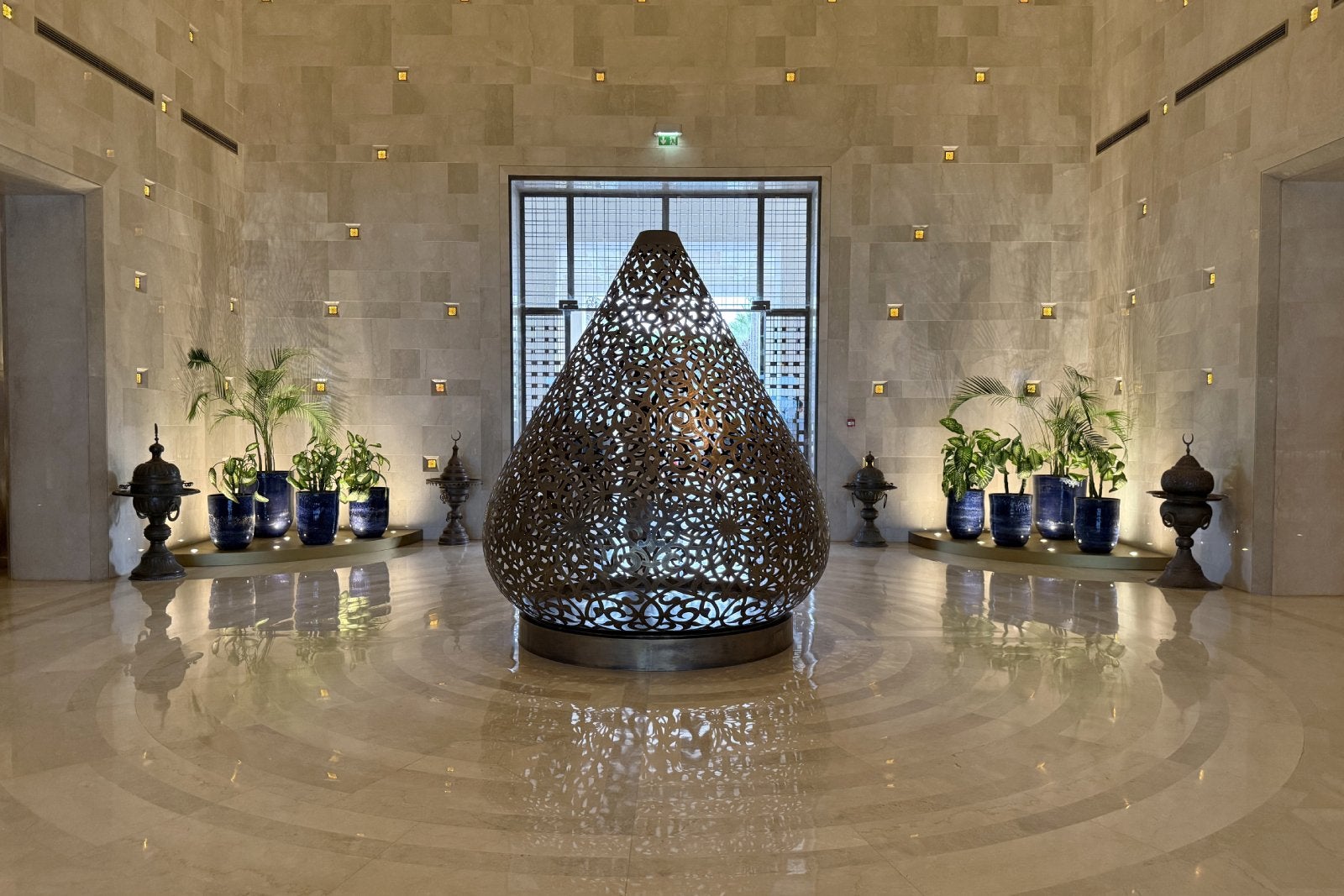
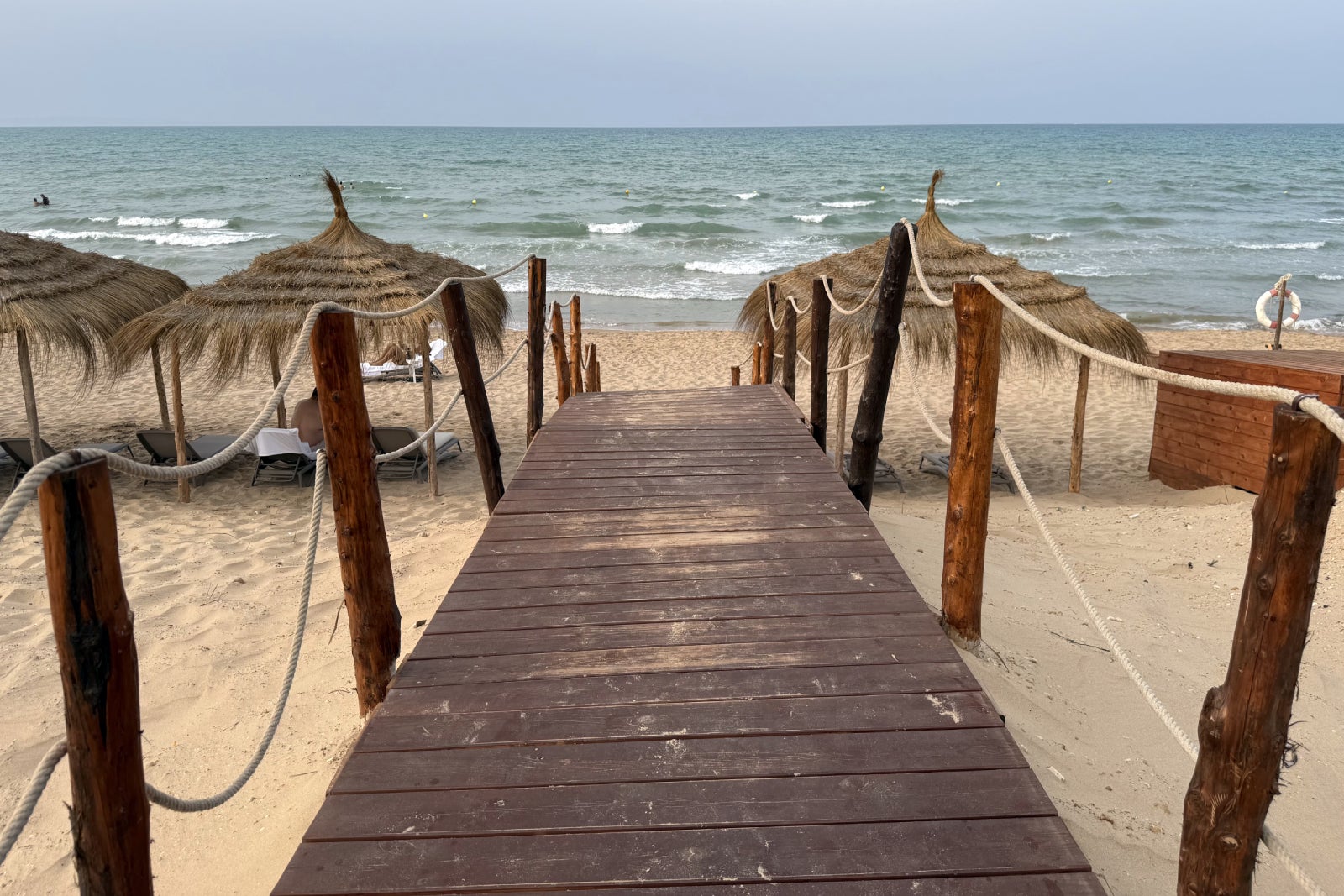
A pre-arranged car transfer whisked me to the Four Seasons Hotel Tunis, a luxury beachfront resort in the suburb of Gammarth, about 30 minutes from the airport. Upon arrival, staff greeted me warmly and took me directly to my upgraded Deluxe Sea-View Room for an in-room check-in. The spacious room had a balcony overlooking the Mediterranean, a walk-in closet and a marble bathroom with a separate tub and a shower.
After a quick rinse, I wandered down to Blu, the hotel’s alfresco poolside restaurant, where I enjoyed a refreshing salad of a soft local cheese, tomatoes, onions and peppers served with a glass of Tunisian rosé. Since it was my first day in the country, the friendly staff made sure I tried some spicy Tunisian harissa, a smoky chili paste drizzled in olive oil that I sopped up with fluffy squares of focaccia.
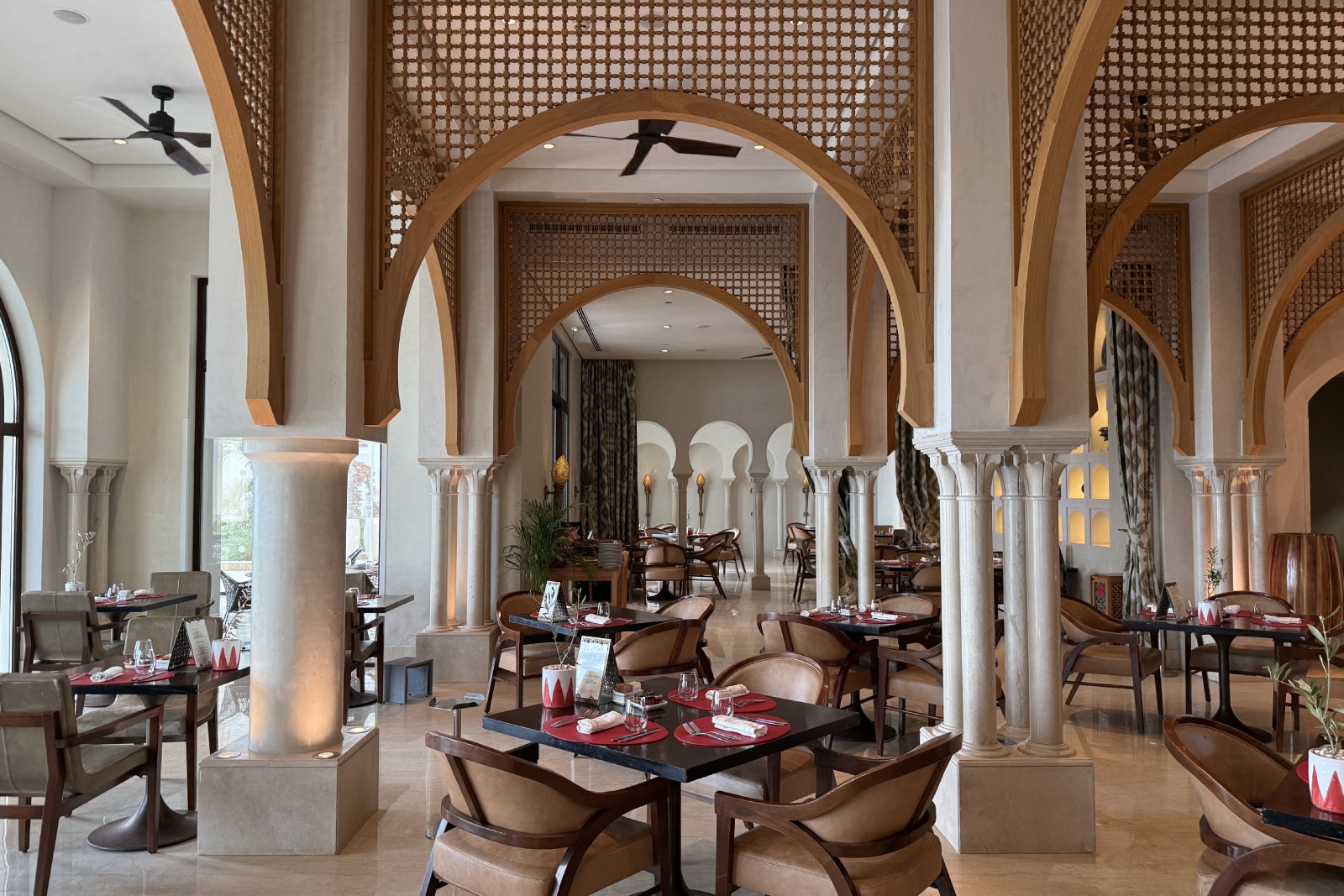
Chase Sapphire Reserve editor tip: Book the Four Seasons Hotel Tunis through The Edit to use one of the twice-annual, up-to-$250 credits toward prepaid hotel stays of two or more nights reserved through Chase Travel. By booking through The Edit, I also received other perks like complimentary hotel breakfast for two and up to $100 property credit, which I used for meals but could have used toward spa treatments like the ceremonial hammam experience, which comes out to approximately $100.
Day two: Exploring Tunis
Since I only had one full day in Tunis, I headed out bright and early for a private tour of the capital’s major sites, booked through Chase Travel with Didon Tours. My guide, Baligh, and a private driver picked me up for a full 8-hour day that included lunch and fascinating storytelling about the city’s ancient and modern history and politics.
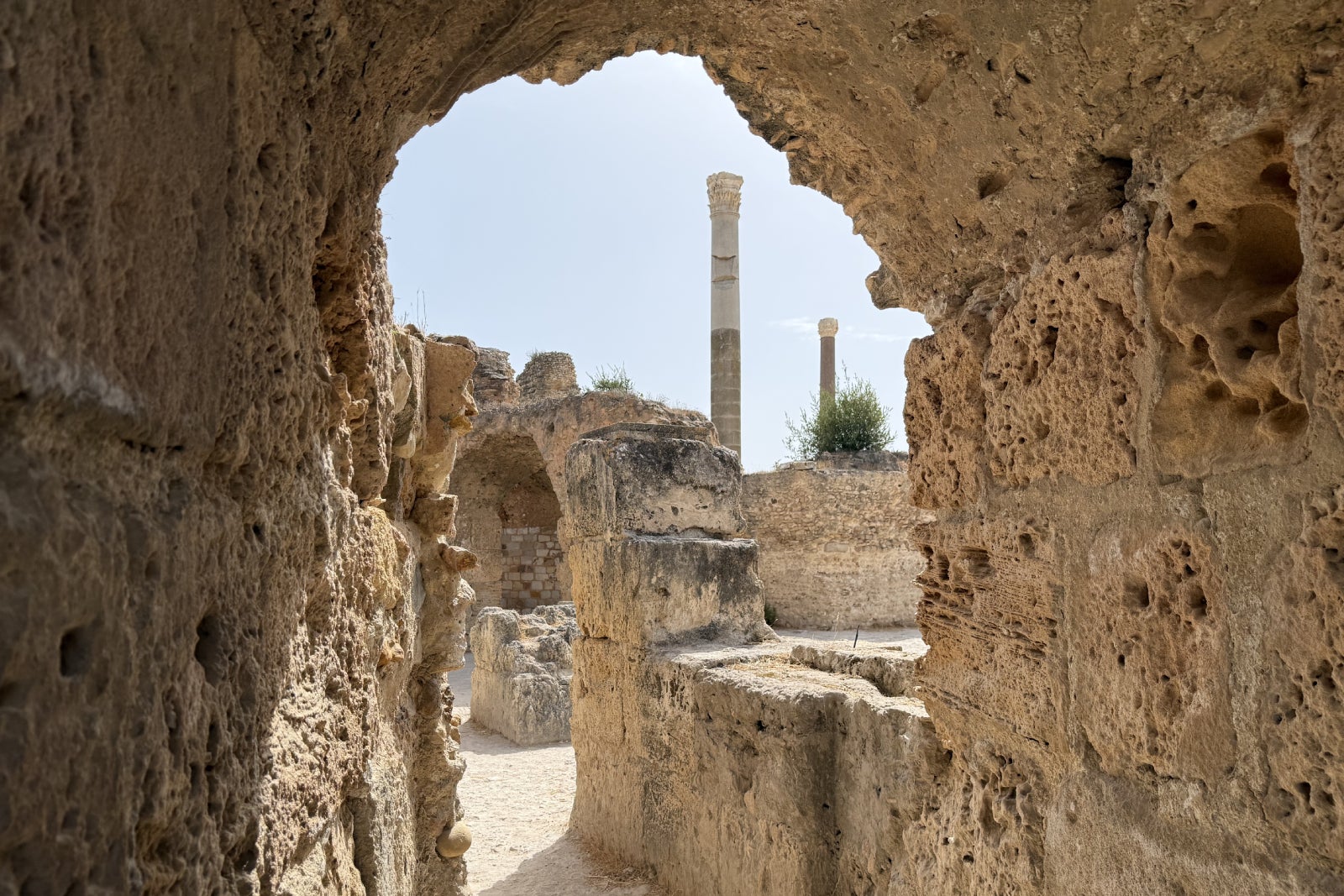
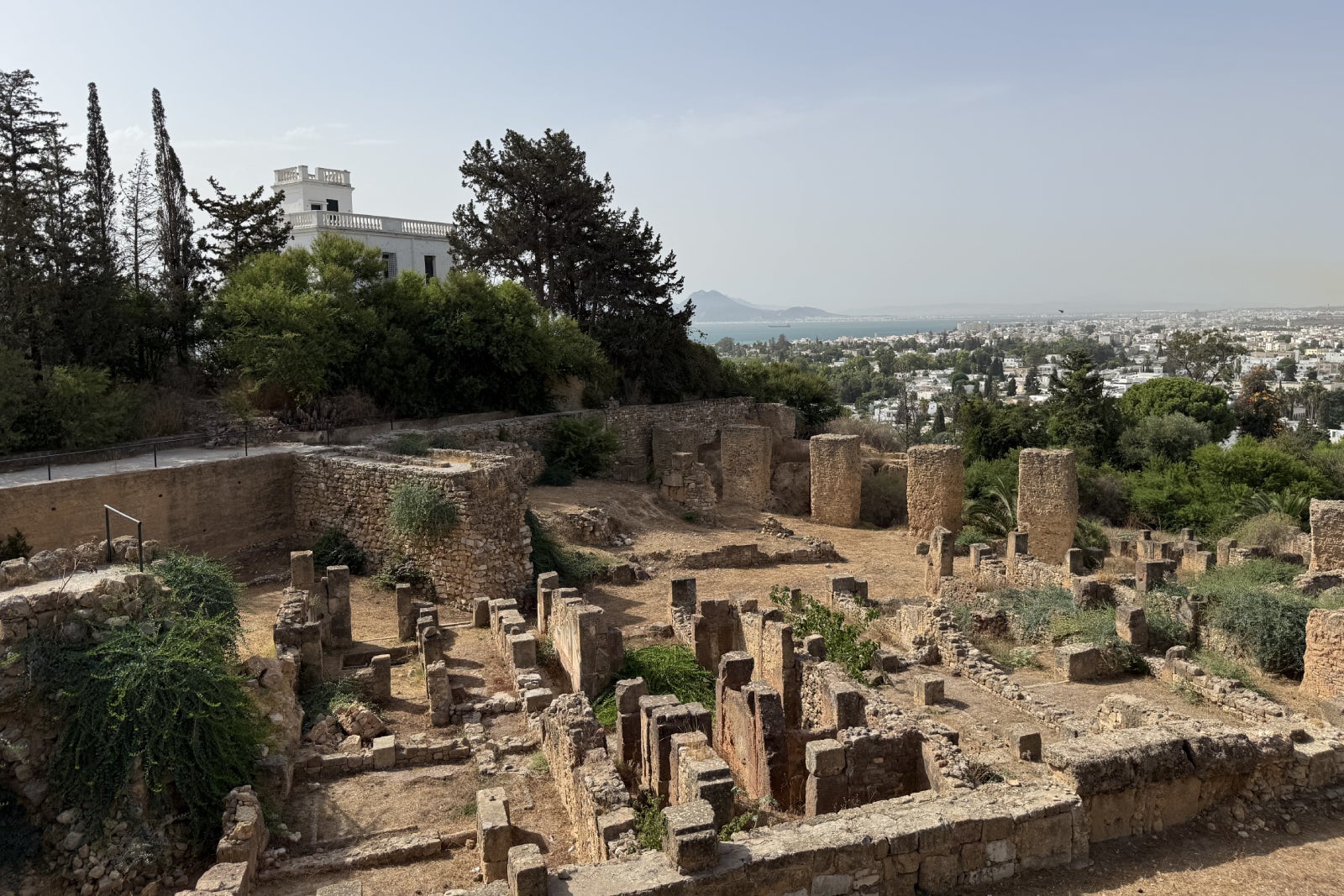
To beat the cruise groups and midday heat, we visited the ancient ruins of Carthage first, taking in the views from Byrsa Hill before heading down to the circular Punic port and the massive seaside complex of the Baths of Antoninus.
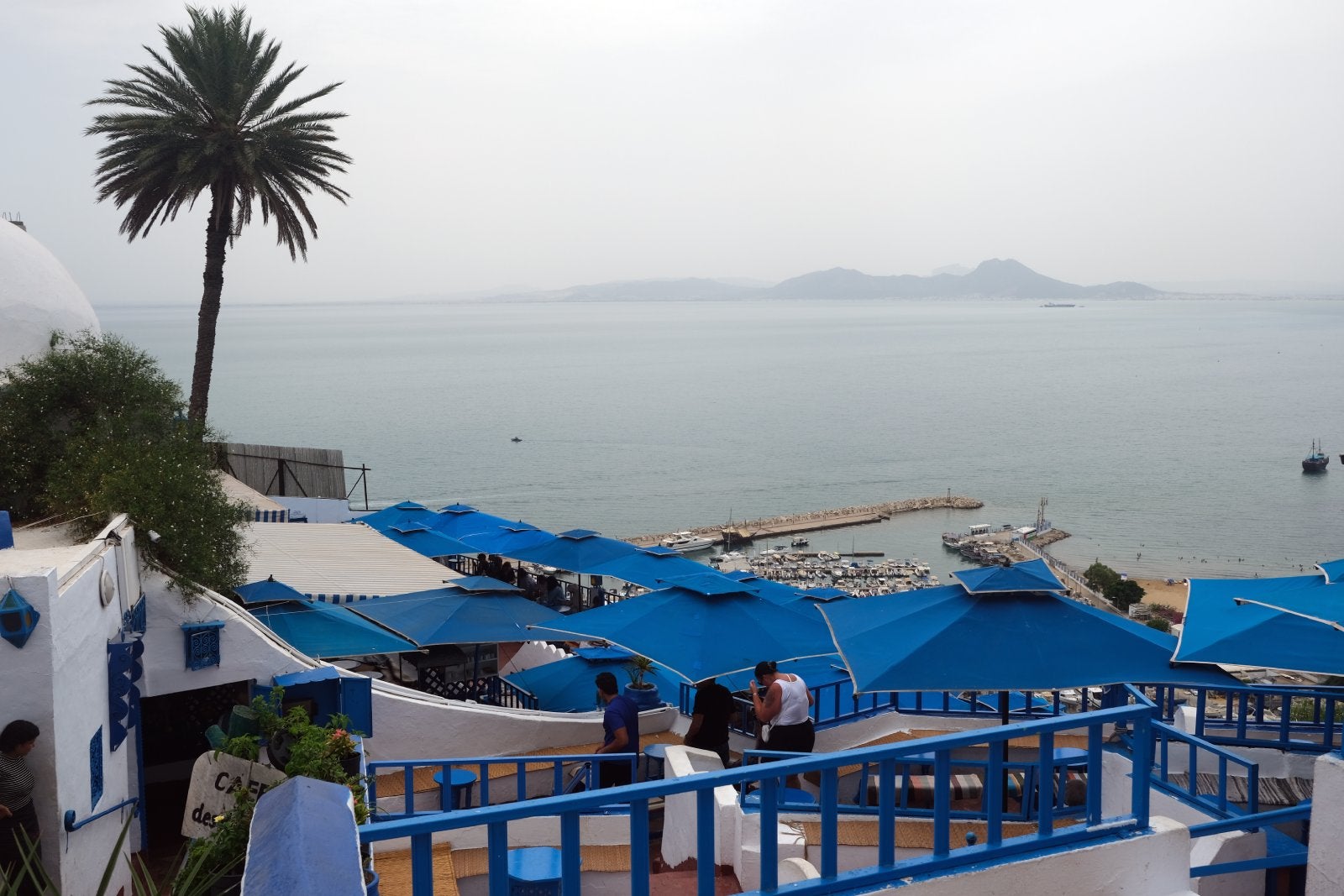
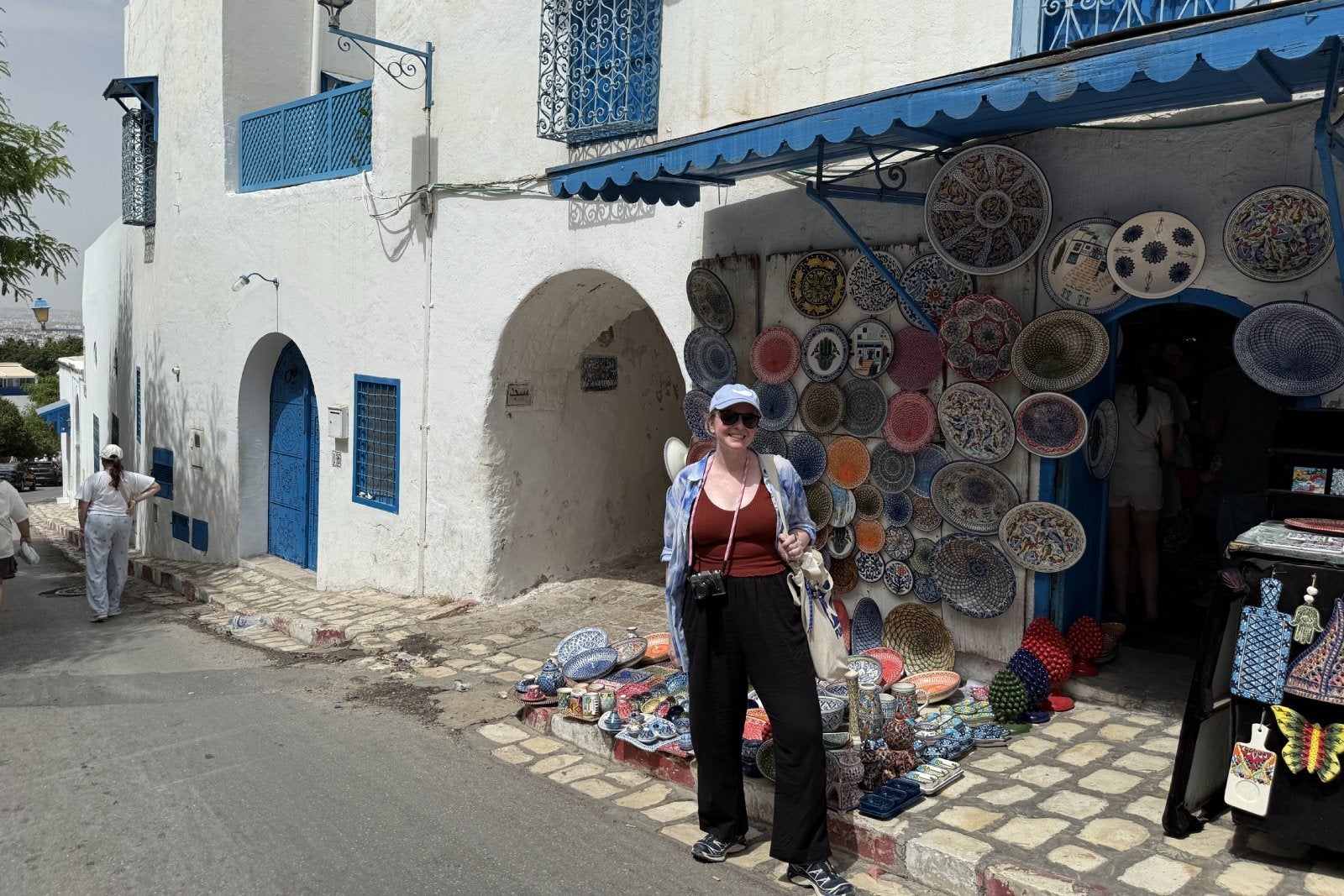
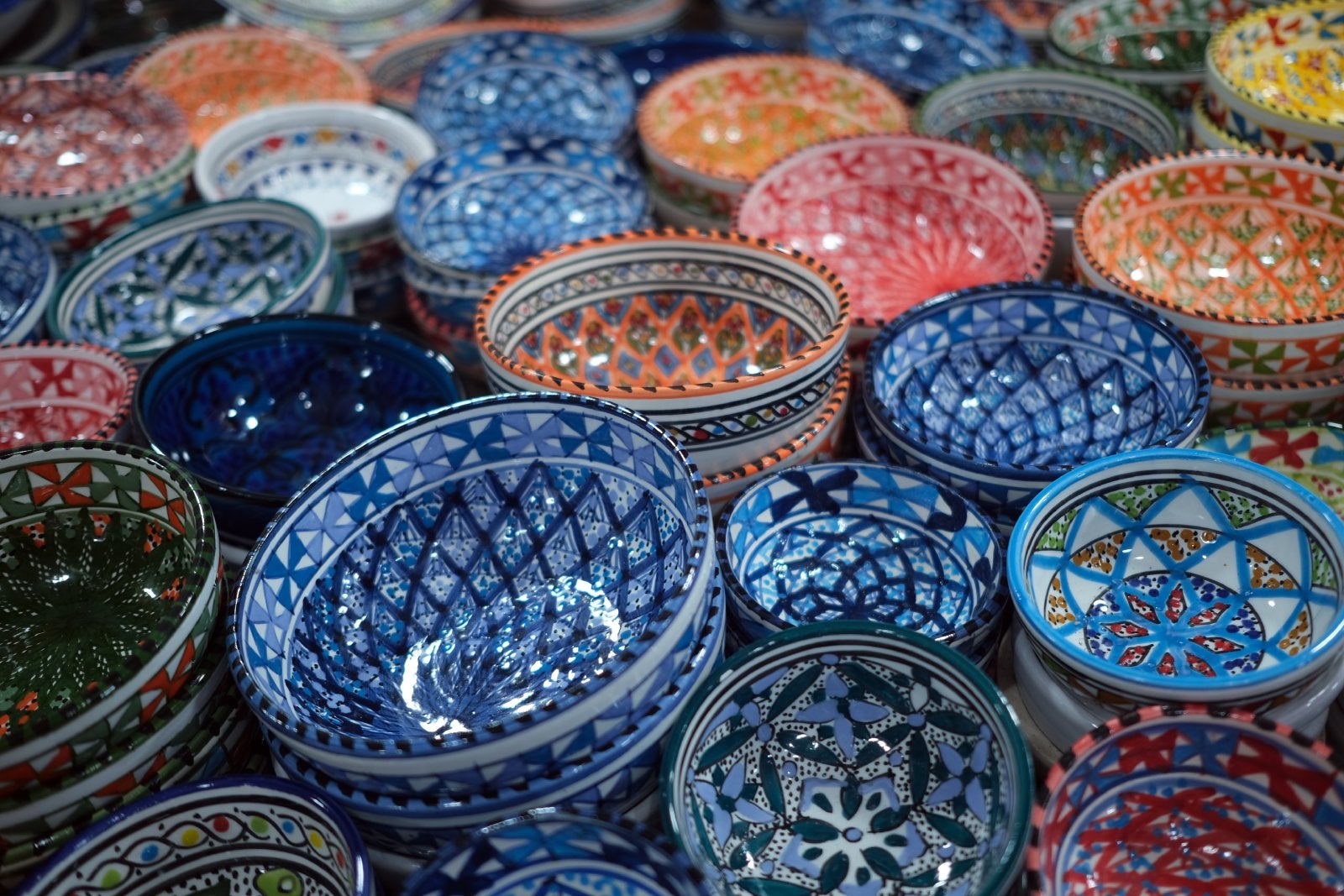
From there, we drove to the charming blue-and-white village of Sidi Bou Said, Tunisia’s newest UNESCO World Heritage site, for fresh juice and almond cakes at Cafe des Delices and iconic views of the beach below. While we didn’t have much time to browse the cliffside town’s shops, I did pick up some handmade souvenirs at the ceramic store at 16 Rue Habib Thameur.
For lunch, we stopped in the coastal suburb of Le Goulette at Restaurant La Victoire for a traditional Tunisian meal of brick à l’oeuf, a deep-fried pastry stuffed with egg, tuna and onion and a freshly grilled dorade fish served with rice and carrots.
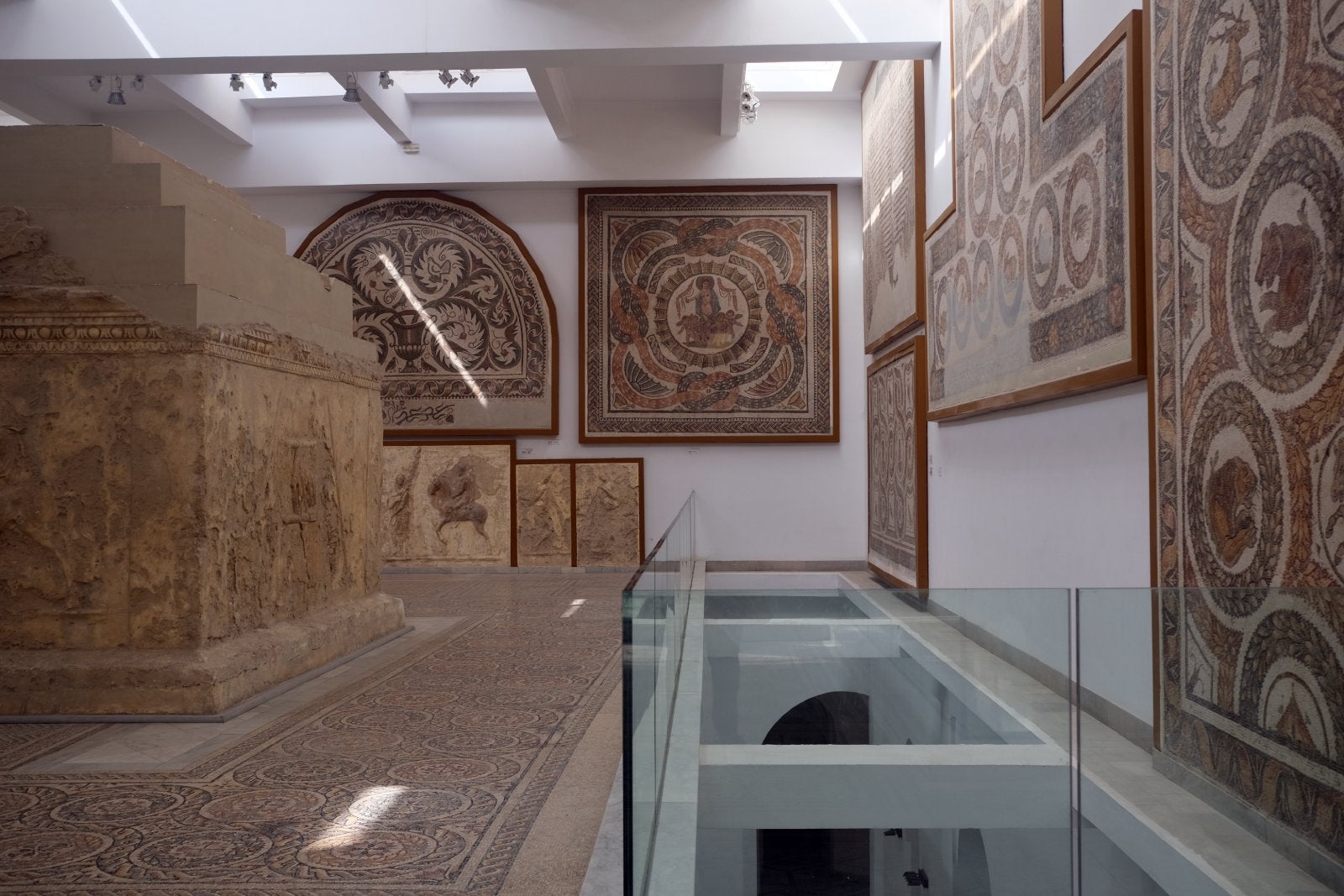
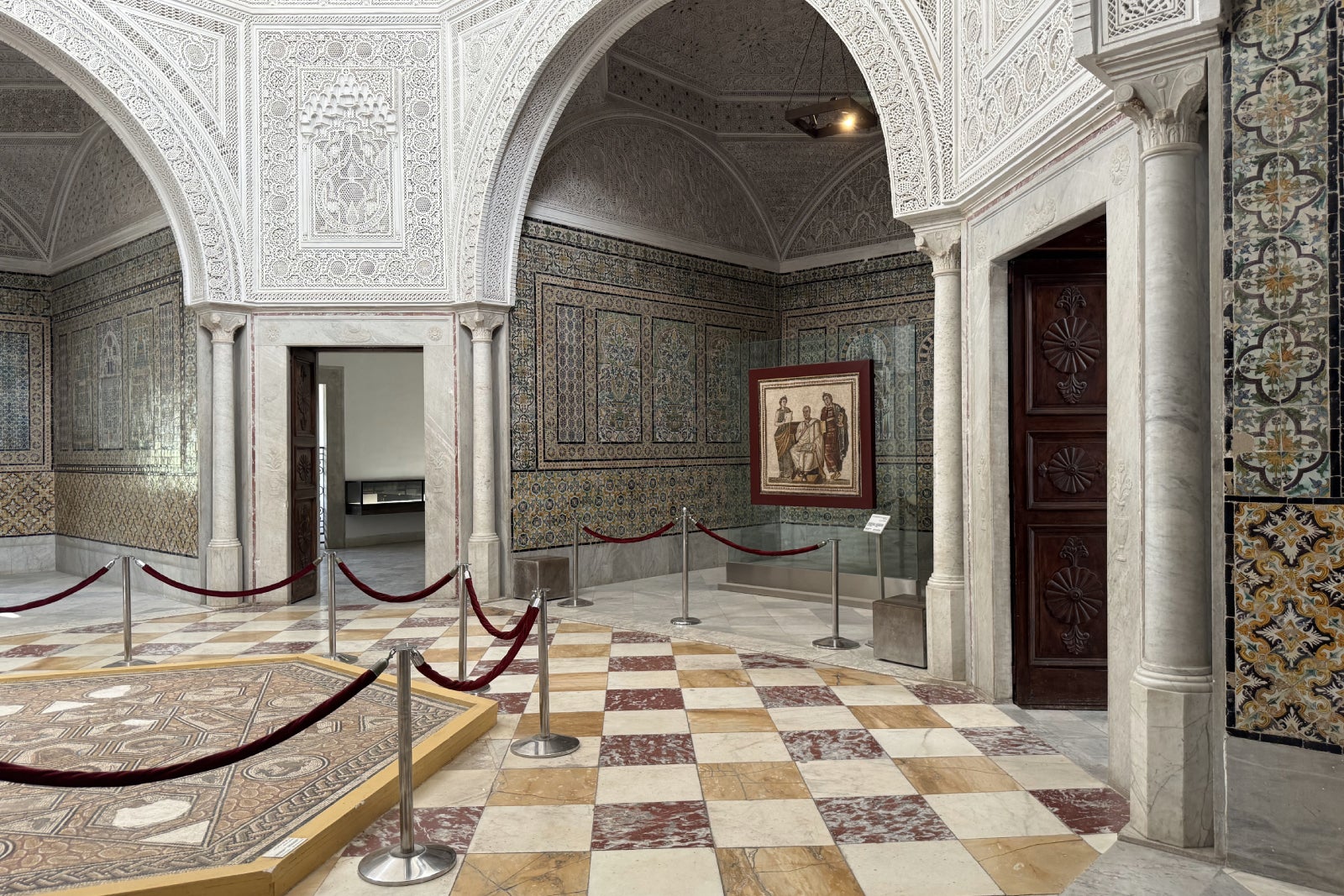
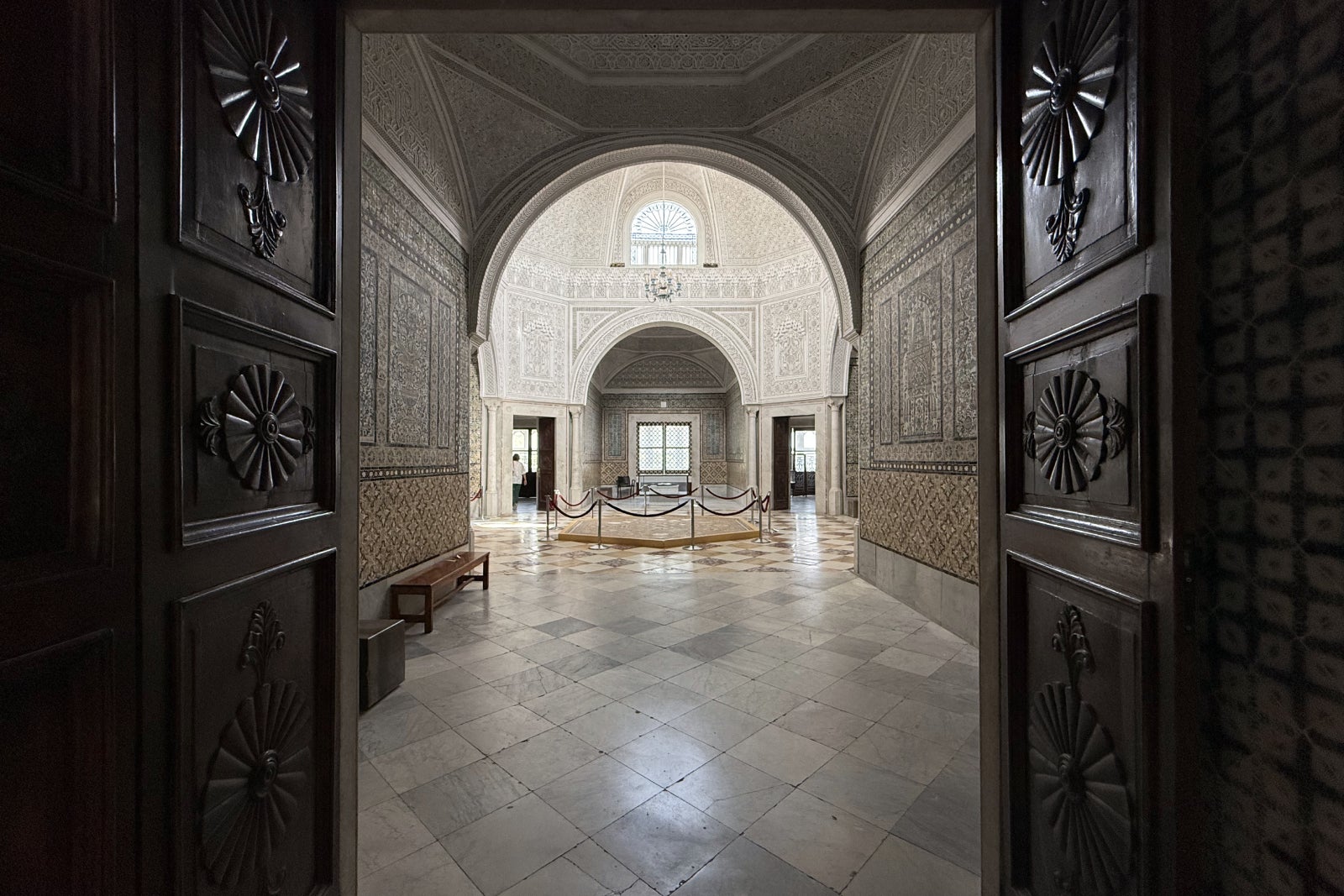
Next, we turned inland toward the western side of the city to visit the Bardo Museum, set in a former palace and home to the world’s largest collection of Roman mosaics. (Don’t miss the mosaic of the Roman poet Virgil, flanked by the muses of history and tragedy, as it’s considered to be the Mona Lisa of Tunisia.)
Finally, we hit the medina of Tunis, where we visited the courtyard of the Zitouna Mosque and made a quick pass through the souk's meandering lanes before returning to the hotel for a much-deserved swim in the indoor pool and a nap before a quiet room-service dinner.
Chase Sapphire Reserve editor tip: Earn 8 points per dollar spent on Chase Travel purchases, including activities and tours like the one I booked. Those with more time can add another day in Tunis and split this itinerary into two for a more relaxed pace in each location.
Day three: Tunis to Kairouan
Around midday, I returned to the airport to pick up a rental car from Avis and set the GPS to drive two hours south to Kairouan, a UNESCO-recognized city famous for its picturesque medina and Great Mosque, which dates to the 9th century AD. While Kairouan is considered one of the holy cities of Islam, film buffs may recognize it from “Raiders of the Lost Ark,” where it stood in for 1930s Cairo. It lies along the northern boundary of the 2027 solar eclipse’s path of totality.
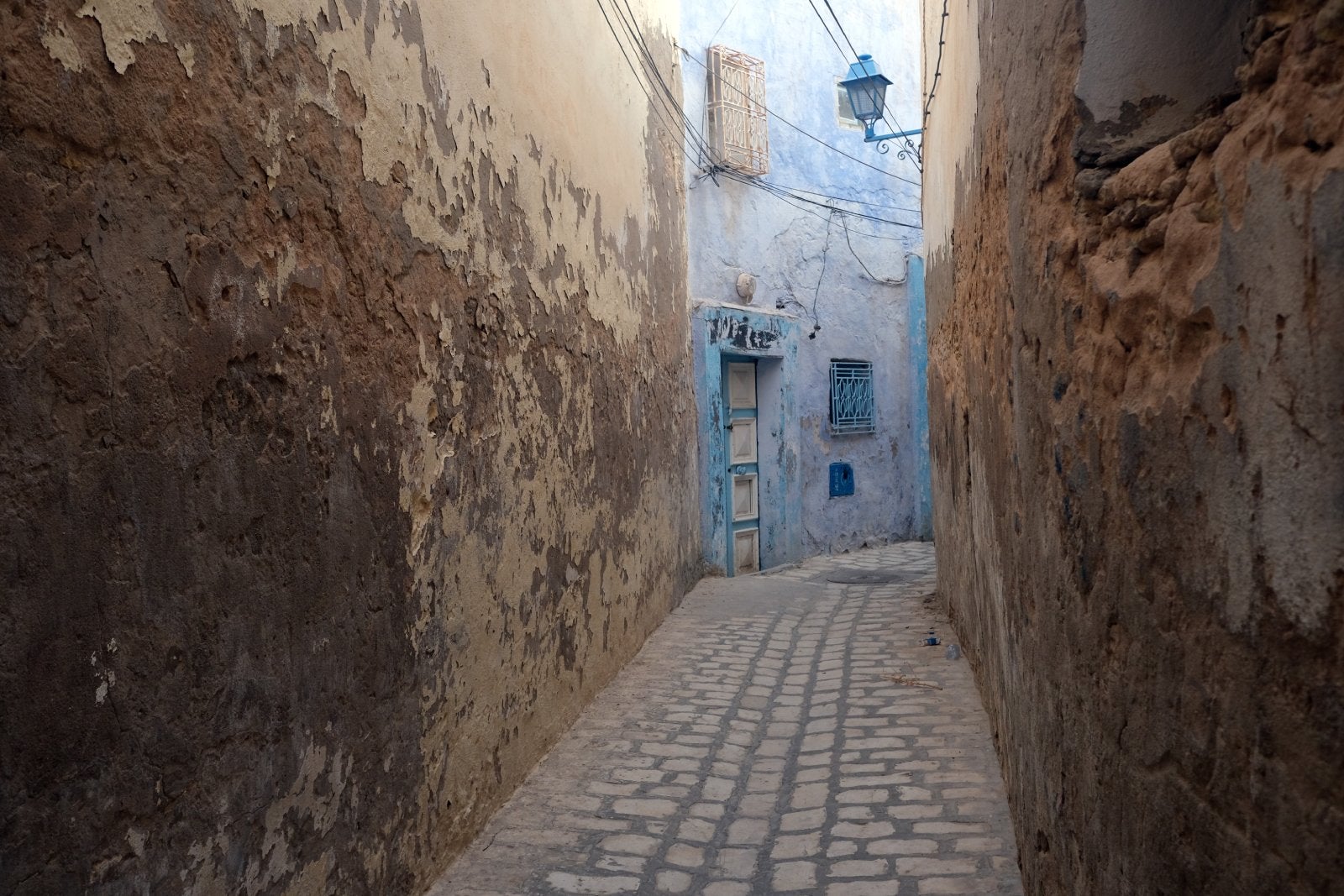
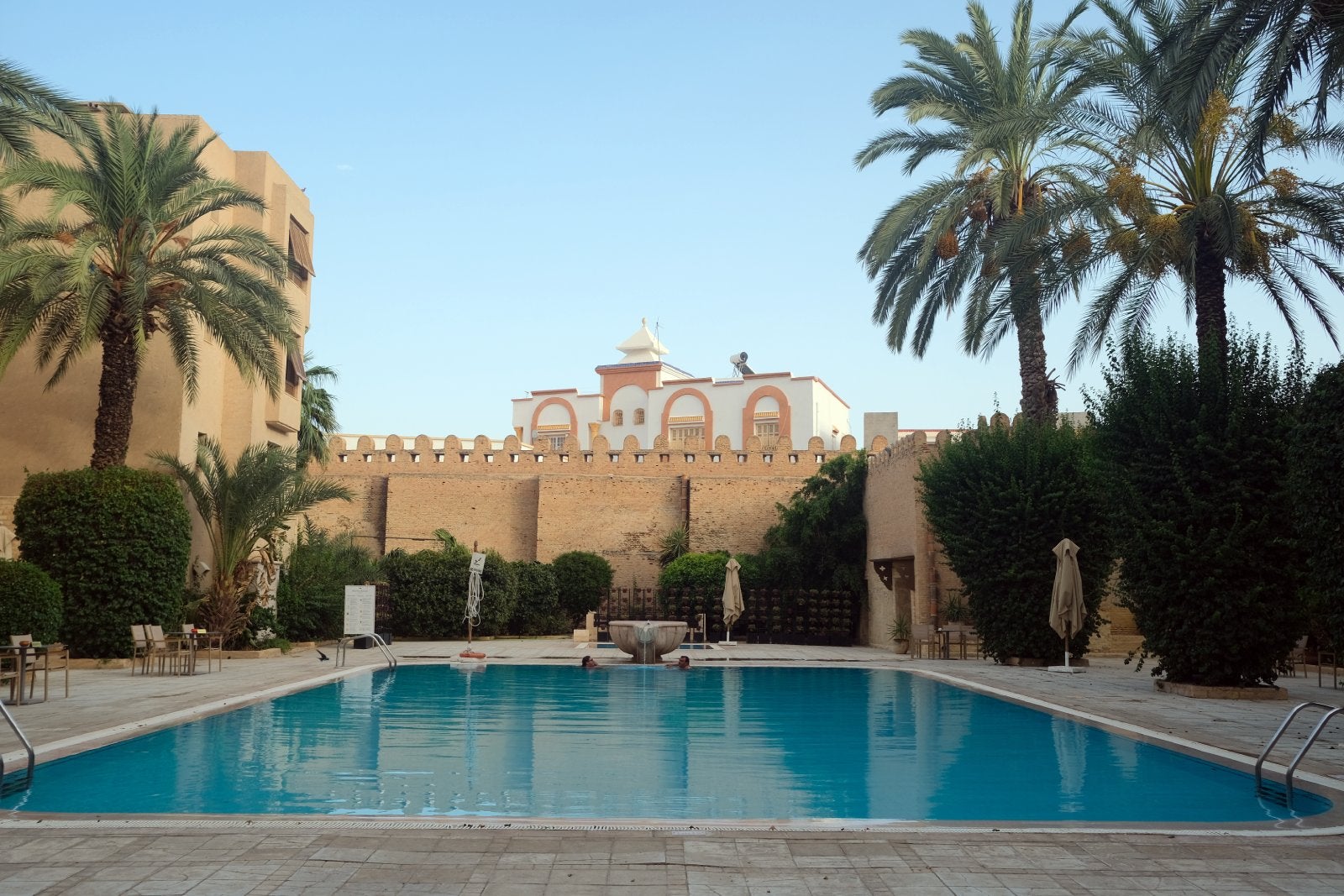
La Kasbah Hotel, booked via Chase Travel, provided a soft landing with its private parking lot, pool and strong air conditioning. The shops and sites in the medina tend to close in the late afternoon, so if you arrive after then, plan on a quiet night in the hotel, cooling off in the pool or lounging on woven rugs in its vintage café, drinking mint tea.
Chase Sapphire Reserve editor tip: Pay for car rentals with Chase Sapphire Reserve to receive primary auto rental coverage (just be sure to decline the agency's collision insurance). Though I didn’t end up needing it, I had peace of mind knowing I was covered for up to $75,000 of theft or collision damage to the rental car.
Day four: Kairouan to Tozeur
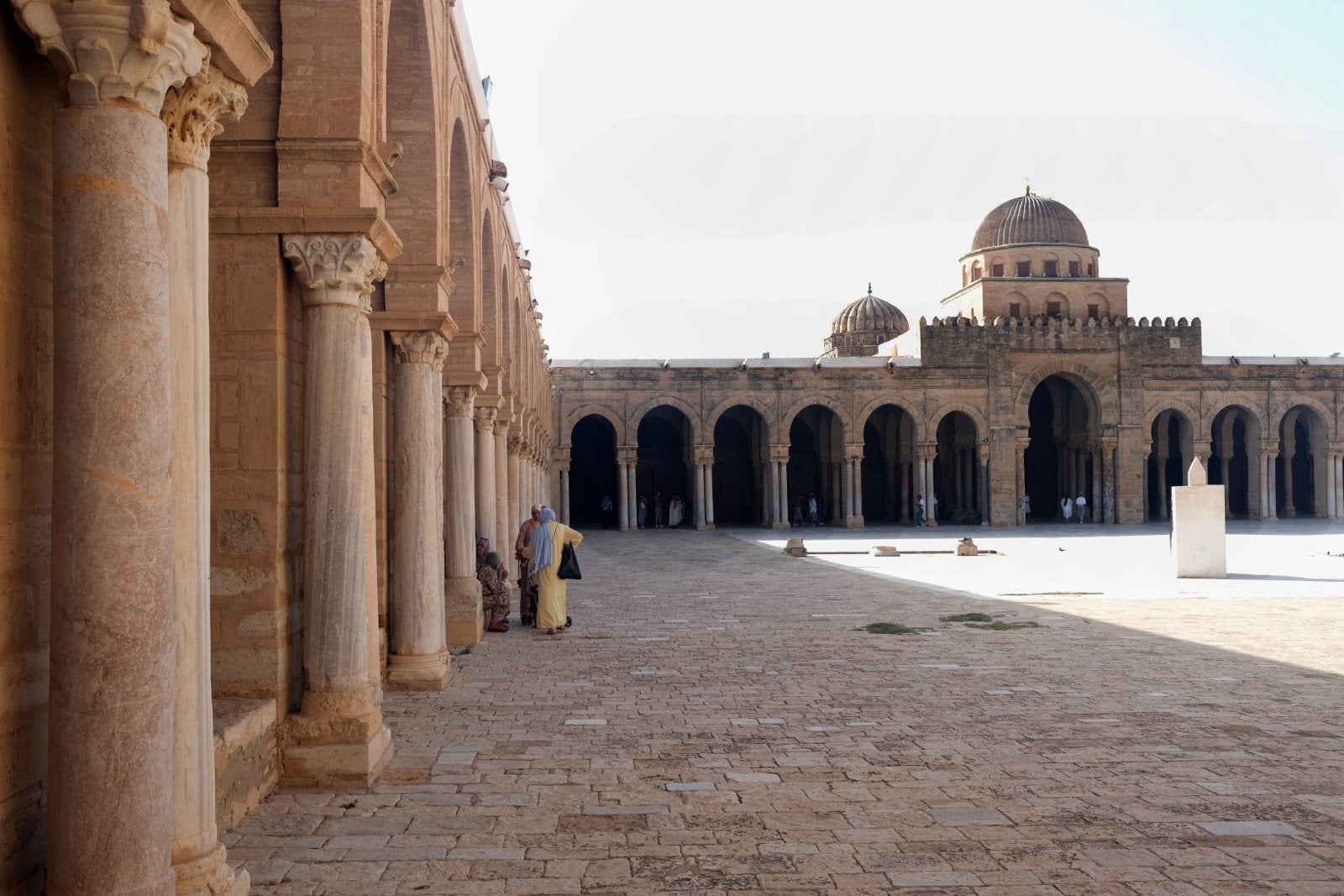
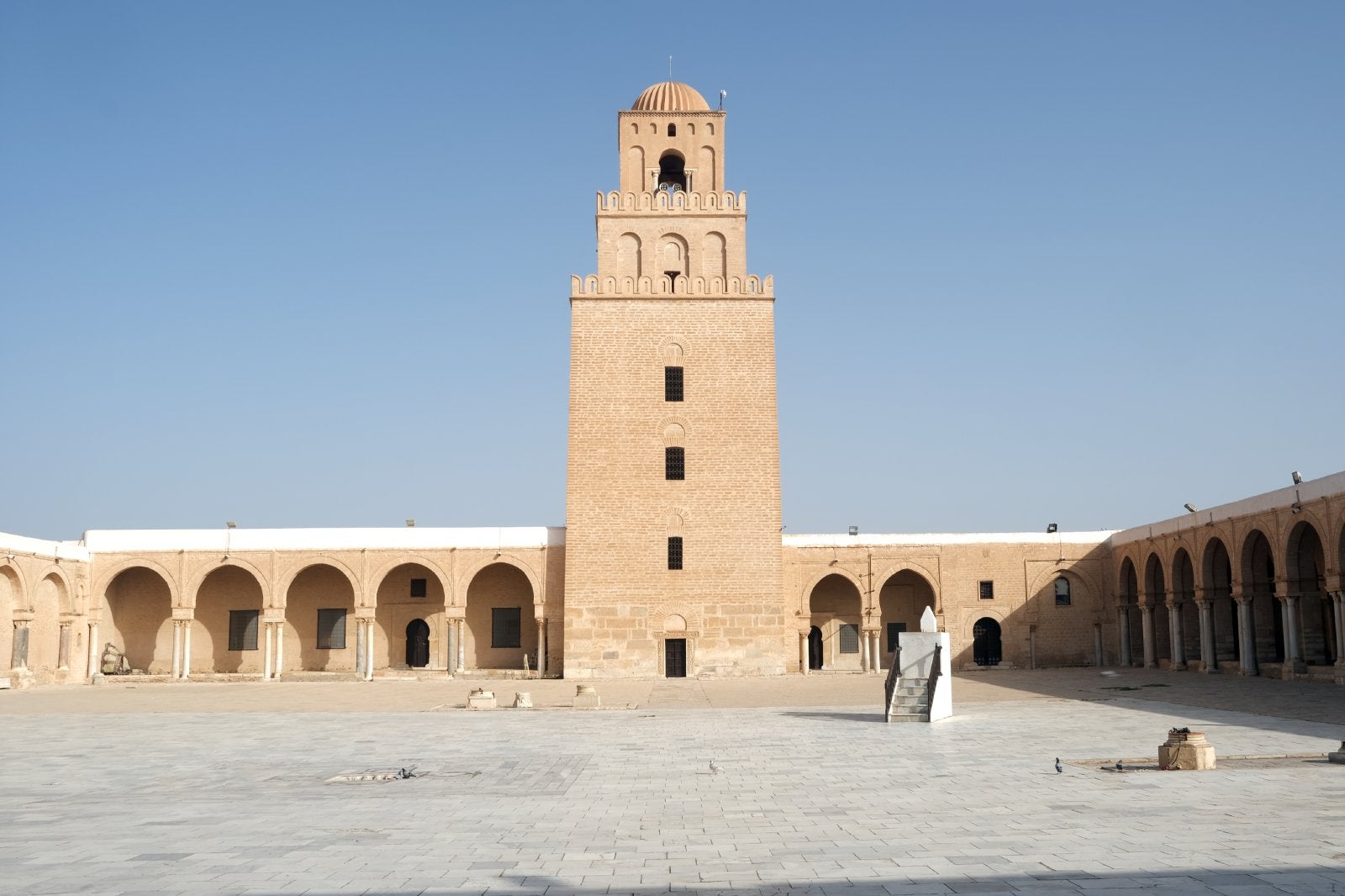
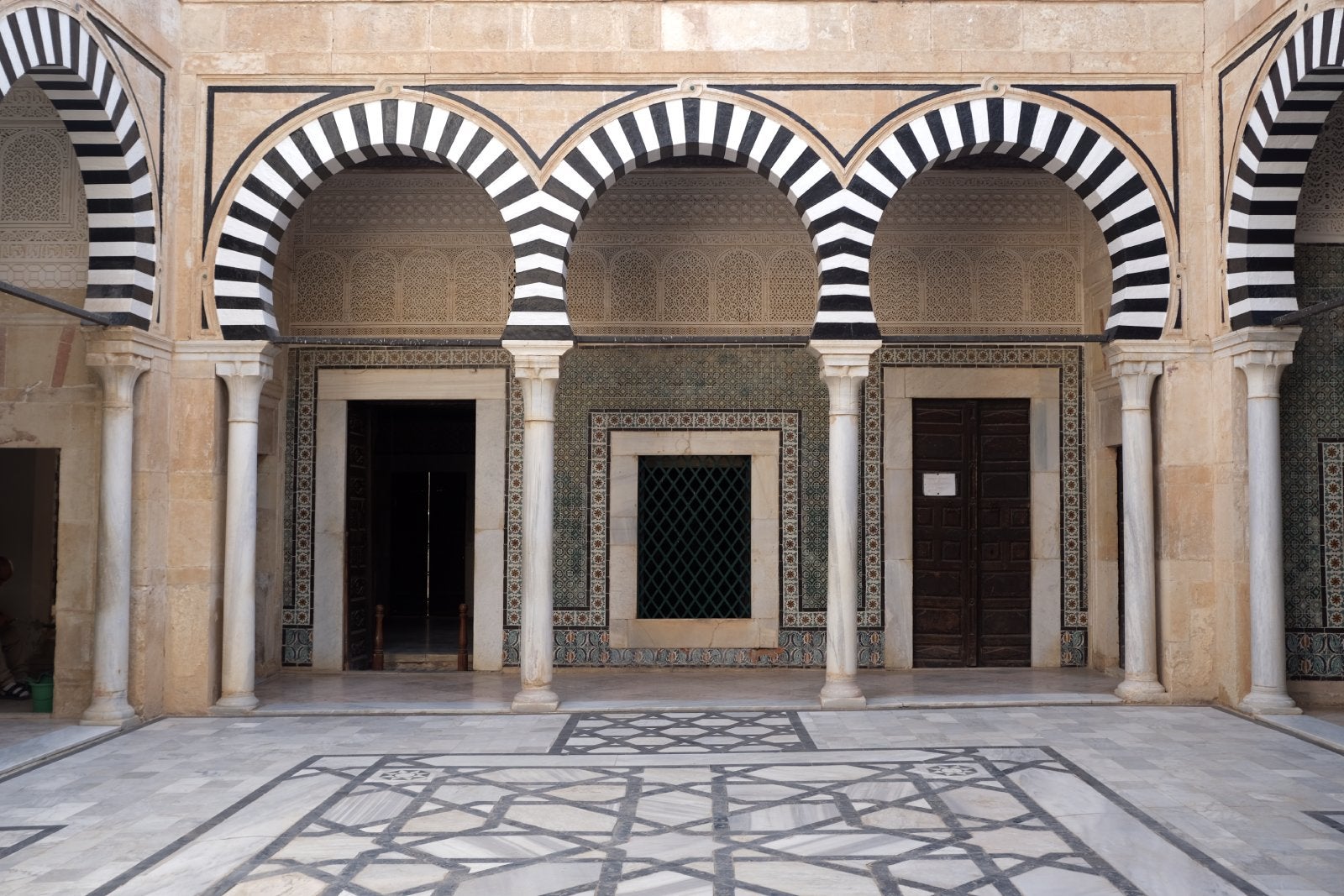
Having arrived the previous afternoon after the mosque closed, I went first thing the next morning to admire the column-lined courtyard and three-tiered minaret before the tour groups arrived. The ticket to the mosque also included admission to the nearby Sidi Abid el Ghariani Mausoleum, built in the Moorish style with black and white marble arches. A few doors down, I stopped by the former home of the governor of Kairouan, an ornately decorated mansion that now serves as a rug shop. While I wasn’t in the market for a carpet, I enjoyed the architecture and left with a handwoven scarf for 40 dinars ($14).
After checking out, I hit the road again for the 4.5-hour drive south to Tozeur, a city in the heart of the Sahara Desert. Though I drove straight through, making brief stops at gas stations along the way, it’s also possible to break up the drive with stops at either the well-preserved archaeological site of Sbeitla or the Roman baths of Gafsa.
Just be mindful of timing: I wouldn’t recommend driving at night. Though the roads are well-maintained, speed bumps are common and harder to spot after dark.
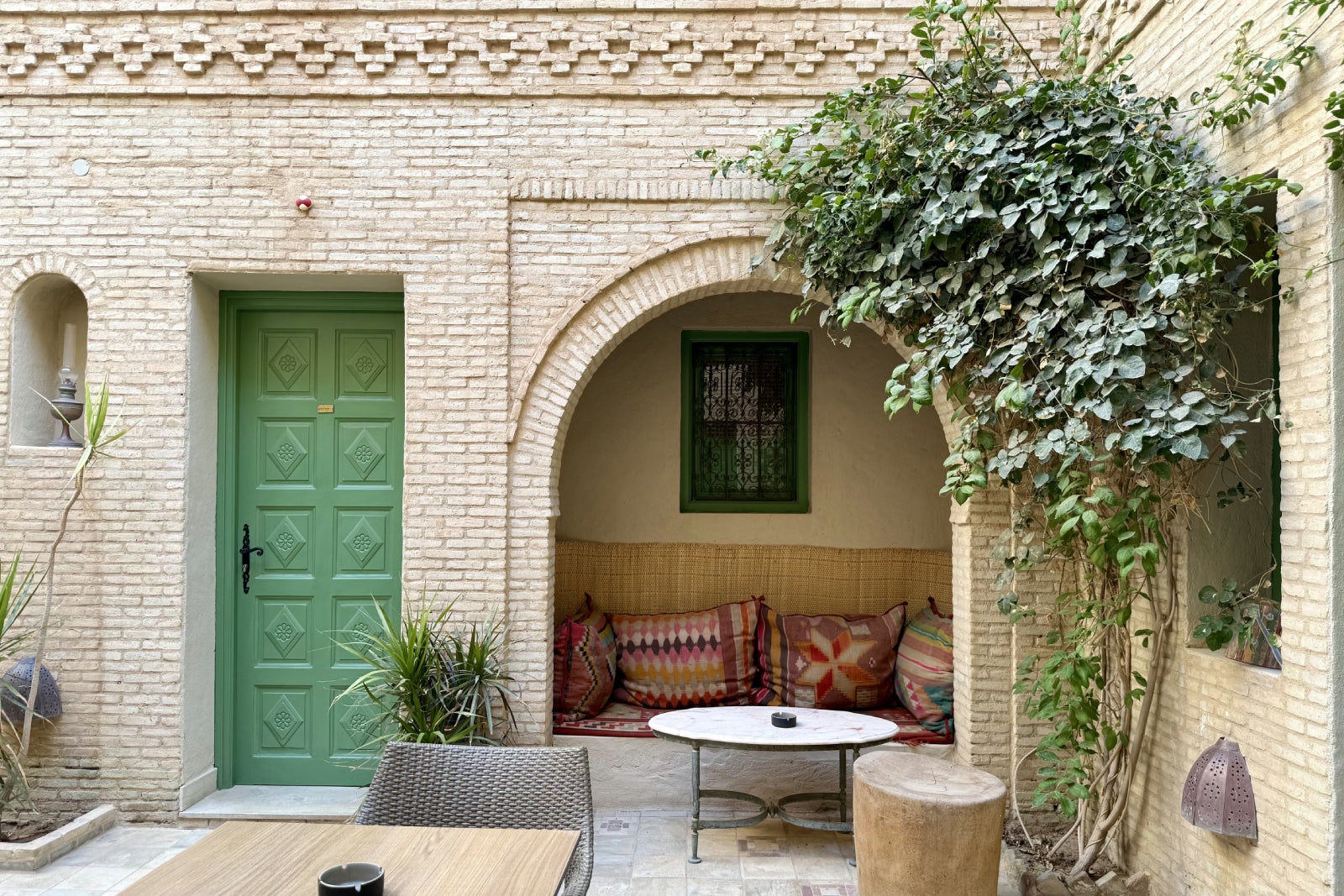
Once in Tozeur, I checked into Dar Saida Beya, a traditional Tunisian guesthouse, booked through Chase Travel. After a long drive, I had a quiet evening to walk around and explore the nearby old town center.
Chase Sapphire Reserve editor tip: Though the upscale Mora Sahara Tozeur resort west of town isn’t bookable via Chase Travel currently, it’s still possible to earn 4 points per dollar spent on direct hotel bookings made with the Chase Sapphire Reserve.
Day five: Tozeur
The Atlas Mountains meet the salt flats and sands of the Sahara Desert in Tozeur, creating an otherworldly landscape that inspired many film directors. Most notably, the canyons and dunes around Tozeur served as the filming location for the desert planet of Tatooine in the “Star Wars” movies. The epic sci-fi series is celebrating the 50th anniversary of its release in 2027, and fans can experience the eclipse from here, since Tozeur falls along the southern boundary of the path of totality.
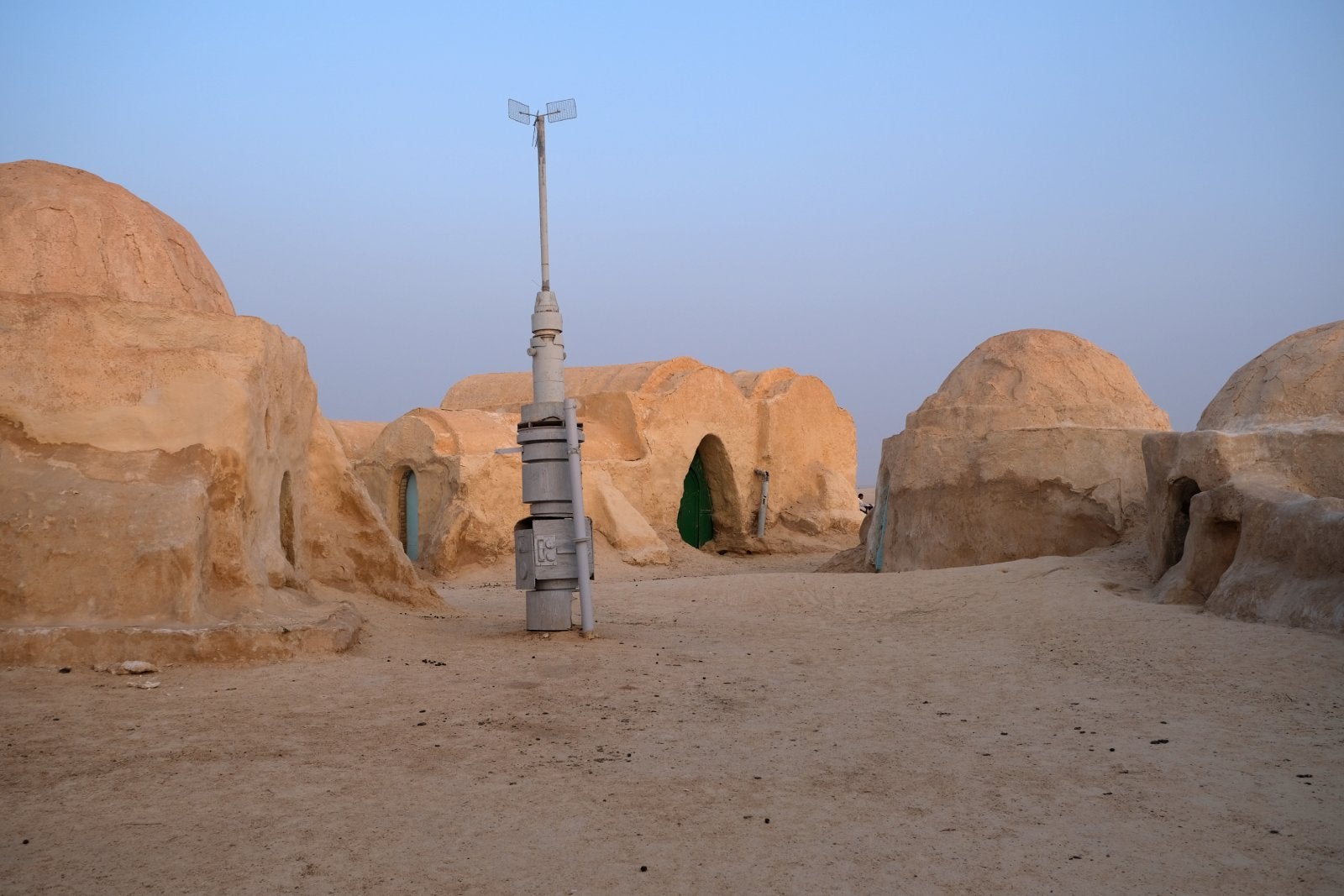
I booked a 7-hour tour with Attractive Discoveries via Chase Travel to see everything the area had to offer. Before diving into the area’s cinematic legacy, my driver and guide, Firas, began the day at Chebika Oasis, where a 45-minute hike wound through the ruins of a former Berber village and down to the oasis and its waterfall.
Our next stop was the Grand Canyon of Tunisia, Mides Canyon, roughly a mile from the Algerian border and featured in films like “The English Patient.” During the 30-minute hike along the dry riverbed, I spotted no fewer than six falcons diving in and out of the cliff face while hunting.
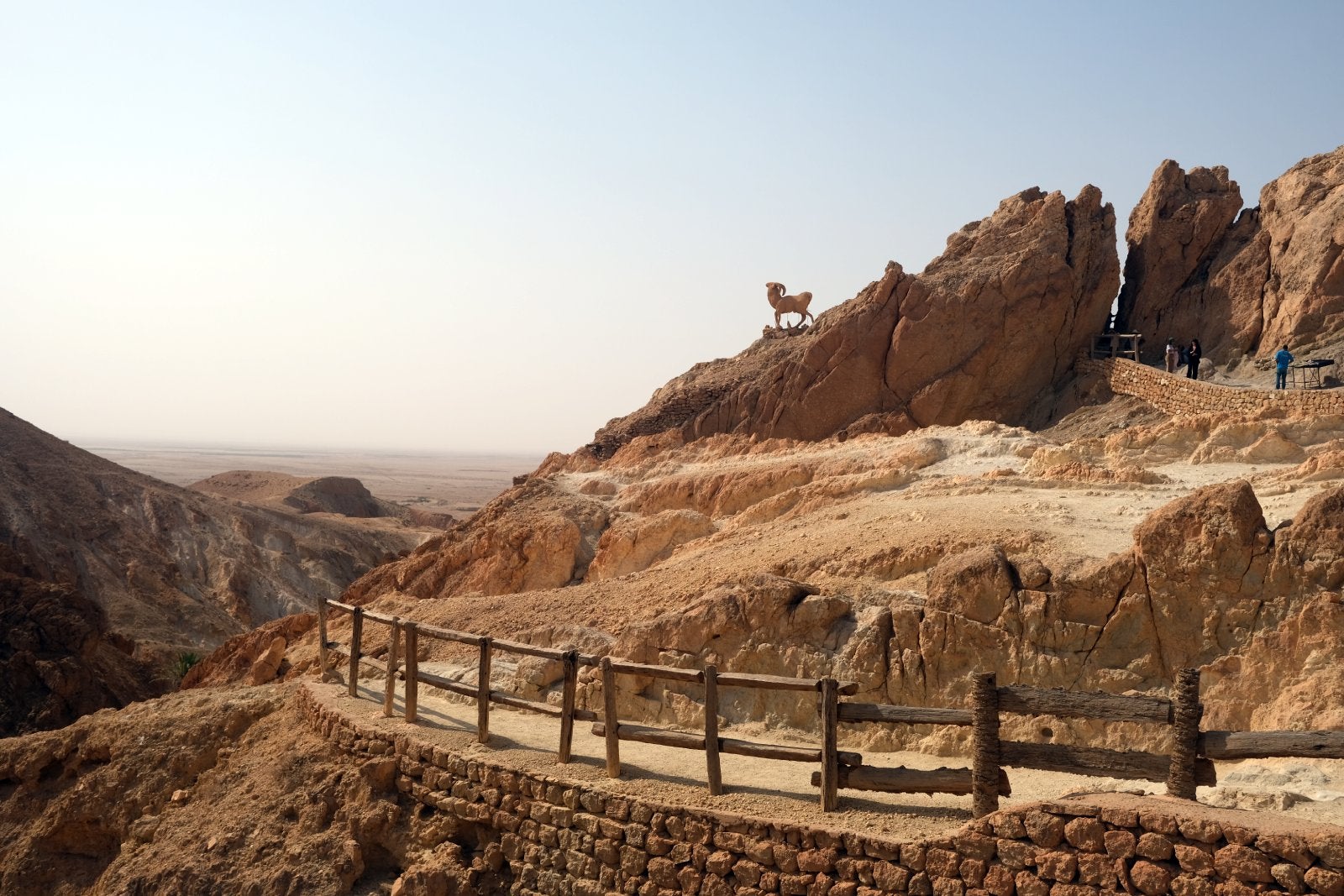
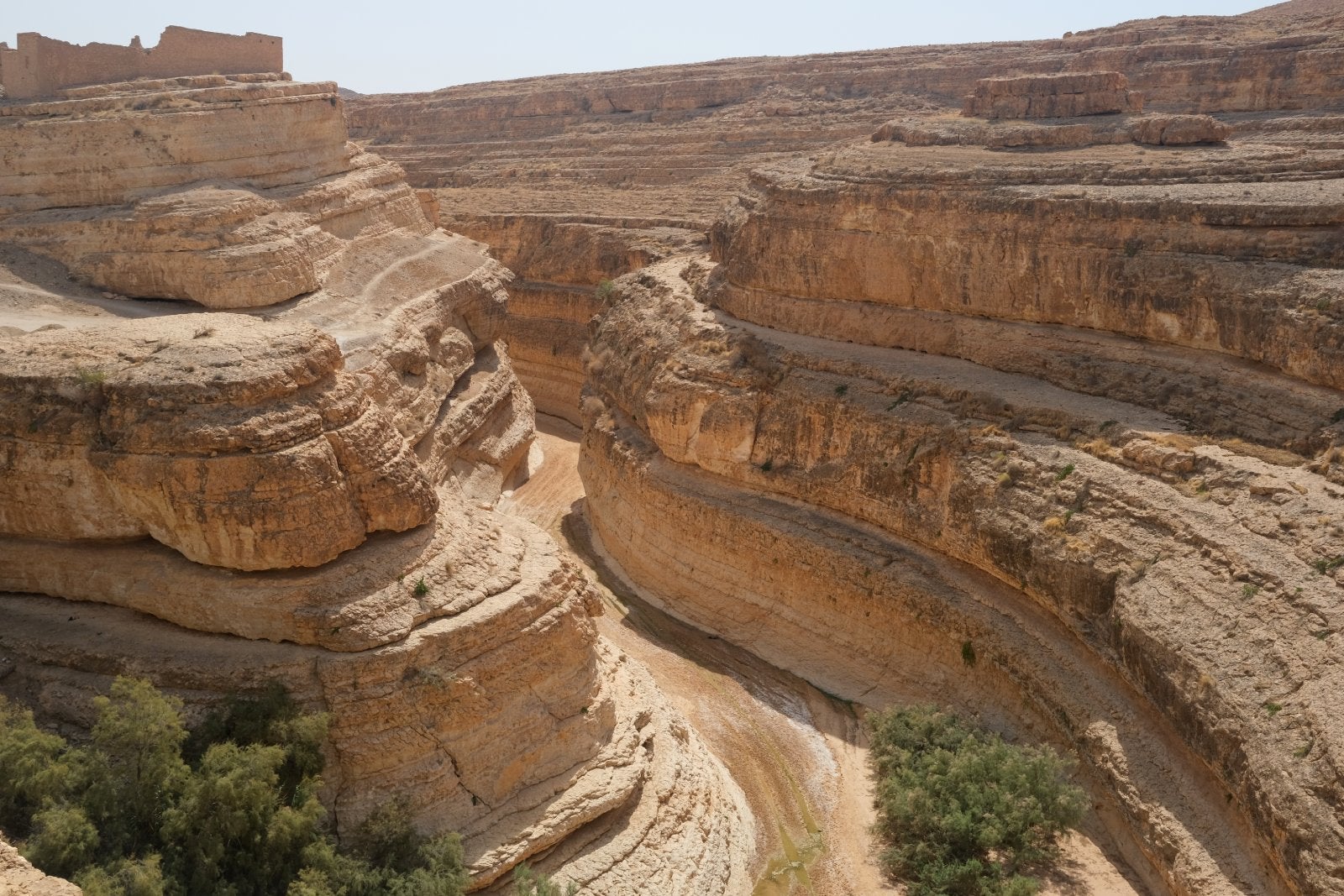
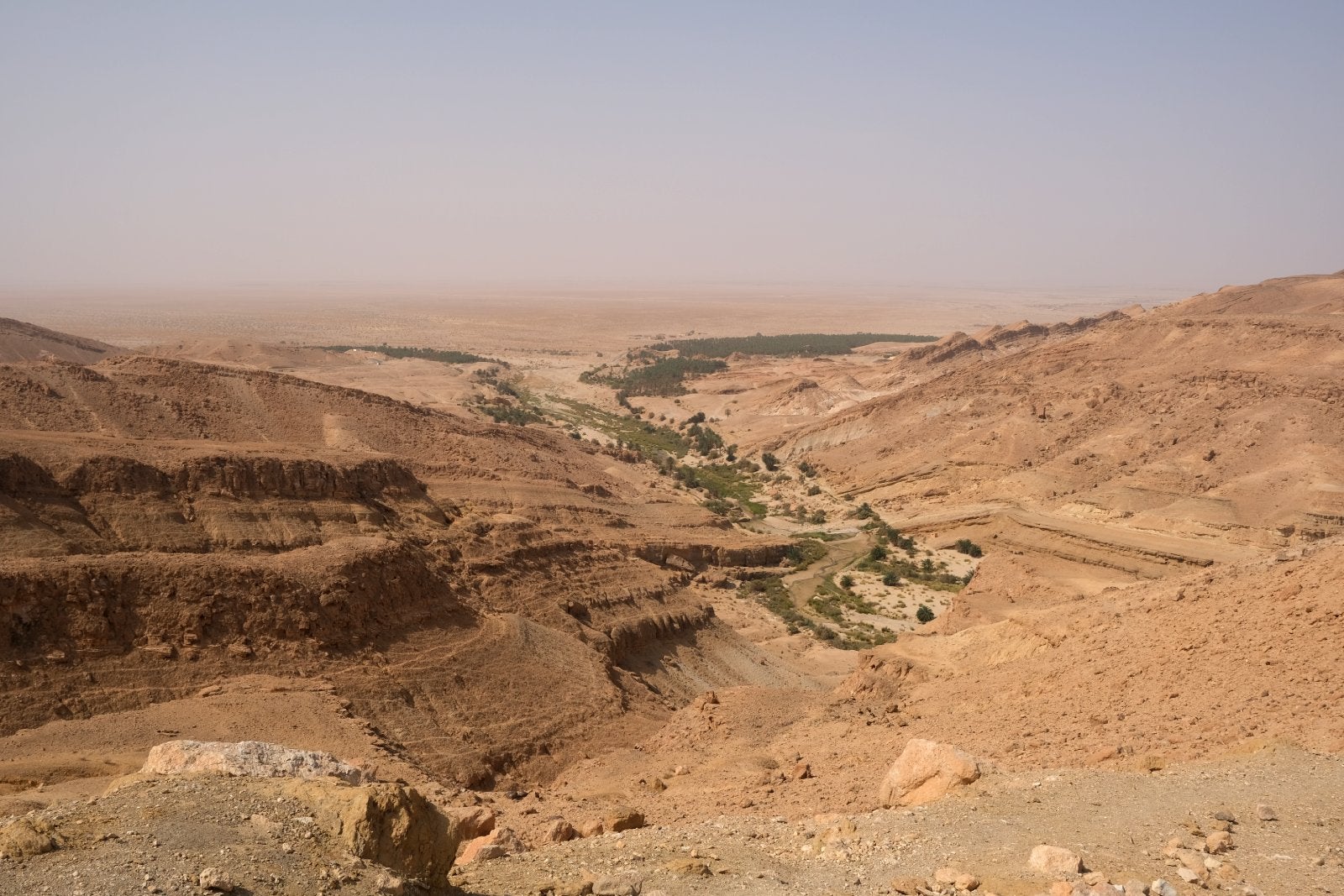
To avoid the worst heat of the day, the tour included a break from 1 to 5 p.m., during which we stopped to pick some dates from my guide’s family’s oasis of palm trees. I also tried a makloub sandwich filled with chicken, cheese and harissa and took a short nap.
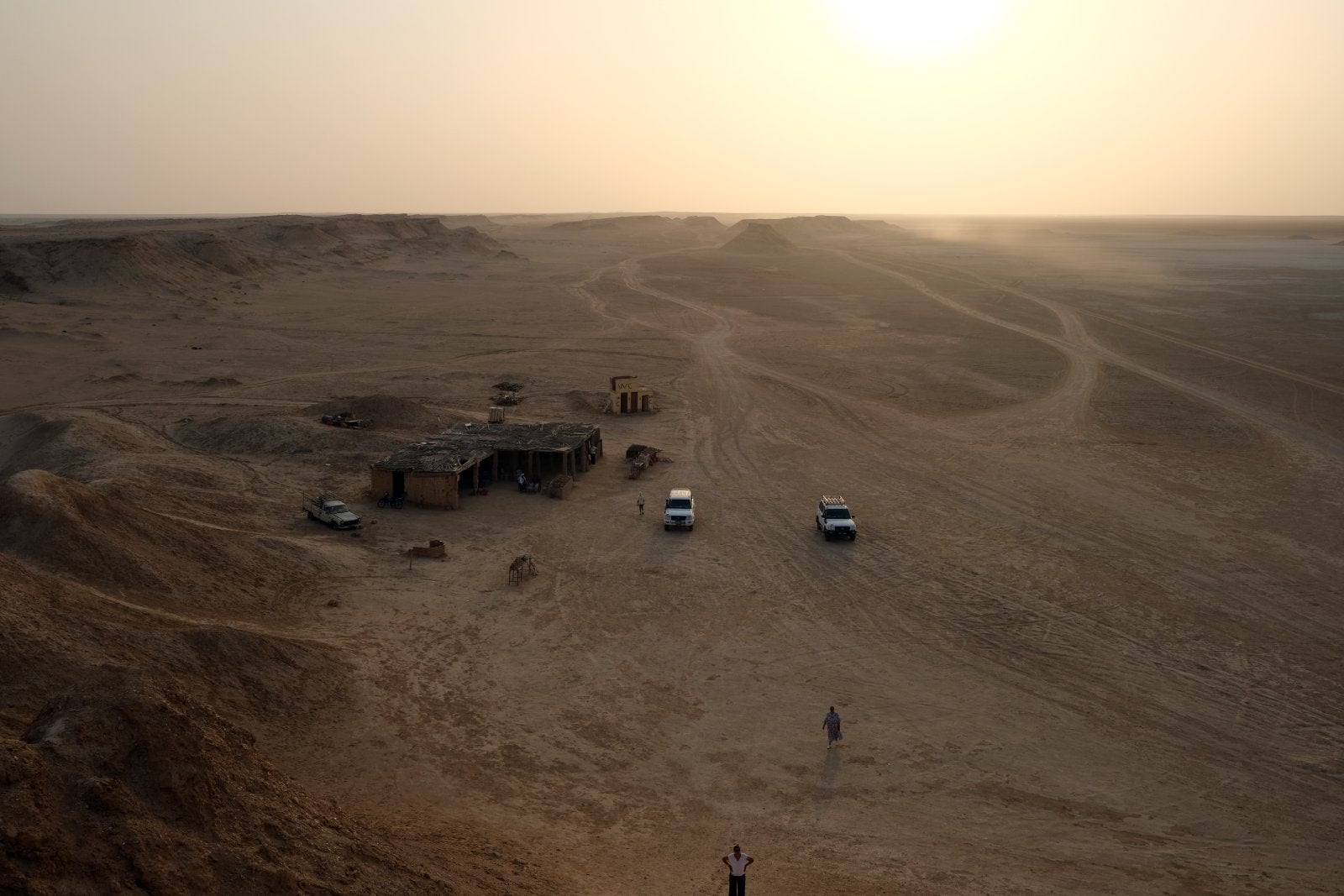
At 5 p.m. on the dot, Firas picked me up again in his 4x4 to head out into the desert to watch the sunset over the dunes. Along our drive, we spotted a herd of camels, stopped to climb the Ong Jmal or “Camel’s Neck” rock formation and did some adrenaline-inducing 4x4 driving. We arrived at the remaining film sets that served as the desert trading post of Mos Espa in “The Phantom Menace” just before sunset.
To cap off the day, we drank fresh mint tea with almonds — a local treat — and watched the sun set behind the dunes before heading back into town.
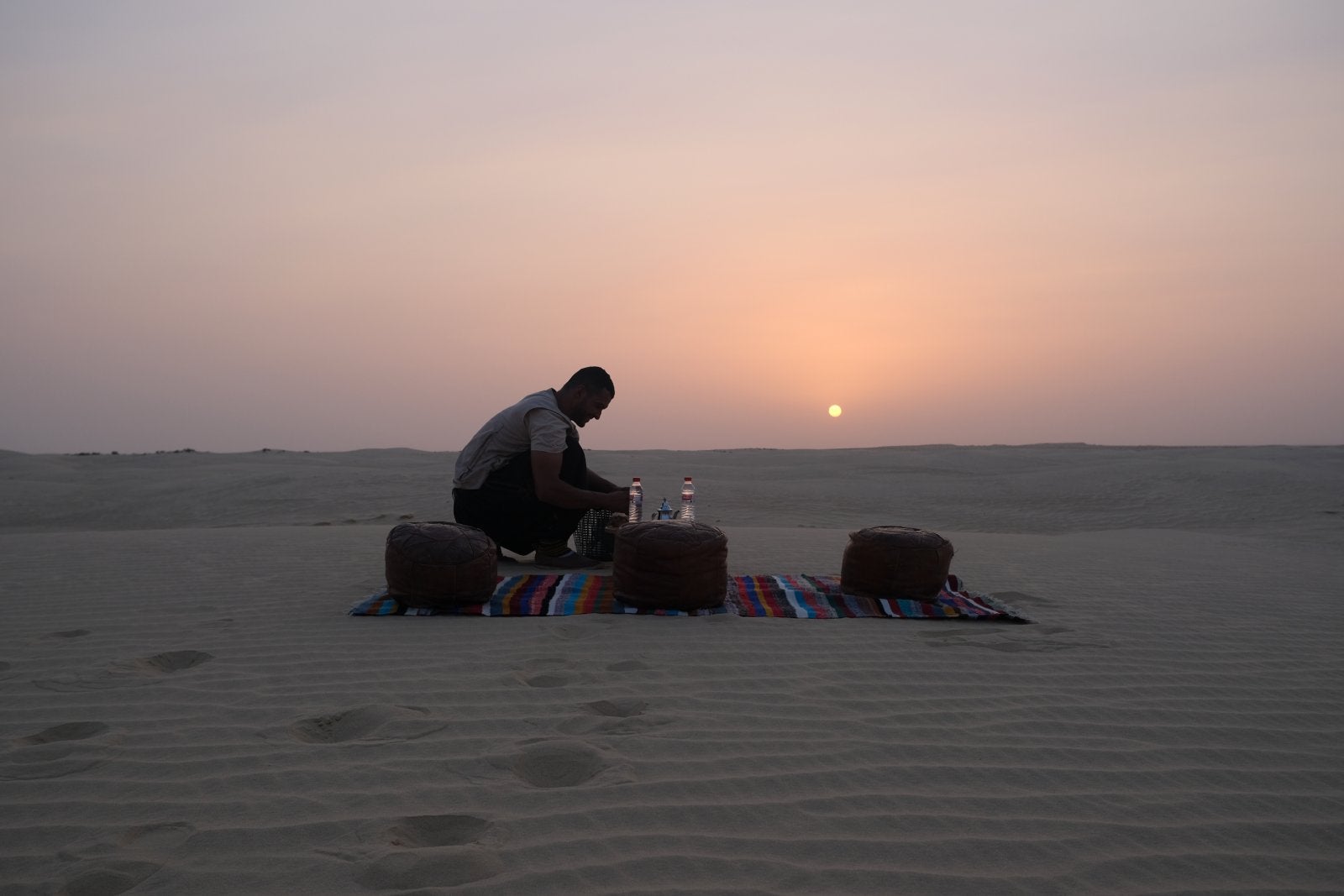
Chase Sapphire Reserve editor tip: Put the card's up to $300 annual credit to work on travel purchases like the tour I booked. The credit is applied automatically to eligible purchases each account anniversary year.
Day six: Tozeur to El Jem
The biggest Star Wars fans may want to stay another day to visit other nearby filming locations, such as Sidi Bouhlel Canyon and the Lars family homestead exterior near the town of Nefta.
Since I had another 4.5-hour drive ahead of me that day, I left around 11 a.m. to drive back north to the city of El Jem via Chott el Djerid. Before heading off across the massive salt lake, I filled up my gas tank and packed snacks for the long drive since there aren’t many places to stop in the first couple of hours.
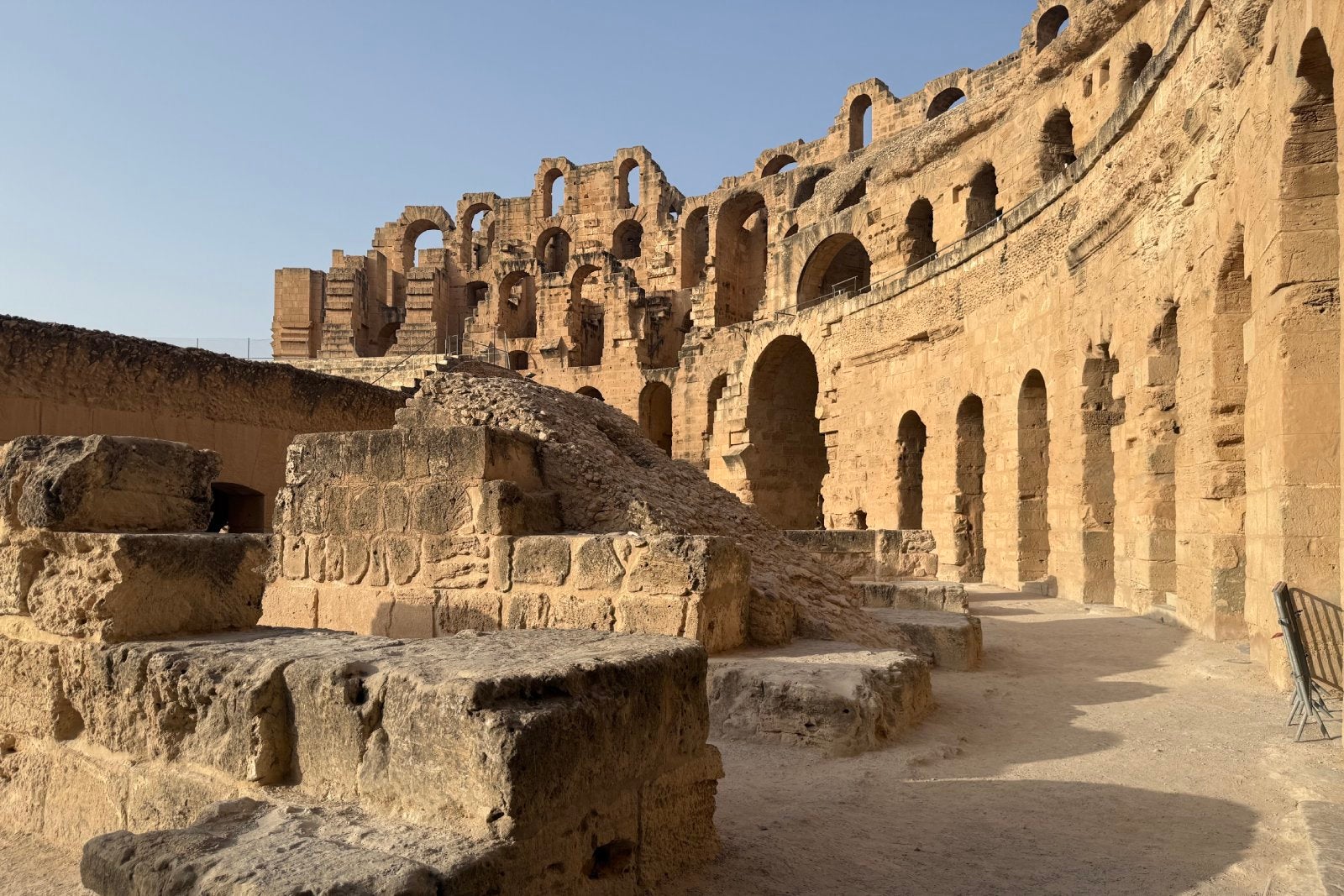
Built about 1,800 years ago, the Roman amphitheater of El Jem is roughly 70% the size of Rome’s amphitheater but has significantly fewer crowds and offers wide-open access to each level — even the underground level where animals were kept before they fought gladiators.
After checking into Hotel Julius, booked through Chase Travel, I dropped my bags and took the five-minute walk to the amphitheater before it closed. The 20 dinar ($7) ticket includes entrance to both the amphitheater and the nearby El Jem Archaeological Museum on the same day. Since I arrived a little later in the afternoon, I went to the museum first thing the next morning and justified the extra $7 by spending a leisurely morning taking in the incredibly detailed mosaics without being rushed.
El Jem falls within the path of totality for the 2027 solar eclipse, so history buffs may want to make this city their home base for the celestial event.
Chase Sapphire Reserve editor tip: Tunisia is still a predominantly cash-based society, so it may be hard to find restaurants that accept cards. I couldn’t earn 3 points per dollar spent on dining worldwide with my Chase Sapphire Reserve in El Jem, but the two fricassee (fried dough buns stuffed with egg, tuna, potato and harissa) I ordered at a street food stall on the way back from the amphitheater only cost 7 cents total (yes, really), so I wasn’t worried about missing out on too many points.
Day seven: El Jem to Tunis
After checking out the museum, I loaded up my rental car one last time for the two-hour drive back to Tunis. Those with more time and desire to sit on the beach than I did could easily add a day or two in the coastal town of Hammamet, which sits about two-thirds of the way back to Tunis from El Jem.
Once I handed off my rental car keys at the airport, I met the taxi driver I had prearranged with my final hotel, Dar Ben Gacem, a traditional guesthouse in the Tunis medina. Since my tour of Tunis at the beginning of the trip only included a brief visit to the medina, I was glad to have the rest of the afternoon and evening to poke around the shops and alleys of the historic city center and do some final souvenir shopping before flying home the next day.
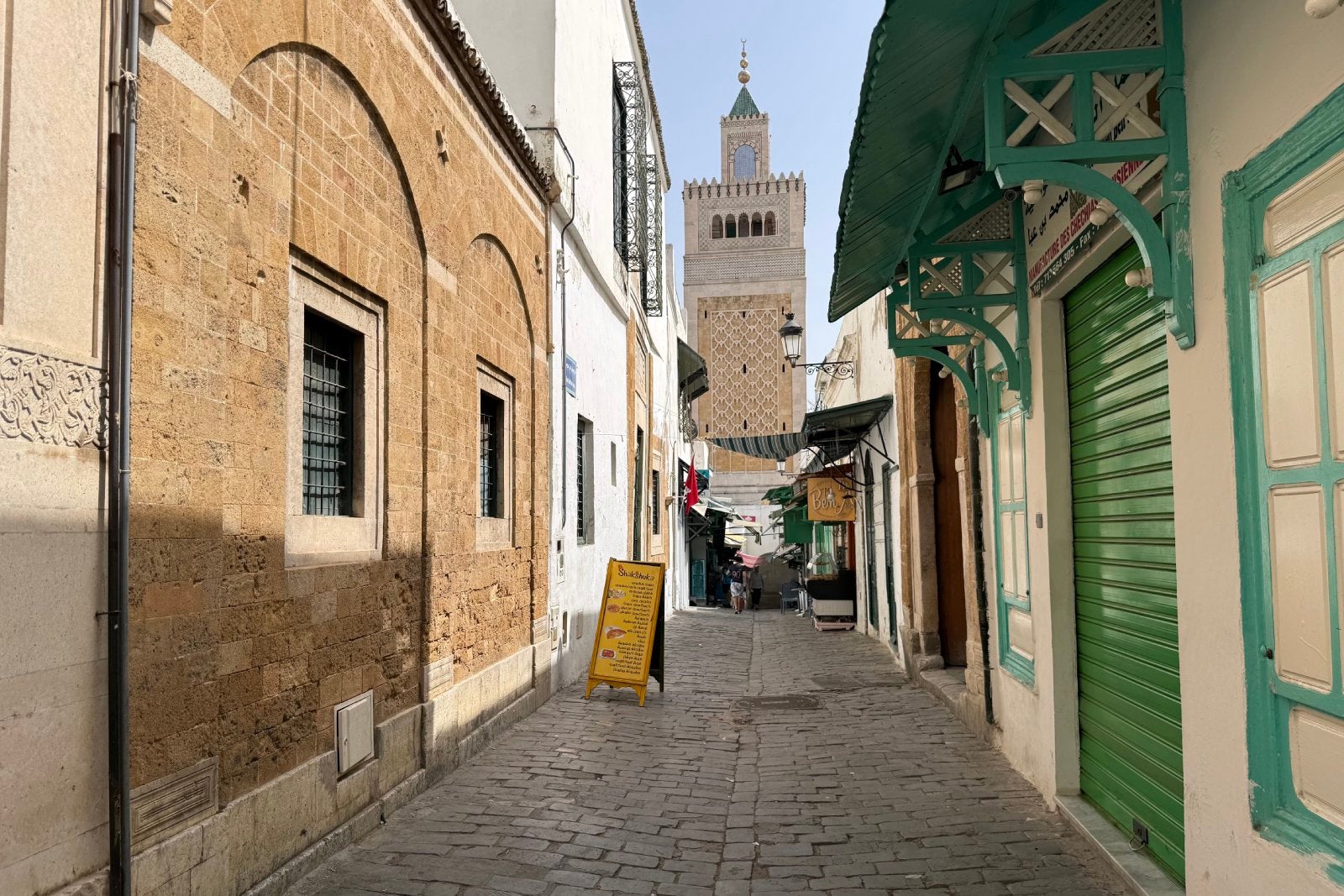
Keep in mind that most stalls in the medina are open from around 8 a.m. to 5 p.m., with more closed on Fridays and Sundays, so plan your visit accordingly. (Plus, many restaurants are closed for dinner on Sunday nights as well.)
Though some flights depart in the evening, I opted to take a connecting flight back to Paris in the morning and stay an extra night to avoid a rushed final day.
Bottom line
During my week-long road trip, I explored Tunisia’s ancient ruins, UNESCO-recognized Islamic architecture and otherworldly desert landscapes, many of which lie in the path of totality of the 2027 solar eclipse. Booking through Chase Travel maximized my Ultimate Rewards earnings, while the card benefits helped offset travel expenses along the way, like the $300 annual travel credit on tours, The Edit perks and $250 statement credit at the Four Seasons and primary rental car coverage through Avis. When I returned to New York, I was glad I had enrolled in Global Entry before my trip. The Sapphire Reserve's $120 Global Entry application fee statement credit helped offset the cost, and the program made reentering the U.S. much easier.
Learn more: Chase Sapphire Reserve