Bill Fink is a freelance travel writer for outlets including AARP, BBC Travel, Frommer’s, Lonely Planet, National Geographic, Outside, SF Chronicle, and Yahoo Travel. Among many writing awards, Bill won Lowell Thomas Golds for Investigative Journalism and Newspaper Travel, and his stories have been included in The Best of Lonely Planet Travel Writing, Travelers’ Tales Best Travel Writing and the Best American Travel Writing.
July 22, 2022 • 7 min read
The cards we feature here are from partners who compensate us when you are approved through our site, and this may impact how or where these products appear. We don't cover all available credit cards, but our analysis, reviews, and opinions are entirely from our editorial team. Terms apply to the offers listed on this page. Please view our advertising policy and product review methodology for more information.Editorial disclaimer: Opinions expressed here are the author's alone, not those of any bank, credit card issuer, airline or hotel chain, and have not been reviewed, approved or otherwise endorsed by any of these entities.
Comments
By commenting, you agree to our Community Guidelines to help create a positive space for conversation. The responses below are not provided or commissioned by the bank advertiser, our partners, or The Points Guy (“TPG”). They have not been reviewed, approved, or otherwise endorsed by any of these parties. All responses are submitted by individual contributors, and neither the bank advertiser, our partners, nor TPG are responsible for ensuring that all posts and/or questions are answered.
Related stories
Quick summary
Travel disruptions are rising due to canceled flights, baggage issues and company bankruptcies, making travel insurance increasingly important.
Standard travel insurance and credit card travel protections may not always cover losses if a travel provider goes bankrupt.
Some travel insurance policies specifically include coverage for financial default or bankruptcy of airlines, cruise lines or tour operators, but terms and exclusions vary.
Reading the fine print and purchasing the right policy soon after booking can improve your chances of being protected.
What to consider
Policies covering bankruptcy often require purchase within a set window after your first trip payment, such as 14 days.
Coverage may only apply if the travel provider is on the insurer's list of covered suppliers and if operations cease after your policy's effective date.
Benefits may be limited or unavailable if alternate transportation is offered or if the policy was purchased through the affected provider.
What you'll miss from the article
Detailed guidance on evaluating travel insurance policies for bankruptcy coverage and understanding specific eligibility requirements.
Generated by AI with support from our editorial team.
Update: Some offers mentioned below are no longer available. View the current offers here.
With airport meltdowns, record numbers of canceled flights and baggage problems multiplying, travelers are facing unprecedented levels of disruptions this summer. Because of this, travel insurance is increasingly becoming an essential part of trip planning for people keen on protecting their vacation investments.
These are not the only reasons why you should consider travel insurance, though. There's a new concern you'll want to be mindful of as you browse travel insurance plans and review the fine print of policies: bankruptcy.
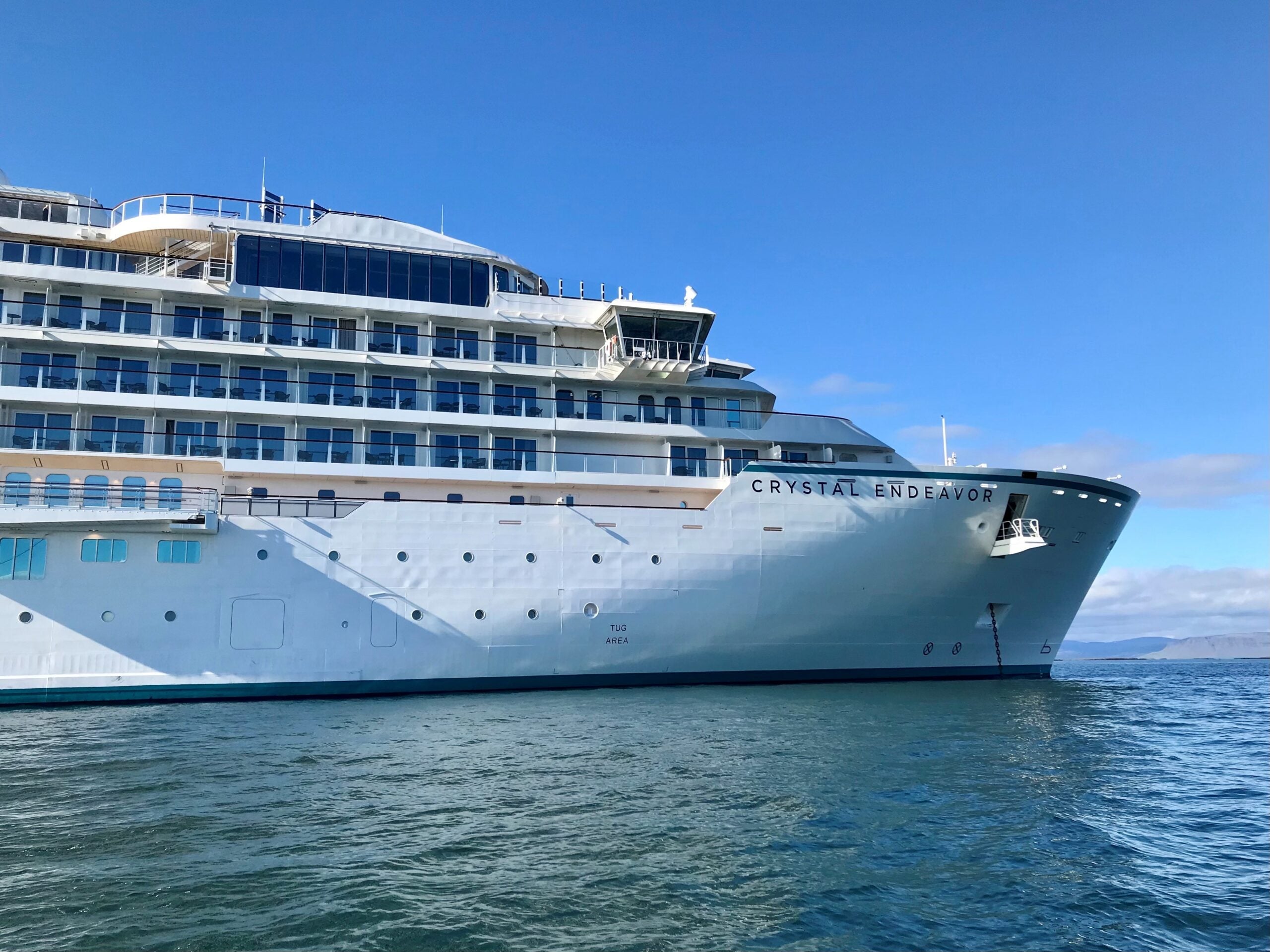
After two travel companies, Scandinavian Airlines and Crystal Cruises, recently announced they were bankrupt, some customers not only found themselves with canceled trip plans, but also with no way to get refunded due to the companies entering bankruptcy protection.
If you find yourself in a similar situation where an airline, cruise company or other travel operator ceases operations, what can you expect when it comes to recouping your investment if you have travel insurance? Will you get your money back, or are there certain bankruptcy scenarios where you may lose your investment?
TPG looked at different situations and coverage options to help you decide which plan is best for you.
Why you may need bankruptcy travel insurance
Crystal Endeavor. (Photo by Gene Sloan/The Points Guy)
Like any company, a travel group like an airline, a tour company or a cruise line can go bankrupt. When a company enters bankruptcy protection, customers who have paid for trips are often left with no choice but to join a long line of creditors waiting for reimbursement. Because the amount they're owed is significantly less than other affected parties like banks, they will likely be low on the reimbursement list, meaning it could take a considerable amount of time for them to get their money back.
Even travelers who have credit card travel insurance or a standard travel insurance policy may be out of luck when it comes to having their costs covered, as many credit card companies introduced language in recent years that specifically excludes coverage in the event of vendor bankruptcy or the cessation of operations. For example, the current exclusions for the Chase Sapphire Preferred Card include a note that the card does not cover you in the case of "Financial insolvency of the Cardholder’s travel agency, tour operator, or travel supplier."
Other cards, like The Platinum Card® from American Express, do not have specific exclusions due to vendor bankruptcy but do note that their travel insurance policies will not cover a flight disruption in the event of an industrial action (like a labor strike) that "has commenced or has been announced prior to booking a Covered Trip."
So what will happen if you run into a bankruptcy issue this summer? You'll face a lot of uncertainty, if you don't have a policy that covers bankruptcy.
Anna Chiu, who planned to fly on SAS from California to Germany with her family of six this week, told TPG how nerve-wracking it's been trying to get her money back from the newly bankrupt airline.
"It's been very stressful," Chiu says. "They just canceled our flight two days before departure. Supposedly we are able to get a refund and a reimbursement for the difference in the new flight with a different airline, but we will see what that shakes out to be."
Finding new flights with enough seats grouped together to accommodate a family with small children (as in Chiu's situation) is extremely difficult at a time when everything related to travel is overbooked and expensive, to say the least. For those who are unable to secure replacement flights, the situation has the potential to force them to cancel their entire vacation, resulting in additional losses for prepaid activities and lodging.
This is where travel insurance policies that cover bankruptcy can prove incredibly useful. While you may still lose some money due to listed exclusions to that policy's bankruptcy coverage, you'll at least recoup some of your investment.
"Typically, the plan will cover financial default of the cruise line, airline or tour company with which you will be traveling; travel agencies are usually not included," InsureMyTrip, a travel insurance marketplace, says on its website.
How to know if your travel insurance policy covers bankruptcy
Examine the fine print of your insurance contracts. (Photo by peepo/Getty Images)
Given the unsettled nature of everything related to travel right now, it's certainly plausible that additional travel vendors will face bankruptcy or financial meltdowns. To be prepared for those situations, you should consider travel insurance policies that specifically cover bankruptcies.
For example, Allianz Global Assistance states that its policies "can help in some cases of businesses ceasing operations due to financial conditions, which may or may not include bankruptcy if it meets certain conditions," according to its website.
Of course, exceptions and conditions may apply, even to policies with this kind of coverage. In the case of Allianz Global Assistance, these eligibility qualifiers are noted on the Allianz website:
Your policy must have been purchased within 14 days of the date of the first trip payment or deposit.
The cessation of operations must occur more than seven days after your policy’s coverage effective date.
Your policy was not purchased directly through the tour operator, airline or cruise line ceasing operations, or an affiliate of that entity.
The tour operator, airline or cruise line was included in the company's list of covered suppliers on your policy’s coverage-effective date.
Seven Corners, another travel insurance provider, also offers coverage if there's "financial insolvency or default" with a vendor via its RoundTrip Travel Protection policy. However, the company notes that benefits will be paid "only if no alternate transportation is available," according to the Seven Corners website. "If alternate transportation is available, benefits will be limited to the change fee charged to allow you to transfer to another airline in order to get to your intended destination."
For other companies' travel insurance policies, you may find that you're "covered by the Financial Default benefit if your airline, or other travel supplier, completely suspends operations for financial circumstances," according to Squaremouth, an online insurance marketplace. "The Financial Default benefit is included within some travel insurance policies to reimburse your prepaid and non-refundable trip expenses if your travel supplier suspends services due to financial circumstances, whether or not bankruptcy is filed," the company says on its website.
The key to knowing whether the plan you're considering covers bankruptcies is to read the fine print so you know exactly what the coverage areas, terms and conditions are for that particular policy.
Several big-name travel industry vendors have declared bankruptcy in the past year, including SAS and Crystal Cruises. With the ongoing volatility in the travel industry, the odds are higher than usual that more companies may need to cease operations due to financial or operational problems. If such shutdowns happen, customers will face significant travel disruptions, at the very least.
Purchasing travel insurance policies with specific clauses covering vendor bankruptcies is a good way to protect yourself against the risk of losing money, but not all plans are created equal. Before deciding on a policy, be sure to read the fine print and connect directly with a travel insurance company agent to answer specific questions you may have.
While it may require a little more effort on your part to ensure you're protected, the added peace of mind you'll have will go a long way in helping you enjoy your vacation — or minimizing headaches, should an unexpected situation like a company going bankrupt arise.
By commenting, you agree to our Community Guidelines to help create a positive space for conversation. The responses below are not provided or commissioned by the bank advertiser, our partners, or The Points Guy (“TPG”). They have not been reviewed, approved, or otherwise endorsed by any of these parties. All responses are submitted by individual contributors, and neither the bank advertiser, our partners, nor TPG are responsible for ensuring that all posts and/or questions are answered.