

The travel industry was among many rocked by a year of uncertainty in 2025 — and that trend isn't going anywhere in 2026. A nexus of inflation concerns, consumer pullbacks on travel spending, drops in overseas visitors and burgeoning trade wars have U.S. consumers and businesses alike wondering what next year has in store. The reverberating impacts of the recently concluded longest government shutdown in history — with the underlying disputes that caused it simply deferred to early 2026 — certainly do not bolster consumer confidence.
Among the many trends we're watching, the repercussions of the current administration's policies appear poised to leave a lasting mark on travel in 2026.
US policy impacts travel spending
For starters, concerns over extra screening at U.S. borders and heightened Immigration and Customs Enforcement activity in major U.S. cities have some foreigners reconsidering travel to America. Enhanced procedures at border entries and ICE crackdowns in multiple metropolitan tourist destinations — including New York City, Los Angeles, Chicago and New Orleans — have sparked safety concerns for travelers, especially for international visitors and non-U.S. citizens.
According to data from the U.S. Travel Association and Oxford Economics, inbound visits to the U.S. are likely to fall by 8.2% year over year (after a steep 14% drop in the first half of 2025 alone). That may not sound like much, but it represents billions of dollars in lost economic activity. Also, it's driven by much larger drop-offs from longtime pillars of the U.S. tourism industry.
Canada is a prime example. The same Oxford Economics data suggests a 33.9% year-over-year drop in land crossings from Canada in August, with air arrivals at a similar 25.4% decline that same month. Travel demand from Europe is also taking a hit: Bloomberg noted a drop of about 11% in Europeans coming to America this fall, according to data from aviation analytics company Cirium.
Somewhat predictably, this is expected to have a real impact on the U.S. economy. The U.S. Travel Association suggests that, if trends hold, the American economy will suffer a $21 billion economic hit from the loss of travel-related exports. According to the U.S. Travel Association, international travelers spend an average of $4,000 per trip in the U.S., which is a stunning eight times more than Americans traveling domestically.

Takeaway for TPG travelers
Aside from the ripple effect of lessened international travel on a fragile economy, this decline in demand could also more directly impact TPG travelers' plans. Softening demand from abroad means airlines have begun altering their routes accordingly:
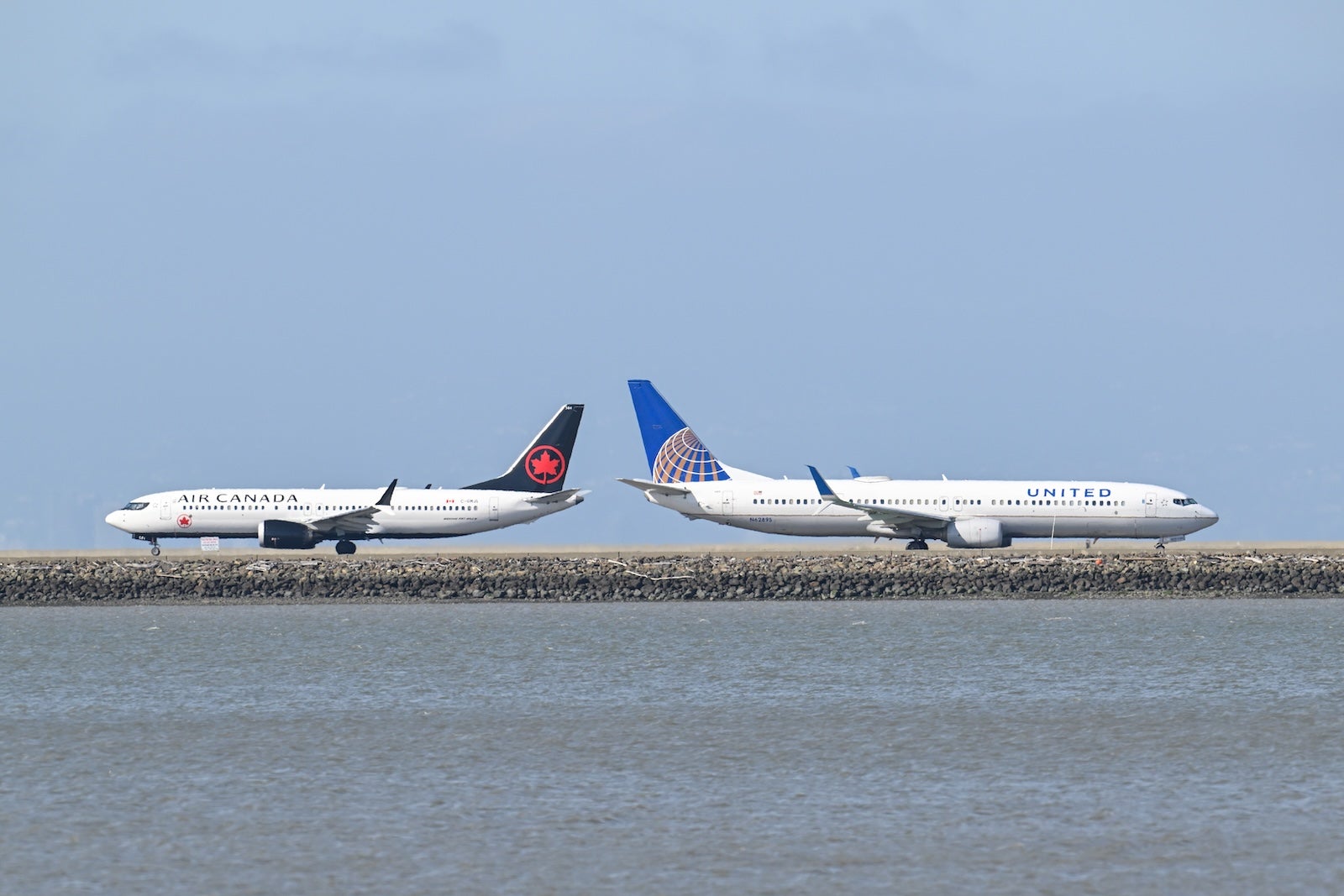
- Air Canada has already dropped multiple routes to the U.S. for the 2025-26 winter season as Canadians look to other destinations, such as the Caribbean and Mexico, amid tensions with the Trump administration.
- Norse Atlantic Airways cut half its transatlantic routes this year, following a trend among budget airlines.
- Delta Air Lines cut its route between Geneva Airport (GVA) and New York City's John F. Kennedy International Airport (JFK), explicitly citing "[disappointment] in terms of the transatlantic results" among economy-class flyers to the U.S. over the summer.
However, while certain routes will undoubtedly shift in 2026 as airlines respond to softening demand from international travelers, outbound travelers shouldn’t experience widespread cuts to popular destinations. Outbound international travel demand remains high. In fact, while the number of international visitors to the U.S. dropped year over year, the number of U.S. citizens traveling abroad has increased 4.6%, according to a midyear assessment from the National Travel and Tourism Office.
So, rather than blanket cuts, expect widespread pivots to accommodate changing demand. In a European context, for example, this might lead to a shift away from routes that traditionally bring travelers stateside (like the GVA-JFK route) and toward outbound hot spots in southern Europe.
Your dollar may not go as far in 2026
Inflation, tariff policies and other economic uncertainties have all contributed to a drop in the value of the U.S. dollar and the strength of the U.S. passport abroad. In the first half of 2025 alone, the value of the U.S. dollar dropped 10.7% — the largest six-month dip since 1973.
A weakening U.S. dollar means your money may not go as far in 2026 when abroad. For example, in 2024, $500 in the eurozone (which had an average exchange rate of $1.08 to 1 euro throughout the year) would have given you approximately 463 euros in value on average.
As we head into 2026, the exchange rate has stabilized in the much less favorable range of $1.15 to 1 euro — and that same $500 now yields only 432 euros in value. Many foreign exchange strategists expect this disparity to widen further next year, to a $1.20 to 1 euro rate by mid-2026. And while the exchange rate crossing the Atlantic might look particularly difficult on travelers' wallets, a weakening dollar seems to be the name of the game around the world next year.
However, the problems start before you even cross the U.S. border. A sharp (and somewhat unpredictable) rise in tariffs means less money in consumers' wallets from the start — and, thus, less money to play with on vacation.
While tariffs are properly understood as a tax on imports paid by the business doing the importing, the real cost usually rolls onto the consumer purchasing those goods in the form of higher shelf prices. In this case, that means the American consumer. In fact, data from Goldman Sachs finds that American consumers are already shouldering roughly 55% of the cost burden for the Trump administration's tariff increases this year.
An across-the-board increase in tariffs doubles down on inflationary effects at home, leaving Americans spending more on daily necessities. Coupled with a weakening dollar abroad, it seems likely that many American travelers will fall into a double bind in 2026: Your dollar will not buy as much once you get abroad, but you'll also have fewer dollars with which to go abroad in the first place.
To add to the uncertainty, it seems possible that the Supreme Court could reverse the Trump administration's tariff policies in the near future. While this could alleviate some of the pressure on American consumers, we will likely continue to see the ripple effect of the start-and-stop implementation of 2025 tariff policies on prices and consumer spending habits throughout 2026.
Takeaway for TPG travelers
Murky expectations regarding inflation and economic hardship (particularly regarding expenses like energy consumption and health care costs) paired with the uncertainty about how tariffs will further impact the price of goods have prompted changes in spending habits as we head into 2026. In a summer poll conducted by TPG and YouGov, 39% of all respondents said they already planned to spend less on travel in 2026.
Of course, economic winds can always change. While the first half of 2025 saw the dollar tumble historically, small rebounds later in the year helped lessen the blow. The U.S. dollar now appears likely to end the year at around a 9% loss — not great by any means, but not as bad as the 10.7% figure at summertime lows.
For the average consumer, though, the name of the game will be stretching that dollar as far as it can go. To that end, you may want to focus your international trips on offseason travel and destinations where the dollar is expected to retain a favorable position. Destinations like Brazil, Poland (which is not in the eurozone), Central America, the Caribbean and Southeast Asia are expected to rally somewhat against the dollar but still remain fairly favorable for the American traveler.

Meanwhile, it may make sense to consider more affordable alternatives to trips to countries that are expected to post record strengths against the dollar (such as the eurozone and the U.K.) or to countries where inflation and economic swings can wipe out surface-level dollar advantages (such as Argentina).
The industry at large: Weathering change and pivoting to premium
At the macro level, the travel industry has weathered the shocks of 2025 in a surprisingly resilient way — mostly on the backs of premium flyers. The steep drops in demand we saw at the beginning of the year did not continue into the summer and fall; in fact, major U.S. airlines say premium demand has held up well despite some drops in sales in the back of planes. For example, Delta raised guidance in its third-quarter earnings report, stating that 2025 would turn out better than initially expected and demand for 2026 looked "robust."
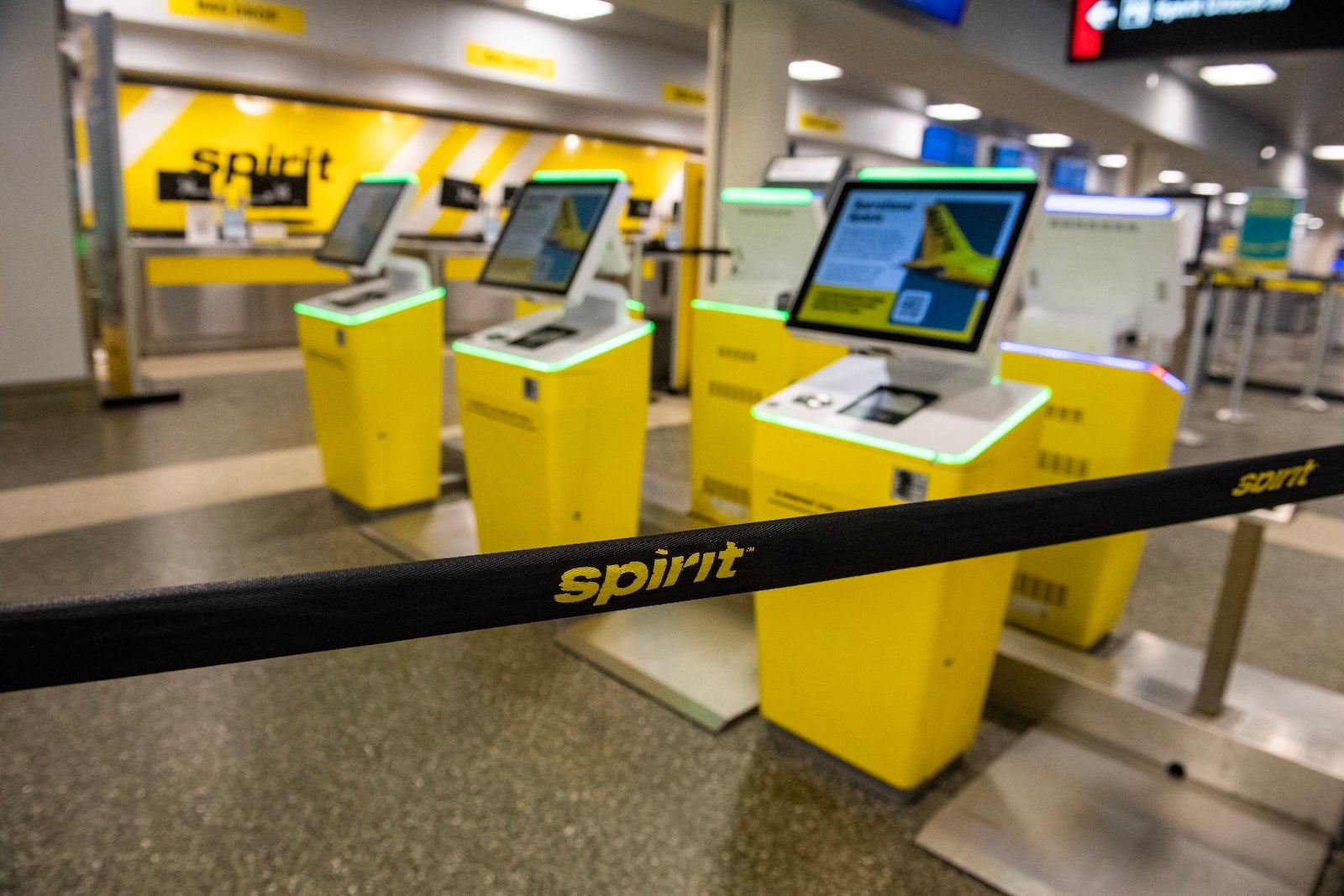
However, for low-cost carriers, it's been a very different story. Spirit Airlines declared bankruptcy for a second time in 2025, and other budget carriers are struggling, too.
We may be seeing a tale of two demand pictures heading into 2026: Affluent consumers continue to spend big on travel, but there has been an erosion in demand from middle- and lower-middle-class travelers. That helps explain why traditionally lower-cost airlines, such as Frontier Airlines and Southwest Airlines, are increasingly targeting premium consumers.
Similarly, Delta CEO Ed Bastian pointed out the trend toward premium cardholders and travelers directly in October. "[Delta has] been acquiring a record number of premium cardholders," he said. "The mix of those [card] acquisitions is skewing higher and higher in terms of reaching a more premium audience." Accordingly, Delta has followed the money in its push toward high-end travelers this past year.
Takeaway for TPG travelers
Of course, it's a relief that the travel industry as a whole has not entered a tailspin. But while this is good for investors, it won't necessarily ease travel pains for the average consumer. Rather, a wholesale pivot toward premium means budget travelers may have to dig deeper to find those golden deals. It's critical to have a smart points strategy and a command of deal-tracking tools like Google Flights as we head into 2026.
One bright spot: That weakening international demand for flights to the U.S. could mean some fantastic deals in 2026 as airlines try to fill existing seats.

Bottom line
The industry's worst fears from the beginning of 2025 — when airlines issued earnings warnings and worried about reduced demand — haven't panned out so far. Overall travel demand has held up relatively well, buoyed by a thirst for travel at the premium end.
Still, consumers face many headwinds, including inflation, ongoing tariff fights, a declining dollar and dropping international demand for travel to the U.S. A cohesive points strategy is more important than ever, especially for budget travelers who rely on award travel to help their vacation dollars stretch further.
So far, the economy and the travel industry as a whole have been remarkably resilient, all things considered, but 2026 will provide a clearer picture of the rapid-fire changes shaking out in the U.S. government and travel ecosystem. Travelers will have to keep a close eye on developments in 2026 and adjust their strategies accordingly.
Related reading:
- The best time to book flights for the cheapest airfare
- Key travel tips you need to know — whether you're a first-time or frequent traveler
- Best travel credit cards
- 6 real-life strategies you can use when your flight is canceled or delayed
- 7 of the best credit cards for general travel purchases
- 13 must-have items the TPG team can't travel without