How to choose a sustainable African safari


Editor's Note
Going on an African safari can be the chance of a lifetime to see some of the world's most iconic wildlife up close, experience Earth's extraordinary untouched corners, learn about new cultures and reconnect with nature.
A safari trip can also be the opportunity to make sustainable, responsible choices about how and where you travel, and to maximize the impact your travel spending has on conservation, community and environmental programs in various destinations.
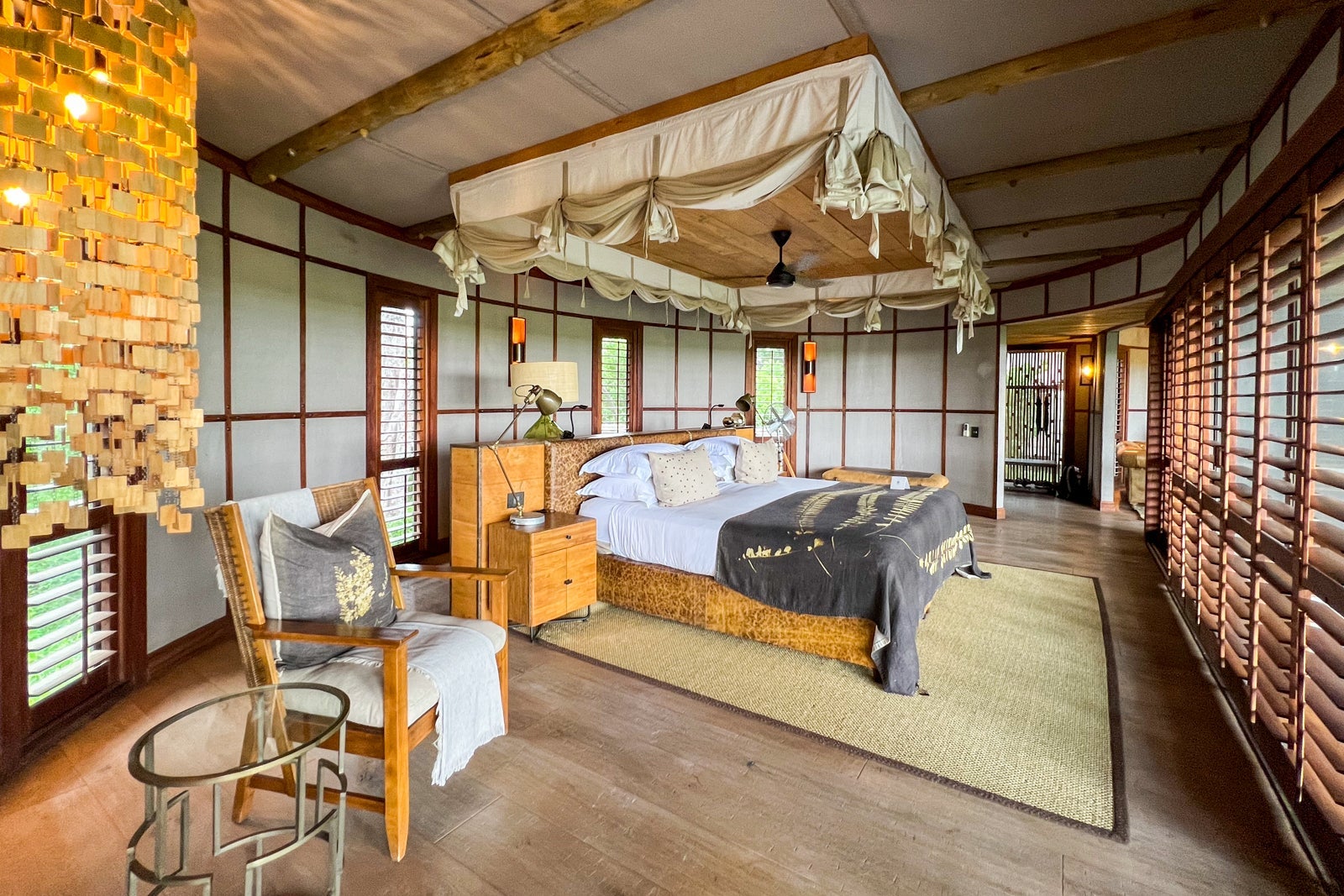
Many travelers decide where to go on safari in Africa based on their schedules and the seasonality in individual regions — both in terms of the weather and the animals they will most likely see. Others focus on sighting specific species, resulting in visits to places like Rwanda or Uganda to trek and see mountain gorillas or trips to destinations like Kenya to observe the endangered pachyderms at a rhino sanctuary.
Sustainability can be another excellent factor in determining where you should go on safari, though. Many of the most reputable safari outfitters and camps put sustainability front and center in their operations, combining environmental practices, conservation commitments and community outreach to create the ultimate holistic travel experience.
Doing a little research on the regions you are considering for a safari and the specific tour operators and lodges in your chosen location can make a huge difference in the effect your tourism dollars have on things like wildlife preservation campaigns, economic development in local villages and minimizing the overall environmental footprint of your individual journey.
Unlike some other forms of travel that let you book certain components — flights, hotels, cruises, etc. — a la carte by yourself, many safari companies require you to book the bulk of your trip (if not all of it) through them or a partner agency or operator. Because of this, you can ask these representatives about their sustainability track records and even specific programs while planning your trip. Any reliable operator should have materials on hand to send you to help you make your decision.
Here are some of the factors you can investigate to determine just how sustainable your safari can be, plus some of the safari companies undertaking meaningful measures in this sphere by weaving principles of environmental consciousness, wildlife protection and community development into their core ethos and operations.
Eco-sensitive camps
For North American and European travelers, going on an African safari typically necessitates carbon-intensive long-haul flights and sometimes additional bush flights to reach remote regions. In order to limit the rest of your carbon footprint while on safari, look into the eco-credentials of the camps or outfitters you are considering.
Many safari camps, for instance, now run mostly or even entirely on solar power. At both andBeyond Nxabega and andBeyond Xaranna in Botswana's Okavango Delta, 80% of the camps' total electricity consumption is supplied by solar photovoltaic plants and Tesla Powerpack battery energy storage systems.

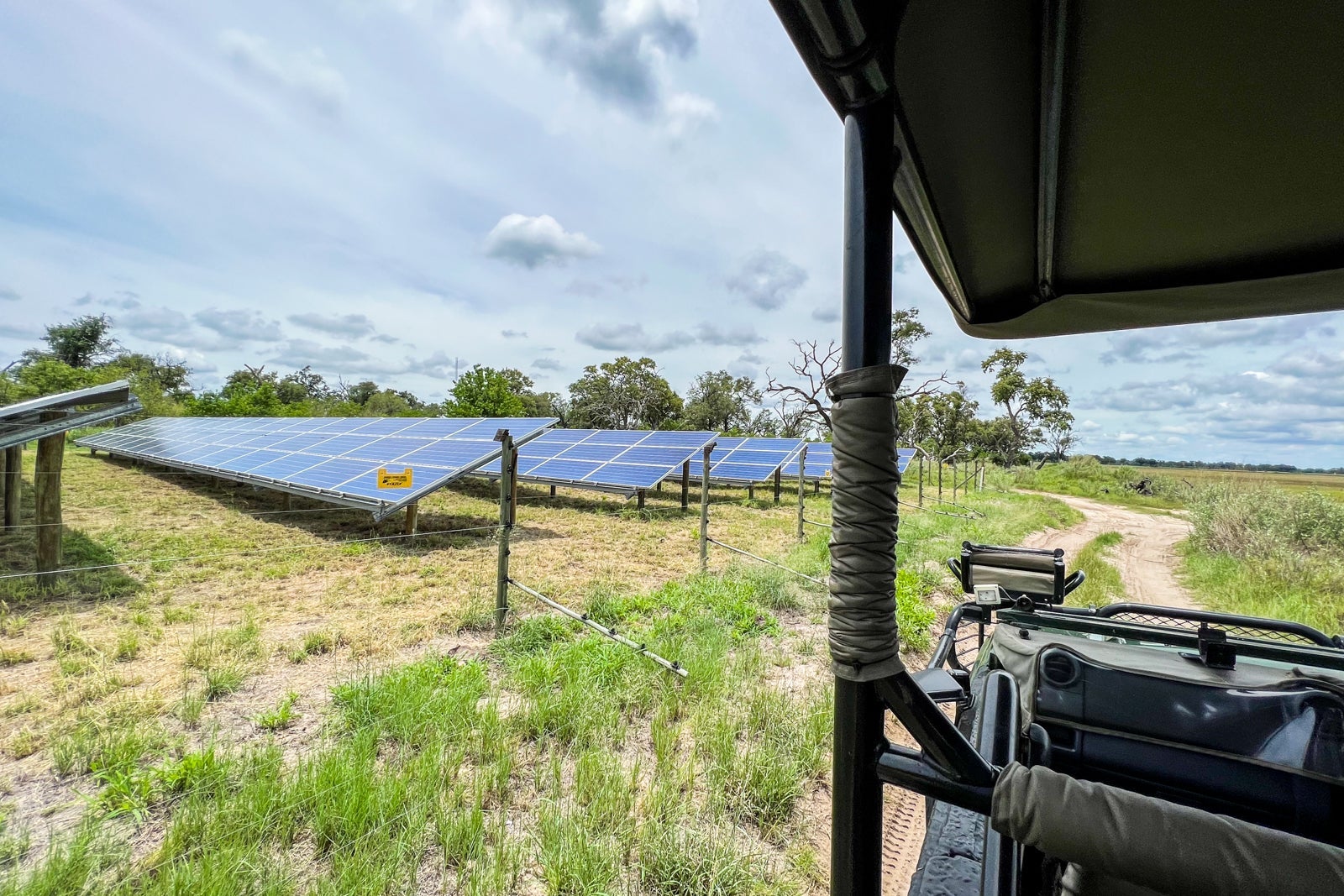
Nearby, Wilderness' Chitabe and Mombo camps run on 100% solar (as do 17 of the company's other camps), and Wilderness has plans to retrofit and invest in further solar power for all new camps and camp refurbishments. Not only is that great for the environment, but it's also the best means of ensuring an uninterrupted power supply to guests in an area with little other infrastructure.
Cheetah Plains, an exclusive-use safari villa in South Africa's Sabi Sand Nature Reserve, now uses Toyota Land Cruiser electric safari vehicles with Tesla batteries that are charged via solar power to whisk guests across the reserve's thousands of acres, creating a zero-emission game drive.
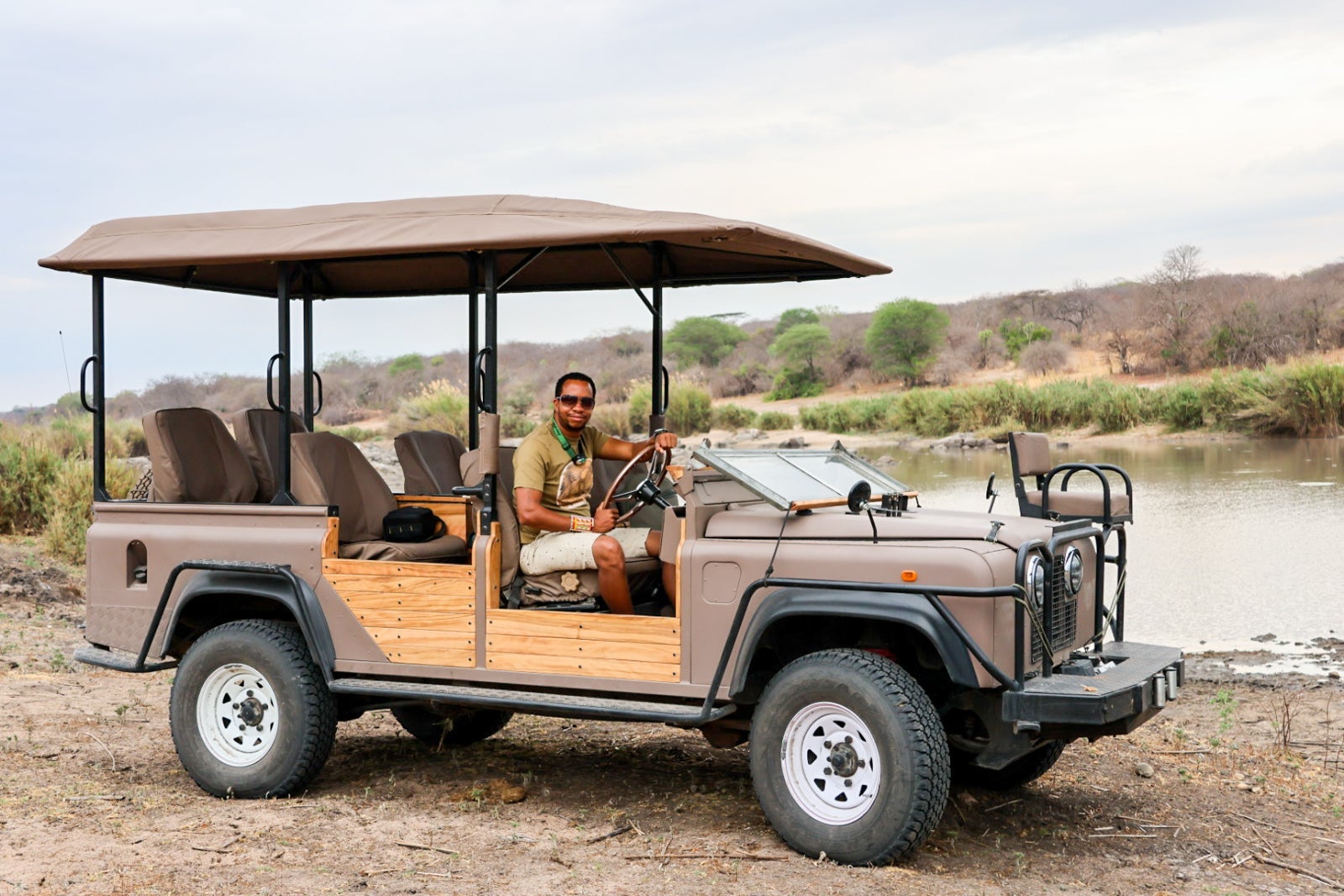
In Tanzania's Ruaha National Park, Usangu Expedition Camp is steering a different path, developing safari vehicles that run on ethanol, which is derived from molasses produced in the southern part of the country, instead of diesel. The staff even calls the vehicles "Gongos," a type of traditional Tanzanian gin, since the ethanol looks and smells like the spirit.
But alternative power and fuel are just the start. For its part, Chitabe recycled the wood from an old set of raised walkways to create a chic bar and lounge area for its current guests. What's old is new again ... and looking better than ever.
Many recently built and forthcoming safari camps are being constructed using both traditional materials and techniques, such as thatching and weaving completed by local artisans, and up-to-the-minute technologies like 3D printing and innovative recycling methods utilizing salvaged materials to limit their physical footprint.
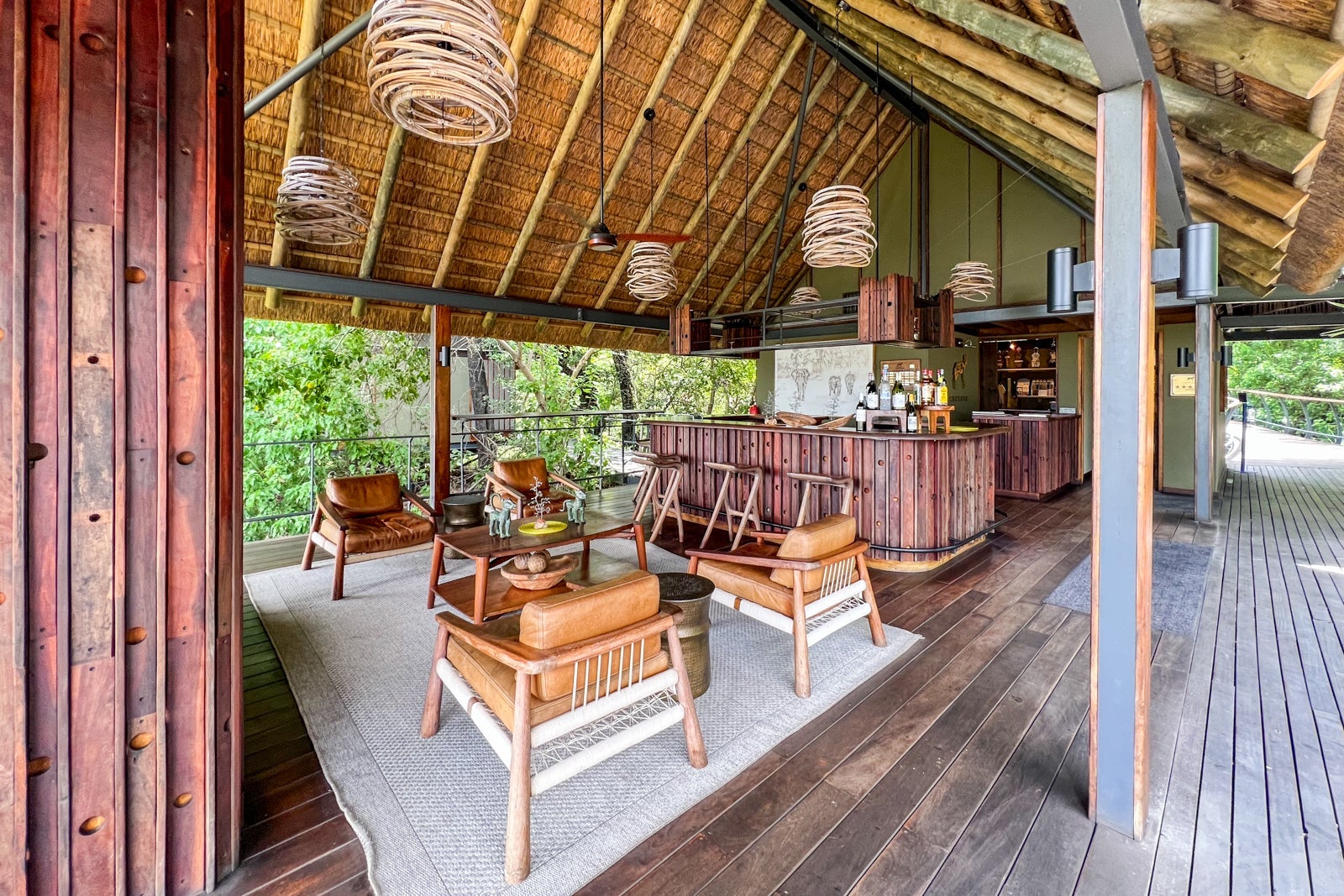
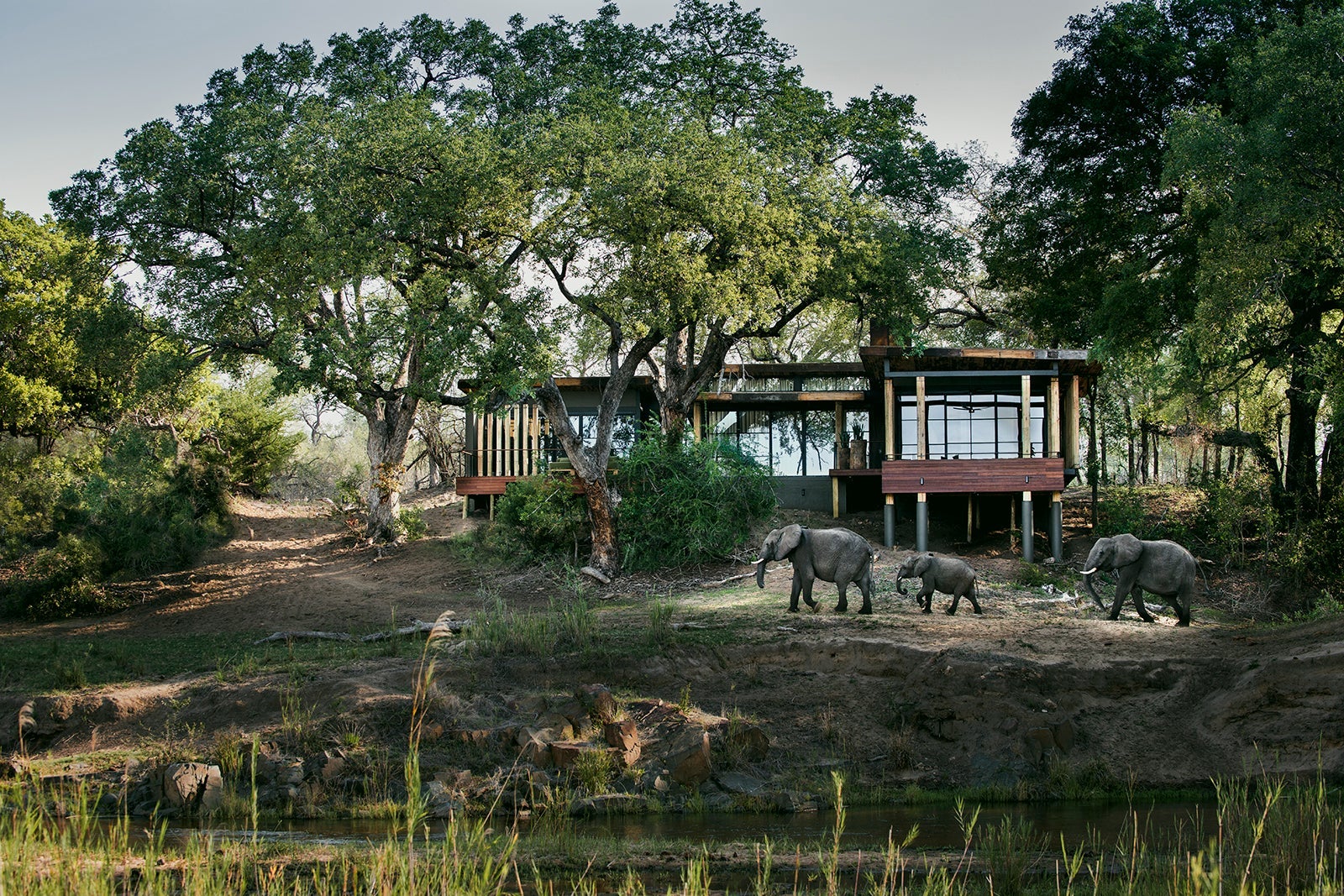
Time + Tide Chinzombo in Zambia's South Luangwa National Park was designed to be completely dismantled if necessary so as to leave a minimal trace on the landscape, and Wilderness is currently constructing a new tented camp in Botswana's Mbabe concession called Mokete that can be completely disassembled as if it had never been there.
Simple measures can have a large impact as well. Camps like Wilderness' DumaTau and sister Little DumaTau in Botswana's riverine Linyanti region provide guests with Healing Earth's all-natural, biodegradable bath and body products during their stay to minimize harmful runoff from the camp's water management system.

For its part, the Elewana Collection of lodges in Kenya and Tanzania launched its "Ban the bottle" initiative in 2018, giving guests reusable water bottles that they can fill up at stations in the camps. The outfitter estimates that doing so in just six of its Kenyan lodges saves around 160,000 plastic bottles from going into landfills each year.
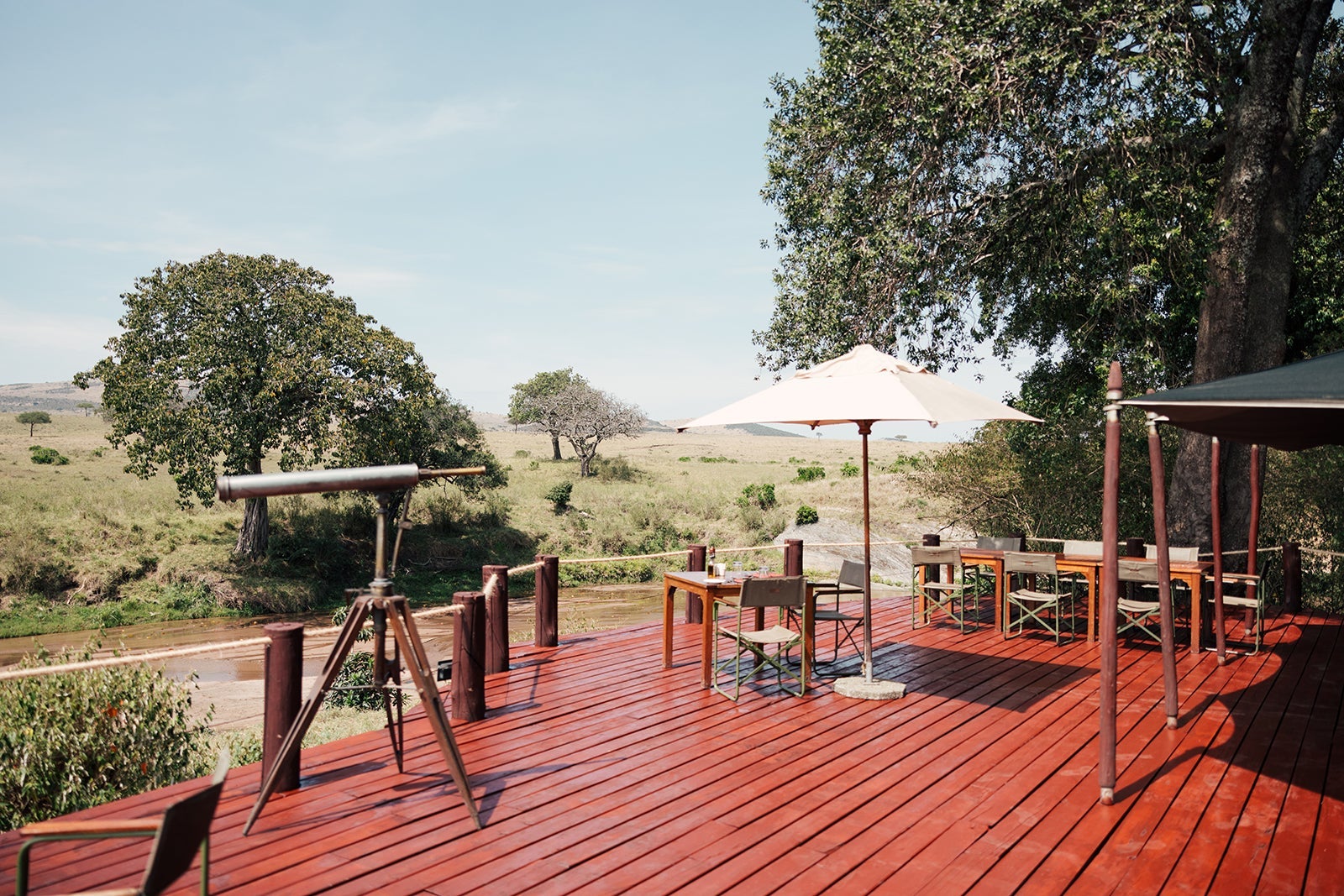
Elewana also dropped plastic straws the following year. Even more fun for Elewana guests is the opportunity to toss out seed balls (little nutrient packs that encase seeds of Indigenous plants) during a walk or game drive somewhere along their journey so they're doing their little part to help revegetate the wild places they are enjoying.
Wildlife conservation
It seems obvious, but without wildlife, there wouldn't be safari camps. For that reason, many safari companies actively support and participate in wildlife conservation efforts, some of which are specific to individual regions while others are more widespread.
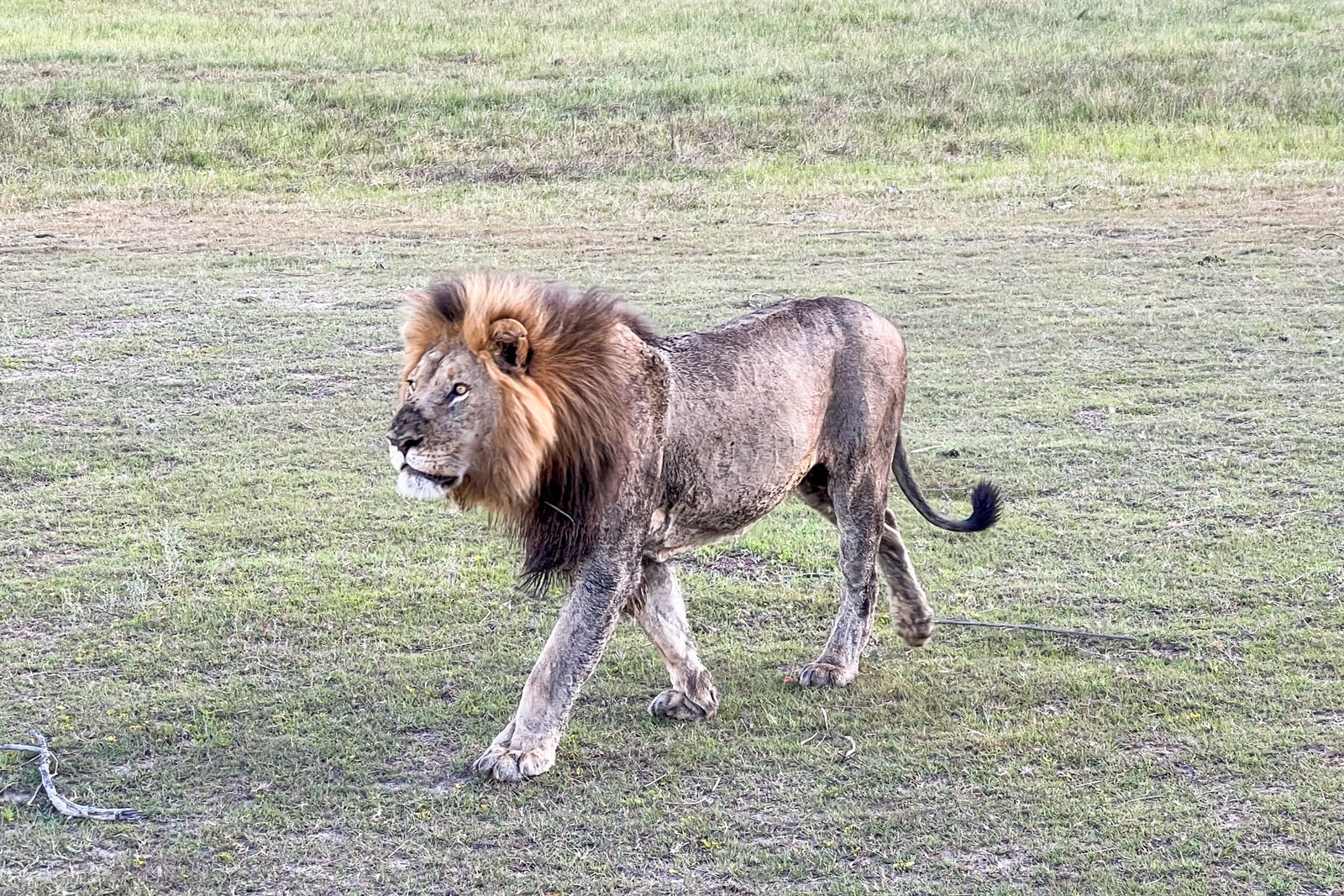
Guests at andBeyond's Tengile River Lodge and Kirkman's Kamp, which are near each other in South Africa's Sabi Sand Nature Reserve, can certainly get a thrill sighting the area's thriving lion and leopard populations on game drives. However, guests may not know that their guides are also logging those sightings and providing the information to Panthera, an organization dedicated to tracking and protecting big cat populations around the world.
Various other andBeyond camps, including Phinda Private Game Reserve and Ngala Safari Lodge, help fund rhinoceros anti-poaching units. Guests at Ngala can even observe researchers tagging rhinos' ears with microchips to help monitor the highly endangered animals. These are individual initiatives, but they are all part of andBeyond's overarching commitment to conservation and community projects that it supports through its Africa Foundation.
Likewise, Elewana Collection has a charitable arm called The Land & Life Foundation that underwrites various efforts such as the Wildlife Warrior Program, which has clubs in primary schools throughout Kenya and Tanzania. The children who join can take part in activities to learn more about environmental and animal conservation. The club currently counts around 2,200 members and even provides primary and secondary educational scholarships to many of them.
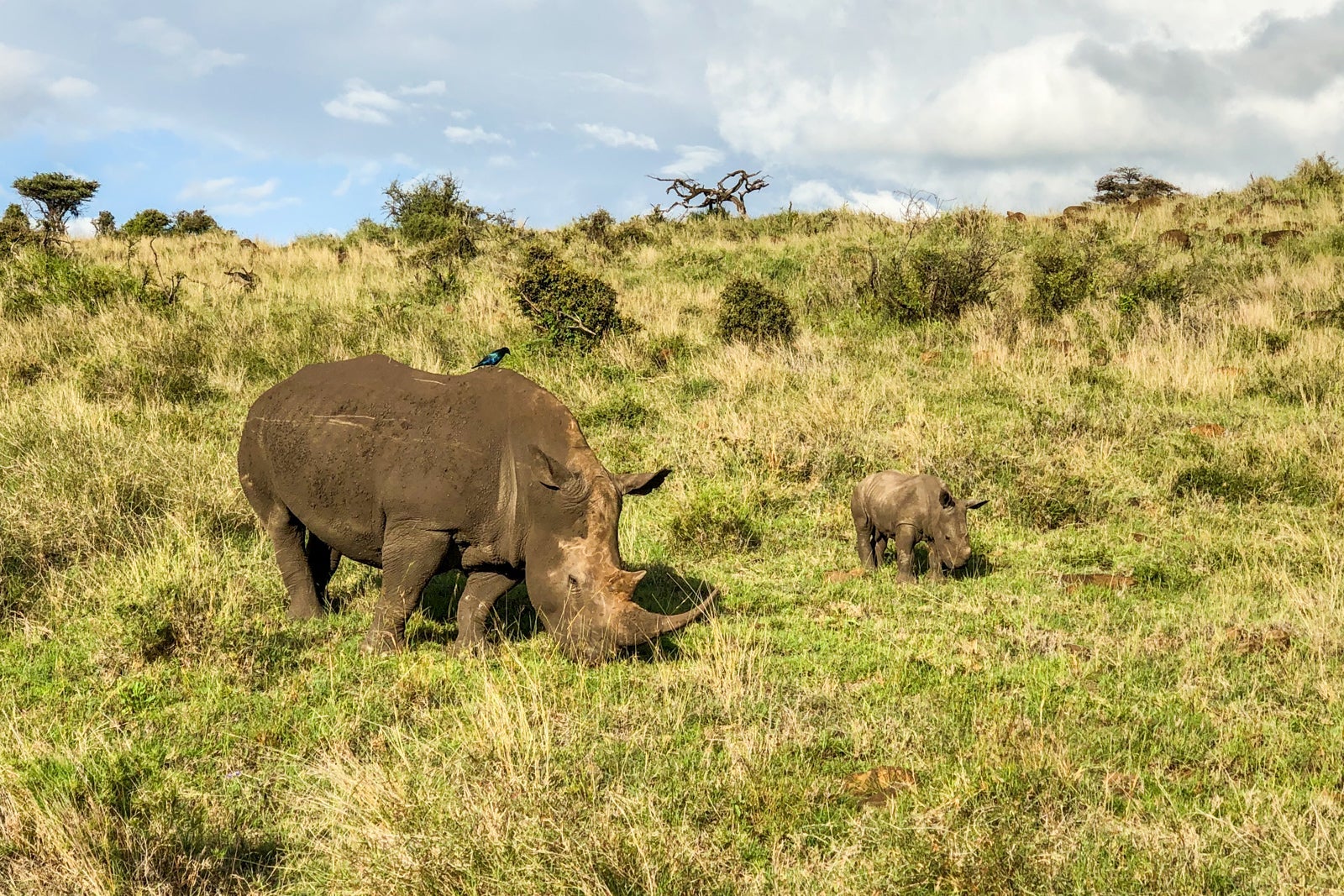
High-end safari company Singita, which has lodges in South Africa, Zimbabwe, Tanzania and Rwanda, established its Singita Conservation Foundation decades ago with a 100-year plan to protect Africa's wildlife and wilderness for future generations. These days, it partners with other nonprofit trusts and funds on a plethora of projects, including rhino reintroduction and protection in the Malilangwe Wildlife Reserve in Zimbabwe, land management and anti-poaching efforts in South Africa's Kruger National Park and combating invasive vegetation as well as helping in the recovery of megafauna like elephants and buffaloes in Tanzania's Serengeti National Park.
Community improvement projects
Without buy-in from local communities, conservation efforts would go nowhere. Those who live in or near game reserves and national parks need to benefit from the tourism revenue that these natural wonders generate. That's why many safari companies' conservation drives include community-based components.
One telltale sign that a safari company is supporting the communities where it operates in a meaningful way is simply through employment. Specifically, whether its camps employ people from the villages or regions that surround them in high proportions. Not only is this a boon for economic stability and growth in places that might otherwise be destitute, but it ensures that tourism dollars stay in the area and benefit the people who live there.
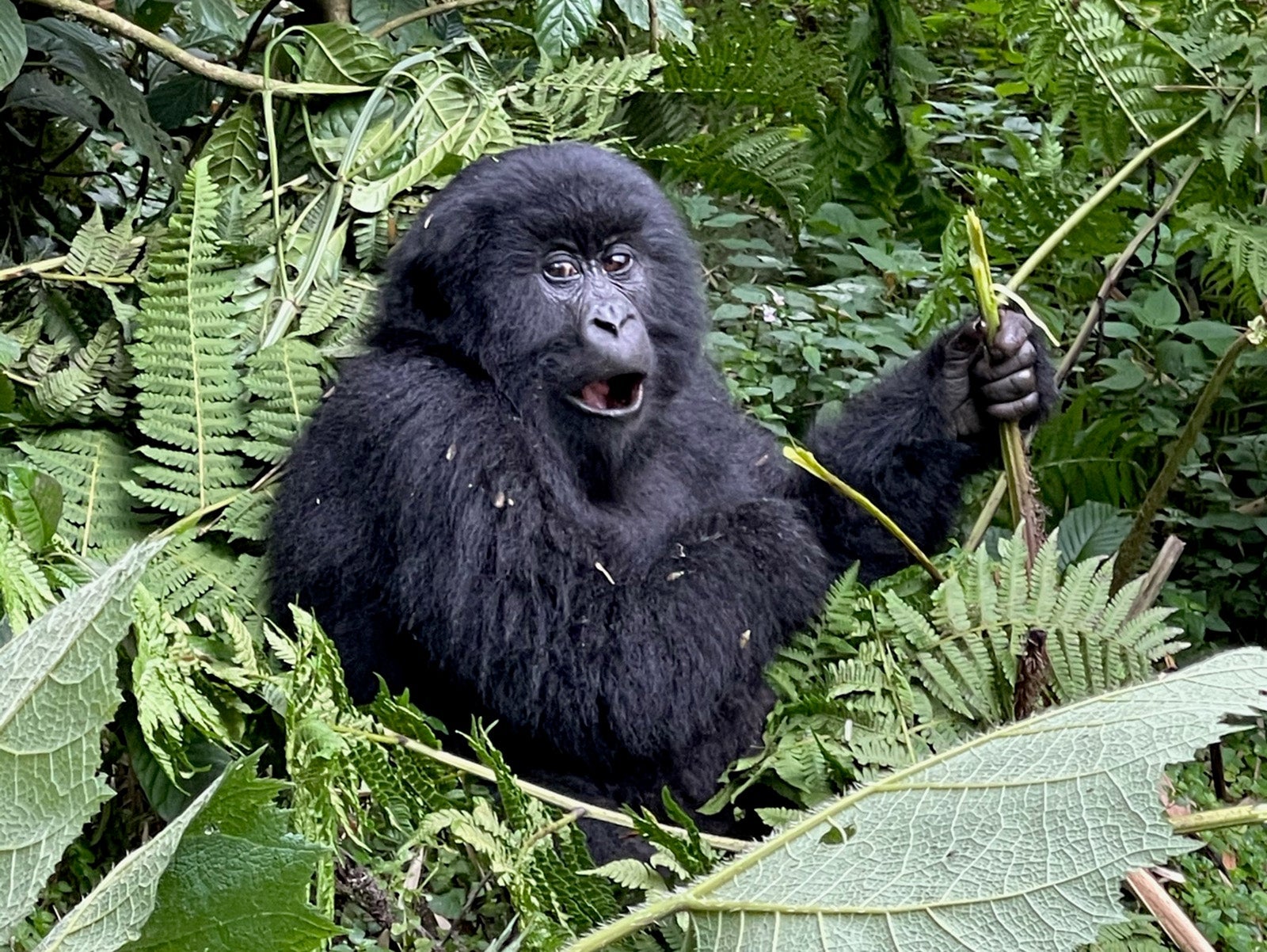
Many safari companies' commitments to communities go beyond employment, though. Praveen Moman, who grew up in Uganda before his family had to emigrate to the United Kingdom, founded Volcanoes Safaris in 1997, pioneering the high-end safari experience in both Uganda and Rwanda.
While the Volcanoes Safaris' lodges have become mainstays for both gorilla and chimpanzee trekking, it is perhaps the company's nonprofit organization, the Volcanoes Safaris Partnership Trust, that will be its most lasting legacy. The trust supports preservation efforts for the great apes of the region, but it also underwrites innovative, community-based programs that guests are encouraged to explore during their stays at the lodges.
"When I set up Volcanoes Safaris in 1997 in southern Uganda and then in 2000 in neighboring Rwanda, the area was just coming out of the Great Lakes conflict," Moman told TPG via email. "This experience made me realize how important it was to not only focus on the lodges we were building and the gorilla and chimpanzee experience that we wanted our guests to enjoy, but also that local people need to get tangible economic benefits from conservation and ecotourism for them to support the great apes."
"Therefore," he continued, "I felt that it was important that the lodges should be connected to the communities around them. In each lodge, we have set up different community projects."
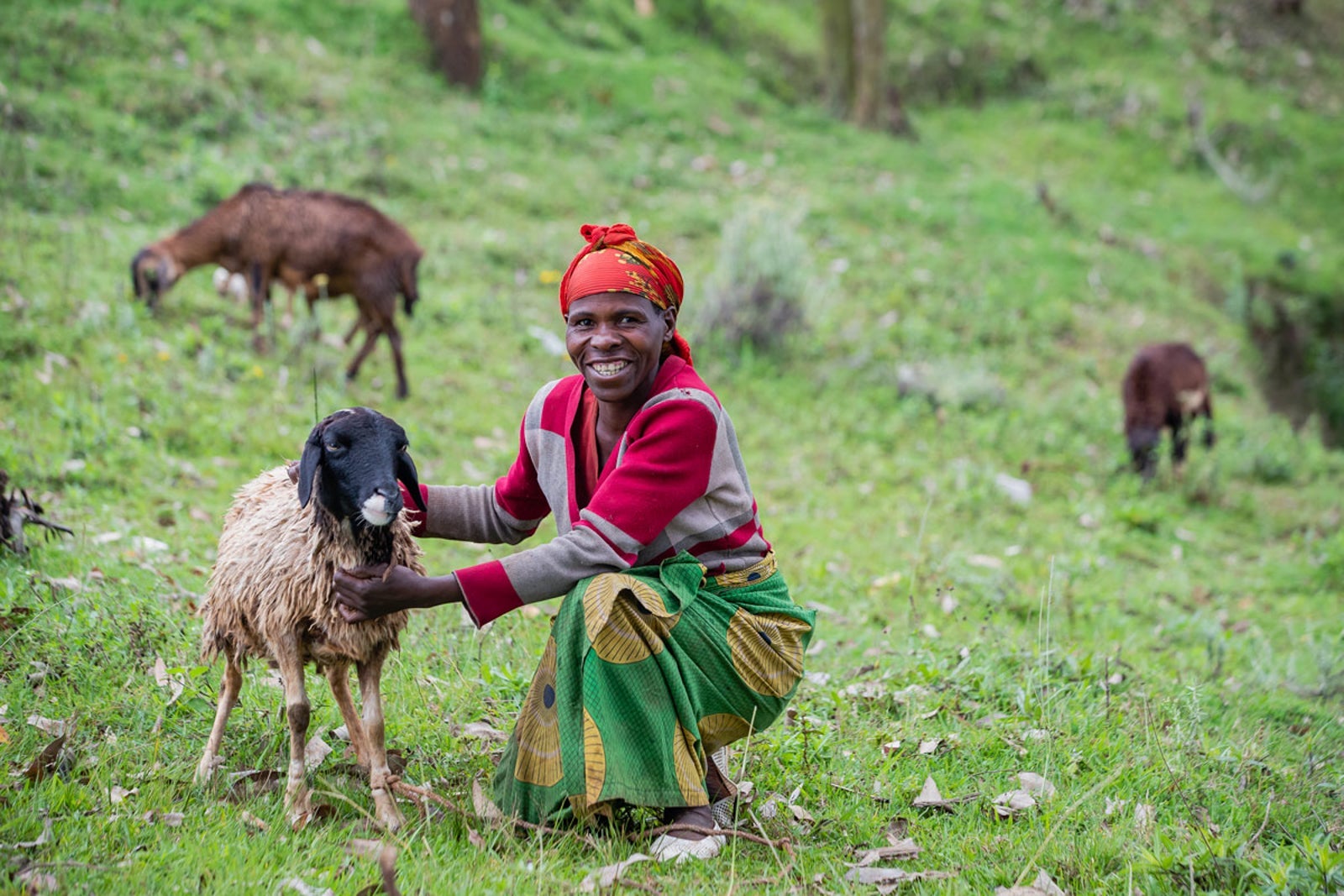
At Volcanoes Safaris' Virunga Lodge in Rwanda, for instance, guests can take a guided afternoon walk through several villages near Lake Bulera to see firsthand the impact of projects such as the "One sheep per family" program, which provides one sheep to each family in three nearby villages (more than 500 so far), thereby supplying them with sources of meat and milk along with natural fertilizer for their sustenance crops.
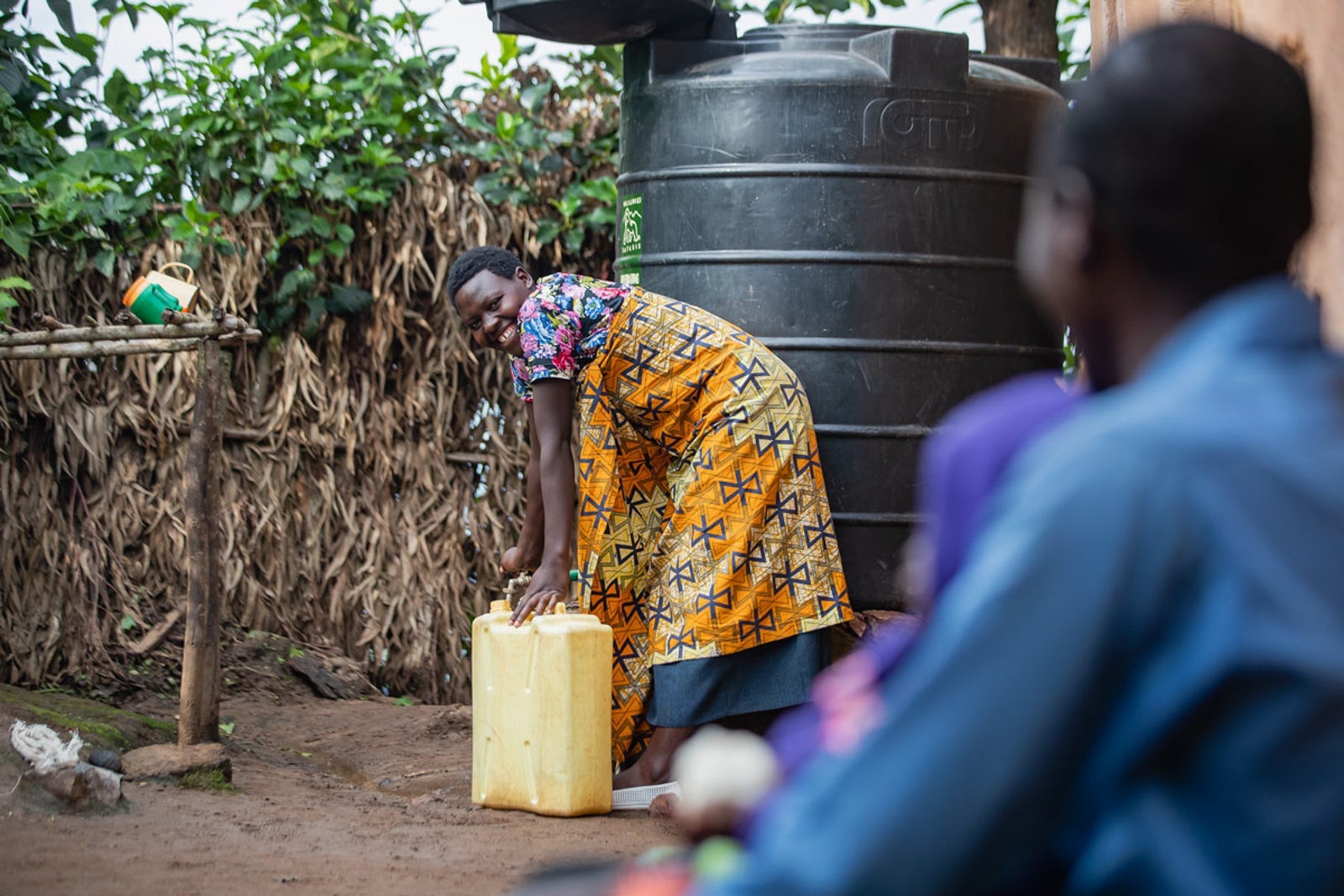
The lodge has also donated 250-plus water tanks to families in these villages, which help in the catchment of the region's abundant rainfall and ensure that there is a steady supply of water for drinking and crop irrigation during the dry season.
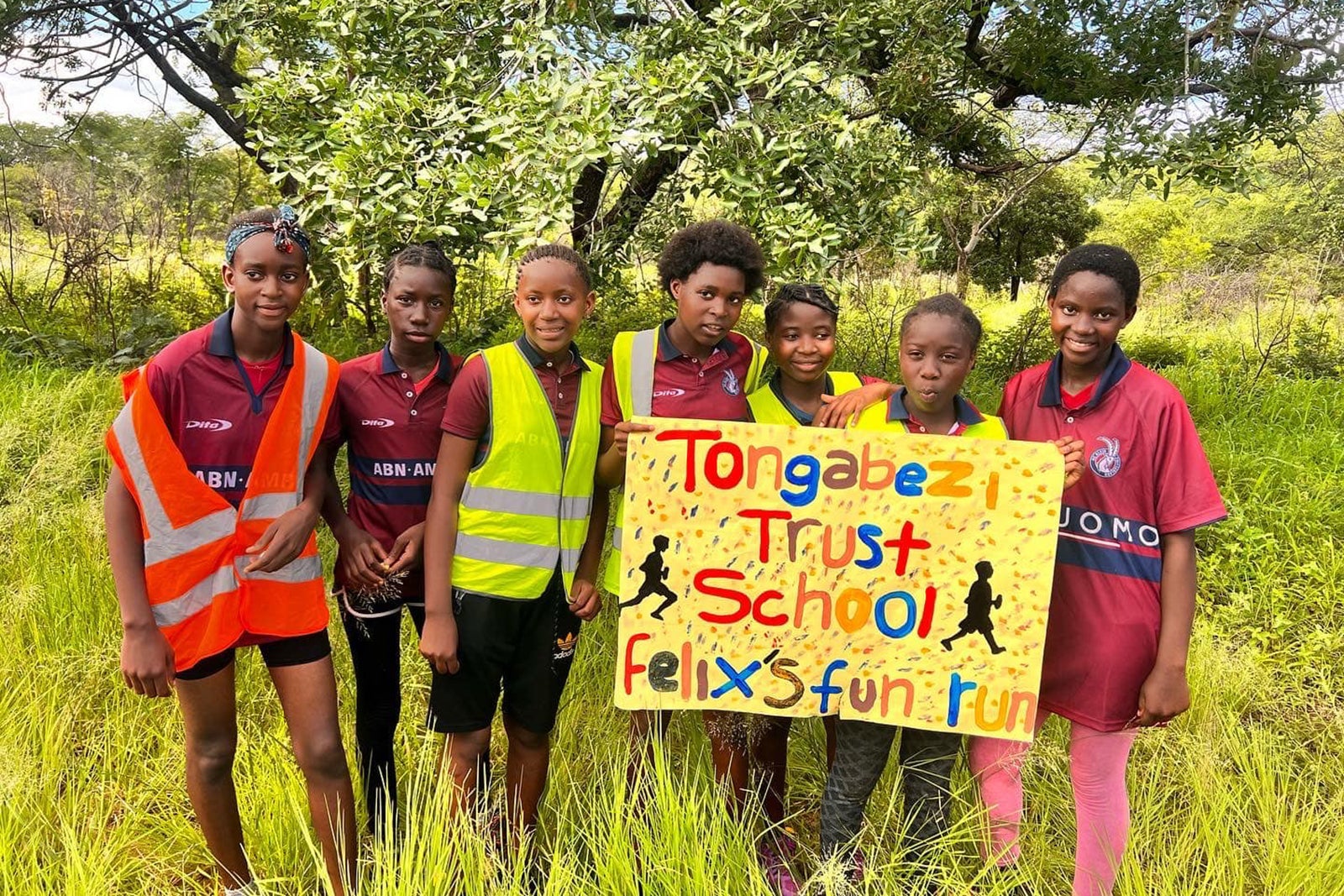
In Livingstone, Zambia, near Victoria Falls, Tongabezi, which is an elegant lodge along the banks of a tranquil stretch of the Zambezi River, has underwritten the Tongabezi Trust School (also known as Tujatane) since 1996, providing education and meals to children who live within walking distance of the academy. There are currently nearly 300 children between the ages of 3 and 17 enrolled, all of whom can take advantage of the classes and curriculum, as well as the music, sports, arts and computer facilities. What's more, the school provides funding to send some of the children on to secondary schools and even universities, ensuring a new generation of leaders and professionals with a commitment to the local community.
In Botswana, both andBeyond Nxabega and andBeyond Xaranna share several community-based projects, including the drilling of water boreholes for the communities of Gogomaga and Tsutsubega so that their inhabitants have steady sources of usable water; and funding a school in the rural farming village of Sexaxa near Maun (where the area's main airport is) so children no longer need to walk three hours, some of it through dangerous terrain, to attend the nearest school.
Longer-term development
Ongoing outreach and individual community projects aside, several safari companies have established philanthropic organizations or arms with a broader purview of economic development and social services not just in the areas where they operate, but in entire countries or regions.
Micato Safaris is one of the best-known luxury safari operators, partnering with premier lodges from multiple companies in Africa and Asia to create bespoke itineraries for its guests. However, it also underwrites AmericaShare, which was founded by a Micato Safaris employee named Lorna Macleod more than 35 years ago to support both community development and access to education in Mukuru, one the largest informal settlements in Nairobi, Kenya.
Today, the philanthropy operates the Harambee Community Centre, which has library and computer facilities as well as recreational grounds, in Mukuru itself. Residents can come for a quiet place to study or work, look for employment and take advantage of other services. AmericaShare also supplies fresh, drinkable water in the area via multiple distribution points.
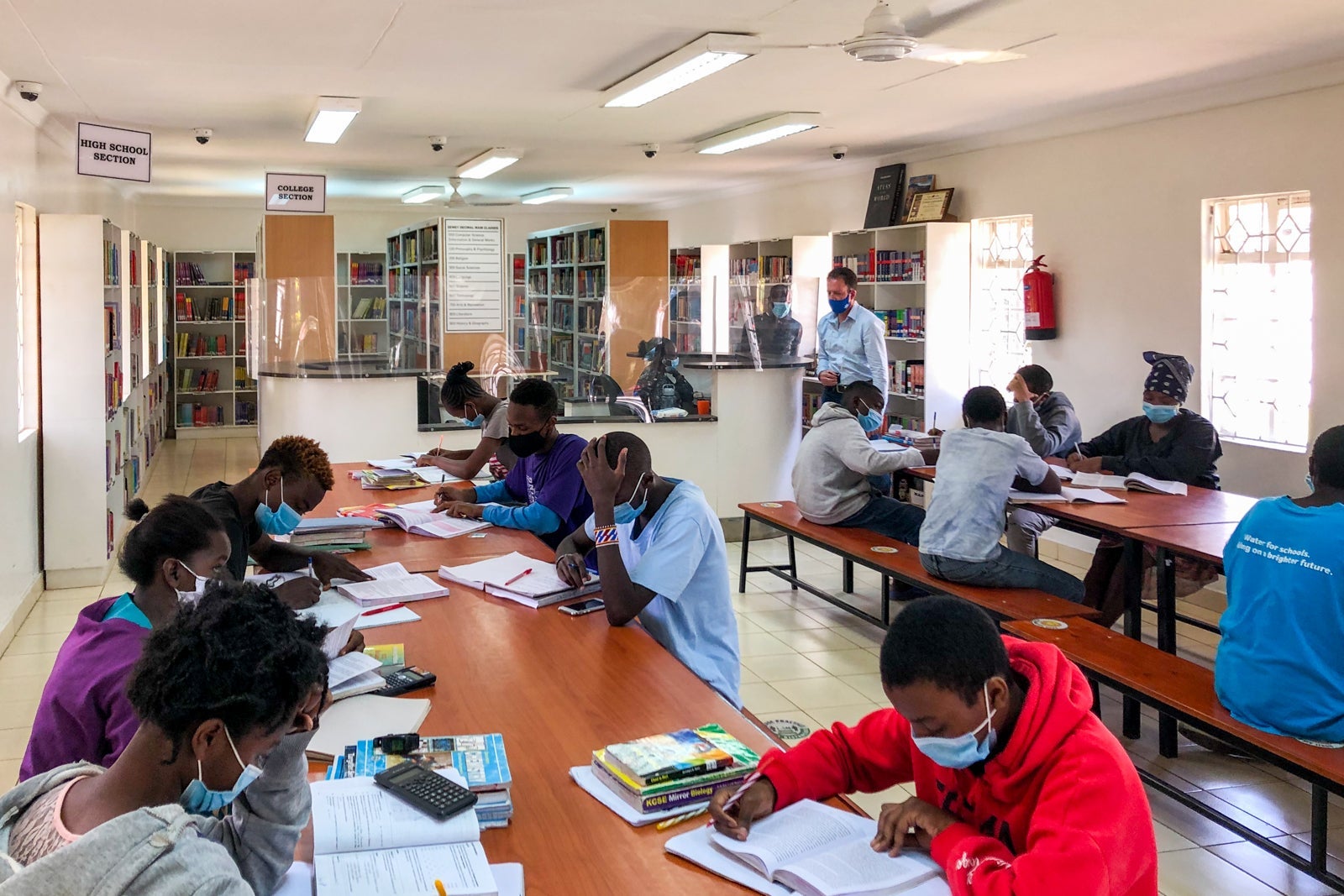
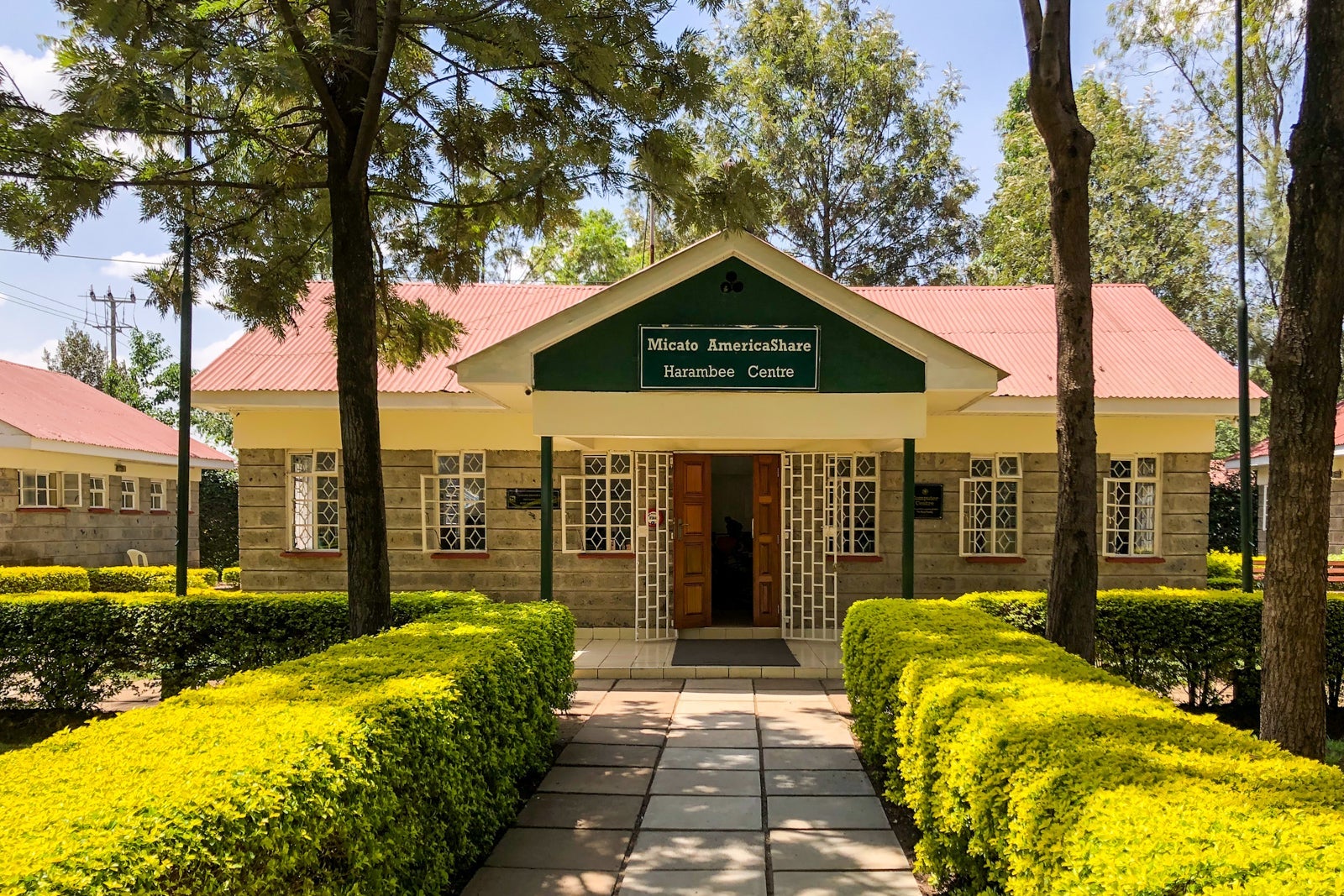
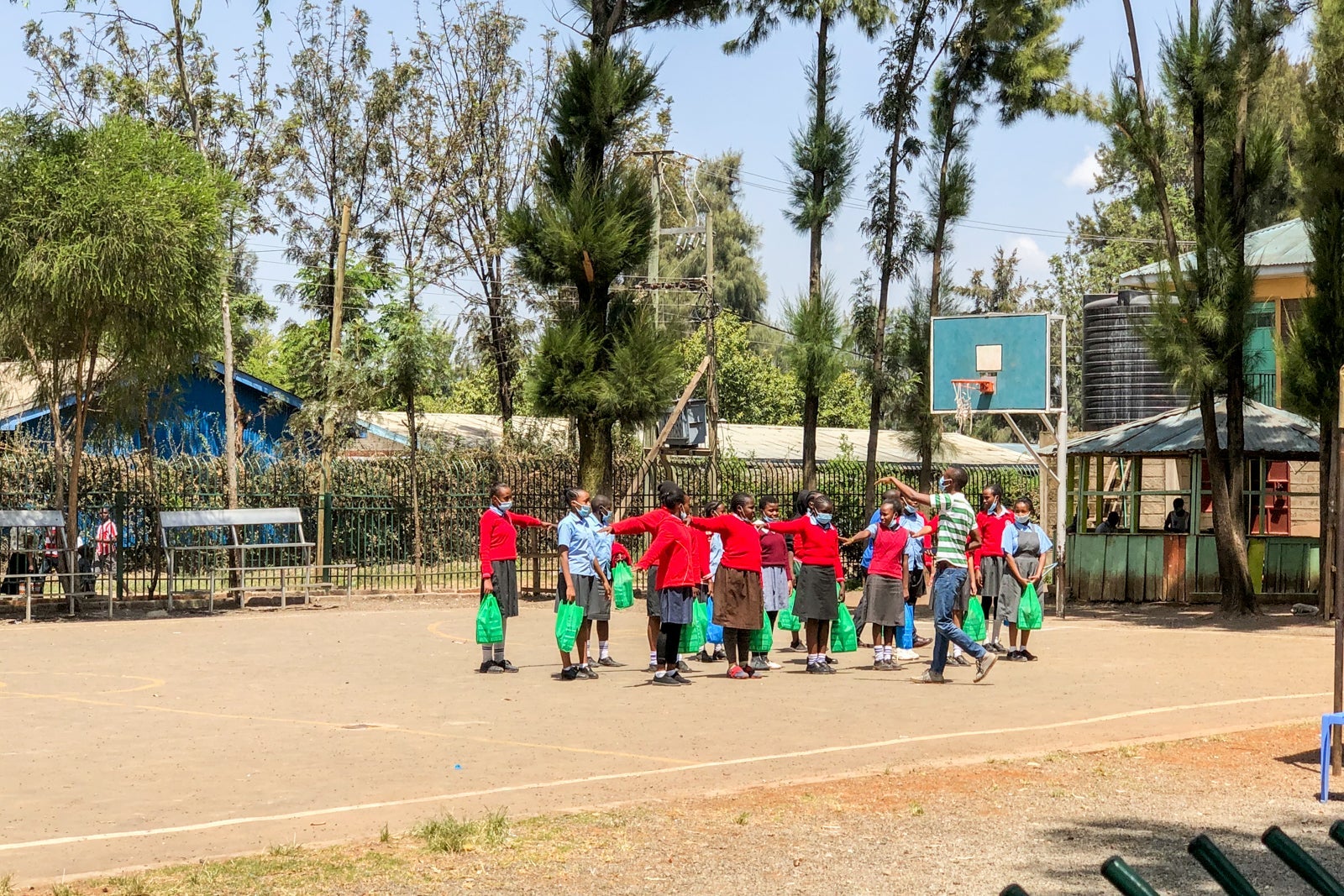
Guests who go on safari with Micato in Kenya get to visit the community center to learn more about its efforts and meet students who have benefited from AmericaShare's various educational undertakings during their stay. Those include supplying school uniforms to local children, sponsoring scholarships to primary and secondary schools, and sending some of the most vulnerable children to private boarding schools around Nairobi. In fact, for every safari the company sells, Micato provides the funds to send a child to primary school.
Micato also supports other efforts like Huru International, which supplies sanitary kits and reproductive health education materials to young women (more than 210,000 to date) throughout East Africa who might otherwise have to miss school or work due to the lack of reproductive health services in rural communities. By empowering women to take their health into their own hands, Huru helps them support their families and communities (not to mention cultivating their own careers) in ways that would not otherwise be possible.
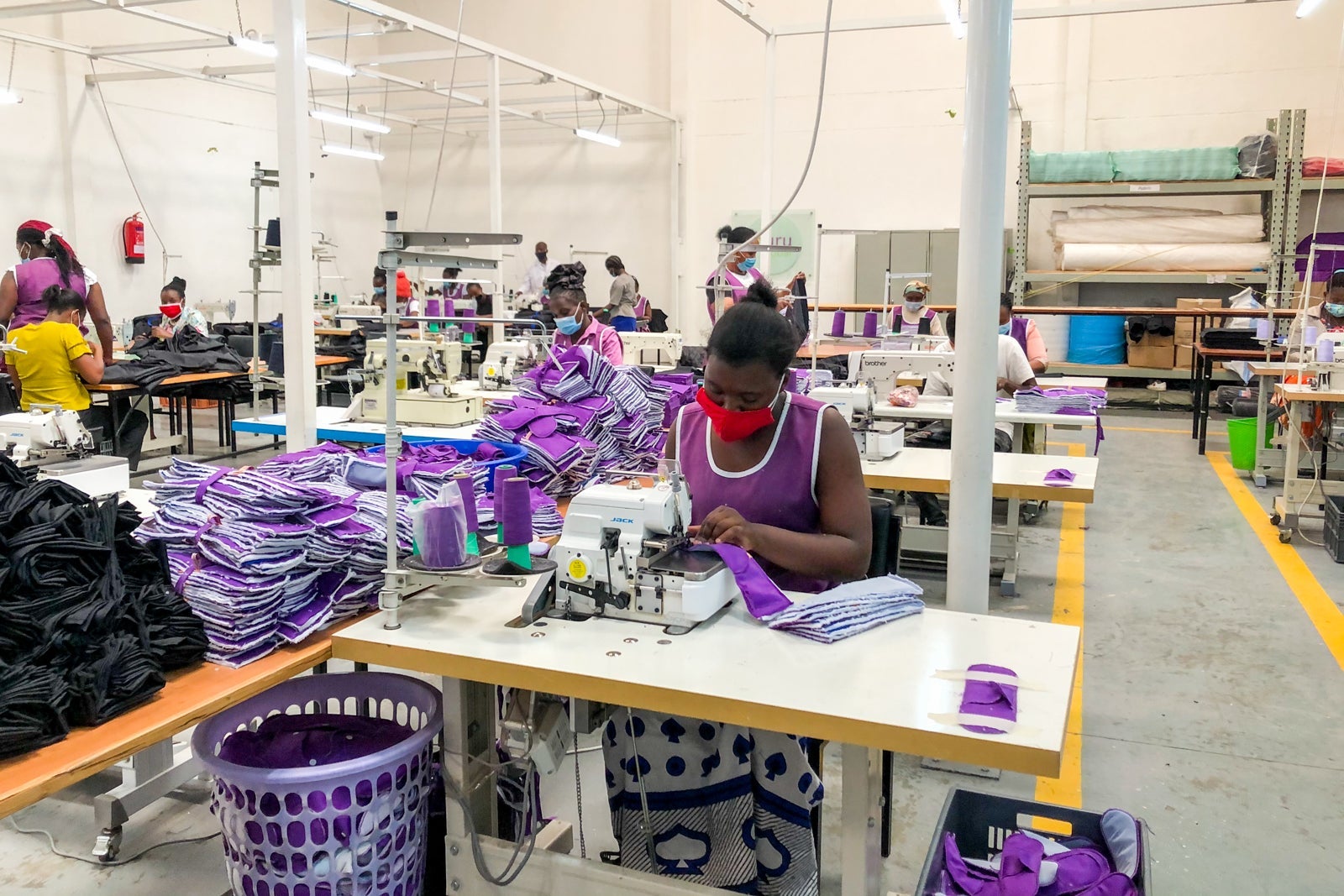
For its part, one of the most targeted yet impactful ways Wilderness carries out its conservation mission beyond the day-to-day and lodge-specific measures it takes is through its Children in the Wilderness program, which was founded in 2001.
The program aims to cultivate new generations of homegrown conservation leaders in Africa's rural communities by hosting student clubs at schools with activities that focus on environmental sustainability and wildlife education. Children in the Wilderness even brings kids to one of its camps on a yearly basis (7,800 to date) so they can learn firsthand about the importance of wildlife conservation. The program provides scholarships to high-achieving students, and some even return to become guides with Wilderness.
On a recent trip to Botswana, my guide at Little DumaTau, Segopotso Oja (See for short), was a former participant of Children in the Wilderness. "I was born and raised in a small village called Eretsha, located in the eastern Okavango Panhandle," Oja told me later by email when I contacted him after my trip to ask more about his experience with Children in the Wilderness.
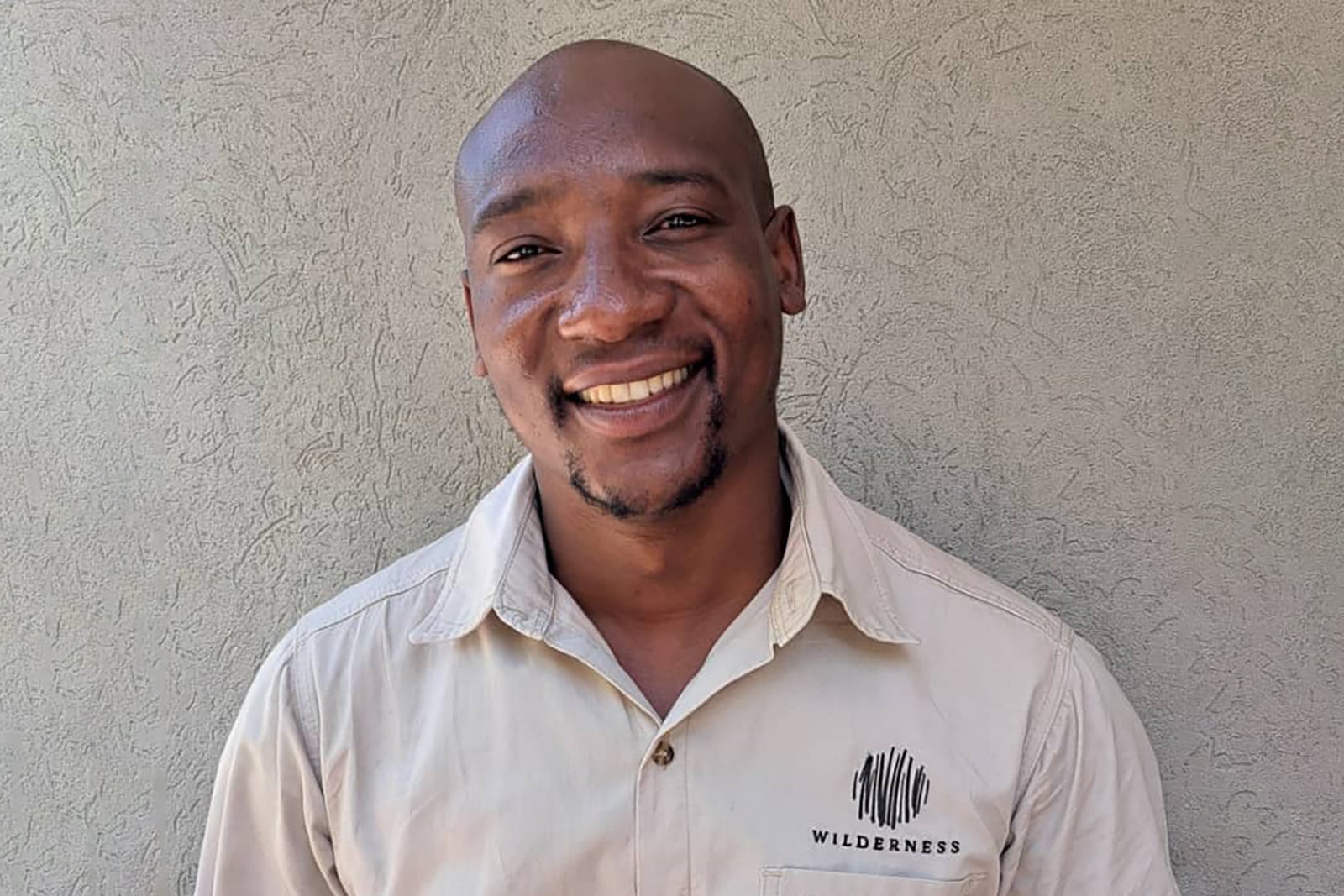
"Wilderness works closely with the community in this area, and when I was 10 years old, I was given the opportunity to join a Children in the Wilderness Eco-Camp," Oja continued. "Here I grew to learn about and love the wild, and recognize the importance of protecting our wilderness, and this experience inspired me to pursue a career as a guide."
Spending time in the bush helps combat some of the negative portrayals of wild animals that village children are typically taught, Oja told me. "Once they explore the wilderness, this opens their minds and changes their way of thinking to realize the value of conservation and that there are other career opportunities available to them in the conservation and hospitality space."
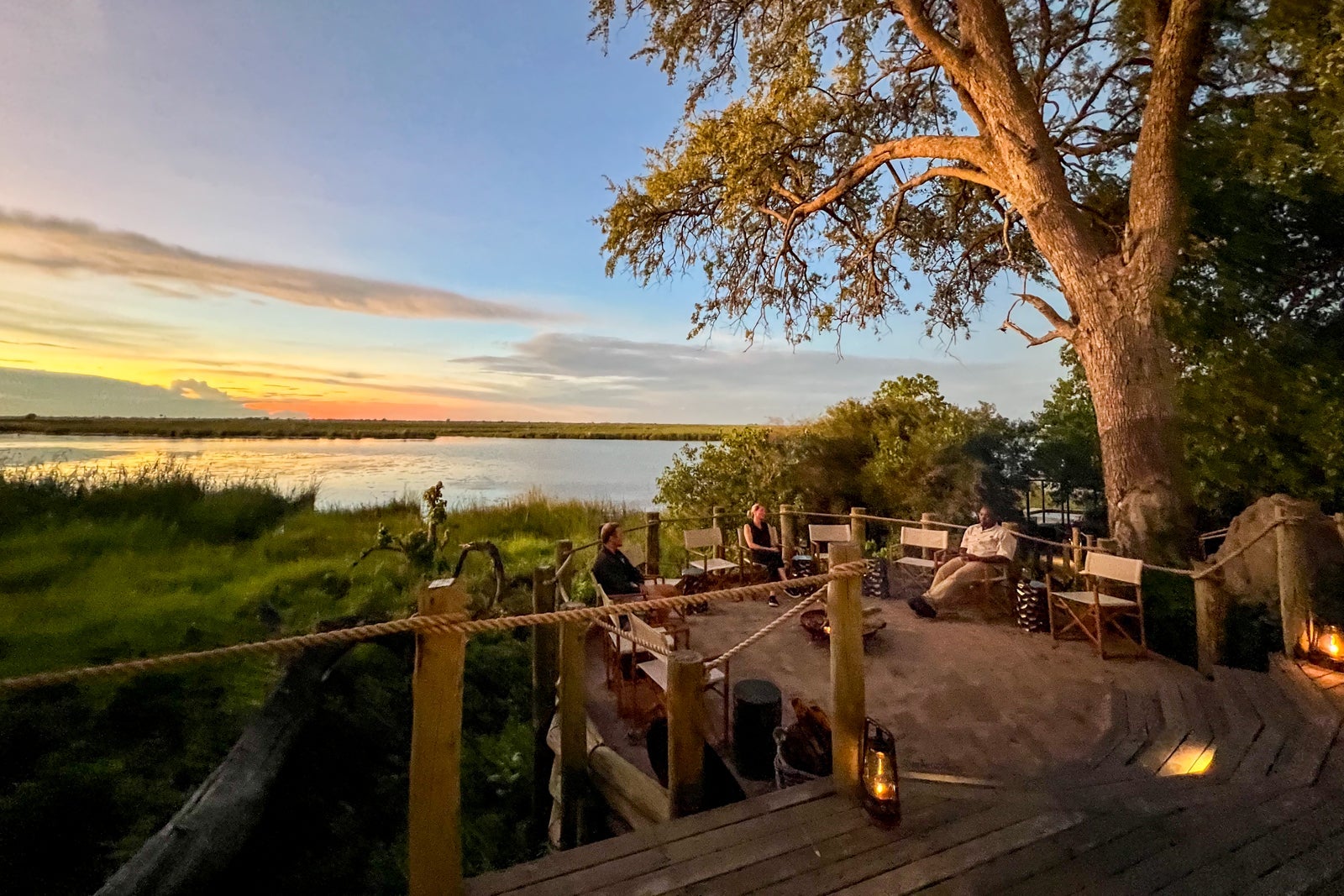
That's the path that Oja himself took. He has since worked as a guide not only at Little DumaTau, but also two other Wilderness camps, Vumbura Plains and Mombo.
Oja also views his continuing role as an ambassador for Children in the Wilderness as crucial to the work he does and the future of conservation. "It gives me a chance to meet with youngsters when we host them in our camps," Oja said, "and pass over the love of being a conservationist to the younger generation."
Minimize your footprint and maximize your impact
Aside from picking a safari company with sustainability efforts you want to support, there are a few things you can do as a traveler to make your safari adventure more sustainable.
Long flights produce a lot of carbon, so you could consider a carbon offsetting scheme to reduce the footprint from your journey to your safari destination.
Don't overpack since bush flights on small planes mean your luggage will be restricted anyway. What's more, many safari camps provide free daily laundry, so you don't have to bring too many outfits along. Plus, by limiting your luggage, you'll reduce the amount of fuel burned on the planes carrying you to your various camps.
Among those clothes, make sure you bring some made from fabric with sun protection factor. That will reduce the amount of plastic-packaged sunblock you need to bring along. Opt for mineral-based sunscreens (look for those labeled as "reef-safe") rather than conventional ones since the latter have chemicals that might be harmful to the environment as well as your own body chemistry, according to an increasing body of scientific evidence.
You might also want to leave your usual shampoo and conditioner at home since safari camps tend to provide eco-friendly, biodegradable products that are easier to manage waste-wise in the fragile ecosystems where they operate.
Finally, while safaris tend to be expensive, think about whether you can factor in a charitable donation to your budget. After all, if you've done your homework and picked a company with sustainability efforts you support, you might want to do just a little bit more good during your trip by making an unrestricted donation to the measures the group has underway.
TPG featured card

at American Express's secure site
Terms & restrictions apply. See rates & fees.
| 3X | Earn 3X Miles on Delta purchases. |
| 1X | Earn 1X Miles on all other eligible purchases. |
Pros
- Delta SkyClub access when flying Delta
- Annual companion ticket for travel on Delta (upon renewal)
- Ability to earn MQDs through spending
- Various statement credits for eligible purchases
Cons
- Steep annual fee of $650
- Other Delta cobranded cards offer superior earning categories
- Earn 100,000 Bonus Miles after you spend $6,000 or more in purchases with your new Card within the first 6 months of Card Membership and an additional 25,000 bonus miles after you make an additional $3,000 in purchases on the Card within your first 6 months, starting from the date that your account is opened. Offer Ends 04/01/2026.
- Delta SkyMiles® Reserve American Express Card Members receive 15 Visits per Medallion® Year to the Delta Sky Club® when flying Delta and can unlock an unlimited number of Visits after spending $75,000 in purchases on your Card in a calendar year. Plus, you’ll receive four One-Time Guest Passes each Medallion Year so you can share the experience with family and friends when traveling Delta together.
- Enjoy complimentary access to The Centurion® Lounge in the U.S. and select international locations (as set forth on the Centurion Lounge Website), Sidecar by The Centurion® Lounge in the U.S. (see the Centurion Lounge Website for more information on Sidecar by The Centurion® Lounge availability), and Escape Lounges when flying on a Delta flight booked with the Delta SkyMiles® Reserve American Express Card. § To access Sidecar by The Centurion® Lounge, Card Members must arrive within 90 minutes of their departing flight (including layovers). To access The Centurion® Lounge, Card Members must arrive within 3 hours of their departing flight. Effective July 8, 2026, during a layover, Card Members must arrive within 5 hours of the connecting flight.
- Receive $2,500 Medallion® Qualification Dollars with MQD Headstart each Medallion Qualification Year and earn $1 MQD for each $10 in purchases on your Delta SkyMiles® Reserve American Express Card with MQD Boost to get closer to Status next Medallion Year.
- Enjoy a Companion Certificate on a Delta First, Delta Comfort, or Delta Main round-trip flight to select destinations each year after renewal of your Card. The Companion Certificate requires payment of government-imposed taxes and fees of between $22 and $250 (for itineraries with up to four flight segments). Baggage charges and other restrictions apply. Delta Basic experiences are not eligible for this benefit.
- $240 Resy Credit: When you use your Delta SkyMiles® Reserve American Express Card for eligible purchases with U.S. Resy restaurants, you can earn up to $20 each month in statement credits. Enrollment required.
- $120 Rideshare Credit: Earn up to $10 back in statement credits each month after you use your Delta SkyMiles® Reserve American Express Card to pay for U.S. rideshare purchases with select providers. Enrollment required.
- Delta SkyMiles® Reserve American Express Card Members get 15% off when using miles to book Award Travel on Delta flights through delta.com and the Fly Delta app. Discount not applicable to partner-operated flights or to taxes and fees.
- With your Delta SkyMiles® Reserve American Express Card, receive upgrade priority over others with the same Medallion tier, product and fare experience purchased, and Million Miler milestone when you fly with Delta.
- Earn 3X Miles on Delta purchases and earn 1X Miles on all other eligible purchases.
- No Foreign Transaction Fees. Enjoy international travel without additional fees on purchases made abroad.
- $650 Annual Fee.
- Apply with confidence. Know if you're approved for a Card with no impact to your credit score. If you're approved and you choose to accept this Card, your credit score may be impacted.
- Terms Apply.
- See Rates & Fees