The best US national parks you should visit at least once (or twice)


America is a big place and home to some of the most diverse scenery in the world. Our national parks, where you'll find everything from parched deserts with Seussianlike trees to marshy coastal waterways, are the perfect examples of this.
While the National Park Service reported slightly fewer visits in 2025 — 323 million versus 331.9 million in 2024 — 26 national parks broke all-time visitation records. This includes heavyweights like California's Redwood and Sequoia national parks, as well as lesser-known parks like Dry Tortugas in Florida and the Gates of the Arctic in Alaska.
If you're eager to steer clear of crowds, there are hundreds of sites in the National Park System, including historic battlefields, monuments, rivers and parkways. The 63 national parks are among the country's most exceptional and beautiful centerpieces — and these are 20 of our favorites.
Yellowstone National Park
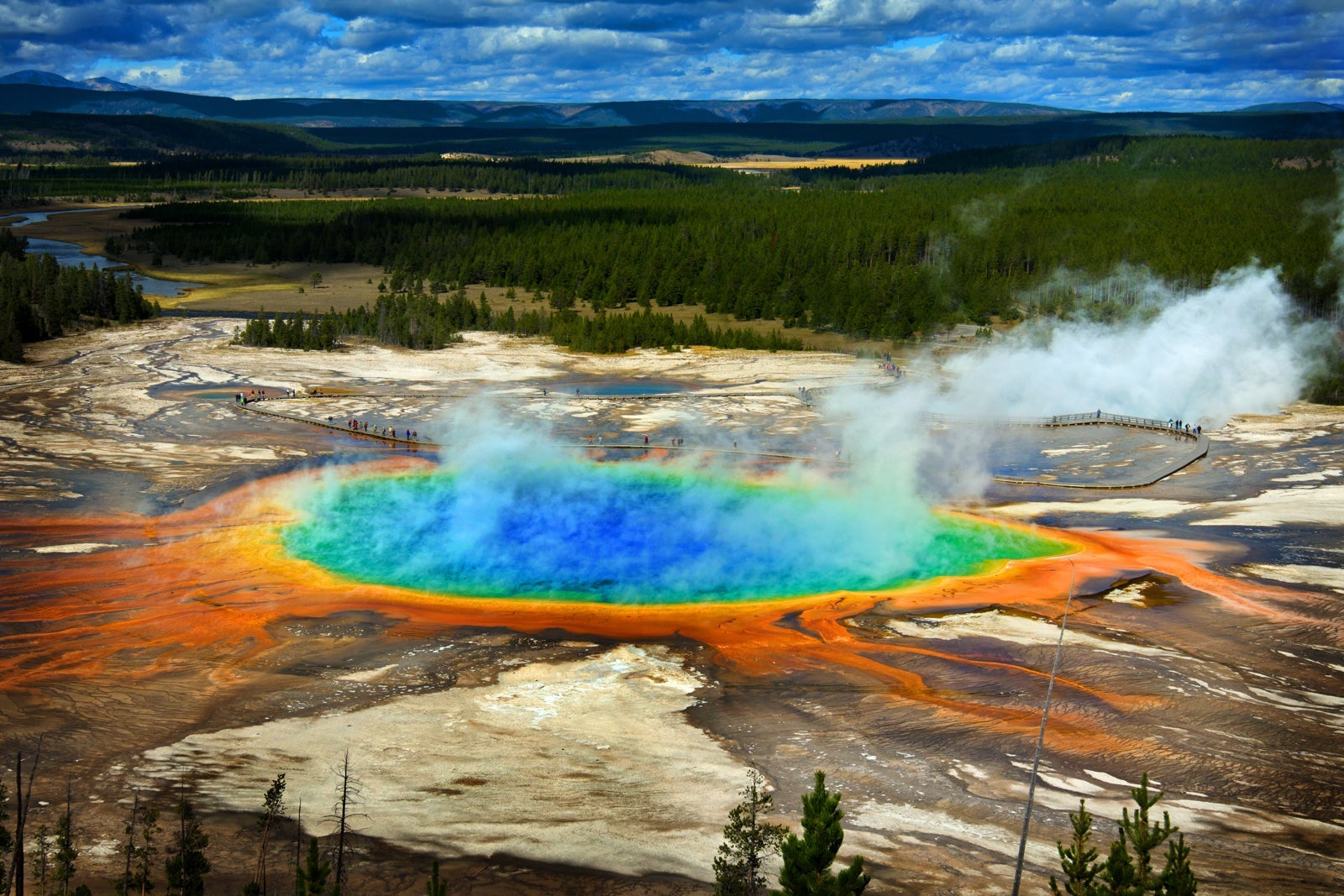
- Why visit: It's home to over half of the world's hydrothermal features and diverse wildlife.
- Don't miss: Rainbow-hued Grand Prismatic Spring, the third-largest hot spring in the world.
- How to get there: Wyoming's Jackson Hole Airport (JAC) and Montana's Yellowstone Airport (WYS) and Bozeman Yellowstone International Airport (BZN) are three of the closest airports.
This geologically unique landscape is largely in Wyoming but also stretches into Montana and Idaho. The park's 2.2 million acres are home to an array of wildlife, including bison, mountain goats and elk. You'll also find active geysers, steaming hot springs and mountains. Campsites are available, too, if you're looking for a truly outdoor weekend.
Related: Where to stay when visiting Yellowstone National Park: Best hotels and lodges
Acadia National Park

- Why visit: Granite cliffs, cobalt waters and mist-shrouded beaches are a perfect representation of Maine's beauty.
- Don't miss: A sunrise hike to the top of 1,530-foot Cadillac Mountain — the highest point on the North Atlantic Seaboard.
- How to get there: Maine's Hancock County-Bar Harbor Airport (BHB) is just around the corner from the park. You must first fly to Boston Logan International Airport (BOS) and connect onward.
Rocky coastlines and windswept beaches converge with rugged, trail-laced woodlands at Acadia National Park in Maine. Depending on the time of year, Cadillac Mountain, the highest point along the North Atlantic Seaboard, is often among the first places in the country to see sunlight at daybreak.
Related: A beginners guide to visiting Acadia National Park

Shenandoah National Park
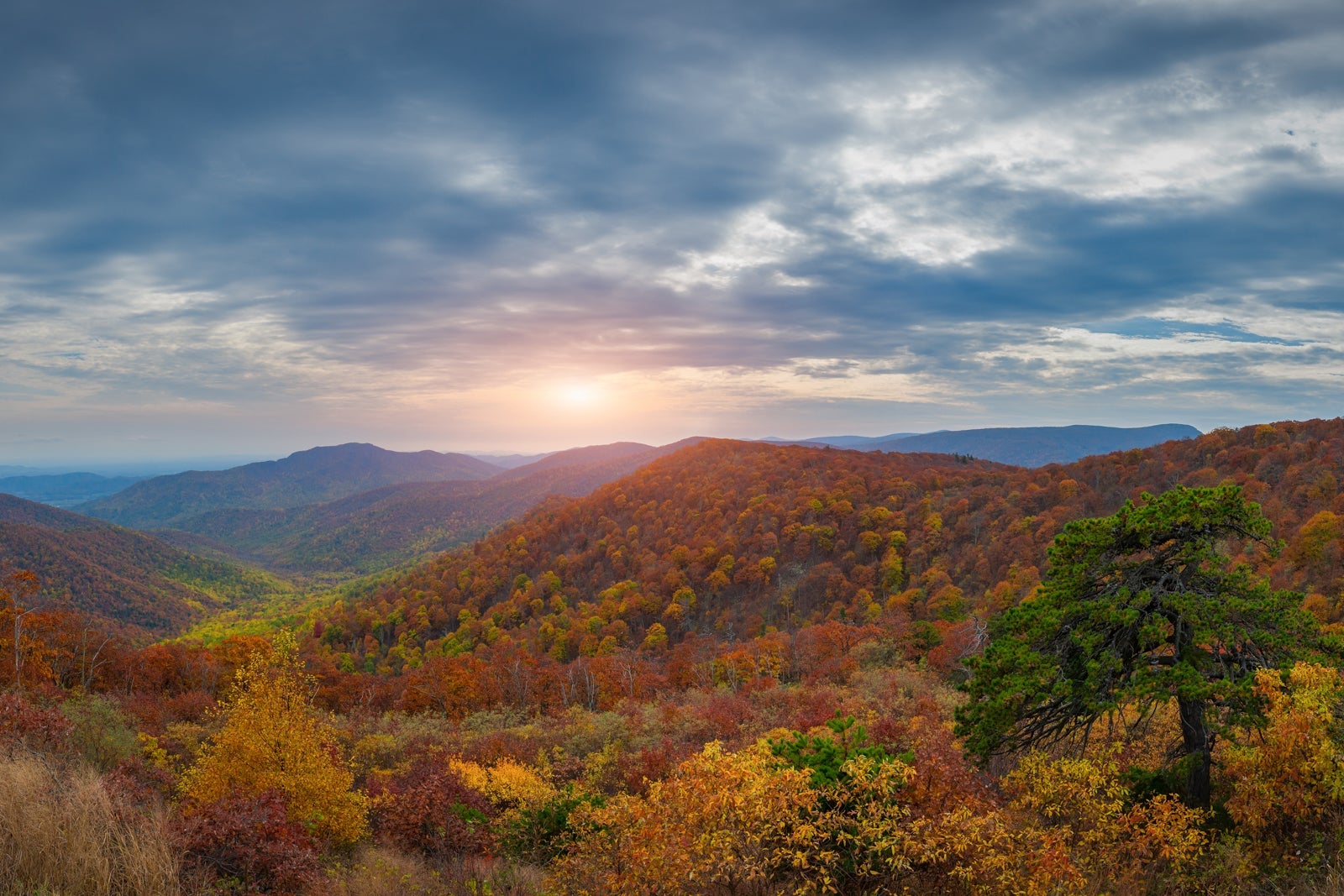
- Why visit: Time your visit in October or early November to see stunning fall foliage.
- Don't miss: The 105-mile-long Skyline Drive, famed for its 75 spectacular overlooks and abundance of recreational activities.
- How to get there: Travelers can fly into any major Washington, D.C.-area airport, including Virginia's Dulles International Airport (IAD) and Ronald Reagan Washington National Airport (DCA).
Easily accessible from Washington, D.C., this nearly 200,000-acre park in Virginia is ideal for scenic drives (including the Blue Ridge Parkway, which connects Shenandoah with the Great Smoky Mountains, and Skyline Drive, which bisects the park). Travelers also enjoy picturesque hikes, including along the Appalachian Trail.
Related: Everything you need to know about visiting Shenandoah National Park
White Sands National Park

- Why visit: Feel like you're on another planet with sculpted wavelike dunes of gypsum sand that sparkle in the sun.
- Don't miss: Sand sledding down towering dunes.
- How to get there: The closest airport is El Paso International Airport (ELP), which sits about 85 miles south of the park.
This 275-square-mile stretch of desert is punctuated by glistening white gypsum dunes visible from space. Located in New Mexico's Tularosa Basin, the towering drifts of sand attract travelers who come to hike and sled on the lunarlike terrain. Nearby El Paso is worth a visit before or after your trek through the park for its incredible art scene.
Related: Everything you need to know about visiting US national parks in this year
Grand Teton National Park
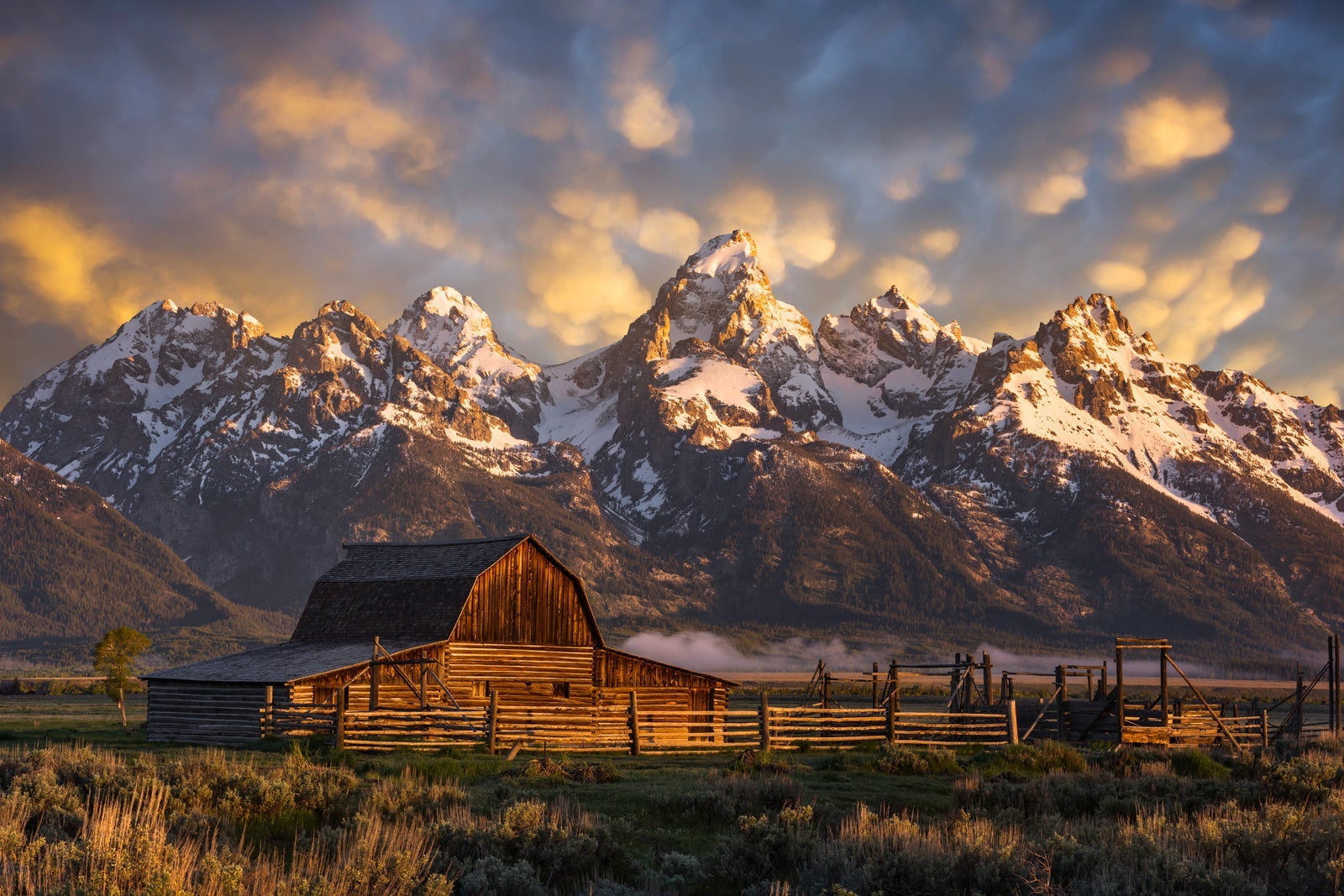
- Why visit: Visit this popular Wyoming park for its beautiful views and all kinds of outdoor activities, from mountaineering, hiking and kayaking in the warmer months to cross-country skiing and snowshoeing during the cooler months.
- Don't miss: Hiking the 7-mile-long Jenny Lake Trail.
- How to get there: Wyoming's Jackson Hole Airport (JAC) is located inside Grand Teton National Park, making it the obvious gateway for travelers from out of state.
Wyoming's Teton Range is one of the most striking landscapes in the country, with alpine scenery. The hiking here is exceptional, and the Snake River is a must-see if you're into fishing. You can stay in the comfort of the Western mountain town of Jackson Hole and use Marriott Bonvoy points for a stay at The Cloudveil, Autograph Collection or splurge at the Four Seasons Resort and Residences Jackson Hole.
Related: How to plan an epic road trip through Grand Teton and Yellowstone national parks
Everglades National Park

- Why visit: Take in the U.S.'s largest subtropical wetland.
- Don't miss: The Anhinga Trail, home to alligators, turtles, otters, herons and exotic birds.
- How to get there: Everglades National Park is an easy drive southwest of Miami, so consider flying into Miami International Airport (MIA) or Fort Lauderdale-Hollywood International Airport (FLL).
The Florida Everglades are home to a rare ecosystem that supports elusive and endangered species like Florida panthers, American crocodiles, West Indian manatees and leatherback turtles. It covers a staggering 1.5 million acres and is essentially a slow-moving river blanketed in sawgrass. Make sure to book an airboat tour to get up close to everything the park has to offer.
Related: 11 of the best national parks to visit during winter
Yosemite National Park
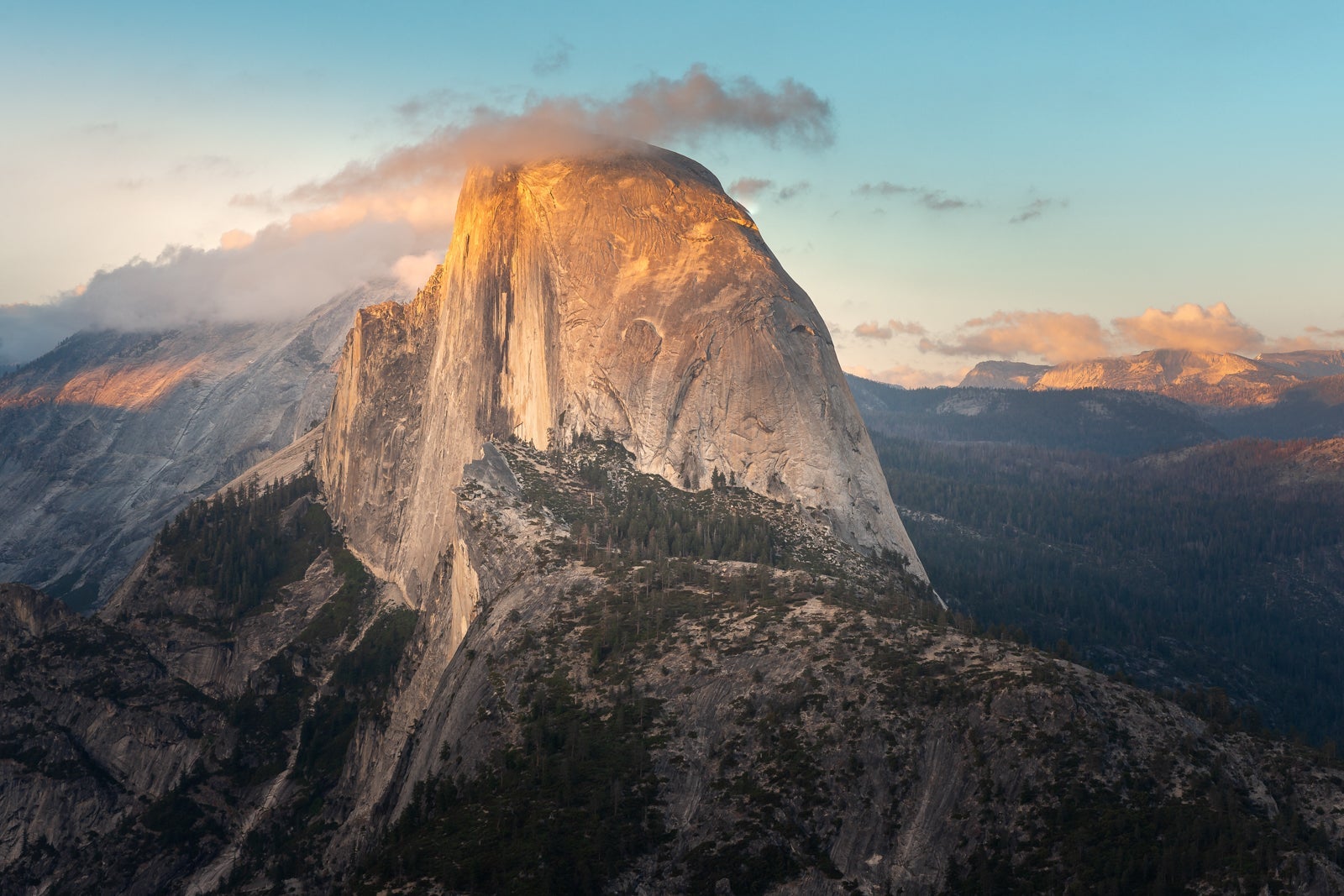
- Why visit: Stunning landscapes and epic hiking opportunities make it a dream for the outdoorsy.
- Don't miss: The granite monoliths of Half Dome and El Capitan, the 650-foot Bridalveil waterfall and North America's tallest waterfall, Yosemite Falls.
- How to get there: Expect to spend an hour or more in the car to get to Yosemite. The closest major airports are Fresno Yosemite International (FAT), Oakland San Francisco Bay Airport (OAK) and Sacramento International Airport (SMF), all in California.
Famous for its imposing granite monoliths, incredible waterfalls and glacier-carved valleys, Yosemite National Park in California is one of the most famous and instantly recognizable national parks in the country. Avoid the crodenwds by heading into the high country or visiting the more popular recreation areas during the week. You can also book organized backpacking trips through REI Adventures, which covers the permitting process for you.
Related: 4 national parks have scrapped reservation system ahead of peak season
Denali National Park & Preserve
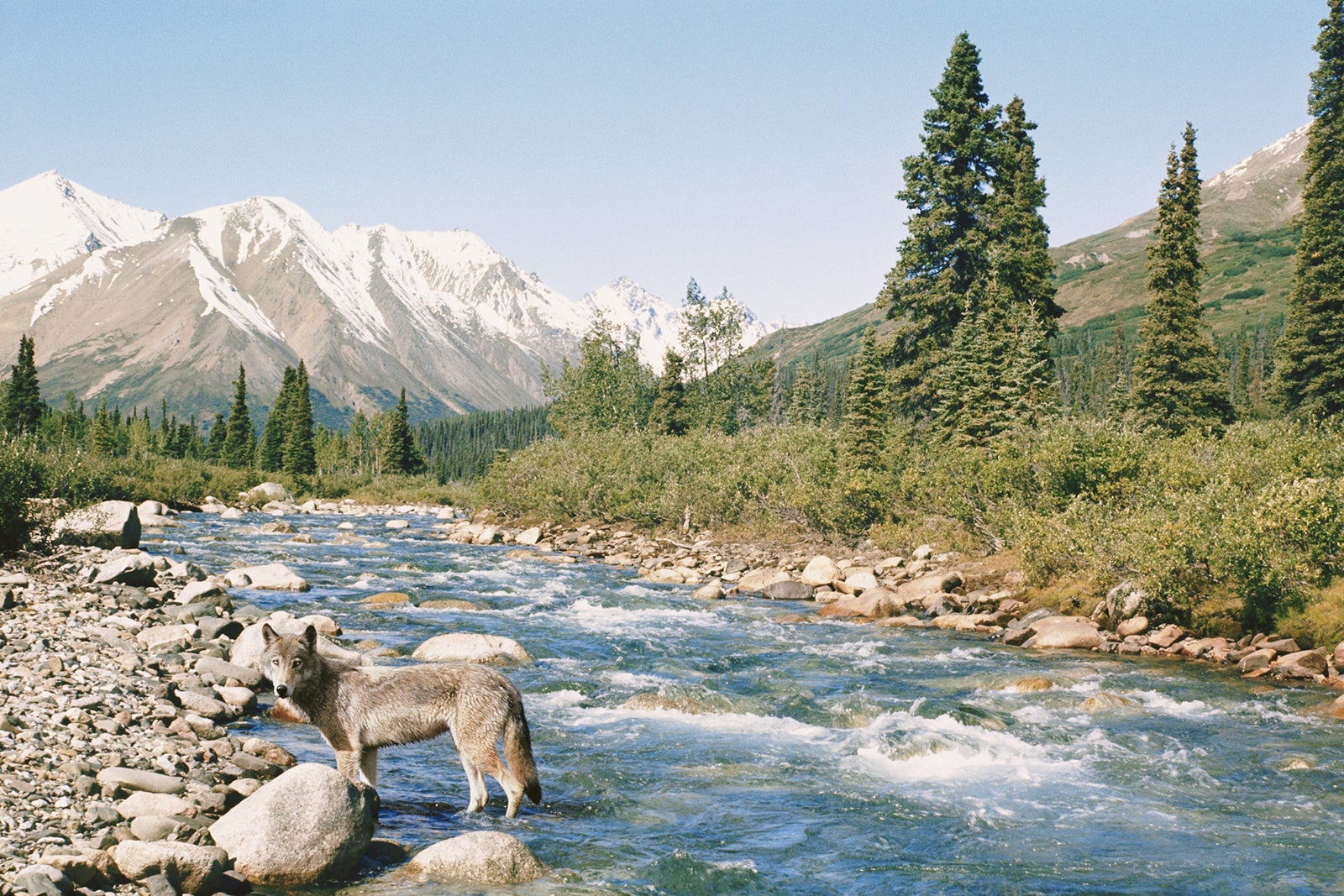
- Why visit: Denali has some of the best wilderness hikes, wildlife encounters, and dramatic landscapes in the nation.
- Don't miss: Off-trail hike through the Toklat East Branch and keep watch for caribou and bears.
- How to get there: Fairbanks International Airport (FAI) is the gateway to Denali National Park.
Denali National Park & Preserve is home to one of the most untamed stretches of wilderness left in the country and the tallest peak in North America. This ancient land in Alaska is where travelers go to see moose, grizzly bears, caribou, Dall sheep and wolves. Keep an eye out for shimmers of the aurora borealis, and experience a world that is still remote enough to feel undiscovered.
Related: Snowy peaks and hot springs: A Fairbanks-Denali-Anchorage road trip
Joshua Tree National Park
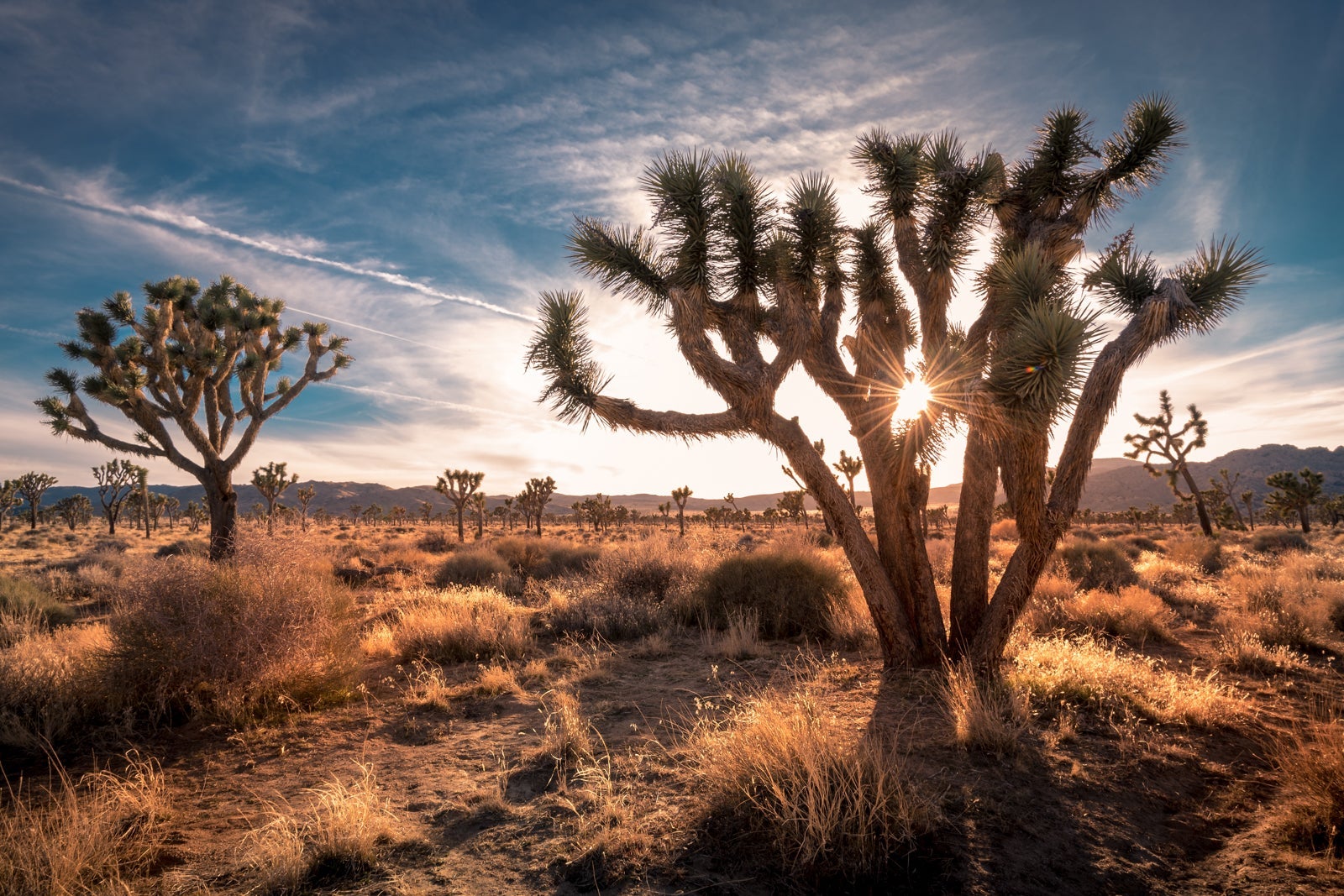
- Why visit: See sculpted rock formations and evocative remnants that stand as a testament to 5,000 years of human history.
- Don't miss: Incredible stargazing and, for climbers, colossal boulders to scale.
- How to get there: California's Palm Springs International Airport (PSP) is the closest airport to Joshua Tree, though most people visit from Los Angeles or San Diego.
At the intersection of the Mojave and Colorado deserts in Southern California, Joshua Tree National Park is best known for its massive boulders and fanciful yucca plants — the namesake Joshua trees. Travelers should remember that temperatures in this arid park can soar during the summertime, so pack plenty of water for your visit. While you're there, make sure to see the iconic Skull Rock and Arch Rock, two of the most iconic geological formations in the world.
Related: 8 best road trips for visiting national parks
Redwood National and State Parks
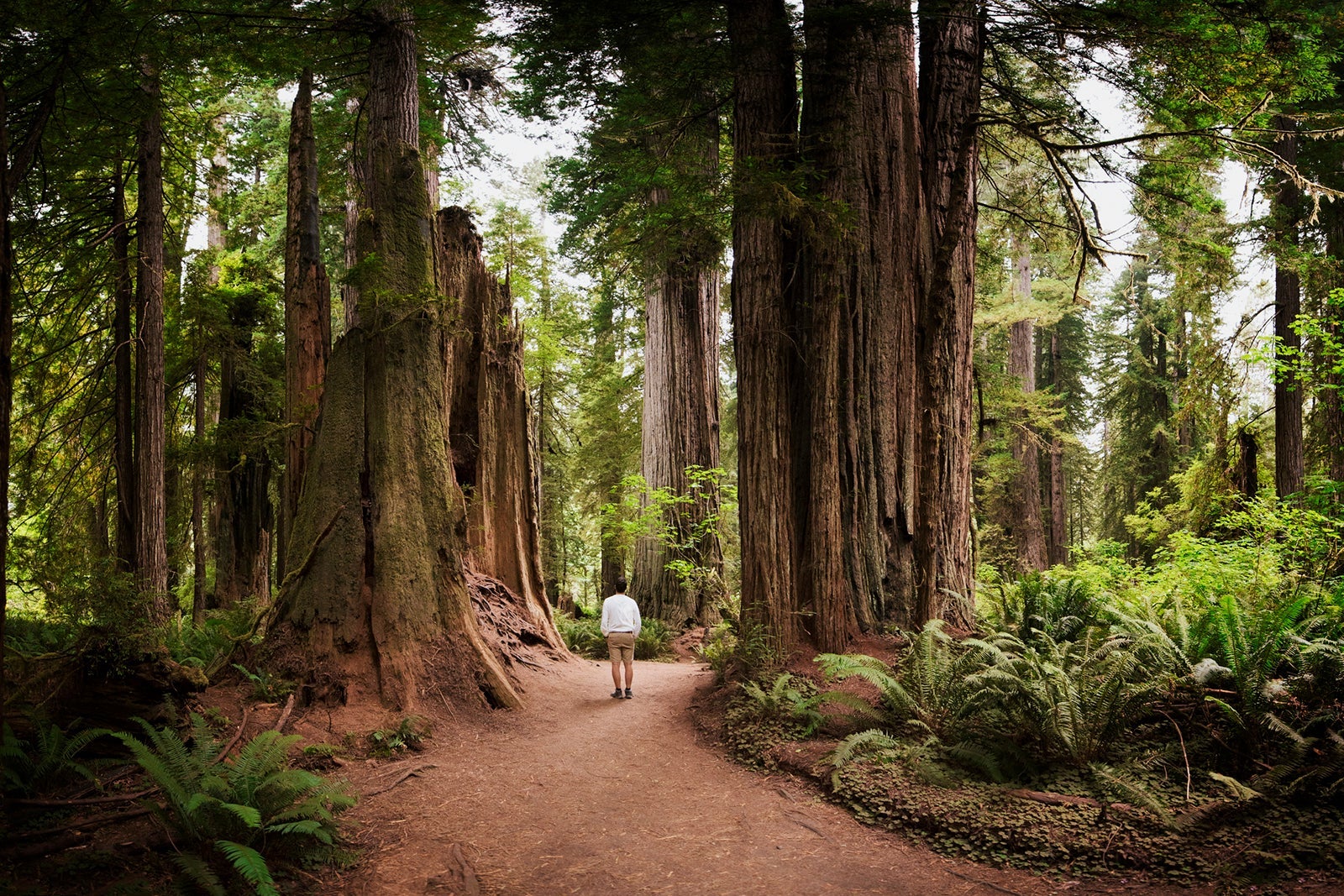
- Why visit: See almost half of the world's tallest trees along this 37-mile stretch of California's northernmost coast.
- Don't miss: Tall Trees Grove, which is home to a slew of majestic redwoods.
- How to get there: The closest airport to Redwood National Park is California Redwood Coast-Humboldt County Airport (ACV), which has direct flights from San Francisco International Airport (SFO), Los Angeles International Airport (LAX) and Denver International Airport (DEN). You can look forward to a beautiful drive from larger airports, too.
Another spectacular cross-section of California, the redwood forests are home to some of the tallest trees on Earth. Travelers gather here to see record-setting conifers, such as the 380-foot-tall Hyperion. The forests are filled with hiking trails, so you can lose yourself among the enormous trees. Trust us, photos don't truly capture the enormity of these trees.
Related: The best national parks in California
Rocky Mountain National Park
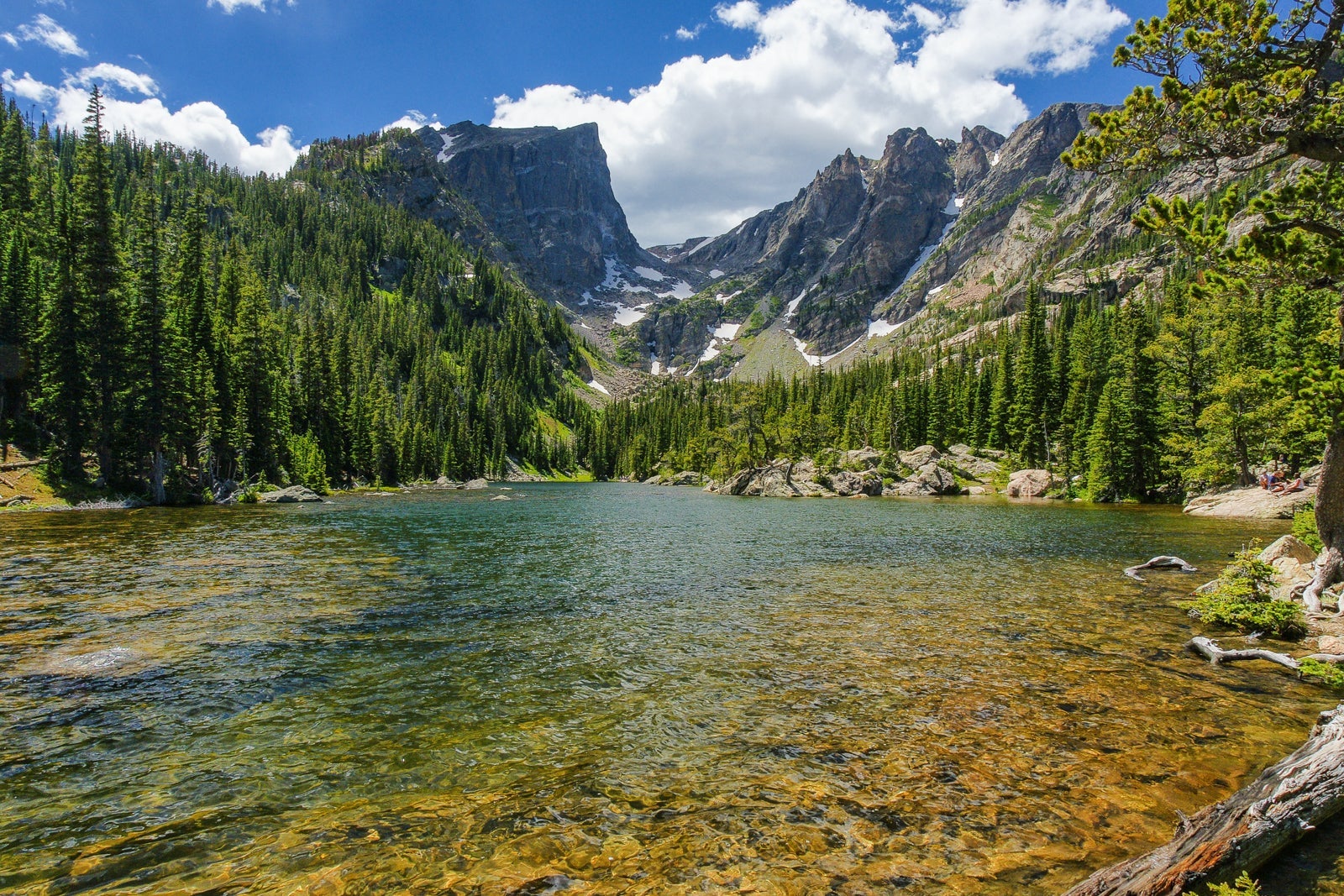
- Why visit: Head here for snowcapped peaks, glacier-carved meadows and cascading waterfalls you can't find anywhere else.
- Don't miss: The awe-inspiring scenery of Trail Ridge Road.
- How to get there: Denver International Airport (DEN) is the closest major airport to Rocky Mountain National Park, providing travelers with many flight options.
The jagged ridges and alpine terrain of the Rocky Mountains are the focal points of this national park in Colorado. The pristine lands are crisscrossed by more than 350 miles of hiking trails yet remain accessible via scenic roads. It's easy to see why many consider it one of the most beautiful and humbling places in the country. A variety of different hikes are available, so there's something for every skill (and comfort) level.
Related: 8 national parks that are spectacular in spring
Olympic National Park
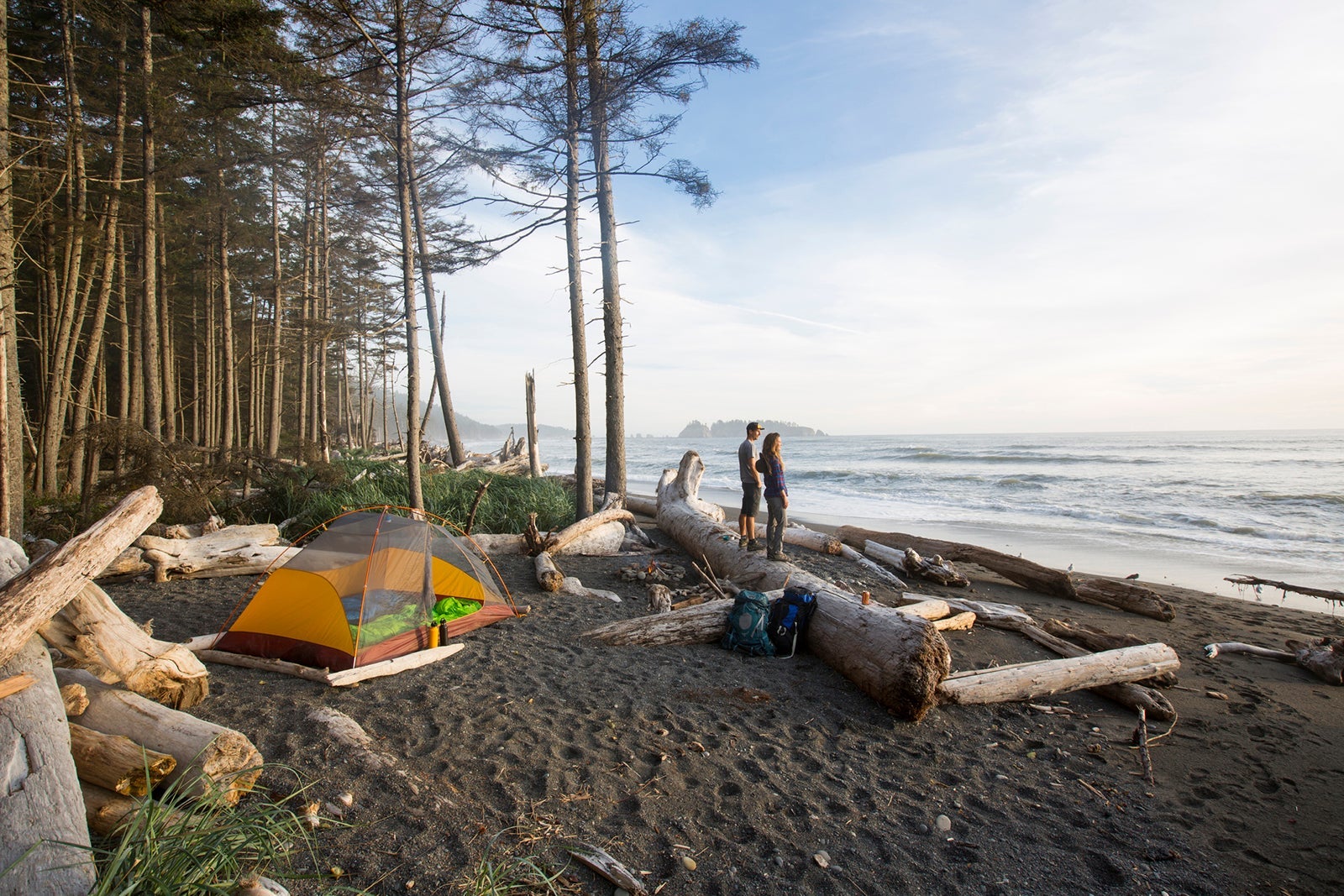
- Why visit: Olympic National Park boasts rugged coasts, glaciated peaks and emerald-green rainforests that are relatively untouched by humans.
- Don't miss: Hurricane Ridge for sublime mountain vistas and the paved, 1.6-mile Hurricane Hill trail for 360-degree views of the Olympic Mountains and the Strait of Juan de Fuca.
- How to get there: Fly into Seattle-Tacoma International Airport (SEA) and drive roughly 140 miles to the park.
Washington state's Olympic National Park spans nearly 1 million acres and encompasses everything from old-growth rainforests to craggy, windswept coastline with ample beaches and scenic overlooks. There are mountains and powerful rivers with rapids that lure confident paddlers, but this sacred land is just as renowned for its cultural heritage, too.
Related: Pacific Northwest road trip: The San Juan Islands and Olympic National Park
Great Smoky Mountains National Park
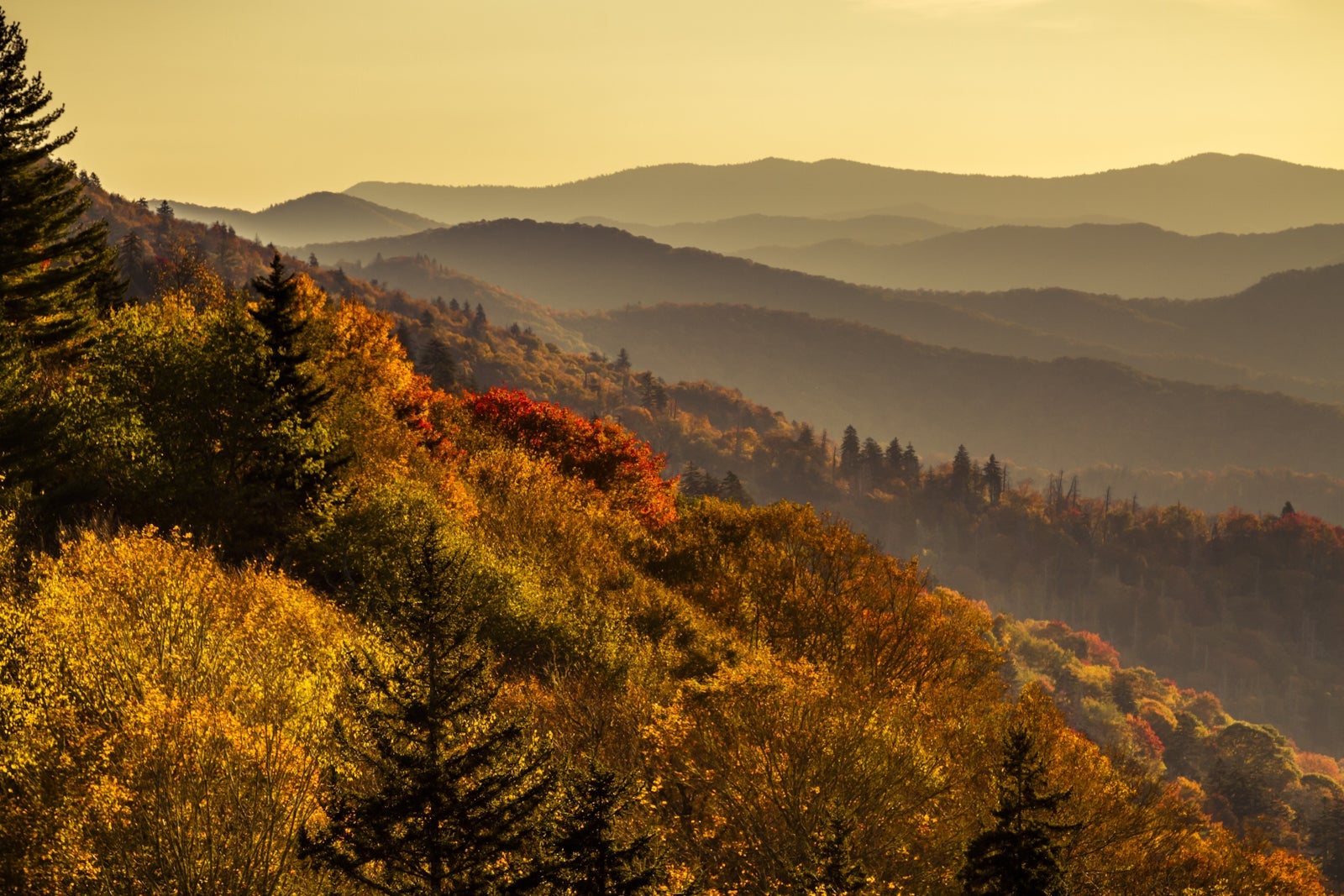
- Why visit: Take in some of the largest old-growth forests and cascading waterfalls.
- Don't miss: The synchronous fireflies flashing across the park every summer, which is a truly surreal experience (but requires snagging a spot in the lottery).
- How to get there: On the Tennessee side, travelers can fly into Knoxville's McGhee Tyson Airport (TYS), though Charlotte Douglas International Airport (CLT) offers the most connectivity.
Sprawling across the border of North Carolina and Tennessee, this is one of the most-visited national parks in the country. Its fog-shrouded mountains are a family favorite and among the oldest on Earth. Try to visit in the fall, when the rambling landscape is especially picturesque with cozy fall foliage.
Related: 10 of the best US national parks to visit in the fall
Zion National Park
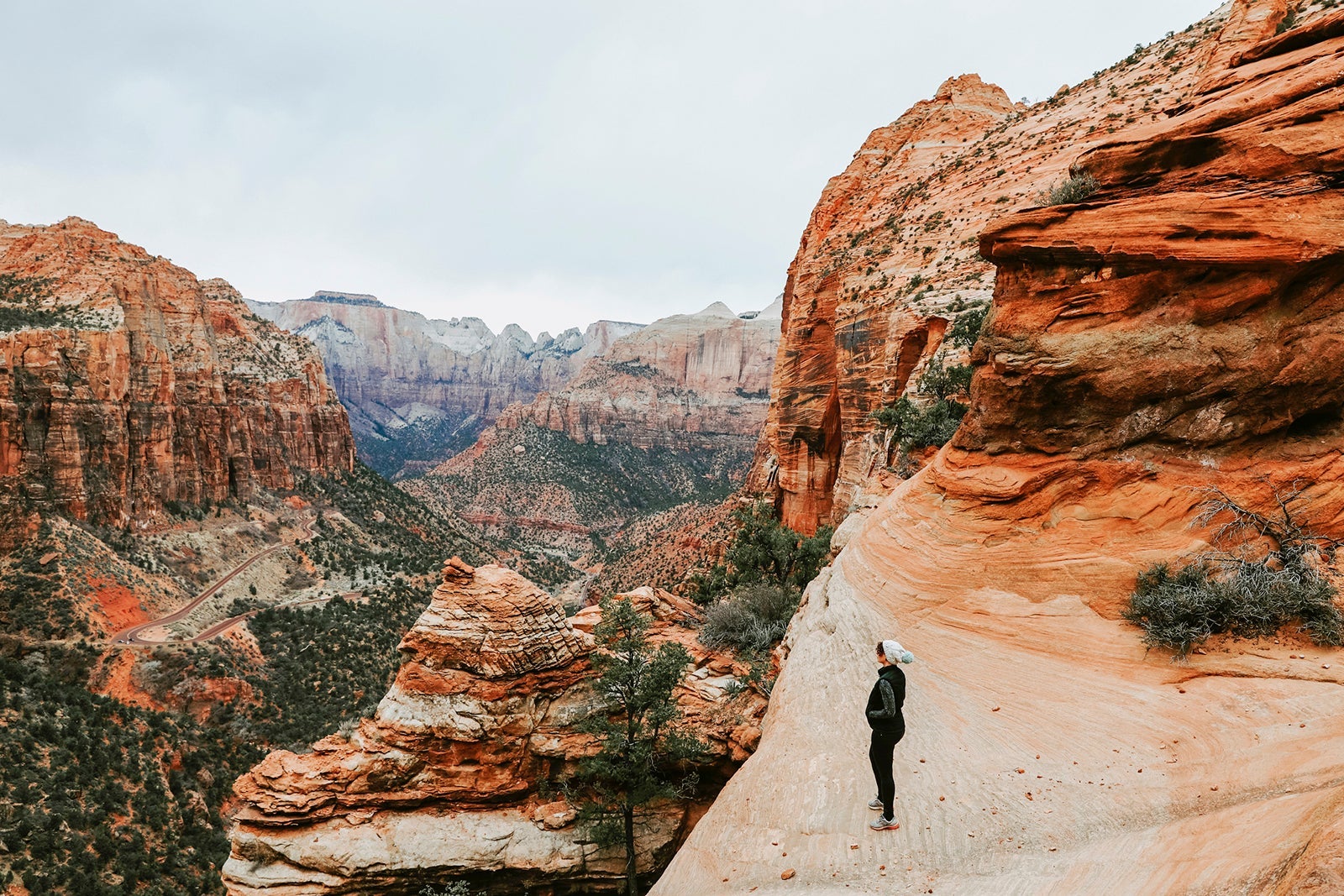
- Why visit: The park's surreal red-rock landscapes and epic hiking and bike trails will make you feel like you're on Mars.
- Don't miss: Angels Landing, one of the most scenic hiking trails in the country.
- How to get there: Fly into Flagstaff Pulliam Airport (FLG) in Arizona or Las Vegas' Harry Reid International Airport (LAS), then rent a car for the scenic drive to Zion.
Slender slot canyons and sandstone cliffs are a hallmark of Utah's first national park. Though Zion is a mecca for canyoneering, climbing and hiking, accessible trails and footpaths make it appropriate for the whole family. The landscape is truly otherworldly in parts.
Related: 12 best national parks to visit with your kids
Glacier National Park
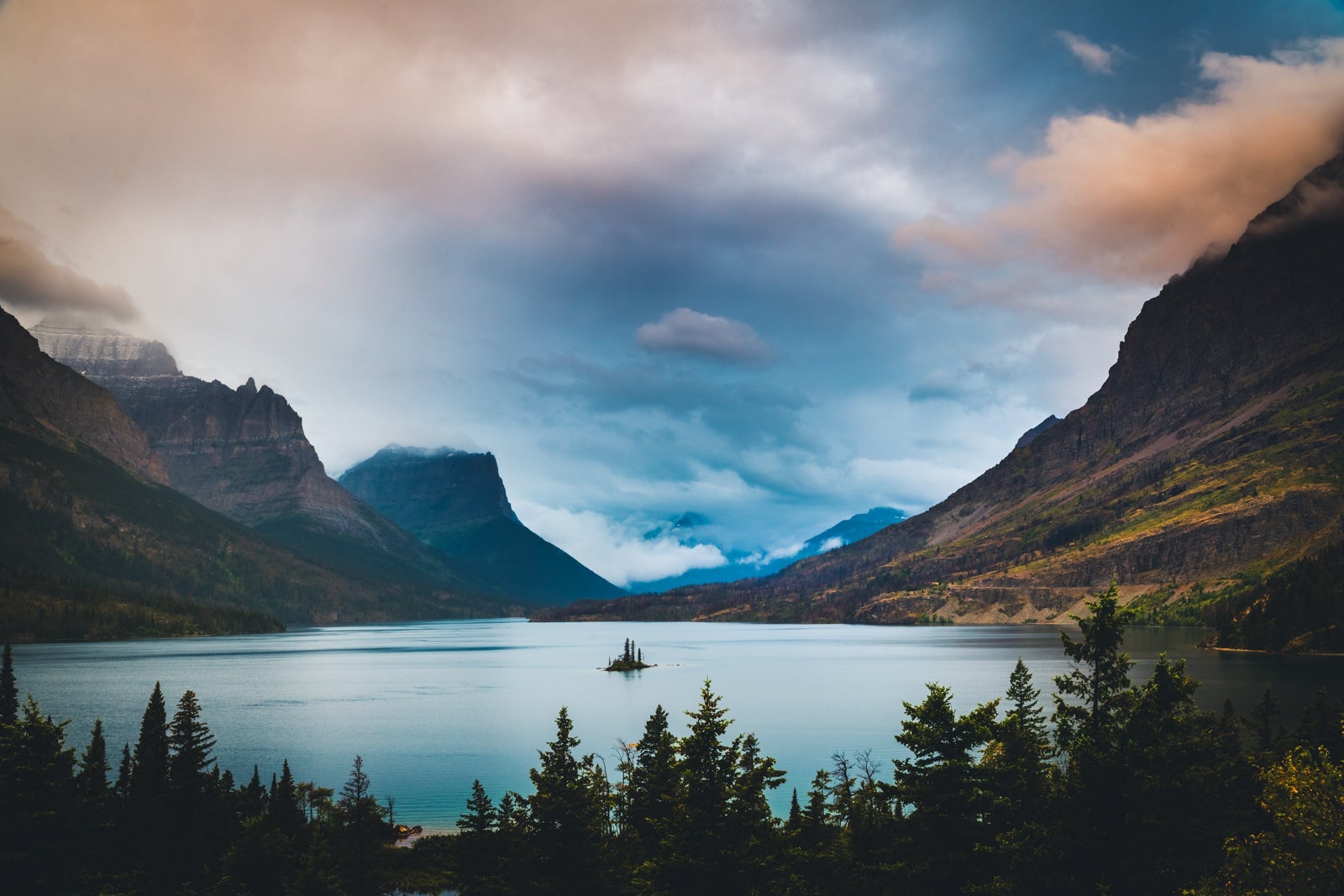
- Why visit: Glacier is famous for its sculpted glaciers, crystalline alpine lakes, majestic forests and abundant wildlife.
- Don't miss: The spectacular views along the iconic 50-mile-long Going-to-the-Sun Road.
- How to get there: Glacier Park International Airport (FCA) in Kalispell, Montana, is the main gateway to Glacier. Travelers can also fly into Bozeman Yellowstone International Airport (BZN) or Missoula Montana Airport (MSO).
In Montana, travelers will discover one of the only places in the continental U.S. to see the planet's disappearing glaciers (there are 26 named glaciers in the park) and admire millions of stars at the world's first Dark Sky Park to span an international border. Glacier National Park is also famous for its incredible wildlife. Nearby Kalispell, Montana, is also worth a visit, with quaint shops and restaurants in the downtown district.
Related: Planning a stargazing expedition? Here's everything you need to know about Dark Sky Places
Hawaii Volcanoes National Park
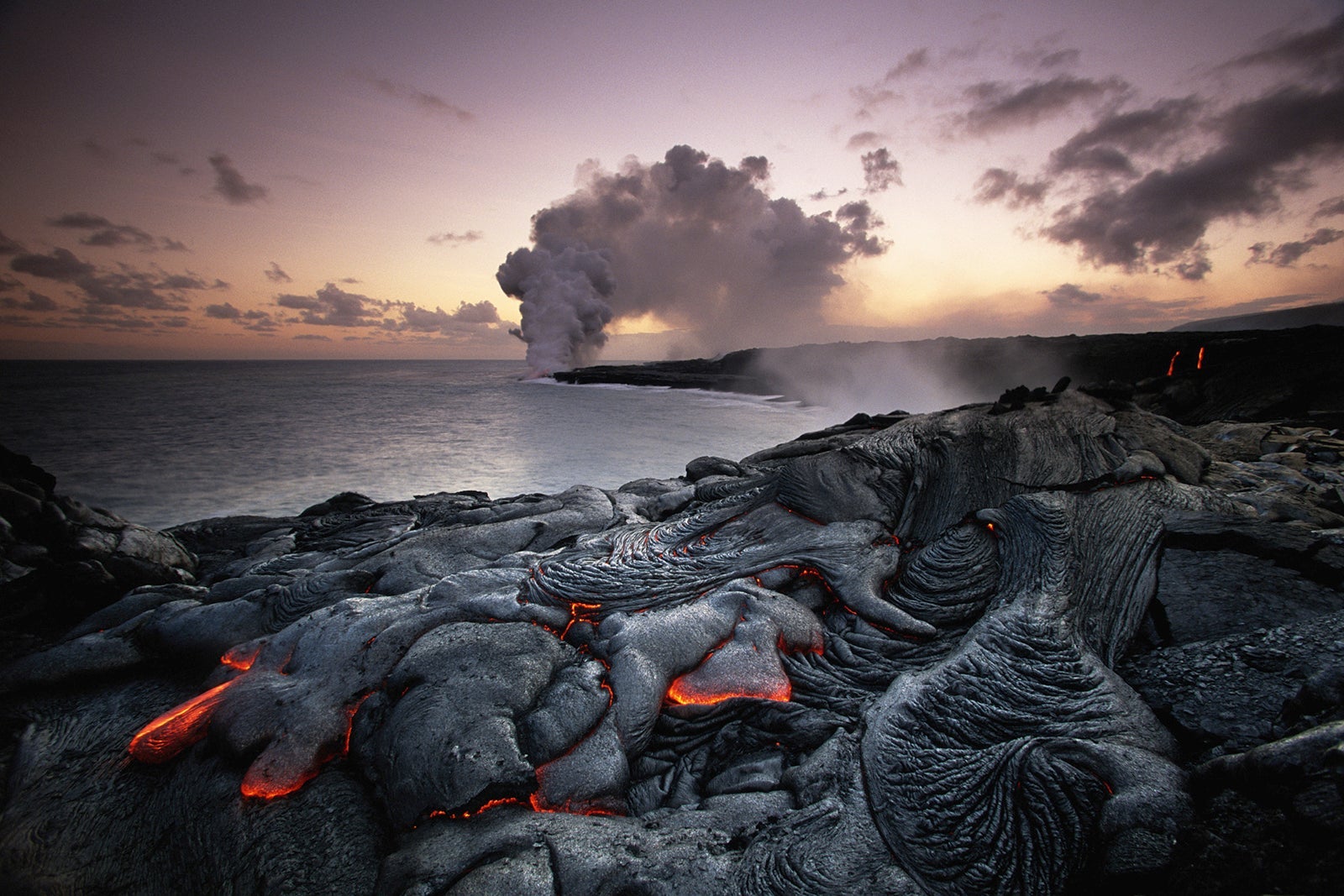
- Why visit: The park is home to two of the Big Island's active volcanoes, including the often snowcapped Mauna Loa.
- Don't miss: The sulphuric pit of Halemaumau crater and the world's longest lava tube, Kazumura.
- How to get there: It's easy to drive to the park from Ellison Onizuka Kona International Airport at Keahole (KOA) and Hilo International Airport (ITO).
Hawaii Volcanoes National Park occupies a corner of the Big Island and is still very much under the dominion of Pele, the Hawaiian goddess of volcanoes and fire. In 2018, she reshaped the park with Kilauea's eruption. When it reopened after months of seismic activity, the molten cauldron of lava had disappeared. Thankfully, the landscape is just as stunning as ever, with a new black sand beach and an even more imposing crater.
Related: Top hotels on the Big Island, Hawaii, for your next vacation
Arches National Park
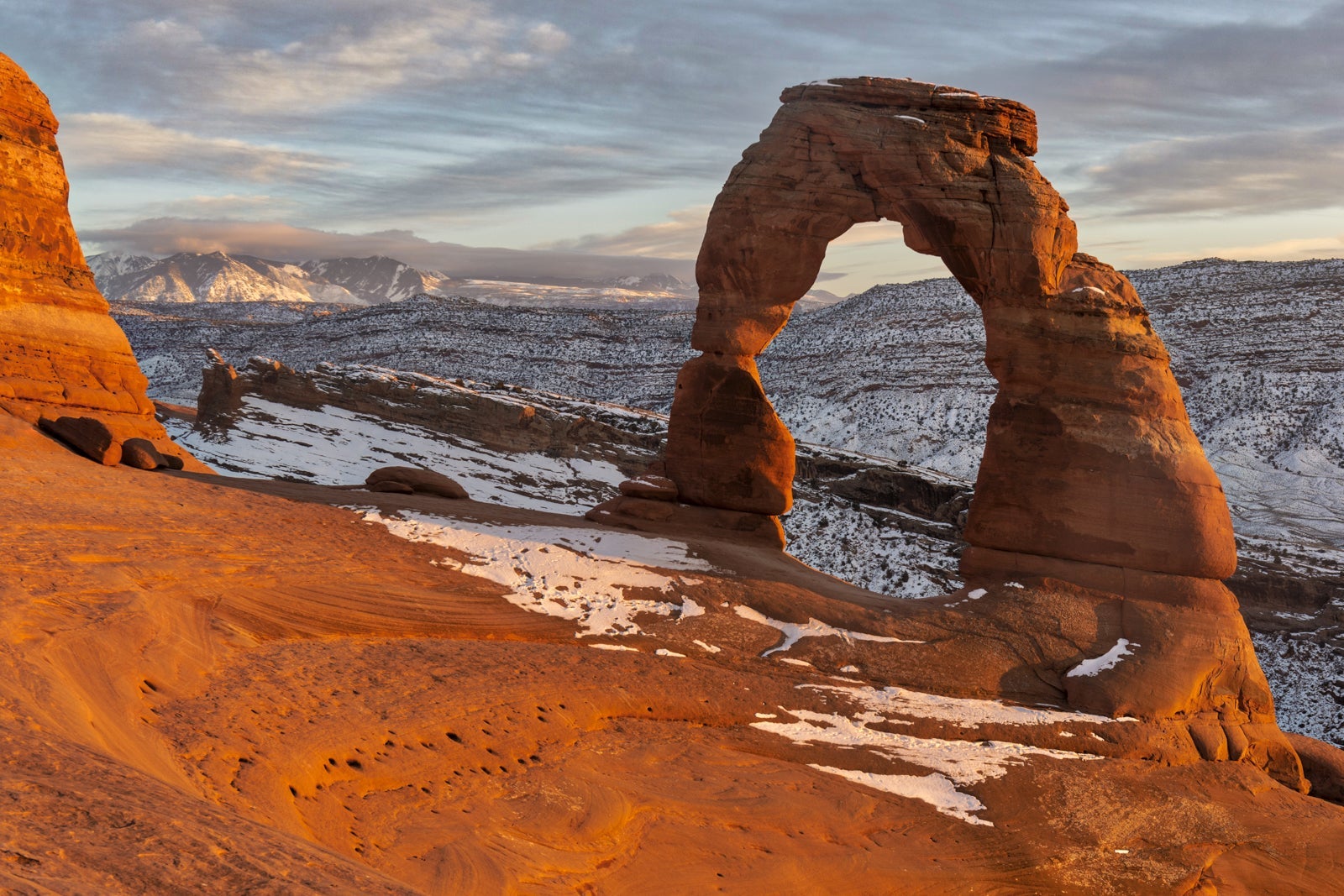
- Why visit: Come for the park's delicate sandstone arches, deep gorges, rock catacombs and open valleys, among other natural wonders.
- Don't miss: The 18-mile Scenic Drive and the park's 2,000 fantastical formations.
- How to get there: Fly into Salt Lake City International Airport (SLC) and drive about four hours. Alternatively, fly into Colorado's Grand Junction Regional Airport (GJT), which is approximately two hours away from the park.
Another example of Utah's geographic splendor, this national park is a Marslike dreamscape filled with red-rock arches, fins and pinnacles that look like a whimsical playground. To avoid the crowds, visit neighboring Canyonlands National Park, which has many of the same features but fewer visitors. Either way, you'll be greeted with some of the best examples of sandstone arches in the world.
Related: A look at Red Cliffs Lodge Moab, a respite in the heart of Utah's red-rock country
Dry Tortugas National Park
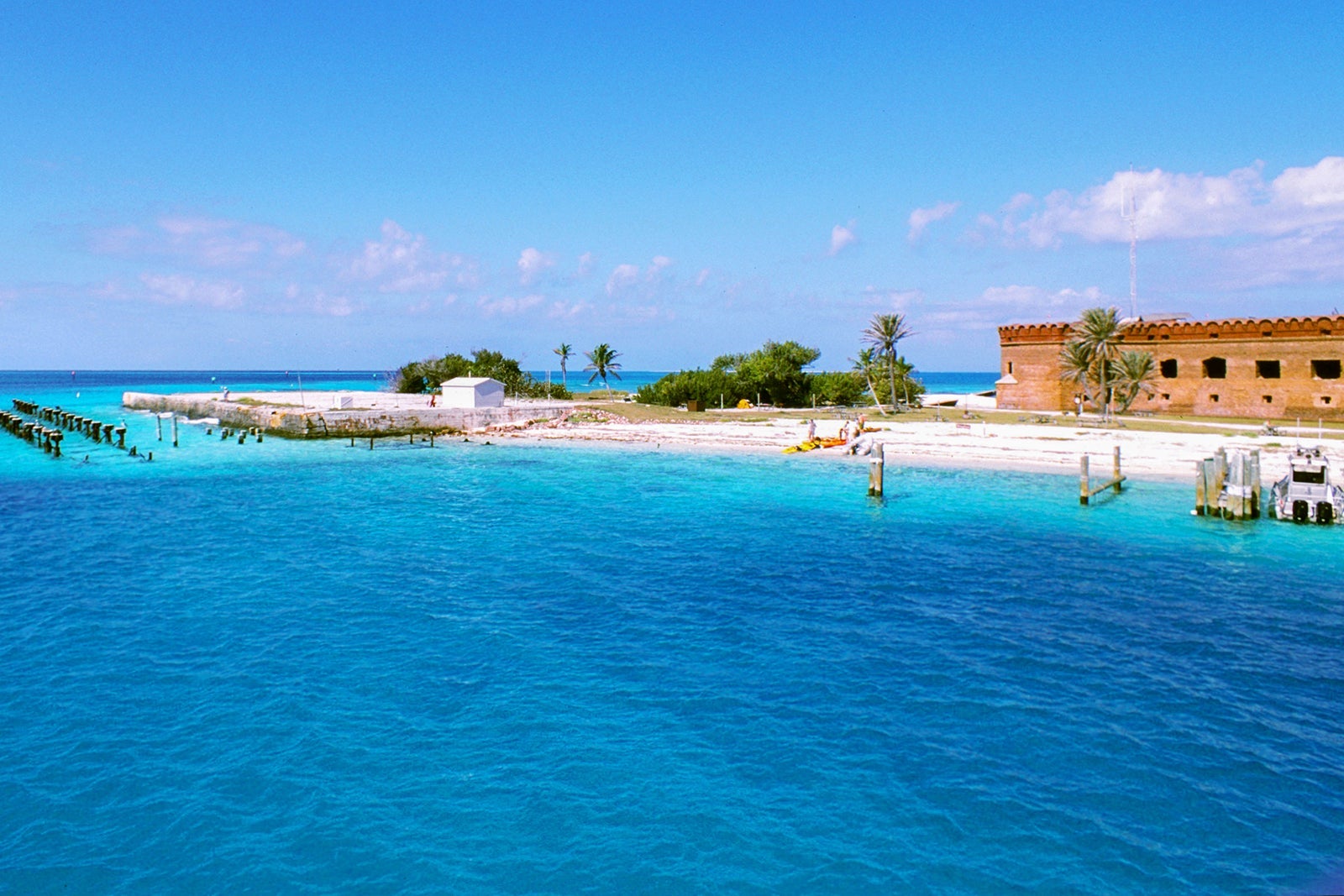
- Why visit: Clear waters, pristine beaches and North America's best snorkeling and diving make this a can't-miss park in the Sunshine State.
- Don't miss: The formidable 19th-century Fort Jefferson, which looks like it's adrift in the middle of the ocean.
- How to get there: Fly into Key West International Airport (EYW), then hop aboard the high-speed Yankee Freedom III ferry. Or, fly to Miami International Airport (MIA) and drive to the ferry port.
Composed of seven islands roughly 70 miles off the coast of Key West, Florida, this national park is accessible only by seaplane or ferry. Despite its name, the park itself is more than 99% open water. Shipwrecks and reefs make this park a dream for divers and snorkelers, though landlubbers can camp on the beach and explore Fort Jefferson, a massive, unfinished 19th-century fort guarding the harbor. In other words, if you like snorkeling, this is the national park for you.
Related: 14 best Miami Beach hotels
Big Bend National Park
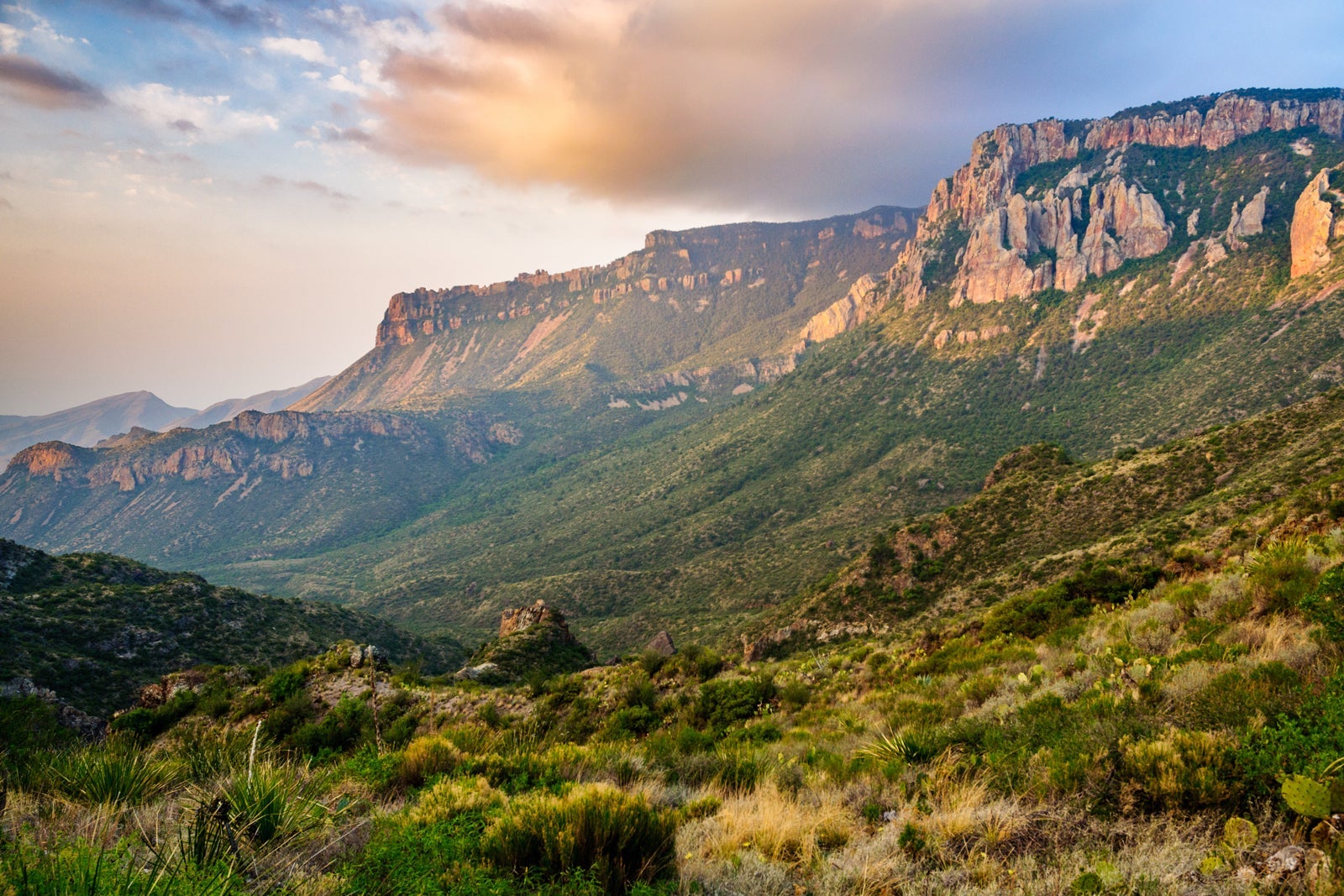
- Why visit: This stargazing mecca offers an array of diverse ecosystems spanning desert, mountain and river regions.
- Don't miss: A strenuous hike to the top of Emory Peak for stunning 360-degree views of the Chisos Mountains.
- How to get there: Big Bend isn't close to any major airport, so you'll be committing to at least a bit of a road trip. It's about a five-hour drive from El Paso and six hours from San Antonio.
Dark, star-filled skies, seemingly infinite spaces and sun-beaten desert are signature features of this West Texas park. Big Bend National Park is considered one of the best national parks in the Lower 48 for stargazing, though the Rio Grande River is also a boon for adventurous kayakers and canoers. Another benefit? It has the least light pollution of any national park in the contiguous U.S., and in 2022, the surrounding region was certified as the world's largest International Dark Sky Reserve.
Related: The 12 best road trips to take with your family this summer
New River Gorge National Park & Preserve
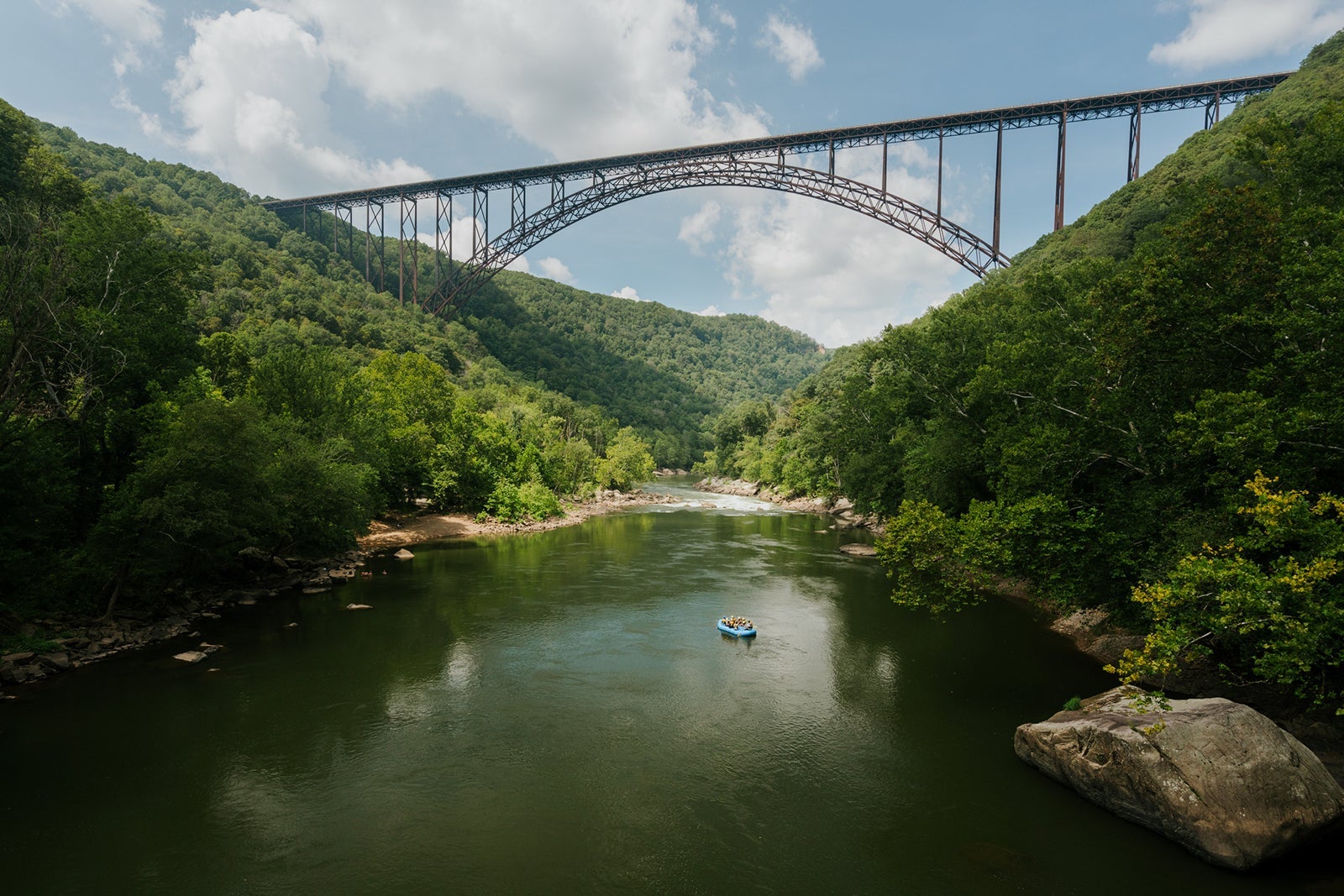
- Why visit: Check out this West Virginia park for its adrenaline-infused activities like white water rafting, mountain biking and the singular Bridge Walk.
- Don't miss: Hiking the more than 2-mile Endless Wall Trail, ideally at sunset for the best views.
- How to get there: If you're flying to West Virginia, you'll most likely come through West Virginia International Yeager Airport (CRW), near the capital of Charleston. From there, it's about a two-hour drive to the New River Gorge.
Commonly called "The New," this West Virginia parkland is best known for its exceptional white water rafting opportunities, advanced rock climbing routes along the sandstone cliffs and the more than 3,000-foot-long steel bridge that arches over the gorge. If rafting is in the plans, there's something for everyone. The Lower New serves up big, warm-water Class 3, 4 and 5 rapids — some of the East's best big-water runs — while the Upper New offers gentler Class 1, 2 and 3 floats that work for families.
Related reading:
- Key travel tips you need to know — whether you're a beginner or expert traveler
- The best travel credit cards
- Where to go in 2026: The 17 best places to travel
- 6 real-life strategies you can use when your flight is canceled or delayed
- 6 of the best credit cards for travel purchases — beyond flights and hotels
TPG featured card

at American Express's secure site
Terms & restrictions apply. See rates & fees.
| 4X | Earn 4X Membership Rewards® points per dollar spent on purchases at restaurants worldwide, on up to $50,000 in purchases per calendar year, then 1X points for the rest of the year. |
| 4X | Earn 4X Membership Rewards® points per dollar spent at US supermarkets, on up to $25,000 in purchases per calendar year, then 1X points for the rest of the year. |
| 5X | Earn 5X Membership Rewards® points on prepaid hotel stays booked through AmexTravel.com or the Amex Travel App™. |
| 3X | Earn 3X Membership Rewards® points on flights booked through AmexTravel.com, the Amex Travel App™, or purchased directly from airlines. |
| 2X | Earn 2X Membership Rewards® points on prepaid car rentals booked through AmexTravel.com or the Amex Travel App™ and cruises booked and paid through AmexTravel.com. |
| 1X | Earn 1X Membership Rewards® point per dollar spent on all other eligible purchases. |
Pros
- Valuable dining and food-related credits
- Flexible rewards with airline and hotel transfer partners
- Multiple travel and purchase protections
- No foreign transaction fees
- Access to Amex Offers for additional savings (enrollment required)
Cons
- Not as useful for those living outside the U.S.
- Some may have trouble using Uber and other dining credits
- You may be eligible for as high as 100,000 Membership Rewards® Points after you spend $8,000 in eligible purchases on your new Card in your first 6 months of Card Membership. Welcome offers vary and you may not be eligible for an offer. Apply to know if you’re approved and find out your exact welcome offer amount – all with no credit score impact. If you’re approved and choose to accept the Card, your score may be impacted.
- Earn 4X Membership Rewards® points per dollar spent on purchases at restaurants worldwide, on up to $50,000 in purchases per calendar year, then 1X points for the rest of the year.
- Earn 4X Membership Rewards® points per dollar spent at US supermarkets, on up to $25,000 in purchases per calendar year, then 1X points for the rest of the year.
- Earn 5X Membership Rewards® points on prepaid hotel stays booked through AmexTravel.com or the Amex Travel App™.
- Earn 3X Membership Rewards® points on flights booked through AmexTravel.com, the Amex Travel App™, or purchased directly from airlines.
- Earn 2X Membership Rewards® points on prepaid car rentals booked through AmexTravel.com or the Amex Travel App™ and cruises booked and paid through AmexTravel.com.
- Earn 1X Membership Rewards® point per dollar spent on all other eligible purchases.
- Pay It® lets you tap in the American Express® App to quickly pay for small purchase amounts throughout the month and still earn rewards the way you usually do. Plan It® gives you the option to split up big purchases into equal monthly payments with a fixed fee. You’ll know upfront exactly how much you’ll pay.
- $120 Dining Credit: Earn up to a total of $10 in statement credits monthly when you pay with the Gold Card at Grubhub (including Seamless), Buffalo Wild Wings, Five Guys, The Cheesecake Factory, and Wonder. This can be an annual savings of up to $120. Enrollment required.
- $100 Resy Credit: Get up to $100 in statement credits each calendar year at over 10,000 qualifying U.S. Resy restaurants after you pay for eligible purchases with the American Express® Gold Card. That’s up to $50 in statement credits semi-annually. Enrollment required.
- $84 Dunkin' Credit: Earn up to $7 in monthly statement credits after you pay with the American Express® Gold Card at U.S. Dunkin’ locations. Enrollment required.
- $120 Uber Cash on Gold: Enjoy up to $120 in Uber Cash annually with your Gold Card. Just add your Card to your Uber account and you'll get $10 in Uber Cash each month to use on orders and rides in the U.S. when you select an Amex Card for your transaction.
- Enjoy complimentary Hertz Five Star® Status benefits like skipping the counter at select locations, adding an additional driver at no additional cost*, and vehicle upgrades**. Benefit enrollment and Hertz Gold+ registration are required. *Additional drivers must meet standard rental qualifications and must be a spouse or domestic partner to qualify as complimentary. Other additional drivers subject to fees. **Benefits are subject to availability and vary by location. Additional Hertz program Terms and Conditions including age restrictions apply.
- Book two nights or more with The Hotel Collection through AmexTravel.com or the Amex Travel App™ and receive a $100* credit towards eligible charges at over 1,400 upscale hotels worldwide. *Eligible charges vary by property.
- Book your travel through the Amex Travel App™ with added peace of mind – backed by American Express® service and support. Only for American Express® Card Members.
- Whenever you need us, we're here. Our Member Services team will ensure you are taken care of. From lost Card replacement to statement questions, we are available to help 24/7.
- No Foreign Transaction Fees.
- Annual Fee is $325.
- Terms Apply.