8 of the Best Destinations on Earth for Whale Watching — and When to Go

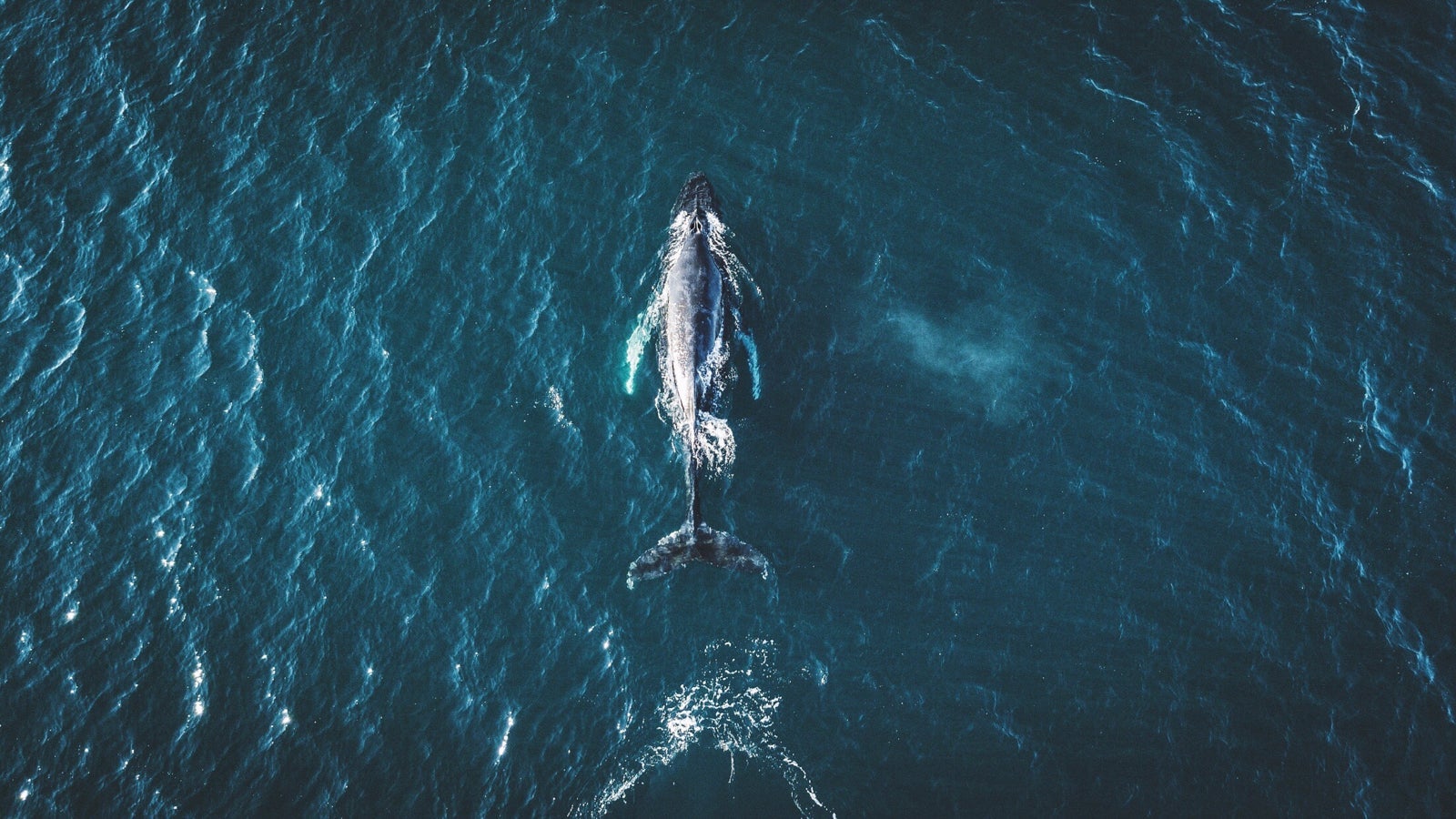
Encountering a whale can be deeply moving. These mysterious creatures are found in every ocean in the world from Africa to Antarctica. You can go whale watching from basically any country with a coastline, but there are certain places where the chances of sightings are particularly high and the whales come conveniently close to shore.
Unfortunately, after being hunted for centuries, half of the 13 great whale species in the world are endangered. Conservation of these majestic animals is more important than ever; the UK-based travel agency Responsible Travel has tips on how to plan an ethical whale-watching trip. Here are some of the best spots for whale spotting in every season. Have a read, pack your camera and prepare for an awe-inspiring wildlife adventure.
Where to Go Whale Watching in the Spring
The Azores
These remote Portuguese islands are one of the most popular whale watching destinations in the world due to the number and diversity of cetaceans (whales and dolphins) that are found here. You're most likely to see the resident sperm and pilot whales that hang out year round, along with several dolphin species including orca — that's right, killer "whales" aren't actually whales at all.
In the spring, when migrating whales pass through, you've got a good shot at spotting humpbacks, Sei, and the two largest species of whale: fin and blue. Peak season is April through September, but visit in April and May for the best chance of spotting a big blue. Book with Whale Watch Azores, Atlantiangra or Azores Adventures Futurismo, which are all approved by the World Cetacean Alliance.
Canada
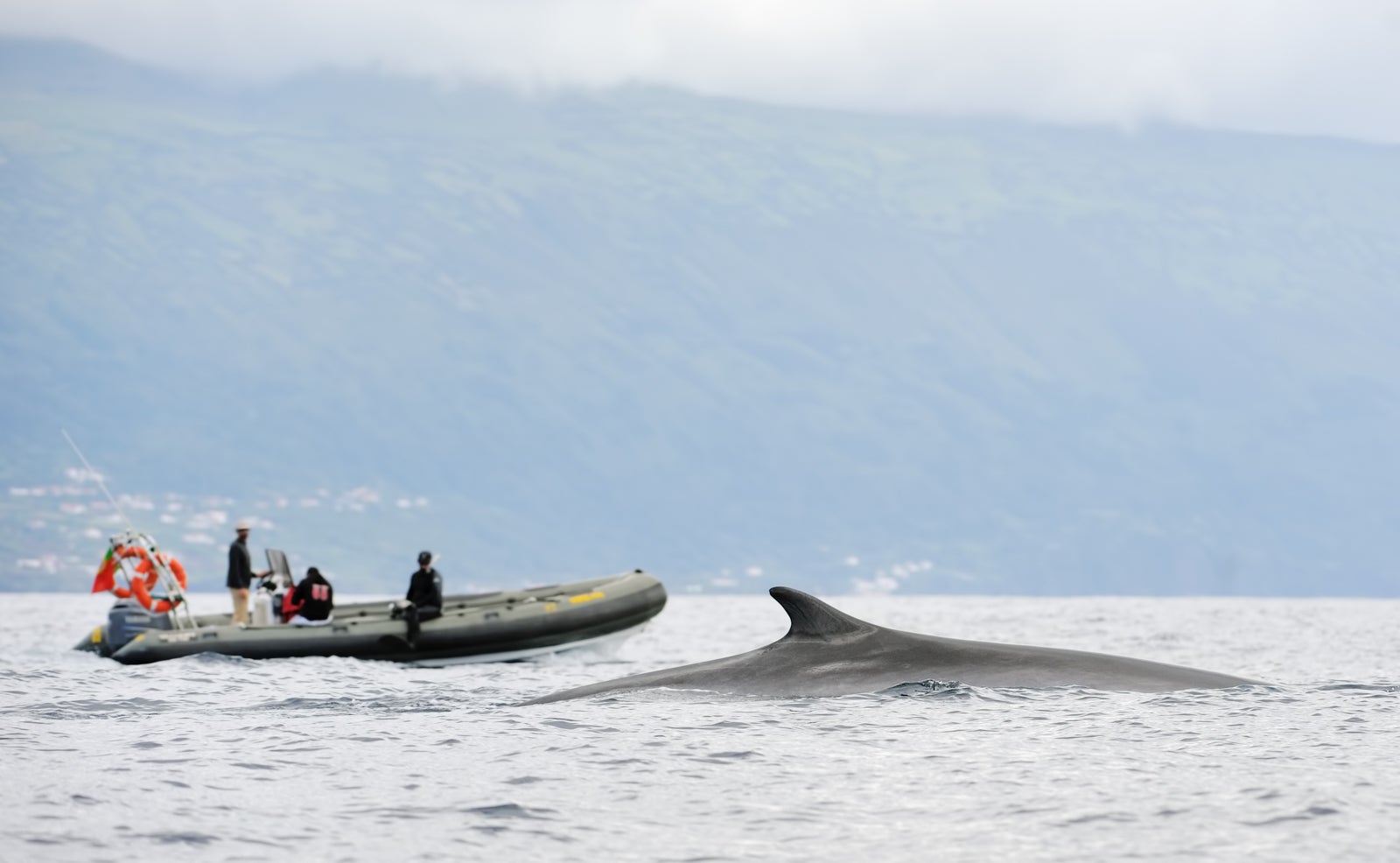
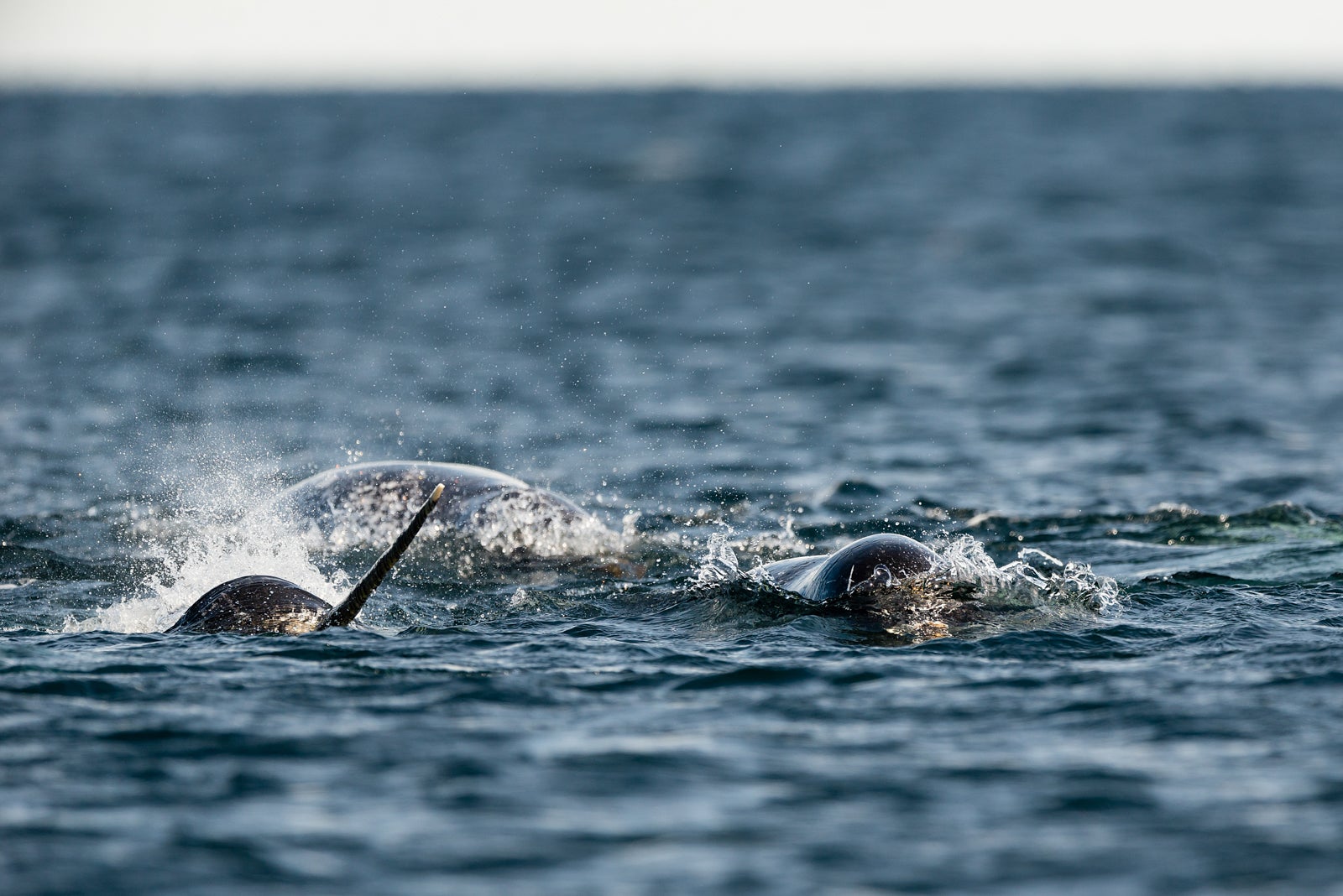
For those with an adventurous spirit and cash to spare, an expedition to the Northern provinces offers access to some of the rarer and more exotic whale species. In Arctic Nunavut, May and June are a good time to see narwhals (aka the unicorns of the sea) and bowhead whales, as well as walruses and polar bears. From June onwards you can spot friendly, chattering beluga whales in Churchill, Manitoba and Tadoussac, Quebec.
For more accessible wildlife encounters, head to Vancouver Island in March and April to see the gray whale migration, or from May through September when the orca are at their most plentiful. (Over the summer there are also humpbacks, minke, fin, sperm, and even blue whales off the East and West coasts). Visit whaletrips.org for more details and a list of operators in each region.
Where to Go Whale Watching in the Summer
Kaikoura, New Zealand
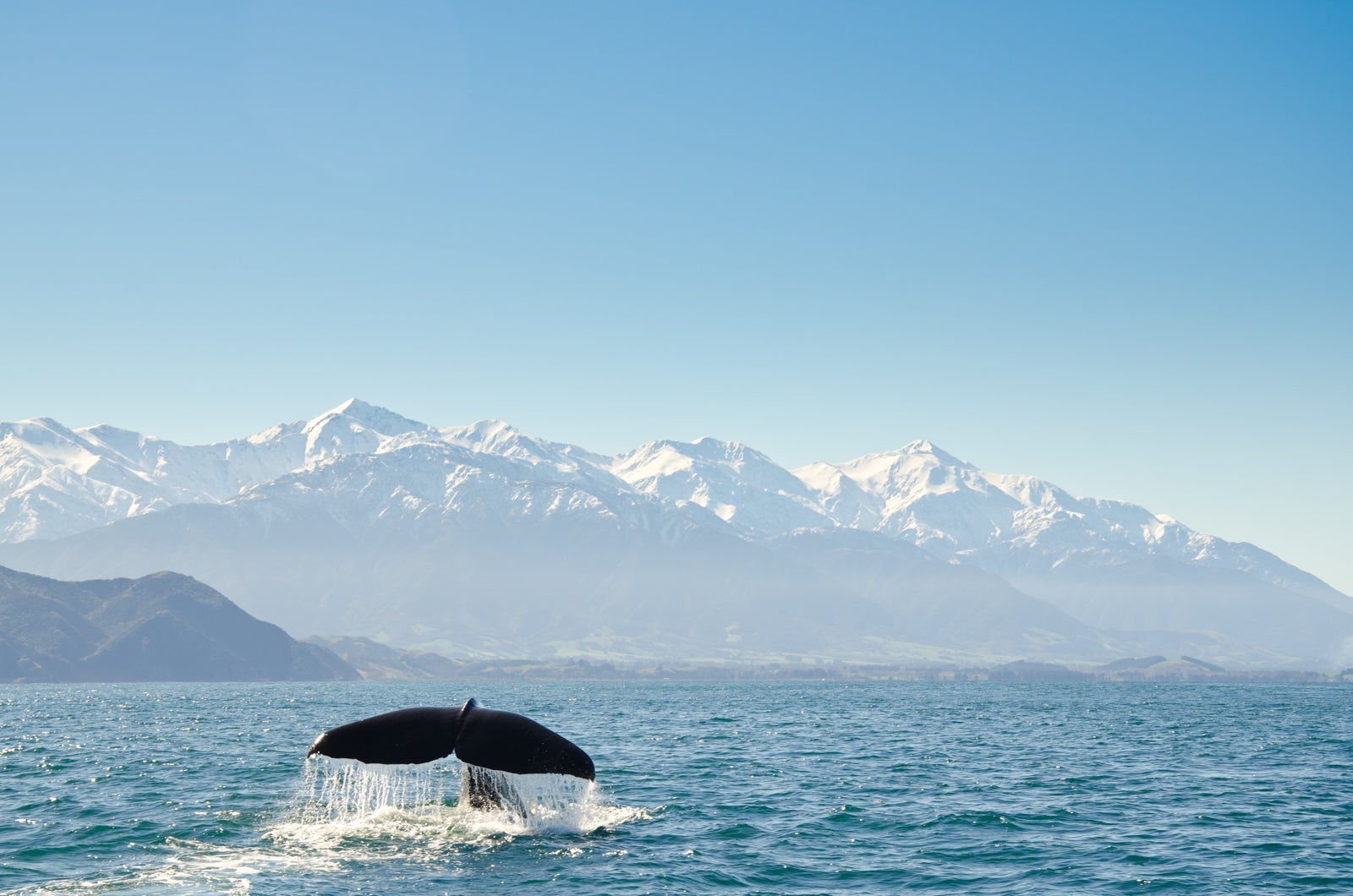
Kaikoura on the South Island is known as the whale-watching capital of New Zealand, due to the resident sperm whales that can be seen here year-round. (Here's a bit of literary trivia for you: Moby Dick was based on a real 19th century sperm whale named Mocha Dick, who lived in the Southern Pacific). But visit over June and July and you'll also catch the more acrobatic humpbacks en route to their winter territories in Tonga and Australia, along with occasional blue and Southern right whales.
There are a number of boat and aerial tour companies to choose from, including Auckland Whale and Dolphin Safari, E-Ko Tours, Whale Watch Kaikoura and Kaikoura Helicopters.
Iceland
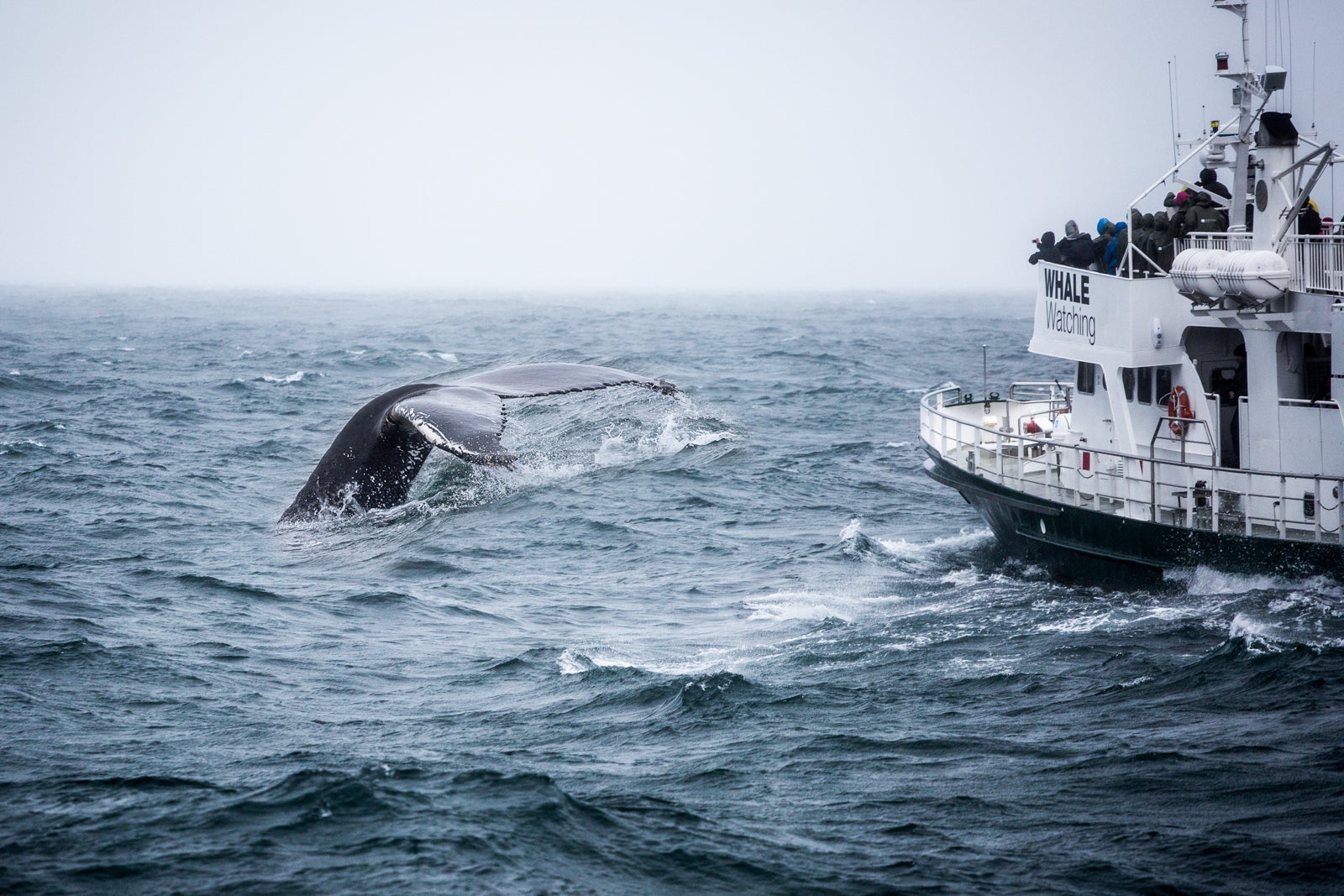
Still under-the-radar as a whale watching destination, Iceland is actually one of the best places in Europe to do it. There are more than 20 species of whales and dolphins to be seen here, including minke, fin, sperm, humpback, blue whales and orca. Some of these cetaceans can be spotted year-round, but the peak season is June to August when operators report a 90% success rate.

Another compelling reason to take a whale watching excursion here is that Iceland is one of the only remaining countries that still hunts whales commercially, along with Norway and Japan; supporting the whale watching industry shows authorities that living whales are more valuable than dead ones. Visit Icewhale for a list of responsible operators, as well as whale-friendly restaurants to dine at while you're there.
Where to Go Whale Watching in the Fall
Hermanus, South Africa
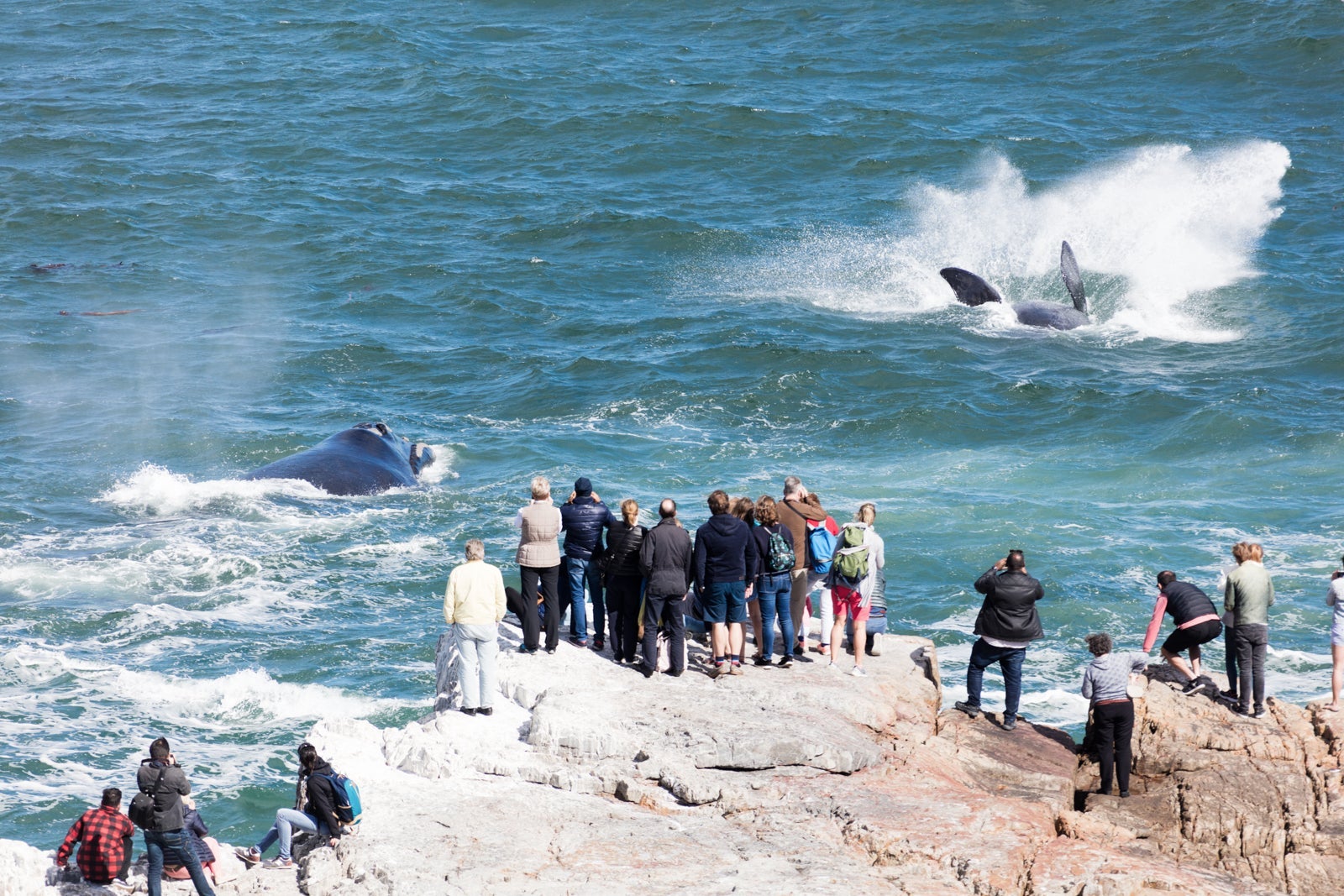
This fishing town is one of the best places in the world for shore-based whale watching, ideal for those who prefer to stay on dry land. To find out where the whales are, you can call a special hotline or listen out for the town's whale crier, who blows a kelp horn to signal activity in the bay.
There are also boat trips for those who wish to get closer (try Southern Right Charters), as well as splurge-worthy aerial tours that will fly you right over the Southern Right, where you can spot humpback whales that migrate here to mate and calve. Whale season stretches from July to November with peak sightings during September and October.
Tonga
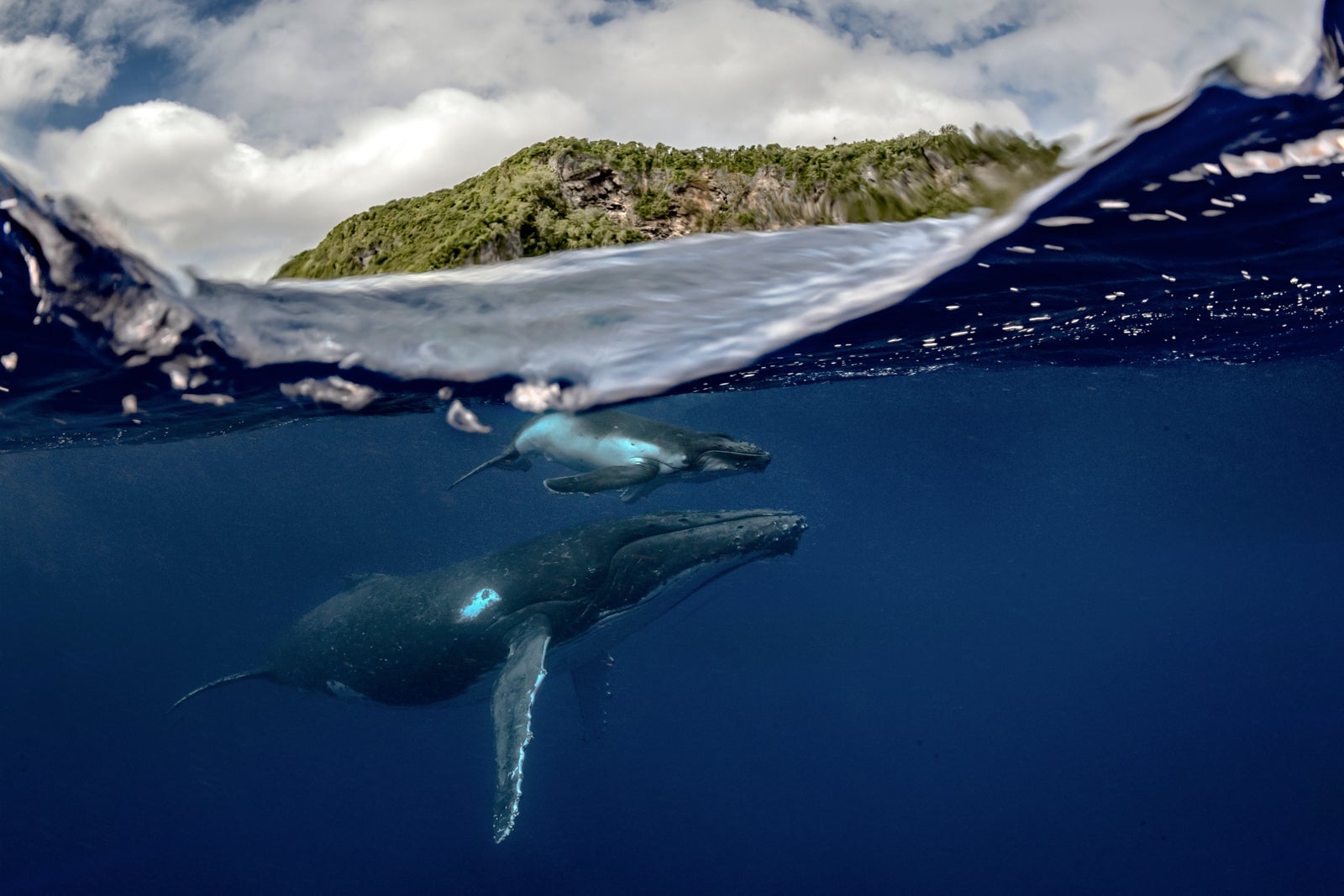
This Polynesian archipelago is one of the few places in the world that permits swimming with humpback whales, who journey here from Antarctica each year to mate and give birth. During the July to October whale season you'll have a good chance of encountering courtship rituals, singing (male humpbacks are known for their vocal talents) or a mother with her calf.
To minimize the disturbance to the whales, it's imperative to use a licensed operator who follows official guidelines; a list of responsible operators can be found on the Tonga Tourism website.
Where to Go Whale Watching in the Winter
Hawaii
From December to May, around 10,000 North Pacific humpback whales escape frigid Alaskan waters for the tropical climes of Hawaii. (Creatures after our own hearts.) January through March is the best time for spotting these acrobatic, social and curious whales who have been known to swim up to investigate boats.
Maui is the best island for land-based whale watching but you can also take a boat tour with PacWhale Eco-Adventures, which directly supports whale conservation and research. In Oahu, try Wild Side Specialty Tours, which offers small group trips led by marine biologists.
Sri Lanka
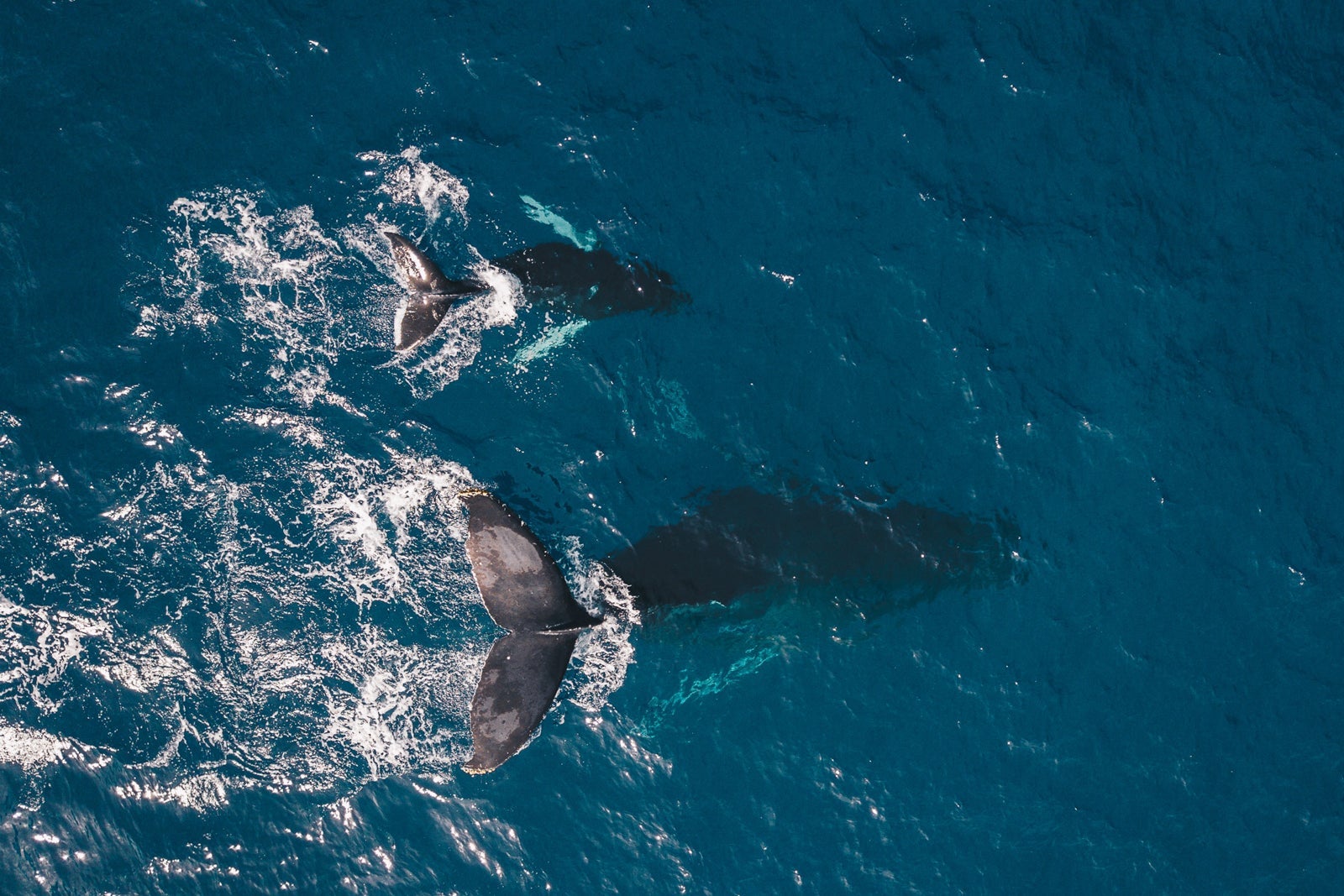
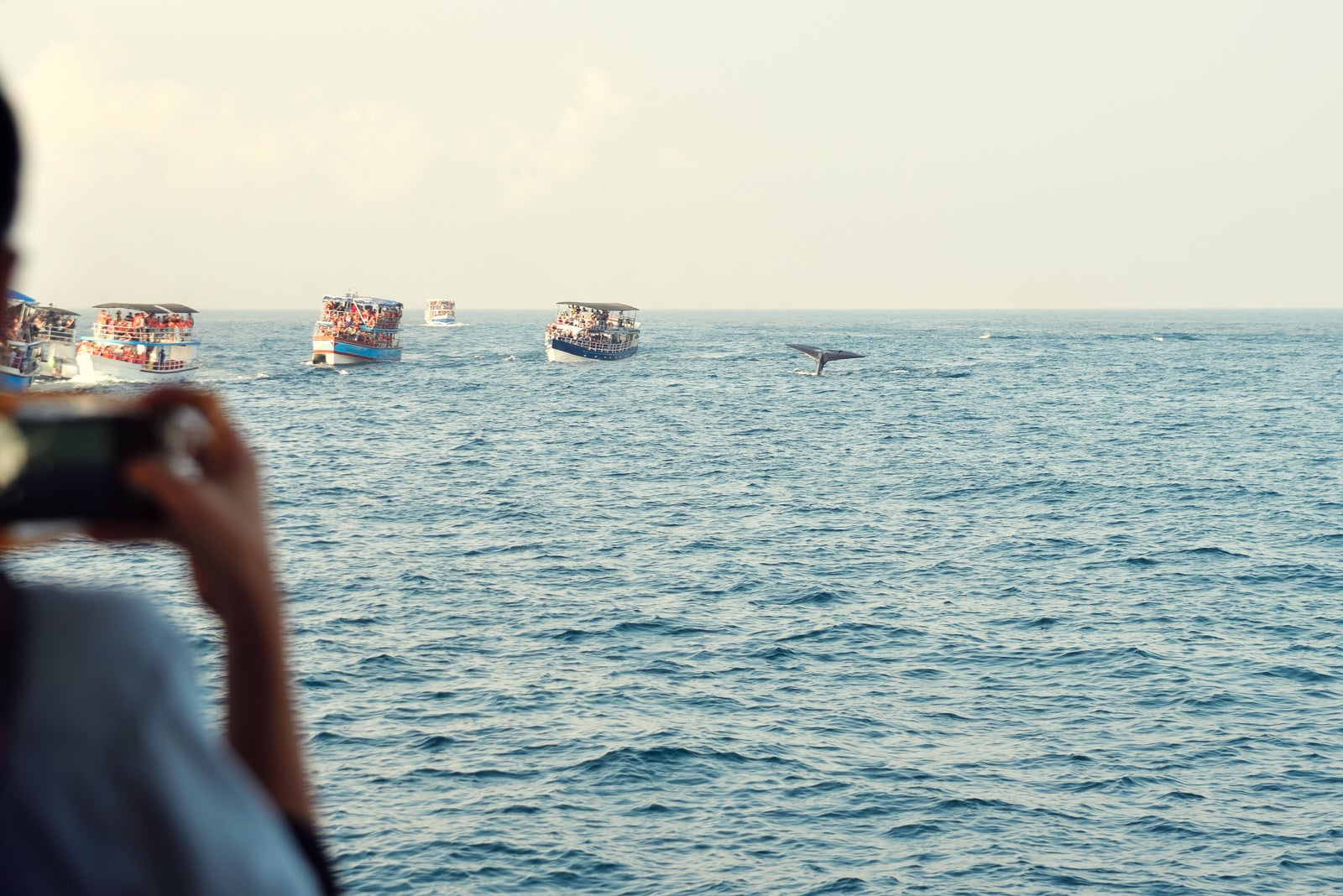
The coast off Mirissa and Galle is swimming with whales and dolphins from November to April, including humpback, Bryde's and sperm whales. But February and March is when you'll find the mighty blue whale, the largest animal to ever live. Unfortunately there is little regulation governing the industry here, so choose an operator with care.
Raja & the Whales is actively involved in research and conservation, while Mirissa Water Sports is an approved member of the World Cetacean Alliance. Not only will these operators maintain a respectful distance from the whales, they also limit group numbers so you won't have to compete with your fellow passengers for the view.
TPG featured card

at American Express's secure site
Terms & restrictions apply. See rates & fees.
| 3X | Earn 3X Miles on Delta purchases. |
| 1X | Earn 1X Miles on all other eligible purchases. |
Pros
- Delta SkyClub access when flying Delta
- Annual companion ticket for travel on Delta (upon renewal)
- Ability to earn MQDs through spending
- Various statement credits for eligible purchases
Cons
- Steep annual fee of $650
- Other Delta cobranded cards offer superior earning categories
- Earn 100,000 Bonus Miles after you spend $6,000 or more in purchases with your new Card within the first 6 months of Card Membership and an additional 25,000 bonus miles after you make an additional $3,000 in purchases on the Card within your first 6 months, starting from the date that your account is opened. Offer Ends 04/01/2026.
- Delta SkyMiles® Reserve American Express Card Members receive 15 Visits per Medallion® Year to the Delta Sky Club® when flying Delta and can unlock an unlimited number of Visits after spending $75,000 in purchases on your Card in a calendar year. Plus, you’ll receive four One-Time Guest Passes each Medallion Year so you can share the experience with family and friends when traveling Delta together.
- Enjoy complimentary access to The Centurion® Lounge in the U.S. and select international locations (as set forth on the Centurion Lounge Website), Sidecar by The Centurion® Lounge in the U.S. (see the Centurion Lounge Website for more information on Sidecar by The Centurion® Lounge availability), and Escape Lounges when flying on a Delta flight booked with the Delta SkyMiles® Reserve American Express Card. § To access Sidecar by The Centurion® Lounge, Card Members must arrive within 90 minutes of their departing flight (including layovers). To access The Centurion® Lounge, Card Members must arrive within 3 hours of their departing flight. Effective July 8, 2026, during a layover, Card Members must arrive within 5 hours of the connecting flight.
- Receive $2,500 Medallion® Qualification Dollars with MQD Headstart each Medallion Qualification Year and earn $1 MQD for each $10 in purchases on your Delta SkyMiles® Reserve American Express Card with MQD Boost to get closer to Status next Medallion Year.
- Enjoy a Companion Certificate on a Delta First, Delta Comfort, or Delta Main round-trip flight to select destinations each year after renewal of your Card. The Companion Certificate requires payment of government-imposed taxes and fees of between $22 and $250 (for itineraries with up to four flight segments). Baggage charges and other restrictions apply. Delta Basic experiences are not eligible for this benefit.
- $240 Resy Credit: When you use your Delta SkyMiles® Reserve American Express Card for eligible purchases with U.S. Resy restaurants, you can earn up to $20 each month in statement credits. Enrollment required.
- $120 Rideshare Credit: Earn up to $10 back in statement credits each month after you use your Delta SkyMiles® Reserve American Express Card to pay for U.S. rideshare purchases with select providers. Enrollment required.
- Delta SkyMiles® Reserve American Express Card Members get 15% off when using miles to book Award Travel on Delta flights through delta.com and the Fly Delta app. Discount not applicable to partner-operated flights or to taxes and fees.
- With your Delta SkyMiles® Reserve American Express Card, receive upgrade priority over others with the same Medallion tier, product and fare experience purchased, and Million Miler milestone when you fly with Delta.
- Earn 3X Miles on Delta purchases and earn 1X Miles on all other eligible purchases.
- No Foreign Transaction Fees. Enjoy international travel without additional fees on purchases made abroad.
- $650 Annual Fee.
- Apply with confidence. Know if you're approved for a Card with no impact to your credit score. If you're approved and you choose to accept this Card, your credit score may be impacted.
- Terms Apply.
- See Rates & Fees