Why the new iPhone 14 Pro is a game changer for travelers

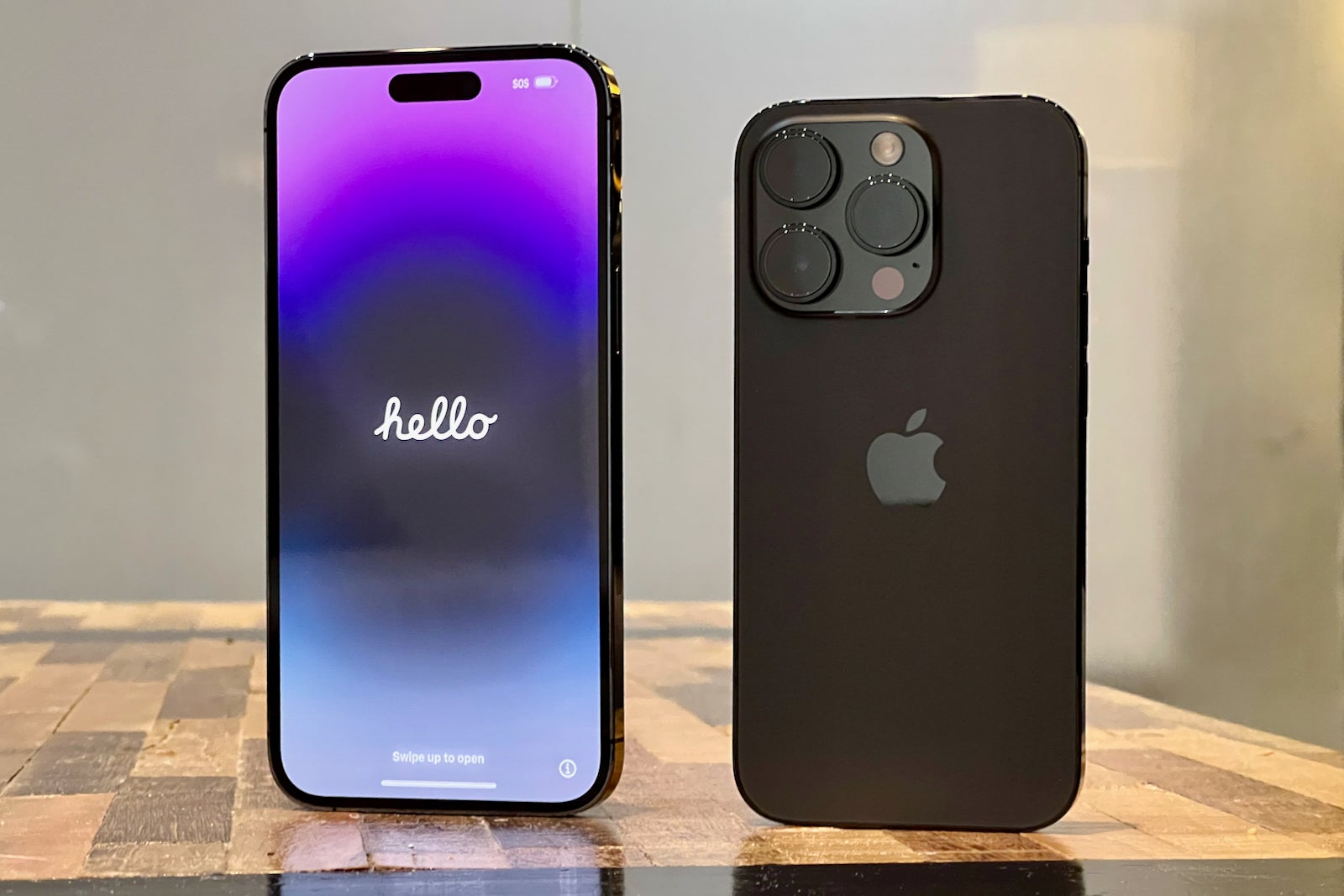
The new iPhone 14 family ushers in perhaps the biggest change yet for travelers.
And no, I'm not necessarily talking about the upgraded cameras or the better performance, though I'll touch on those improvements later. Instead, there's one subtle change that'll have lasting implications for people who are always on the go: the elimination of the physical SIM card slot.
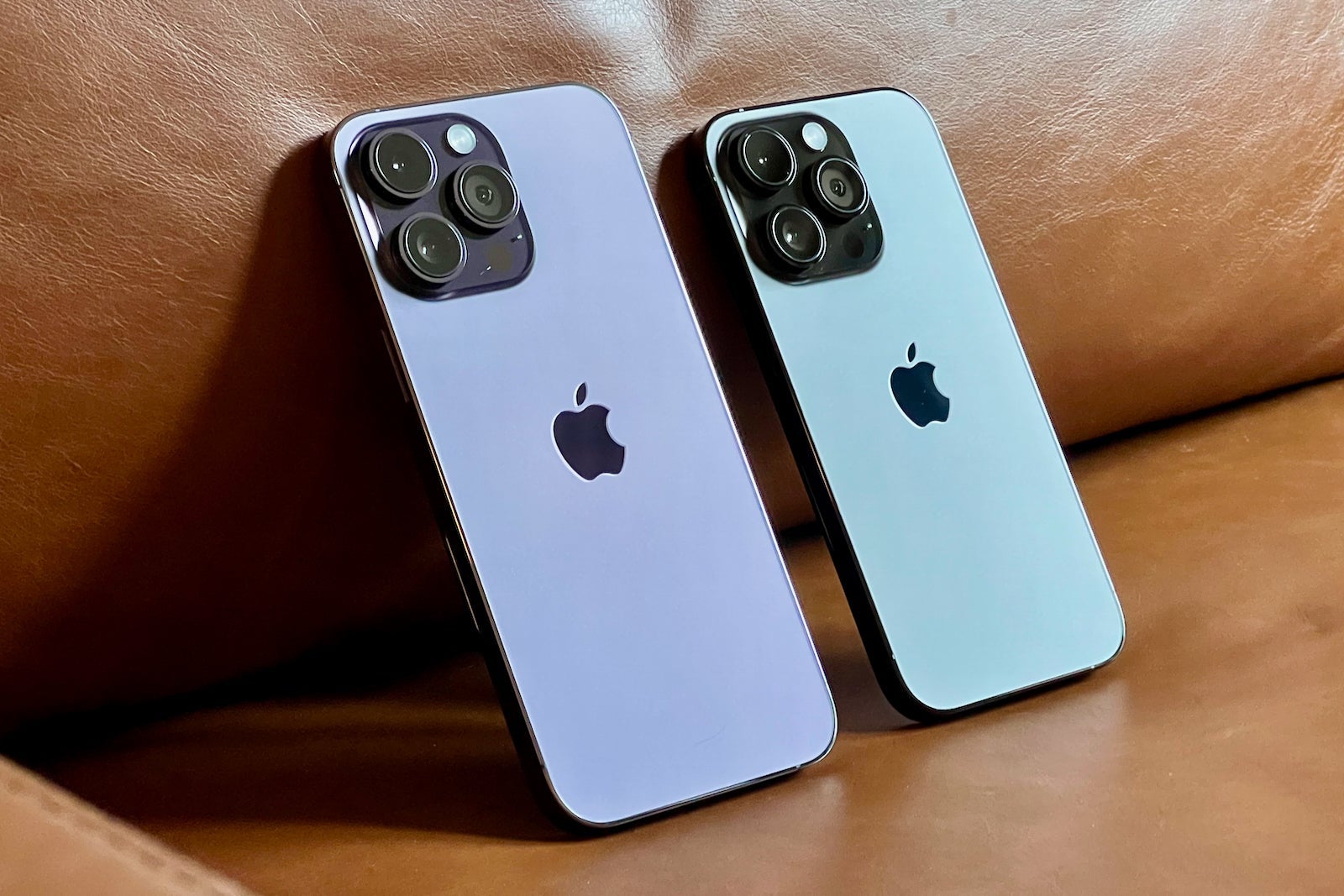
If you're unfamiliar, a SIM (which stands for subscriber identity module) card is a small chip that essentially associates your phone number with your cellular provider's network.
For the past 15 years, Apple has sold iPhone models with a SIM card slot. While some smartphone users may only pop open the SIM tray once during the initial activation process, this slot is incredibly important for international travelers and TPG readers.
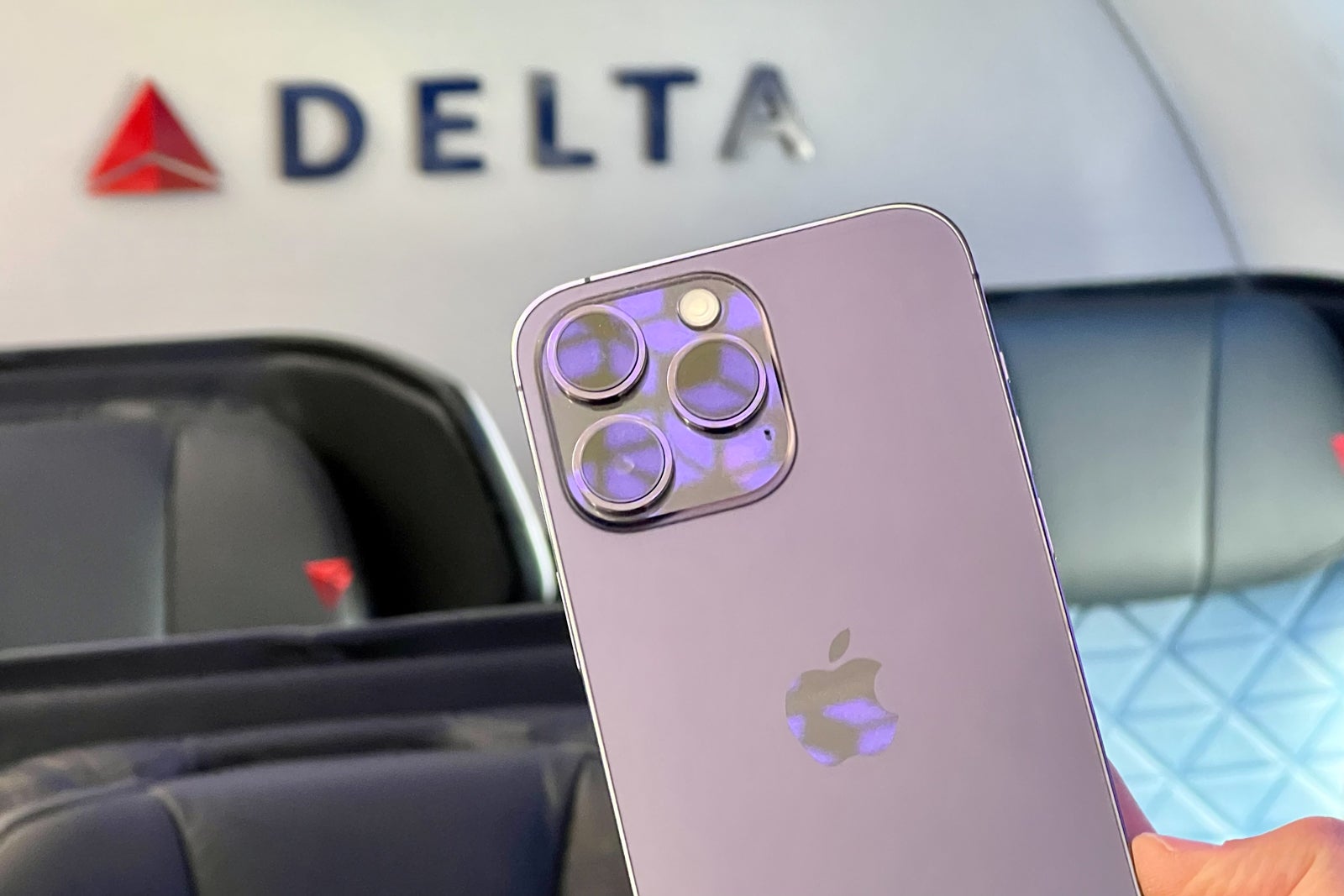
That's because buying a local SIM card when traveling has become a popular way to save money on expensive roaming fees.
But, without the SIM card slot on iPhone 14 models, is Apple really taking a step backward with its latest flagship smartphones?
I've spent the last few days traveling around with the iPhone 14 family to find out.
Why fight for the armrest when you can rest easy? The difference between cramped flying and classy flying is just a matter of points away with the free TPG App!
Putting an 'e' in SIM card
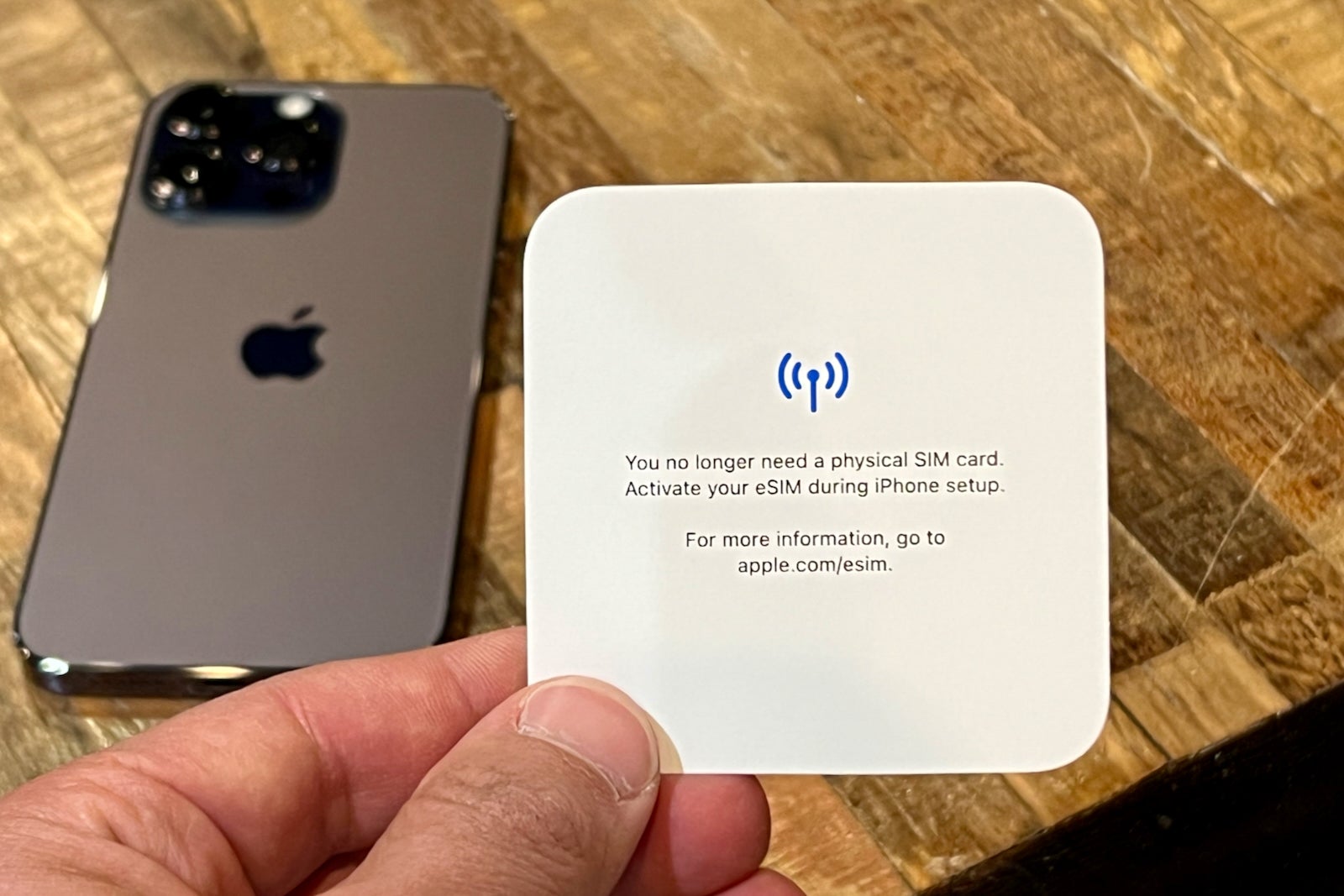
Instead of the physical SIM card slot, the tech giant is going all-in on a new-ish digital SIM card standard, called eSIM.

These embedded SIM cards first debuted on the iPhone XS family, though Apple continued to offer a physical SIM card slot for those who preferred using a chip.
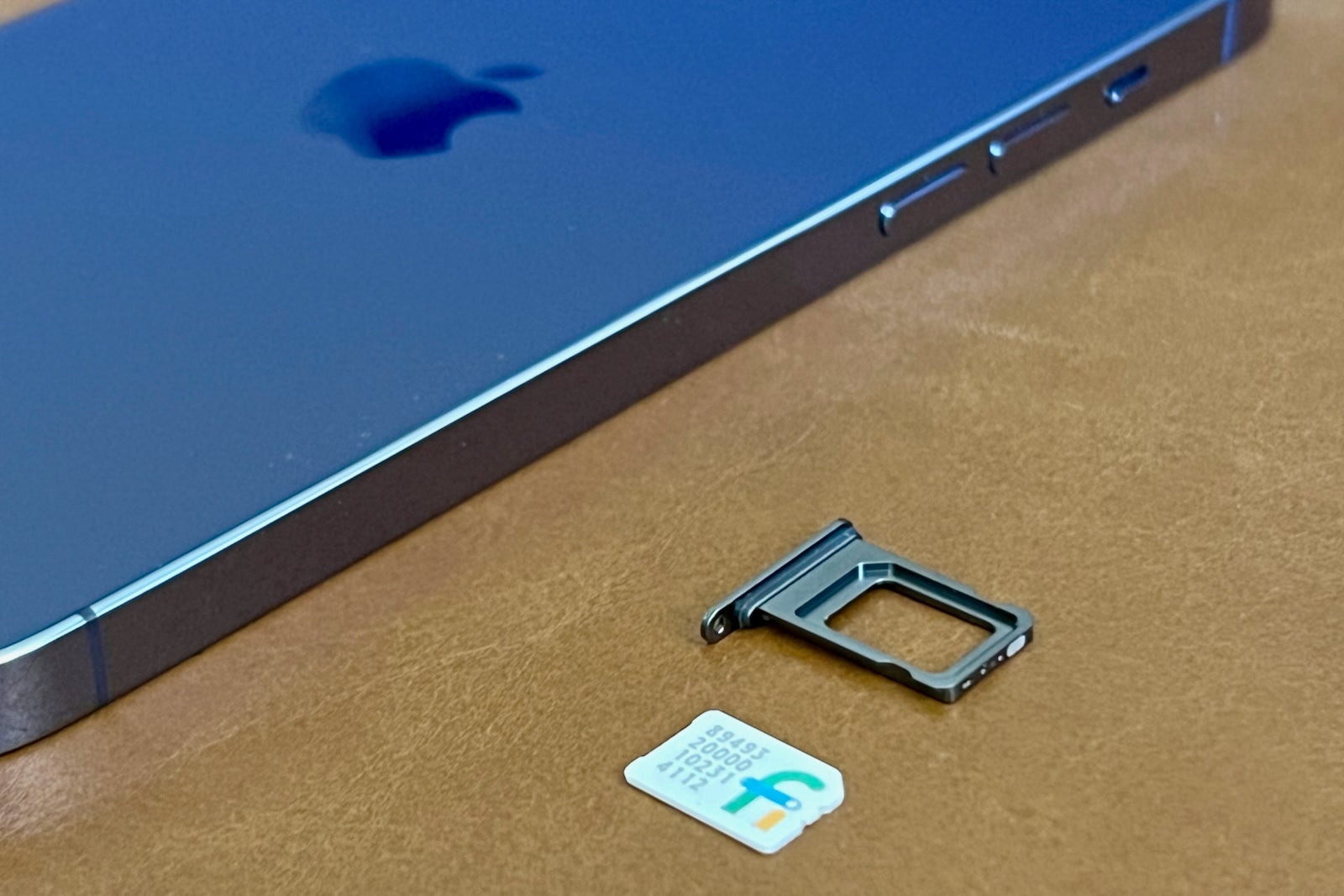
This year, iPhone 14 models sold in the U.S. are dropping the physical SIM slot. I'd imagine that as support for the eSIM standard expands globally, the tech giant will bring this change to other regions, too.
With eSIM, you don't need to keep track of a physical SIM card, which can be especially hard when you're crisscrossing the globe carrying multiple chips for different carriers.
Over the years, I've lost a few of those 9-millimeter-by-12-millimeter SIM cards, despite my best efforts to keep them in a safe compartment in my backpack.
Related story: The airline couldn't find my luggage — here's how Apple AirTags saved the day
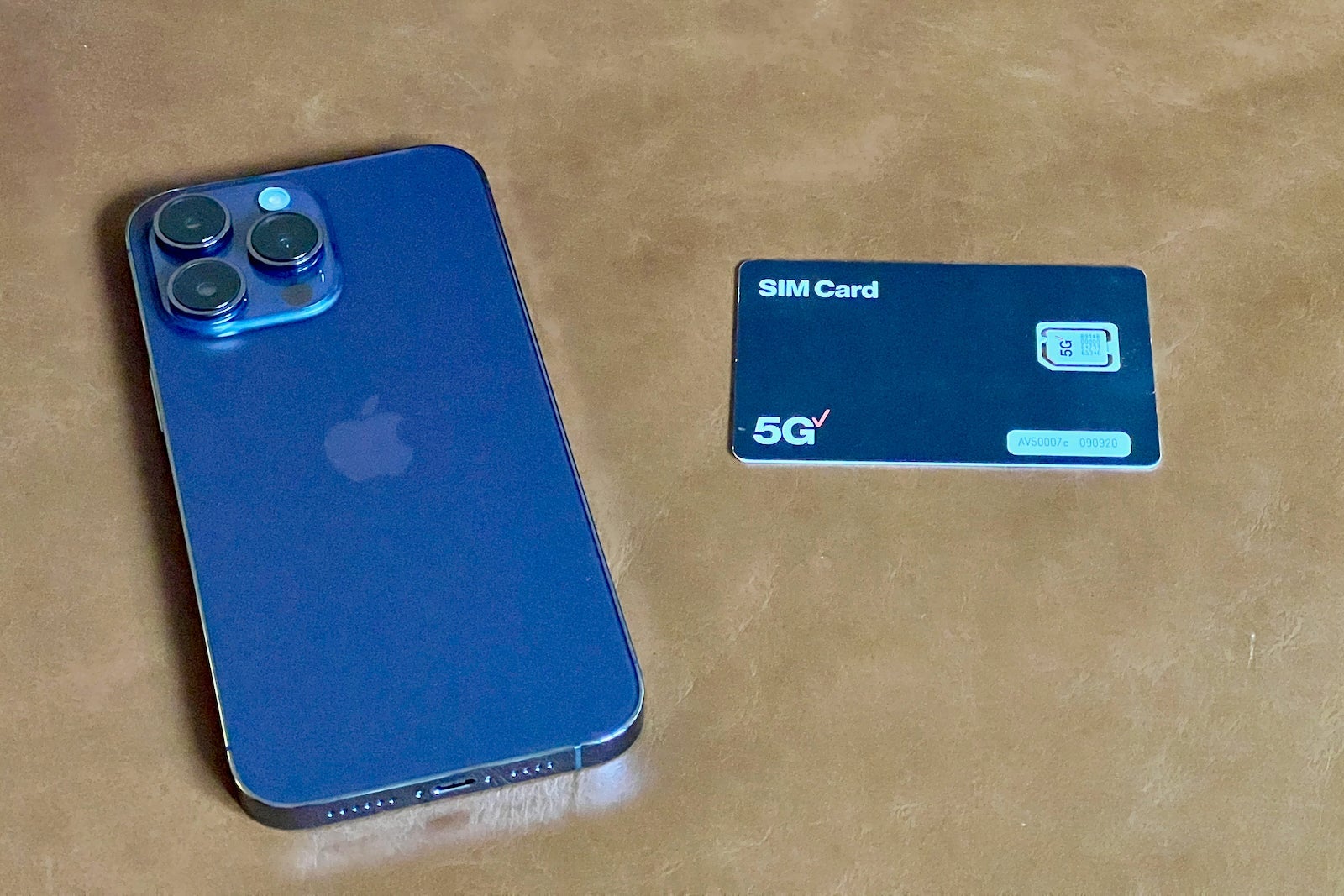
Also, physical SIMs are less secure — if your phone is lost or stolen, someone could remove your SIM card to start making calls and texts (and receiving two-factor authentication codes) with your phone number.
With the digital SIM card technology, the latest iPhone 14 models can store at least eight eSIMs on a single device, which should be plenty for most trips. (Depending on the size of the SIM card profile, you may have room to store many more eSIMs on your phone.)
You can even use two eSIMs at one time, as part of a helpful dual SIM feature that first debuted back in 2018.
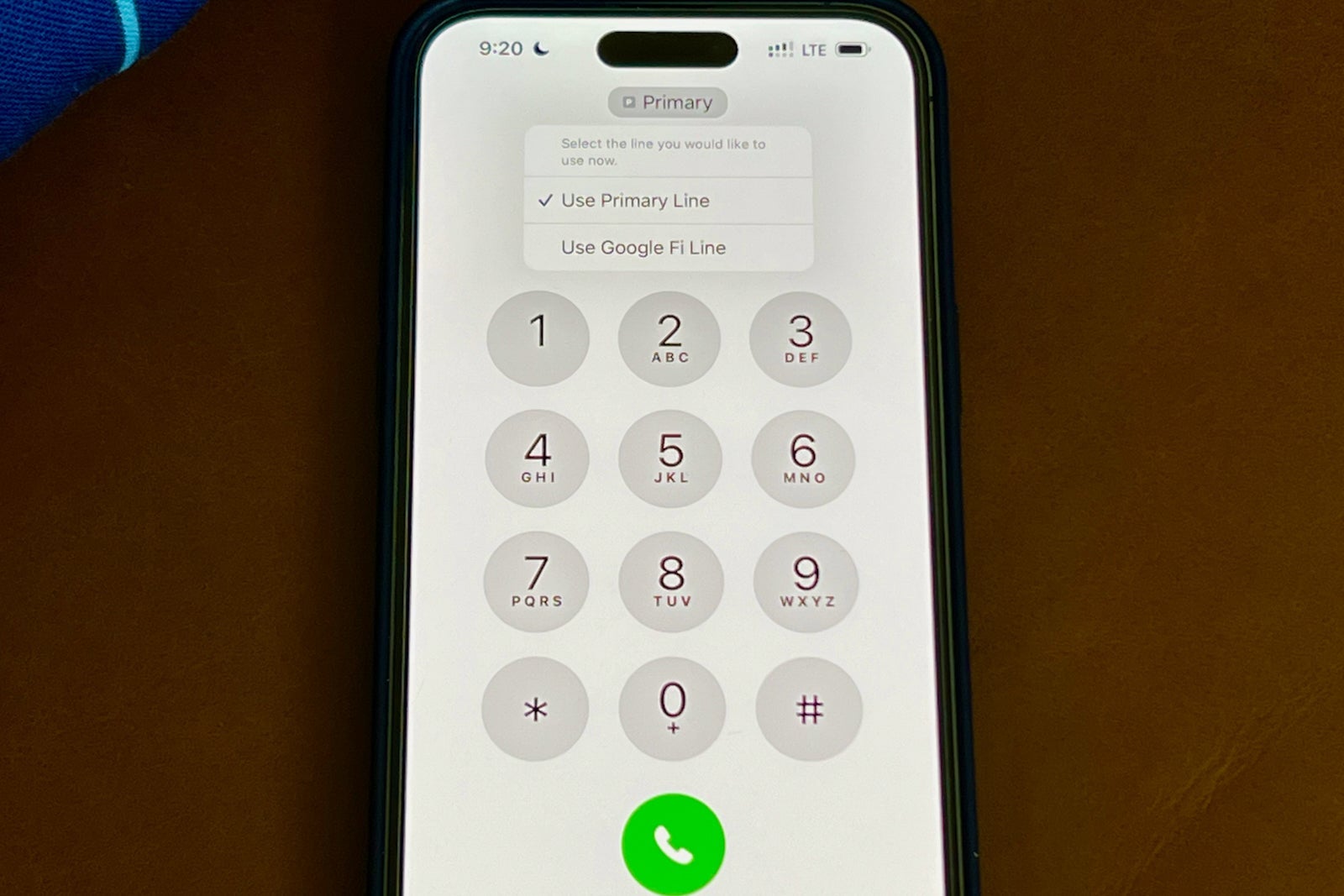
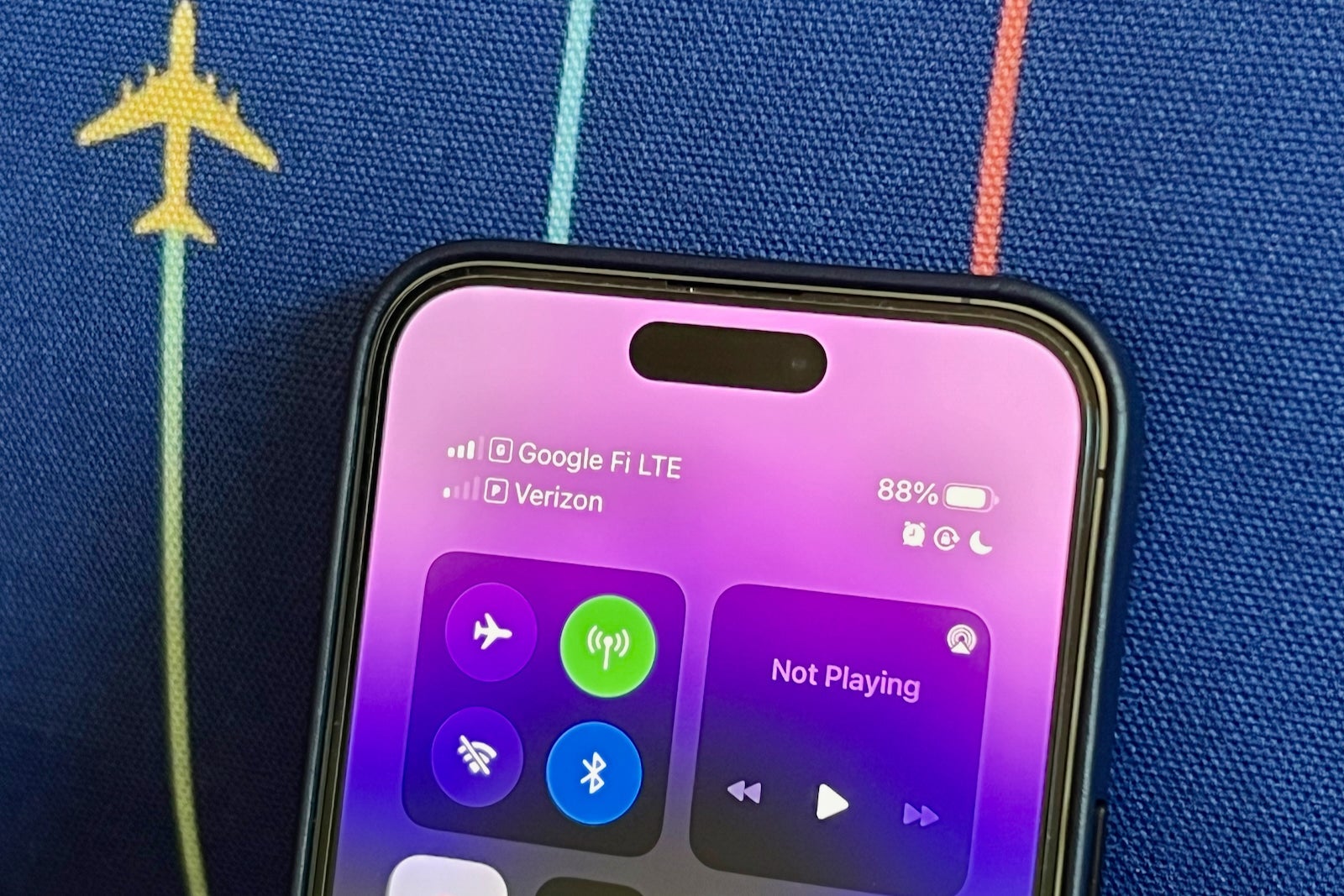
I'm a big fan of this feature. When I'm on the road, I usually buy a local SIM card or connect to Google Fi for cheaper international data. At the same time, I can also stay connected to my primary U.S. carrier, Verizon, without incurring the daily $10 TravelPass charge.
The eSIM is growing up
When Apple first brought eSIMs to its smartphone family, the technology was just in its infancy.
I remember spending hours on the phone with Verizon in years past trying to get mine activated. This process first required finding a Verizon agent who was familiar with eSIM and then asking that representative to send a QR code to your email for digital activation.
More often than not, this process failed. In fact, I once needed to visit a Verizon store to pick up a physical SIM card because my account had been locked due to multiple unsuccessful activation attempts.
So, when Apple dropped the news at its "Far Out" special event that the physical SIM card slot was disappearing, I panicked (and blocked out extra time on my calendar on launch day for possible issues with the activation process).
That said, my fears were unfounded; activating the eSIM couldn't have been easier.
Over the past year, Apple has worked with some of the biggest wireless carriers worldwide to support a new digital SIM card transfer process that debuted with the recently released iOS 16 software.
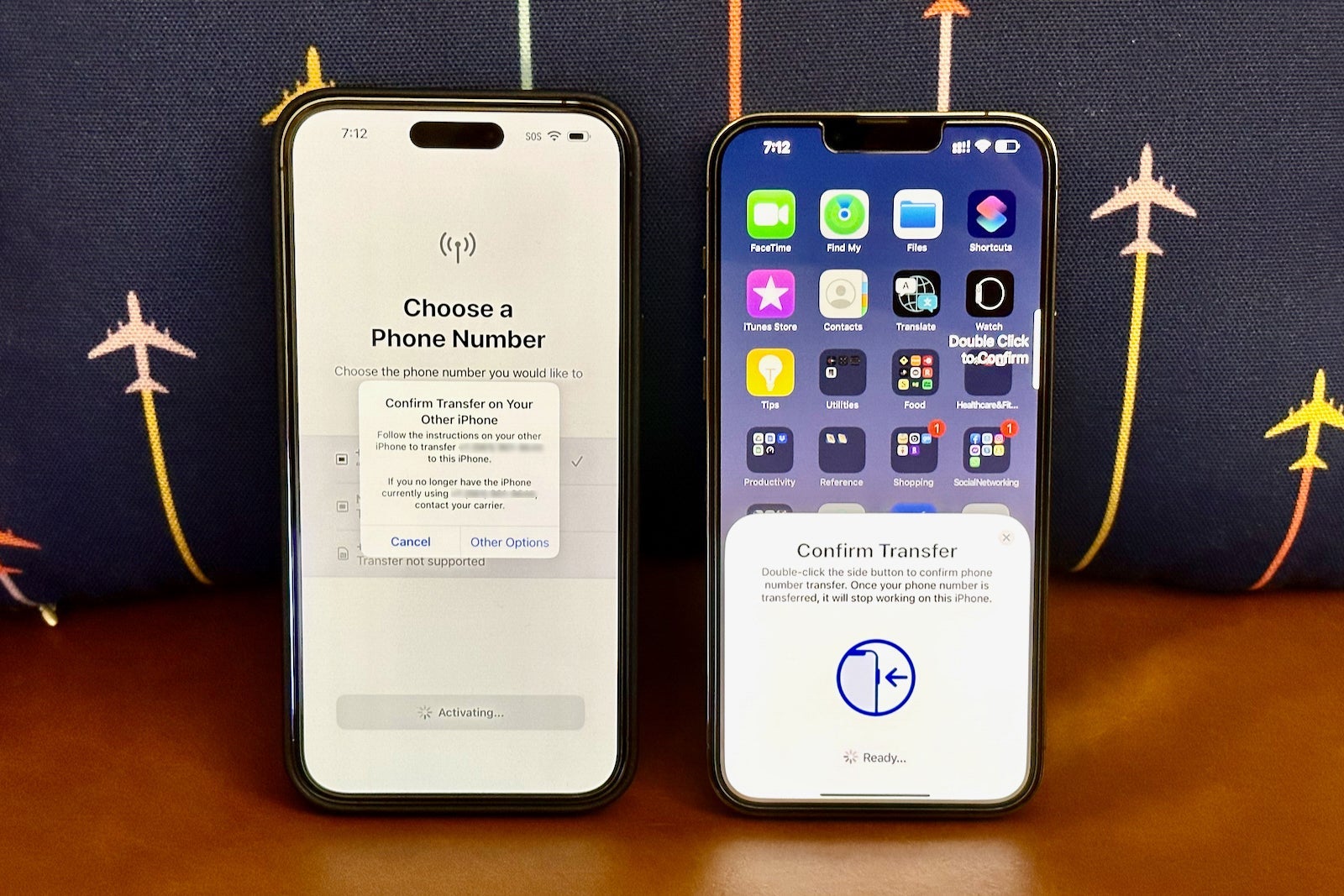
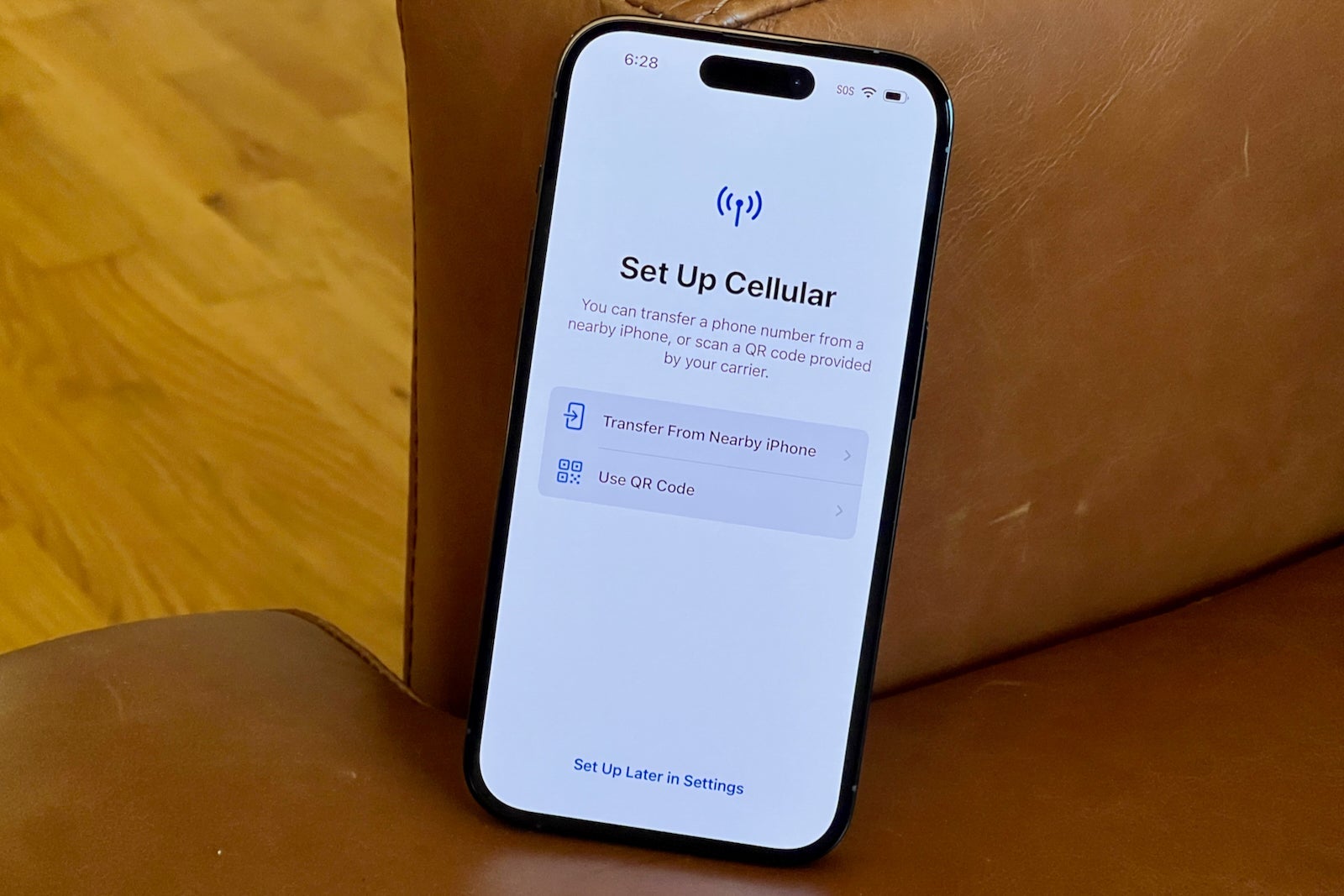
When I activated my iPhone 14 Pro Max, I was asked if I'd like to transfer my phone number from my existing iPhone.
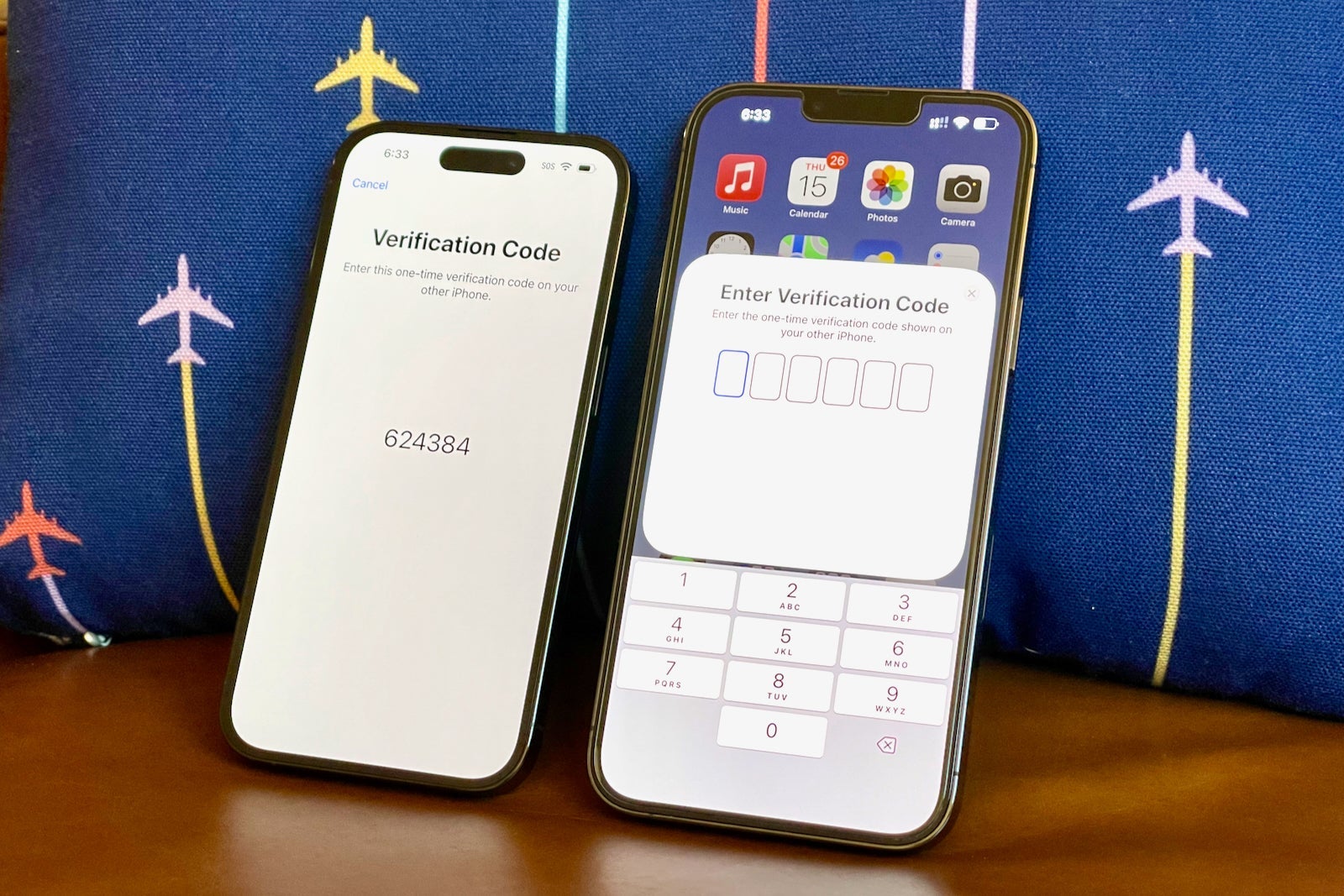
After a few taps and one press of the power button on my old phone, my phone number had been digitally ported over to the new iPhone — no physical SIM card, paper clips or microscope required.
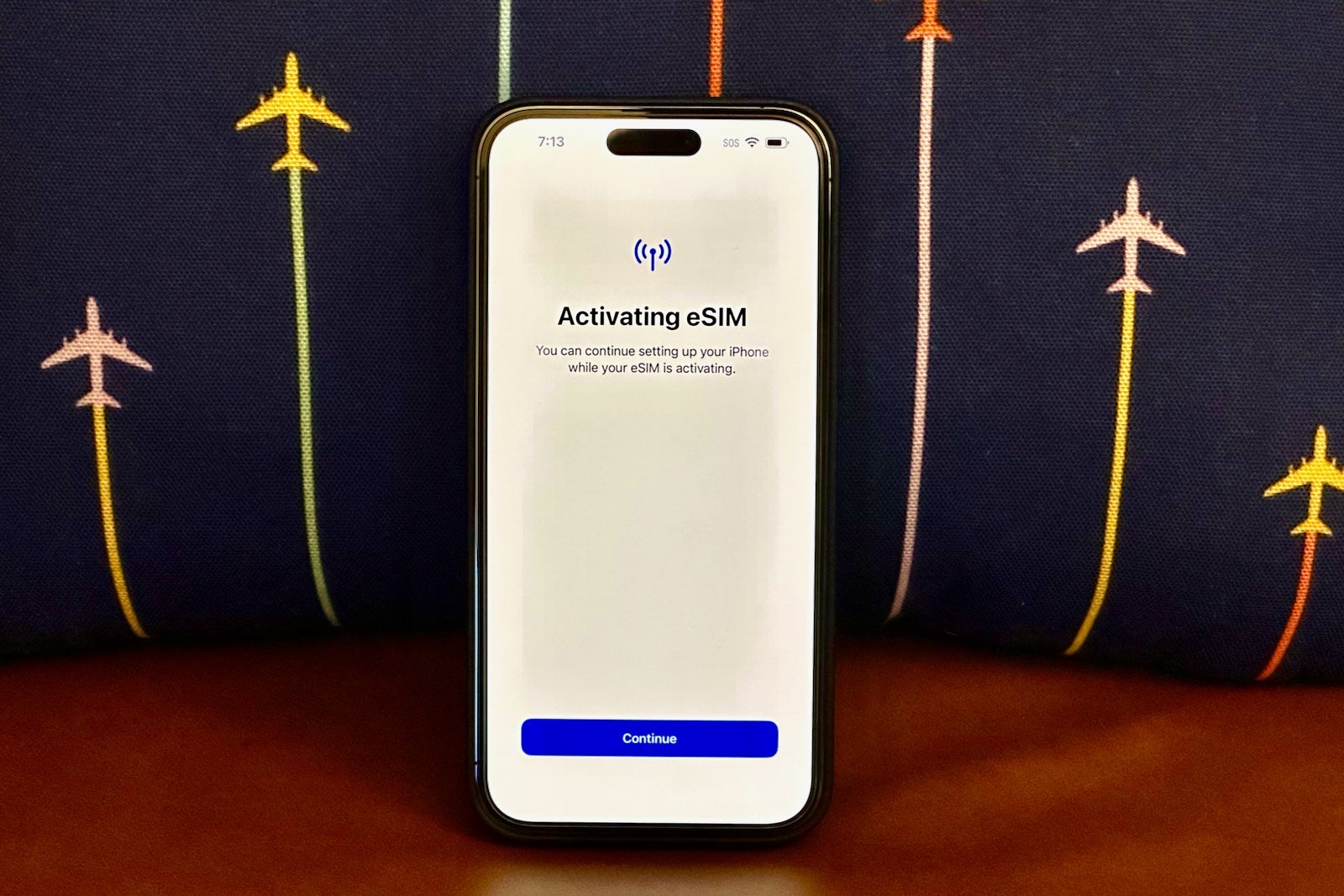
In the U.S., all three major wireless carriers (AT&T, T-Mobile and Verizon) support this feature, and there are plenty of international carriers that have adopted this technology, too. You can find the full list in Apple's dedicated support article.
If you're activating a phone with a new carrier, your iPhone can even be preprogrammed with your eSIM profile thanks to a new technology dubbed "Carrier Activation."
Choosing an international carrier
While activating eSIM service may be easy in the U.S., the story gets a little more complicated when you're traveling abroad.
There are three ways to connect to international mobile networks. You can roam with your primary home carrier, purchase a local SIM card or subscribe to a package from a worldwide service provider.
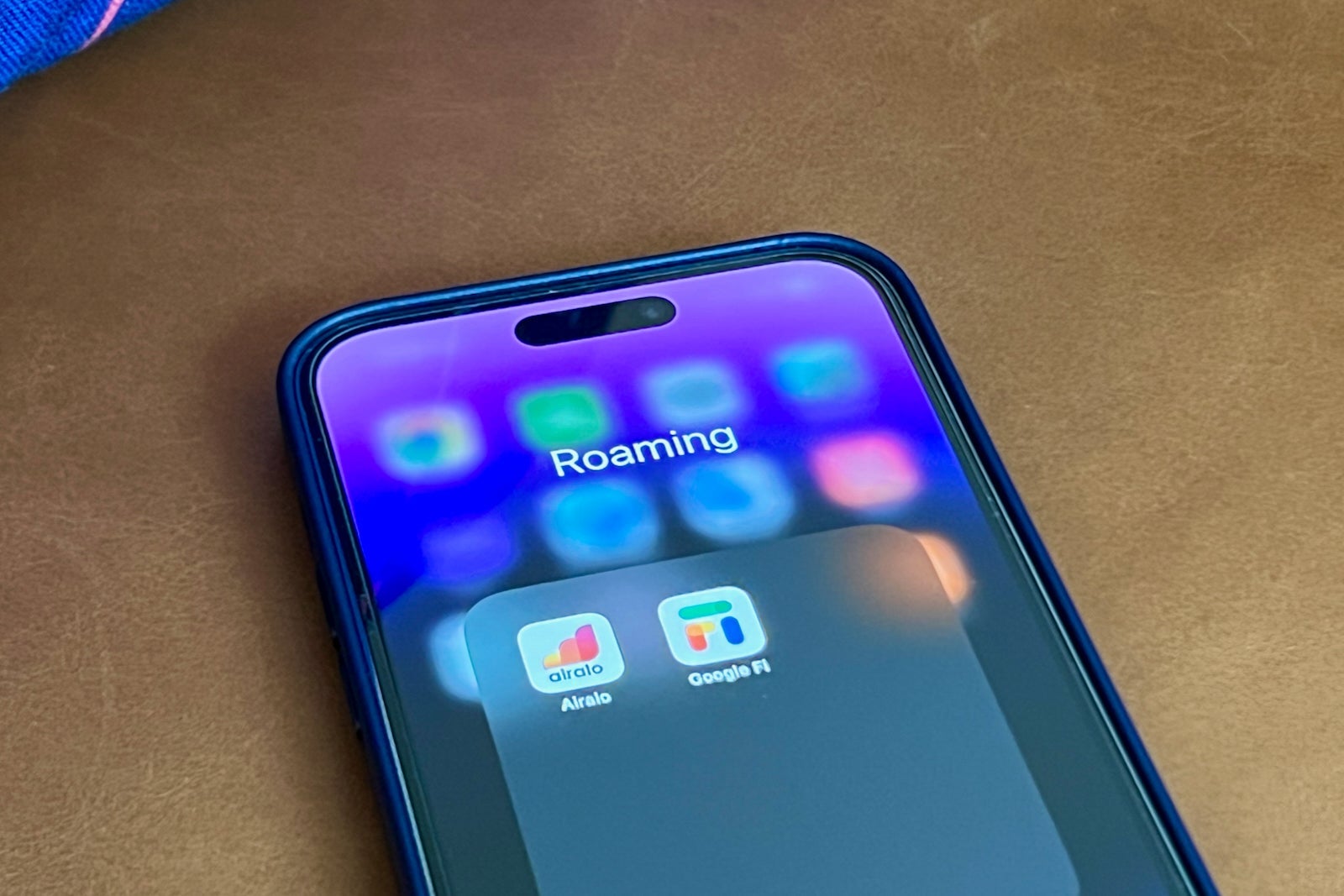
While the first is the most seamless option, with little to no additional setup required, your bill might add up quickly depending on the length of your trip and the details of your plan.
Of course, it's worth noting that many T-Mobile plans include unlimited international data.
Another option is using Google Fi, which offers considerably cheaper international service than most U.S. carriers. Plus, you can pause and resume your Fi service as you wish depending on your travel schedule.
Both T-Mobile and Google Fi support easy eSIM activations. For $20 in Google Fi credit, sign up using this personalized link.
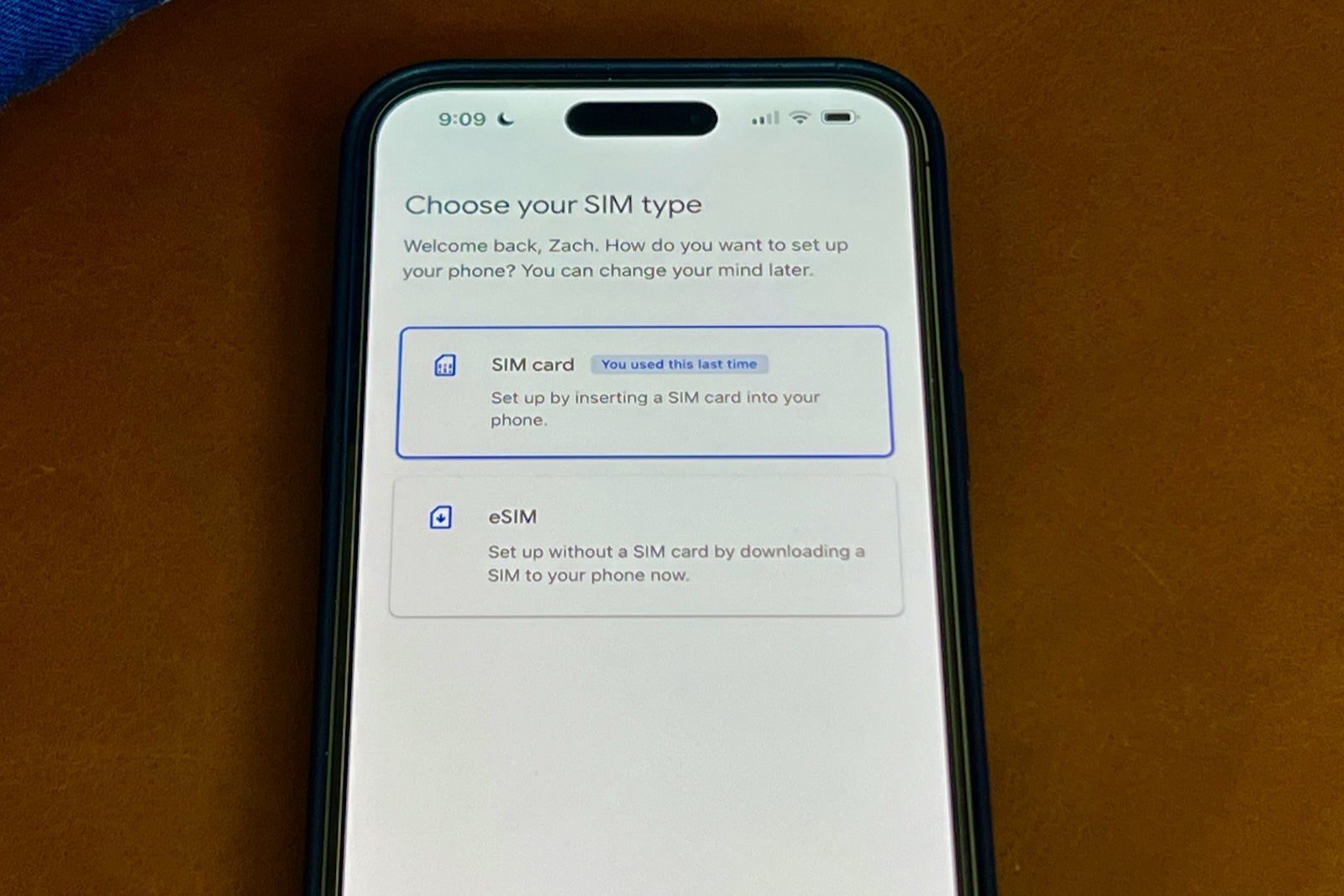
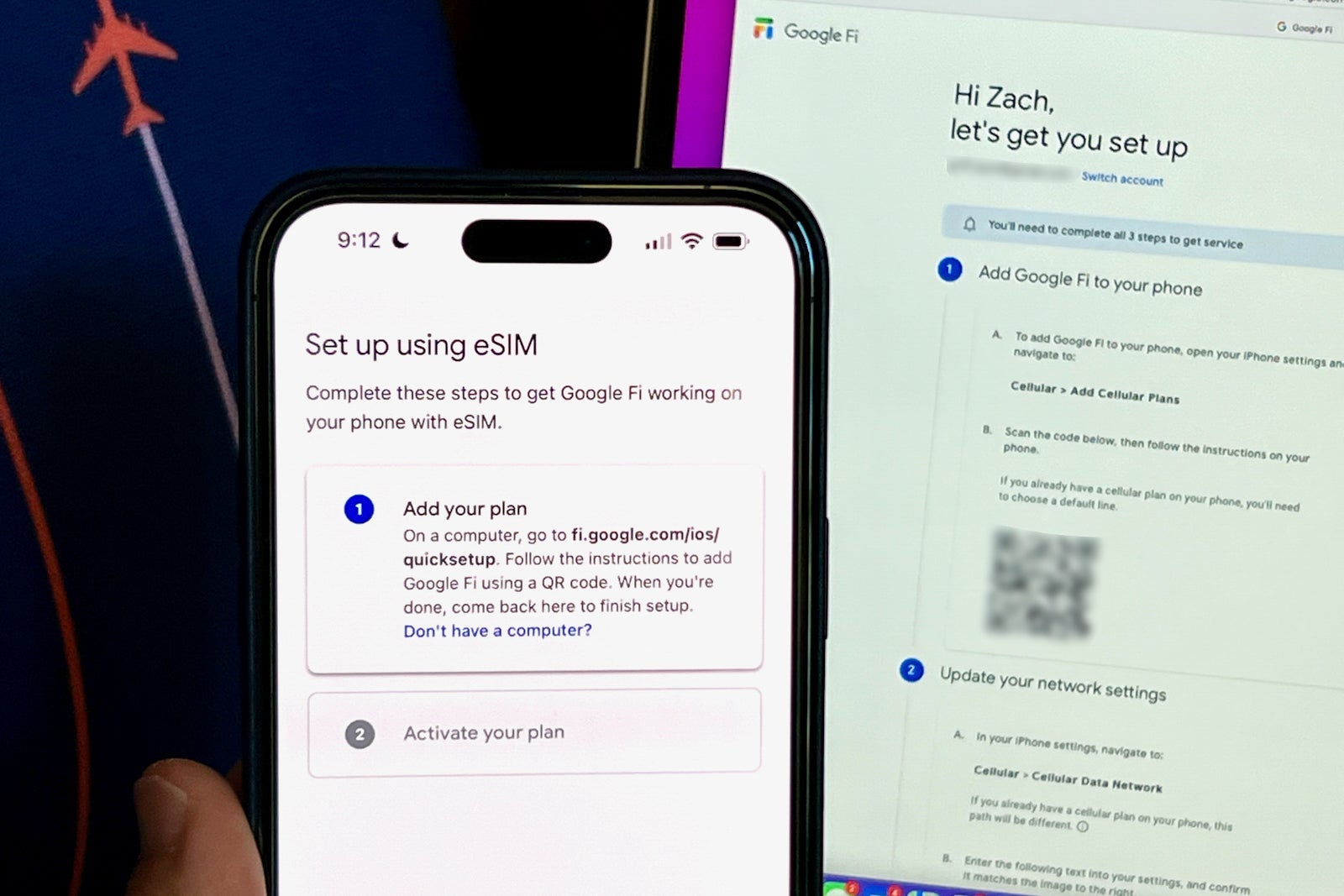
When I went to add my Google Fi line to my new iPhone, I was instructed to visit a website, scan a QR code and wait a few minutes for the service to activate.
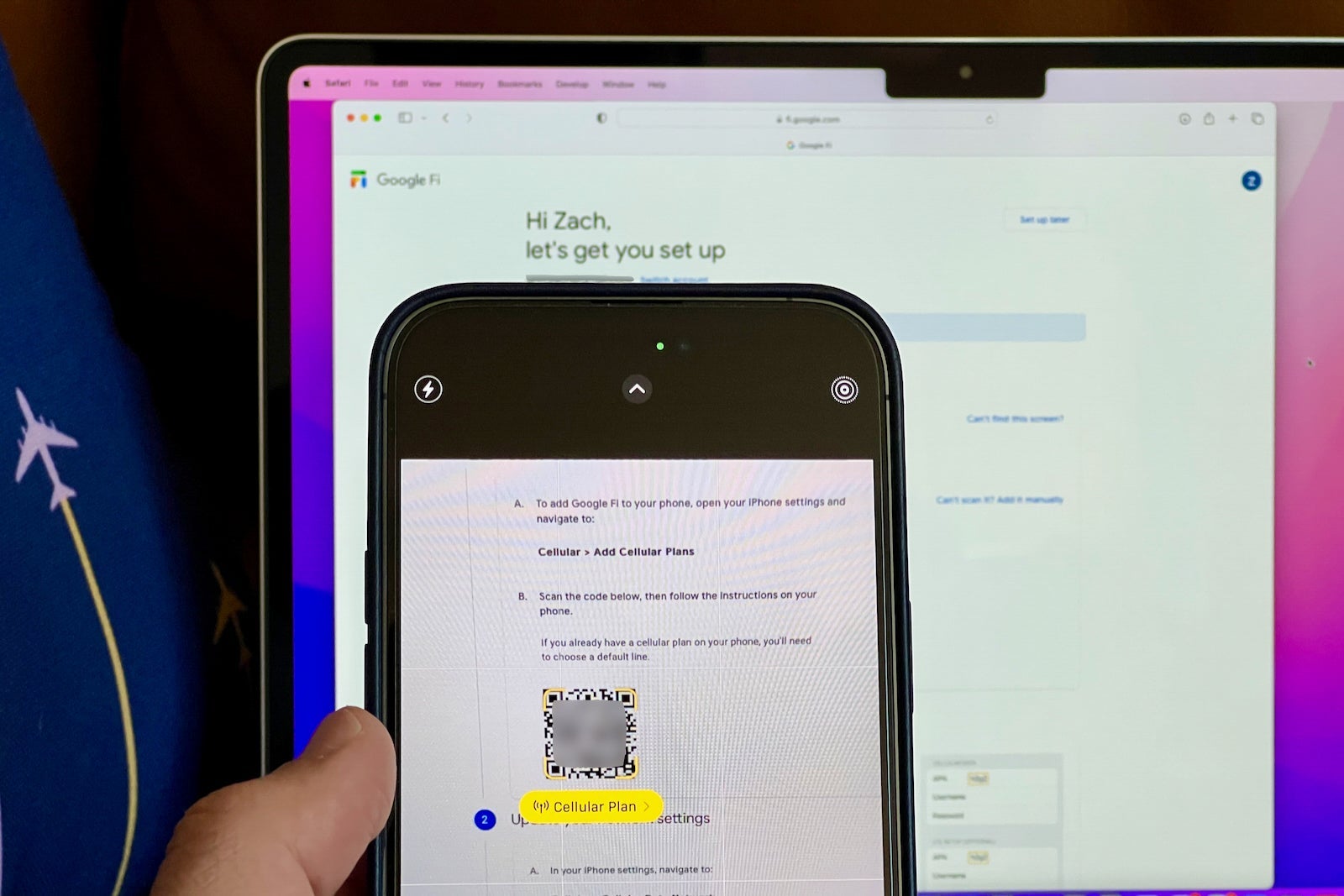
All in all, the eSIM activation process was no harder than activating a physical SIM card for the first time.
If you prefer using a local SIM card when you travel, you'll want to look at Apple's list of over 400 wireless carriers that support eSIM.
Many of these companies have outposts in the arrivals halls at major airports, and I'd expect that eSIM support from international carriers will continue to grow in the coming weeks and months.
That said, there's no question that Apple's transition to eSIM-only iPhones will be challenging in parts of the world where this technology isn't available.
In those cases, I'd recommend taking a look at worldwide service providers that offer data-only eSIMs for international travel.
I've recently had lots of success with Airalo, a company that sells digital, data-only eSIMs for over 190 countries around the world.
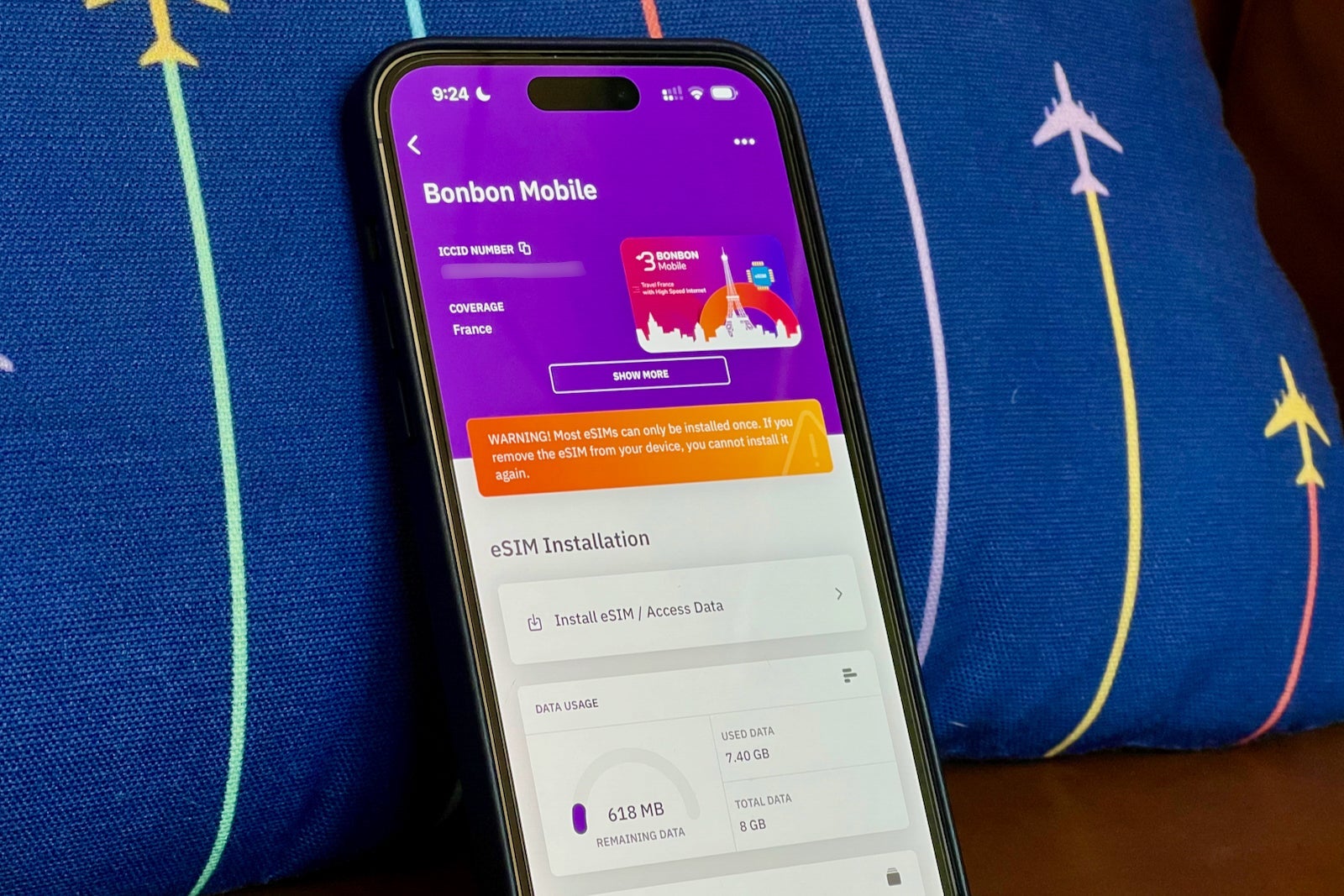
When I was in France last week, I downloaded an Airalo eSIM card in minutes and added it to my iPhone without stepping foot in a store or dealing with a ground-based agent.
I paid $15 for 5 gigabytes of high-speed 5G data. With Verizon, that would've cost $100 and with Google Fi, that would've been $50.
Several of my TPG colleagues have had similar success with apps such as Truphone and GigSky.
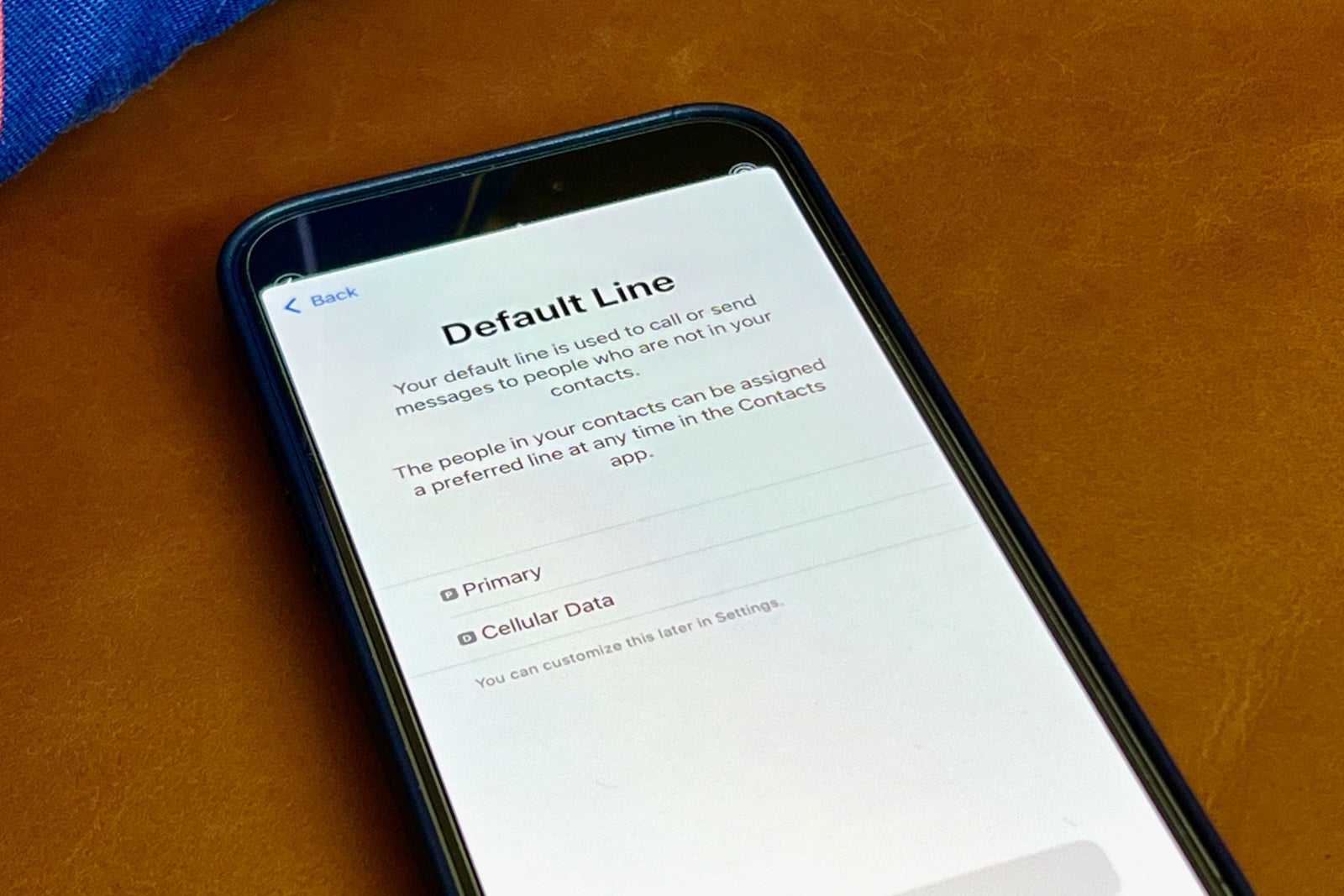
Just note that, in most cases, these online carriers only offer international data packages, so you'll need to stick to internet-based apps, such as FaceTime and WhatsApp, if you need to make phone calls.
Next stop: Dynamic Island
While the biggest travel-focused change with the iPhone 14 family is how you connect to the mobile network, there are several upgrades that'll make traveling with your device easier, faster and safer.
It starts with the new Dynamic Island, available exclusively on the iPhone 14 Pro and iPhone 14 Pro Max.
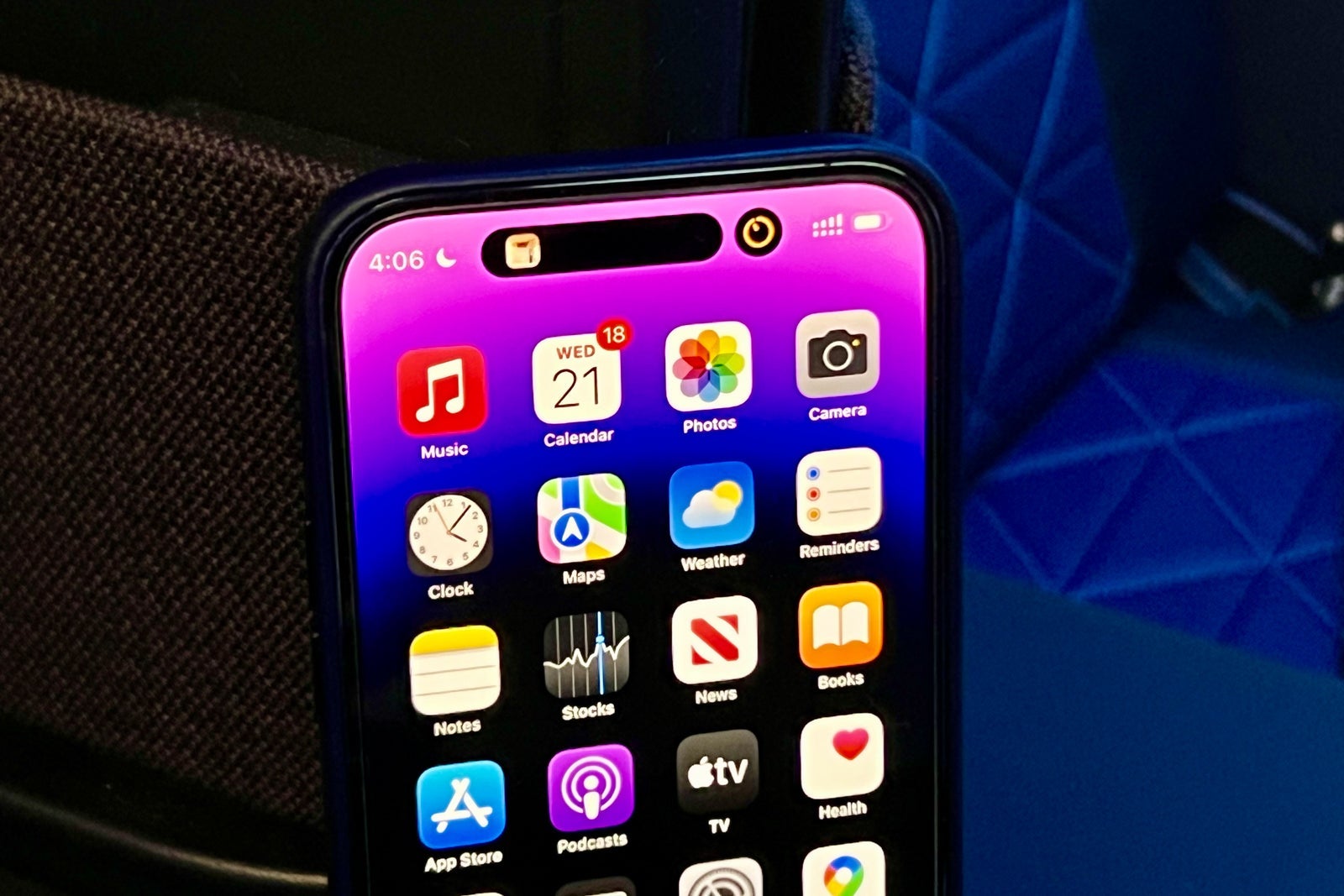
Gone is the black "notch" at the top of each phone, and in its place is a new "hole-and-pill" cutout for the front-facing camera and sensors.
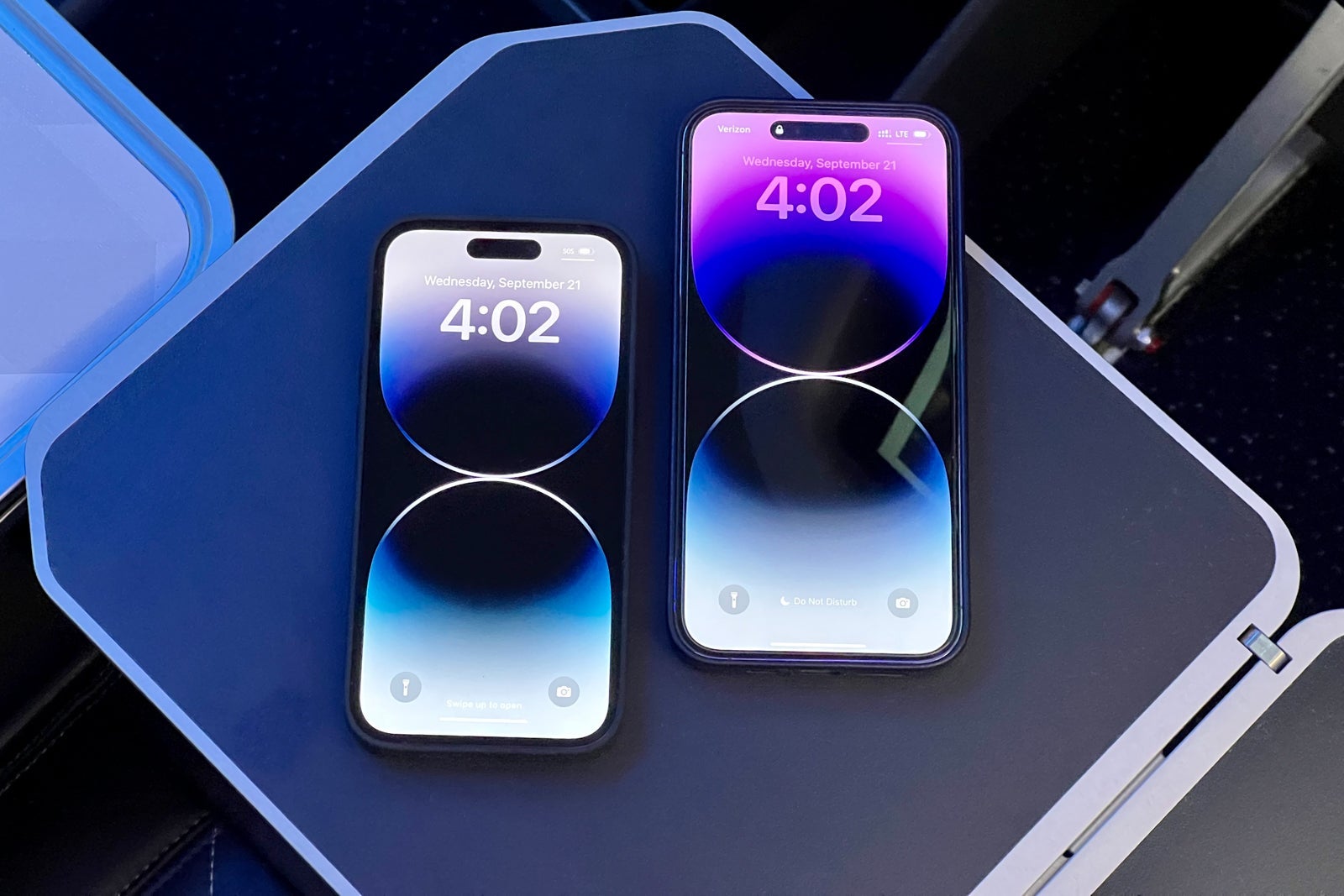
Once you power on your device, the cutout is blended together in software to become one larger, pill-shaped cutout.
Unlike the notches on previous iPhones, this Dynamic Island is a smart hub that reimagines the notification experience on your device.
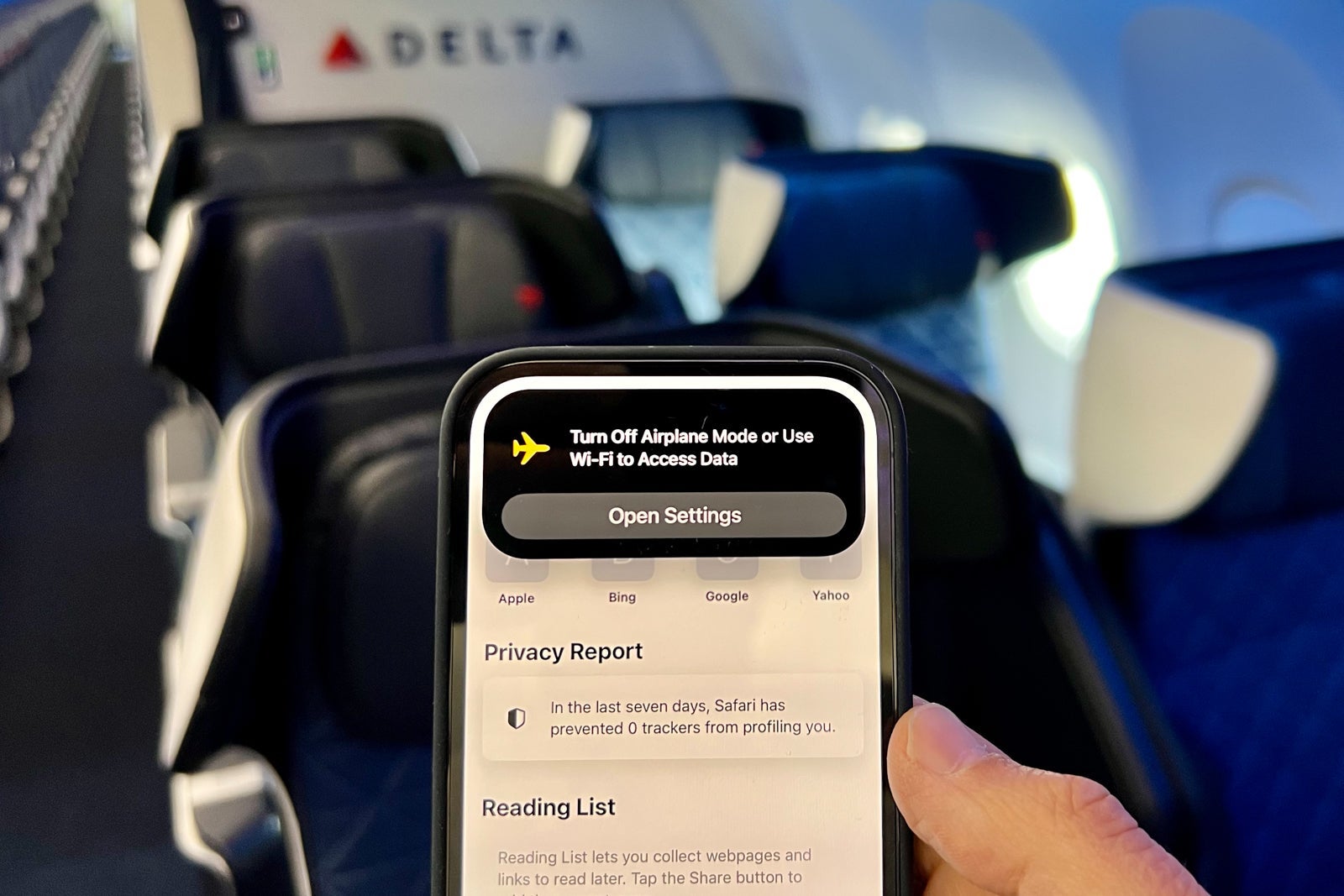
For travelers, the biggest implication is that time-sensitive notifications, such as following your Lyft ride or getting turn-by-turn directions, will now be placed more prominently at the top of the screen, regardless of which app is in the foreground.
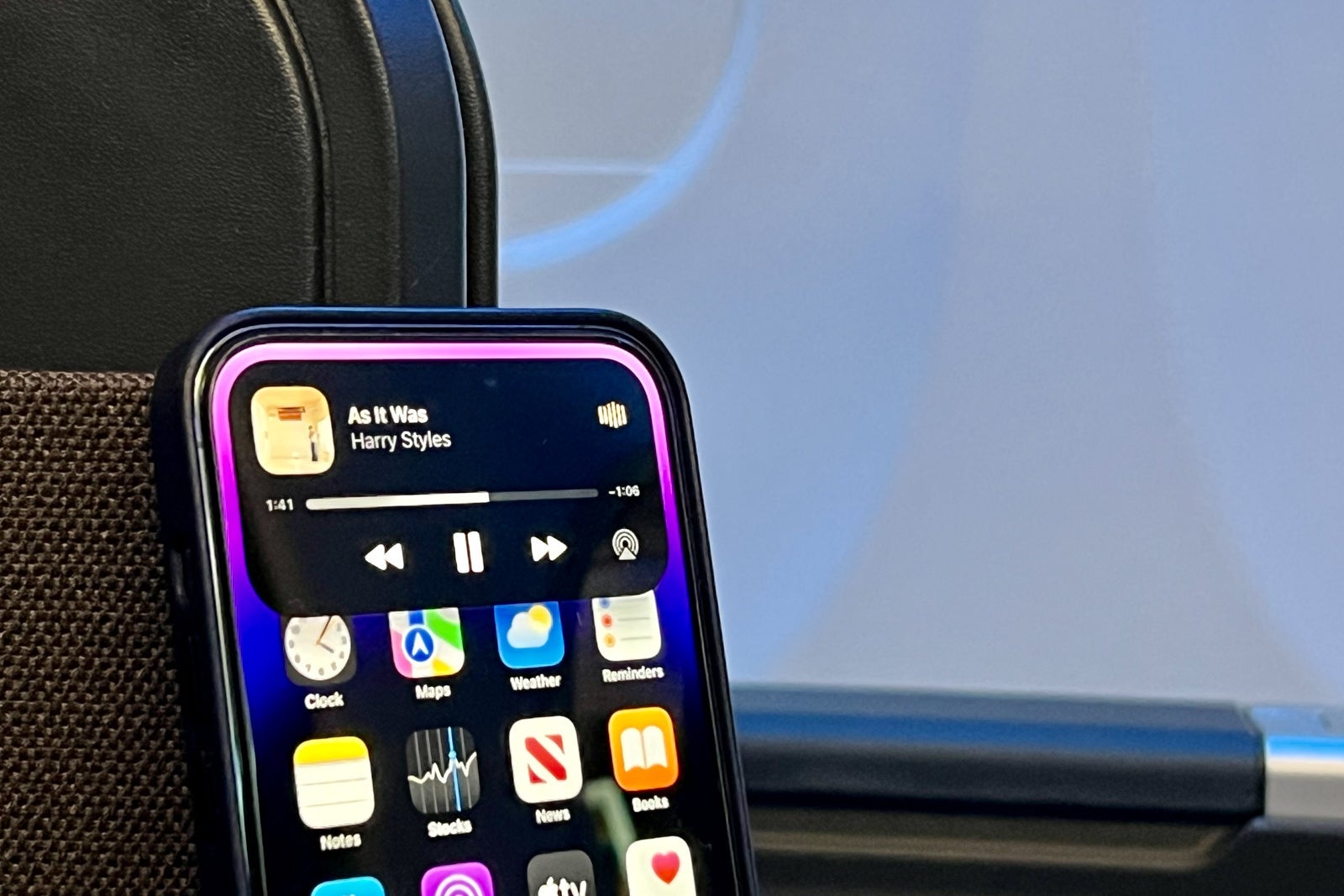
While Apple has done a good job of integrating the Dynamic Island with its first-party applications (my personal favorite is the new "Now Playing" panel) the technology is still in its infancy, and it'll take some time for developers to add support for this new notification style.
The camera trio gets better
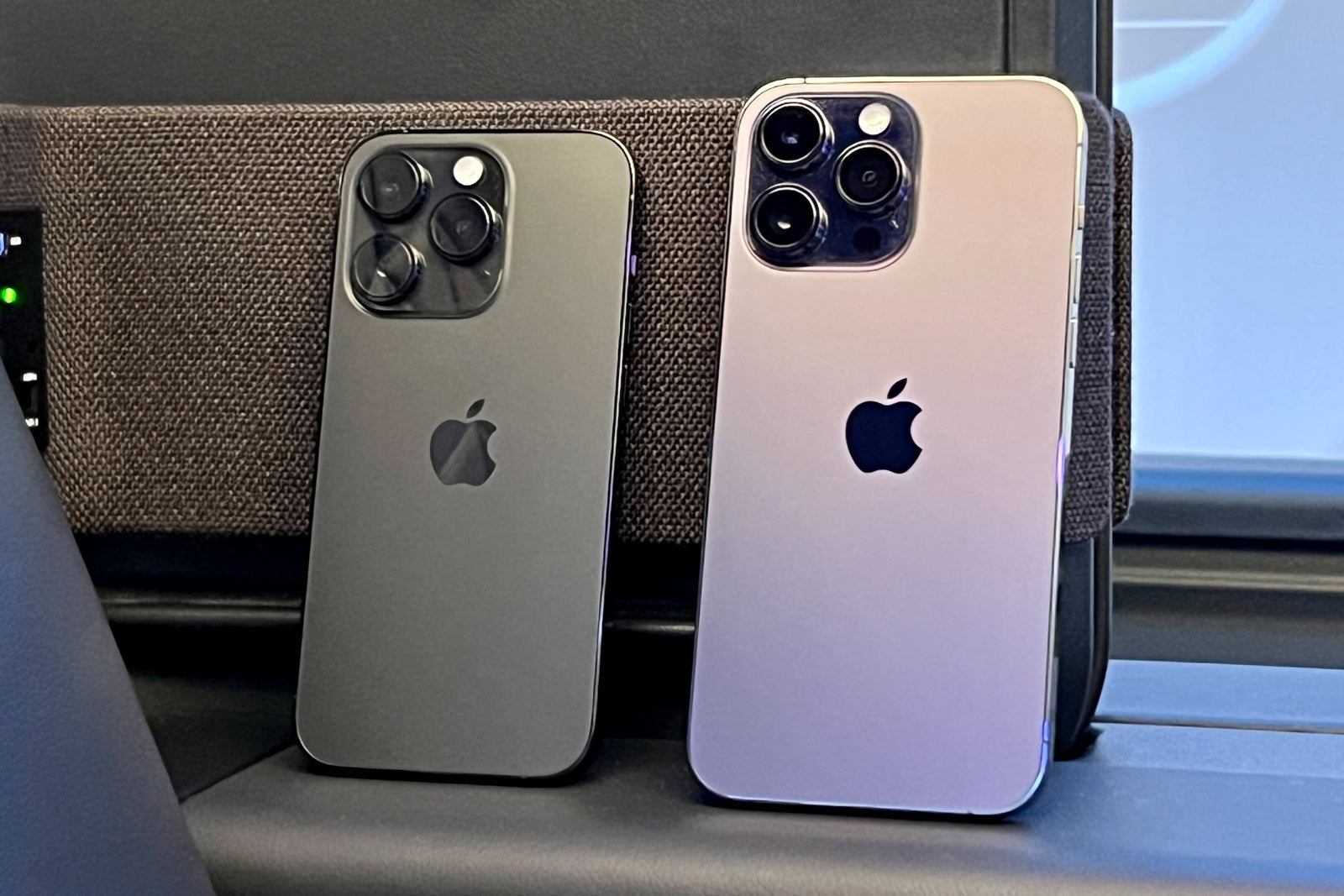
Each year, Apple seems to make big strides with its smartphone camera technology, and these new models are no exception, especially the Pro-level devices.
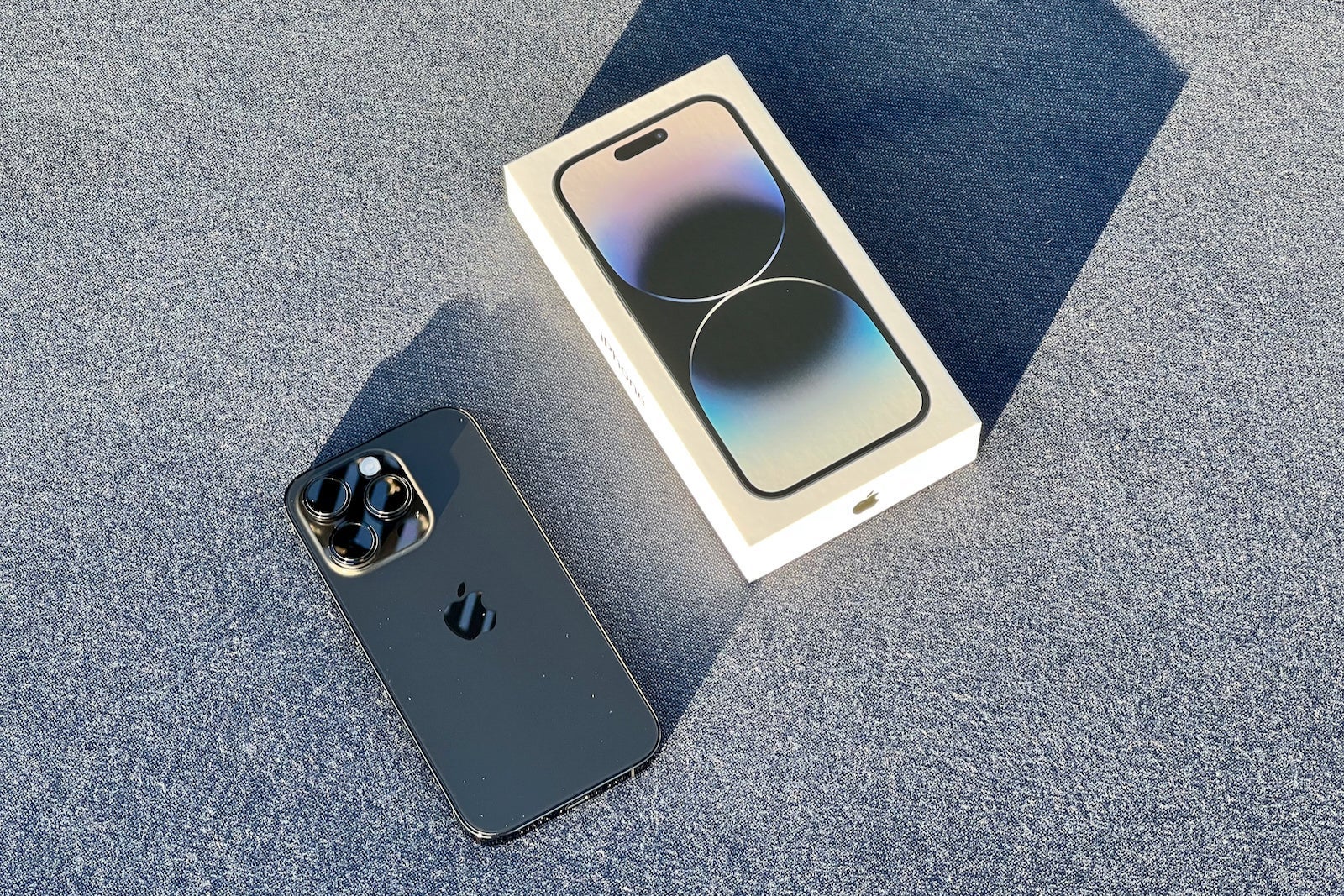
I've already taken the 14 Pro Max model to Kansas City, Missouri, and Boston, where I captured footage of a new airport terminal and some airplanes.

The photo quality is impressive, especially when I shifted to shooting in ProRAW on the main camera. While the 48-megapixel file came in at nearly 70 megabytes, I had plenty of freedom to tighten my crop and play around with the exposure and color levels without sacrificing any details.

I also noticed improvements to the front-facing camera. The addition of autofocus made it much easier to quickly grab a selfie during my hard-hat tour in Kansas City.

I haven't gotten a full sense of the low-light improvements yet, but I was quite impressed with the new Action Mode video stabilization feature.
With Action Mode enabled, you'll be able to capture smooth-looking videos even if your hands roll, shake or move — all without using a gimbal.
Just note that this feature requires a good amount of light and maxes out at 2.8K quality. That said, it's poised to become a game changer for TPG flight and hotel reviewers who are looking to capture video content without carrying around gimbals.
Help is now just a tap away
Finally, another big travel-focused feature is the introduction of two important new safety tools.
The first, Emergency SOS via Satellite, will allow you to get in touch with emergency services even when your phone doesn't have a cellular connection.
The service will launch in November with coverage in the U.S. and Canada at the outset. This works on all iPhone 14 models, even those sold abroad.
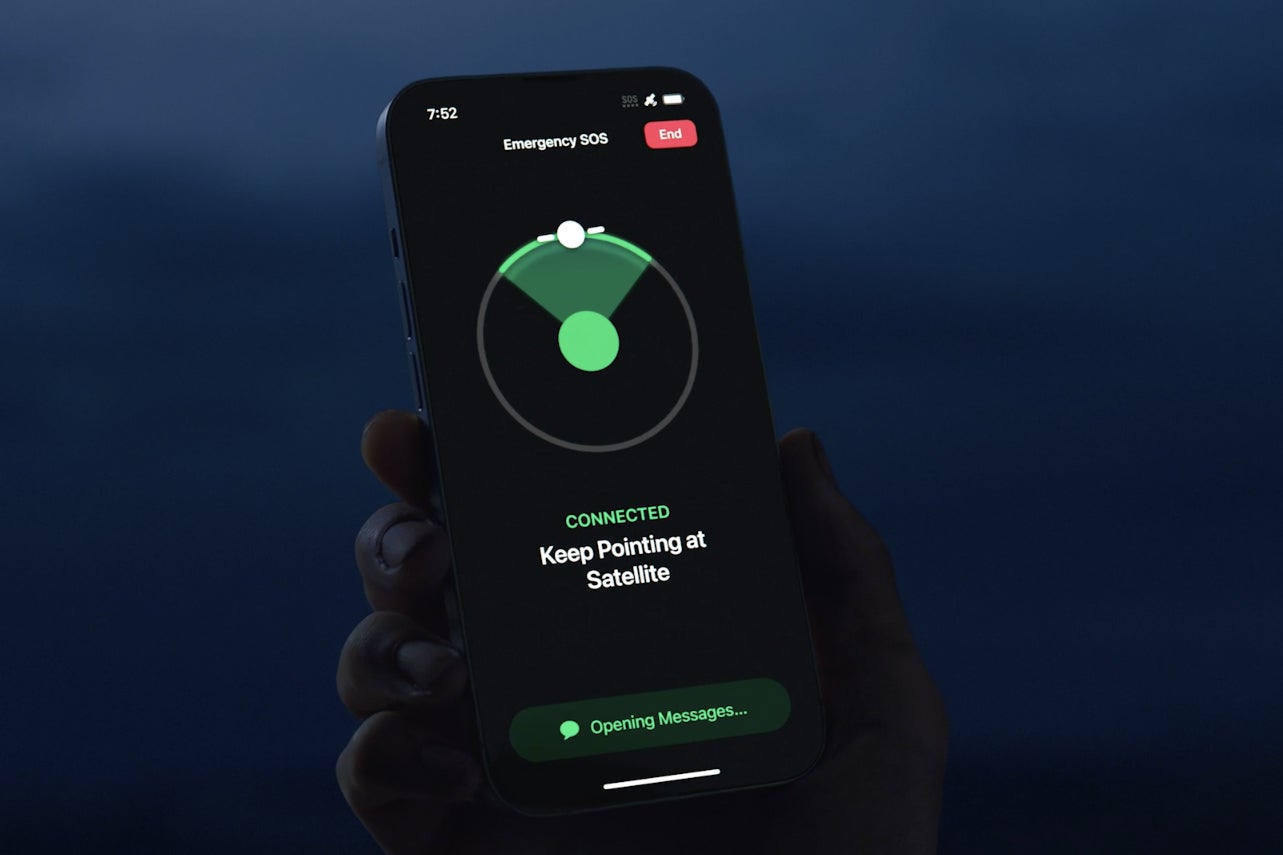
So, whether you're hiking in a national park or camping in the wilderness, help is never too far away.
Plus, you can use satellite connectivity to update your Find My location even when you're off the grid. This way, friends and family back home can follow your path, even if they can't call or text you.
Another potentially lifesaving new safety feature is Crash Detection. This uses the iPhone's improved gyroscope, barometer and accelerometer to detect if you've been in a car crash.

If you have, your device will quickly offer to connect you with emergency services in just a few taps. If you don't respond within 10 seconds, the device will automatically dial 911 and notify your emergency contacts.
Bottom line
Apple's latest iPhones continue to offer improvements that will be appreciated by travelers.
It starts with the elimination of the SIM card slot. As the tech giant leans into the digital eSIM standard, you'll no longer need to futz around with those tiny SIM cards when you're traveling abroad.
While some travelers quickly expressed frustrations with Apple's move, I've had no issue porting my domestic and international providers to eSIMs.
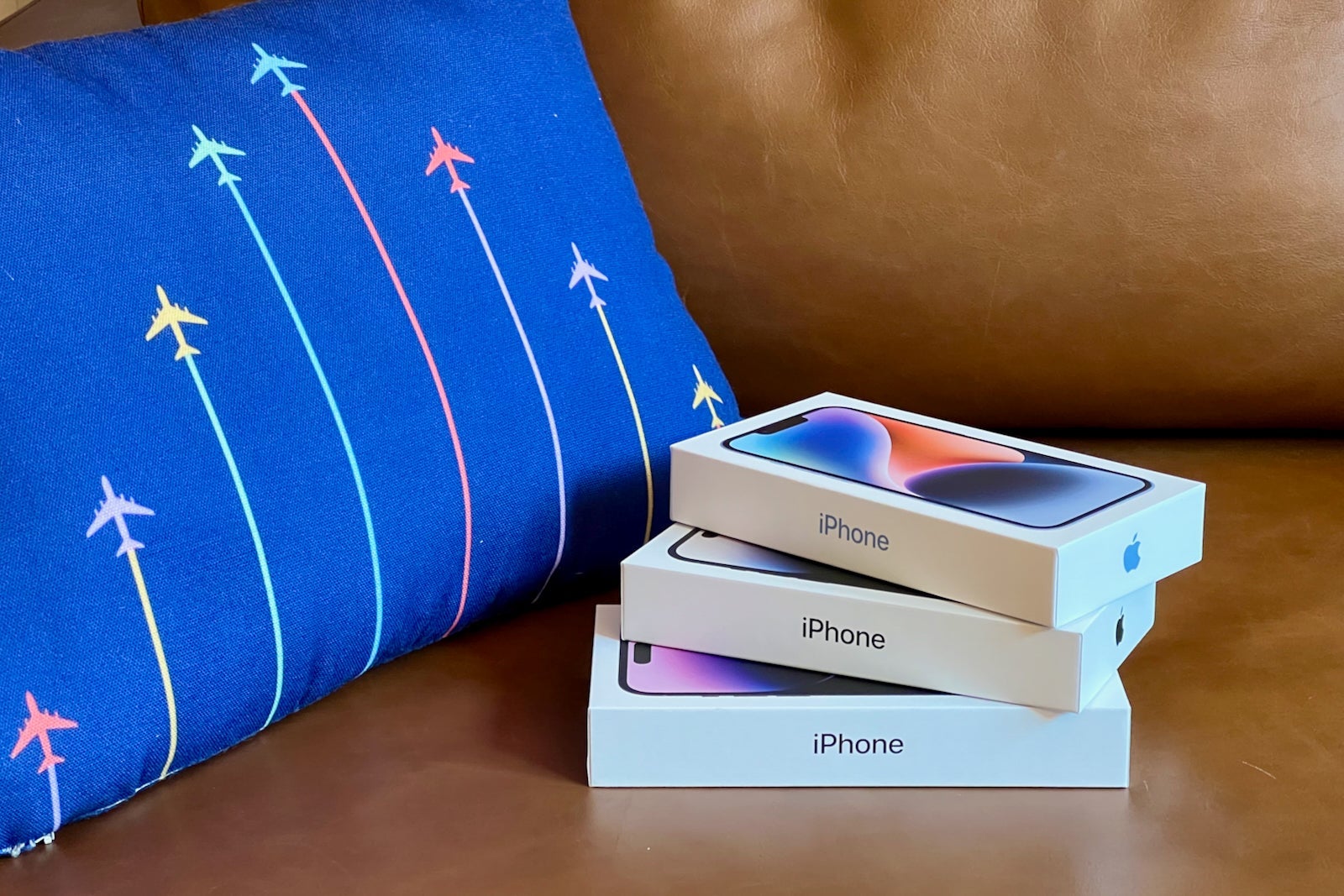
Plenty of cellular carriers offer affordable international service via an iOS app and eSIM, so you should have no problem staying connected in many of the most popular international tourist destinations.
Once your phone is connected, you'll enjoy a host of upgrades, ranging from a better notification experience with the new Dynamic Island to crisper photos and more professional videos with the improved cameras.
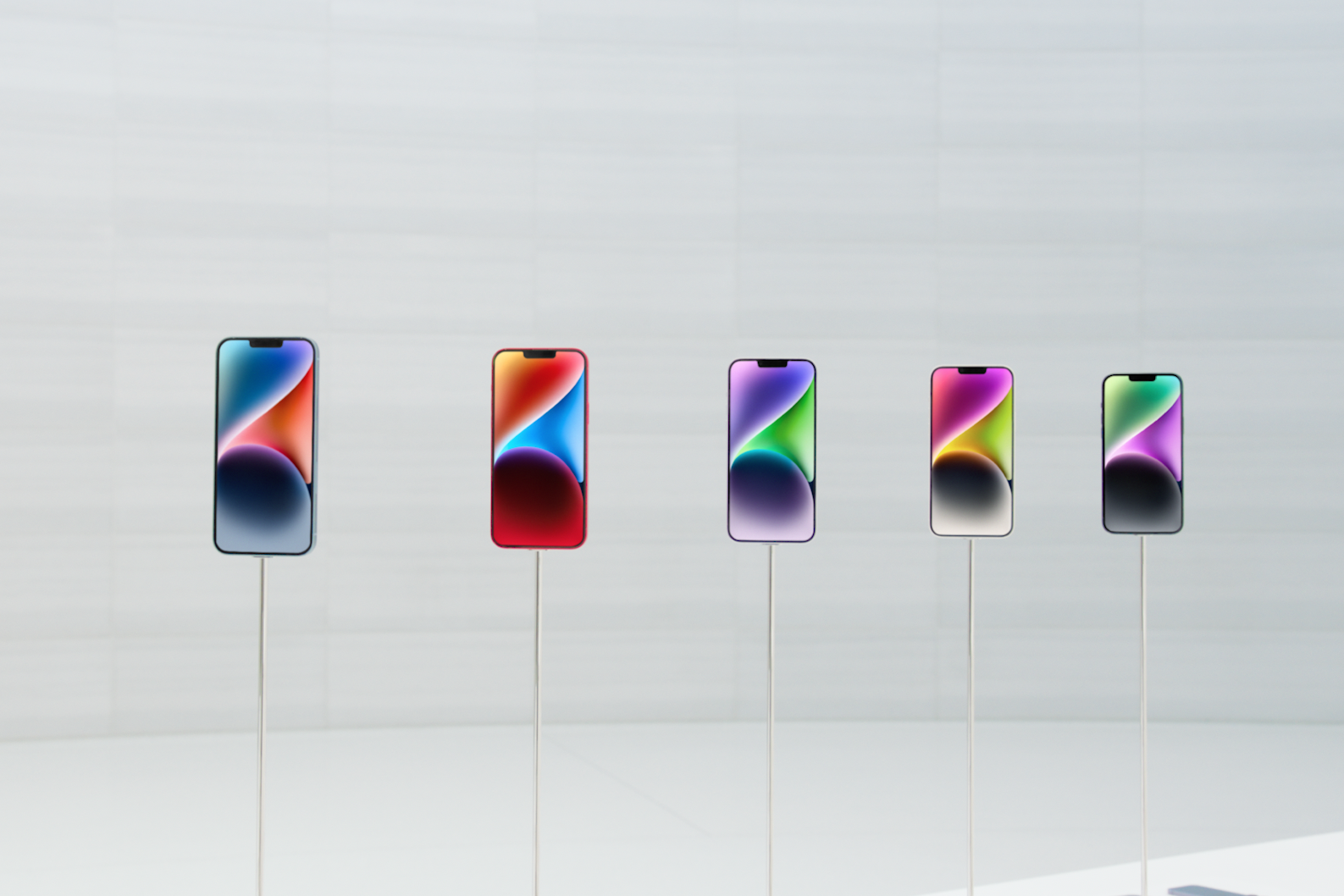
Plus, you'll be reassured that getting help after a car crash or during an off-the-grid adventure is just a tap away.
Together, these features make Apple's new iPhone 14 family the biggest leap forward yet for travelers.
TPG featured card

at American Express's secure site
Terms & restrictions apply. See rates & fees.
| 4X | Earn 4X Membership Rewards® points per dollar spent on purchases at restaurants worldwide, on up to $50,000 in purchases per calendar year, then 1X points for the rest of the year. |
| 4X | Earn 4X Membership Rewards® points per dollar spent at US supermarkets, on up to $25,000 in purchases per calendar year, then 1X points for the rest of the year. |
| 5X | New! Earn 5X Membership Rewards® points on prepaid hotel stays booked through AmexTravel.com or the Amex Travel App. |
| 3X | Earn 3X Membership Rewards® points on flights booked through AmexTravel.com, the Amex Travel App, or purchased directly from airlines. |
| 2X | Earn 2X Membership Rewards® points on prepaid car rentals booked through AmexTravel.com or the Amex Travel App and cruises booked and paid through AmexTravel.com. |
| 1X | Earn 1X Membership Rewards® point per dollar spent on all other eligible purchases. |
Pros
- Valuable dining and food-related credits
- Flexible rewards with airline and hotel transfer partners
- Multiple travel and purchase protections
- No foreign transaction fees
- Access to Amex Offers for additional savings (enrollment required)
Cons
- Not as useful for those living outside the U.S.
- Some may have trouble using Uber and other dining credits
- You may be eligible for as high as 100,000 Membership Rewards® Points after you spend $8,000 in eligible purchases on your new Card in your first 6 months of Card Membership. Welcome offers vary and you may not be eligible for an offer. Apply to know if you’re approved and find out your exact welcome offer amount – all with no credit score impact. If you’re approved and choose to accept the Card, your score may be impacted.
- Earn 4X Membership Rewards® points per dollar spent on purchases at restaurants worldwide, on up to $50,000 in purchases per calendar year, then 1X points for the rest of the year.
- Earn 4X Membership Rewards® points per dollar spent at US supermarkets, on up to $25,000 in purchases per calendar year, then 1X points for the rest of the year.
- New! Earn 5X Membership Rewards® points on prepaid hotel stays booked through AmexTravel.com or the Amex Travel App.
- Earn 3X Membership Rewards® points on flights booked through AmexTravel.com, the Amex Travel App, or purchased directly from airlines.
- Earn 2X Membership Rewards® points on prepaid car rentals booked through AmexTravel.com or the Amex Travel App and cruises booked and paid through AmexTravel.com.
- Earn 1X Membership Rewards® point per dollar spent on all other eligible purchases.
- Pay It® lets you tap in the American Express® App to quickly pay for small purchase amounts throughout the month and still earn rewards the way you usually do. Plan It® gives you the option to split up big purchases into equal monthly payments with a fixed fee. You’ll know upfront exactly how much you’ll pay.
- Updated! $120 Dining Credit: Earn up to a total of $10 in statement credits monthly when you pay with the Gold Card at Grubhub (including Seamless), Buffalo Wild Wings, Five Guys, The Cheesecake Factory, and Wonder. This can be an annual savings of up to $120. Enrollment required.
- $100 Resy Credit: Get up to $100 in statement credits each calendar year at over 10,000 qualifying U.S. Resy restaurants after you pay for eligible purchases with the American Express® Gold Card. That’s up to $50 in statement credits semi-annually. Enrollment required.
- $84 Dunkin' Credit: Earn up to $7 in monthly statement credits after you pay with the American Express® Gold Card at U.S. Dunkin’ locations. Enrollment required.
- $120 Uber Cash on Gold: Enjoy up to $120 in Uber Cash annually with your Gold Card. Just add your Card to your Uber account and you'll get $10 in Uber Cash each month to use on orders and rides in the U.S. when you select an Amex Card for your transaction.
- New! As an American Express® Gold Card Member, you can enjoy complimentary Hertz Five Star® Status. Enjoy benefits like skipping the counter at select locations, adding an additional driver at no additional cost*, and vehicle upgrades**. Benefit enrollment and Hertz Gold+ registration are required. *Additional drivers must meet standard rental qualifications and must be a spouse or domestic partner to qualify as complimentary. Other additional drivers subject to fees. **Benefits are subject to availability and vary by location. Additional Hertz program Terms and Conditions including age restrictions apply.
- Take advantage of a $100 credit towards eligible charges* at over 1,300 upscale hotels worldwide when you book The Hotel Collection through AmexTravel.com or the Amex Travel App **. *Eligible charges vary by property. **The Hotel Collection requires a two-night minimum stay.
- Book your travel through the Amex Travel App with added peace of mind – backed by American Express® service and support. Only for American Express® Card Members.
- Whenever you need us, we're here. Our Member Services team will ensure you are taken care of. From lost Card replacement to statement questions, we are available to help 24/7.
- No Foreign Transaction Fees.
- Annual Fee is $325.
- Terms Apply.