Why This Photo of a Broken Airplane Window Isn’t As Terrifying As It Looks

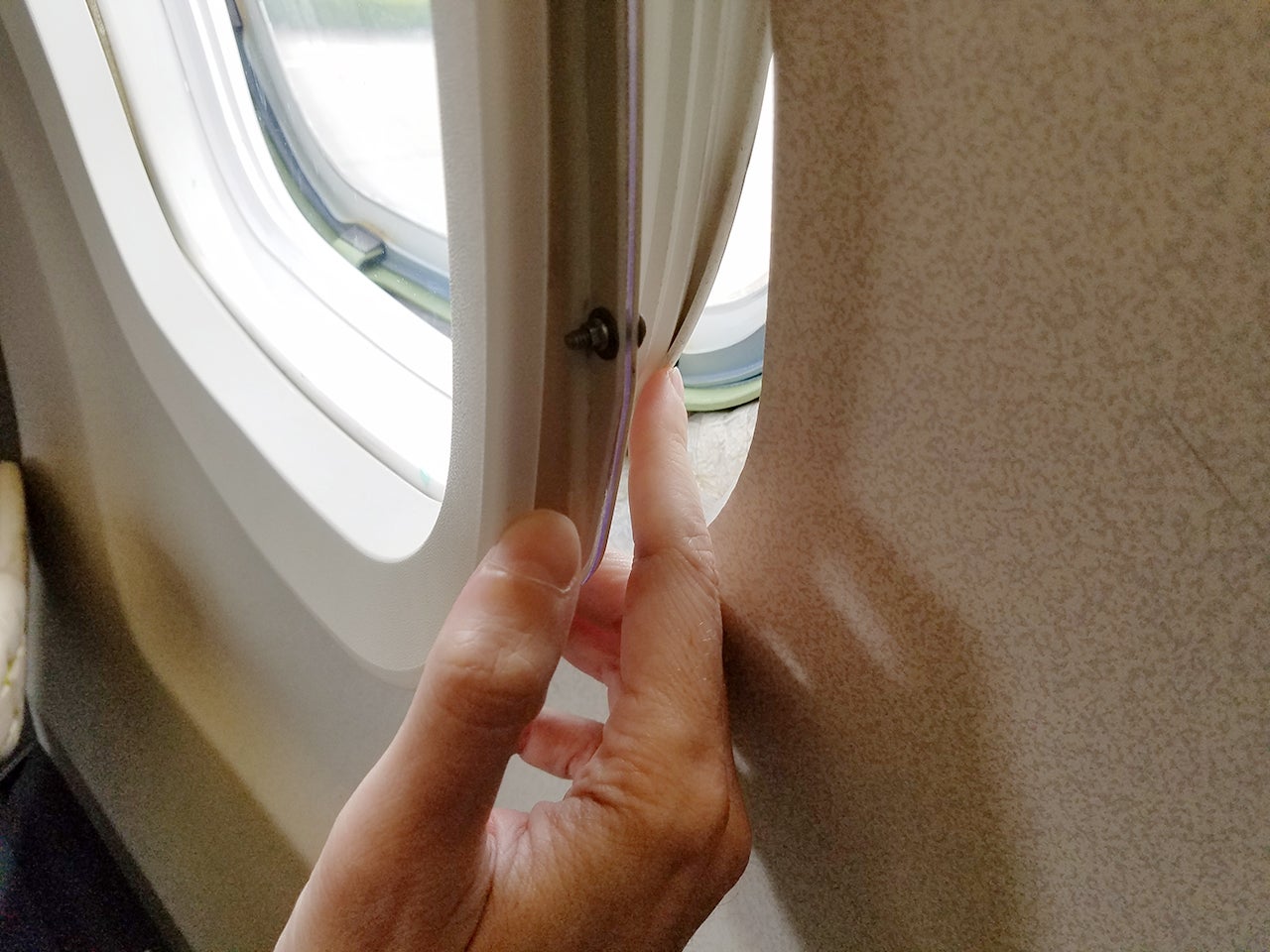
On his way back from a weekend trip to upstate New York, TPG managing editor Alberto Riva noticed his airplane window looked to be a bit, err — broken.
Jokingly — but we imagine also somewhat nervously — he dropped a note in our team's Slack channel that it might be getting chilly onboard after takeoff as the cold high-altitude outside air would seep in.
Although any worries would be understandable after some recent high-profile incidents with airplane windows, they would also be unwarranted. Here's why.
Despite its concerning appearance, this window insert, like all others on commercial aircraft, are entirely cosmetic, put in place to make windows more flush against the cabin walls while adding the shade mechanism. The United Express ERJ-145 that Alberto was on could probably go for a cabin update, sure, but it's completely safe for flight.
Indeed, while airplane windows are made to withstand the strong differences in pressure between the air inside and outside the cabin, the window pane that you rest your head against, and can actually touch, does practically nothing besides provide a movable window shade. The green and gray seal that you see in the window pictured above, however, is extremely important to keep the pressurized cabin in, and the freezing, oyxgen-less outside air, out.
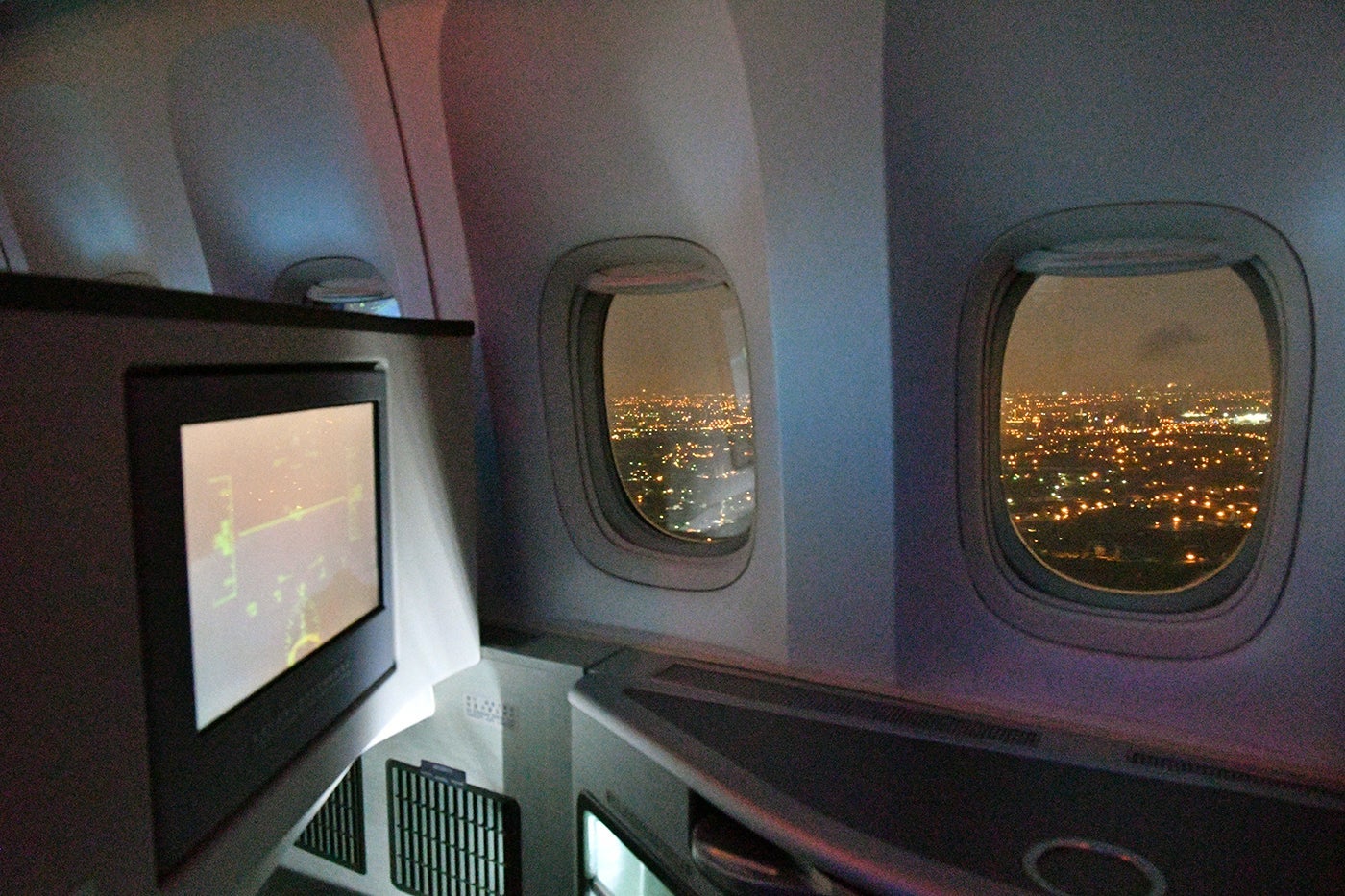
Since the outside air pressure at cruising altitude is much lower than the air pressure inside (which is why you can't open airplane doors mid-flight), airplane windows are under considerable strain as air on both sides presses up against them. To reduce this stress, most windows on modern aircraft are layered, split into [typically] three separate sections.

The outdoor pane and the middle one do the heavy lifting: they must balance the low-pressure outside air with the higher-pressure inside air.
To do so, they use a combination of layered plexiglass and airtight seals, and they're all very important for safe flight. Even that little hole in the window that you've probably wondered about before is actually far more important than the interior pane. That tiny hole helps balance — or "equalize" — air pressure between the interior window panes and inward side of the exterior pane, effectively lessening the strain on the windows and also keeping them mostly free from fogging.
So, besides now being able to impress your friends with your cool-headedness should this happen on a future flight, what's the moral of this story? If your window is coming off like Alberto's was this morning, you might want to alert the cabin crew or airline as you might be entitled to some form of compensation, but you won't need to fear for your life.
TPG featured card

at Capital One's secure site
Terms & restrictions apply. See rates & fees.
| 5X miles | Earn 5X miles on hotels, vacation rentals and rental cars booked through Capital One Travel |
| 2X miles | Earn unlimited 2X miles on every purchase, every day |
Pros
- Stellar welcome offer of 75,000 miles after spending $4,000 on purchases in the first three months from account opening. Plus, a $250 Capital One Travel credit to use in your first cardholder year upon account opening.
- You'll earn 2 miles per dollar on every purchase, which means you won't have to worry about memorizing bonus categories
- Rewards are versatile and can be redeemed for a statement credit or transferred to Capital One’s transfer partners
Cons
- Highest bonus-earning categories only on travel booked via Capital One Travel
- LIMITED-TIME OFFER: Enjoy $250 to use on Capital One Travel in your first cardholder year, plus earn 75,000 bonus miles once you spend $4,000 on purchases within the first 3 months from account opening - that’s equal to $1,000 in travel
- Earn unlimited 2X miles on every purchase, every day
- Earn 5X miles on hotels, vacation rentals and rental cars booked through Capital One Travel
- Miles won't expire for the life of the account and there's no limit to how many you can earn
- Receive up to a $120 credit for Global Entry or TSA PreCheck®
- Use your miles to get reimbursed for any travel purchase—or redeem by booking a trip through Capital One Travel
- Enjoy a $50 experience credit and other premium benefits with every hotel and vacation rental booked from the Lifestyle Collection
- Transfer your miles to your choice of 15+ travel loyalty programs
- Top rated mobile app