Why I'm glad airlines are getting rid of seatback entertainment

I already know this is an unpopular opinion, but I'm glad that seatback entertainment systems are going the way of the dodo. There are a lot of reasons to keep them but just as many to let them go. Hear me out:
I like my legroom
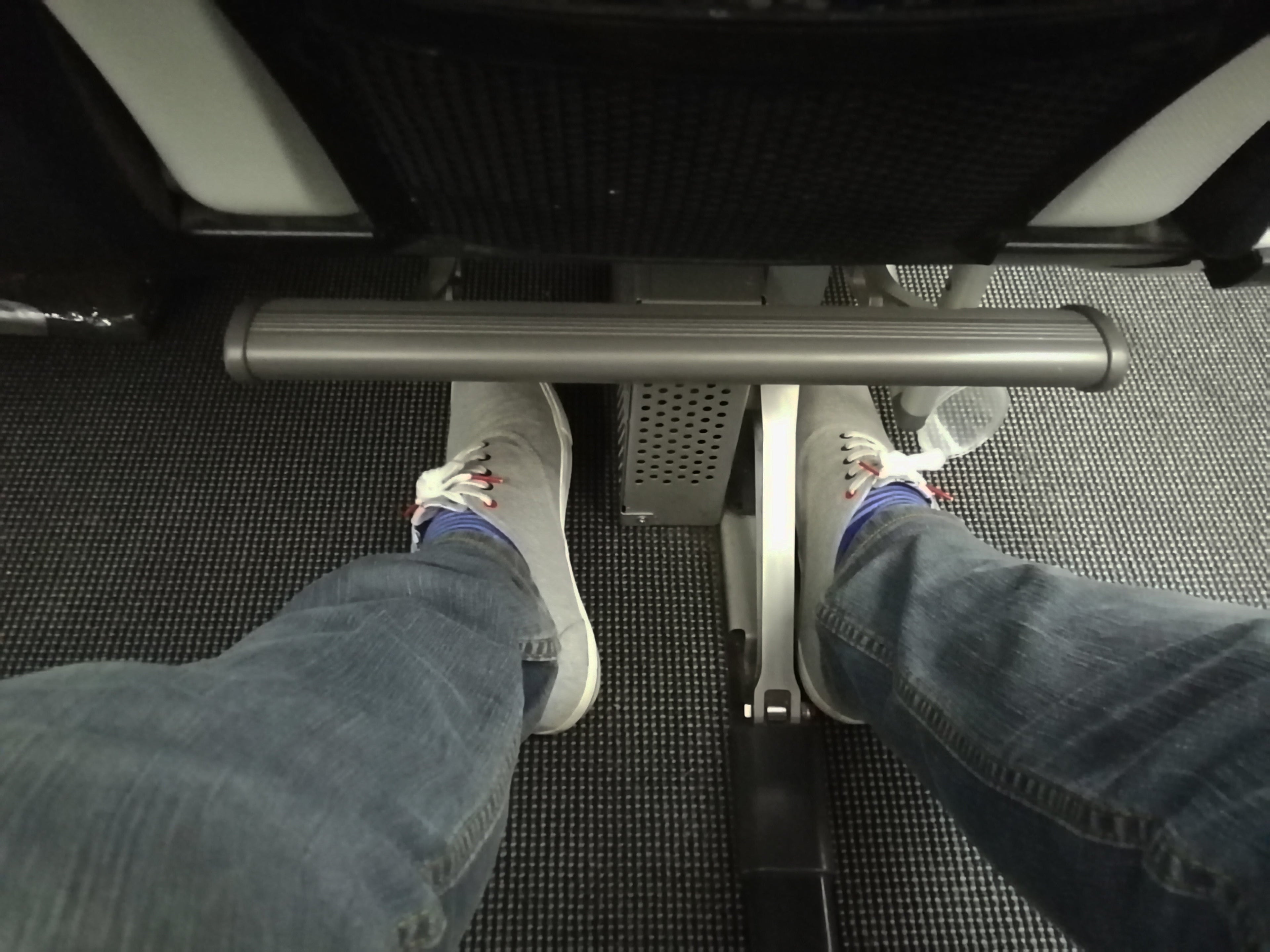
Hands up if you know where airlines keep their inflight entertainment systems. If, like me, you thought they were all in the back of the seat, tucked away unobtrusively, you'd be wrong. Those entertainment systems require tons of cabling, power and weight — there's simply not enough room for them inside a single seatback. Instead, airlines often store inflight entertainment (IFE) systems in boxes located under seats, in that space also known as your legroom. As airlines continue to shoehorn as many seats as possible into their aircraft, I need all the room I can get. The pessimist in me says airlines will simply add more rows of seats as they move to lighter, slimmer seats (without IFE), but at least I can stick my feet under the seat.
Inflight entertainment systems are outdated
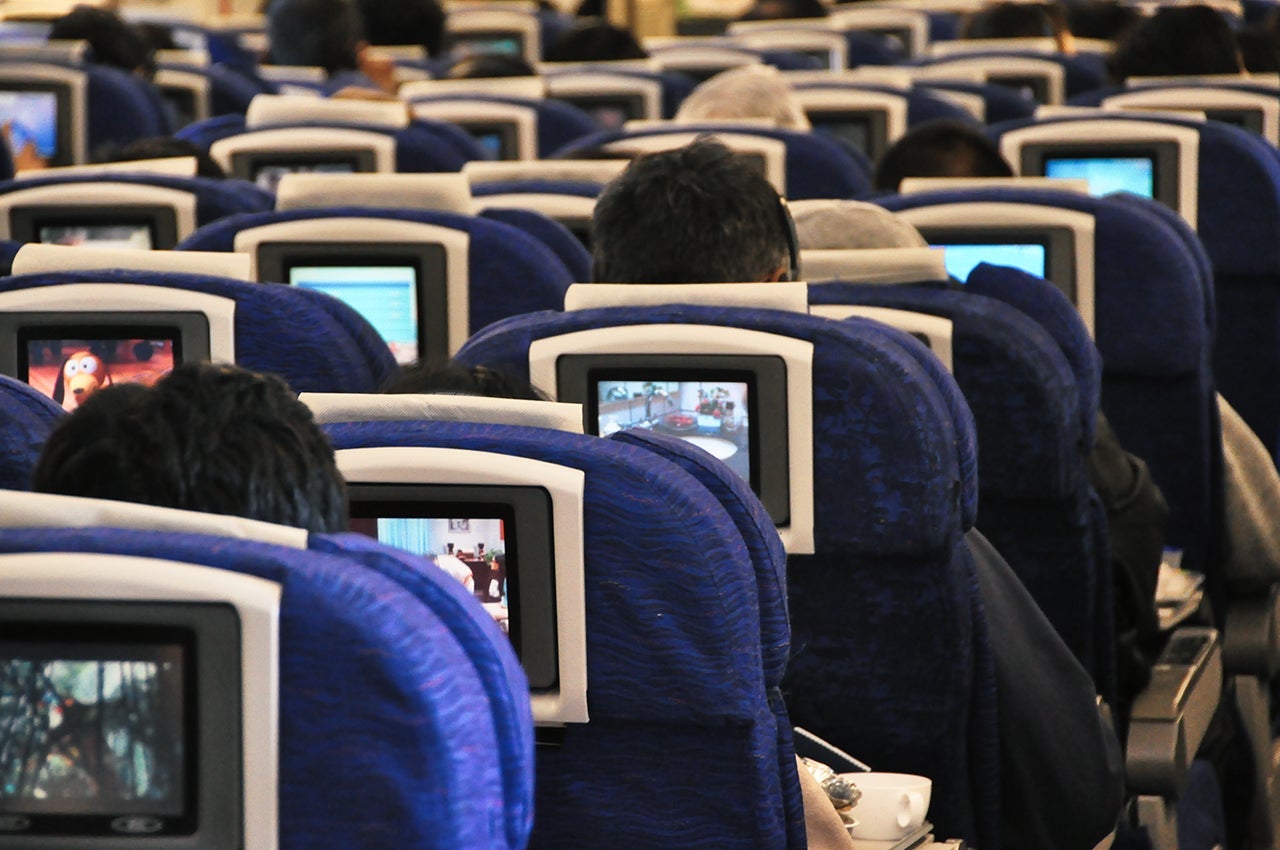
Inflight entertainment systems are expensive to install, so when airlines stick one of these screens in the back of a seat, they're leaving them there for a long time. This means that even though the screens are quickly outdated, they're there for years — unresponsive and slow and a pain to operate.
You know what's better than these decade-old systems? Every electronic device I own. My $50 bargain tablet is bigger, faster and has better resolution than these systems. As long as an aircraft is giving me a choice, I'm going to pick my personal items, which — by the way — swivel more than three inches and can still be watched even when the seat in front of me is reclined.
It forces airlines to improve their Wi-Fi
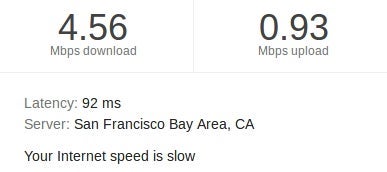
The elimination of IFE is a shameless cash grab by airlines, but I'm OK with it. Why? Because customer backlash has meant that in the absence of seatback entertainment, airlines are being forced to provide alternatives. Sometimes that means tablets passed out to guests, but usually that means better, faster Wi-Fi — for free.
Take, for example, American Airlines, the domestic front-runner in the fight against seatback entertainment. In the last two years, American has added high-speed Wi-Fi to more than 700 of its domestic aircraft. Gone are the days of lagging, slow GoGo. Instead it's been replaced with satellite internet that can maintain speeds, even if the entire aircraft is online.

I used to value my time in the air as downtime, but now that it's more a job than a hobby, I need to stay connected. That means that when I've got a 14-hour traipse across the ocean coming up, I need fast, reliable Wi-Fi. I'm not alone in this: More and more people are hopping on planes to head to work and when they do, they need strong internet that stays live, not six episodes from Season 1 of Parks and Rec. There are still carriers that offer both IFE and Wi-Fi, but for those who have chosen to do away with IFE in many of their planes, the need to equip themselves with streaming options is fierce.
Bottom line
There are reasons to keep IFE systems around, but there are at least as many to get rid of them. Many flyers have come to expect seatback entertainment as a right (especially on long-haul flights), but I'd posit that that once free streaming and free Wi-Fi are offered as universally as the old IFE systems, people will be just as happy. The future is here, and it doesn't include IFE screens.
Feature photo by Nick Morrish/British Airways.
TPG featured card

at Capital One's secure site
Terms & restrictions apply. See rates & fees.
| 5X miles | Earn 5X miles on hotels, vacation rentals and rental cars booked through Capital One Travel |
| 2X miles | Earn unlimited 2X miles on every purchase, every day |
Pros
- Stellar welcome offer of 75,000 miles after spending $4,000 on purchases in the first three months from account opening. Plus, a $250 Capital One Travel credit to use in your first cardholder year upon account opening.
- You'll earn 2 miles per dollar on every purchase, which means you won't have to worry about memorizing bonus categories
- Rewards are versatile and can be redeemed for a statement credit or transferred to Capital One’s transfer partners
Cons
- Highest bonus-earning categories only on travel booked via Capital One Travel
- LIMITED-TIME OFFER: Enjoy $250 to use on Capital One Travel in your first cardholder year, plus earn 75,000 bonus miles once you spend $4,000 on purchases within the first 3 months from account opening - that’s equal to $1,000 in travel
- Earn unlimited 2X miles on every purchase, every day
- Earn 5X miles on hotels, vacation rentals and rental cars booked through Capital One Travel
- Miles won't expire for the life of the account and there's no limit to how many you can earn
- Receive up to a $120 credit for Global Entry or TSA PreCheck®
- Use your miles to get reimbursed for any travel purchase—or redeem by booking a trip through Capital One Travel
- Enjoy a $50 experience credit and other premium benefits with every hotel and vacation rental booked from the Lifestyle Collection
- Transfer your miles to your choice of 15+ travel loyalty programs
- Top rated mobile app