What Every Traveler Should Know Before Visiting a Destination Hit by a Natural Disaster


We're partnering with Capital One to launch our new Purposeful Travel Hub. If you have unique ways you like to pay it forward when you travel or just love exploring new places with family and friends, we want to hear about it. Share your most treasured travel moments and purposeful travel tips with us using #MeaningfulMoments.
In the tourist hub of Antigua, Guatemala, you can see the Fuego volcano from any rooftop in town. The colonial city and UNESCO World Heritage Site is about 10 miles northeast of the mountain — close enough that you can hear regular explosions. Just this week, it erupted again, causing thousands to evacuate the area.
Yet the active volcano is a major draw for visitors; each month thousands of people climb its dormant neighbor, Acatenango, for a closer view at the bubbling lava and rock blasts. I did it myself a few years back and the experience remains one of my all-time travel highlights.
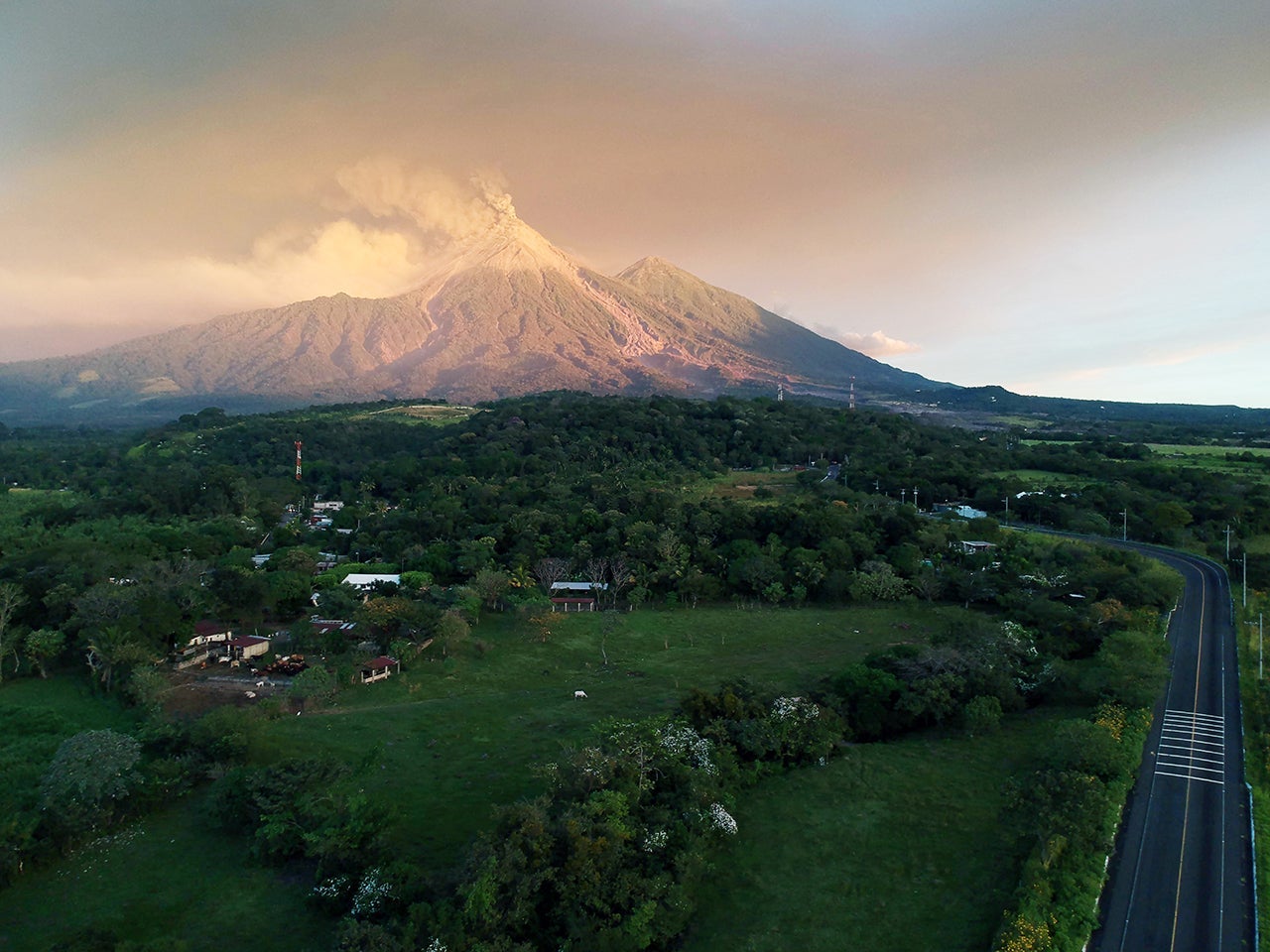
But this year on June 3, Fuego turned unusually deadly as it experienced the largest eruption in more than four decades. Entire villages were destroyed as pyroclastic flow (a mass of hot gas and debris) barreled down the slopes faster than people could escape. Hundreds died and thousands were displaced, their homes and crops ruined. Ash covered everything within a 12 mile radius, temporarily shutting down the international airport and blanketing the streets of Antigua. Within a matter of days, the city's hotels emptied as tourists left and would-be travelers cancelled their trips.
When a natural disaster strikes a popular travel destination, it's a one-two punch. First, there is the immediate impact on lives, homes and infrastructure, followed by the financial blow of visitors avoiding the region. Sensational news headlines can frighten travelers away from an entire country, even though the damage is often very localized.
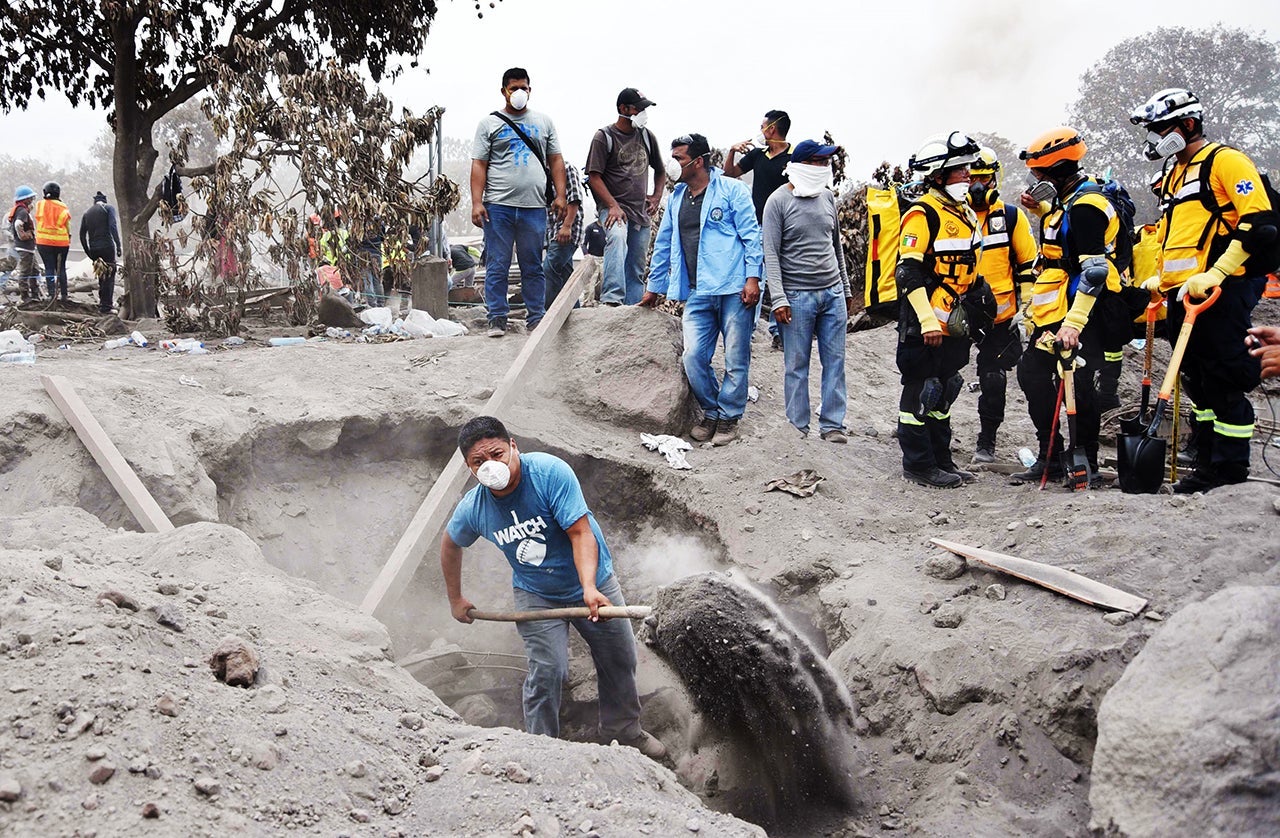
In Guatemala, the devastation wreaked by the eruption was limited to a small area around Fuego itself. Neighboring volcano Acatenango reopened to climbers after just 11 days. Planes at La Aurora International Airport were grounded for less than 24 hours. Antigua's hotels and restaurants didn't close at all. Still, for several weeks, the tourists just weren't coming.
Valerie Russell, founder and chief experience officer of Due South Travels, was managing the bar at the Tropicana hostel in Antigua at the time. "We went from about 60 people down to 3 guests one night," she recalled. "Even people who thought they would stay changed their minds when they saw others leaving en masse. The city just emptied out, it was like a ghost town."
Tourism is the primary economic activity in Guatemala, making up 3.4% of the national GDP, and Antigua is its most-touristed city. The month of the eruption, Antigua's visitor numbers were 25% lower than the previous year, hurting local workers who had already suffered losses. "Antigua was safe but to have it empty out was the most devastating thing for the people who were affected," said Russell. "They were coming to work because they needed to, but the tourists weren't."
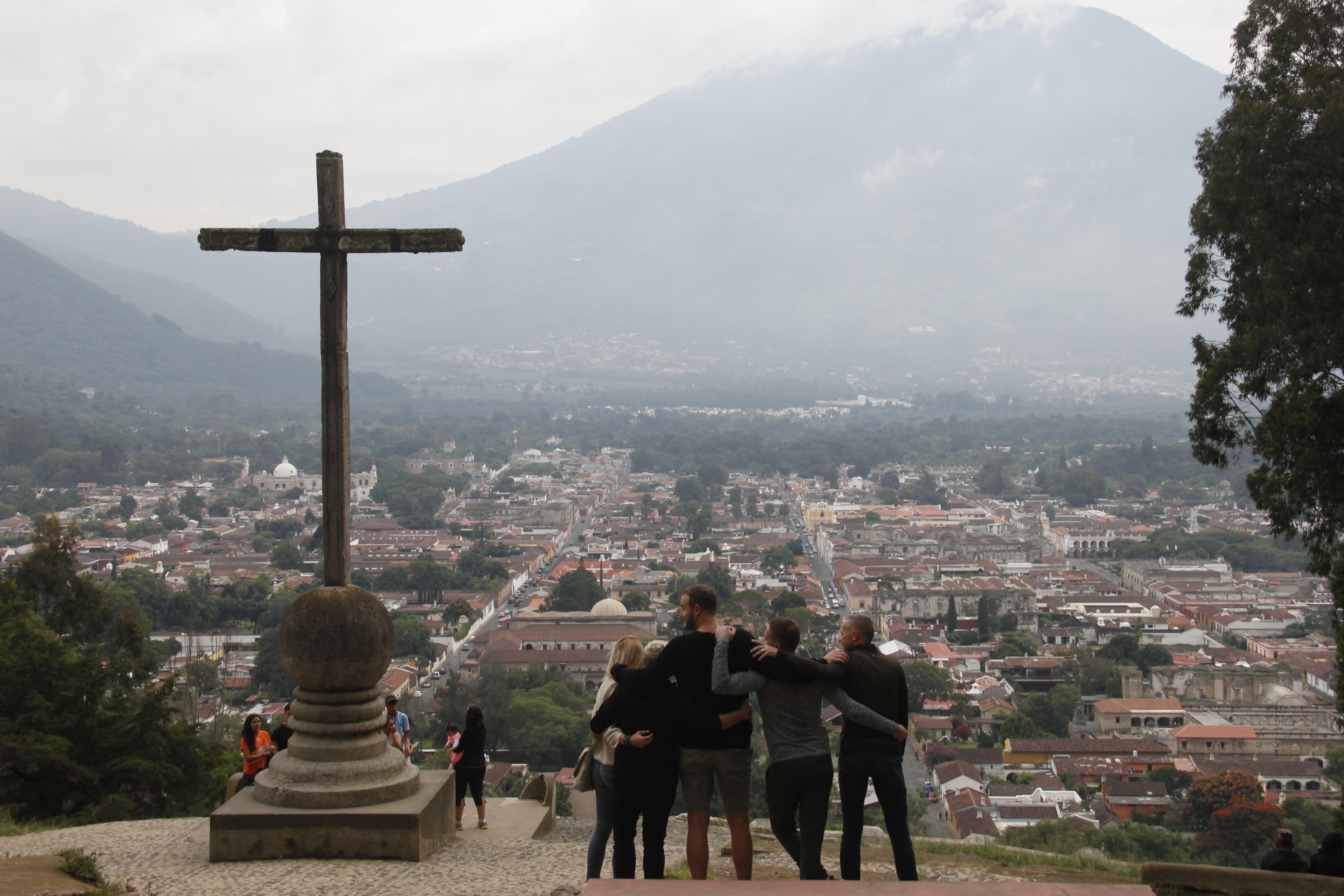
While pleasure seekers tend to stay away from disaster-stricken areas, there are some travelers who come specifically to help. Cassie Wilkins, a former travel agent turned freelance travel writer, was in El Salvador when the volcano erupted. She had done disaster relief work in Nepal after the 2015 earthquake, so she made her way to Guatemala to see what she could do.

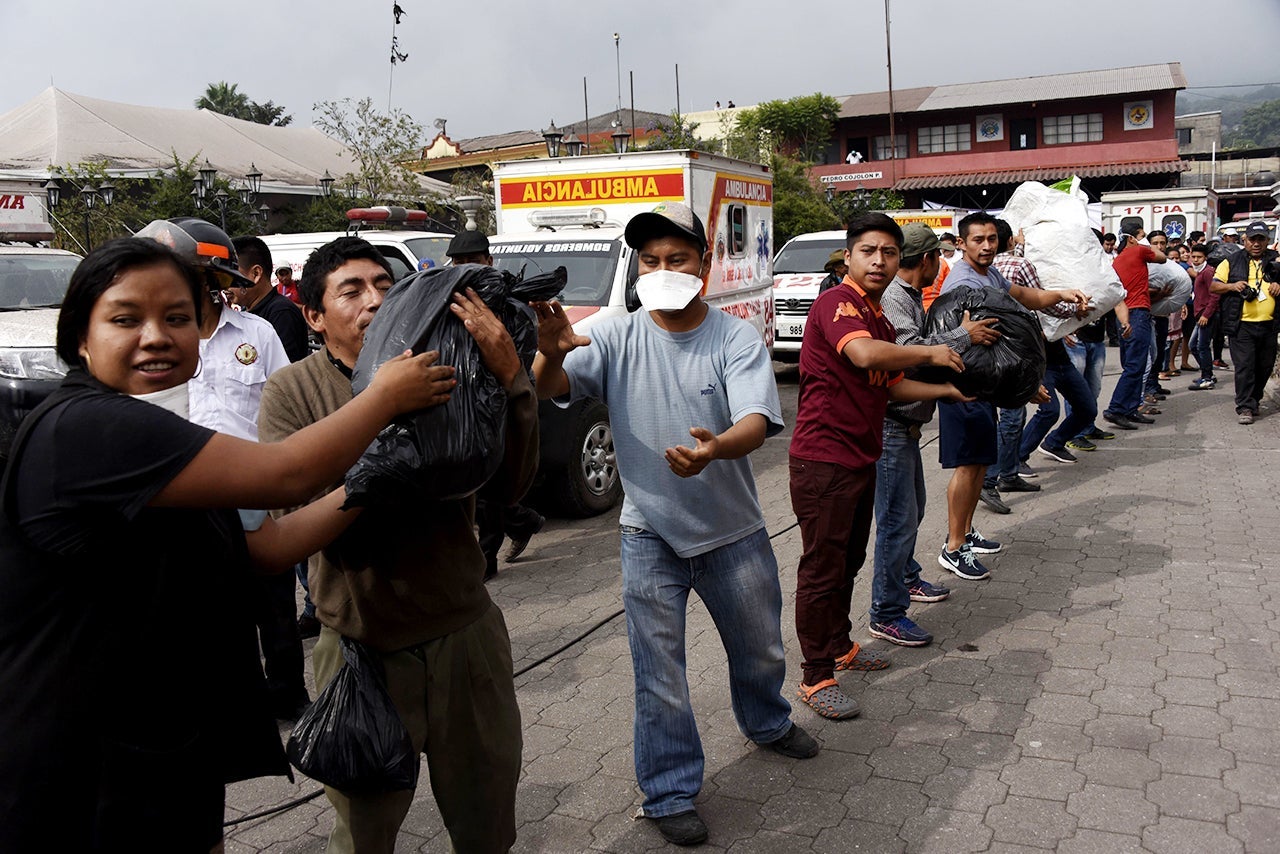
"When I arrived in Antigua a few days later it was obvious that the volcano had impacted the city, but not by much. The ash had been swept up so you could only see it in the cracks between the cobblestones, and there were donation drives in the main square. I went to the hostel that was spearheading the volunteer backpacker movement and volunteered my skills."
Wilkins spent six weeks in Guatemala, fundraising and coordinating deliveries to shelters before continuing her travels around Central America. But she points out that volunteers are still needed months and even years after a natural disaster to help with the long process of rebuilding.
When TPG visited partially-rebuilt schools and hospitals in the volcano-hit area with PeaceJam a few months after the eruption, even the displacement camp was still being constructed.
In fact, rushing to a crisis area too soon can sometimes be detrimental. "Unless you have specific skills and experience in disaster relief, it's better to wait until a safe base is established, otherwise you can put yourself in danger and pose a burden to the already stretched medical teams on the ground," Wilkins said.
Traveling with the purpose of volunteering, sometimes called "voluntourism," is complex and occasionally controversial. Critics point to volunteers' frequent lack of relevant skills for the activity they're doing, and question the long-term sustainability of some volunteer projects. Giving one's time and money can be incredibly helpful and necessary, but it is imperative that it's done in a conscientious way. That's especially true in disaster-affected areas with acute needs, some of which might be difficult for foreigners to anticipate.
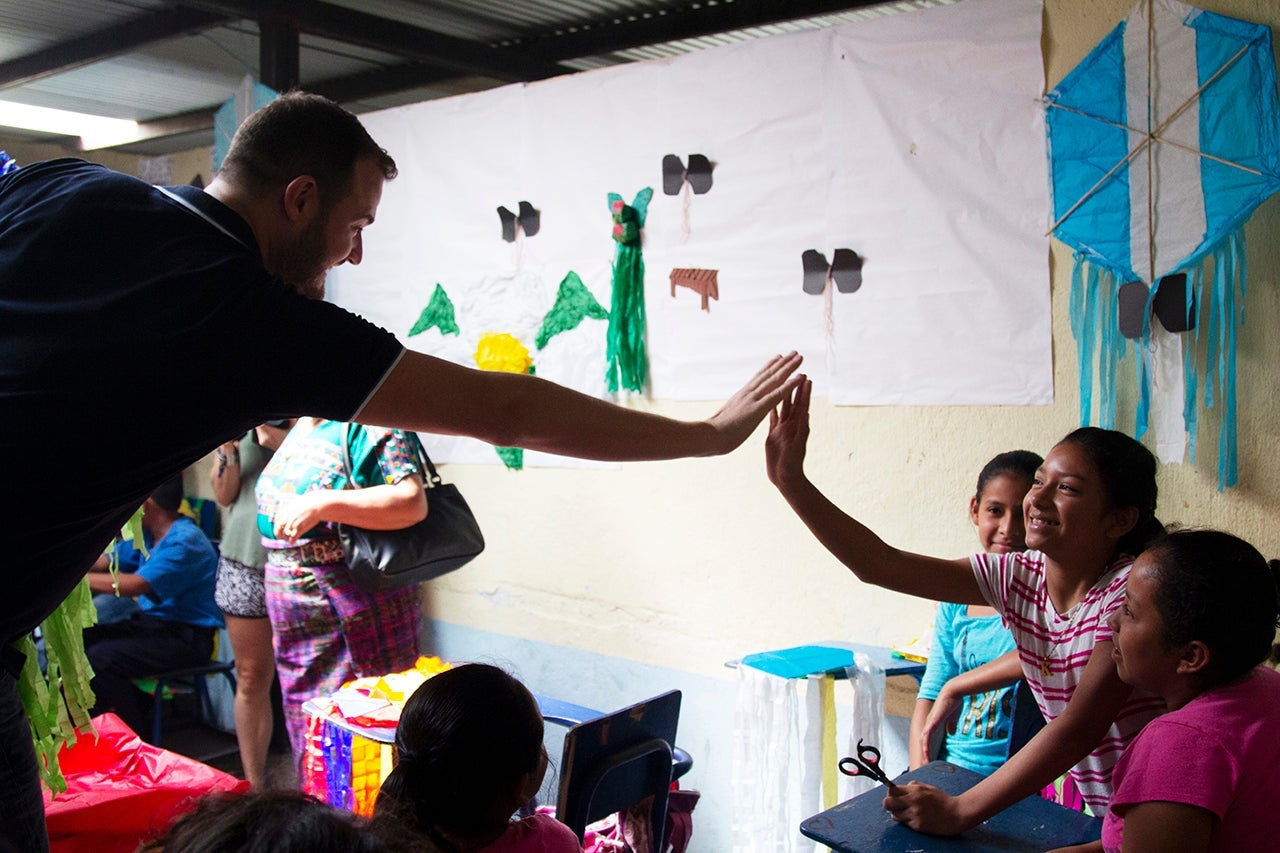
Russell suggests talking to people on the ground (for instance, through a local, trusted network such as the Expats Living in Guatemala Facebook group) to ascertain needs and locate opportunities to help. And once you find an organization you want to volunteer with or donate to, vet it by asking around or getting in touch directly. Find out what percentage of its funds go toward non-aid related activities such as administrative costs, and whether the assistance being provided has a lasting impact once the organization leaves. If an organization won't answer difficult questions or isn't transparent about its spending, it may not be the right place to invest your resources.
There is also another, simpler way to help a disaster-affected destination: go on holiday there. "Tourism is a way for a community to rebuild after a natural disaster. If you go on vacation and have a drink on the beach you are having a positive impact on that destination," said Kelley Louise, founder and executive director of the Impact Travel Alliance, a global community and nonprofit seeking to improve the world through travel. "After a disaster, look to the experts in the region like the local government and tourism board to find out which areas are safe to go to. And then go spend your tourist dollars locally."
According to Guatemala's Deputy Minister for Tourism, Juan Pablo Nieto, many of the people from the volcano-affected communities are employed directly in tourist services in Antigua, which means any vacation dollars spent are going directly to the people who need it most. And while supporting the local economy is a compelling reason to visit, it isn't the only one. The country is rich in natural beauty, indigenous culture and archaeological sites. "Guatemala is the heart of the Mayan world, and that's not just a thing we use for marketing," Nieto told TPG. "In a very small territory, you can have many experiences, not only cultural but natural and [adventurous]."
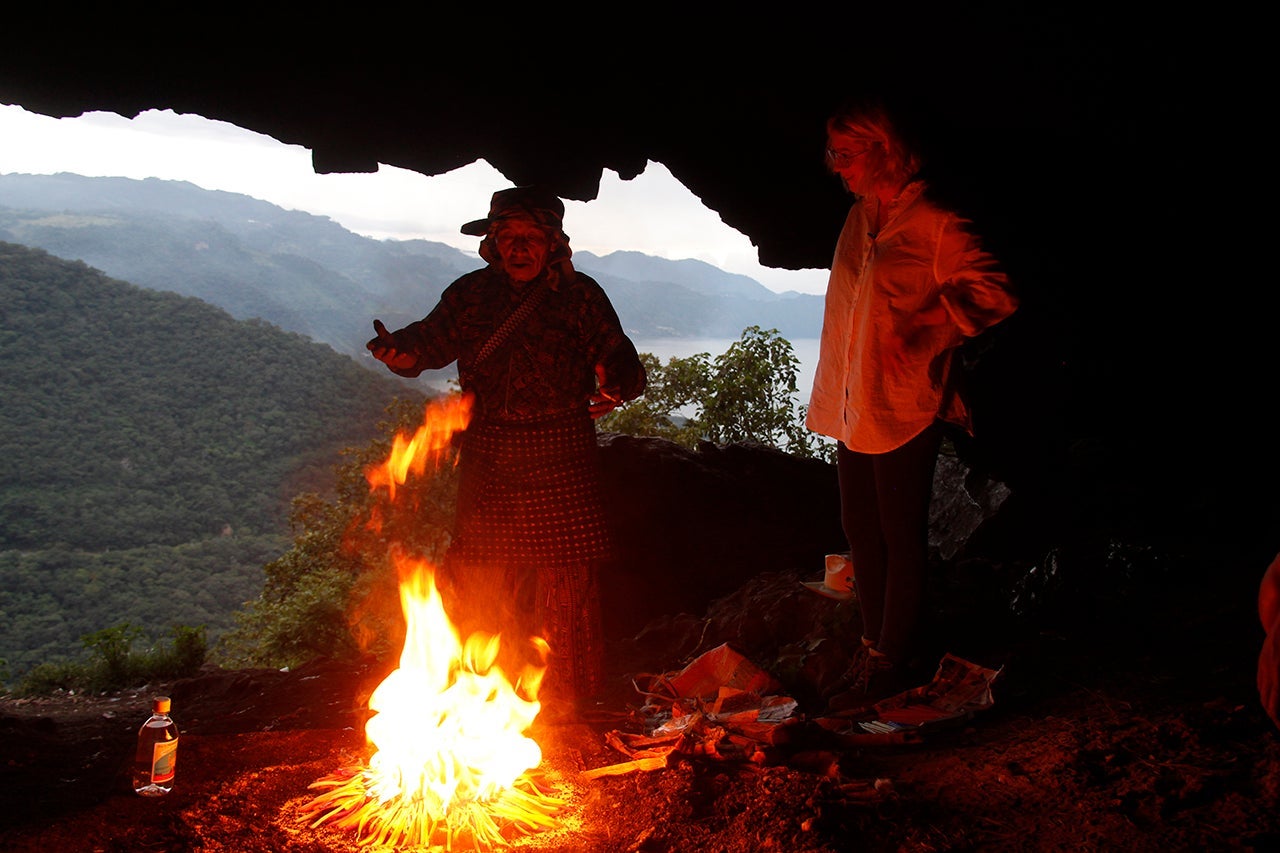
Which brings us back to the volcanoes, Guatemala's premier adventure activity.
"For a lot of people, the volcanoes are what makes Guatemala a destination," explained Victor Ferrell, founder of Antigua-based adventure outfitters OX Expeditions.
OX Expeditions has been running guided volcano trips since 2004 and was one of the first volcano tourism companies in Antigua. It offers excursions up Acatenango as well as the active volcanoes Fuego and Pacaya.
For travelers still drawn to Guatemala by the volcanoes, Ferrell says that if you go with a professional company that has the right equipment and trained guides, and if you are adequately prepared and use your common sense, then climbing a volcano is as safe as getting into your car. "Going into nature always has some inherent risks," he said, "But that's what makes it a true adventure."
Whether you're interested in traveling to Guatemala or another destination struck by a natural disaster — the hurricane-pummeled islands of the Caribbean, for example — remember that travelers (and their tourists dollars) are often needed more than ever in the wake of a crisis. But it's important for visitors to be exceptionally respectful, diligent and flexible with their plans and donations, because recovery can be a slow and difficult process.
Ways to Help Locals Affected by the Fuego Eruption
For travelers specifically interested in helping those affected by the Fuego eruption, there are more than half a dozen vetted organizations focused on providing relief. Donate your time or your money, and know it will go directly to one of these important causes.
Volunca: Places skilled volunteers in disaster zones.
Unidos Para Los Animales: Rescues and rehomes animals in the affected area.
ConstruCasa: Builds homes for those in need (note: donations for volcano victims only must be explicitly labelled as such).
Servants Heart Ministries: A Christian organization that provides housing, water, food and other services.
World Central Kitchen: Provides meals to volcano victims, rescue workers and shelters.
Miracles in Action: Provides job training and education in poverty-stricken communities.
Seres: A youth development and mentorship program formerly headquartered in the volcano-hit village of El Rodeo
Special thanks to Eytan Elterman, cofounder of Lokal Travel, Lola Méndez, travel writer at Miss Filatelista and Briana Havey of Earth Lodge Guatemala for their invaluable insights during the research process.
TPG featured card

at Capital One's secure site
Terms & restrictions apply. See rates & fees.
| 5X miles | Earn 5X miles on hotels, vacation rentals and rental cars booked through Capital One Travel |
| 2X miles | Earn unlimited 2X miles on every purchase, every day |
Pros
- Stellar welcome offer of 75,000 miles after spending $4,000 on purchases in the first three months from account opening. Plus, a $250 Capital One Travel credit to use in your first cardholder year upon account opening.
- You'll earn 2 miles per dollar on every purchase, which means you won't have to worry about memorizing bonus categories
- Rewards are versatile and can be redeemed for a statement credit or transferred to Capital One’s transfer partners
Cons
- Highest bonus-earning categories only on travel booked via Capital One Travel
- LIMITED-TIME OFFER: Enjoy $250 to use on Capital One Travel in your first cardholder year, plus earn 75,000 bonus miles once you spend $4,000 on purchases within the first 3 months from account opening - that’s equal to $1,000 in travel
- Earn unlimited 2X miles on every purchase, every day
- Earn 5X miles on hotels, vacation rentals and rental cars booked through Capital One Travel
- Miles won't expire for the life of the account and there's no limit to how many you can earn
- Receive up to a $120 credit for Global Entry or TSA PreCheck®
- Use your miles to get reimbursed for any travel purchase—or redeem by booking a trip through Capital One Travel
- Enjoy a $50 experience credit and other premium benefits with every hotel and vacation rental booked from the Lifestyle Collection
- Transfer your miles to your choice of 15+ travel loyalty programs
- Top rated mobile app