What Does It Take to Put a New Airplane Model in Service?

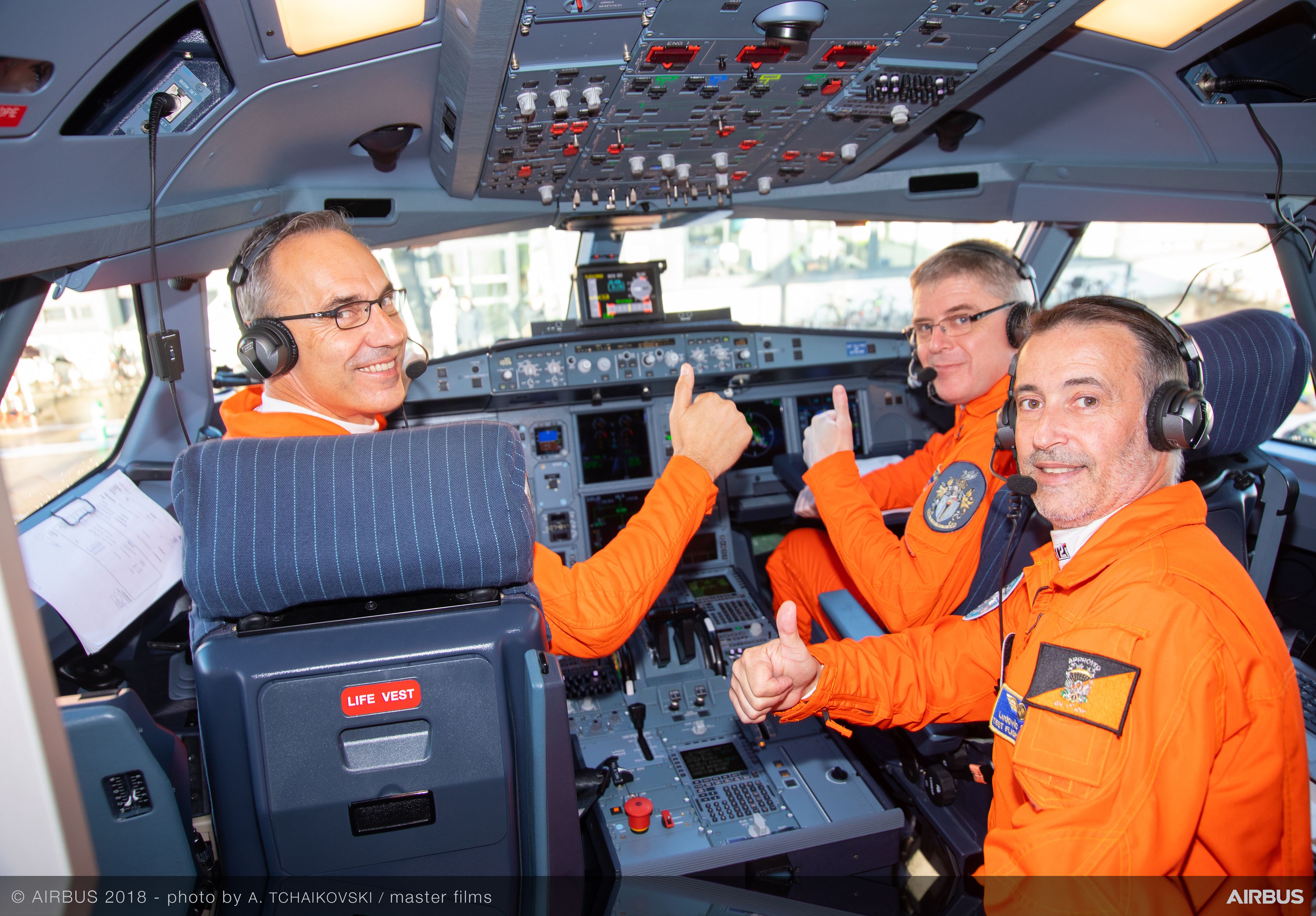
As Boeing works on a fix to get the grounded 737 MAX back in the air again, the update to the plane's flight control software and pilot training is just one focal point in the effort to return the MAX to service. On April 17, Boeing's Chief Executive Dennis Muilenburg said the company had completed its own aerial validations of the updated software, its last step before handing the final product over to the Federal Aviation Administration for official certification.
The 737 MAX updates are unusual because of the crisis surrounding the aircraft after the twin crashes of Lion Air flight 610 in October and Ethiopian Airlines flight 302 in March, but new aircraft continue to undergo flight testing well after they're certified, as manufacturers make changes or improvements to the design. And before going into commercial service, they have to undergo a gauntlet of evaluations, even from before the moment they first take to the air, to ensure they met or exceed all safety regulations.
But what's required, exactly, to bring a new airplane into service?
The rollout of a new commercial airliner is the visible culmination of years of work by the plane's engineers, designers, and manufacturing team. It's an event that has happened quite often in the past few years: aircraft types from regional jets to long-range wide-bodies have rolled out of the factory, including the Airbus A350, Bombardier C Series (now Airbus A220), Comac C919, Embraer E-190-E2, Mitsubishi MRJ, Irkut MC-21, and most recently, the Boeing 777X.
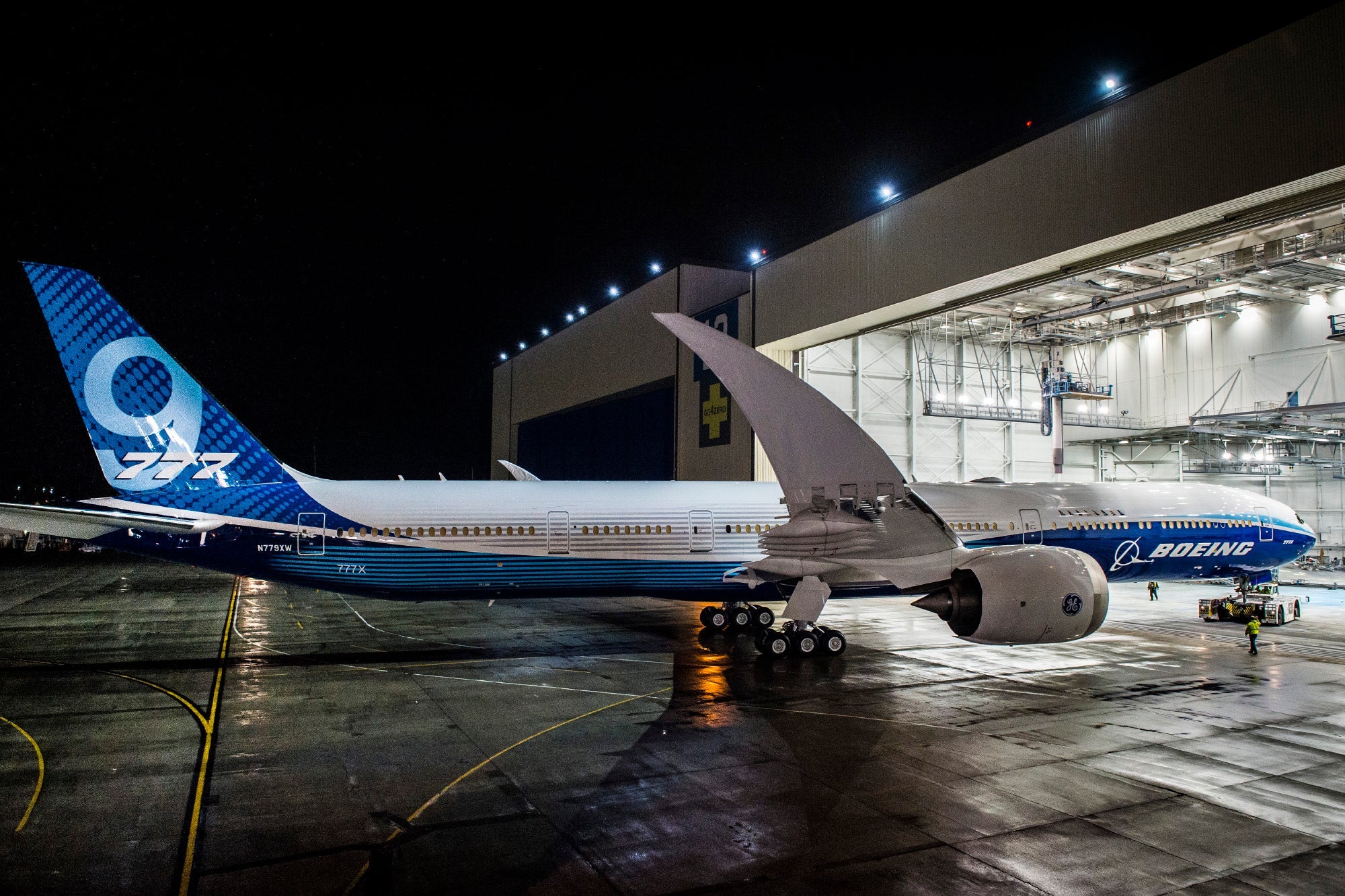
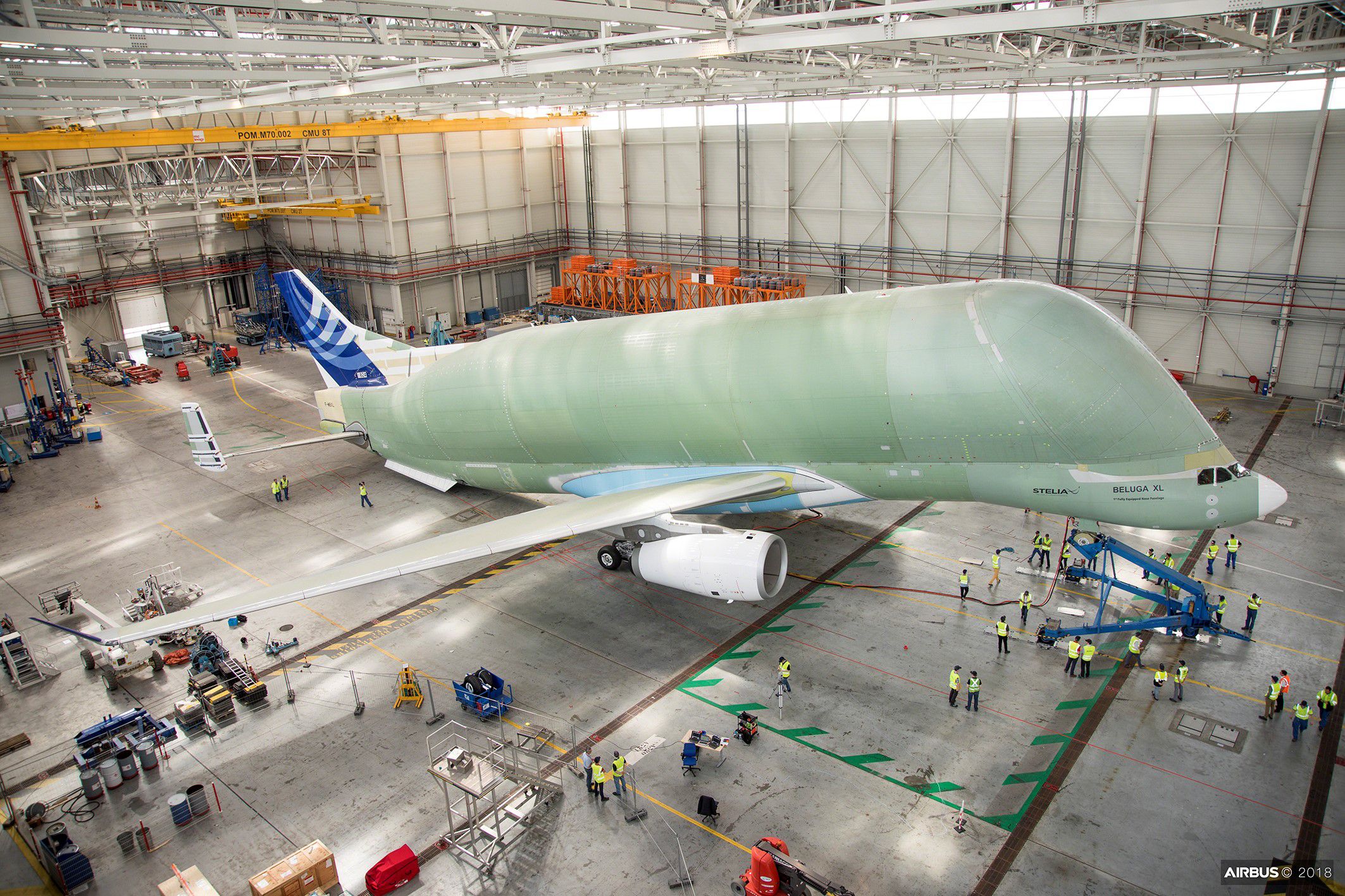
While a rollout is a momentous milestone in an aircraft's journey from concept to customer, it's a celebratory pause in the intensive testing of a new aircraft and ushers in the start of the most visible phase of a design's development, flight testing.
The first several planes that roll of the assembly line are destined to fly in the flight test and certification campaign. They'll be wrung out in the air, may never be delivered to airline customers, and could end up on display as museum pieces. In the case of the Boeing 787, six primary planes were in the flight test fleet, and the Bombardier C Series had seven planes. None will ever see airline service.
This fleet of aircraft flies thousands of hours, evaluating a multitude of tasks called test points. The five A350 test aircraft flew 2,600 hours over a 14-month period to achieve certification in 2014 from Europe's aviation regulator, EASA, and the US FAA.
The FAA's Aviation Circular AC25-7D, "Flight Test Guide for Certification of Transport Category Airplanes," is an incredibly detailed 481-page document that currently drives the safe design and operational characteristics of new aircraft.
Every point of the jet's certification is agreed upon with the regulator to determine how the manufacturer will demonstrate the design is compliant with the latest regulations. That could be through engineering analysis, laboratory testing, ground evaluations and all the way up to full aerial trials.

But long before the wheels of the first plane lift off from the runway, pilots will have flown the aircraft for countless hours in an incredibly realistic full-motion flight simulator. The anticipated flying characteristics of the new plane will have been programmed into the sim, all based on extensive engineering and aerodynamic analysis of the design.
At first, the sim might or might not perfectly match how the real plane ends up flying. But the sim gets updated as the manufacturer evaluates the data from actual flights.
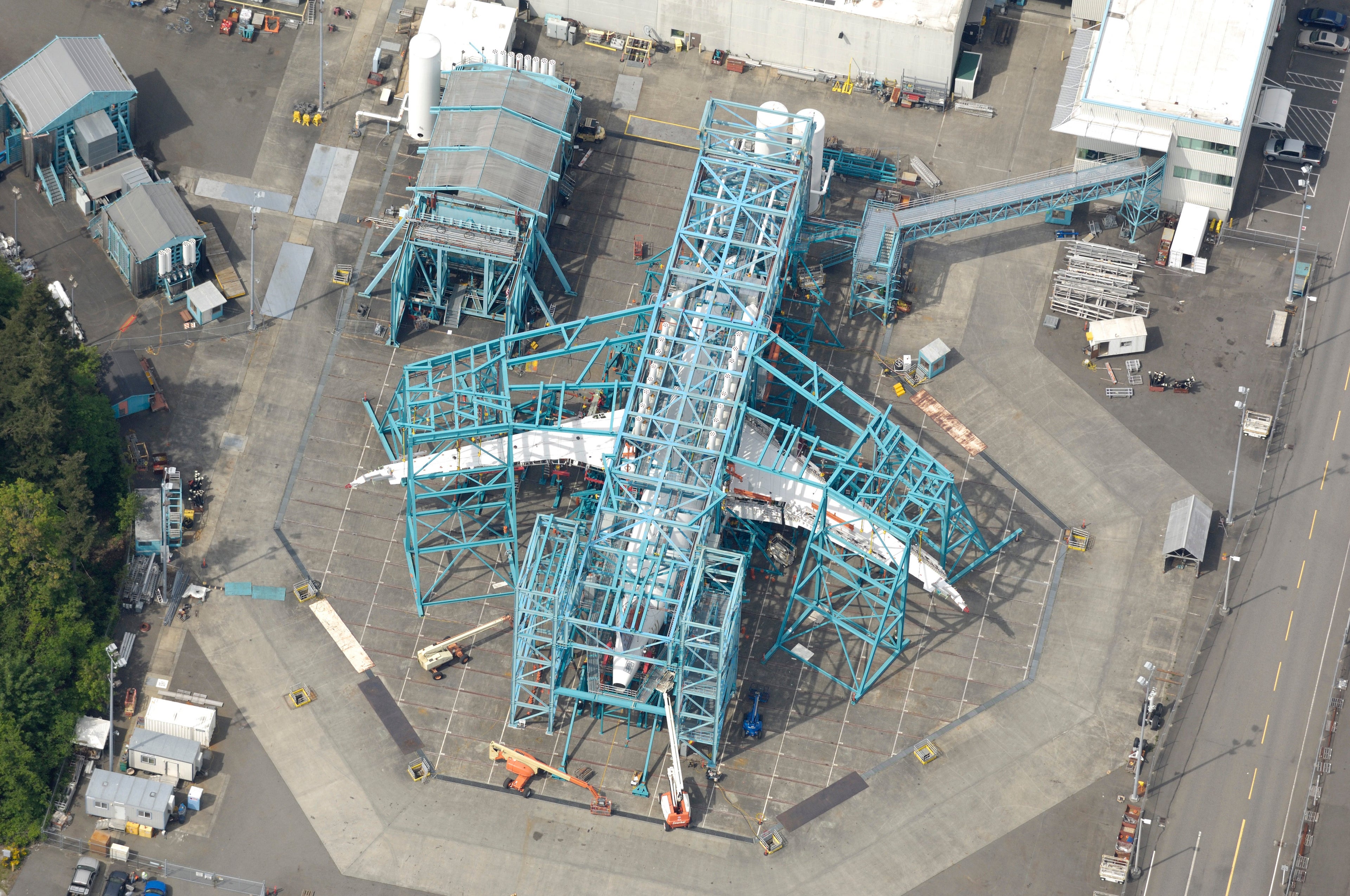
Before any jet can fly for the first time it must survive a punishing gauntlet of violent structural tests. Structural tests on an airframe, known as the static test rig, include over-pressurizing the fuselage and bending the wings, to ensure they meet required strengths.
The most dramatic of the structural static tests is the ultimate wing load test. The plane's fuselage is securely bolted down, and the wingtips are deflected upwards until the wing is stressed far beyond the required 150% extreme flight loads that would ever be encountered.
Another hangar-bound airframe will be used for fatigue testing. It's "flown" tens of thousands of times, with the cabin going through full pressurization cycles and other components pushed to their limits to see how long they'll last in service.
Modern planemakers create realistic ground-bound test articles, such as Bombardier's Integrated Systems Test and Certification Rig (ISTCAR) for the C Series, now the Airbus A220. The ISTCAR duplicated all functions of the aircraft, and pilots flew virtual flights that exercised the plane's systems, including avionics, flight control, electrical, hydraulic and even the landing gear. These so-called "iron birds" are hooked up to engineering simulators that control the guts of the airplane.
Component and systems suppliers also do extensive testing before parts are sent to the final assembly line. For example Monogram Systems, now Safran Aerosystems, built a three-story high test rig that replicated the lavatory waste and aircraft water systems of the Airbus A380 double-deck megajet. For testing, dog food is used in place of waste, and it travels at about 135 mph in the vacuum waste system.
After the rollout, even more testing must take place before the first flight. Fuel tanks are filled and checked for leaks, and the plane's auxiliary power unit and engines are started. Then, sitting on the ramp and hooked up to a computer system that fools the plane into thinking that it's in the air, pilots will "fly" the simulated first flight, testing the aircraft's systems in a ground-bound dress rehearsal.
Once the entire team is satisfied with the stationary test results, and only then, is the aircraft cleared to move under its own power. Inching out onto the runway, the pilots will gently test the brakes before accelerating to just before takeoff speed, lifting the jet's nose, and then slamming on full braking in the ultimate before-flight test.
When the big day for first flight finally comes, a small squadron of aircraft support the momentous achievement. Followed by aircraft chasing the test plane, the pilots of the premier flight of a new aircraft will perform basic handling checks. The landing gear isn't raised until well into a first flight as pilots check systems and evaluate how the jet flies. Only once they're satisfied does the gear come up. First flights can last anywhere from minutes to several hours depending on how things go.
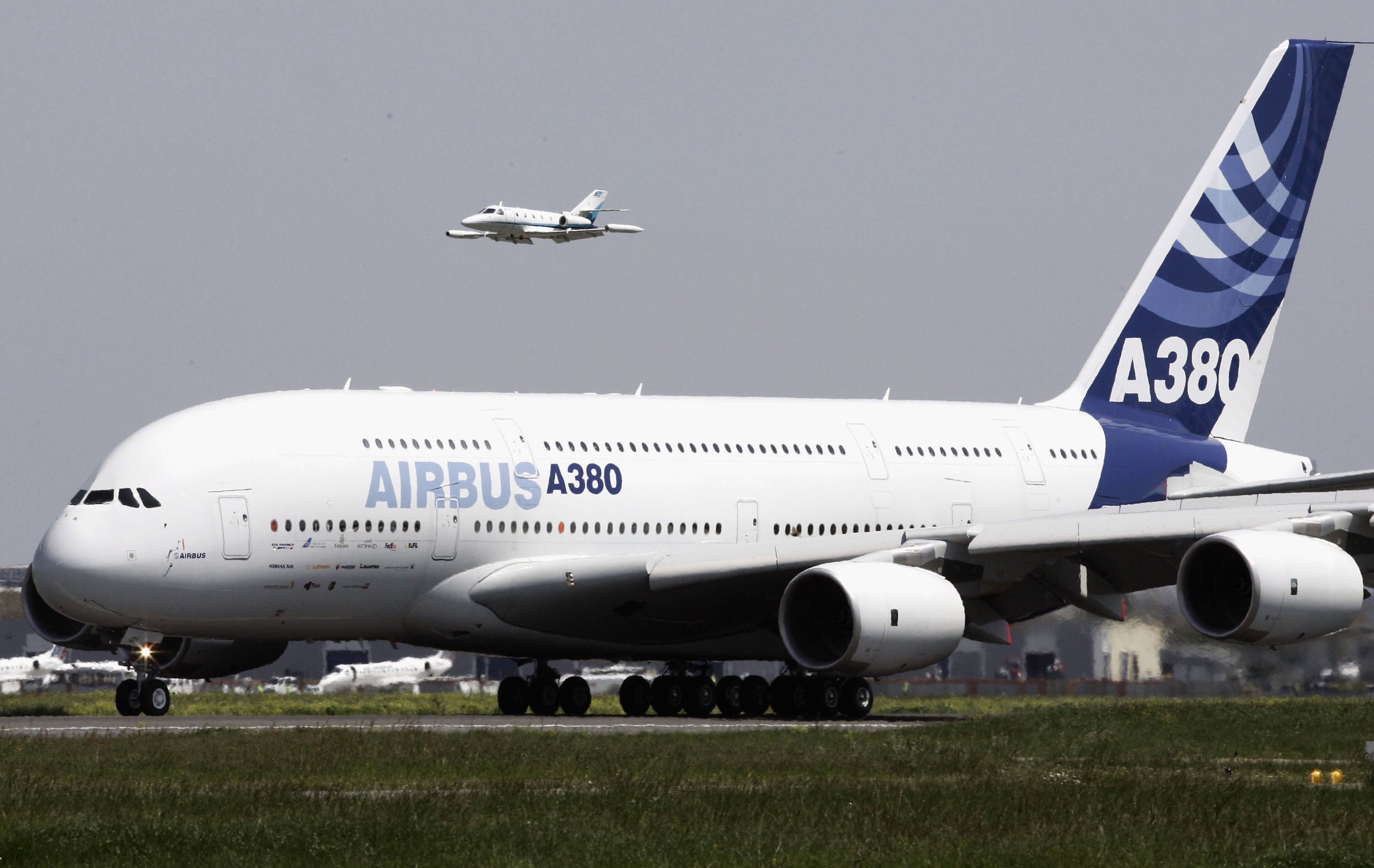
As additional aircraft join the fleet, each will be assigned to different areas to test. Hundreds of hours will be flown to test the jet's altitude, weight and speed performance; systems, avionics and flight controls; takeoff, landing and cruise performance; interior; and customer route proving and ETOPS (Extended Operations) certification. The latter is the certification that allows planes with two engines, as opposed to the three or four that were once the norm for long-haul jets, to fly long stretches over water or deserts.
As the fleet pushes to the corners of the aircraft's performance envelope under atypical conditions, sometimes issues appear that can't truly be uncovered until the plane is being flight tested. Flutter testing is a critical phase of the program, to ensure that airframe components don't vibrate at a frequency that will result in catastrophic structural damage. In the 1950s, flutter was the cause of the catastrophic separation of the turboprop and propeller from the wings of the four-engine Lockheed Electra. More recently, deliveries of Boeing's 747-8 were delayed when slight wingtip flutter issues were uncovered and needed to be fixed.
A new engine design often goes hand-in-hand with a new aircraft design, and the new tech in powerplants can bring its own challenges to an aircraft program. Back in 1969, Pratt & Whitney's JT9D was the the first high-bypass turbofan to enter commercial service, on Boeing's 747. The early engines were prone to surges, and Boeing tested 40 JT9Ds before settling on four engines to power the prototype 747 on its aviation-changing first flight.
More recently, during an engine ground run of a Bombardier C Series test aircraft, an oil leak caused one of the plane's Pratt & Whitney PW1524G geared turbofans to explode. And in 1960s, the engine nacelles and thrust reversers in the first 737-100s had to be redesigned, after test pilots reported that the reversers were ineffective at slowing the jet on landing and were just making a lot of noise!
One of the most dramatic and dangerous tests is the Rejected Take Off (RTO). The test aircraft is loaded to its maximum gross weight and fitted with worn-out brakes. After accelerating to take off speed, the pilot slams on the brakes, bringing the plane to a stop in the shortest distance possible.
Thrust reversers cannot be used: just the brakes, which can glow white-hot from the abuse. The heat will cause the tires to deflate and might even start a fire. But first responders must wait five minutes before extinguishing the fire, representing the time it could take for emergency services to respond during an actual RTO.
Videos of crosswind landing tests can be found all over the internet, many taking place at Keflavik Airport in Reykjavik, Iceland. The airport is perfectly suited for crosswind landings, with two long, almost perpendicular runways and a regular, strong wind.
Iqaluit, in Canada's northern Nunavut territory is a favorite destination for cold-weather testing, while airports in the Middle East are used for hot-weather tests. Or the test aircraft might be rolled into the US Air Force's McKinley Climatic Laboratory, an environmentally-controlled hangar that can replicate hot and cold temperature extremes.
At 13,300 feet above sea level, La Paz, Bolivia has been used to test the performance of an aircraft at high-altitude airports. The Tibetan plateau in China is also popular with planemakers who need to get in and out of the highest-altitude airports in the world.
And the tests keep coming. The aircraft is dragged on its tail into the air at the lowest possible speed, scraping along the runway; simulated, long-distance airline flights with full passenger loads exercise all the cabin systems; and destinations around the world are visited to ensure that the new plane is compatible with airport infrastructure.
The aircraft will even plow through a massive puddle to ensure that water isn't ingested into aircraft systems.
Finally, when the test program is completed to the satisfaction of the aviation regulator — such as the FAA, EASA, or Transport Canada — a Type Certificate is granted, which signifies that the design of the aircraft is airworthy and safe. After extensive inspection of the manufacturing process by the regulator, the airframer will then be granted a Production Certificate, giving it approval to build the new aircraft over and over again.
As the assembly line ramps up and each new aircraft destined for an airline or corporate customer rolls out, it undergoes production and customer flight tests that conclude with the granting of an Airworthiness Certificate that's unique to each new plane.
Then and only then is it ready to fly paying passengers.
TPG featured card

at American Express's secure site
Terms & restrictions apply. See rates & fees.
| 3X | Earn 3X Miles on Delta purchases. |
| 1X | Earn 1X Miles on all other eligible purchases. |
Pros
- Delta SkyClub access when flying Delta
- Annual companion ticket for travel on Delta (upon renewal)
- Ability to earn MQDs through spending
- Various statement credits for eligible purchases
Cons
- Steep annual fee of $650
- Other Delta cobranded cards offer superior earning categories
- Earn 100,000 Bonus Miles after you spend $6,000 or more in purchases with your new Card within the first 6 months of Card Membership and an additional 25,000 bonus miles after you make an additional $3,000 in purchases on the Card within your first 6 months, starting from the date that your account is opened. Offer Ends 04/01/2026.
- Delta SkyMiles® Reserve American Express Card Members receive 15 Visits per Medallion® Year to the Delta Sky Club® when flying Delta and can unlock an unlimited number of Visits after spending $75,000 in purchases on your Card in a calendar year. Plus, you’ll receive four One-Time Guest Passes each Medallion Year so you can share the experience with family and friends when traveling Delta together.
- Enjoy complimentary access to The Centurion® Lounge in the U.S. and select international locations (as set forth on the Centurion Lounge Website), Sidecar by The Centurion® Lounge in the U.S. (see the Centurion Lounge Website for more information on Sidecar by The Centurion® Lounge availability), and Escape Lounges when flying on a Delta flight booked with the Delta SkyMiles® Reserve American Express Card. § To access Sidecar by The Centurion® Lounge, Card Members must arrive within 90 minutes of their departing flight (including layovers). To access The Centurion® Lounge, Card Members must arrive within 3 hours of their departing flight. Effective July 8, 2026, during a layover, Card Members must arrive within 5 hours of the connecting flight.
- Receive $2,500 Medallion® Qualification Dollars with MQD Headstart each Medallion Qualification Year and earn $1 MQD for each $10 in purchases on your Delta SkyMiles® Reserve American Express Card with MQD Boost to get closer to Status next Medallion Year.
- Enjoy a Companion Certificate on a Delta First, Delta Comfort, or Delta Main round-trip flight to select destinations each year after renewal of your Card. The Companion Certificate requires payment of government-imposed taxes and fees of between $22 and $250 (for itineraries with up to four flight segments). Baggage charges and other restrictions apply. Delta Basic experiences are not eligible for this benefit.
- $240 Resy Credit: When you use your Delta SkyMiles® Reserve American Express Card for eligible purchases with U.S. Resy restaurants, you can earn up to $20 each month in statement credits. Enrollment required.
- $120 Rideshare Credit: Earn up to $10 back in statement credits each month after you use your Delta SkyMiles® Reserve American Express Card to pay for U.S. rideshare purchases with select providers. Enrollment required.
- Delta SkyMiles® Reserve American Express Card Members get 15% off when using miles to book Award Travel on Delta flights through delta.com and the Fly Delta app. Discount not applicable to partner-operated flights or to taxes and fees.
- With your Delta SkyMiles® Reserve American Express Card, receive upgrade priority over others with the same Medallion tier, product and fare experience purchased, and Million Miler milestone when you fly with Delta.
- Earn 3X Miles on Delta purchases and earn 1X Miles on all other eligible purchases.
- No Foreign Transaction Fees. Enjoy international travel without additional fees on purchases made abroad.
- $650 Annual Fee.
- Apply with confidence. Know if you're approved for a Card with no impact to your credit score. If you're approved and you choose to accept this Card, your credit score may be impacted.
- Terms Apply.
- See Rates & Fees