How I treat credit cards like debit cards: The updated envelope system

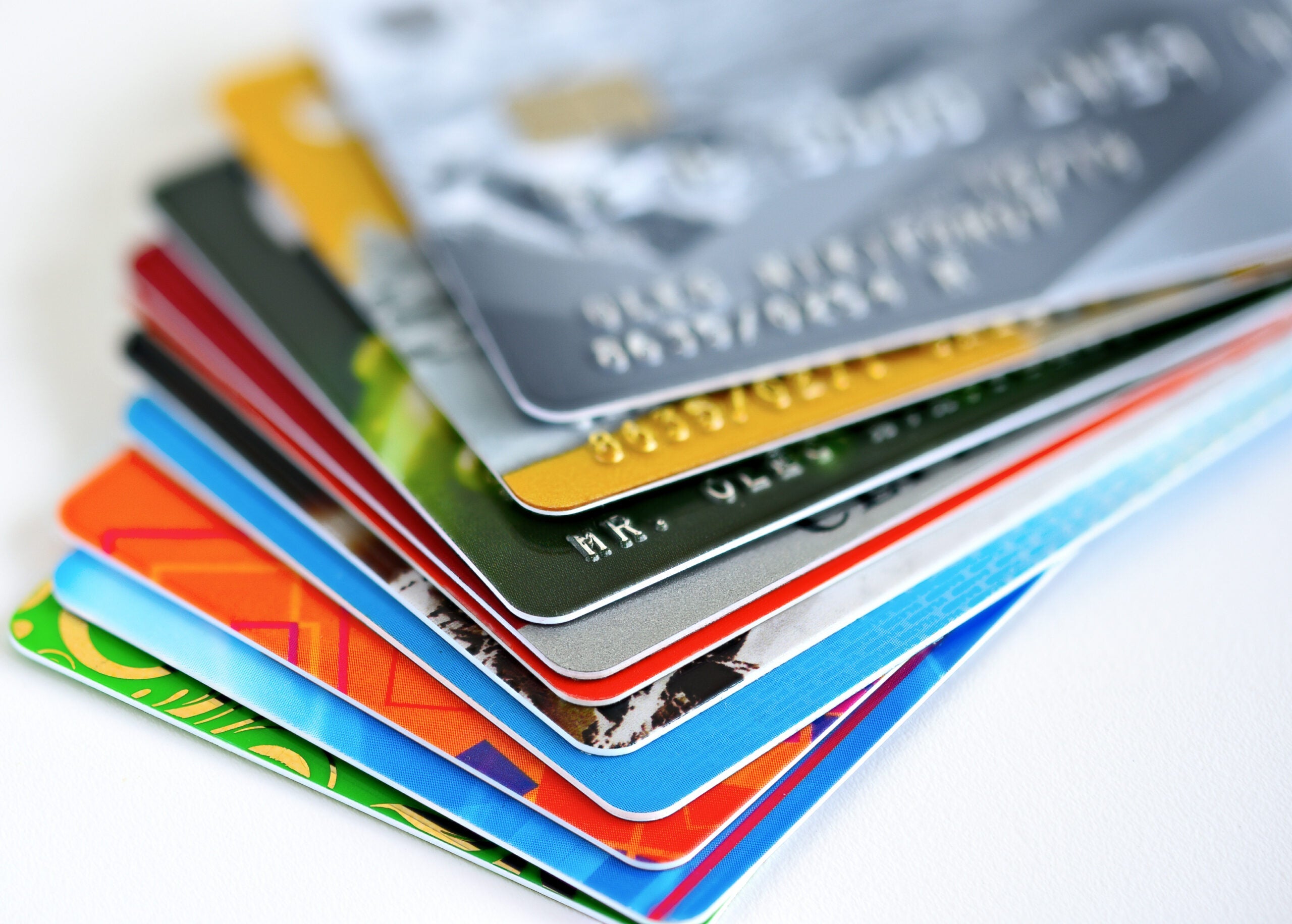
Juggling a mountain of credit cards can be a tough task. You'll want to keep close track of things like spending requirements across all of them, payment due dates and which credit card is the best for each spending category. It can be a lot to handle.
My wife and I each have more than 20 credit cards. With all of these credit cards, it might seem like I could lose track of how much money I'm spending and blow my budget for the month. In order to avoid that problem, I treat my credit cards like debit cards. Let's look at what I mean by that and how it could help you juggle your many credit cards.
The envelope system — but modernized

I'm not the biggest fan of Dave Ramsey. However, the envelope system for budgeting isn't a bad idea. I've adapted this with a modern twist since I prefer digital approaches to everything and want to use credit cards for my spending. This allows me to earn rewards that I use for travel (I've been to 170 countries and counting).
Instead of an envelope with cash in it, I use two separate checking accounts. For simplicity, let's call them Account A and Account B.
Account A is where I receive money. When my wife and I make deposits, receive our paychecks or sell some old items on eBay, all incoming money goes into this account.
We make our payments from Account B — sort of. Since we use credit cards for all possible spending to earn rewards, I don't want to lose track of how much we've spent during the month across these many credit cards. Every few days, I look at our receipts and recent spending. Then, I move that amount of money from Account A into Account B. In this way, the money is set aside to cover bills we need to pay at the end of the month (things like rent and utility and credit card bills).
Related: Off-the-wall things my family has done to earn more points and miles
A glance at Account A tells us how much money we have left this month. Account B has money that we can't spend (it's not attached to our ATM cards for withdrawals) and is ready to cover our financial obligations for the month. In short, when a bill is due, I pay it from Account B.
How my credit cards function like debit cards
By moving money into Account B for what we have already spent on our credit cards that month, we know we can pay the credit card bills. We also know how much we have left in Account A.

Debit cards work in a very similar way: They instantly subtract money from the linked checking account and you can't spend what you don't have. (Note: Some banks will allow you to overdraw your account, but that's a different discussion.)
Related: 4 reasons why you shouldn't use your debit card
By using two checking accounts, I can treat my credit cards like debit cards to avoid overspending. This works for me since I'm personally not able to remember exactly how much we've spent across all of our credit cards throughout the month. Dedicating 15 minutes or so to add it up every few days and transfer that money from Account A to Account B helps me pay bills at the end of the month, knowing the money is there to cover them.
Related: Why a credit card is a smarter choice than a debit card
Bottom line
As you get into the points and miles hobby, juggling numerous credit cards can seem daunting. You use one card at restaurants, another card at supermarkets and a third card for filling up at gas stations. Keeping track of how much you've spent across those cards each month can be tricky and might lead to overspending.
By modernizing the envelope approach and using two checking accounts, you can use your credit cards like debit cards. This ensures the money you've spent is set aside, ready to pay the credit card bills at the end of the month.
A different, more rigid way to prevent overspending is to use the envelope system with prepaid gift cards, which still earns you points and miles.
Featured photo by Olleg/Shutterstock
TPG featured card
at American Express's secure site
Terms & restrictions apply. See rates & fees.
| 4X | Earn 4X Membership Rewards® points per dollar spent on purchases at restaurants worldwide, on up to $50,000 in purchases per calendar year, then 1X points for the rest of the year. |
| 4X | Earn 4X Membership Rewards® points per dollar spent at US supermarkets, on up to $25,000 in purchases per calendar year, then 1X points for the rest of the year. |
| 5X | Earn 5X Membership Rewards® points on prepaid hotel stays booked through AmexTravel.com or the Amex Travel App™. |
| 3X | Earn 3X Membership Rewards® points on flights booked through AmexTravel.com, the Amex Travel App™, or purchased directly from airlines. |
| 2X | Earn 2X Membership Rewards® points on prepaid car rentals booked through AmexTravel.com or the Amex Travel App™ and cruises booked and paid through AmexTravel.com. |
| 1X | Earn 1X Membership Rewards® point per dollar spent on all other eligible purchases. |
Pros
- Valuable dining and food-related credits
- Flexible rewards with airline and hotel transfer partners
- Multiple travel and purchase protections
- No foreign transaction fees
- Access to Amex Offers for additional savings (enrollment required)
Cons
- Not as useful for those living outside the U.S.
- Some may have trouble using Uber and other dining credits
- You may be eligible for as high as 100,000 Membership Rewards® Points after you spend $8,000 in eligible purchases on your new Card in your first 6 months of Card Membership. Welcome offers vary and you may not be eligible for an offer. Apply to know if you’re approved and find out your exact welcome offer amount – all with no credit score impact. If you’re approved and choose to accept the Card, your score may be impacted.
- Earn 4X Membership Rewards® points per dollar spent on purchases at restaurants worldwide, on up to $50,000 in purchases per calendar year, then 1X points for the rest of the year.
- Earn 4X Membership Rewards® points per dollar spent at US supermarkets, on up to $25,000 in purchases per calendar year, then 1X points for the rest of the year.
- Earn 5X Membership Rewards® points on prepaid hotel stays booked through AmexTravel.com or the Amex Travel App™.
- Earn 3X Membership Rewards® points on flights booked through AmexTravel.com, the Amex Travel App™, or purchased directly from airlines.
- Earn 2X Membership Rewards® points on prepaid car rentals booked through AmexTravel.com or the Amex Travel App™ and cruises booked and paid through AmexTravel.com.
- Earn 1X Membership Rewards® point per dollar spent on all other eligible purchases.
- Pay It® lets you tap in the American Express® App to quickly pay for small purchase amounts throughout the month and still earn rewards the way you usually do. Plan It® gives you the option to split up big purchases into equal monthly payments with a fixed fee. You’ll know upfront exactly how much you’ll pay.
- $120 Dining Credit: Earn up to a total of $10 in statement credits monthly when you pay with the Gold Card at Grubhub (including Seamless), Buffalo Wild Wings, Five Guys, The Cheesecake Factory, and Wonder. This can be an annual savings of up to $120. Enrollment required.
- $100 Resy Credit: Get up to $100 in statement credits each calendar year at over 10,000 qualifying U.S. Resy restaurants after you pay for eligible purchases with the American Express® Gold Card. That’s up to $50 in statement credits semi-annually. Enrollment required.
- $84 Dunkin' Credit: Earn up to $7 in monthly statement credits after you pay with the American Express® Gold Card at U.S. Dunkin’ locations. Enrollment required.
- $120 Uber Cash on Gold: Enjoy up to $120 in Uber Cash annually with your Gold Card. Just add your Card to your Uber account and you'll get $10 in Uber Cash each month to use on orders and rides in the U.S. when you select an Amex Card for your transaction.
- Enjoy complimentary Hertz Five Star® Status benefits like skipping the counter at select locations, adding an additional driver at no additional cost*, and vehicle upgrades**. Benefit enrollment and Hertz Gold+ registration are required. *Additional drivers must meet standard rental qualifications and must be a spouse or domestic partner to qualify as complimentary. Other additional drivers subject to fees. **Benefits are subject to availability and vary by location. Additional Hertz program Terms and Conditions including age restrictions apply.
- Book two nights or more with The Hotel Collection through AmexTravel.com or the Amex Travel App™ and receive a $100* credit towards eligible charges at over 1,400 upscale hotels worldwide. *Eligible charges vary by property.
- Book your travel through the Amex Travel App™ with added peace of mind – backed by American Express® service and support. Only for American Express® Card Members.
- Whenever you need us, we're here. Our Member Services team will ensure you are taken care of. From lost Card replacement to statement questions, we are available to help 24/7.
- No Foreign Transaction Fees.
- Annual Fee is $325.
- Terms Apply.