United is giving airport and flight crews more flexibility to hold flights for connecting flyers

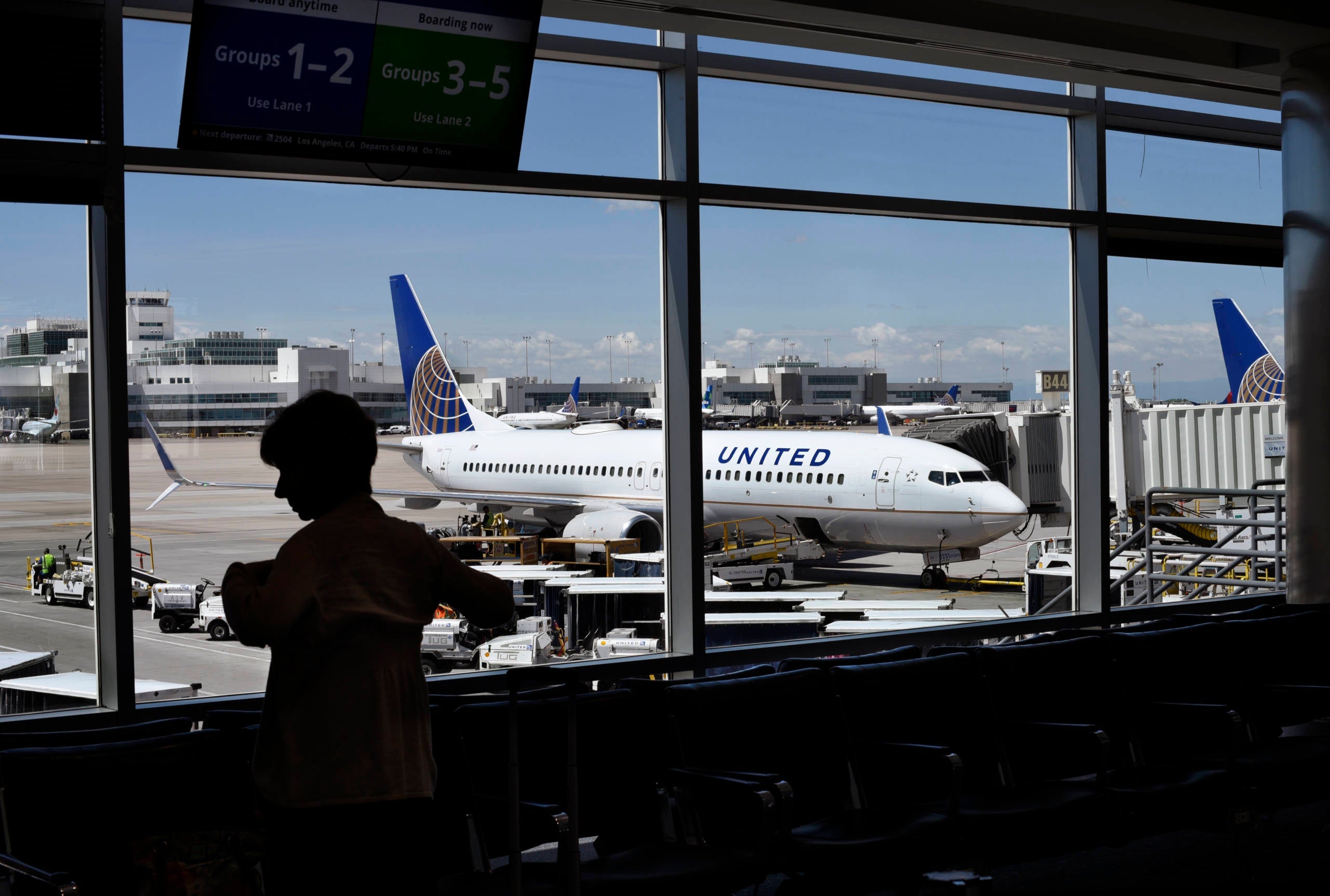
United Airlines will empower ground crews to help ensure passengers make connections without having to worry about being penalized for missing certain metrics, TPG has learned.
In a video to airline staff, a transcript of which was viewed by TPG and confirmed by the airline, CEO Scott Kirby said that the airline will do away with "delay codes," a system used by United and other airlines to document the reason for departure delays. The change will occur in the coming months, Kirby said.
While the Department of Transportation requires a degree of reporting from airlines relating to broad causes of delays, airlines are largely allowed to implement their own data and reporting systems at whatever level of granularity they choose, although a list of standardized codes is offered by the International Air Transport Association (IATA).
The issue with delay coding is that it effectively assigns blame to a specific team of crewmember, and must be done even if there's a one-minute delay at any point during the departure, even when the flight's arrival is not delayed.
That means that ground crews and flight crews are incentivized to hit every performance metric — particularly "D:00," which requires flights to push back from the gate by the scheduled departure time — even if a brief delay in departure will not affect the overall arrival time, or if that short delay is justified to wait for connecting passengers from a late inbound flight.
The use of those delay codes can also lead to a culture of finger-pointing and jockeying to assign — or avoid — blame.
The move away from the coding metric is designed to begin shifting away from that culture, Kirby said.
"It's about working together as a team without worrying about who is going to get blamed if there's a delay," Kirby said in the memo. "Most of the time, the best answer for customers is still going to be getting the airplane off the gate to meet D:00. But, as all of you know, there are times when waiting for connecting customers is the best answer."
Related: United to Hold More Flights for Connecting Passengers

"By getting rid of delay codes, we want to give you the latitude to do the right thing based on the situation," he added.
The move appears to build upon United's "ConnectionSaver" tool, which allows gate agents to hold flights at the gate if it means saving the connections of several inbound passengers. In September 2019, about three months after introducing ConnectionSaver, the airline said it had saved 40,000 connections which otherwise would have been missed.
On an earnings call last month, United chief operating officer Jon Roitman hinted at the coming change.
"These metrics are important, but driving towards them can sometimes create suboptimal outcomes for customers," he said. "For example, obsessing about D0 in many instances leaves connecting customers behind."
"At United, we're committed to updating our infrastructure and changing our mindset to become more customer-centric," he added on that call. "We're using data and automation, centered on new customer insights, to make it simple for our employees to make the very best decisions for our customers."
Are you an employee at United or another airline? Message this reporter with tips, feedback, or opinions at david.slotnick@thepointsguy.com.
TPG featured card
at American Express's secure site
Terms & restrictions apply. See rates & fees.
| 4X | Earn 4X Membership Rewards® points per dollar spent on purchases at restaurants worldwide, on up to $50,000 in purchases per calendar year, then 1X points for the rest of the year. |
| 4X | Earn 4X Membership Rewards® points per dollar spent at US supermarkets, on up to $25,000 in purchases per calendar year, then 1X points for the rest of the year. |
| 5X | Earn 5X Membership Rewards® points on prepaid hotel stays booked through AmexTravel.com or the Amex Travel App™. |
| 3X | Earn 3X Membership Rewards® points on flights booked through AmexTravel.com, the Amex Travel App™, or purchased directly from airlines. |
| 2X | Earn 2X Membership Rewards® points on prepaid car rentals booked through AmexTravel.com or the Amex Travel App™ and cruises booked and paid through AmexTravel.com. |
| 1X | Earn 1X Membership Rewards® point per dollar spent on all other eligible purchases. |
Pros
- Valuable dining and food-related credits
- Flexible rewards with airline and hotel transfer partners
- Multiple travel and purchase protections
- No foreign transaction fees
- Access to Amex Offers for additional savings (enrollment required)
Cons
- Not as useful for those living outside the U.S.
- Some may have trouble using Uber and other dining credits
- You may be eligible for as high as 100,000 Membership Rewards® Points after you spend $8,000 in eligible purchases on your new Card in your first 6 months of Card Membership. Welcome offers vary and you may not be eligible for an offer. Apply to know if you’re approved and find out your exact welcome offer amount – all with no credit score impact. If you’re approved and choose to accept the Card, your score may be impacted.
- Earn 4X Membership Rewards® points per dollar spent on purchases at restaurants worldwide, on up to $50,000 in purchases per calendar year, then 1X points for the rest of the year.
- Earn 4X Membership Rewards® points per dollar spent at US supermarkets, on up to $25,000 in purchases per calendar year, then 1X points for the rest of the year.
- Earn 5X Membership Rewards® points on prepaid hotel stays booked through AmexTravel.com or the Amex Travel App™.
- Earn 3X Membership Rewards® points on flights booked through AmexTravel.com, the Amex Travel App™, or purchased directly from airlines.
- Earn 2X Membership Rewards® points on prepaid car rentals booked through AmexTravel.com or the Amex Travel App™ and cruises booked and paid through AmexTravel.com.
- Earn 1X Membership Rewards® point per dollar spent on all other eligible purchases.
- Pay It® lets you tap in the American Express® App to quickly pay for small purchase amounts throughout the month and still earn rewards the way you usually do. Plan It® gives you the option to split up big purchases into equal monthly payments with a fixed fee. You’ll know upfront exactly how much you’ll pay.
- $120 Dining Credit: Earn up to a total of $10 in statement credits monthly when you pay with the Gold Card at Grubhub (including Seamless), Buffalo Wild Wings, Five Guys, The Cheesecake Factory, and Wonder. This can be an annual savings of up to $120. Enrollment required.
- $100 Resy Credit: Get up to $100 in statement credits each calendar year at over 10,000 qualifying U.S. Resy restaurants after you pay for eligible purchases with the American Express® Gold Card. That’s up to $50 in statement credits semi-annually. Enrollment required.
- $84 Dunkin' Credit: Earn up to $7 in monthly statement credits after you pay with the American Express® Gold Card at U.S. Dunkin’ locations. Enrollment required.
- $120 Uber Cash on Gold: Enjoy up to $120 in Uber Cash annually with your Gold Card. Just add your Card to your Uber account and you'll get $10 in Uber Cash each month to use on orders and rides in the U.S. when you select an Amex Card for your transaction.
- Enjoy complimentary Hertz Five Star® Status benefits like skipping the counter at select locations, adding an additional driver at no additional cost*, and vehicle upgrades**. Benefit enrollment and Hertz Gold+ registration are required. *Additional drivers must meet standard rental qualifications and must be a spouse or domestic partner to qualify as complimentary. Other additional drivers subject to fees. **Benefits are subject to availability and vary by location. Additional Hertz program Terms and Conditions including age restrictions apply.
- Book two nights or more with The Hotel Collection through AmexTravel.com or the Amex Travel App™ and receive a $100* credit towards eligible charges at over 1,400 upscale hotels worldwide. *Eligible charges vary by property.
- Book your travel through the Amex Travel App™ with added peace of mind – backed by American Express® service and support. Only for American Express® Card Members.
- Whenever you need us, we're here. Our Member Services team will ensure you are taken care of. From lost Card replacement to statement questions, we are available to help 24/7.
- No Foreign Transaction Fees.
- Annual Fee is $325.
- Terms Apply.