I'm Asian American. Here's how the pandemic changed how I view travel.

"Ni hao."
"Konnichi wa."
These are Chinese and Japanese greetings that I expect to hear while traveling abroad. Not that these phrases are anything bad on their own.
But I've come to realize that sometimes, a "hello" isn't simply a hello.
Often, it's accompanied by a smirk and a contrived accent. With one single phrase, it blurs distinct East Asian cultures into an indistinguishable monolith. It assumes that I, as a person of Asian descent, may not speak English. After all, Asian Americans are seen as perpetual foreigners.
Other times, it's no words at all. An impenetrable stare lingers long after one's eyes have moved on. As an Asian American who frequently travels abroad, I have come to tolerate -- and in fact, expect -- microaggressions such as these.
Hear it, brush it off and move on.
To hear more about what traveling is like from members of the TPG team, sign up for our daily newsletter.
But something changed late last year that made me more deeply consider my Asian identity, especially as it relates to travel.

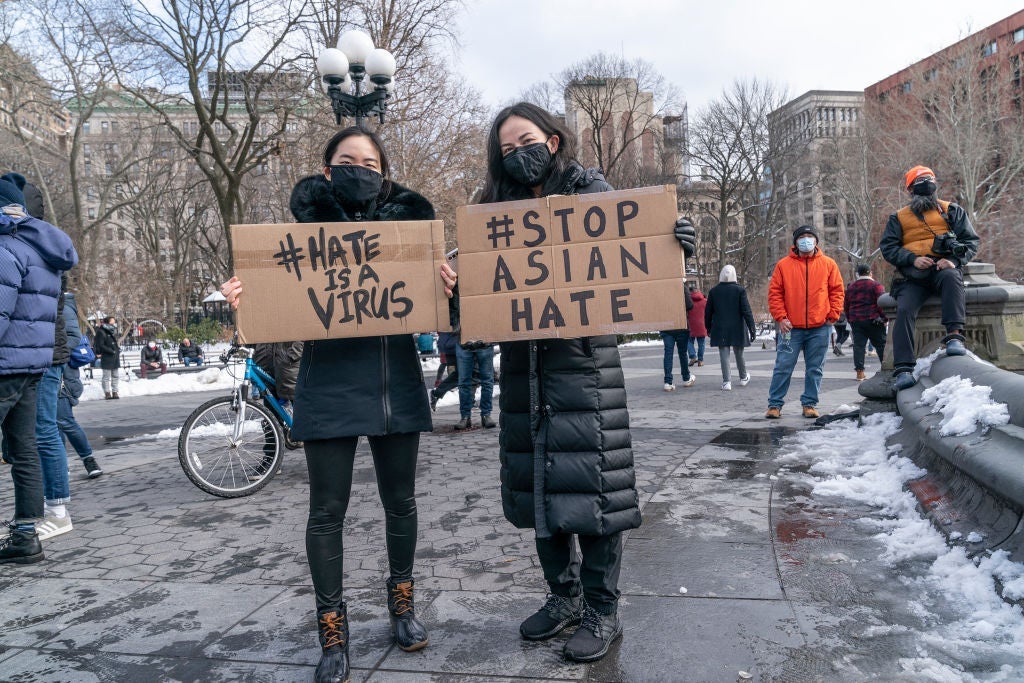
The wave of hate and violence that rattled the Asian American Pacific Islander community also unnerved me too. It was the direct result of anti-Asian rhetoric associated with the COVID-19 pandemic.
View this post on Instagram
It made me more deeply ponder an element of travel that I took for granted for far, far too long: my own safety.
In late February, I had a staycation at Hotel 50 Bowery in New York City's Chinatown neighborhood. It was an area of town that I've come to embrace as a home away from home.
I wandered the deserted streets near Canal and Bowery in the evening with another friend, also of Asian descent. Typically, the vibrant Chinatown sidewalks would be crowded with hawkers and food vendors, filling the air with shrill, yet familiar sounds and tantalizing scents.
But the pandemic's devastating effect on the area's businesses -- coupled with the brisk winter cold -- created a more desolate atmosphere.
It was only after we got back to the hotel that I learned an Asian man -- not much older than myself -- was attacked in a hate crime 24 hours earlier at the exact spot where I carelessly frolicked.
Related: How to support Asian and Asian American communities at home and on the road
It wasn't just an isolated incident. According to statistics from Stop AAPI Hate, there were 6,603 reports of anti-Asian hate from March 19, 2020, to March 31, 2021. But sometimes, it's one particular event that triggers an avalanche of emotions. For me, this was that one event.
Fast forward to this summer.
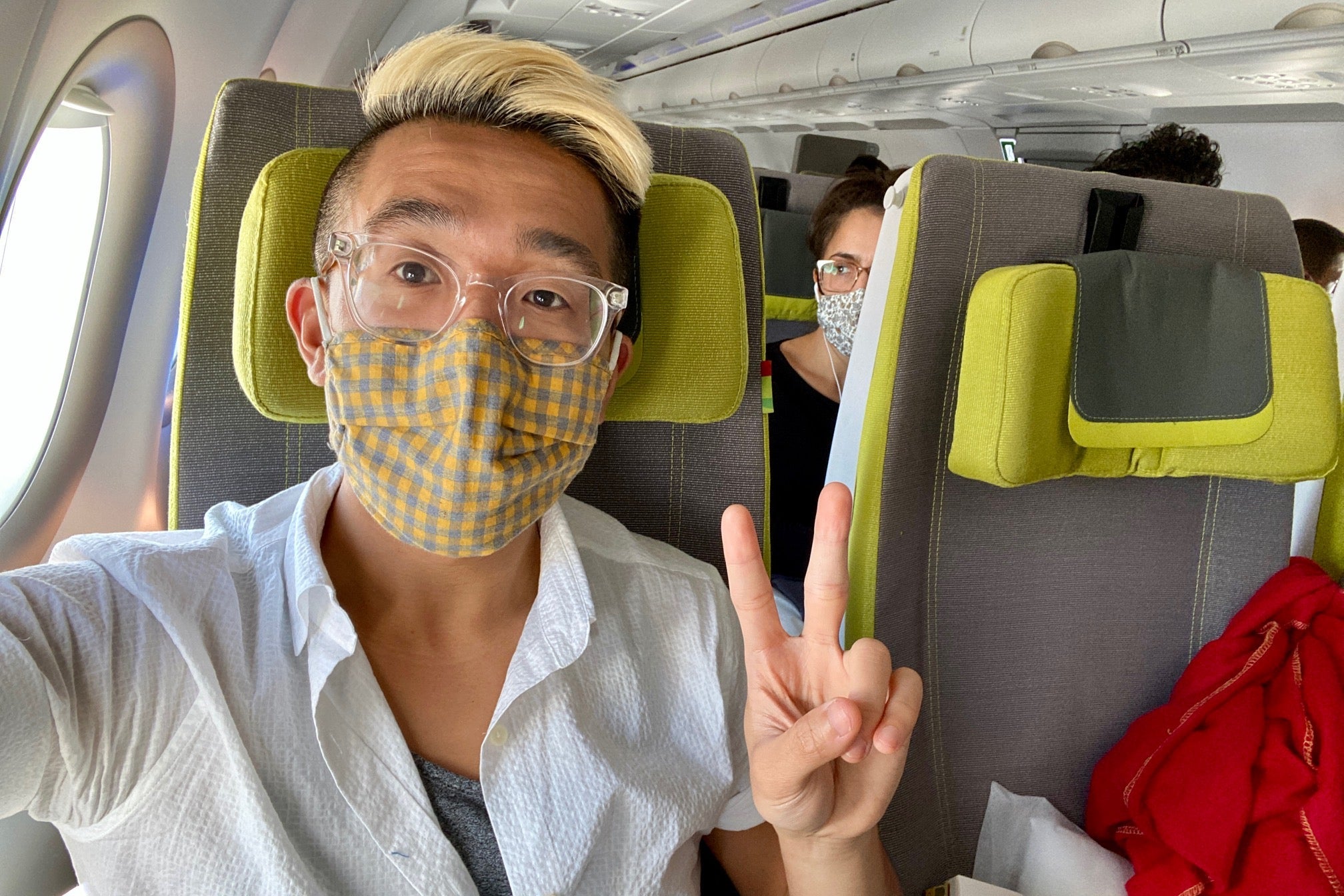
I recently traveled to Portugal to cover the country's reopening, my first major international trip in many months.
In the weeks following that particular incident in Chinatown, I began to realize how important travel was in feeling empowered. Travel not only fed my soul, but it also opened my eyes to the stories -- and the people behind those stories -- that help make the world a much less scary place.
However, in practical terms during this trip, I was more hyperaware of my surroundings -- and people's intentions -- than ever before. The increase in crimes against Asians instilled a newfound sense of "stranger danger."
Related: Testing in Portugal: My experience getting a COVID-19 test to return to the US
Asians are culturally conditioned to withhold. But after the incidents of this past year, I told myself I'd speak up more and ensure that my voice was heard when I felt like it needed to be.
So when several people asked me about my experience traveling as an Asian American in Portugal, I felt like now was the time to share a small glimpse into my own story.
Their question was some variation of this:
[pullquote]How does it feel to be Asian and traveling internationally now in the COVID-19 era?[/pullquote]
At the end of the day, I can only speak for myself and my own experiences, both learned and unlearned. On one hand, there is lingering fear and distrust. My parents always warned me to be cautious of others -- and that upbringing isn't easy to break down.
But on the other hand, the pandemic also instilled in me something surprising. It's a feeling that I can't quite pinpoint exactly.
It goes something like this: There is a certain sense of gratitude for being able to traverse the world and slowly break down the hate and intolerance that others have built up.
And after the events of the past year, I am empowered more than ever before to show that Asians have a voice that can't be taken away, wherever in the world I might be. That was the case in Portugal, and wherever I may be going next.
Travel runs deep in my veins, and I'll continue to use it as my method to uplift my community, those around me and myself.
Related: When will international travel return? A country-by-country guide to coronavirus recovery
TPG featured card

at Capital One's secure site
Terms & restrictions apply. See rates & fees.
| 5X miles | Earn 5X miles on hotels, vacation rentals and rental cars booked through Capital One Travel |
| 2X miles | Earn unlimited 2X miles on every purchase, every day |
Pros
- Stellar welcome offer of 75,000 miles after spending $4,000 on purchases in the first three months from account opening. Plus, a $250 Capital One Travel credit to use in your first cardholder year upon account opening.
- You'll earn 2 miles per dollar on every purchase, which means you won't have to worry about memorizing bonus categories
- Rewards are versatile and can be redeemed for a statement credit or transferred to Capital One’s transfer partners
Cons
- Highest bonus-earning categories only on travel booked via Capital One Travel
- LIMITED-TIME OFFER: Enjoy $250 to use on Capital One Travel in your first cardholder year, plus earn 75,000 bonus miles once you spend $4,000 on purchases within the first 3 months from account opening - that’s equal to $1,000 in travel
- Earn unlimited 2X miles on every purchase, every day
- Earn 5X miles on hotels, vacation rentals and rental cars booked through Capital One Travel
- Miles won't expire for the life of the account and there's no limit to how many you can earn
- Receive up to a $120 credit for Global Entry or TSA PreCheck®
- Use your miles to get reimbursed for any travel purchase—or redeem by booking a trip through Capital One Travel
- Enjoy a $50 experience credit and other premium benefits with every hotel and vacation rental booked from the Lifestyle Collection
- Transfer your miles to your choice of 15+ travel loyalty programs
- Top rated mobile app