From theme parks to power plants, why Denmark is our sustainable destination of 2022
Editor's Note
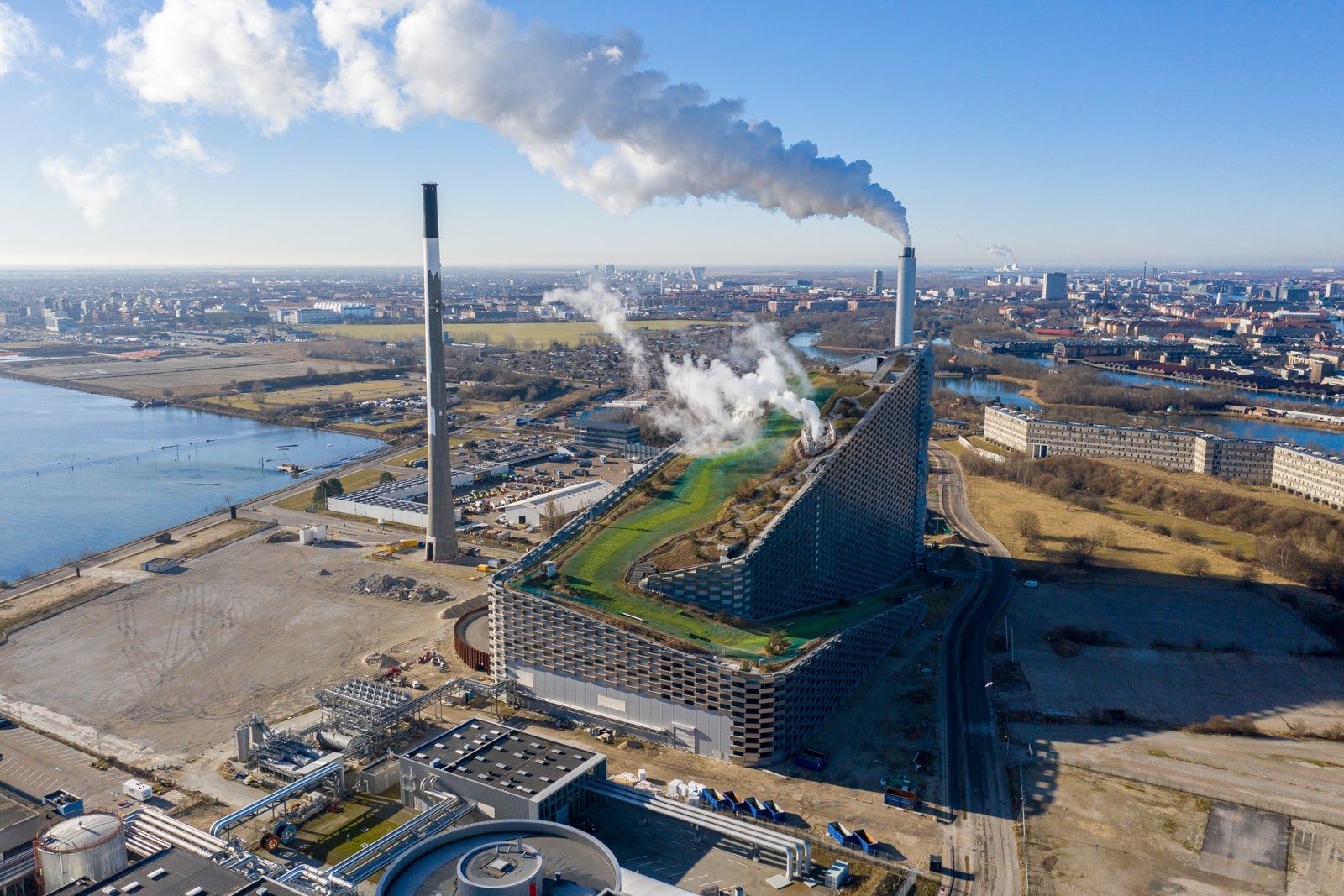
From a distance, CopenHill, a shiny building in Copenhagen's Amager district, looks like it could be a new futuristic factory or the headquarters of a savvy technology company. The former industrial area is home to a multitude of warehouses, many of which have been converted into trendy bars, restaurants and boutiques.
Stacked with smooth aluminum bricks that rise some 270 feet above the ground, it's an architectural marvel. But look closer at the sloping roof, from the right angle, and you'll see green space as well as a ski run that travels down to the base.
This recreational space is only one part of the Bjarke Ingels-designed building. CopenHill is actually an incinerator and power plant, capable of converting a total capacity of 560,000 metric tons of waste into clean energy annually that will generate electricity and heating for 150,000 homes per year. The project, which began construction in 2013, replaced Copenhagen's outdated waste-to-energy facility from the 1970s.
Related: Denmark is first EU nation to scrap all travel restrictions
"The city was interested in integrating this industrial area into the city architecture," said Christian Ingels, chief executive officer at CopenHill. To do this, the board of Amager Resource Center (ARC), a publicly owned waste management company in Copenhagen, decided to incorporate recreational amenities into the design so community members could enjoy the building, too.
"Locals have embraced the concept, and new communities of skiing, hiking, climbing and running have emerged," he said.
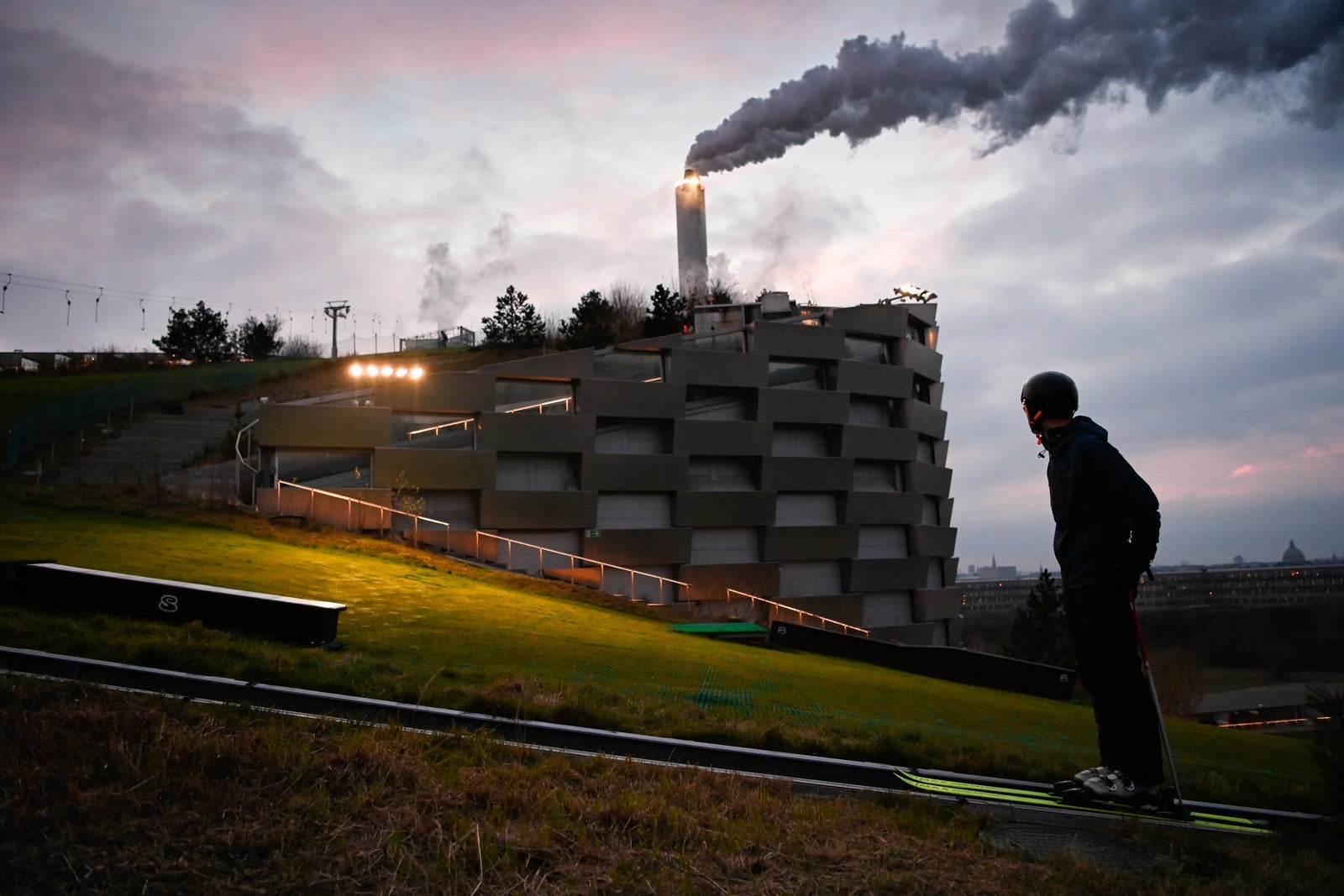
Only Danes would find a way to turn a functional waste plant into a fun recreational area where families hang out on weekends — and that's just one example of why the country is our sustainable destination for 2022.
For years, Danes have been creating smart, green solutions for their everyday needs and activities. Not only has Denmark developed versatile facilities that both carry out essential services and provide spaces for the public to enjoy (like CopenHill), but the country has also created more bike paths nationwide and invested in cleaner wind power. Copenhagen has maintained a pristine harbor clean enough to swim in, which is also the case in the city of Aarhus.

By 2030, Denmark hopes to reduce carbon emissions by 70% from its 1990 levels, an ambitious goal. It's one that few nations could aspire to achieve — but the country's consistent efforts to be greener are proof that it may very well meet its target.
Tourism, unsurprisingly, also is an important part of Denmark's sustainability story, as the country recognizes the need to factor in the impact of visitors to attain its lofty (but achievable) goals.
Related: How to get to Denmark with credit card points and airline miles
"It's important to highlight how easy it is to make more sustainable choices when visiting Denmark," said Anders Rosbo, communications director at Visit Denmark. That's possible thanks, in part, to the abundance of sustainable options available for everything from restaurants to attractions to transportation.
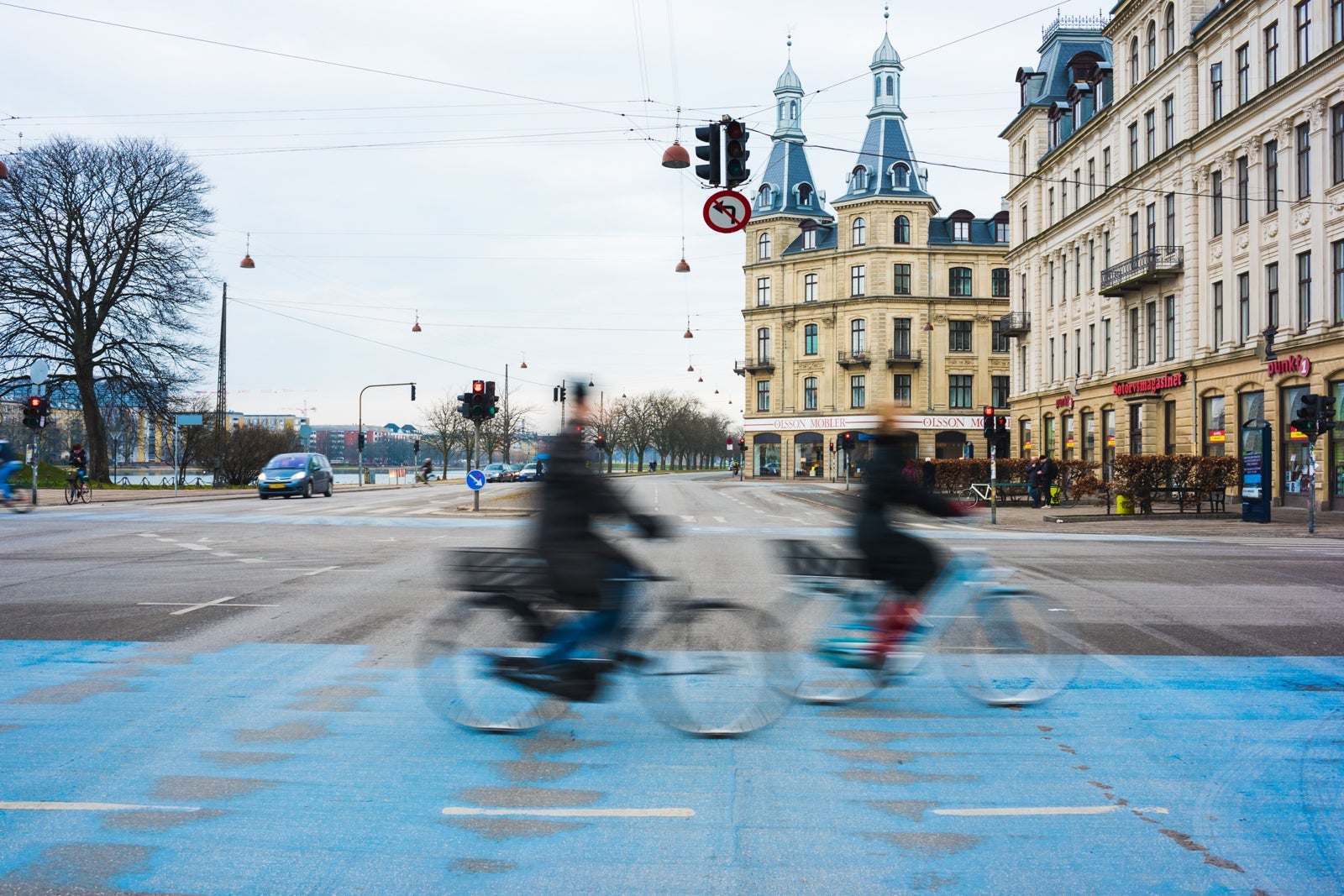
In most cities around the country, biking has and continues to be the chosen mode of transport for everything from the daily commute to work to school pickups and weekend visits with friends. For Danes, biking isn't just a way of getting around but a way of life, so much so that they bike a combined total of 5 million miles per day (or nearly 1 mile per person, per day, on average).
As a part of the country's "Year of the Bicycle" initiative in 2022, the Danish Ministry of Transportation has invested $458 million in new cycling infrastructure across the country. In Copenhagen alone, more than $200 million has been allocated over the past decade to improving the city's cycling infrastructure, from adding a new route to the city of Roskilde that spans 20-plus miles to building new cycling bridges. To further those efforts, Copenhagen officials have announced that the city is investing an additional $11.5 million in its biking infrastructure, which will go toward adding 2.5 miles of new cycling lanes.
Traveling in a greener way isn't exclusive to hopping on a bike, though. In Copenhagen, buses are switching from diesel to electric, and in summer, travelers are encouraged to explore the harbor by solar-powered vessels like the rentals available from GoBoat. Visitors can even get around by canoeing with GreenKayak, an environment-focused, nongovernmental organization that offers free kayak rentals in exchange for time spent collecting litter in the harbor.
Numerous restaurants around Copenhagen incorporate sustainable practices such as sourcing organic, locally grown ingredients and minimizing the use of plastics. Amass, a restaurant that aims to have a minimal-waste kitchen, is paving the way through innovative techniques that use byproducts from one dish to make others, such as dumplings created with fish bones or crackers and brownies made out of coffee grounds. At Geranium, a three Michelin-starred restaurant, you can sit down to a 22-course, meat-free menu ($426) featuring plant-based dishes with lower carbon footprints than meat-driven items.
Copenhagen has also seen a rise in urban gardens. For instance, Øens Have, northern Europe's largest urban farm, devotes 2.1 square miles to growing ingredients like striped beets, which are used at its own restaurant and sold to other eateries. At Nabo Farm, herbs like pea shoots and lemon basil are grown hydroponically.
When it comes to leisure, CopenHill isn't the only place that offers fun outdoor activities. A new park area in Copenhagen's Høje Taastrup neighborhood is home to the HTC Skate Ramp, the world's longest skate track. Like many public spaces in the city, the 1-kilometer (0.62-mile) track designed by Danish Olympic skater Rune Glifberg is just as functional as it is fun. Ditches and reservoirs that run through the skate park capture heavy rainfall to be used later for irrigation.
Beyond the capital, there are plenty more greener solutions and sites being unveiled.
East of the mainland, on the Danish island of Bornholm, an experimental hotel and meeting space called Green Solution House has opened a new climate-positive wing with 24 rooms. The wing was built with materials insulated with wood fibers and lined with wooden panels, which naturally absorb carbon dioxide. The designers also used recycled materials like debris from local granite quarries for an on-site parking area and waste from a nearby glass academy to create walking paths in the property's garden.
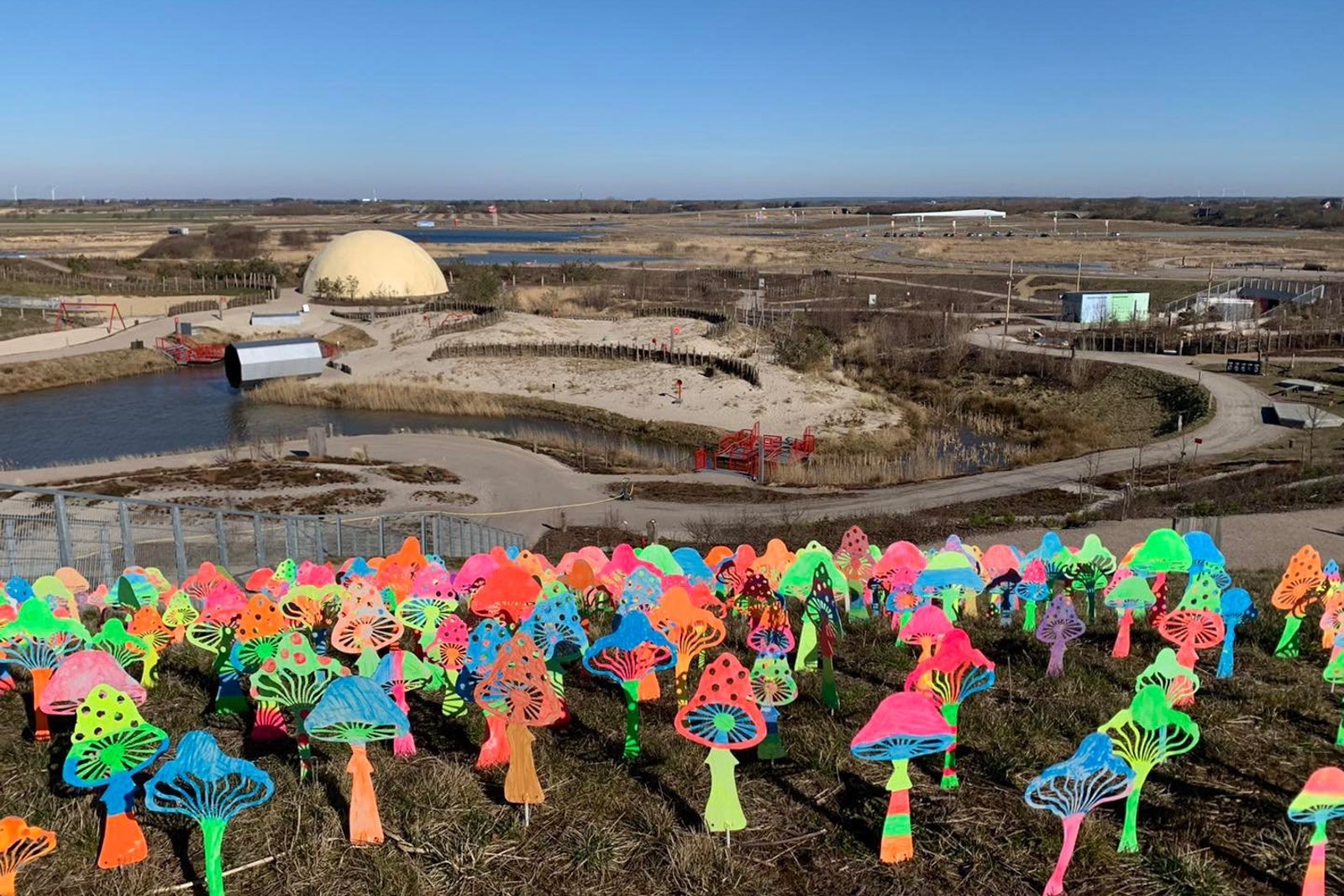
Outside Ringkøbing, on the peninsula of Jutland, the world's first sustainability-minded theme park opened earlier this year. Naturkraft draws visitors with hands-on activities focused on the outdoors. For example, visitors can use pull ferries throughout the park to test their strength and better understand rip currents, how they are formed and how to navigate them should they find themselves caught in one.
And in the city of Aarhus on Jutland's east coast, tourists can take advantage of all kinds of eco-friendly and nature-focused amenities, including 4.8 miles of new bicycle lanes being added in 2022 and a new fleet of 29 electric buses, which are part of the city's plan to have all buses be carbon neutral by 2027. Aarhus is even home to the world's largest harbor bath, an aquatic space with a 165-foot swimming pool and a circular diving pool — both fed by water from the harbor — in addition to two saunas.
These sustainability initiatives are just a few reasons why Aarhus moved from No. 13 to No. 3 on the Global Destination Sustainability Index, coming in right behind trailblazing Copenhagen, the top Danish destination on the list.
But Denmark's eco-friendly practices don't begin and end with these current efforts. Not only does it hope to slash its carbon emissions by the end of the decade, but it's also aiming to implement a new national strategy for sustainable tourism development that will launch this year.
"This will be a paradigm shift in the way we think of and measure success in our work with tourism," Rosbo said. "Today, we only measure the economic output, such as economic growth and bed nights." But going forward, the tourism board will also set social goals to appeal to the 78% of Danes who think tourism has a more positive than negative impact on society.
Related: Travel is getting easier: Here are some of the countries that have eased COVID-19 protocols
Additionally, the tourism board will set environmental goals like reducing greenhouse gases by unveiling a new method of measuring and calculating carbon emissions within the tourism industry.
"This will give us a broader and more holistic view of the value created from tourism," Rosbo said.
Given all that Denmark hopes to achieve within the decade, the country is setting itself up to be a source of inspiration and a model for other nations looking to make their own cities and other tourist destinations more sustainable in the future.
TPG featured card

at Capital One's secure site
Terms & restrictions apply. See rates & fees.
| 5X miles | Earn 5X miles on hotels, vacation rentals and rental cars booked through Capital One Travel |
| 2X miles | Earn unlimited 2X miles on every purchase, every day |
Pros
- Stellar welcome offer of 75,000 miles after spending $4,000 on purchases in the first three months from account opening. Plus, a $250 Capital One Travel credit to use in your first cardholder year upon account opening.
- You'll earn 2 miles per dollar on every purchase, which means you won't have to worry about memorizing bonus categories
- Rewards are versatile and can be redeemed for a statement credit or transferred to Capital One’s transfer partners
Cons
- Highest bonus-earning categories only on travel booked via Capital One Travel
- LIMITED-TIME OFFER: Enjoy $250 to use on Capital One Travel in your first cardholder year, plus earn 75,000 bonus miles once you spend $4,000 on purchases within the first 3 months from account opening - that’s equal to $1,000 in travel
- Earn unlimited 2X miles on every purchase, every day
- Earn 5X miles on hotels, vacation rentals and rental cars booked through Capital One Travel
- Miles won't expire for the life of the account and there's no limit to how many you can earn
- Receive up to a $120 credit for Global Entry or TSA PreCheck®
- Use your miles to get reimbursed for any travel purchase—or redeem by booking a trip through Capital One Travel
- Enjoy a $50 experience credit and other premium benefits with every hotel and vacation rental booked from the Lifestyle Collection
- Transfer your miles to your choice of 15+ travel loyalty programs
- Top rated mobile app