The Points Guy believes that credit cards can transform lives, helping you leverage everyday spending for cash back or travel experiences that might otherwise be out of reach. That's why we publish a variety of editorial content and card comparisons: to help you find a great card to turn your goals into reality.
Our site may earn compensation when a customer clicks on a link, when an application is approved, or when an account is opened with our partners, and this may impact how or where these products appear. While we don't cover all available credit cards, our editorial team creates and maintains all of the analysis of these cards, and our content is not influenced nor subject to review by any credit card company, bank or partner prior to (or after) publication. Please view our advertising policy and product review methodology for more information.
Advertiser disclosure
The Points Guy believes that credit cards can transform lives, helping you leverage everyday spending for cash back or travel experiences that might otherwise be out of reach. That's why we publish a variety of editorial content and card comparisons: to help you find a great card to turn your goals into reality.
Our site may earn compensation when a customer clicks on a link, when an application is approved, or when an account is opened with our partners, and this may impact how or where these products appear. While we don't cover all available credit cards, our editorial team creates and maintains all of the analysis of these cards, and our content is not influenced nor subject to review by any credit card company, bank or partner prior to (or after) publication. Please view our advertising policy and product review methodology for more information.
News
Southwest has a plan to get back on track after holiday meltdown. Here's what execs tell TPG
David Slotnick is TPG's contributing aviation editor. He covers the ins and outs of the airline industry.
June 5, 2023 • 11 min read
The cards we feature here are from partners who compensate us when you are approved through our site, and this may impact how or where these products appear. We don't cover all available credit cards, but our analysis, reviews, and opinions are entirely from our editorial team. Terms apply to the offers listed on this page. Please view our advertising policy and product review methodology for more information.Editorial disclaimer: Opinions expressed here are the author's alone, not those of any bank, credit card issuer, airline or hotel chain, and have not been reviewed, approved or otherwise endorsed by any of these entities.
Comments
By commenting, you agree to our Community Guidelines to help create a positive space for conversation. The responses below are not provided or commissioned by the bank advertiser, our partners, or The Points Guy (“TPG”). They have not been reviewed, approved, or otherwise endorsed by any of these parties. All responses are submitted by individual contributors, and neither the bank advertiser, our partners, nor TPG are responsible for ensuring that all posts and/or questions are answered.
Related stories
TPG featured card
Quick summary
A major winter storm in December caused widespread flight disruptions, with one low-cost airline experiencing a prolonged operational collapse compared to competitors.
The airline's infrastructure and communication systems were exposed as key weaknesses, leading to significant financial losses and customer dissatisfaction.
Executives now acknowledge systemic failures and are investing over $1 billion in upgrades focused on crew scheduling, de-icing capabilities and operational reliability.
Efforts to regain trust include transparent communication, targeted outreach to corporate clients and ongoing improvements to prevent future disruptions.
What to consider
Upgrades to crew scheduling systems are being rolled out, with a focus on electronic communication and automation for crisis management.
The airline is increasing investment in de-icing equipment, staff and software to better handle severe winter weather.
Corporate travel partnerships are a strategic focus, with new products and direct engagement to rebuild business relationships.
What you'll miss from the article
Detailed insights into the airline's internal response, technology upgrades and strategies for restoring customer confidence after the holiday meltdown.
Generated by AI with support from our editorial team.
A widespread blizzard in December, perfectly timed to wreak havoc as millions hit the road for the holidays, led to thousands of canceled and delayed flights around the country.
Within a couple of days, most airlines had gotten back on their feet, brushed the snow off their wings and had things moving again.
Not Southwest Airlines.
The airline's operation collapsed under the weight of the snow as the blizzard laid bare the vulnerability of Southwest's investment decisions over the past decades. The airline, a normally effective low-cost carrier, tried to walk a narrow line between investing enough in its overall infrastructure to keep the operation reliable and keeping costs low enough to remain profitable, continue expanding and keep fares lower than competitors.
With millions of Americans stranded as the airline canceled most of its flights for days after the storm passed, it became clear that the airline had misstepped somewhere along the way.
Six months on, the airline has seen its bottom line impacted as customers chose other airlines. It also paid out hundreds of millions of dollars to cover its stranded passengers' expenses related to the collapse.
However, executives at Southwest, who now openly acknowledge that the episode was a systemic failure after euphemistically referring to the "incident" in the weeks following it, say that those customers are coming back. They also say the airline is trying to prove that it's making the necessary changes to prevent another similar meltdown.
During an exclusive interview aboard a chartered Southwest flight from Long Beach, California, to Honolulu earlier this spring on the airline's new Hawaii-themed 737 MAX, TPG spoke with three top airline executives, including CEO Bob Jordan. We discussed the airline's response to the meltdown, its plans to prevent another one and how it plans to earn back customers' trust.
Preventing another collapse
Southwest has broadly laid out plans to prevent another episode in recent months, including at investor events, at congressional hearings and during earnings calls.
To tackle one of the biggest points of failure from the winter, chief operating officer Andrew Watterson told TPG the airline is investing in new tools for the department that manages its crew member schedules. During the holiday collapse, pilots and flight attendants — left stranded out of position due to delayed and canceled flights — could not reach crew scheduling for hours to be reassigned to a different flight.
Staffing in the crew scheduling department, CEO Bob Jordan insisted, was not the primary issue that led to the communication breakdown.
Southwest CEO Bob Jordan, center, and chief operating officer Andrew Watterson, left. DAVID SLOTNICK/THE POINTS GUY
"You could never be staffed to that level [to manage a crisis of this scale by phone]," Jordan said. "We needed to put in place electronic communication and acknowledgment with our crews, which is what we're working on now."
The new upgraded system, which Watterson said is still being finalized and introduced, lets crew members and schedulers communicate and arrange changes electronically, among other improvements and automation.
Jordan added that pilots and flight attendants generally "shouldn't have to call in the first place" when operational disruptions leave them out of position.
The airline has already made multiple upgrades to its crew scheduling software, including "this specific issue of it being able to technically handle these large-scale problems," Jordan said. The airline has made additional upgrades to the phone systems for unusual problems that can't be solved electronically, he added.
"There's work to do, though," Jordan said, particularly working with employees and their unions to roll out the new tools and procedures associated with them.
Meanwhile, the airline's leaders are addressing other issues, too.
Despite the storm being forecasted several days ahead of time, the airline could not muster enough de-icing staff and equipment to keep planes moving, particularly in its Denver focus city. Noting the wintry conditions during the holidays, some employees called out sick, marginally contributing to an already significant staffing challenge.
Along with hiring and training more deicers, Jordan said the airline was buying new equipment and building infrastructure to manage winter storms.
"Having enough deicing trucks, deicing pads, the right deicing software that provides holdover times, and in some cases, the right level of deicing personnel" is a key focus, he said. "That's really where we were short-staffed."
"Overall, we're very well staffed," he added. "We have the most employees per aircraft we've ever had," he added.
Southwest has said it will spend $1.3 billion in upgrades to its infrastructure this year, a figure Jordan confirmed. He also noted that while the airline might normally spend near that figure on improvements and system maintenance in a given year, spending this year is wholly focused on operational reliability.
Earning back trust and doing business with business
As Southwest looks to grow its fleet, replace older aircraft and fully rebuild its pre-pandemic network, its top focus this year is instead on keeping its operation performing well.
"When you have an issue like December, it's going to take a long time for that memory to fade," Jordan said. "We've got to operate terrifically. We've got to have a great winter in 2023-2024."
Along with keeping things reliable, the airline plans to continue making efforts to communicate those changes to customers.
While the airline is not exactly trying to draw ongoing attention to the meltdown — a bolstered social media presence is notable, along with sales, events and marketing campaigns — it plans to keep a landing website that acknowledges the episode and outlines its plans to fix things.
Southwest CEO Bob Jordan, right and COO Andrew Watterson greet employees at an event. DAVID SLOTNICK/THE POINTS GUY
On the other hand, for corporate customers who pay closer attention to the day-to-day of the airline industry, Southwest is taking a more direct approach.
"Some were very upset with us, rightfully so, so we had to repair brand and trust," Dave Harvey, the airline's chief sales officer, told TPG. "We brought a lot of [account managers] on site to headquarters to see our operations center and how we do things. And then they get it."
During the 2023 Global Business Travel Association meeting, which will take place in Dallas in August, the airline plans an aggressive push to bring corporate travel managers and buyers to see its headquarters and operations center.
With corporate customers more conscious of the intricacies and nuances of how an airline works than the average consumer, the straightforward approach is especially helpful, Harvey said.
"We learned a lot, and yeah, we've got to accelerate things and get ready for the next winter season, and we just own up to that," he said. "Let's go walk up and talk to a crew scheduler that uses [the upgraded] software about what's changed before and after."
"What we want to do is kind of like a show-and-tell," Harvey added. "We're going to strategically pick what we think the most important elements are so people can kind of see it and interact with it. Some of our big accounts, we've been doing this on essentially a one-on-one basis."
Although the airline previously had some business travelers, particularly from small and midsized companies, the airline rarely tapped the larger corporate travel pool.
One consequence of this is that as other airlines have seen business travel demand plateau well short of pre-pandemic levels, Southwest has plenty of room to grow since it's essentially started from scratch among the bigger corporate accounts.
Despite "book-away" in the first few months of the year among both leisure and business travelers who avoided the airline in the wake of the meltdown, things improved in March, Harvey noted.
"We're gaining share, we're gaining new customers," he said. "I'm still very optimistic about not only getting back to 2019 levels but continuing to grow from there."
"We're launching an entire new groups and meetings product," Harvey said. "Especially for small-to-mid-size gatherings, that's still really hot. And if you look at all the forecasts, it doesn't look like that's pulling off anytime soon."
A more positive response
So far, there are indications that Southwest is getting better and managing its operation.
In April, Southwest experienced an IT glitch related to a firewall provided by a third-party vendor, forcing it to call a nationwide ground stop for nearly two hours.
While inconvenient — and poorly timed, given the recent memory of the holiday issue — the IT failure was not related to anything uniquely Southwest. Instead, it resembled the occasional system hiccups that every networked business experiences, including other airlines.
Coming during a busy weekday morning, though, the outage could have set off a cascade of delays and cancellations; this is especially because increasing numbers of pilots and flight attendants found themselves either stuck out of position for their schedule or coming up against their maximum duty hours.
In recent years, Southwest has handled events like this with a "hard reset" of its network, characterized by mass cancellations as it basically starts over from the beginning.
Southwest Airlines' Network Operations Center in November, 2022 during a media tour. DAVID SLOTNICK/THE POINTS GUY
Instead, the airline decided to keep things going. According to Watterson, longtime airline executive Adam DeCaire, who recently took over as the head of the airline's operations center, was able to liaise with crew scheduling and assess the network. He was able to decide that if the airline pushed, it could manage the day's flights with only moderate delays and no impact spilling over into the next day.
It worked. While nearly 64% of the airline's flights that day (2,640 flights) were delayed for an average of 45 minutes, only 18 were canceled — less than a half-percent, according to data from FlightAware. Things were mostly back to normal by the next day.
"I wish we hadn't had a ground stop because that's a big deal," Jordan said. "And it's a big headline. Part of what happened is accepting the fact that if we have an issue, people are going to relate it back to December."
Jordan also pointed to the airline's handling of a ground stop earlier this year caused by an FAA system failure.
Southwest CEO Bob Jordan. DAVID SLOTNICK/THE POINTS GUY
"The techniques we use to recover, how to think about running the airline, canceling or not canceling flights, moving acres; we have learned a lot from the December disruption," he said.
"That day [of the IT issue], we got 99.9% of our customers to their destinations and had a 99.6% completion factor," Jordan added. "Now, we ran late, but no doubt we had lessons learned on how to manage large-scale issues, how to think about canceling flights, proactively moving crews — lessons learned in December have been absolutely helpful."
Now, the busy summer travel season is officially underway, and many experts predict a turbulent period amid high demand, staffing shortages and occasional severe weather. So Southwest, like every other airline, has challenges ahead. But with the memory of the holiday meltdown still fresh, the stakes are arguably higher.
Only time will tell if the lessons learned from December and the subsequent upgrades can help keep Southwest from a similar episode. Regardless, it's clear that last winter's crisis was a defining moment for the airline going forward.
Comments
By commenting, you agree to our Community Guidelines to help create a positive space for conversation. The responses below are not provided or commissioned by the bank advertiser, our partners, or The Points Guy (“TPG”). They have not been reviewed, approved, or otherwise endorsed by any of these parties. All responses are submitted by individual contributors, and neither the bank advertiser, our partners, nor TPG are responsible for ensuring that all posts and/or questions are answered.
TPG featured card
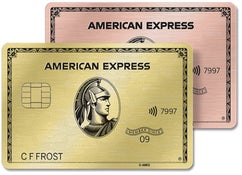
American Express® Gold Card
TPG editor's rating4
TPG editor's rating4
at American Express's secure site. Terms & restrictions apply. See rates & fees.
Rewards rate
Rewards rate
Rate
Category
4X
Earn 4X Membership Rewards® points per dollar spent on purchases at restaurants worldwide, on up to $50,000 in purchases per calendar year, then 1X points for the rest of the year.
4X
Earn 4X Membership Rewards® points per dollar spent at US supermarkets, on up to $25,000 in purchases per calendar year, then 1X points for the rest of the year.
5X
Earn 5X Membership Rewards® points on prepaid hotel stays booked through AmexTravel.com or the Amex Travel App™.
3X
Earn 3X Membership Rewards® points on flights booked through AmexTravel.com, the Amex Travel App™, or purchased directly from airlines.
2X
Earn 2X Membership Rewards® points on prepaid car rentals booked through AmexTravel.com or the Amex Travel App™ and cruises booked and paid through AmexTravel.com.
1X
Earn 1X Membership Rewards® point per dollar spent on all other eligible purchases.
Intro offer
As High As 100,000 points. Find Out Your Offer.
Annual fee
$325
Regular APR
See Pay Over Time APR
Recommended credit
Excellent to Good
Pros + cons
Pros
Valuable dining and food-related credits
Flexible rewards with airline and hotel transfer partners
Multiple travel and purchase protections
No foreign transaction fees
Access to Amex Offers for additional savings (enrollment required)
Cons
Not as useful for those living outside the U.S.
Some may have trouble using Uber and other dining credits
More details
You may be eligible for as high as 100,000 Membership Rewards® Points after you spend $8,000 in eligible purchases on your new Card in your first 6 months of Card Membership. Welcome offers vary and you may not be eligible for an offer. Apply to know if you’re approved and find out your exact welcome offer amount – all with no credit score impact. If you’re approved and choose to accept the Card, your score may be impacted.
Earn 4X Membership Rewards® points per dollar spent on purchases at restaurants worldwide, on up to $50,000 in purchases per calendar year, then 1X points for the rest of the year.
Earn 4X Membership Rewards® points per dollar spent at US supermarkets, on up to $25,000 in purchases per calendar year, then 1X points for the rest of the year.
Earn 5X Membership Rewards® points on prepaid hotel stays booked through AmexTravel.com or the Amex Travel App™.
Earn 3X Membership Rewards® points on flights booked through AmexTravel.com, the Amex Travel App™, or purchased directly from airlines.
Earn 2X Membership Rewards® points on prepaid car rentals booked through AmexTravel.com or the Amex Travel App™ and cruises booked and paid through AmexTravel.com.
Earn 1X Membership Rewards® point per dollar spent on all other eligible purchases.
Pay It® lets you tap in the American Express® App to quickly pay for small purchase amounts throughout the month and still earn rewards the way you usually do. Plan It® gives you the option to split up big purchases into equal monthly payments with a fixed fee. You’ll know upfront exactly how much you’ll pay.
$120 Dining Credit: Earn up to a total of $10 in statement credits monthly when you pay with the Gold Card at Grubhub (including Seamless), Buffalo Wild Wings, Five Guys, The Cheesecake Factory, and Wonder. This can be an annual savings of up to $120. Enrollment required.
$100 Resy Credit: Get up to $100 in statement credits each calendar year at over 10,000 qualifying U.S. Resy restaurants after you pay for eligible purchases with the American Express® Gold Card. That’s up to $50 in statement credits semi-annually. Enrollment required.
$84 Dunkin' Credit: Earn up to $7 in monthly statement credits after you pay with the American Express® Gold Card at U.S. Dunkin’ locations. Enrollment required.
$120 Uber Cash on Gold: Enjoy up to $120 in Uber Cash annually with your Gold Card. Just add your Card to your Uber account and you'll get $10 in Uber Cash each month to use on orders and rides in the U.S. when you select an Amex Card for your transaction.
Enjoy complimentary Hertz Five Star® Status benefits like skipping the counter at select locations, adding an additional driver at no additional cost*, and vehicle upgrades**. Benefit enrollment and Hertz Gold+ registration are required. *Additional drivers must meet standard rental qualifications and must be a spouse or domestic partner to qualify as complimentary. Other additional drivers subject to fees. **Benefits are subject to availability and vary by location. Additional Hertz program Terms and Conditions including age restrictions apply.
Book two nights or more with The Hotel Collection through AmexTravel.com or the Amex Travel App™ and receive a $100* credit towards eligible charges at over 1,400 upscale hotels worldwide. *Eligible charges vary by property.
Book your travel through the Amex Travel App™ with added peace of mind – backed by American Express® service and support. Only for American Express® Card Members.
Whenever you need us, we're here. Our Member Services team will ensure you are taken care of. From lost Card replacement to statement questions, we are available to help 24/7.
No Foreign Transaction Fees.
Annual Fee is $325.
Terms Apply.
Pros
Valuable dining and food-related credits
Flexible rewards with airline and hotel transfer partners
Multiple travel and purchase protections
No foreign transaction fees
Access to Amex Offers for additional savings (enrollment required)
Cons
Not as useful for those living outside the U.S.
Some may have trouble using Uber and other dining credits
You may be eligible for as high as 100,000 Membership Rewards® Points after you spend $8,000 in eligible purchases on your new Card in your first 6 months of Card Membership. Welcome offers vary and you may not be eligible for an offer. Apply to know if you’re approved and find out your exact welcome offer amount – all with no credit score impact. If you’re approved and choose to accept the Card, your score may be impacted.
Earn 4X Membership Rewards® points per dollar spent on purchases at restaurants worldwide, on up to $50,000 in purchases per calendar year, then 1X points for the rest of the year.
Earn 4X Membership Rewards® points per dollar spent at US supermarkets, on up to $25,000 in purchases per calendar year, then 1X points for the rest of the year.
Earn 5X Membership Rewards® points on prepaid hotel stays booked through AmexTravel.com or the Amex Travel App™.
Earn 3X Membership Rewards® points on flights booked through AmexTravel.com, the Amex Travel App™, or purchased directly from airlines.
Earn 2X Membership Rewards® points on prepaid car rentals booked through AmexTravel.com or the Amex Travel App™ and cruises booked and paid through AmexTravel.com.
Earn 1X Membership Rewards® point per dollar spent on all other eligible purchases.
Pay It® lets you tap in the American Express® App to quickly pay for small purchase amounts throughout the month and still earn rewards the way you usually do. Plan It® gives you the option to split up big purchases into equal monthly payments with a fixed fee. You’ll know upfront exactly how much you’ll pay.
$120 Dining Credit: Earn up to a total of $10 in statement credits monthly when you pay with the Gold Card at Grubhub (including Seamless), Buffalo Wild Wings, Five Guys, The Cheesecake Factory, and Wonder. This can be an annual savings of up to $120. Enrollment required.
$100 Resy Credit: Get up to $100 in statement credits each calendar year at over 10,000 qualifying U.S. Resy restaurants after you pay for eligible purchases with the American Express® Gold Card. That’s up to $50 in statement credits semi-annually. Enrollment required.
$84 Dunkin' Credit: Earn up to $7 in monthly statement credits after you pay with the American Express® Gold Card at U.S. Dunkin’ locations. Enrollment required.
$120 Uber Cash on Gold: Enjoy up to $120 in Uber Cash annually with your Gold Card. Just add your Card to your Uber account and you'll get $10 in Uber Cash each month to use on orders and rides in the U.S. when you select an Amex Card for your transaction.
Enjoy complimentary Hertz Five Star® Status benefits like skipping the counter at select locations, adding an additional driver at no additional cost*, and vehicle upgrades**. Benefit enrollment and Hertz Gold+ registration are required. *Additional drivers must meet standard rental qualifications and must be a spouse or domestic partner to qualify as complimentary. Other additional drivers subject to fees. **Benefits are subject to availability and vary by location. Additional Hertz program Terms and Conditions including age restrictions apply.
Book two nights or more with The Hotel Collection through AmexTravel.com or the Amex Travel App™ and receive a $100* credit towards eligible charges at over 1,400 upscale hotels worldwide. *Eligible charges vary by property.
Book your travel through the Amex Travel App™ with added peace of mind – backed by American Express® service and support. Only for American Express® Card Members.
Whenever you need us, we're here. Our Member Services team will ensure you are taken care of. From lost Card replacement to statement questions, we are available to help 24/7.
No Foreign Transaction Fees.
Annual Fee is $325.
Terms Apply.
American Express® Gold Card
TPG editor's rating4
TPG editor's rating4
at American Express's secure site. Terms & restrictions apply. See rates & fees.
Rewards rate
Rewards rate
Rate
Category
4X
Earn 4X Membership Rewards® points per dollar spent on purchases at restaurants worldwide, on up to $50,000 in purchases per calendar year, then 1X points for the rest of the year.
4X
Earn 4X Membership Rewards® points per dollar spent at US supermarkets, on up to $25,000 in purchases per calendar year, then 1X points for the rest of the year.
5X
Earn 5X Membership Rewards® points on prepaid hotel stays booked through AmexTravel.com or the Amex Travel App™.
3X
Earn 3X Membership Rewards® points on flights booked through AmexTravel.com, the Amex Travel App™, or purchased directly from airlines.
2X
Earn 2X Membership Rewards® points on prepaid car rentals booked through AmexTravel.com or the Amex Travel App™ and cruises booked and paid through AmexTravel.com.
1X
Earn 1X Membership Rewards® point per dollar spent on all other eligible purchases.
Intro offer
As High As 100,000 points. Find Out Your Offer.
Annual fee
$325
Regular APR
See Pay Over Time APR
Recommended credit
Excellent to Good
Pros + cons
Pros
Valuable dining and food-related credits
Flexible rewards with airline and hotel transfer partners
Multiple travel and purchase protections
No foreign transaction fees
Access to Amex Offers for additional savings (enrollment required)
Cons
Not as useful for those living outside the U.S.
Some may have trouble using Uber and other dining credits
More details
You may be eligible for as high as 100,000 Membership Rewards® Points after you spend $8,000 in eligible purchases on your new Card in your first 6 months of Card Membership. Welcome offers vary and you may not be eligible for an offer. Apply to know if you’re approved and find out your exact welcome offer amount – all with no credit score impact. If you’re approved and choose to accept the Card, your score may be impacted.
Earn 4X Membership Rewards® points per dollar spent on purchases at restaurants worldwide, on up to $50,000 in purchases per calendar year, then 1X points for the rest of the year.
Earn 4X Membership Rewards® points per dollar spent at US supermarkets, on up to $25,000 in purchases per calendar year, then 1X points for the rest of the year.
Earn 5X Membership Rewards® points on prepaid hotel stays booked through AmexTravel.com or the Amex Travel App™.
Earn 3X Membership Rewards® points on flights booked through AmexTravel.com, the Amex Travel App™, or purchased directly from airlines.
Earn 2X Membership Rewards® points on prepaid car rentals booked through AmexTravel.com or the Amex Travel App™ and cruises booked and paid through AmexTravel.com.
Earn 1X Membership Rewards® point per dollar spent on all other eligible purchases.
Pay It® lets you tap in the American Express® App to quickly pay for small purchase amounts throughout the month and still earn rewards the way you usually do. Plan It® gives you the option to split up big purchases into equal monthly payments with a fixed fee. You’ll know upfront exactly how much you’ll pay.
$120 Dining Credit: Earn up to a total of $10 in statement credits monthly when you pay with the Gold Card at Grubhub (including Seamless), Buffalo Wild Wings, Five Guys, The Cheesecake Factory, and Wonder. This can be an annual savings of up to $120. Enrollment required.
$100 Resy Credit: Get up to $100 in statement credits each calendar year at over 10,000 qualifying U.S. Resy restaurants after you pay for eligible purchases with the American Express® Gold Card. That’s up to $50 in statement credits semi-annually. Enrollment required.
$84 Dunkin' Credit: Earn up to $7 in monthly statement credits after you pay with the American Express® Gold Card at U.S. Dunkin’ locations. Enrollment required.
$120 Uber Cash on Gold: Enjoy up to $120 in Uber Cash annually with your Gold Card. Just add your Card to your Uber account and you'll get $10 in Uber Cash each month to use on orders and rides in the U.S. when you select an Amex Card for your transaction.
Enjoy complimentary Hertz Five Star® Status benefits like skipping the counter at select locations, adding an additional driver at no additional cost*, and vehicle upgrades**. Benefit enrollment and Hertz Gold+ registration are required. *Additional drivers must meet standard rental qualifications and must be a spouse or domestic partner to qualify as complimentary. Other additional drivers subject to fees. **Benefits are subject to availability and vary by location. Additional Hertz program Terms and Conditions including age restrictions apply.
Book two nights or more with The Hotel Collection through AmexTravel.com or the Amex Travel App™ and receive a $100* credit towards eligible charges at over 1,400 upscale hotels worldwide. *Eligible charges vary by property.
Book your travel through the Amex Travel App™ with added peace of mind – backed by American Express® service and support. Only for American Express® Card Members.
Whenever you need us, we're here. Our Member Services team will ensure you are taken care of. From lost Card replacement to statement questions, we are available to help 24/7.
No Foreign Transaction Fees.
Annual Fee is $325.
Terms Apply.
Pros
Valuable dining and food-related credits
Flexible rewards with airline and hotel transfer partners
Multiple travel and purchase protections
No foreign transaction fees
Access to Amex Offers for additional savings (enrollment required)
Cons
Not as useful for those living outside the U.S.
Some may have trouble using Uber and other dining credits
You may be eligible for as high as 100,000 Membership Rewards® Points after you spend $8,000 in eligible purchases on your new Card in your first 6 months of Card Membership. Welcome offers vary and you may not be eligible for an offer. Apply to know if you’re approved and find out your exact welcome offer amount – all with no credit score impact. If you’re approved and choose to accept the Card, your score may be impacted.
Earn 4X Membership Rewards® points per dollar spent on purchases at restaurants worldwide, on up to $50,000 in purchases per calendar year, then 1X points for the rest of the year.
Earn 4X Membership Rewards® points per dollar spent at US supermarkets, on up to $25,000 in purchases per calendar year, then 1X points for the rest of the year.
Earn 5X Membership Rewards® points on prepaid hotel stays booked through AmexTravel.com or the Amex Travel App™.
Earn 3X Membership Rewards® points on flights booked through AmexTravel.com, the Amex Travel App™, or purchased directly from airlines.
Earn 2X Membership Rewards® points on prepaid car rentals booked through AmexTravel.com or the Amex Travel App™ and cruises booked and paid through AmexTravel.com.
Earn 1X Membership Rewards® point per dollar spent on all other eligible purchases.
Pay It® lets you tap in the American Express® App to quickly pay for small purchase amounts throughout the month and still earn rewards the way you usually do. Plan It® gives you the option to split up big purchases into equal monthly payments with a fixed fee. You’ll know upfront exactly how much you’ll pay.
$120 Dining Credit: Earn up to a total of $10 in statement credits monthly when you pay with the Gold Card at Grubhub (including Seamless), Buffalo Wild Wings, Five Guys, The Cheesecake Factory, and Wonder. This can be an annual savings of up to $120. Enrollment required.
$100 Resy Credit: Get up to $100 in statement credits each calendar year at over 10,000 qualifying U.S. Resy restaurants after you pay for eligible purchases with the American Express® Gold Card. That’s up to $50 in statement credits semi-annually. Enrollment required.
$84 Dunkin' Credit: Earn up to $7 in monthly statement credits after you pay with the American Express® Gold Card at U.S. Dunkin’ locations. Enrollment required.
$120 Uber Cash on Gold: Enjoy up to $120 in Uber Cash annually with your Gold Card. Just add your Card to your Uber account and you'll get $10 in Uber Cash each month to use on orders and rides in the U.S. when you select an Amex Card for your transaction.
Enjoy complimentary Hertz Five Star® Status benefits like skipping the counter at select locations, adding an additional driver at no additional cost*, and vehicle upgrades**. Benefit enrollment and Hertz Gold+ registration are required. *Additional drivers must meet standard rental qualifications and must be a spouse or domestic partner to qualify as complimentary. Other additional drivers subject to fees. **Benefits are subject to availability and vary by location. Additional Hertz program Terms and Conditions including age restrictions apply.
Book two nights or more with The Hotel Collection through AmexTravel.com or the Amex Travel App™ and receive a $100* credit towards eligible charges at over 1,400 upscale hotels worldwide. *Eligible charges vary by property.
Book your travel through the Amex Travel App™ with added peace of mind – backed by American Express® service and support. Only for American Express® Card Members.
Whenever you need us, we're here. Our Member Services team will ensure you are taken care of. From lost Card replacement to statement questions, we are available to help 24/7.
No Foreign Transaction Fees.
Annual Fee is $325.
Terms Apply.
American Express® Gold Card
TPG editor's rating4
TPG editor's rating4
at American Express's secure site. Terms & restrictions apply. See rates & fees.
Rewards rate
Rewards rate
Rate
Category
4X
Earn 4X Membership Rewards® points per dollar spent on purchases at restaurants worldwide, on up to $50,000 in purchases per calendar year, then 1X points for the rest of the year.
4X
Earn 4X Membership Rewards® points per dollar spent at US supermarkets, on up to $25,000 in purchases per calendar year, then 1X points for the rest of the year.
5X
Earn 5X Membership Rewards® points on prepaid hotel stays booked through AmexTravel.com or the Amex Travel App™.
3X
Earn 3X Membership Rewards® points on flights booked through AmexTravel.com, the Amex Travel App™, or purchased directly from airlines.
2X
Earn 2X Membership Rewards® points on prepaid car rentals booked through AmexTravel.com or the Amex Travel App™ and cruises booked and paid through AmexTravel.com.
1X
Earn 1X Membership Rewards® point per dollar spent on all other eligible purchases.
Intro offer
As High As 100,000 points. Find Out Your Offer.
Annual fee
$325
Regular APR
See Pay Over Time APR
Recommended credit
Excellent to Good
Pros + cons
Pros
Valuable dining and food-related credits
Flexible rewards with airline and hotel transfer partners
Multiple travel and purchase protections
No foreign transaction fees
Access to Amex Offers for additional savings (enrollment required)
Cons
Not as useful for those living outside the U.S.
Some may have trouble using Uber and other dining credits
More details
You may be eligible for as high as 100,000 Membership Rewards® Points after you spend $8,000 in eligible purchases on your new Card in your first 6 months of Card Membership. Welcome offers vary and you may not be eligible for an offer. Apply to know if you’re approved and find out your exact welcome offer amount – all with no credit score impact. If you’re approved and choose to accept the Card, your score may be impacted.
Earn 4X Membership Rewards® points per dollar spent on purchases at restaurants worldwide, on up to $50,000 in purchases per calendar year, then 1X points for the rest of the year.
Earn 4X Membership Rewards® points per dollar spent at US supermarkets, on up to $25,000 in purchases per calendar year, then 1X points for the rest of the year.
Earn 5X Membership Rewards® points on prepaid hotel stays booked through AmexTravel.com or the Amex Travel App™.
Earn 3X Membership Rewards® points on flights booked through AmexTravel.com, the Amex Travel App™, or purchased directly from airlines.
Earn 2X Membership Rewards® points on prepaid car rentals booked through AmexTravel.com or the Amex Travel App™ and cruises booked and paid through AmexTravel.com.
Earn 1X Membership Rewards® point per dollar spent on all other eligible purchases.
Pay It® lets you tap in the American Express® App to quickly pay for small purchase amounts throughout the month and still earn rewards the way you usually do. Plan It® gives you the option to split up big purchases into equal monthly payments with a fixed fee. You’ll know upfront exactly how much you’ll pay.
$120 Dining Credit: Earn up to a total of $10 in statement credits monthly when you pay with the Gold Card at Grubhub (including Seamless), Buffalo Wild Wings, Five Guys, The Cheesecake Factory, and Wonder. This can be an annual savings of up to $120. Enrollment required.
$100 Resy Credit: Get up to $100 in statement credits each calendar year at over 10,000 qualifying U.S. Resy restaurants after you pay for eligible purchases with the American Express® Gold Card. That’s up to $50 in statement credits semi-annually. Enrollment required.
$84 Dunkin' Credit: Earn up to $7 in monthly statement credits after you pay with the American Express® Gold Card at U.S. Dunkin’ locations. Enrollment required.
$120 Uber Cash on Gold: Enjoy up to $120 in Uber Cash annually with your Gold Card. Just add your Card to your Uber account and you'll get $10 in Uber Cash each month to use on orders and rides in the U.S. when you select an Amex Card for your transaction.
Enjoy complimentary Hertz Five Star® Status benefits like skipping the counter at select locations, adding an additional driver at no additional cost*, and vehicle upgrades**. Benefit enrollment and Hertz Gold+ registration are required. *Additional drivers must meet standard rental qualifications and must be a spouse or domestic partner to qualify as complimentary. Other additional drivers subject to fees. **Benefits are subject to availability and vary by location. Additional Hertz program Terms and Conditions including age restrictions apply.
Book two nights or more with The Hotel Collection through AmexTravel.com or the Amex Travel App™ and receive a $100* credit towards eligible charges at over 1,400 upscale hotels worldwide. *Eligible charges vary by property.
Book your travel through the Amex Travel App™ with added peace of mind – backed by American Express® service and support. Only for American Express® Card Members.
Whenever you need us, we're here. Our Member Services team will ensure you are taken care of. From lost Card replacement to statement questions, we are available to help 24/7.
No Foreign Transaction Fees.
Annual Fee is $325.
Terms Apply.
Pros
Valuable dining and food-related credits
Flexible rewards with airline and hotel transfer partners
Multiple travel and purchase protections
No foreign transaction fees
Access to Amex Offers for additional savings (enrollment required)
Cons
Not as useful for those living outside the U.S.
Some may have trouble using Uber and other dining credits
You may be eligible for as high as 100,000 Membership Rewards® Points after you spend $8,000 in eligible purchases on your new Card in your first 6 months of Card Membership. Welcome offers vary and you may not be eligible for an offer. Apply to know if you’re approved and find out your exact welcome offer amount – all with no credit score impact. If you’re approved and choose to accept the Card, your score may be impacted.
Earn 4X Membership Rewards® points per dollar spent on purchases at restaurants worldwide, on up to $50,000 in purchases per calendar year, then 1X points for the rest of the year.
Earn 4X Membership Rewards® points per dollar spent at US supermarkets, on up to $25,000 in purchases per calendar year, then 1X points for the rest of the year.
Earn 5X Membership Rewards® points on prepaid hotel stays booked through AmexTravel.com or the Amex Travel App™.
Earn 3X Membership Rewards® points on flights booked through AmexTravel.com, the Amex Travel App™, or purchased directly from airlines.
Earn 2X Membership Rewards® points on prepaid car rentals booked through AmexTravel.com or the Amex Travel App™ and cruises booked and paid through AmexTravel.com.
Earn 1X Membership Rewards® point per dollar spent on all other eligible purchases.
Pay It® lets you tap in the American Express® App to quickly pay for small purchase amounts throughout the month and still earn rewards the way you usually do. Plan It® gives you the option to split up big purchases into equal monthly payments with a fixed fee. You’ll know upfront exactly how much you’ll pay.
$120 Dining Credit: Earn up to a total of $10 in statement credits monthly when you pay with the Gold Card at Grubhub (including Seamless), Buffalo Wild Wings, Five Guys, The Cheesecake Factory, and Wonder. This can be an annual savings of up to $120. Enrollment required.
$100 Resy Credit: Get up to $100 in statement credits each calendar year at over 10,000 qualifying U.S. Resy restaurants after you pay for eligible purchases with the American Express® Gold Card. That’s up to $50 in statement credits semi-annually. Enrollment required.
$84 Dunkin' Credit: Earn up to $7 in monthly statement credits after you pay with the American Express® Gold Card at U.S. Dunkin’ locations. Enrollment required.
$120 Uber Cash on Gold: Enjoy up to $120 in Uber Cash annually with your Gold Card. Just add your Card to your Uber account and you'll get $10 in Uber Cash each month to use on orders and rides in the U.S. when you select an Amex Card for your transaction.
Enjoy complimentary Hertz Five Star® Status benefits like skipping the counter at select locations, adding an additional driver at no additional cost*, and vehicle upgrades**. Benefit enrollment and Hertz Gold+ registration are required. *Additional drivers must meet standard rental qualifications and must be a spouse or domestic partner to qualify as complimentary. Other additional drivers subject to fees. **Benefits are subject to availability and vary by location. Additional Hertz program Terms and Conditions including age restrictions apply.
Book two nights or more with The Hotel Collection through AmexTravel.com or the Amex Travel App™ and receive a $100* credit towards eligible charges at over 1,400 upscale hotels worldwide. *Eligible charges vary by property.
Book your travel through the Amex Travel App™ with added peace of mind – backed by American Express® service and support. Only for American Express® Card Members.
Whenever you need us, we're here. Our Member Services team will ensure you are taken care of. From lost Card replacement to statement questions, we are available to help 24/7.
at American Express's secure site. Terms & restrictions apply. See rates & fees.
Rewards rate
Rewards rate
Rate
Category
4X
Earn 4X Membership Rewards® points per dollar spent on purchases at restaurants worldwide, on up to $50,000 in purchases per calendar year, then 1X points for the rest of the year.
4X
Earn 4X Membership Rewards® points per dollar spent at US supermarkets, on up to $25,000 in purchases per calendar year, then 1X points for the rest of the year.
5X
Earn 5X Membership Rewards® points on prepaid hotel stays booked through AmexTravel.com or the Amex Travel App™.
3X
Earn 3X Membership Rewards® points on flights booked through AmexTravel.com, the Amex Travel App™, or purchased directly from airlines.
2X
Earn 2X Membership Rewards® points on prepaid car rentals booked through AmexTravel.com or the Amex Travel App™ and cruises booked and paid through AmexTravel.com.
1X
Earn 1X Membership Rewards® point per dollar spent on all other eligible purchases.
Intro offer
As High As 100,000 points. Find Out Your Offer.
Annual fee
$325
Regular APR
See Pay Over Time APR
Recommended credit
Excellent to Good
Pros + cons
Pros
Valuable dining and food-related credits
Flexible rewards with airline and hotel transfer partners
Multiple travel and purchase protections
No foreign transaction fees
Access to Amex Offers for additional savings (enrollment required)
Cons
Not as useful for those living outside the U.S.
Some may have trouble using Uber and other dining credits
More details
You may be eligible for as high as 100,000 Membership Rewards® Points after you spend $8,000 in eligible purchases on your new Card in your first 6 months of Card Membership. Welcome offers vary and you may not be eligible for an offer. Apply to know if you’re approved and find out your exact welcome offer amount – all with no credit score impact. If you’re approved and choose to accept the Card, your score may be impacted.
Earn 4X Membership Rewards® points per dollar spent on purchases at restaurants worldwide, on up to $50,000 in purchases per calendar year, then 1X points for the rest of the year.
Earn 4X Membership Rewards® points per dollar spent at US supermarkets, on up to $25,000 in purchases per calendar year, then 1X points for the rest of the year.
Earn 5X Membership Rewards® points on prepaid hotel stays booked through AmexTravel.com or the Amex Travel App™.
Earn 3X Membership Rewards® points on flights booked through AmexTravel.com, the Amex Travel App™, or purchased directly from airlines.
Earn 2X Membership Rewards® points on prepaid car rentals booked through AmexTravel.com or the Amex Travel App™ and cruises booked and paid through AmexTravel.com.
Earn 1X Membership Rewards® point per dollar spent on all other eligible purchases.
Pay It® lets you tap in the American Express® App to quickly pay for small purchase amounts throughout the month and still earn rewards the way you usually do. Plan It® gives you the option to split up big purchases into equal monthly payments with a fixed fee. You’ll know upfront exactly how much you’ll pay.
$120 Dining Credit: Earn up to a total of $10 in statement credits monthly when you pay with the Gold Card at Grubhub (including Seamless), Buffalo Wild Wings, Five Guys, The Cheesecake Factory, and Wonder. This can be an annual savings of up to $120. Enrollment required.
$100 Resy Credit: Get up to $100 in statement credits each calendar year at over 10,000 qualifying U.S. Resy restaurants after you pay for eligible purchases with the American Express® Gold Card. That’s up to $50 in statement credits semi-annually. Enrollment required.
$84 Dunkin' Credit: Earn up to $7 in monthly statement credits after you pay with the American Express® Gold Card at U.S. Dunkin’ locations. Enrollment required.
$120 Uber Cash on Gold: Enjoy up to $120 in Uber Cash annually with your Gold Card. Just add your Card to your Uber account and you'll get $10 in Uber Cash each month to use on orders and rides in the U.S. when you select an Amex Card for your transaction.
Enjoy complimentary Hertz Five Star® Status benefits like skipping the counter at select locations, adding an additional driver at no additional cost*, and vehicle upgrades**. Benefit enrollment and Hertz Gold+ registration are required. *Additional drivers must meet standard rental qualifications and must be a spouse or domestic partner to qualify as complimentary. Other additional drivers subject to fees. **Benefits are subject to availability and vary by location. Additional Hertz program Terms and Conditions including age restrictions apply.
Book two nights or more with The Hotel Collection through AmexTravel.com or the Amex Travel App™ and receive a $100* credit towards eligible charges at over 1,400 upscale hotels worldwide. *Eligible charges vary by property.
Book your travel through the Amex Travel App™ with added peace of mind – backed by American Express® service and support. Only for American Express® Card Members.
Whenever you need us, we're here. Our Member Services team will ensure you are taken care of. From lost Card replacement to statement questions, we are available to help 24/7.
No Foreign Transaction Fees.
Annual Fee is $325.
Terms Apply.
Pros
Valuable dining and food-related credits
Flexible rewards with airline and hotel transfer partners
Multiple travel and purchase protections
No foreign transaction fees
Access to Amex Offers for additional savings (enrollment required)
Cons
Not as useful for those living outside the U.S.
Some may have trouble using Uber and other dining credits
You may be eligible for as high as 100,000 Membership Rewards® Points after you spend $8,000 in eligible purchases on your new Card in your first 6 months of Card Membership. Welcome offers vary and you may not be eligible for an offer. Apply to know if you’re approved and find out your exact welcome offer amount – all with no credit score impact. If you’re approved and choose to accept the Card, your score may be impacted.
Earn 4X Membership Rewards® points per dollar spent on purchases at restaurants worldwide, on up to $50,000 in purchases per calendar year, then 1X points for the rest of the year.
Earn 4X Membership Rewards® points per dollar spent at US supermarkets, on up to $25,000 in purchases per calendar year, then 1X points for the rest of the year.
Earn 5X Membership Rewards® points on prepaid hotel stays booked through AmexTravel.com or the Amex Travel App™.
Earn 3X Membership Rewards® points on flights booked through AmexTravel.com, the Amex Travel App™, or purchased directly from airlines.
Earn 2X Membership Rewards® points on prepaid car rentals booked through AmexTravel.com or the Amex Travel App™ and cruises booked and paid through AmexTravel.com.
Earn 1X Membership Rewards® point per dollar spent on all other eligible purchases.
Pay It® lets you tap in the American Express® App to quickly pay for small purchase amounts throughout the month and still earn rewards the way you usually do. Plan It® gives you the option to split up big purchases into equal monthly payments with a fixed fee. You’ll know upfront exactly how much you’ll pay.
$120 Dining Credit: Earn up to a total of $10 in statement credits monthly when you pay with the Gold Card at Grubhub (including Seamless), Buffalo Wild Wings, Five Guys, The Cheesecake Factory, and Wonder. This can be an annual savings of up to $120. Enrollment required.
$100 Resy Credit: Get up to $100 in statement credits each calendar year at over 10,000 qualifying U.S. Resy restaurants after you pay for eligible purchases with the American Express® Gold Card. That’s up to $50 in statement credits semi-annually. Enrollment required.
$84 Dunkin' Credit: Earn up to $7 in monthly statement credits after you pay with the American Express® Gold Card at U.S. Dunkin’ locations. Enrollment required.
$120 Uber Cash on Gold: Enjoy up to $120 in Uber Cash annually with your Gold Card. Just add your Card to your Uber account and you'll get $10 in Uber Cash each month to use on orders and rides in the U.S. when you select an Amex Card for your transaction.
Enjoy complimentary Hertz Five Star® Status benefits like skipping the counter at select locations, adding an additional driver at no additional cost*, and vehicle upgrades**. Benefit enrollment and Hertz Gold+ registration are required. *Additional drivers must meet standard rental qualifications and must be a spouse or domestic partner to qualify as complimentary. Other additional drivers subject to fees. **Benefits are subject to availability and vary by location. Additional Hertz program Terms and Conditions including age restrictions apply.
Book two nights or more with The Hotel Collection through AmexTravel.com or the Amex Travel App™ and receive a $100* credit towards eligible charges at over 1,400 upscale hotels worldwide. *Eligible charges vary by property.
Book your travel through the Amex Travel App™ with added peace of mind – backed by American Express® service and support. Only for American Express® Card Members.
Whenever you need us, we're here. Our Member Services team will ensure you are taken care of. From lost Card replacement to statement questions, we are available to help 24/7.