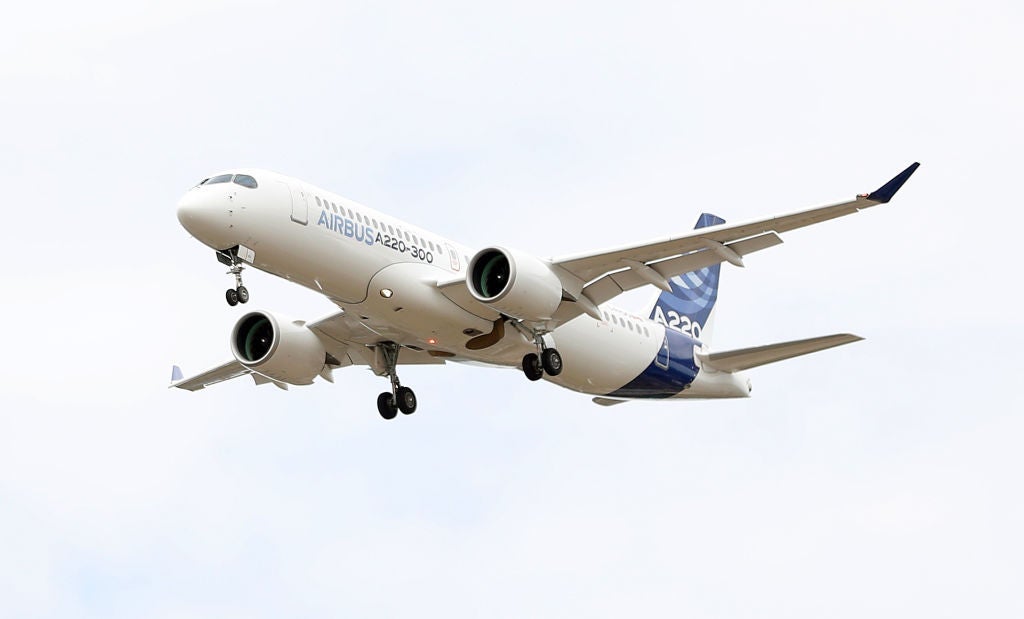
Southwest Airlines is seriously considering the Airbus A220 for its next new jet

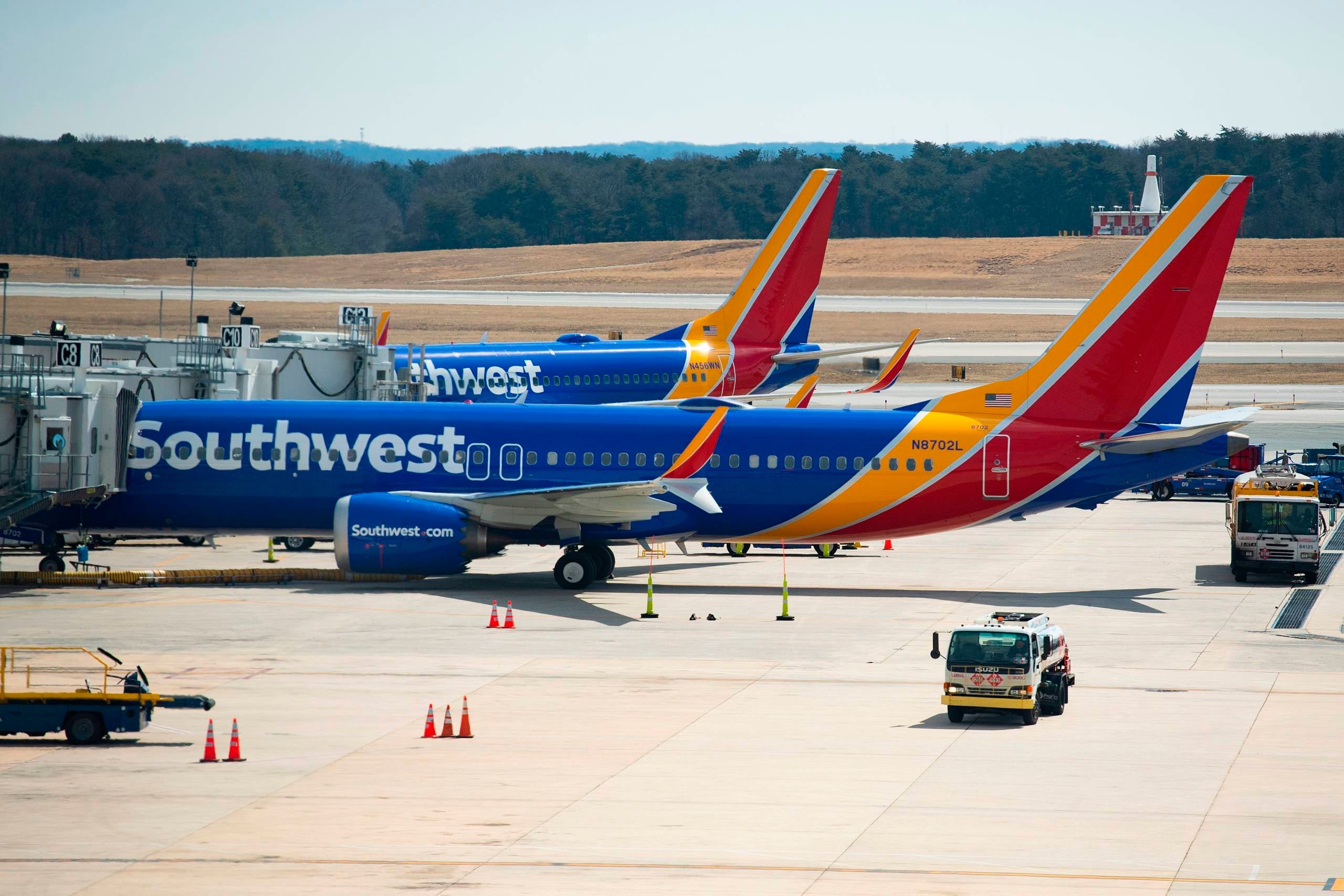
Salt and pepper, airports and airplanes, Southwest Airlines and the Boeing 737. All items that are expected together.
But now Southwest, having flown the 737 nearly exclusively since 1971, may finally be ready to add a new aircraft type to its fleet. The airline is evaluating its next small jet — one seating around 140 to 150 passengers — and both Airbus A220 and 737 MAX 7 are on the list.
"We absolutely do need the smaller airplane," Southwest CEO Gary Kelly said during the airline's third quarter earnings call on Thursday, Oct. 22. "We have a ton of 737-700s that are coming up for retirement over the next several years."
Want more airline-specific news? Sign up for TPG's free new biweekly Aviation newsletter!
Ordering a plane during a crisis is not necessarily a bad idea. As long as an airline can support the financial commitment, planemakers are often desperate for new deals as orders tend to dry up and deliveries slow as airlines struggle.
Boeing, for one, has lost 757 orders for the 737 in 2020 alone, according to its orders and deliveries data through Sept. 30. The cancellations are likely a combination of the jet's grounding and the COVID crisis.
In addition to potential deals, Southwest anticipates a recovery in air travel over the next two to three years — or in the 2023 or 2024 timeframe. All told, given the lead time for new planes from both Airbus and Boeing, the carrier needs to act soon to lock in mid-decade deliveries.
Related: Southwest Airlines expands again, adds three more cities to its route map
Southwest is evaluating the A220 and MAX 7 to place an order in about a year, the Dallas-based carrier's operations chief Mike Van de Ven said on the call. Deliveries would begin around 2025.

At the end of September, Southwest had orders for 30 MAX 7s due by 2024, its latest fleet plan shows. It flew 496 737-700s each seating 143 passengers.
The MAX grounding appears to be the straw that broke the back of Southwest's long-standing exclusive relationship with Boeing. Shortly before the suspension began in March 2019, Kelly told investors that the airline was not considering alternatives to the 737. Things changed quickly.
By that April, The Air Current reported that Southwest representatives had visited Airbus to "kick the proverbial tires" on the A220.
Related: The Boeing 737 MAX is about ready to return to US skies. Will it make it for the holidays?
Now, whether there's a split with Boeing remains to be seen. But Southwest's eye is wandering.
"The A220 and the MAX 7, they're the two players in the marketplace," said Van de Ven. "Both of those airplanes have their strengths and their disadvantages. And we're — we've been looking at both airplanes."
The A220-300 can fly up to 160 passengers in a single-class layout just over 3,900 miles, according to Airbus. The MAX 7 can carry up to 172 flyers for 4,430 miles, according to Boeing. The former has a maximum takeoff weight of 69.9 tons and the latter 79 tons; a lighter-weight jet tends to be more efficient over multiple shorter flights than a heavier one.
The European planemaker is also considering developing a larger A220-500 that would more directly compete in size with the MAX 7. However, in August, Airbus Americas CEO Jeffrey Knittel told FlightGlobal that development of the larger variant was on hold during the crisis.
Related: Why the new Airbus A220 is popular with airlines during the coronavirus pandemic
The A220's seeming advantages over the MAX 7 may not be enough to sway Southwest. The airline is a living example of the benefits of a single fleet, something its leadership has long touted as part of its successful DNA.
And an order would be Boeing's to lose. The Chicago-based planemaker will undoubtedly make a strong play to keep Southwest in the 737 fold.
Airbus spokesperson James Darcy said the planemaker does not comment on airline campaigns.
Boeing spokesperson Jessica Kowal declined to comment.
Related: Southwest Airlines 'absolutely' harmed by MAX grounding
TPG featured card
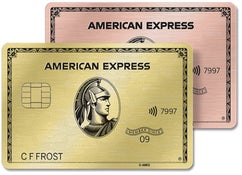
at American Express's secure site
Terms & restrictions apply. See rates & fees.
| 4X | Earn 4X Membership Rewards® points per dollar spent on purchases at restaurants worldwide, on up to $50,000 in purchases per calendar year, then 1X points for the rest of the year. |
| 4X | Earn 4X Membership Rewards® points per dollar spent at US supermarkets, on up to $25,000 in purchases per calendar year, then 1X points for the rest of the year. |
| 5X | Earn 5X Membership Rewards® points on prepaid hotel stays booked through AmexTravel.com or the Amex Travel App™. |
| 3X | Earn 3X Membership Rewards® points on flights booked through AmexTravel.com, the Amex Travel App™, or purchased directly from airlines. |
| 2X | Earn 2X Membership Rewards® points on prepaid car rentals booked through AmexTravel.com or the Amex Travel App™ and cruises booked and paid through AmexTravel.com. |
| 1X | Earn 1X Membership Rewards® point per dollar spent on all other eligible purchases. |
Pros
- Valuable dining and food-related credits
- Flexible rewards with airline and hotel transfer partners
- Multiple travel and purchase protections
- No foreign transaction fees
- Access to Amex Offers for additional savings (enrollment required)
Cons
- Not as useful for those living outside the U.S.
- Some may have trouble using Uber and other dining credits
- You may be eligible for as high as 100,000 Membership Rewards® Points after you spend $8,000 in eligible purchases on your new Card in your first 6 months of Card Membership. Welcome offers vary and you may not be eligible for an offer. Apply to know if you’re approved and find out your exact welcome offer amount – all with no credit score impact. If you’re approved and choose to accept the Card, your score may be impacted.
- Earn 4X Membership Rewards® points per dollar spent on purchases at restaurants worldwide, on up to $50,000 in purchases per calendar year, then 1X points for the rest of the year.
- Earn 4X Membership Rewards® points per dollar spent at US supermarkets, on up to $25,000 in purchases per calendar year, then 1X points for the rest of the year.
- Earn 5X Membership Rewards® points on prepaid hotel stays booked through AmexTravel.com or the Amex Travel App™.
- Earn 3X Membership Rewards® points on flights booked through AmexTravel.com, the Amex Travel App™, or purchased directly from airlines.
- Earn 2X Membership Rewards® points on prepaid car rentals booked through AmexTravel.com or the Amex Travel App™ and cruises booked and paid through AmexTravel.com.
- Earn 1X Membership Rewards® point per dollar spent on all other eligible purchases.
- Pay It® lets you tap in the American Express® App to quickly pay for small purchase amounts throughout the month and still earn rewards the way you usually do. Plan It® gives you the option to split up big purchases into equal monthly payments with a fixed fee. You’ll know upfront exactly how much you’ll pay.
- $120 Dining Credit: Earn up to a total of $10 in statement credits monthly when you pay with the Gold Card at Grubhub (including Seamless), Buffalo Wild Wings, Five Guys, The Cheesecake Factory, and Wonder. This can be an annual savings of up to $120. Enrollment required.
- $100 Resy Credit: Get up to $100 in statement credits each calendar year at over 10,000 qualifying U.S. Resy restaurants after you pay for eligible purchases with the American Express® Gold Card. That’s up to $50 in statement credits semi-annually. Enrollment required.
- $84 Dunkin' Credit: Earn up to $7 in monthly statement credits after you pay with the American Express® Gold Card at U.S. Dunkin’ locations. Enrollment required.
- $120 Uber Cash on Gold: Enjoy up to $120 in Uber Cash annually with your Gold Card. Just add your Card to your Uber account and you'll get $10 in Uber Cash each month to use on orders and rides in the U.S. when you select an Amex Card for your transaction.
- Enjoy complimentary Hertz Five Star® Status benefits like skipping the counter at select locations, adding an additional driver at no additional cost*, and vehicle upgrades**. Benefit enrollment and Hertz Gold+ registration are required. *Additional drivers must meet standard rental qualifications and must be a spouse or domestic partner to qualify as complimentary. Other additional drivers subject to fees. **Benefits are subject to availability and vary by location. Additional Hertz program Terms and Conditions including age restrictions apply.
- Book two nights or more with The Hotel Collection through AmexTravel.com or the Amex Travel App™ and receive a $100* credit towards eligible charges at over 1,400 upscale hotels worldwide. *Eligible charges vary by property.
- Book your travel through the Amex Travel App™ with added peace of mind – backed by American Express® service and support. Only for American Express® Card Members.
- Whenever you need us, we're here. Our Member Services team will ensure you are taken care of. From lost Card replacement to statement questions, we are available to help 24/7.
- No Foreign Transaction Fees.
- Annual Fee is $325.
- Terms Apply.