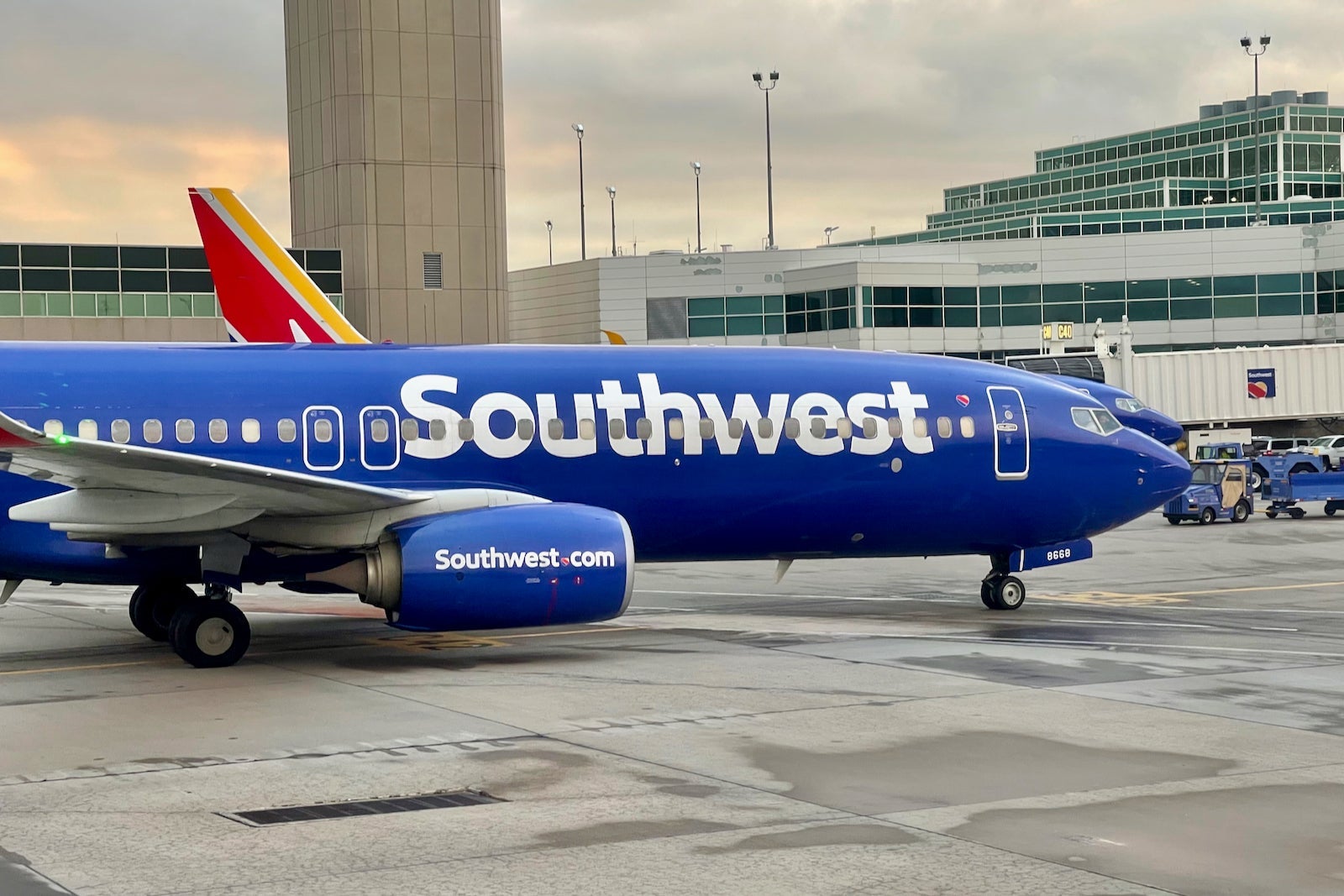

Yet now, 50 years later, as Southwest and other airlines recover from the worst crisis in the history of commercial aviation, the impact of the once-upstart carrier is reflected every time we take to the air in the United States, regardless of the airline we're flying that day.
Southwest made its first flight after years of litigation from entrenched Texas carriers Braniff and Trans-Texas Airways, which tried countless legal maneuvers to stop the new airline from taking off, rightly worried of the threat that Southwest presented.
That's because it was still the era of airline regulation, in which the federal government treated domestic air travel as a public utility and dictated what routes an airline was allowed to fly, and what prices it could charge. That meant that the primary way airlines could compete was by trying to outdo each other on product.
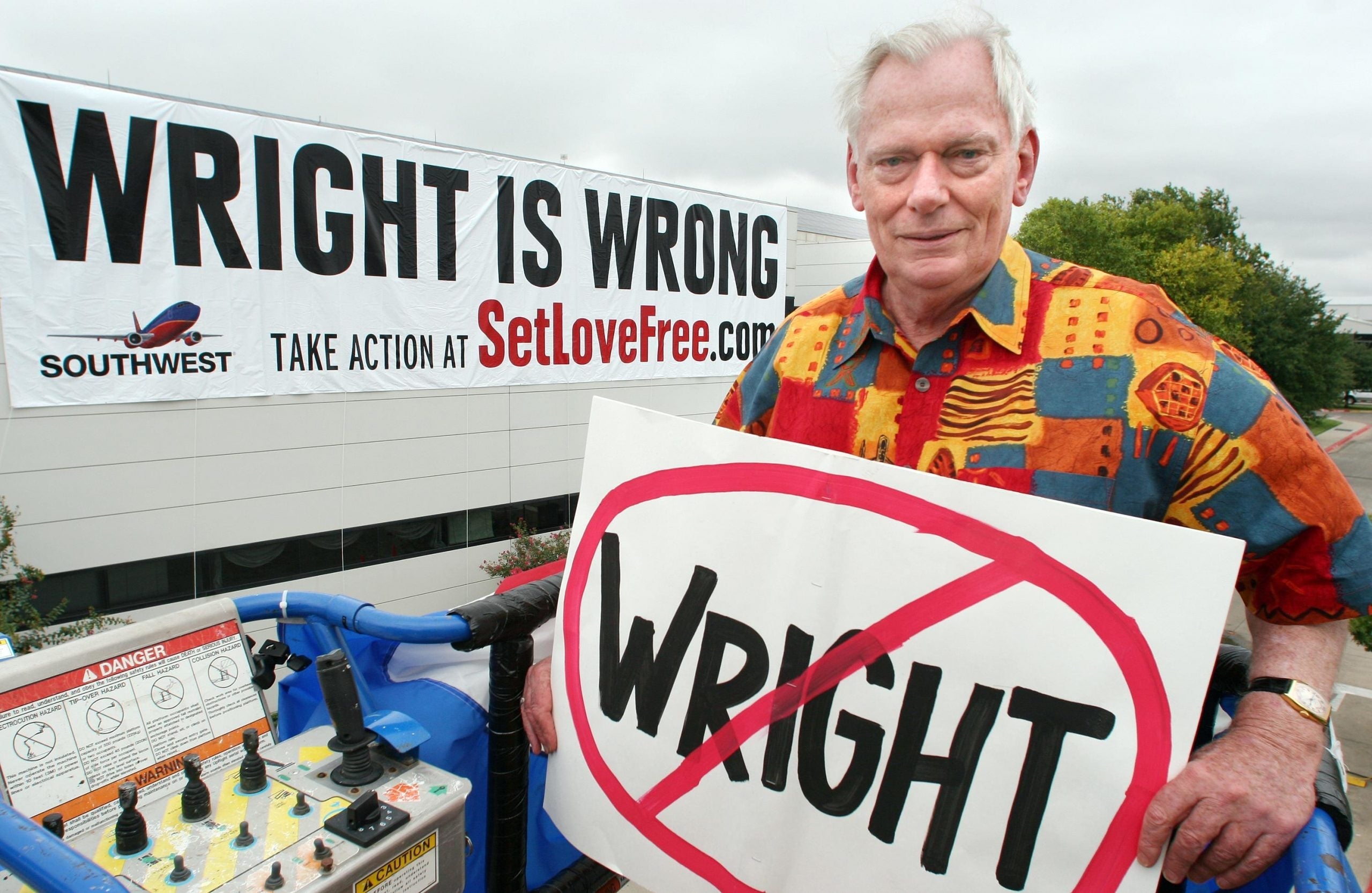
Southwest's founders, however — pilot and businessman Rollin King and Herb Kelleher, his lawyer — found a loophole, inspired by two small airlines in California. By operating entirely within Texas — and not crossing state lines — Southwest could avoid submitting to the Civil Aeronautics Board, allowing it to undercut the competition. And with low fares, the airline could target potential customers who were driving 250 miles between Houston and Dallas, or Dallas and San Antonio. Why drive five hours when you could afford to fly for 45 minutes?
The early years of Southwest were like the Wild West, far from the family-friendly persona the airline wears today. A motif of "love" could be found everywhere from the airport headquarters' name — Dallas Love Field — to the names of the ticket machines — "love machines" to the snacks on board — "love bites."
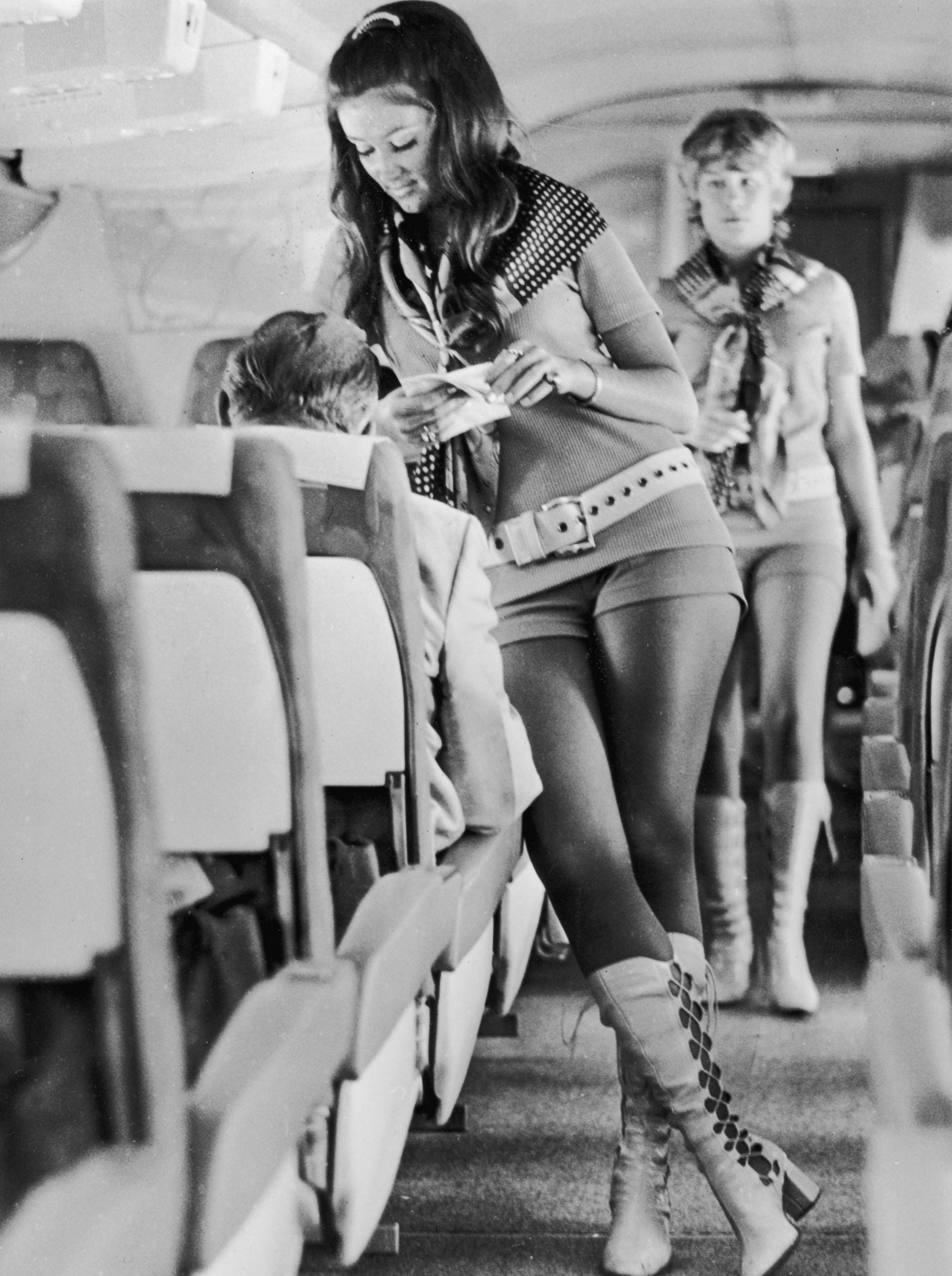
Then there was the sex appeal, with outgoing, personable flight attendants dressed in hot pants and go-go boots, and double-entendres wherever one looked. And that's not to mention the free-flowing whiskey on board.
In 1978, the airline industry in the United States was deregulated, paving the way for new airlines to form allowing existing ones to expand. With changes, carriers could now compete directly on price.
Other options: 8 cool places you didn’t know you could fly on Southwest
For Southwest, which had built itself within Texas largely by offering cheap fares and managing quick turns and high utilization on their aircraft, a world of opportunity opened up. The airline quickly began to expand, and within the decade was flying to places like Tulsa, Oklahoma; Kansas City, Missouri; Las Vegas, Denver, Chicago, Detroit and several cities in California.
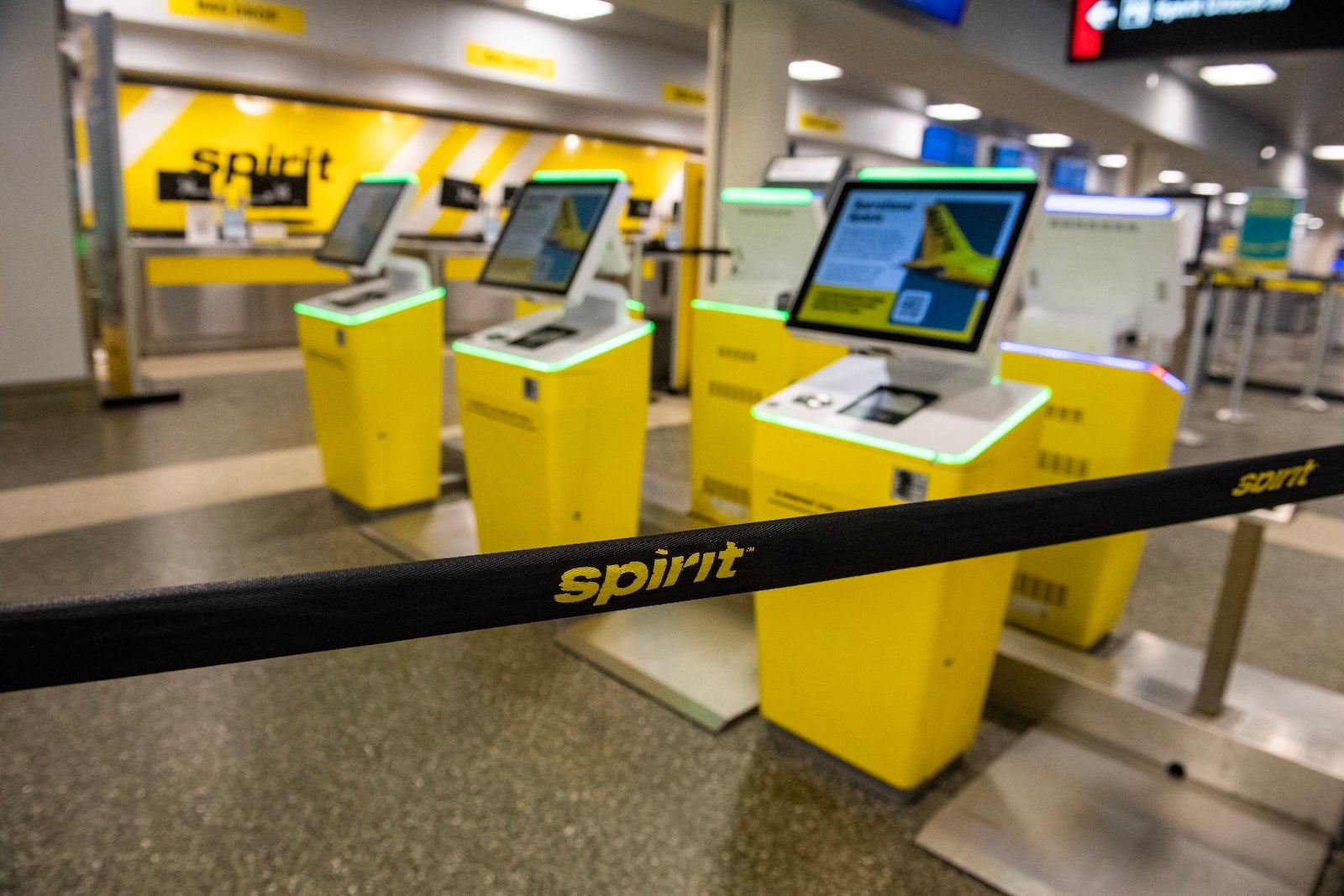
In the years since, the airline industry has largely adopted practices crucial to Southwest's success, including competing on fare and better utilizing aircraft. Although Southwest's image has tamed, the low-cost, quirky mindset has inspired newcomers like JetBlue and Spirit, and the airline has become the biggest customer of the biggest American corporation's workhorse product: the Boeing 737. It also carries move domestic passengers than any other U.S. carrier, a symbol of how far Southwest has come from its start-up days 50 years ago. Today it's more known for its polished image and slick marketing campaigns, including the "Wanna Get Away" fare sale ads that have been running off-and-on since the late 1990s.
Now, as the airline industry recovers from the COVID-19 pandemic, Southwest will mark celebrate its 50-year legacy with special events around its network. TPG will be on hand to cover it from the scene, so check back later today for more.