Most popular US national park introduces parking fees, increased camping charges

Great Smoky Mountains National Park — the most-visited national park in the U.S., with 14.1 million visitors in 2021 — is instituting fees for parking passes and increasing charges for camping, the park announced this week.
These fees are part of a nationwide trend as parks manage record-breaking crowds and seek to generate revenues to support the staffing and facilities required for this increased visitation.
"We take great pride in being the country's most visited national park," Cassius Cash, the park's superintendent, said in a statement. "But that distinction comes with tremendous strain on our infrastructure. Now we will have sustained resources to ensure this sacred place is protected for visitors to enjoy for generations to come."
Here are details on the new fees at Great Smoky Mountains National Park, as well as some other national parks, to help you plan or next national parks trip.
Smoky Mountains fee details
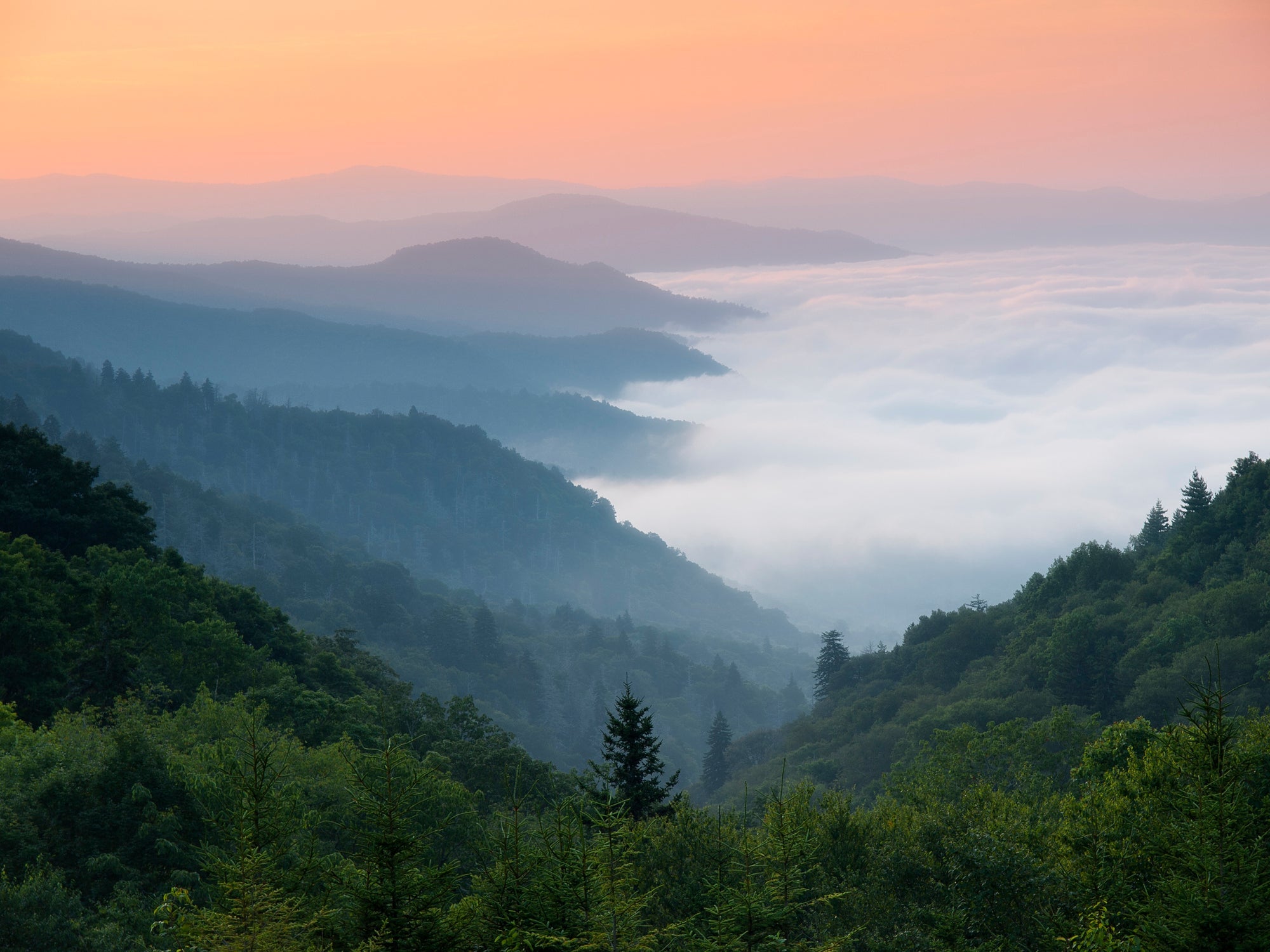
As part of its "Park it Forward" fundraising and development campaign, Great Smoky Mountains National Park will require any vehicle parking within the park to purchase and display a parking pass beginning March 1, 2023.
The parking fees will be $5 for a day pass, $15 for a weekly pass and $40 for an annual pass. Passes are good for a single vehicle and do not allow upgrades or transfers. The pass will be good anywhere within the park for the duration of time paid for. There is currently no cap on the number of passes that will be sold in a given day, week or season.
Visitors just passing through the park or stopping for less than 15 minutes will not be required to purchase a pass. "If you want to come by the visitor center and use the bathroom, you don't need a pass," Cash said in an Associated Press interview. "We are trying to capture the costs of services used, not nickel-and-dime every vehicle. If you want to stop at an overlook and take a selfie with the beautiful scenery, you can still do that [for free]."
Admission to the park is free, and there are no toll charges for driving along its many scenic roadways.
Camping fees throughout Smoky Mountains will also increase for the first time in a decade. Backcountry camping fees will double to a still-very-affordable $8 per night, with a maximum of $40 per camper. Frontcountry family campsite fees will rise to $30 per night for primitive sites and $36 per night for sites with electrical hookups. Group camps, horse camps and picnic pavilions fees will increase by 20%-30%. Daily rental rates for the Appalachian Clubhouse and Spence Cabin in Elkmont will rise to $300 and $200, respectively.

All of the revenue generated by the parking passes and increased camping fees will "directly support operational costs for managing and improving services for visitors including trail maintenance, custodial services, trash removal, and supporting more staffing," according to the park website.
Related: A beginners guide to the Smoky Mountains
Fee increases at other national parks
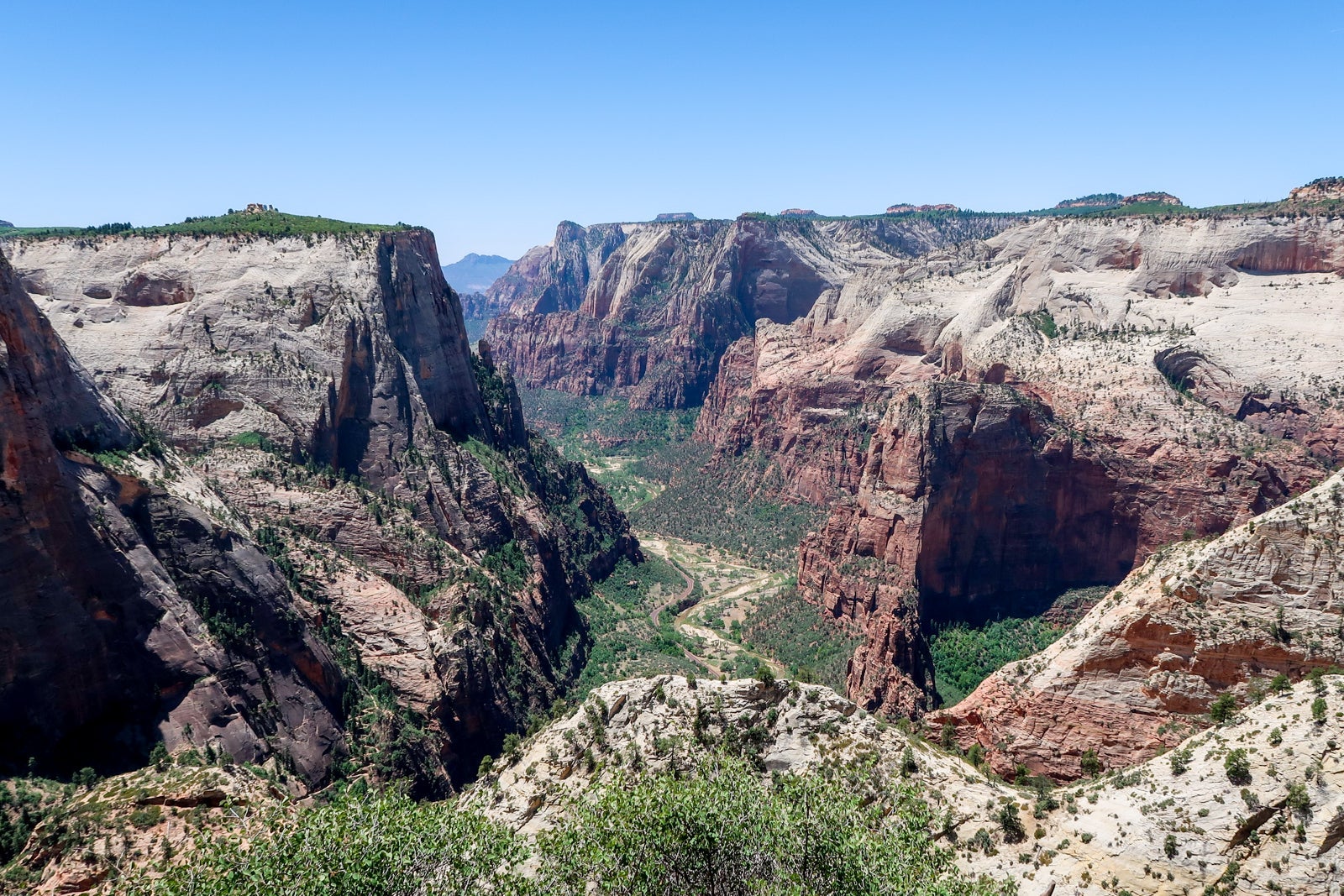
Many other national parks are implementing fee increases for parking, camping and facilities access (although few have increased park entrance charges). The National Park Service says these fees are necessary to maintain and improve the infrastructure, and to improve staffing to handle the dramatically increased visitation.
During busy summer peak visitation times, popular U.S. parks and certain areas within the parks have been requiring reservations and charging nominal reservation fees of about $2. Yosemite National Park and Arches National Park are among those charging for timed-entry passes. Zion National Park has been charging reservation fees to hike the popular Angels Landing Trail.
Rocky Mountain National Park increased its one-day vehicle entry pass to the park from $25 to $30 this May. "The fee increase is necessary to improve and maintain high-quality visitor services," according to the park. "While basic park operations are funded by direct appropriations from Congress, the recreation use fees collected by the park are used to support new projects and the ongoing maintenance of park facilities that directly enhance the visitor experience."
The park also is increasing camping charges across the board. Winter campground fees will increase from $20 to $30 per night beginning on Oct. 12. Summer campground fees will increase from $30 to $35 per night beginning summer 2023. In addition, group site campground fees will rise $10 for each tier in group size to $50, $60 and $70.
Kings Canyon and Sequoia national parks announced this month that they will increase camping fees in 2023 and 2024 to fund needed improvements to the camping areas. Standard campsite charges will rise from $22 to $28 in 2023 and $32 in 2024. Prices for other group campsites and stock campsites will see similar 25%-30% price increases.
It's not just national parks increasing visitor fees. The Red Rock Canyon National Conservation Area outside of Las Vegas, which is also experiencing record visitation, has proposed raising its fees. Admission for cars to drive its 13-mile scenic loop will rise from $15 to $20 in 2023, with the annual park pass fee rising from $30 to $50. The Bureau of Land Management, which governs the park, is also proposing to add a $2 online and on-site reservations fee ($3 by phone). Campground and picnic area reservation fees will rise to $8 online and on-site ($9 by phone).
Related: Escape crowded national parks at these 7 alternate destinations
Bottom line
Over the past year, destinations across the U.S. national park system have faced crowding and traffic issues, as record-setting numbers of visitors came to the parks during the COVID-19 pandemic. In order to better manage these crowds — and to fund the staff and improvements necessary to provide infrastructure — many parks across the country are instituting new fees and reservation systems.
The new Great Smoky Mountains National Park parking fee should not discourage anyone from visiting, as the nominal charge of $5 a day is a bargain, considering there are no park entrance fees.
However, the increased parking fee, coupled with the increased camping fees and new fees at other national parks, signal a trend that visitors should expect higher charges going forward. This is still a small price to pay to enjoy the majesty of "America's Best Idea."
TPG featured card

at Capital One's secure site
Terms & restrictions apply. See rates & fees.
| 5X miles | Earn 5X miles on hotels, vacation rentals and rental cars booked through Capital One Travel |
| 2X miles | Earn unlimited 2X miles on every purchase, every day |
Pros
- Stellar welcome offer of 75,000 miles after spending $4,000 on purchases in the first three months from account opening. Plus, a $250 Capital One Travel credit to use in your first cardholder year upon account opening.
- You'll earn 2 miles per dollar on every purchase, which means you won't have to worry about memorizing bonus categories
- Rewards are versatile and can be redeemed for a statement credit or transferred to Capital One’s transfer partners
Cons
- Highest bonus-earning categories only on travel booked via Capital One Travel
- LIMITED-TIME OFFER: Enjoy $250 to use on Capital One Travel in your first cardholder year, plus earn 75,000 bonus miles once you spend $4,000 on purchases within the first 3 months from account opening - that’s equal to $1,000 in travel
- Earn unlimited 2X miles on every purchase, every day
- Earn 5X miles on hotels, vacation rentals and rental cars booked through Capital One Travel
- Miles won't expire for the life of the account and there's no limit to how many you can earn
- Receive up to a $120 credit for Global Entry or TSA PreCheck®
- Use your miles to get reimbursed for any travel purchase—or redeem by booking a trip through Capital One Travel
- Enjoy a $50 experience credit and other premium benefits with every hotel and vacation rental booked from the Lifestyle Collection
- Transfer your miles to your choice of 15+ travel loyalty programs
- Top rated mobile app