Seaplanes Are Making a Comeback

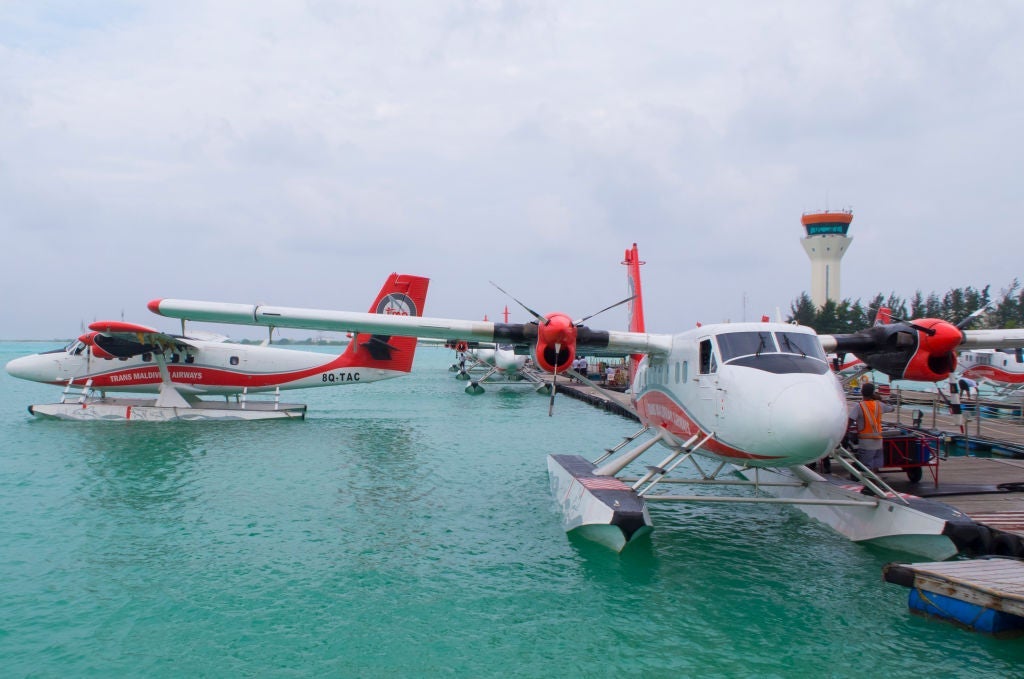
Once upon a time, air travel was pretty much synonymous with seaplanes. That glamorous era hit its peak just after World War II, for a brief shining moment — 26 seconds, to be exact. That's how long the Spruce Goose, the enormous wooden seaplane buillt and flown by tycoon Howard Hughes, stayed in the air on its first and only flight in 1947.
Hughes' eight-engined amphibious monster remains, to this day, the largest aircraft by wingspan to have ever flown. But seaplanes were already on the way out back then, when the emergence of big land-based planes — propeller-driven first, then jets — made flying boats obsolete.
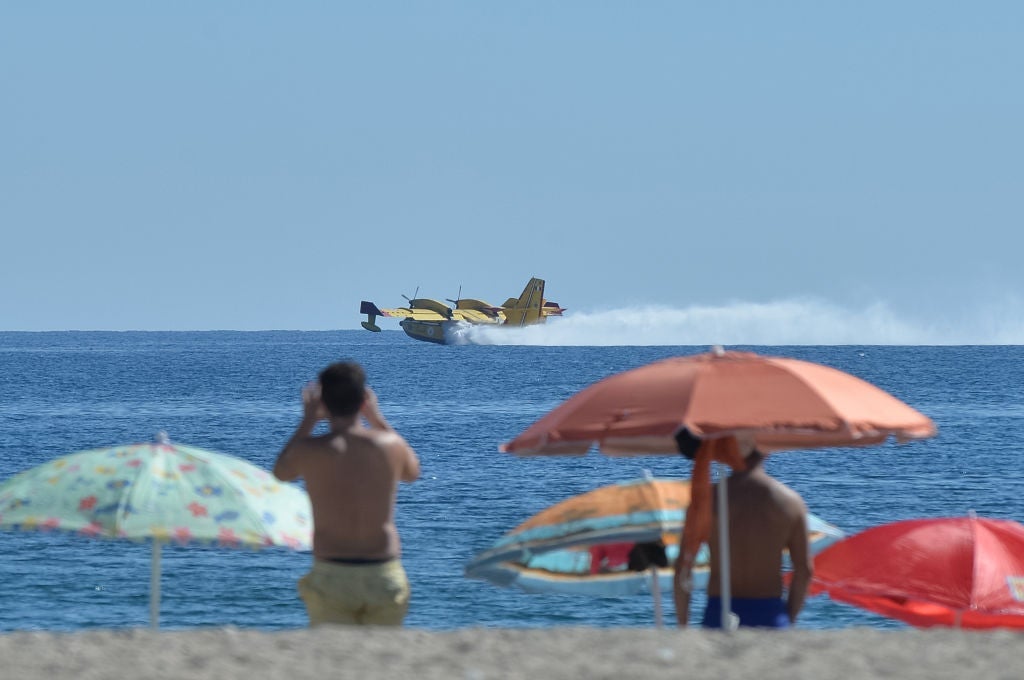
Seaplanes were an obvious choice at a time when airport infrastructure was scarce and precarious. They may have even felt conceptually closer to ocean liners, the prevalent form of long-haul transportation until the 1950s. They survive, even dominate, in some missions, such as search-and-rescue and firefighting — on a summer vacation in the Mediterranean, you may even see a Canadair seaplane scoop up seawater on its way to fighting a coastal wildfire.
But if you want to fly on a seaplane as a passenger, your options are limited.
"Seaplanes don't compete with land-based planes. They are slower and heavier relative to the payloads they can carry. We would lose all the time in a head-on competition, but there are other things we can do well and this is where we operate" says Chuck Perry, chief pilot of Kenmore Air, a seaplane-only airline based in Washington state. (We flew on one of their seaplanes earlier this year, and found the experience magical.)
The Pacific Northwest is one of the places — together with Alaska, the Maldives and some parts of the Caribbean — where seaplanes retain an edge, linking islands and remote, isolated communities to the wider world. In the Maldives, the seaplanes of Trans Maldivian Airways are the only way to get to, for example, the Conrad luxury resort on Rangali Island.
But a conversation with Captain Perry quickly dispels the notion that seaplanes can operate anywhere there is water.
"You have to look at quite a few things to make sure that a location is suitable for seaplane operations: prevailing wind conditions, wind shear and, of course, water conditions," he says. "You need a large amount of free, smooth water to take off!"
Even some sheltered bodies of water such as harbors may not be suitable, since the wake of passing ships may be too much for seaplanes.

"We get often requests from around the world to evaluate proposed locations for seaplane operations and the reality is that, upon close examination, most of them do not meet the requirements. If a place with water does not have seaplane service there is possibly a good reason for it," Perry says.
Another issue with seaplanes is higher maintenance costs due to exposure to saltwater. Every time a seaplane touches saltwater means quite a few hours of cleaning afterwards.
Pilots also need additional training in order to deal with the variable conditions of the water, which adds to the cost.
Rob Ceravolo, a former US Navy fighter pilot and founder of Tropic Ocean Airways, a Miami-based seaplane airline, downplays the role weather variability plays in preventing a wider adoption of seaplanes for commercial operations. "Most of the places we operate in are protected from the open seas and, even if weather conditions prevent us from landing on water, there is always an alternate airport nearby," he says. (The Cessnas operated by the airline have a wheeled landing gear as well as floats.)
The problem is rather public perception, he says: "Many people have an outdated idea of what modern seaplanes are. The turboprop planes we fly, even the single-engined ones, can't really be compared to the more unreliable piston-engined aircraft of other eras."
Ceravolo is in fact a seaplane evangelist. Tropic Ocean Airways, founded in 2009, has expanded from its Caribbean base into more northerly latitudes. It now operates seasonal flights between New York City and the Hamptons, in partnership with Blade (which also flies more traditional airplanes.)
Despite the limitations, the idea of taking seaplanes to large urban markets is making a comeback, albeit a limited one so far.
In Denmark, Nordic Seaplanes operates, since 2016, a regular service between Copenhagen and Aarhus, the country's second-largest city.
Kenmore Air has launched, this spring, an international seaplane service between downtown Seattle (Lake Union) and downtown Vancouver (Coal Harbour), right across the border in British Columbia, Canada. It advertises the service as one hour, downtown to downtown — a case where seaplanes can be an attractive alternative.
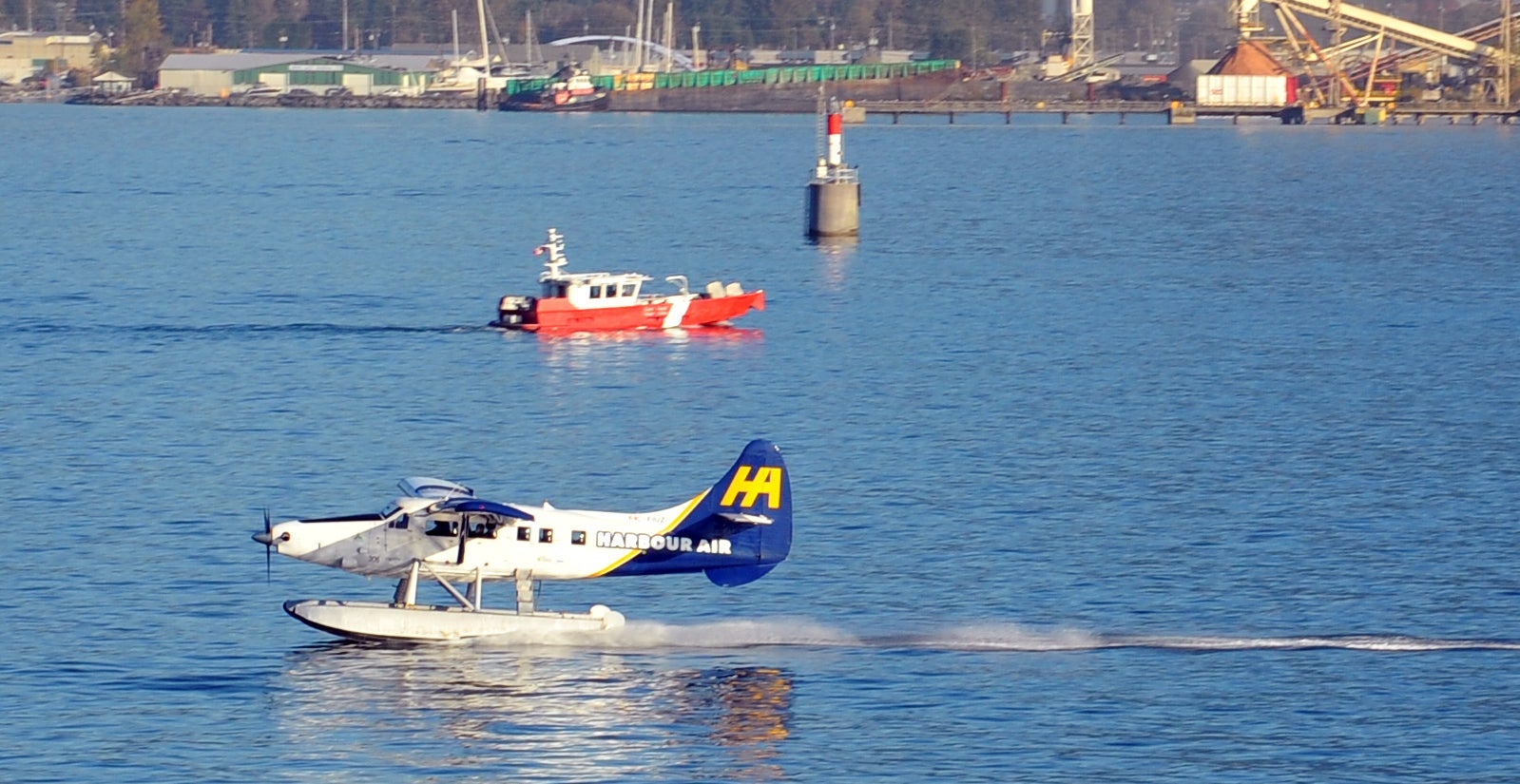
Harbour Air, also in Vancouver, calls itself the world's largest seaplane airline and even has a loyalty program complete with elite tiers. It serves the many islands on the coast of British Columbia, a jumble of fjords and rugged landscapes that constitute possibly the most ideal environment for seaplanes.
Will these services stick?
The jury is still out, but the idea of seaplanes making, eventually, a comeback to the center of large cities has an allure of its own.
TPG featured card

at Capital One's secure site
Terms & restrictions apply. See rates & fees.
| 5X miles | Earn 5X miles on hotels, vacation rentals and rental cars booked through Capital One Travel |
| 2X miles | Earn unlimited 2X miles on every purchase, every day |
Pros
- Stellar welcome offer of 75,000 miles after spending $4,000 on purchases in the first three months from account opening. Plus, a $250 Capital One Travel credit to use in your first cardholder year upon account opening.
- You'll earn 2 miles per dollar on every purchase, which means you won't have to worry about memorizing bonus categories
- Rewards are versatile and can be redeemed for a statement credit or transferred to Capital One’s transfer partners
Cons
- Highest bonus-earning categories only on travel booked via Capital One Travel
- LIMITED-TIME OFFER: Enjoy $250 to use on Capital One Travel in your first cardholder year, plus earn 75,000 bonus miles once you spend $4,000 on purchases within the first 3 months from account opening - that’s equal to $1,000 in travel
- Earn unlimited 2X miles on every purchase, every day
- Earn 5X miles on hotels, vacation rentals and rental cars booked through Capital One Travel
- Miles won't expire for the life of the account and there's no limit to how many you can earn
- Receive up to a $120 credit for Global Entry or TSA PreCheck®
- Use your miles to get reimbursed for any travel purchase—or redeem by booking a trip through Capital One Travel
- Enjoy a $50 experience credit and other premium benefits with every hotel and vacation rental booked from the Lifestyle Collection
- Transfer your miles to your choice of 15+ travel loyalty programs
- Top rated mobile app