Why I renewed our passports in the midst of a pandemic and how long it took

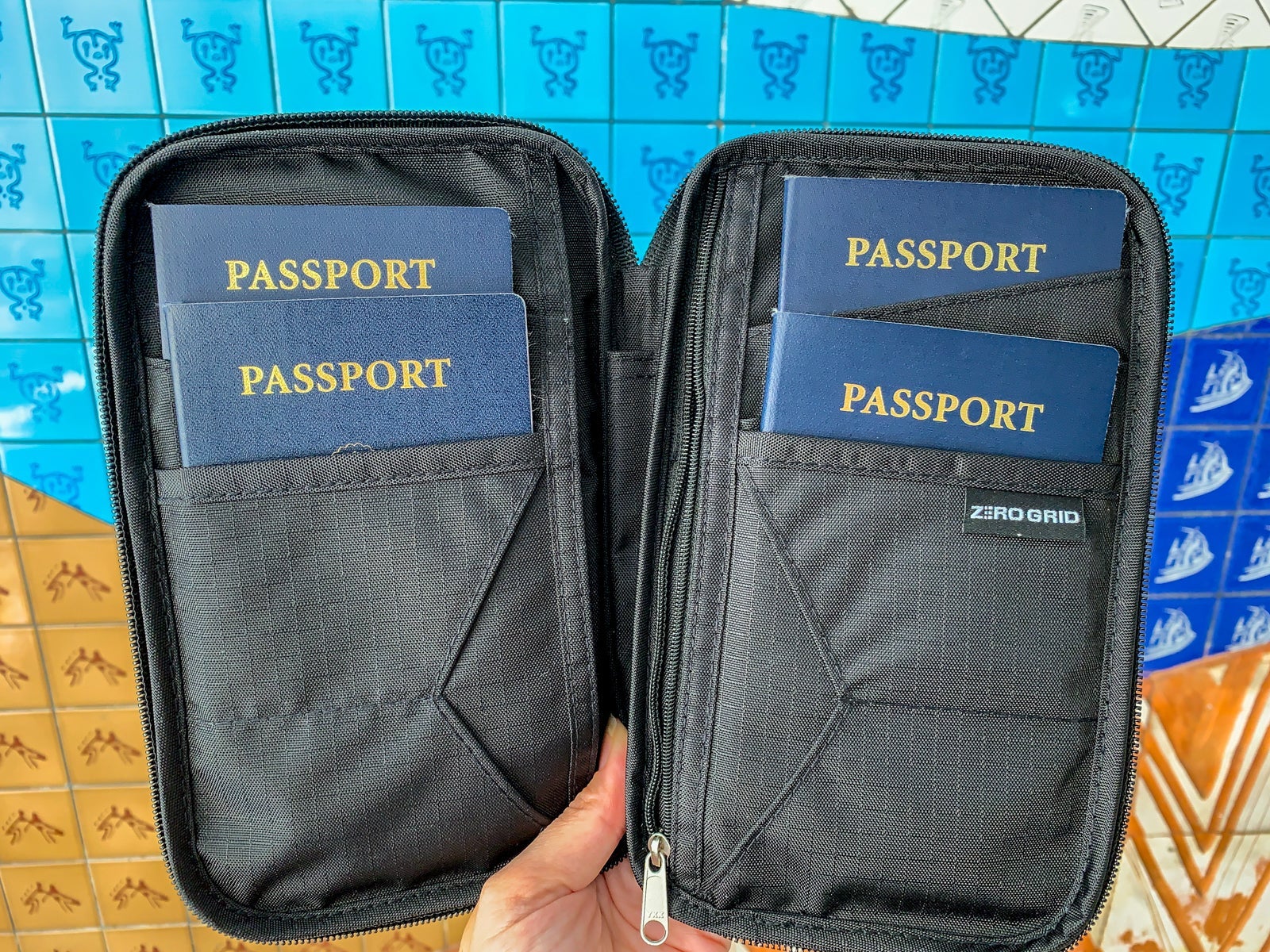
It's been 294 days since we were last outside the U.S.
That international foray was a brief five-hour jaunt to Mexico on a four-night Disney Cruise — but still an important benchmark. In an alternate timeline, we would have collected at least three or four more passport stamps since then with planned trips to Banff in Canada and Europe using points and miles.
Related: Guide to where Americans can travel internationally

Now, however, we don't know for sure when we will leave the country again. Most countries won't take us, and for now, we've taken to keeping our travels closer to home.
Still, time continues on, and my 5-year-old daughter's first passport expired since that cruise. My passport had less than a year left -- which really means less than six months left in regards to many destinations.
So, even though we had no definitive international travel plans, we renewed our passports in the midst of a pandemic for two reasons: one practical, the other rooted in hope. Here's how the process went and how long it took to get our new passports in our hands.
For more TPG travel news and tips delivered each morning to your inbox, sign up for our free daily newsletter.
There's a backlog of passport applications
Close to 1 million U.S. passport applications and renewals are currently waiting to be processed. In the last week of September, there were 176,000 applications submitted and 168,000 successfully processed. That means the U.S. Department of State was struggling to stay ahead of the backlog, and it is taking longer than usual to get a passport right now.
However, expedited service has recently become available once again for an additional fee, and a limited number of in-person appointments for those with urgent international travel within 72 hours are also again available.

Related: Should you renew your passport right now?
When international travel is more readily available, it's likely there will be a surge of travelers realizing they need to update passports that may have expired during the pandemic.
I wanted to get our paperwork in sooner in case things get worse later — either because of the aforementioned surge or, also possibly because we return to a more locked-down state of operations where routine renewals aren't processed at all.
After all, not every acceptance facility is operational. There are a few situations (such as your first passport or for a child's passport) when you have to apply in person, so you need both federal processing to be operational, as well as your local post office, courthouse or other facility to be open so you can apply in person. (Be sure to make an appointment online in advance.)

As you look at your own passport expiration dates, remember that child passports expire after just five years — and most passports aren't all that useful in the last six months of validity.
New passports give us something to look forward to
In addition to simple paperwork reasons, putting on our masks and walking into the post office to renew our passports was done mostly in the name of hope. Hope that there will be future travel opportunities. Hope that our U.S. passports will one day be widely accepted again. Hope that we'll beat this virus.

For my own mental health, I needed to believe that there will be a tomorrow that's better than today. And for me, a part of believing that "normal" will return means actively preparing for its arrival by renewing our passports, continuing to collect points and miles, and dreaming about and researching where to go next.
Related: 6 trips to plan a year in advance
How long it took for our passports to renew
My renewal passport application was sent by mail in mid-August, and it took right at two months to receive the new passport that is ready to rock for almost the next decade. My daughter's passport application that was sent on the same day, took a little over two weeks longer to arrive, but both were within the stated estimated timeframe of up to 10 to 12 weeks.
Bottom line
I don't count countries and I couldn't tell you how many passport stamps my children and I have, but I do treasure all of our travel experiences.
And while there's more than enough to see and do across the U.S. to keep us busy for quite a while, we renewed our passports in the hope that, someday, we'll be able to enjoy new adventures abroad.
TPG featured card

at American Express's secure site
Terms & restrictions apply. See rates & fees.
| 4X | Earn 4X Membership Rewards® points per dollar spent on purchases at restaurants worldwide, on up to $50,000 in purchases per calendar year, then 1X points for the rest of the year. |
| 4X | Earn 4X Membership Rewards® points per dollar spent at US supermarkets, on up to $25,000 in purchases per calendar year, then 1X points for the rest of the year. |
| 5X | Earn 5X Membership Rewards® points on prepaid hotel stays booked through AmexTravel.com or the Amex Travel App™. |
| 3X | Earn 3X Membership Rewards® points on flights booked through AmexTravel.com, the Amex Travel App™, or purchased directly from airlines. |
| 2X | Earn 2X Membership Rewards® points on prepaid car rentals booked through AmexTravel.com or the Amex Travel App™ and cruises booked and paid through AmexTravel.com. |
| 1X | Earn 1X Membership Rewards® point per dollar spent on all other eligible purchases. |
Pros
- Valuable dining and food-related credits
- Flexible rewards with airline and hotel transfer partners
- Multiple travel and purchase protections
- No foreign transaction fees
- Access to Amex Offers for additional savings (enrollment required)
Cons
- Not as useful for those living outside the U.S.
- Some may have trouble using Uber and other dining credits
- You may be eligible for as high as 100,000 Membership Rewards® Points after you spend $8,000 in eligible purchases on your new Card in your first 6 months of Card Membership. Welcome offers vary and you may not be eligible for an offer. Apply to know if you’re approved and find out your exact welcome offer amount – all with no credit score impact. If you’re approved and choose to accept the Card, your score may be impacted.
- Earn 4X Membership Rewards® points per dollar spent on purchases at restaurants worldwide, on up to $50,000 in purchases per calendar year, then 1X points for the rest of the year.
- Earn 4X Membership Rewards® points per dollar spent at US supermarkets, on up to $25,000 in purchases per calendar year, then 1X points for the rest of the year.
- Earn 5X Membership Rewards® points on prepaid hotel stays booked through AmexTravel.com or the Amex Travel App™.
- Earn 3X Membership Rewards® points on flights booked through AmexTravel.com, the Amex Travel App™, or purchased directly from airlines.
- Earn 2X Membership Rewards® points on prepaid car rentals booked through AmexTravel.com or the Amex Travel App™ and cruises booked and paid through AmexTravel.com.
- Earn 1X Membership Rewards® point per dollar spent on all other eligible purchases.
- Pay It® lets you tap in the American Express® App to quickly pay for small purchase amounts throughout the month and still earn rewards the way you usually do. Plan It® gives you the option to split up big purchases into equal monthly payments with a fixed fee. You’ll know upfront exactly how much you’ll pay.
- $120 Dining Credit: Earn up to a total of $10 in statement credits monthly when you pay with the Gold Card at Grubhub (including Seamless), Buffalo Wild Wings, Five Guys, The Cheesecake Factory, and Wonder. This can be an annual savings of up to $120. Enrollment required.
- $100 Resy Credit: Get up to $100 in statement credits each calendar year at over 10,000 qualifying U.S. Resy restaurants after you pay for eligible purchases with the American Express® Gold Card. That’s up to $50 in statement credits semi-annually. Enrollment required.
- $84 Dunkin' Credit: Earn up to $7 in monthly statement credits after you pay with the American Express® Gold Card at U.S. Dunkin’ locations. Enrollment required.
- $120 Uber Cash on Gold: Enjoy up to $120 in Uber Cash annually with your Gold Card. Just add your Card to your Uber account and you'll get $10 in Uber Cash each month to use on orders and rides in the U.S. when you select an Amex Card for your transaction.
- Enjoy complimentary Hertz Five Star® Status benefits like skipping the counter at select locations, adding an additional driver at no additional cost*, and vehicle upgrades**. Benefit enrollment and Hertz Gold+ registration are required. *Additional drivers must meet standard rental qualifications and must be a spouse or domestic partner to qualify as complimentary. Other additional drivers subject to fees. **Benefits are subject to availability and vary by location. Additional Hertz program Terms and Conditions including age restrictions apply.
- Book two nights or more with The Hotel Collection through AmexTravel.com or the Amex Travel App™ and receive a $100* credit towards eligible charges at over 1,400 upscale hotels worldwide. *Eligible charges vary by property.
- Book your travel through the Amex Travel App™ with added peace of mind – backed by American Express® service and support. Only for American Express® Card Members.
- Whenever you need us, we're here. Our Member Services team will ensure you are taken care of. From lost Card replacement to statement questions, we are available to help 24/7.
- No Foreign Transaction Fees.
- Annual Fee is $325.
- Terms Apply.