TUI aircraft ignites at Manchester Airport — how do pilots deal with an engine fire?


Passengers at Manchester Airport (MAN) were left in shock on Saturday after a TUI aircraft suffered an engine fire upon landing.
Emergency services were seen rushing to Manchester Airport's Terminal 2 shortly after the plane landed at 3:45 p.m. from the Spanish island of Menorca. The fire was extinguished by the cabin staff before emergency services arrived at the scene; travelers reported seeing an "enormous" amount of smoke billowing from the right side of the aircraft.
"We can confirm flight TOM2609 from Mahon to Manchester, which was operated by an airline partner, experienced a technical fault on arrival to the stand and was met by the fire service," a spokesperson from TUI said. "We are in contact with the airline to get information about the incident and to confirm when the aircraft can return to service.
"The safety of our passengers and crews on partner airlines always remains our highest priority. The aircraft was completely safe to land, and all passengers have been disembarked. We understand how unsettling it can be when an aircraft is met by emergency services so we will continue to offer our full support."
Each time there is a major accident or incident, one of the first processes to begin is an investigation as to why it happened in the first place.
As is protocol, the airline will now proceed to conduct an investigation into the incident to ensure that the right measures were taken. This will follow the submission of an Air Safety Report by the pilots and airline. The document is designed to track all data and allow the airline or regulator to assess the potential of similar incidents happening in the future and improve safety where required.
"We'd like to apologize to all customers for the inconvenience and thank them for their patience and understanding at this time," the spokesperson said.
Despite the rarity of an engine fire, regulators and Boeing have studied data collected over the last few years and changed the protocols in place regarding how pilots deal with situations like this.
Aviation is always evolving and changing to ensure that it is as safe as it can possibly be. One example of this is how pilots on the Boeing 777 and 787 now deal with an engine fire.

Our pilot columnist Charlie Page explains how fire safety measures have changed and how pilots deal with an engine fire like this one.
[table-of-contents /]
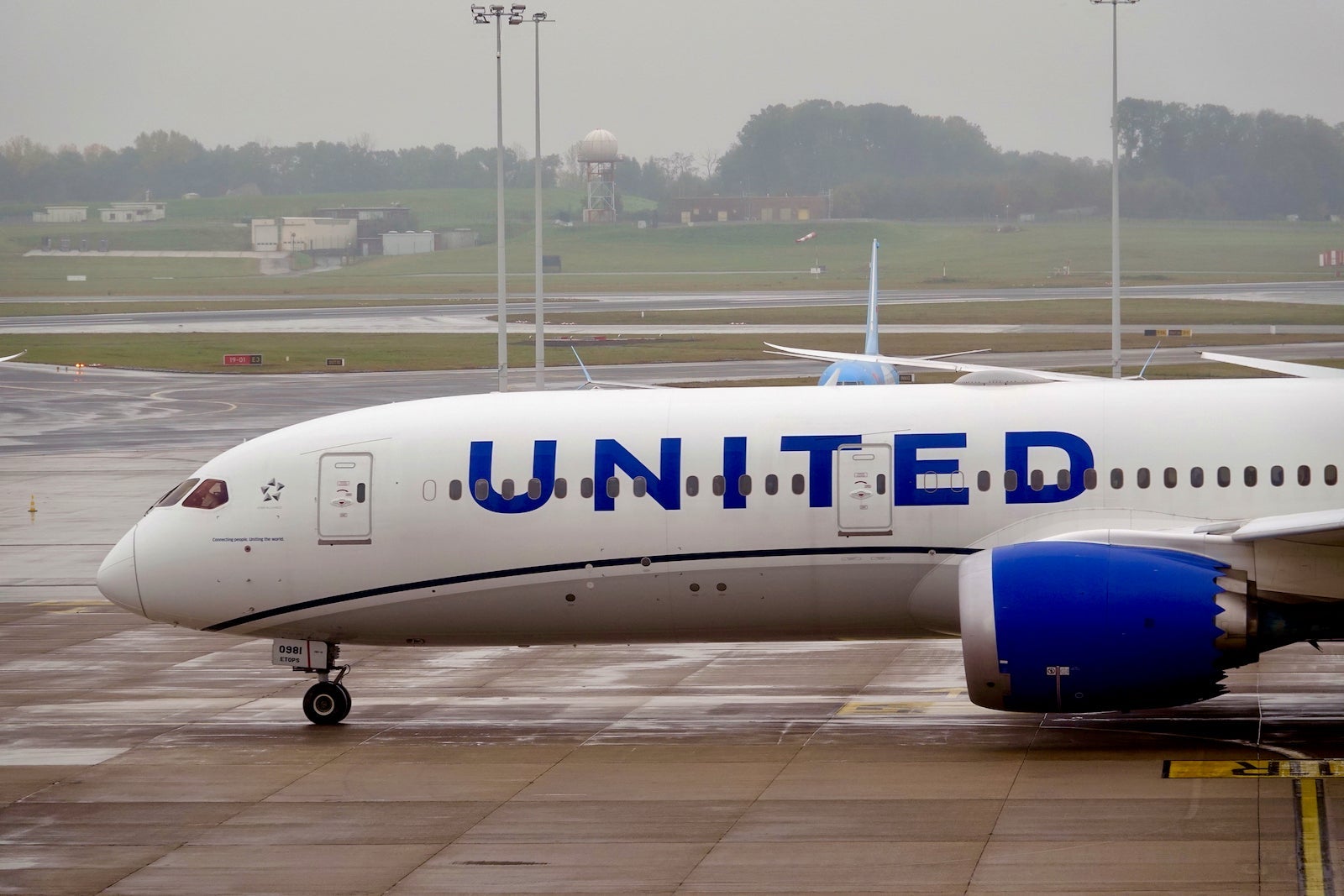
The original safety protocol
Previously, all engine fires were dealt with in the same way. Upon notification of a fire, the Pilot Flying would instruct the Pilot Monitoring to carry out the engine fire drill for the relevant engine. This would involve five actions which were all done from memory:
- Turning off the relevant autothrottle arming switch.
- Bringing the relevant thrust lever to idle power.
- Switching off the relevant engine control switch.
- Pulling the relevant engine fire handle.
- Discharging one or both fire extinguishers into the engine.
This process, done correctly, would take around one to two minutes; the PF would check each selection that the PM was about to make to ensure that they didn't shut down the wrong engine.
After this was complete, the PM would then bring the "Fire Engine" checklist up on one of the cockpit screens to complete the rest of the items.
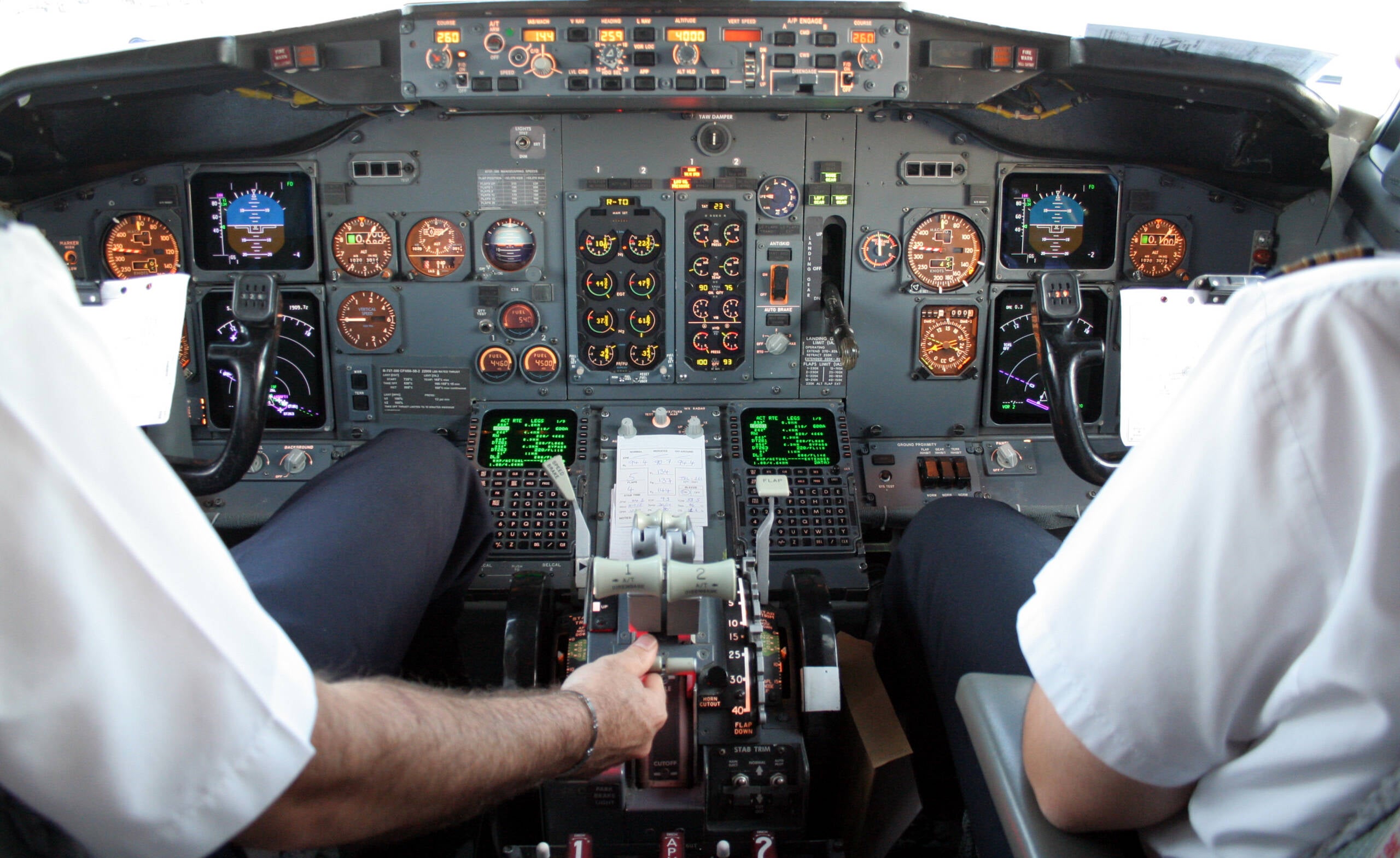
The problem with this process was that the checklist was the same whether the aircraft was in the air or on the ground.
It may come as a surprise to some, but an engine fire in the air isn't as serious a situation as you may think. With the flow of fuel shut off and one extinguisher bottle discharged into the engine after the above process has been completed, the fire would likely go out. Once this is achieved, the pilots have plenty of time.
They would then methodically run through the remaining stages of the checklist and prepare the aircraft for a single-engine landing.
They would then come up with a plan of where to land, explain this to the cabin crew and relay the message to the passengers. Rarely would there be a rush to get to the ground.
On the ground
However, there have been instances of engines catching fire on the ground, particularly during the takeoff run, where the pilots abandon the takeoff run and come to a stop on the runway.
Since the same protocol was applied to planes on the ground, the pilots would carry out the five-step process.
However, researchers discovered the time pressure of an engine fire on the ground wasn't quite the same as in the air.
Related: All you need to know about the pre-flight 'walk-around'
As stated above, on an airborne plane, the flow of air past the engine would ensure that any leaking fuel or flames were blown directly behind the engine into clear air. Once the pilots cut the fuel flow and the extinguisher discharged into the engine, any flames would soon stop, too.
On the ground, the situation is quite different. Once an aircraft comes to a stop, any leaking fuel would pool underneath the engine. In addition, any wind blowing across the aircraft could fan the flames onto the fuselage.
While neither of these elements would be catastrophic, it would mean that, unlike in the airborne case, time was of the essence. It would be imperative that the flight crew initiate an emergency evacuation as soon as possible.
The problem with the earlier protocol was that the checklist still took some time to progress through until the point was reached where it calls for the evacuation.
Pilots are trained to follow the checklist meticulously, not to rush through or get ahead of themselves — and for good reason. One mistake in the middle of a checklist could have a knock-on effect on the next item.
In the meantime, the cabin could start filling with smoke, and panic would break out among the passengers and crew.
So, when it came to engine fires on the ground, the decision to evacuate needed to be made more quickly.
Unannunciated fires
The aircraft is very good at informing pilots if there is a fire in the engine. However, there have been occasions where ground personnel, ATC or pilots observed a fire on other aircraft even when it wasn't indicated to the pilots in the flight deck. In the video clip above, the pilots noticed the fire through their onboard cameras.
One of the main reasons why a fire may not be obvious to the pilots in the flight deck is because it is occurring exactly where the aircraft expects a fire — in the core of the engine where the fuel is ignited to create thrust.
Tailpipe fires
On some occasions, most commonly during engine start, there may be too much fuel in the combustion chamber for the engine to start properly. This could be leftover fuel from the previous flight, or there could be a malfunction of the fuel injection system.
The result is called a tailpipe fire. Even though these tend to look incredibly dramatic, they pose very little risk to the aircraft and its occupants because the fire is occurring in the very part of the engine designed to house fire.
In the case of a tailpipe fire, discharging the extinguisher into the engine won't do anything because the area where the extinguisher enters is not where the fire is. It may even do more harm to the engine than good.
In this situation, pilots need to stop feeding more fuel into the system but still keep the air flowing through the engine to blow out the residual excess fuel.
As in the video above, this will make the fire extinguish itself.
Related: How pilots deal with an engine fire in the climb
The new procedures
Taking all these scenarios into consideration, the best course of action would be to divide the engine fire situation into three separate scenarios:
- Annunciated engine fire in the air (as indicated by displays in the cockpit).
- Annunciated engine fire on the ground (as indicated by displays in the cockpit).
- Unannunciated engine fire on the ground (informed by ATC, ground staff, etc.).
Each of these scenarios has its own checklist to follow, slightly different from the others. This ensures the pilots can take whatever action is best suited for that exact situation.
Annunciated engine fire in the air
Contrary to what you might expect, this has the least time pressure of the three scenarios and the new procedure has only a slight tweak to it.
In this scenario, the pilots conduct the memory items as before. After the first fire extinguisher has been discharged into the engine, the PM brings up the checklist on the screen.
At this point, a 30-second countdown timer will have started in the checklist. If the engine is still showing signs of fire after this time span, the second extinguisher bottle should then be discharged. However, as mentioned before, the likelihood is that with the fuel flow cut off and one extinguisher bottle used, the fire will have gone out by this point.
After this, no further action is taken until the flaps have been retracted (if it happened just after takeoff). At this point, the crew then carries out the remainder of the checklist before coming up with a plan to land.
Annunciated engine fire on the ground
If the pilots are made aware of engine fire by the aircraft systems while on the ground (such as during the takeoff run), the initial actions are the same.
However, thanks to the changes, pilots can make the decision to evacuate sooner.
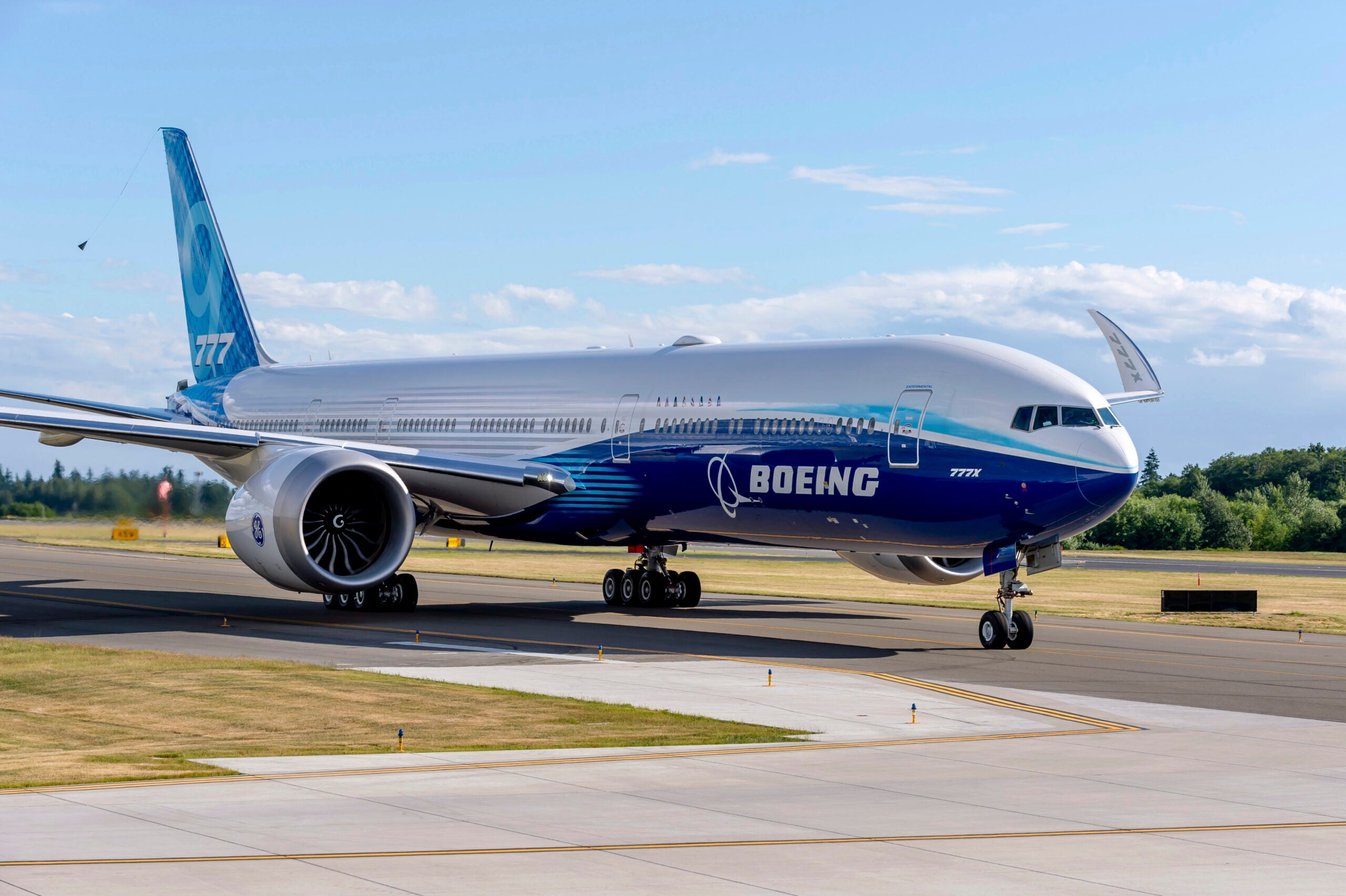
As a result, as soon as the initial actions have been completed from memory, they can then bring up the checklist. The clever part here is that the aircraft knows that it is on the ground, so it brings up the correct checklist straight away.
The key part is that there is no need to waste 30 seconds before discharging the second extinguisher bottle. Instead, that time is used far more effectively by assessing the situation and, if needed, starting an evacuation much sooner.
Related: How do pilots control an emergency evacuation?
Unannunciated fire on the ground
The final checklist is the most different from the previous protocol as there are no actions taken from memory. If notified of a fire by an external information source, like the example above, the crew brings the aircraft to a stop and sets the parking brake.
Then, instead of launching into the memory items, they bring up the checklist and proceed to complete each item in turn.
With the affected engine shut down, the checklist then splits depending if it is a tailpipe fire. If not, it directs the crew to discharge a fire extinguisher and gives them the ability to decide if they need to evacuate.
Bottom line
In the aviation industry, people are constantly learning from mistakes and taking action to ensure these incidents don't happen again. As a result, the procedures that we use to fly the aircraft, both in normal and abnormal situations, are always changing; this ensures that if the worst does happen, pilots and crew are prepared and can keep passengers safe.
Dealing with an engine fire is not something that pilots have to do very often, if ever. That said, the six-month simulator check is the perfect place to practice how these procedures run. This way, should they happen for real, we are well prepared and able to deal with the situation efficiently and safely.
Photo by Nicolas Economou/Getty Images.
TPG featured card

at Capital One's secure site
Terms & restrictions apply. See rates & fees.
| 5X miles | Earn 5X miles on hotels, vacation rentals and rental cars booked through Capital One Travel |
| 2X miles | Earn unlimited 2X miles on every purchase, every day |
Pros
- Stellar welcome offer of 75,000 miles after spending $4,000 on purchases in the first three months from account opening. Plus, a $250 Capital One Travel credit to use in your first cardholder year upon account opening.
- You'll earn 2 miles per dollar on every purchase, which means you won't have to worry about memorizing bonus categories
- Rewards are versatile and can be redeemed for a statement credit or transferred to Capital One’s transfer partners
Cons
- Highest bonus-earning categories only on travel booked via Capital One Travel
- LIMITED-TIME OFFER: Enjoy $250 to use on Capital One Travel in your first cardholder year, plus earn 75,000 bonus miles once you spend $4,000 on purchases within the first 3 months from account opening - that’s equal to $1,000 in travel
- Earn unlimited 2X miles on every purchase, every day
- Earn 5X miles on hotels, vacation rentals and rental cars booked through Capital One Travel
- Miles won't expire for the life of the account and there's no limit to how many you can earn
- Receive up to a $120 credit for Global Entry or TSA PreCheck®
- Use your miles to get reimbursed for any travel purchase—or redeem by booking a trip through Capital One Travel
- Enjoy a $50 experience credit and other premium benefits with every hotel and vacation rental booked from the Lifestyle Collection
- Transfer your miles to your choice of 15+ travel loyalty programs
- Top rated mobile app