Sean Cudahy is an aviation reporter covering news about airlines, frequent flyer programs and consumer travel issues.
February 14, 2026 • 7 min read
The cards we feature here are from partners who compensate us when you are approved through our site, and this may impact how or where these products appear. We don't cover all available credit cards, but our analysis, reviews, and opinions are entirely from our editorial team. Terms apply to the offers listed on this page. Please view our advertising policy and product review methodology for more information.Editorial disclaimer: Opinions expressed here are the author's alone, not those of any bank, credit card issuer, airline or hotel chain, and have not been reviewed, approved or otherwise endorsed by any of these entities.
Comments
By commenting, you agree to our Community Guidelines to help create a positive space for conversation. The responses below are not provided or commissioned by the bank advertiser, our partners, or The Points Guy (“TPG”). They have not been reviewed, approved, or otherwise endorsed by any of these parties. All responses are submitted by individual contributors, and neither the bank advertiser, our partners, nor TPG are responsible for ensuring that all posts and/or questions are answered.
Related stories
Quick summary
A partial federal government shutdown has begun, but major air travel disruptions are not expected immediately.
Most Transportation Security Administration and Customs officers are still working, though without pay, which could eventually impact airport security and passport control wait times if the shutdown persists.
Air traffic control and national parks remain unaffected, as their agencies have already secured funding.
Travelers are advised to monitor airport operations and consider arriving earlier than usual for flights.
What to consider
Extended shutdowns may lead to increased security checkpoint wait times due to potential staffing shortages.
Real-time wait time tracking tools may not function during a shutdown, so travelers should rely on airport social media updates.
Global Entry and Mobile Passport Control can help expedite entry for international arrivals, but standard lines may be longer.
What you'll miss from the article
Detailed guidance on using expedited security and passport programs, plus tips for navigating airport operations during a government shutdown.
Generated by AI with support from our editorial team.
Well, here we go again. Travelers heading to the airport this weekend face plenty of uncertainty after part of the federal government shut down overnight.
The good news: Air travel disruptions shouldn’t be anywhere near as bad as we saw last fall during the longest government shutdown in history.
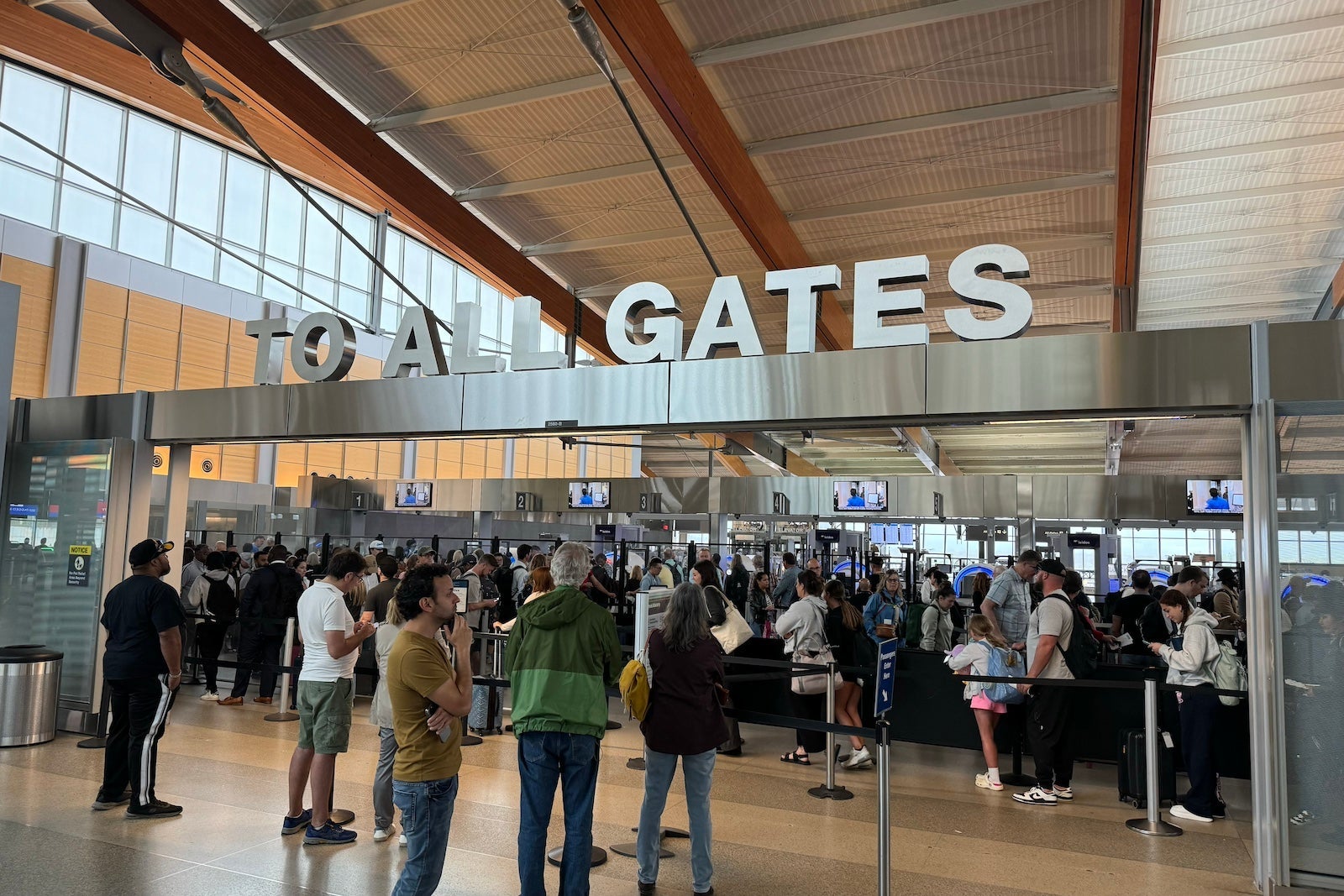
But if this latest stalemate continues, it could (eventually) lead to long lines at airport security checkpoints.
What happened?
Shortly after midnight Saturday, the U.S. Department of Homeland Security ceased many of its operations after lawmakers on Capitol Hill were unable to reach a funding agreement.
TSA working without pay
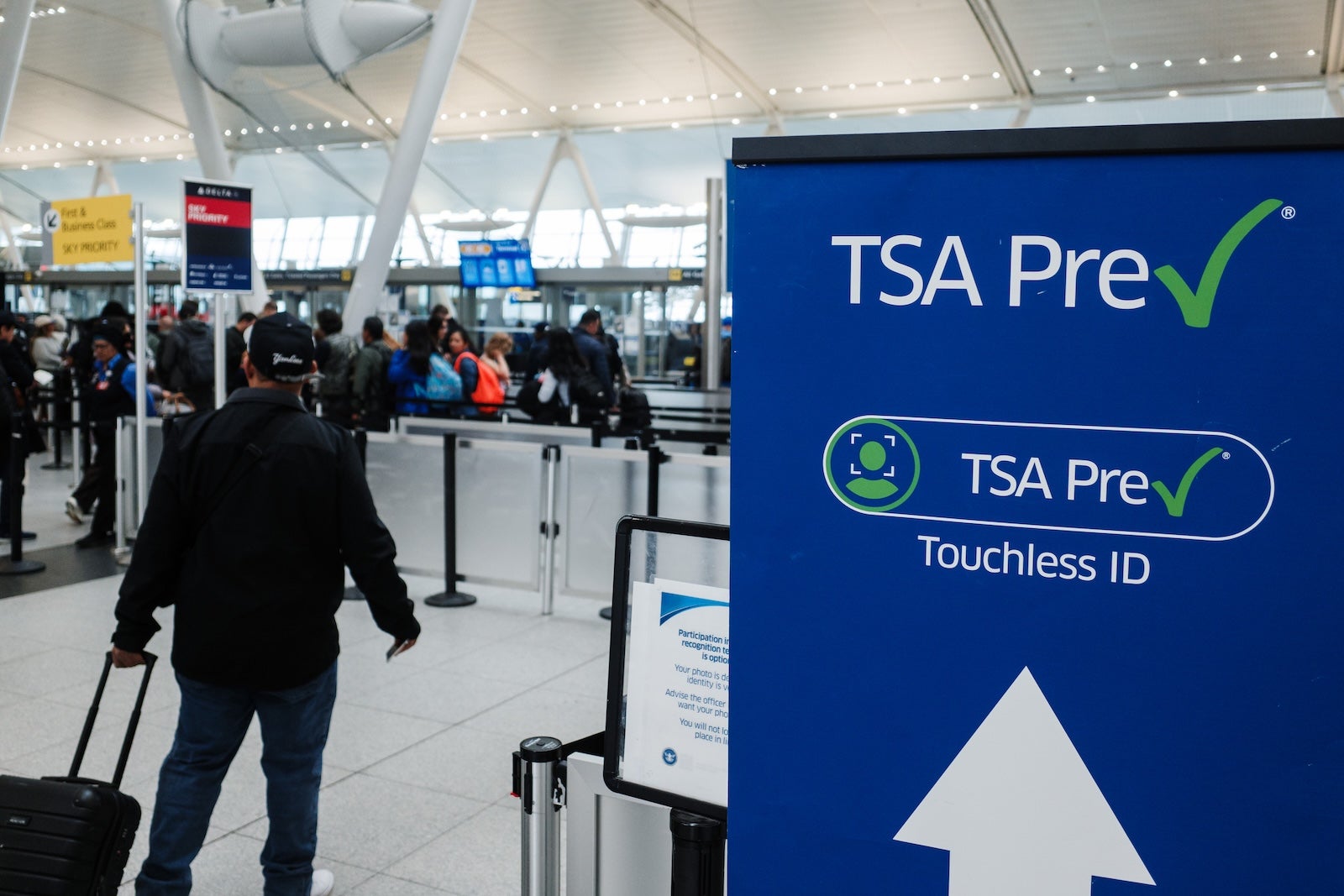
While much of the current debate in Washington has surrounded U.S. Customs and Immigration Enforcement, the DHS also oversees an agency critical to airport operations: the Transportation Security Administration.
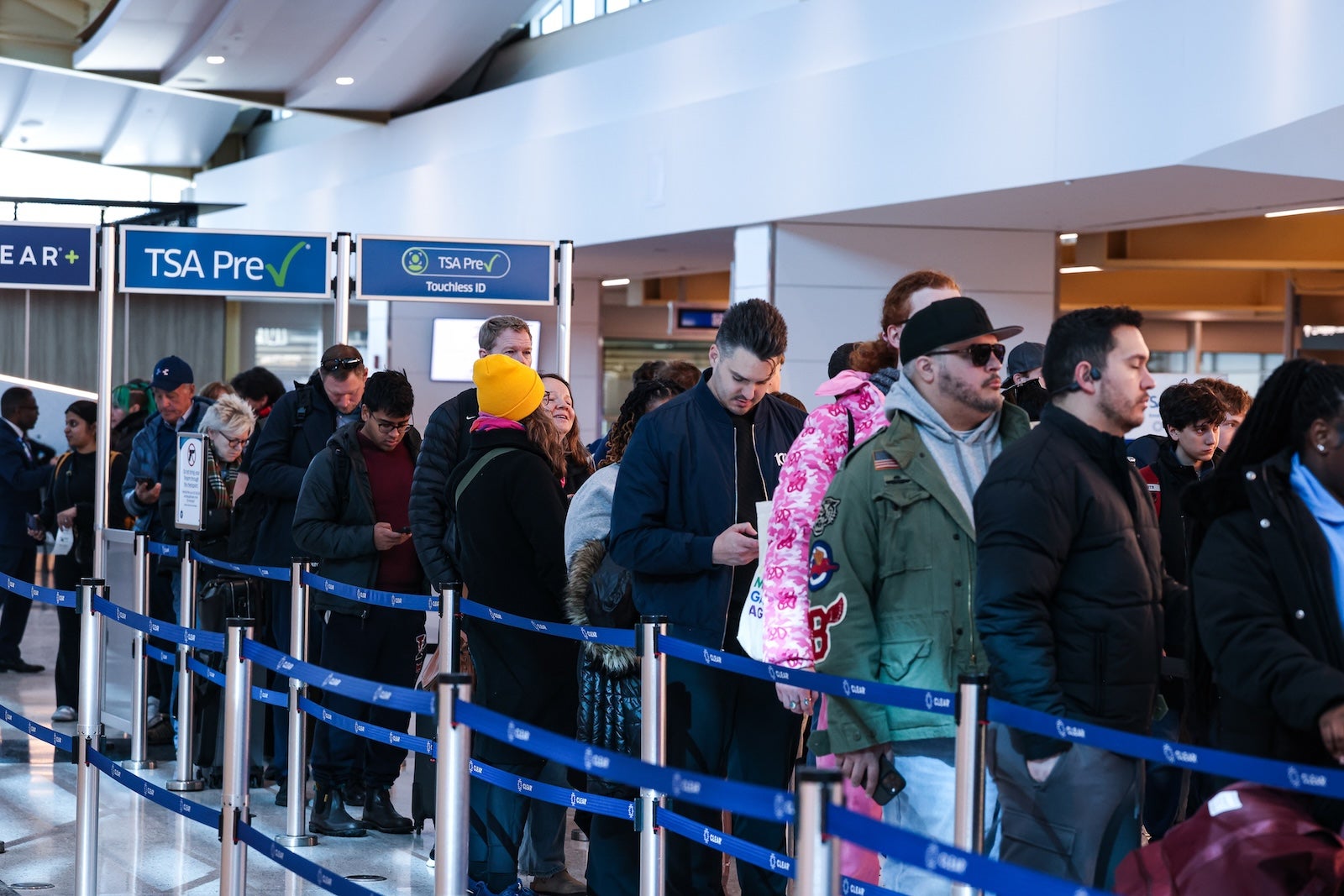
Now, 95% of TSA employees are considered essential federal workers. So, you certainly won’t see airport checkpoints close down. Officers will (once again) be expected to report to work without the promise of an immediate paycheck.
Will they keep showing up?
That's always the big question when you ask people to work without pay.
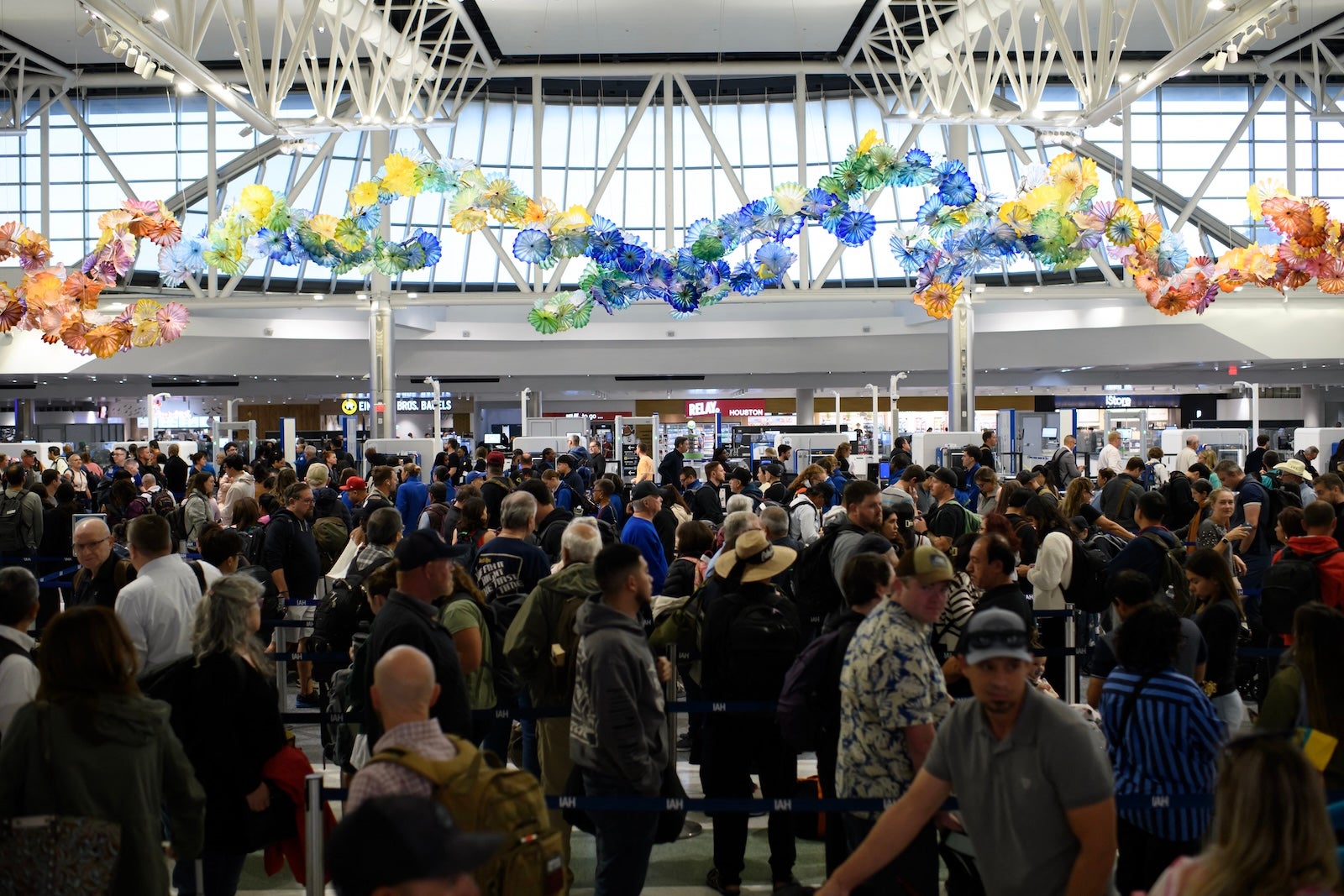
Weeks into last fall’s government shutdown, there was a rash of callouts at one point in Houston, which led to multihour security backups both at George Bush Intercontinental Airport (IAH) and William P. Hobby Airport (HOU).
Crowds stand in line at a TSA checkpoint in Houston amid the fall 2025 government shutdown. MARK FELIX/AFP/GETTY IMAGES
But by and large, TSA checkpoints generally ran smoothly, leaving hope that travelers should avoid major delays — though, as we’ve seen in past shutdowns, the longer things drag out, the more the impacts tend to grow.
What about customs at airports?
We’ll also be keeping a close eye on wait times at airport passport control centers.
Those are staffed by U.S. Customs and Border Protection officers — part of DHS — who, like TSA officers, will have to work without pay until the department is back up and running.
U.S. Customs and Border Protection passport control at Dallas Fort Worth International Airport (DFW). SEAN CUDAHY/THE POINTS GUY
Flight delays unlikely
Here’s the good news: Unlike the fall government hiatus, we shouldn’t see mass flight cancellations and delays.
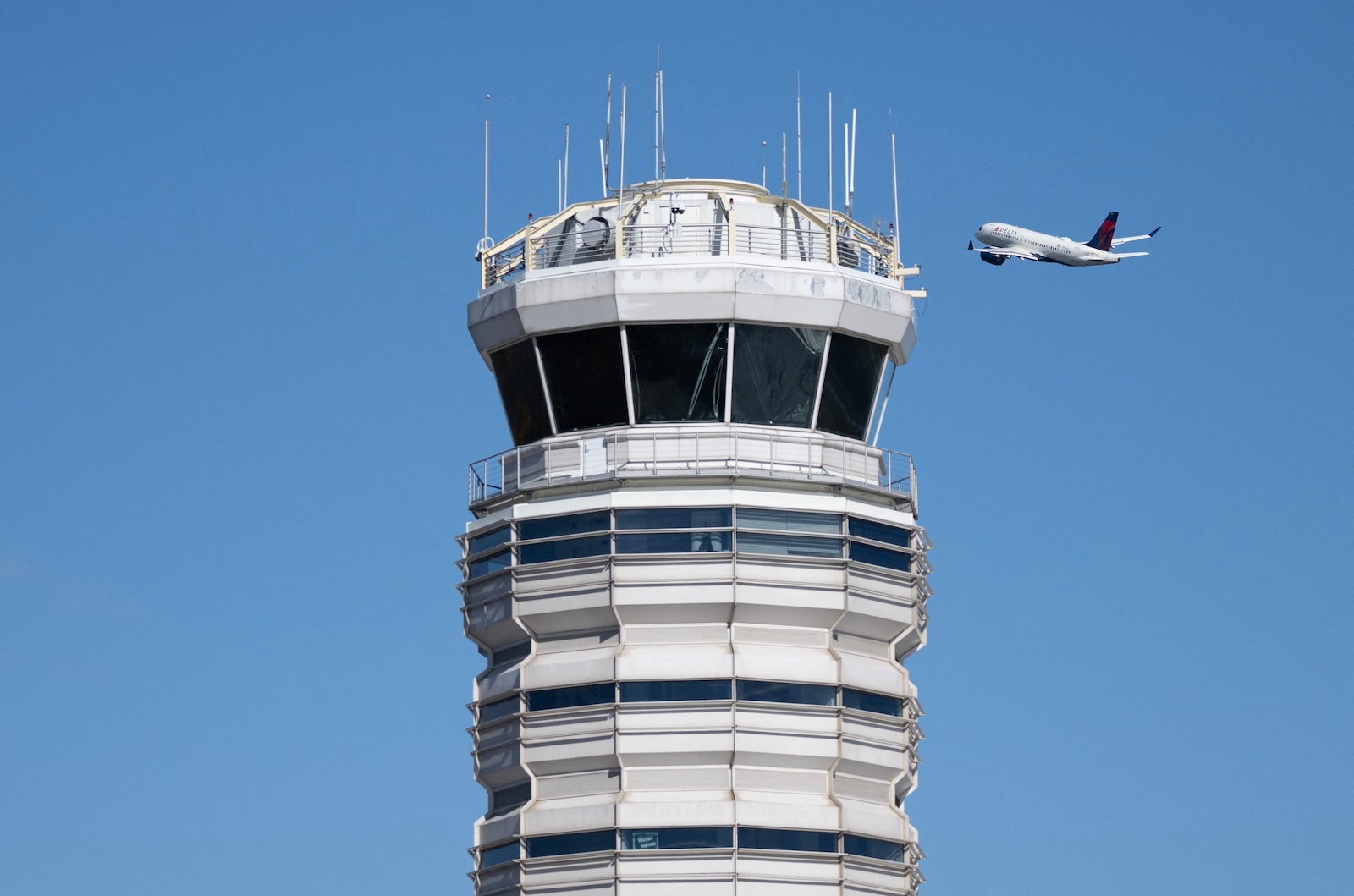
Congress has already funded the U.S. Department of Transportation, which oversees the Federal Aviation Administration and air traffic control.
Control tower at Ronald Reagan Washington National Airport (DCA). ANDREW CABALLERO-REYNOLDS/AFP/GETTY IMAGES
That means the workers in our control towers and FAA facilities won’t have to work without pay like they did in the fall, which is what fueled the mass work callouts and resulting air travel woes.
National parks won't close
National parks will also remain open since the U.S. Department of the Interior is already funded. So will popular federally funded landmarks and attractions like the Smithsonian museums in Washington.
What should you do if you’re flying?
If I were flying in the coming days, I would closely monitor reports about airport operations for any word of major TSA backups.
It certainly couldn’t hurt to get to the terminal a little earlier than you otherwise would. Follow the airport you’re flying out of on social media for any alerts about longer-than-expected wait times.
But don’t count on the ordinarily handy MyTSA app, which usually tracks live checkpoint wait times but didn’t function during last fall’s shutdown.
If you’re flying into the U.S. from abroad, Global Entry remains the gold standard for getting through passport control quickly.
But if you’re not a Global Entry member, you can still shortcut the line at many international hubs by using the complimentary Mobile Passport Control program.
Long-term concerns
While there’s plenty of hope that this smaller-scale partial government shutdown won’t lead to widespread travel delays, concerns remain for the long term.
In a report to Congress this week, the TSA’s top leader said last fall’s shutdown led to a 25% spike in officers leaving the agency’s workforce.
That came as the TSA aimed to staff up ahead of this summer’s FIFA World Cup in the U.S., raising concerns about security backups.
“Another shutdown would severely impact TSA’s ability to meet these personnel needs,” Ha Nguyen McNeill, the TSA's acting administrator, said Wednesday.
By commenting, you agree to our Community Guidelines to help create a positive space for conversation. The responses below are not provided or commissioned by the bank advertiser, our partners, or The Points Guy (“TPG”). They have not been reviewed, approved, or otherwise endorsed by any of these parties. All responses are submitted by individual contributors, and neither the bank advertiser, our partners, nor TPG are responsible for ensuring that all posts and/or questions are answered.