What happens if my cruise line changes my itinerary or ship?


Imagine that the Caribbean cruise you've been looking forward to suddenly becomes a voyage to Canada and New England instead. Or that the ship you booked isn't the one on which you'll actually be sailing.
It's not common, but it's possible for a cruise line to make changes to your sailing after you've booked or even after you've set sail — which is why it's so important to be flexible when you're a passenger.
Here, I'll walk you through what happens when a cruise line alters itineraries or shuffles vessels to new locations, what you're owed if changes occur, and some steps you can take to protect your booking.
My cruise line changed my itinerary
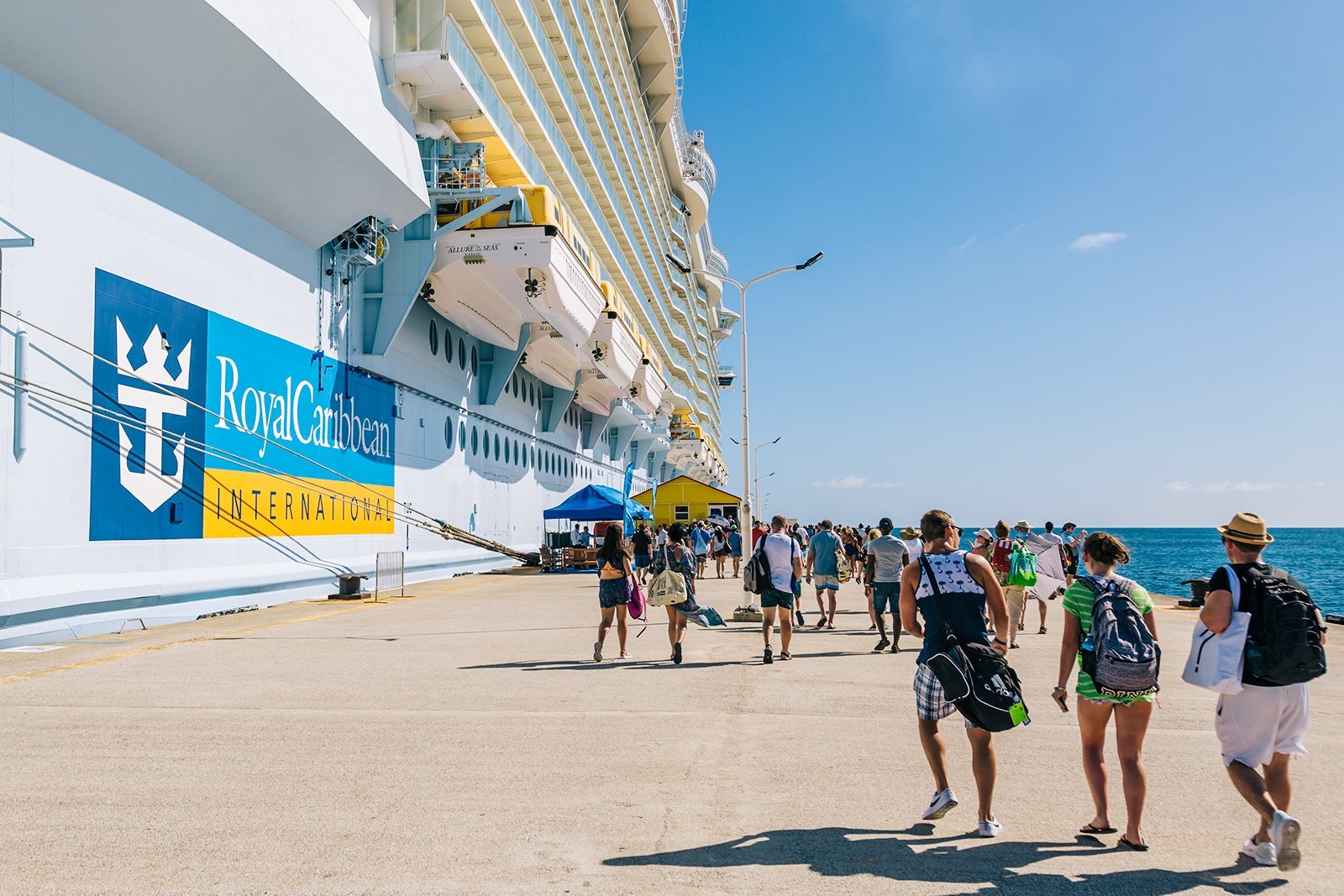
Why it could happen
There are many reasons why a cruise itinerary might change. They include inclement weather that forces a ship to avoid dangerous conditions, medical emergencies that require your vessel to divert to the nearest port of call, port closures, ship mechanical issues, scheduling conflicts and a host of other causes.
What to expect if it does
Because itinerary changes often involve time, money, and a big logistical and customer service nightmare, cruise lines will do all they can to avoid making alterations on a whim. If major tweaks are necessary due to foreseen events, they're usually made well in advance, allowing passengers to change their plans if they wish.
In those cases, passengers can expect to receive notice through their travel agents or via correspondence (likely email) from the cruise line.
In cases where last-minute changes are necessary, passengers will either be notified through one of the methods mentioned above or through public address announcements or in-cabin letters if the sailing is already underway.
Itinerary changes can range from minor to sweeping. If it's the former, you might see the ports from your original itinerary show up in a different order. You might also see one port skipped and replaced with another or with a sea day.
In the most extreme cases — particularly those involving tropical storms during hurricane season — I've seen entire regions scrapped and replaced with something else. For example, a Canada and New England voyage might replace one that had been scheduled to visit the Caribbean.

What am I owed?
Per the terms of the cruise contract to which you consent before sailing, cruise lines do not owe you compensation if they alter your itinerary. If changes are made, you will be refunded for any shore excursions you booked through the cruise line that were to take place in the ports you're skipping. (Check with your tour provider directly if you've booked a third-party excursion.)
In most cases, you will also be refunded for the taxes and fees levied by the missed ports. However, if alternative ports are substituted, you might not get your money back.
Cruise lines sometimes offer compensation as a goodwill gesture, but you shouldn't expect it. I've seen it range from a small amount of onboard credit or partial future cruise credits to full refunds and, in extreme cases, full refunds plus free future cruises.
If the itinerary change is major and announced prior to your sailing, a cruise line might give booked passengers the opportunity to cancel or reschedule their cruise without incurring the usual penalties.
My cruise line changed my ship
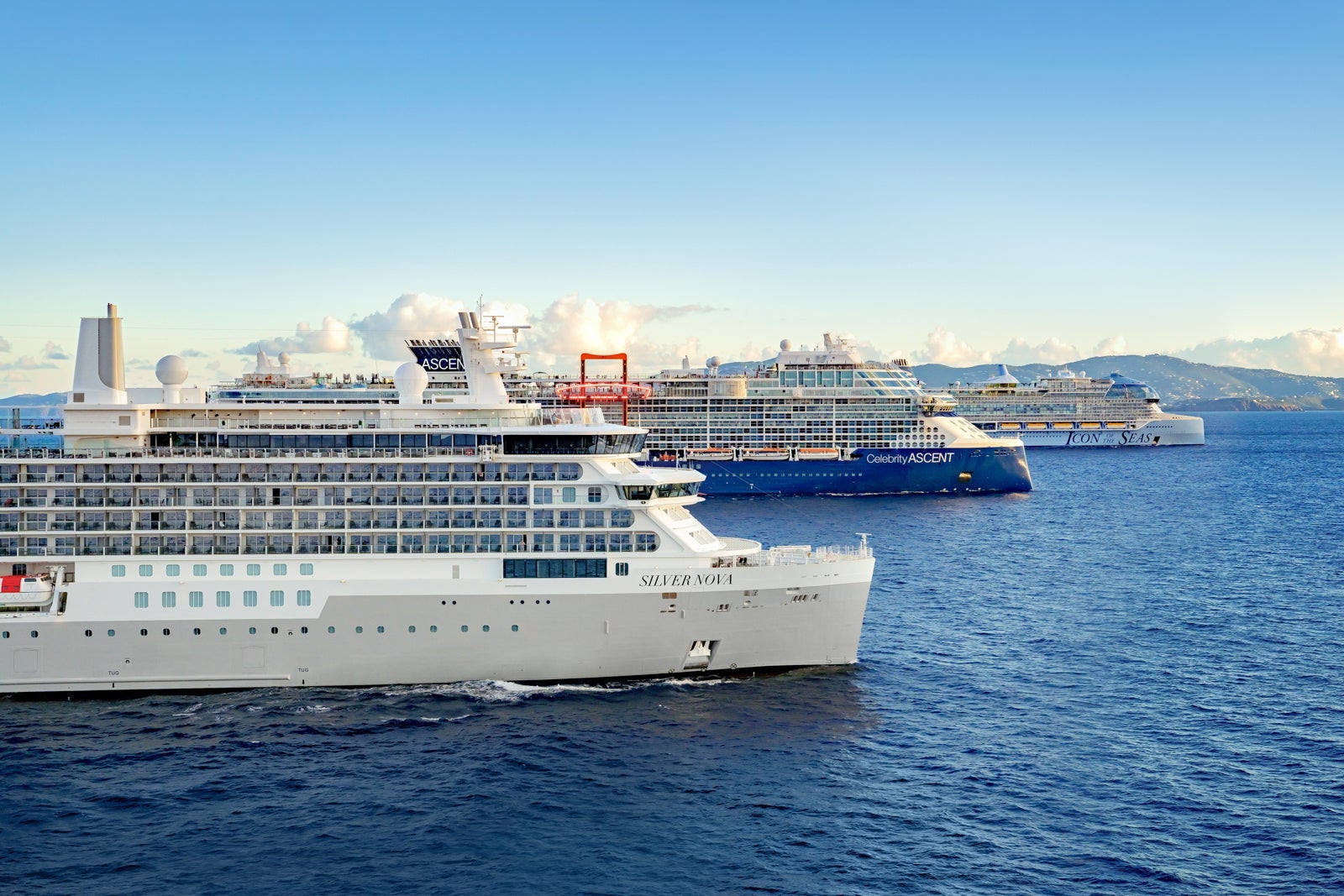
Why it could happen
As with itinerary changes, ship changes can be made for a number of reasons. However, they're most common when a cruise line releases new deployments for its vessels, causing several of them to shift to new home ports or regions.
The swapping of a ship can also be necessary when a vessel is scheduled to undergo routine dry-dock maintenance or if it experiences major mechanical malfunctions that prevent it from sailing safely or at a speed that allows it to complete its scheduled itineraries with regularity.
What to expect if it does
Cruise lines don't take the switching of hardware lightly and will avoid it whenever possible. Because the reasons for ship changes are generally more widespread, sometimes causing a ripple throughout the entire fleet, they're rarer than itinerary changes.
Because dry docks and redeployments are almost always planned events, passengers usually receive plenty of notice. If this happens to you, your travel agent or the cruise line should notify you.
Vessel changes almost never occur after a cruise has begun unless there are major mechanical problems or some sort of evacuation is needed.
What am I owed?
Although some cruise lines might owe you compensation if a ship swap takes place due to a mechanical breakdown where the line is found to be at fault, it's unlikely that you'll be compensated for a vessel change prior to your scheduled voyage.
Again, cruise lines might choose to compensate passengers in various ways, from onboard credit to free cruises, but it shouldn't be an expectation.
The chance of you receiving something for your troubles depends on several factors, including how far in advance the changes were made, the reasons they were made and the ship to which your booking is being moved. (If, for example, you were booked on the line's newest vessel and suddenly find yourself on its oldest, the line is more likely to offer you something to offset the lack of onboard amenities for which you originally paid.)
How can I protect my booking?

Stay informed
For starters, it's a good idea to book your sailing through a travel agent. The agent will serve as a point of contact between you and the cruise line if something goes wrong during your trip. The agent can advocate on your behalf so you don't have to deal with the headache yourself and can relay information from the cruise line to you if alterations are made to your ship or the places you'll visit.
The best way to know what your options are when you book any cruise is to read the fine print. It's available in your cruise contract, which you can access during the precruise online check-in process. It's tedious, but the contract outlines what your rights are and the conditions under which you are owed a refund by your cruise line in the event of changes to the voyage you booked.
Another excellent source of information is your cruise line's cancellation policy. The rules for what happens when a cruise line cancels a sailing are often different from those that apply if you, the passenger, opt to cancel. Familiarizing yourself with both of these will help you to better understand your options and entitlements.
Consider travel insurance
Travel insurance is another way to protect your vacation investment. I recommend a policy that's purchased from a third party (not the cruise line) and includes "cancel for any reason," trip interruption and trip cancellation coverage.
If your cruise line changes something about your sailing and you no longer wish to go, a "cancel for any reason" travel insurance policy can help you to recoup any costs that can't be fully refunded by your cruise line when you cancel. A regular insurance policy would not cover costs for a trip you choose to cancel because you don't like the ship or itinerary changes.
However, most insurance plans can help you to be reimbursed for all or part of what you paid if changes to your sailing result in delays.
Note that you will also have to insure other travel arrangements linked to the trip, such as pre- or post-cruise flights and hotel stays, if you want them to be covered.
Bottom line
The best approach to take with any cruise is to know that, although it's unlikely, anything can change at any time, and you generally won't be compensated.
If you have your heart set on visiting a particular place, it's best to plan a land-based trip to that location. Also, make sure that you understand the cancellation policies and fine print for the cruise you're booking and those for any third-party excursions you're booking in case your sailing is altered.
Above all, try to make the most of your sailing, whether it's the one you expected or something a bit different. Remember: You're still on a cruise.
Planning a cruise? Start with these stories:
- The 5 most desirable cabin locations on any cruise ship
- A beginners guide to picking a cruise line
- The 8 worst cabin locations on any cruise ship
- A quick guide to the most popular cruise lines
- 21 tips and tricks that will make your cruise go smoothly
- 15 ways cruisers waste money
- Best cruises for people who never want to grow up
- What to pack for a cruise
TPG featured card

at Capital One's secure site
Terms & restrictions apply. See rates & fees.
| 5X miles | Earn 5X miles on hotels, vacation rentals and rental cars booked through Capital One Travel |
| 2X miles | Earn unlimited 2X miles on every purchase, every day |
Pros
- Stellar welcome offer of 75,000 miles after spending $4,000 on purchases in the first three months from account opening. Plus, a $250 Capital One Travel credit to use in your first cardholder year upon account opening.
- You'll earn 2 miles per dollar on every purchase, which means you won't have to worry about memorizing bonus categories
- Rewards are versatile and can be redeemed for a statement credit or transferred to Capital One’s transfer partners
Cons
- Highest bonus-earning categories only on travel booked via Capital One Travel
- LIMITED-TIME OFFER: Enjoy $250 to use on Capital One Travel in your first cardholder year, plus earn 75,000 bonus miles once you spend $4,000 on purchases within the first 3 months from account opening - that’s equal to $1,000 in travel
- Earn unlimited 2X miles on every purchase, every day
- Earn 5X miles on hotels, vacation rentals and rental cars booked through Capital One Travel
- Miles won't expire for the life of the account and there's no limit to how many you can earn
- Receive up to a $120 credit for Global Entry or TSA PreCheck®
- Use your miles to get reimbursed for any travel purchase—or redeem by booking a trip through Capital One Travel
- Enjoy a $50 experience credit and other premium benefits with every hotel and vacation rental booked from the Lifestyle Collection
- Transfer your miles to your choice of 15+ travel loyalty programs
- Top rated mobile app