6 tips to get the most out of a tank of gas

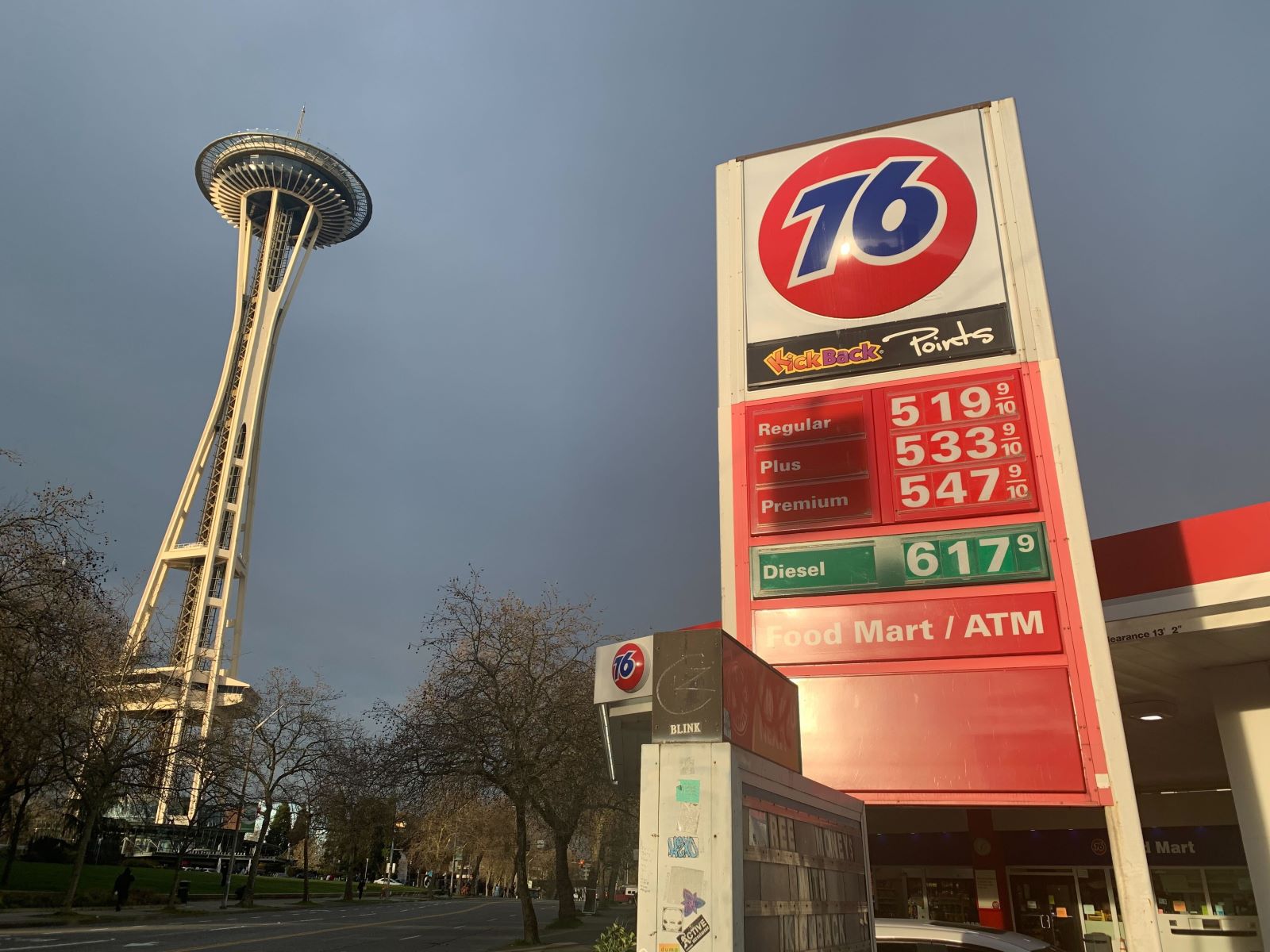
A year ago, the average national price for a gallon of gas was $2.86, according to AAA. Now, the average national price for a gallon of gas is $4.10. This increase in fuel prices has been difficult for motorists, especially those who rely on their vehicles to make a living.
TPG has shared ways that you can save on gas using a variety of creative methods, including paying with the best credit cards for gas purchases and using third-party applications like GasBuddy.
In this post, we'll share a few ways that you can save money by getting the most out of a tank of gas. You can begin to incorporate these tips now and save on fuel without getting a new car.
[table-of-contents /]
Obey speed limits

We get it: Most of us drive about 10% to 15% higher than the published speed limit. Speeding, of course, is primarily a safety concern, but it also can increase your fuel consumption.
A recent Consumer Reports study measured fuel consumption at 55, 65 and 75 mph in a Nissan Altima and Toyota RAV4. Results indicate that driving at 55 mph instead of 65 mph improved fuel economy by 6 mpg in the Altima and 8 mpg in the RAV4. Meanwhile, driving at 75 mph instead of 65 mph took an additional 7 mpg in the Altima and 6 mpg in the RAV4.
As Consumer Reports puts it, "Speeding up from 55 to 75 mph is like moving from a compact car to a large SUV."
Related: Costco lovers: Consider the Costco Anywhere Visa® Card by Citi
Drive conservatively
AAA encourages drivers to avoid "jack rabbit" starts, rapid acceleration and hard braking.

By driving with a lead foot, you can lower your fuel economy by 15% to 30% at highway speeds and 10% to 40% in stop-and-go traffic.
Consumer Reports also encourages motorists to maintain a steady pace once they're up to speed. If the car in front of you slows down and accelerates again, you have space to maintain a steady speed. When you brake, you're forfeiting the fuel that you used to get up to speed.
Likewise, the harder that you accelerate, the more fuel you use. An efficient driver is smooth and anticipates the movement of traffic. By driving smoothly, you also extend the life of your engine, transmission, brakes and tires, according to Consumer Reports.
Related: 7 mistakes every road tripper makes at least once
Keep tires rotated and inflated to an ideal pressure
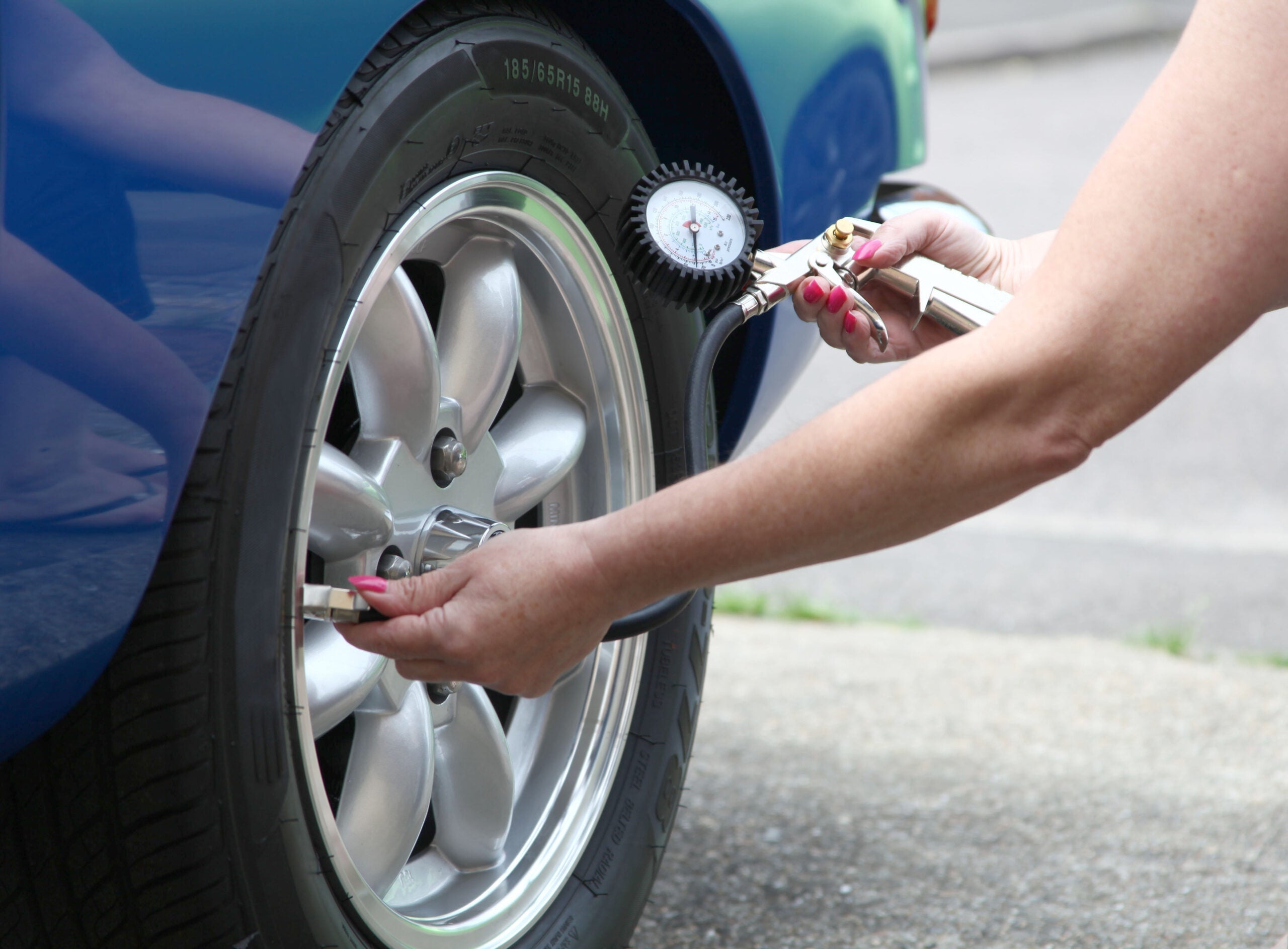
State Farm suggests having your tires rotated every 5,000 to 8,000 miles. By rotating your tires, you'll help evenly distribute the wear and tear, which saves you money on tires.
In addition, tires that are underinflated tend to decrease gas mileage. Take this as a reminder to make sure your tires are inflated to the manufacturer's maximum.
Related: The 19 national parks every traveler needs to see at least once
Avoid excessive idling
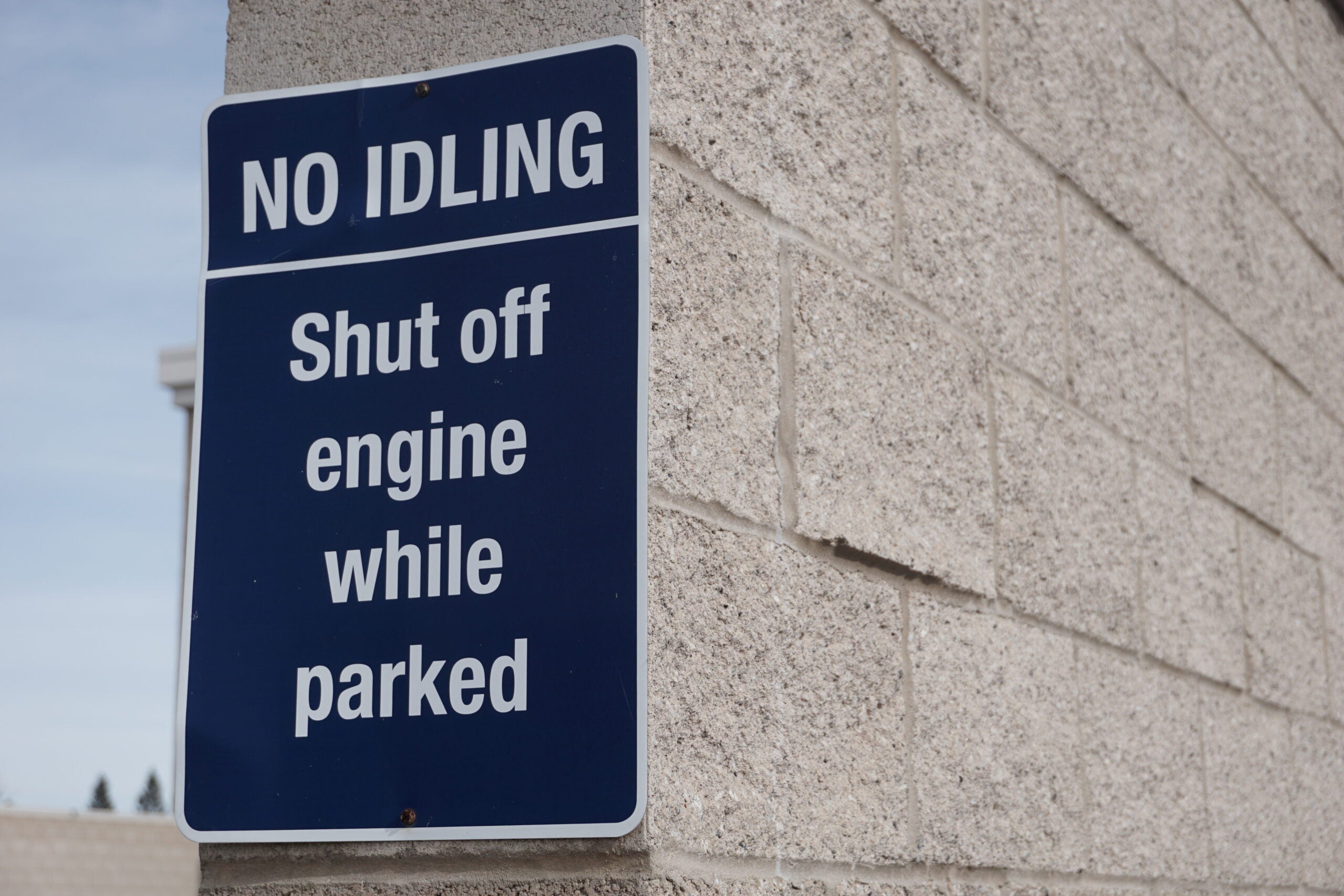
According to AAA, a car engine sips from a quarter to half a gallon of gas per hour when idling. A warm engine only takes around 10 seconds' worth of fuel to restart. Though your car's automatic stop/start engine feature might do it automatically, AAA suggests shutting off your engine when you're going to be stopped for more than a minute, when it's safe to do so.
Related: Best credit cards that offer roadside assistance in 2022
Combine trips
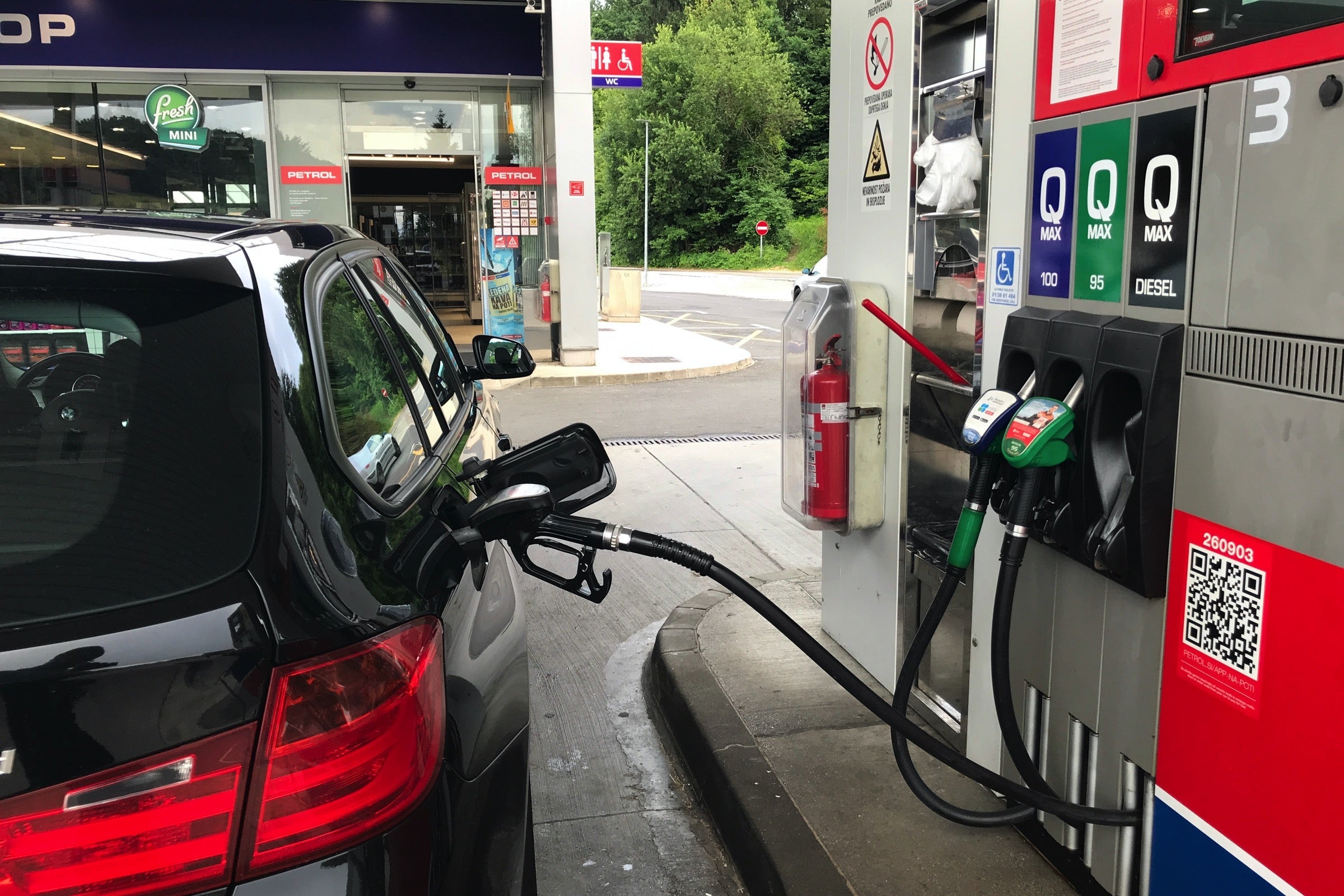
Toyota suggests combining all your trips into one to save fuel. Mapping out an efficient errand route saves time and gas, particularly in winter months when warming up your engine takes more gas. By combining your trips into one, you can avoid unneeded and costly warmups.
Related: Gas prices are surging: Here's how I save $1,000 per year on gas fill-ups
Watch your aerodynamics

Consumer Reports notes that 50% of engine power goes to overcoming aerodynamic drag at highway speeds.
Open windows and vehicle accessories add to aerodynamic drag and reduce fuel efficiency. A study was conducted with two mountain bikes on a roof rack on a Nissan Altima and Toyota RAV4. With the roof rack and mountain bikes, the Altima lost 13 mpg, going from 46 mpg to 33 mpg. The RAV4 lost 7 mpg, dropping to 32 mpg from 39 mpg.
And even without the bikes, the Altima lost 5 mpg while the RAV4 dropped 2 mpg by driving at highway speeds with an empty roof rack.
You might think that you'd be better off opening your car's window as opposed to using the air conditioner. But a study from SAE International shows that an open window at highway speeds decreases efficiency by around 20%. On the other hand, using the A/C will decrease your efficiency by around 10%, thanks to modern vehicles having efficient air conditioners.
Related: Quick Points: Earn airline miles for gas purchases
Bottom line
From Maine to Hawaii, Americans need to become creative to economize on fuel expenses. By adjusting to your day-to-day driving habits, you might be able to get an extra hundred miles or so out of your tank without purchasing a new car.
And by incorporating these tips, you will save on vehicle maintenance, which only stacks the potential in savings.
TPG featured card

at Capital One's secure site
Terms & restrictions apply. See rates & fees.
| 5X miles | Earn 5X miles on hotels, vacation rentals and rental cars booked through Capital One Travel |
| 2X miles | Earn unlimited 2X miles on every purchase, every day |
Pros
- Stellar welcome offer of 75,000 miles after spending $4,000 on purchases in the first three months from account opening. Plus, a $250 Capital One Travel credit to use in your first cardholder year upon account opening.
- You'll earn 2 miles per dollar on every purchase, which means you won't have to worry about memorizing bonus categories
- Rewards are versatile and can be redeemed for a statement credit or transferred to Capital One’s transfer partners
Cons
- Highest bonus-earning categories only on travel booked via Capital One Travel
- LIMITED-TIME OFFER: Enjoy $250 to use on Capital One Travel in your first cardholder year, plus earn 75,000 bonus miles once you spend $4,000 on purchases within the first 3 months from account opening - that’s equal to $1,000 in travel
- Earn unlimited 2X miles on every purchase, every day
- Earn 5X miles on hotels, vacation rentals and rental cars booked through Capital One Travel
- Miles won't expire for the life of the account and there's no limit to how many you can earn
- Receive up to a $120 credit for Global Entry or TSA PreCheck®
- Use your miles to get reimbursed for any travel purchase—or redeem by booking a trip through Capital One Travel
- Enjoy a $50 experience credit and other premium benefits with every hotel and vacation rental booked from the Lifestyle Collection
- Transfer your miles to your choice of 15+ travel loyalty programs
- Top rated mobile app