5 things to know right now about Marriott, Hilton and all the world’s largest hotel companies

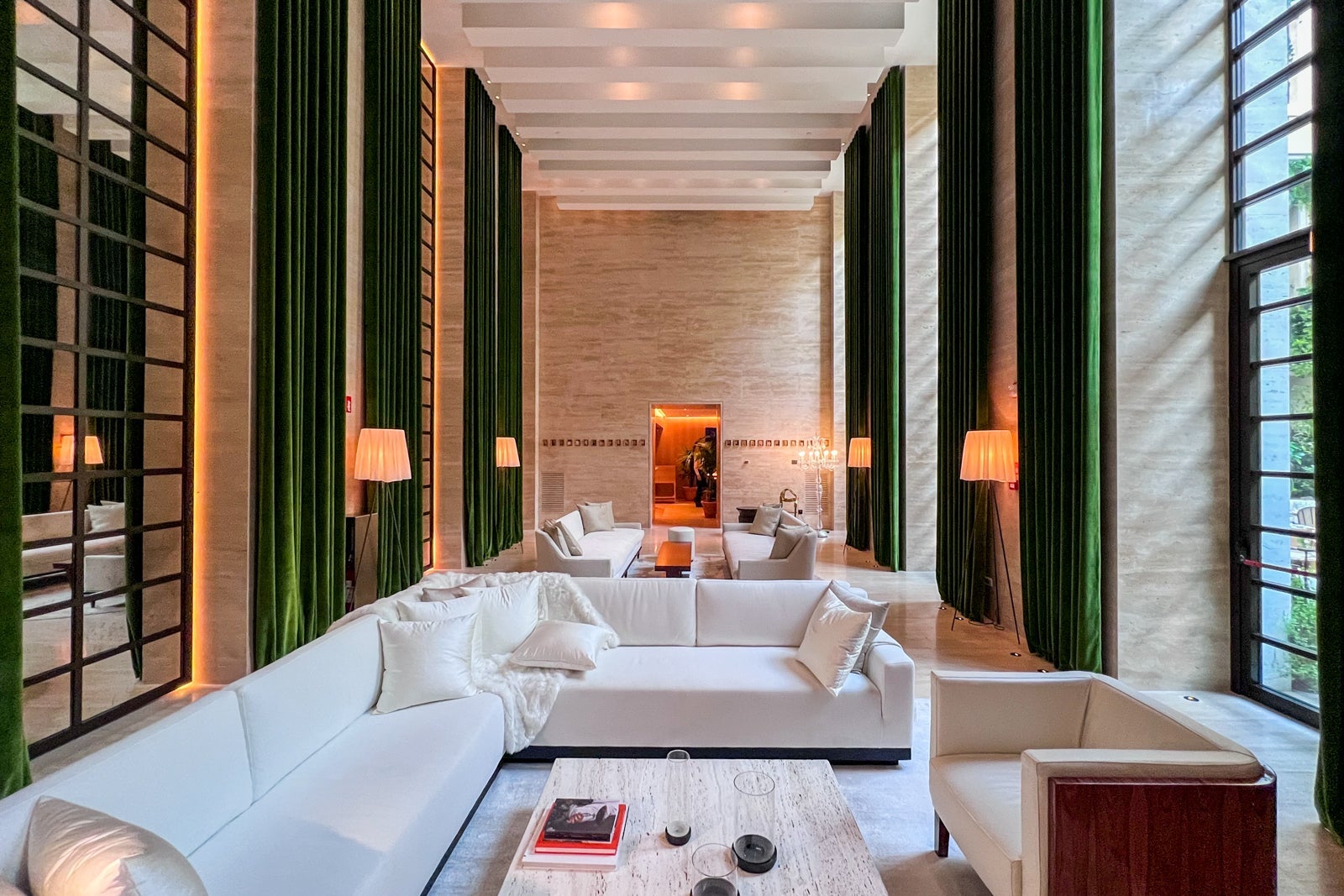
Earnings season came and went for the world's largest hotel companies, and it's that time of the year when each of the publicly traded entities shares its annual report.
There's a lot in each that can impact how you travel over the coming years — and signal what is or isn't working for each major company. From brand buildups at IHG Hotels & Resorts to soaring rates at Hilton and Marriott and the risk of bad-mouthing on social media, we dug into these annual filings to pull out what's most important across Marriott, Hilton, Hyatt, IHG and Accor.
Here's what to keep an eye on over the next year.
Rates on the rise at Marriott and Hilton
A lot of attention centered on Marriott, Hilton, IHG and Hyatt all launching new brands targeting budget-minded travelers. These new brands, ranging from StudioRes at Marriott to Spark at Hilton to IHG's Garner and Hyatt Studios, are expected to come in with rates hovering as low as $100 per night, depending on the brand.
But don't let that change your view on the overall hotel rate environment: Hotel rooms continue to get pricier despite inflation coming down.
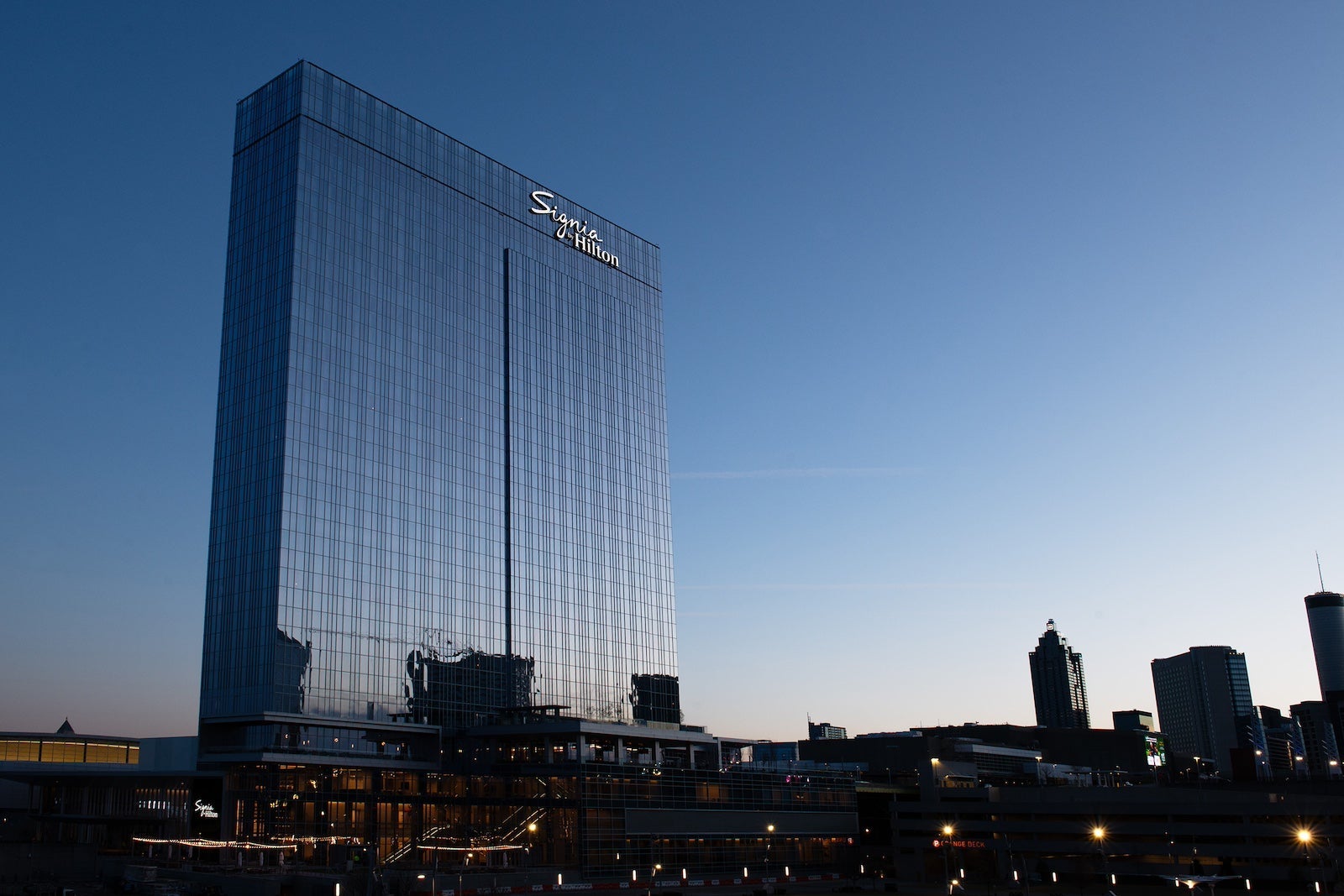
Hilton's annual report notes overall nightly rates across the company's global portfolio are up more than 5% from 2022. In the U.S., rates were up a little more than 4%, while European hotel rates soared 12.8%. Those in the Middle East and Africa were up more than 13%.
Over at Marriott, hotel rates in the U.S. and Canada climbed 4.7% last year while they increased 7.2% in Europe and nearly 10% in the Middle East and Africa.
Bad-mouthing a hotel on TikTok or Instagram has an impact
Evening turndown service doesn't come, you've been seated for two hours and the entree still hasn't arrived, the hotel opened too early and is still largely under construction ... any one of these situations happening during a resort getaway is enough to make one pick up their iPhone and start doing a grassroots review on social media.
Whether you have five followers or 5 million, that can take a toll on the overall reputation of a hotel company. Hyatt even lists it as a risk factor in its annual report.

"The continued expansion in the use and influence of social media has compounded the potential scope of negative publicity that could be generated, lead to litigation or governmental investigations, or damage our reputation," reads Hyatt's 10-K filing with the U.S. Securities and Exchange Commission. "Adverse incidents have occurred in the past and may occur in the future. Negative incidents could lead to tangible adverse effects on our business, including lost sales, boycotts, reduced enrollment and/or participation in the loyalty program, or paid membership program, disruption of access to our digital platforms, loss of development opportunities, or reduced colleague retention and increased recruiting difficulties. Any decline in the reputation or perceived quality of our brands or corporate image could adversely affect our market share, business, financial condition, or results of operations."
Airbnb is more of a competitor than you might imagine
When you ask hotel executives or Brian Chesky, the CEO of Airbnb, there's plenty of room for traditional hotel companies like Marriott, Hyatt and Accor to operate alongside vacation rental platforms. But the reality is it's more of a slugfest than you might imagine.
After all, lest we forget hotel lobby groups vehemently fought against Airbnb's rise in major cities like Boston and New York City. Of course, hotel companies later joined the fray with offerings like Homes & Villas by Marriott Bonvoy and Homes & Hideaways by World of Hyatt.
"We encounter strong competition in the short-term lodging market from large national and international chains that operate hotels or franchise their brands, unaffiliated hotels, and online platforms, including Airbnb and Vrbo, that allow travelers to book short-term rentals of homes and apartments as an alternative to hotel rooms," reads the risk factor section in Marriott's annual filing.
Hyatt similarly lists Airbnb as a competitor.
"I never felt like for Airbnb to win, hotels had to lose," Chesky said last year.
Hotels might not share the same good vibes as Chesky.
IHG and Accor elbow into luxury and lifestyle hotels
U.S.-based hotel conglomerates aren't the only ones building up brands. IHG and Paris-based Accor both signaled strong interest in their luxury and lifestyle hotel portfolios.
IHG, best known for its Holiday Inn family of hotels but increasingly a player in the ultra-luxury sector, noted 38% of hotel openings and new deal signings last year still came from the Holiday Inn and Holiday Inn Express portfolio. But keep an eye on the company's luxury and lifestyle portfolio, which includes brands like Regent, Six Senses, InterContinental, Hotel Indigo and the Vignette Collection.
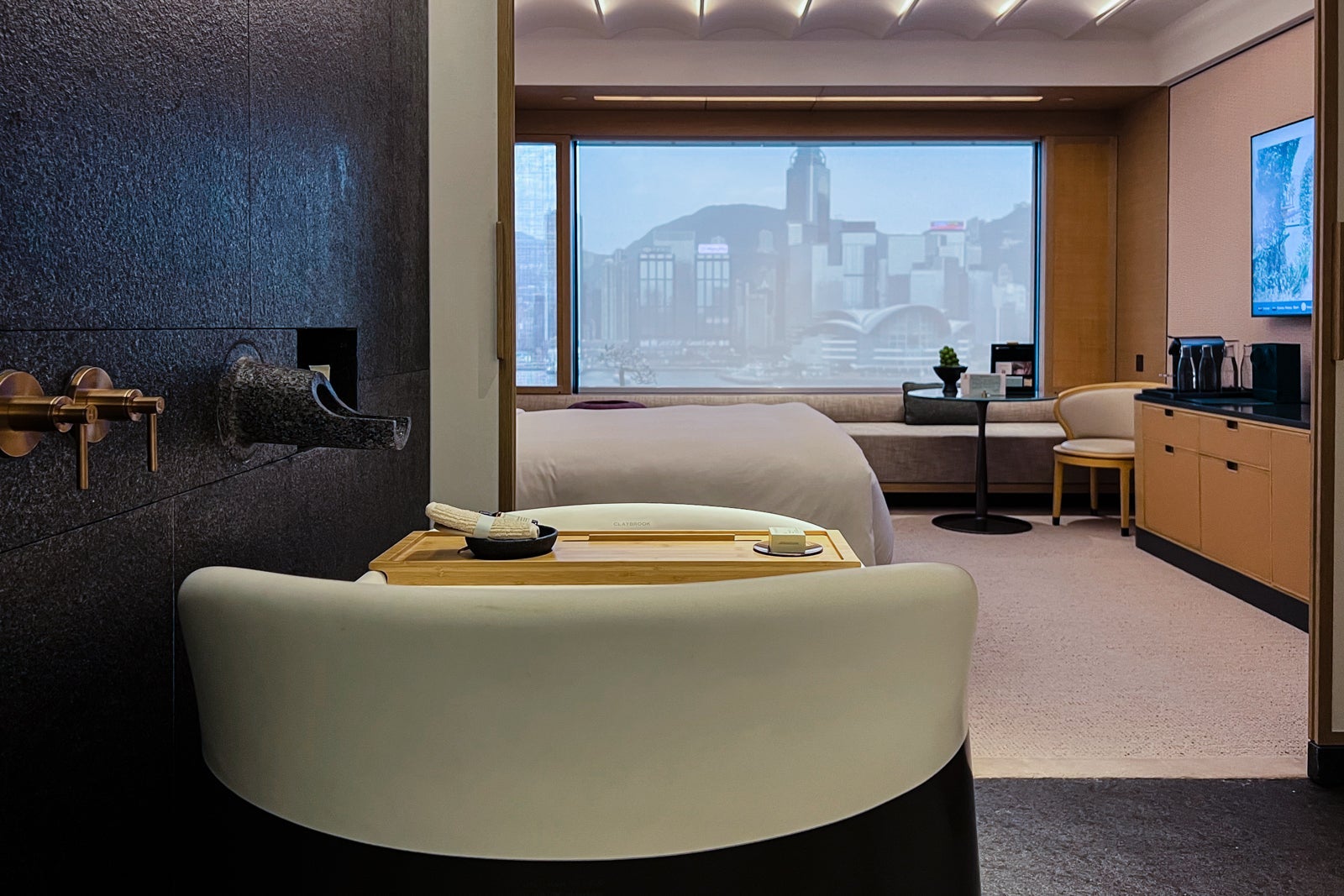
IHG's luxury and lifestyle network accounts for 14% of the company's size today, but these hotels represent 22% of the overall development pipeline. It's quite the glow-up for IHG, but we'll never say no to a Holiday Inn Express cinnamon roll.
Accor, owner of a wide swath of brands, from the budget-oriented Ibis all the way up to glitzy Raffles and Orient Express, sees similar opportunities in luxury and lifestyle hotels. The company, which anticipates in its annual financial release that international travel this year will exceed pre-coronavirus pandemic levels, has been bullish for years regarding lifestyle hotels. It parked brands like SLS, Delano and Morgans Originals in the Ennismore lifestyle hotel offshoot it has a majority stake in. This lifestyle organization also has brands like The Hoxton and Gleneagles.
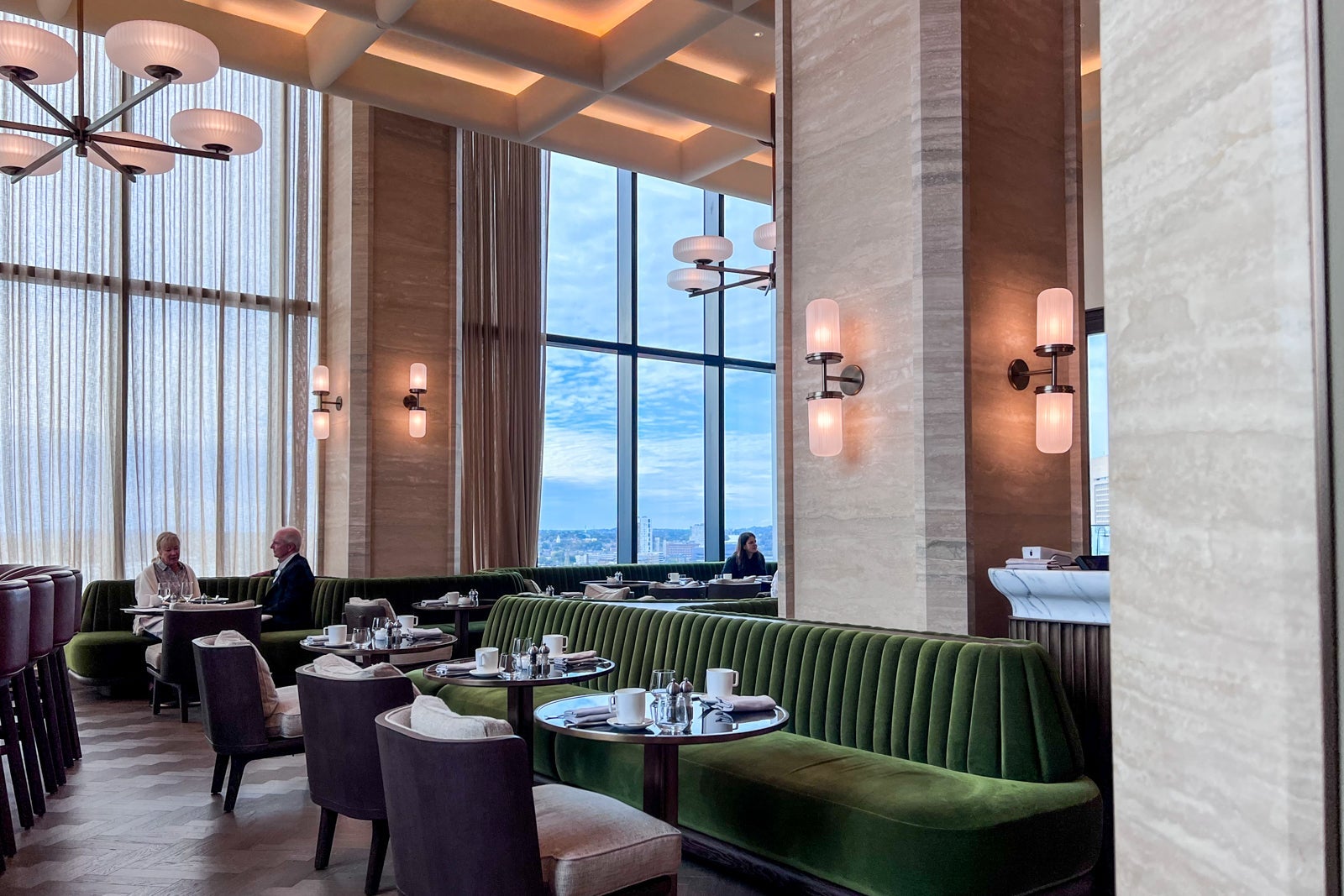
The French company's strategy is "fast growth in lifestyle and [a] flagship strategy in luxury," according to its full-year earnings report. This suggests ramping up hotel growth for Ennismore's brands while taking on more of a bespoke opening process with Raffles, Orient Express, Fairmont and Sofitel.
Luxury hoteliers can afford to be choosey, it seems.
Is another Sheraton rework in the works?
It's always a curious case of Sheraton. The brand has bragging rights for being the most global of Marriott's wide array of brands. That commands major brand power, but critics will say Sheraton experiences can sometimes feel like spots on a giraffe: No two are ever the same.
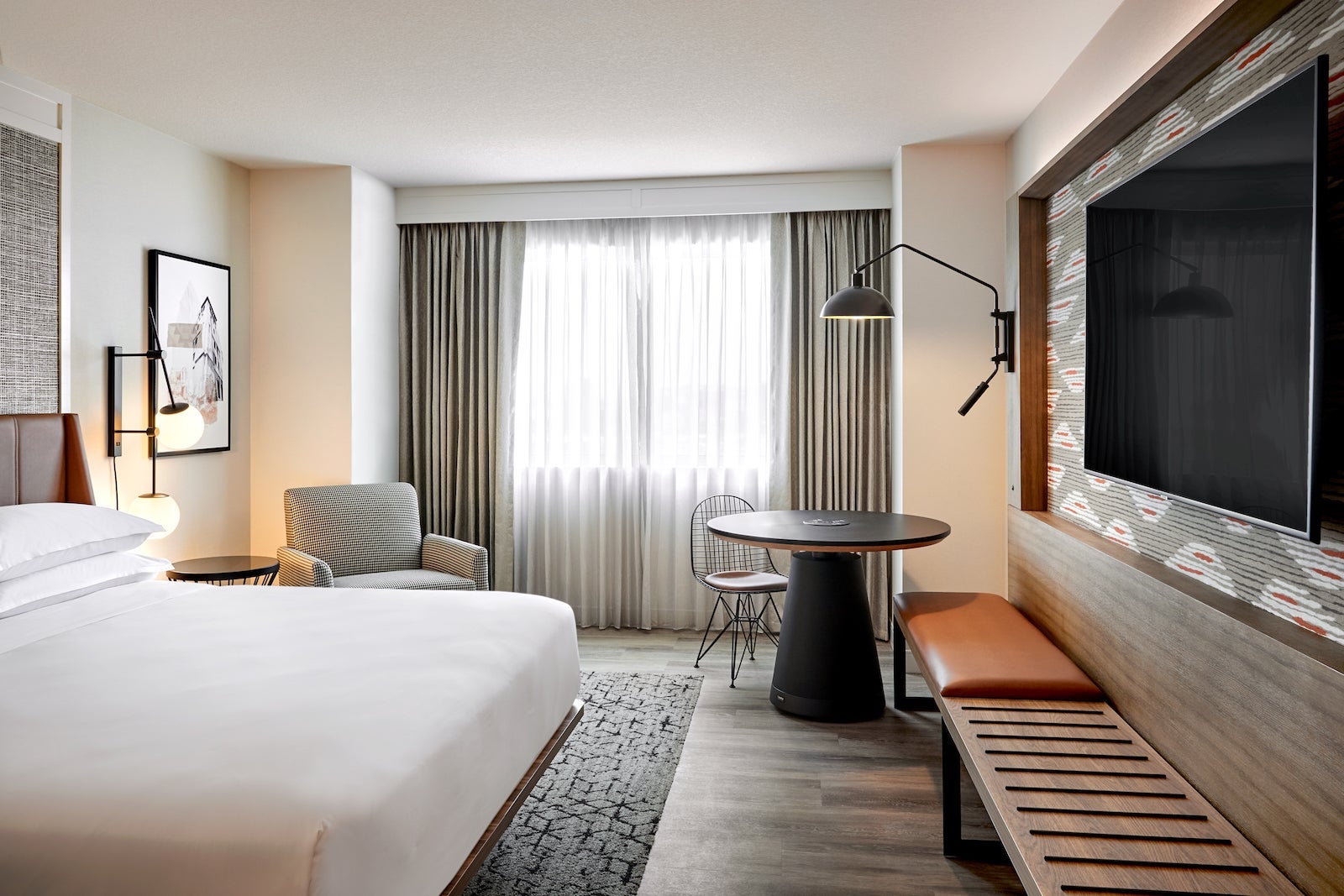
Marriott appeared to recognize that several years back by announcing a hefty brand overhaul that was expected to cost owners just in North America more than $1 billion in upgrades. The hotels that have received their face-lifts, from the U.S. to China, are jaw-droppingly stunning.
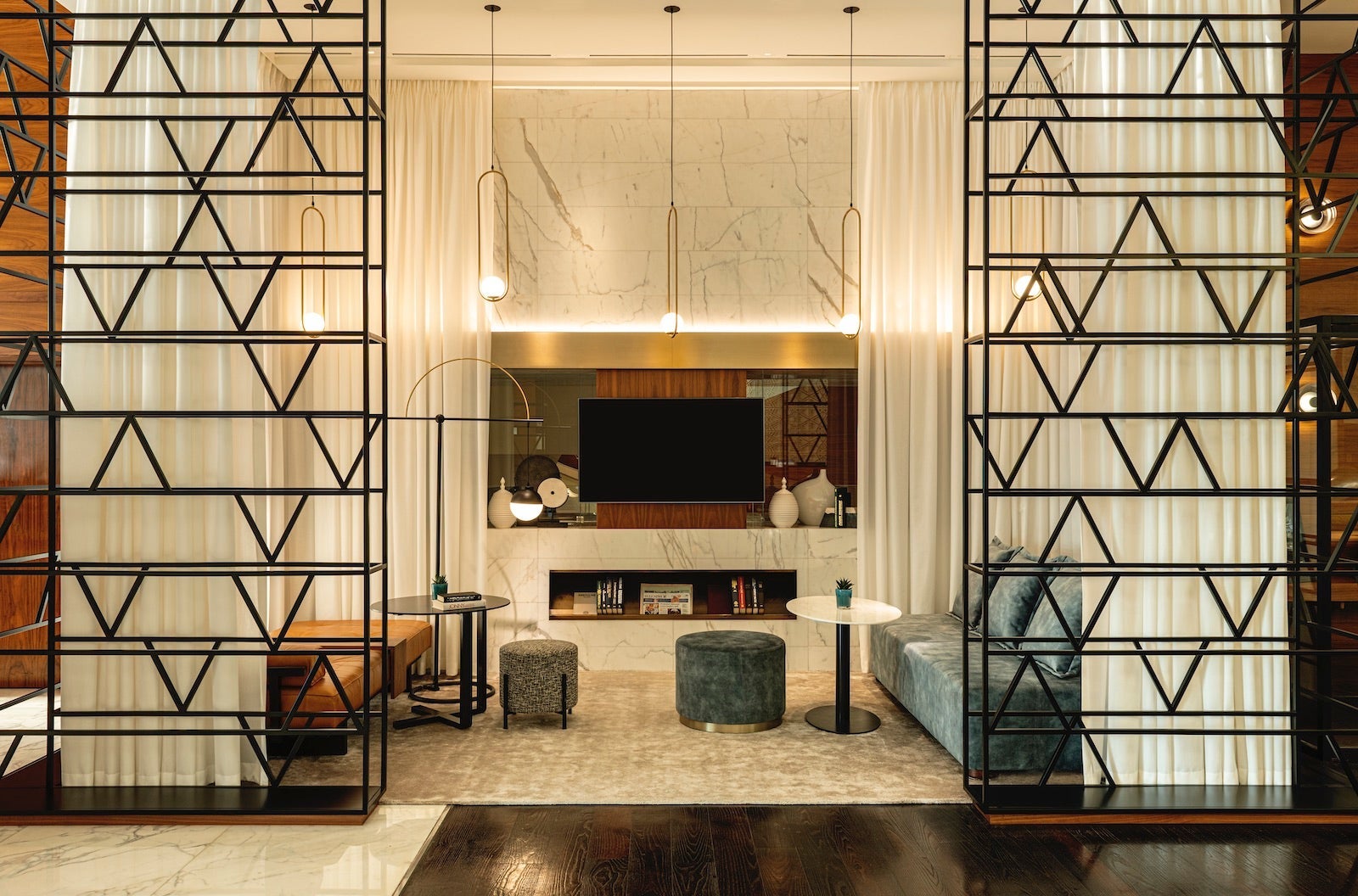
Is it paying off for Marriott? A Skift report notes performance numbers for the brand in North America haven't improved immensely since the brand overhaul was first announced. Of course, there are still a massive number of hotels in the region that haven't actually been renovated.
One thing to watch: Marriott plans to close on the Sheraton Grand Chicago Riverwalk hotel for $500 million later this year. This purchase is a result of a legal settlement with owner Tishman Realty, which sued Marriott following its Starwood takeover due to concerns the Sheraton would now be in direct competition with other nearby Marriott properties.
This presents an opportunity for Marriott to tinker with the look of the "new" Sheraton and make things more palatable for owners who may have sticker shock at how much it costs to adhere to the brand's glitzy new vibe.
Marriott CEO Anthony Capuano noted to TPG earlier this year a signal that a brand refresh could be in the works is when the company buys one of its own hotels.
"We looked at Sheraton after we did the Starwood deal, and we bought [Sheraton] Phoenix Downtown. [With] W, we bought W Union Square," Capuano said. "We'll always watch through a data-driven analysis. We'll watch guest satisfaction scores. We'll watch [the performance] index, and we've demonstrated by our track record, if we see a brand that we think the metrics are going in the wrong direction and it needs a reboot, we certainly have a playbook and a balance sheet that allows us to spearhead that reboot."
As for whether we should read anything in the tea leaves from the Sheraton purchase in Chicago, a Marriott spokesperson said there's nothing more to share for now.
Related reading:
- Best hotel credit cards
- When is the best time to book a hotel? Experts weigh in — and debunk a few myths
- The best credit cards to reach elite status
- A comparison of luxury hotel programs from credit card issuers: Amex, Capital One, Chase and Citi
- Which credit cards offer the most lucrative rewards for hotel stays?
- What are the best hotel rewards programs in the world?
TPG featured card
at American Express's secure site
Terms & restrictions apply. See rates & fees.
| 4X | Earn 4X Membership Rewards® points per dollar spent on purchases at restaurants worldwide, on up to $50,000 in purchases per calendar year, then 1X points for the rest of the year. |
| 4X | Earn 4X Membership Rewards® points per dollar spent at US supermarkets, on up to $25,000 in purchases per calendar year, then 1X points for the rest of the year. |
| 5X | Earn 5X Membership Rewards® points on prepaid hotel stays booked through AmexTravel.com or the Amex Travel App™. |
| 3X | Earn 3X Membership Rewards® points on flights booked through AmexTravel.com, the Amex Travel App™, or purchased directly from airlines. |
| 2X | Earn 2X Membership Rewards® points on prepaid car rentals booked through AmexTravel.com or the Amex Travel App™ and cruises booked and paid through AmexTravel.com. |
| 1X | Earn 1X Membership Rewards® point per dollar spent on all other eligible purchases. |
Pros
- Valuable dining and food-related credits
- Flexible rewards with airline and hotel transfer partners
- Multiple travel and purchase protections
- No foreign transaction fees
- Access to Amex Offers for additional savings (enrollment required)
Cons
- Not as useful for those living outside the U.S.
- Some may have trouble using Uber and other dining credits
- You may be eligible for as high as 100,000 Membership Rewards® Points after you spend $8,000 in eligible purchases on your new Card in your first 6 months of Card Membership. Welcome offers vary and you may not be eligible for an offer. Apply to know if you’re approved and find out your exact welcome offer amount – all with no credit score impact. If you’re approved and choose to accept the Card, your score may be impacted.
- Earn 4X Membership Rewards® points per dollar spent on purchases at restaurants worldwide, on up to $50,000 in purchases per calendar year, then 1X points for the rest of the year.
- Earn 4X Membership Rewards® points per dollar spent at US supermarkets, on up to $25,000 in purchases per calendar year, then 1X points for the rest of the year.
- Earn 5X Membership Rewards® points on prepaid hotel stays booked through AmexTravel.com or the Amex Travel App™.
- Earn 3X Membership Rewards® points on flights booked through AmexTravel.com, the Amex Travel App™, or purchased directly from airlines.
- Earn 2X Membership Rewards® points on prepaid car rentals booked through AmexTravel.com or the Amex Travel App™ and cruises booked and paid through AmexTravel.com.
- Earn 1X Membership Rewards® point per dollar spent on all other eligible purchases.
- Pay It® lets you tap in the American Express® App to quickly pay for small purchase amounts throughout the month and still earn rewards the way you usually do. Plan It® gives you the option to split up big purchases into equal monthly payments with a fixed fee. You’ll know upfront exactly how much you’ll pay.
- $120 Dining Credit: Earn up to a total of $10 in statement credits monthly when you pay with the Gold Card at Grubhub (including Seamless), Buffalo Wild Wings, Five Guys, The Cheesecake Factory, and Wonder. This can be an annual savings of up to $120. Enrollment required.
- $100 Resy Credit: Get up to $100 in statement credits each calendar year at over 10,000 qualifying U.S. Resy restaurants after you pay for eligible purchases with the American Express® Gold Card. That’s up to $50 in statement credits semi-annually. Enrollment required.
- $84 Dunkin' Credit: Earn up to $7 in monthly statement credits after you pay with the American Express® Gold Card at U.S. Dunkin’ locations. Enrollment required.
- $120 Uber Cash on Gold: Enjoy up to $120 in Uber Cash annually with your Gold Card. Just add your Card to your Uber account and you'll get $10 in Uber Cash each month to use on orders and rides in the U.S. when you select an Amex Card for your transaction.
- Enjoy complimentary Hertz Five Star® Status benefits like skipping the counter at select locations, adding an additional driver at no additional cost*, and vehicle upgrades**. Benefit enrollment and Hertz Gold+ registration are required. *Additional drivers must meet standard rental qualifications and must be a spouse or domestic partner to qualify as complimentary. Other additional drivers subject to fees. **Benefits are subject to availability and vary by location. Additional Hertz program Terms and Conditions including age restrictions apply.
- Book two nights or more with The Hotel Collection through AmexTravel.com or the Amex Travel App™ and receive a $100* credit towards eligible charges at over 1,400 upscale hotels worldwide. *Eligible charges vary by property.
- Book your travel through the Amex Travel App™ with added peace of mind – backed by American Express® service and support. Only for American Express® Card Members.
- Whenever you need us, we're here. Our Member Services team will ensure you are taken care of. From lost Card replacement to statement questions, we are available to help 24/7.
- No Foreign Transaction Fees.
- Annual Fee is $325.
- Terms Apply.