What exactly is luxury travel in 2023 — and is it worth it?

What exactly is luxury travel? Ask any group of travelers what constitutes a luxury vacation, and chances are they'll all give you a different answer.
For some, a luxury escape means private jets, personalized pajamas and in-room massages. For others, it's about seeing rare wild animals in far-flung places or eating in the world's hardest-to-book restaurants. Depending who you ask, it may be less about location or logistics and more about how much cash you drop, for expensive equals luxe.
The point is: Luxury travel may seem obvious, but it's actually a slippery concept.
With the explosion of the so-called "experience economy," the true definition of luxury travel is becoming increasingly harder to pin down. Despite this, the estimated value of the global luxury travel sector is set to double in the next decade, from $1.3 trillion in 2022 to $2.7 trillion in 2032, according to market research company Market.us.
"The idea of luxury, as we understand it today, is a relatively new concept," Giorgio Riello said. Riello is professor of global history and culture at the University of Warwick and author of the book "Luxury: A Rich History."
"Once upon a time, it was only the rich bourgeois who could aim to own something better. [But now] there is more disposable income around than ever. And while being marketed products [and experiences] that promise to be better than average is not quite unprecedented, what is new is the scale at which it's done."
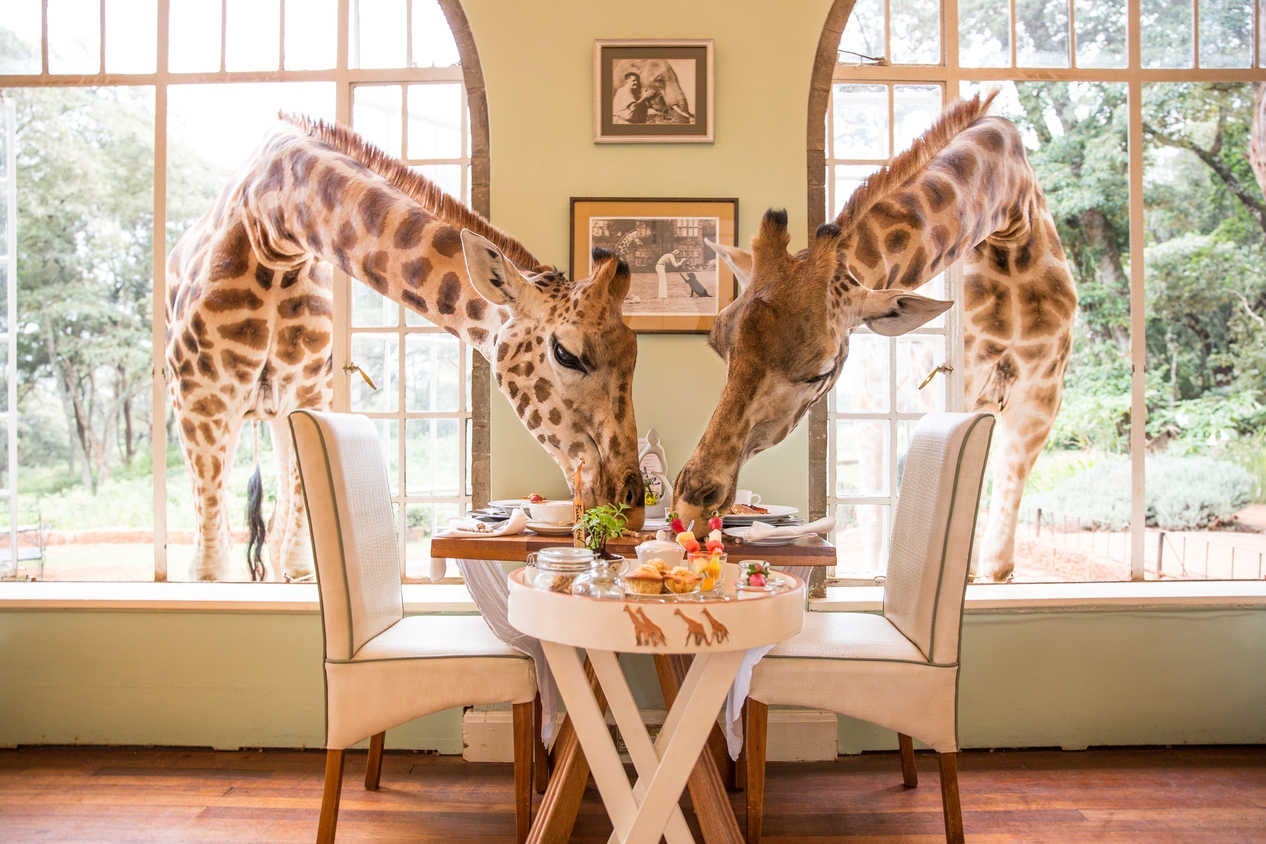
Is this new brand of luxury travel still just about exorbitantly high prices and the type of Champagne in the minibar or is it something much more ethereal? And, crucially, is it worth the inevitably high asking price or are we being sold a Tinkerbell-esque ideal by savvy marketers that will only survive and prosper for as long as we truly believe in it?
The hunt for external life
"Luxury has become a very overused word [in the travel business]," says publicist Jo Vickers, one of the best-known names in the world of exclusive travel and lifestyle PR. "The meaning of luxury has become so confusing, so simply throwing buzzwords at consumers no longer cuts it."
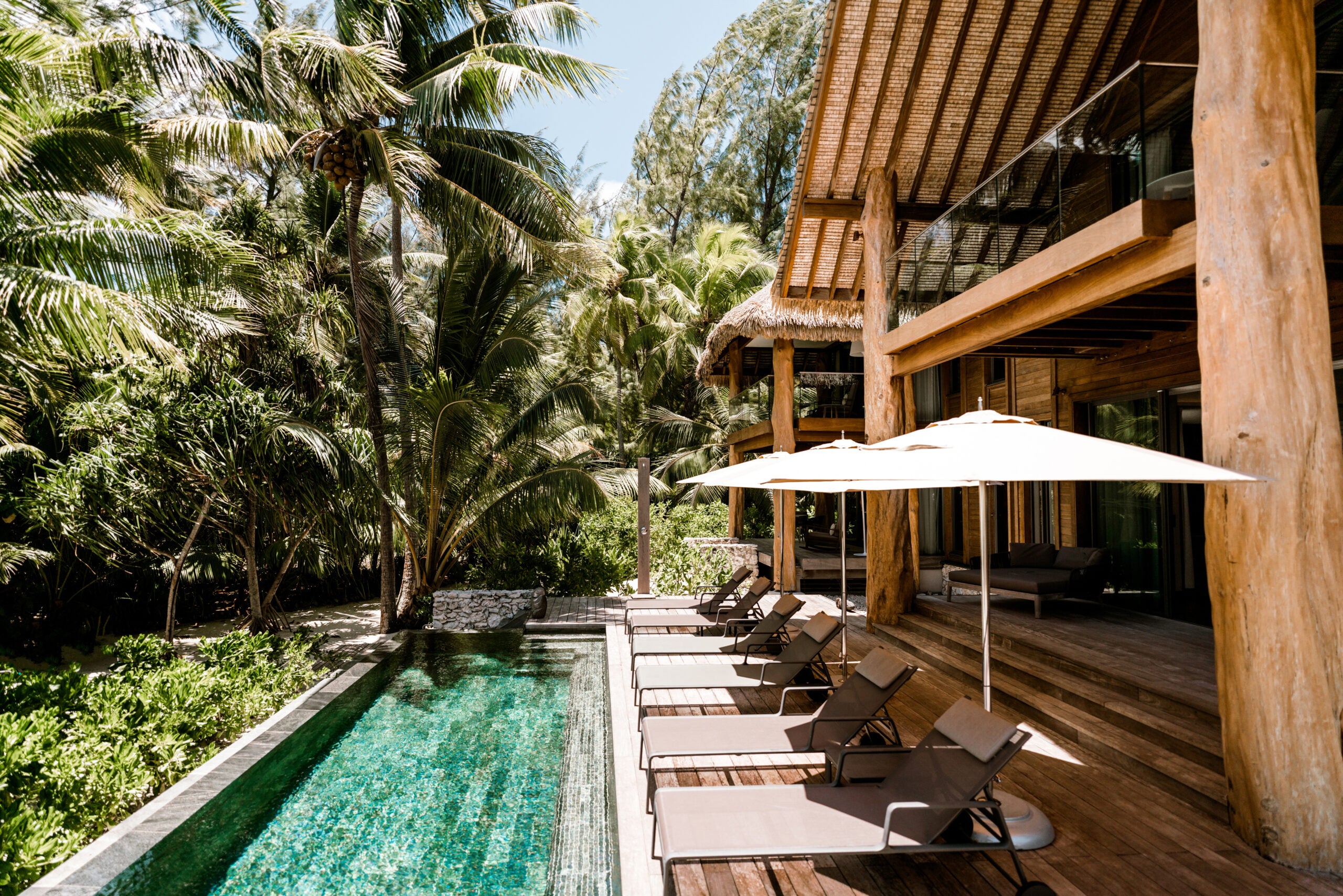
That's why Vickers primarily uses the word "exclusive" when describing her clients. Her company, JV Public Relations, looks after some of the world's most prestigious hotels, resorts and spas around the globe; this includes The Mark Hotel in New York, The Brando in Tahiti, Palazzo Avino on Italy's Amalfi Coast and D Maris Bay in Turkey.

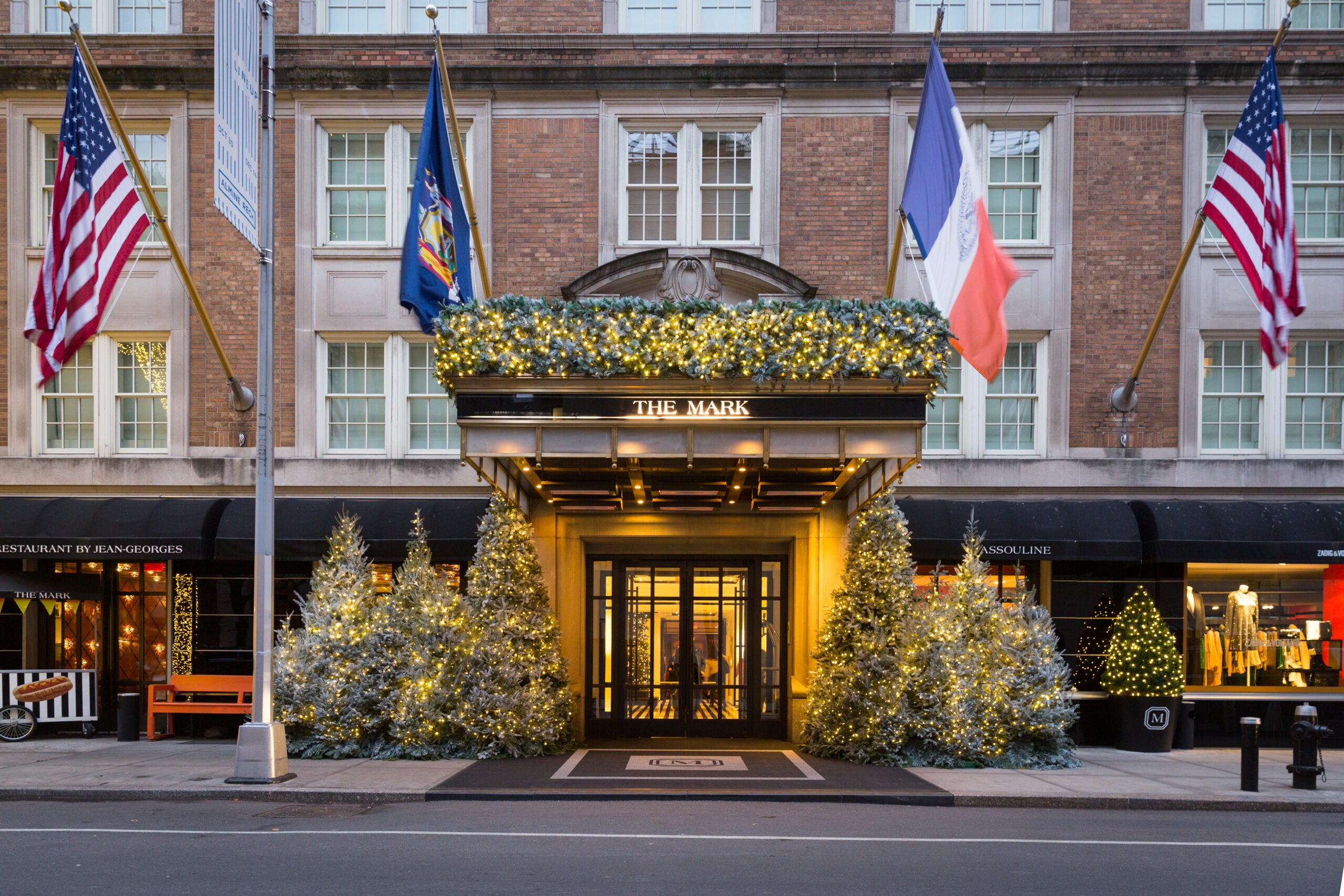
For Vickers, a truly luxurious hotel stay is based on a spectrum of factors including "timeless value, craftsmanship, exclusivity, rarity, quality, heritage, aesthetic, responsibility and innovation." But on top of that, says Vickers, "I think the equation of luxury is a feeling, a belief, a lifestyle and above all an experience we desire."
Ten Lifestyle Group, one of the world's leading luxury lifestyle services, is perhaps better placed than most to shed light on the extravagant experiences we most desire. With annual memberships starting at 4,500 British pounds ($5,680), Ten prides itself on its ability to open doors that its ultra-wealthy clients cannot; it serves as a kind of gatekeeper to spectacular opportunities. For CEO Alex Cheatle, the kind of luxury his clients long for is divided into two distinct strands: internal and external.
Related: Inside the bonkers world of luxury holiday fixing for the super-rich
"Internal luxury is how something makes you feel," he tells TPG. "When you feel complete, content and 'in the moment' because of an extraordinary view looking down on Machu Picchu as you come over the final pass, as you taste the amuse bouche cooked for you by a top chef or when you feel the crisp Egyptian cotton sheets as you collapse onto the bed of a wonderful hotel after a long flight."
External luxury, on the other hand, is "how something allows you to socially compete."
"It's reserving the table at the restaurant that everyone is trying to book but can't get," according to Cheatle. "It's being recognized and upgraded at the hotel because of who you are. It's about having the best seats at a sold-out show that others wanted to see but couldn't. It's about arriving by helicopter at the Grand Prix and avoiding the awful traffic you can see from the air."
Of course, there is a relationship between internal and external luxury but which one comes first, he explains, often depends on whom you're justifying it to. "We use the language of inner luxury, even when our desire is driven by the social cachet of outer luxury." Put simply says Cheatle, "Most of us say we went to the restaurant [just] to try the food."
The experience era
In 2023, the seas are changing.
Luxury travel is no longer exclusively for celebrities, tycoons and heirs to multimillion-dollar dog food empires. With a rise in disposable incomes for some and a shift in priorities for others, the luxe market is swiftly becoming more and more attainable to those who aspire or splurge for it.
Millennials are 23% more interested in exploring the world than older generations, and they make up 20% of all international tourists, according to research by Boston Consulting Group. Right behind millennials is a whole new generation even hungrier to see the world. This age group was raised on individualism, independence and Instagram, and for them, authenticity and shareability are key to a meaningful life.
"In the younger market — the Gen Z's and millennials — they've grown up with everything," explains Vickers. "Whether they've got money or not, they've had exposure to [the idea of luxury] through the media for most of their lives, and their relationship with the concept of luxury is very different to that of older generations."

This new set of big spenders is not splashing out on art or beautiful furniture. Instead, Vickers says they're spending on experiences, "Their money is going to go on a great holiday rather than collectible items because they're too busy chasing experiences and something interesting to do with their lives."
For evidence, take the rise of the luxury travel influencer. In recent years, the #luxurytravel market has grown exponentially across social media. Platforms like Instagram and TikTok house a growing circle of influencers jet-setting around the world to take selfies on yachts or in high-end hotels while extolling the sweet joys of the #highlife.
"Before [luxury travel] may have felt unreachable to some," Laura Picken, director of loyalty and brand partnerships at luxury hotel group Hyatt, said. "But through social [media], we see travelers of all ages, cultures and backgrounds staying at all levels of hotels and being able to unlock experiences that were previously thought unattainable."

In 2021, a Statista survey found that 84% of U.S. adults consulted travel influencers for trip recommendations.
"We're seeing more travel influencers showcasing luxury experiences to their audiences," Jade Broadus, vice president of influencer marketing agency Travel Mindset, said. "[That means] the experiences, the hotels, the adventures that are luxury now have a much bigger audience and shouldn't be reserved for only a select group of people."
The 'storification' of travel
It isn't just social-savvy youngsters splashing out.
"We have a lot of clients who are young at heart. And they are increasingly asking for incredible bucket-list experiences as much as glamorous hotel stays," says Emma de Vadder, the U.K PR director for Black Tomato — one of an expanding legion of luxury tour operators.
De Vadder said she has noticed a marked shift in recent years in what people want from luxury holidays.
"Luxury travel is no longer just about being able to brag that you stayed in a five-star hotel," she said. "It's about telling people about an amazing person that you met, or that you got involved in a community project, or you've had a really special animal encounter, or seen a natural phenomenon."
Related: Luxury travel agent reveals 7 tips for traveling in style without it costing the earth
Black Tomato is at the vanguard of this exploding "experience market", which it says has seen a boom in what the company refers to as the "storification" of luxury travel.
"With 'storification,' we're seeing more travelers embracing characters and narratives as they explore the world, immersing themselves in sprawling imaginative worlds plucked from the silver screen or the pages of their favorite novel," the company's founder Tom Marchant said.
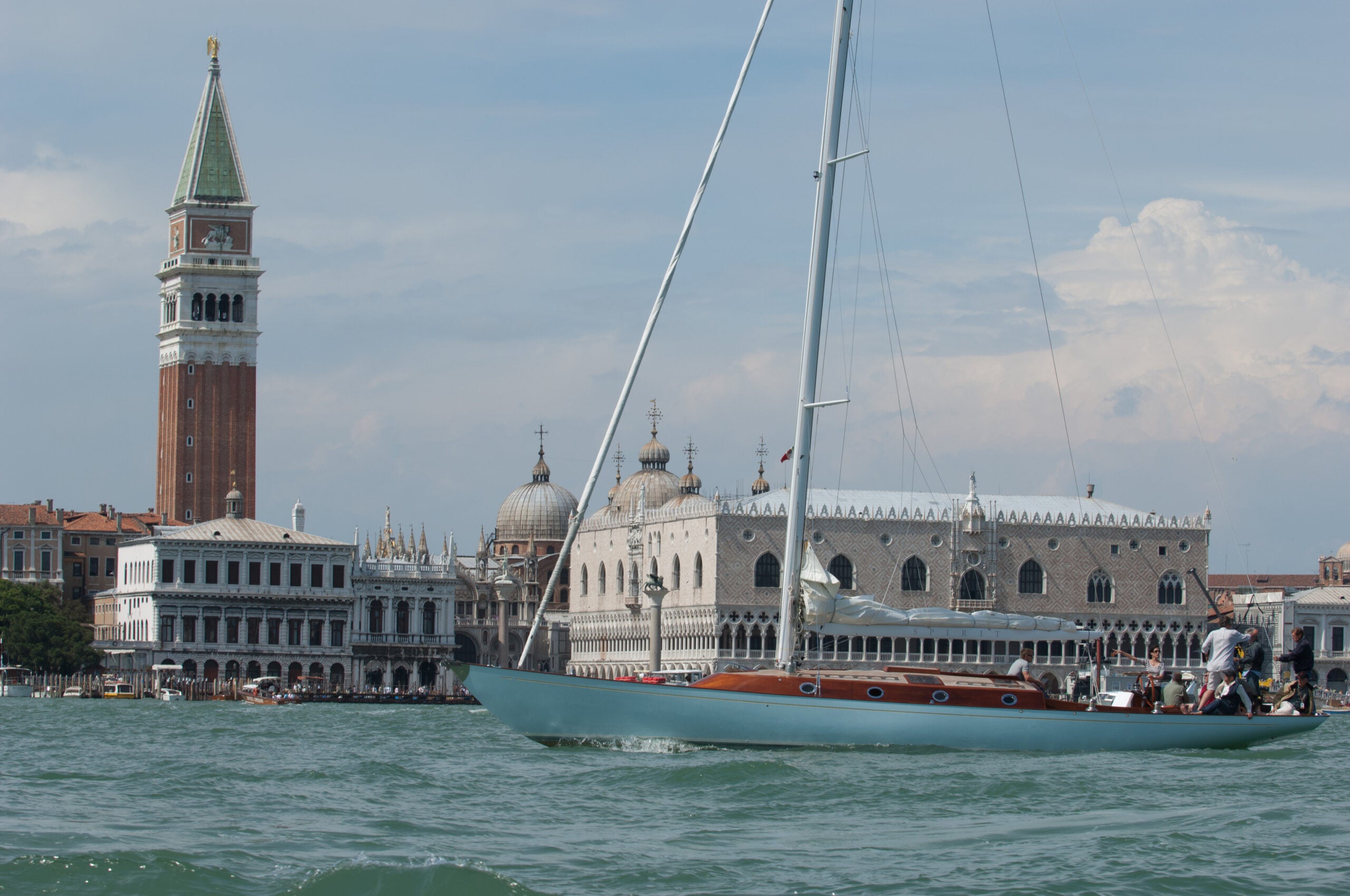
One of Black Tomato's latest showcase packages, for example, is a 60,000 pounds ($75,730) per person, 12-night adventure called "The Assignment: Europe," curated in partnership with James Bond overlords Eon Productions.
This bespoke package includes a speedboat ride down London's River Thames with a stuntwoman from "The World Is Not Enough,"; dinner at the top of the Eiffel Tower with 1980s Bond actress Carole Ashby; a poker lesson from the Texas Hold'em consultant used for "Casino Royale" at Casino de Monte-Carlo; water skiing on Italy's Lake Como; and a private yacht tour of the Venetian Lagoon in Venice, Italy.
"We've seen a 30% increase in interest in these narrativized approaches to the world," Marchant said. "Blending fact and fiction, this is travel with all the drama and intrigue of the world's most enduring movies, novels, myths and legends."
Other Black Tomato experience packages include a "globe-crossing adventure inspired by the life and travels of Agatha Christie;" a "Jungle-Book"-inspired family holiday to India; a "Karate Kid"-inspired martial arts itinerary in Japan; and a series of low-carbon-footprint "slow travel" trips on trains, horses, boats or hot air balloons in remote parts of the world.

Is a 12-night getaway in 007 heavens worth shelling out $75,730? You could quite feasibly create a similar itinerary (minus the impressive movie connections) for much less, but as de Vadder points out, that misses the point.
"Part of a luxury experience is having somebody else take care of everything for you," she said. "It's attention to detail and, above all, personalization. We know that a lot of our clients work very hard, so their holiday should not feel like work of any kind."
Related: Travel company Elsewhere is making authentic and local travel easier than ever
Responsible riches
If luxury travelers choose experiences over glamorous hotel stays, as de Vadder suggests, what are luxury hotels doing to keep up?
Hyatt and Marriott are two of the world's largest luxury hotel brands, and both are working hard to stay relevant in this fast-changing world.
"Research tells us that luxury is increasingly about conscious consumption as opposed to conspicuous consumption," Picken said. "This shift means our guests are making decisions not based on the cost or the cache of a luxury brand, but on whether it fulfills their aspirational needs."
As a result, Hyatt has diversified its offerings to cater to a range of luxury tastes.
"[All our luxury brands] are distinct and differentiated, built on insights on what luxury means to our guests: from the classic and timeless luxury espoused by Park Hyatt — with its focus on culinary excellence, art and architecture — to Alila, where 'bare-foot luxury' means a focus on being in harmony with the natural environment and the local community," Picken added.
Related: Hyatt is doubling down on luxury while its competitors focus on budget hotels
Neal Jones, chief sales and marketing officer for Marriott International, tells TPG that today's luxury consumers seek experiences that "allow for the pursuit of one's passions, help spark personal growth, and have a purpose beyond comfort and pampering."
"Luxury is entering a new era of regeneration, driven by a maturing set of desires, tastes, and aspirations," says Jones. "Guests want to foster a deeper connection to the places they visit, getting to know people, history, food, and the culture of a place, in addition to seeking out experiences that focus on holistic well-being as well as those that emphasize relationship building. These are things that are valuable beyond a price point."
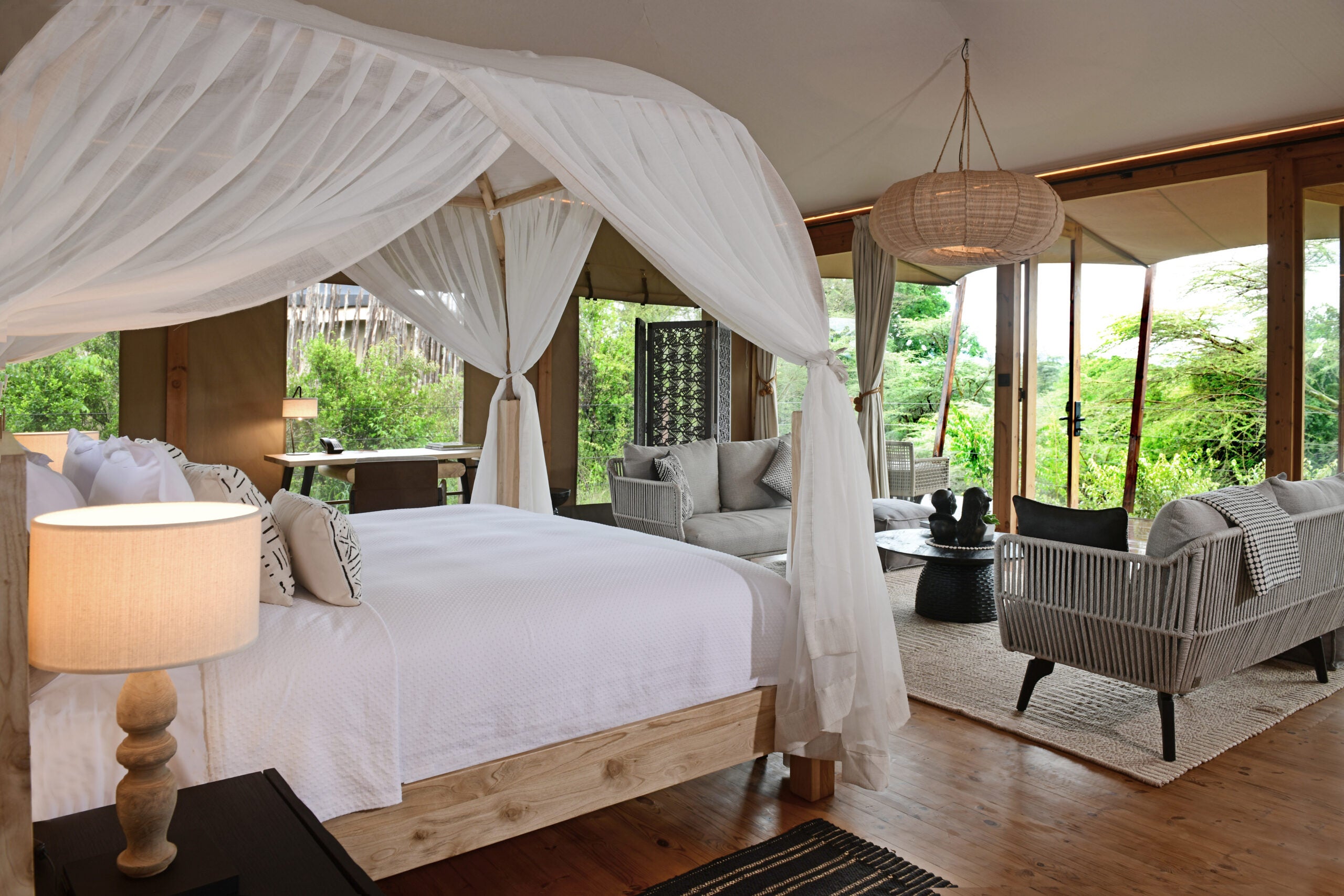
Marriott International, for its part, has recently launched its first luxury safari resort, JW Marriott Masai Mara Lodge, which donates a percentage of its nightly rate to several local community wildlife conservation programs. In turn, those programs offer all kinds of experiences to guests, including guided safaris in search of the Big Five: lions, leopards, black rhinos, African bush elephants and African buffaloes.
The Kenyan lodge is home to 20 private tents, including one presidential canvas-topped pavilion and two interconnecting canopied suites. It also has a restaurant, a lounge, a bar, a spa and a large outdoor terrace with fire pits. All-inclusive rates start at $1,450 per night and climb to around $3,800 during peak season.
The aesthetic of aspiration
None of this means how a luxury hotel looks isn't important.
According to Katherine Pooley, one of the world's most revered interior designers, aesthetic beauty will always be a key component of a luxury setting.
"The most truly luxurious objects, homes or experiences are unusual, one-of-a-kind, and memorably beautiful," she said. "To stand the test of time, true luxury needs to be crafted with great care, created from the highest quality components, have an original viewpoint, and most importantly of all — it must be beautiful."
Pooley's projects range in scale and style, from hotels and luxury spas to beach villas, ski chalets, palaces and castles. Recently, she completed the motorsport-themed Cachet Boutique Zhejiang Racetrack Hotel in China (which has its own private racetrack), where she commissioned a coffee table carved out of a crashed racing car.
For Pooley, the thing that elevates an interior from the ordinary to the luxurious is "intricate joinery, bespoke hand-crafted pieces of furniture, commissioned and curated artworks and sculptors, and rare, beautiful finishes."
The same ethos is apparent in modern private jets, where design increasingly focuses on ensuring a luxury holiday begins the second you step on board.
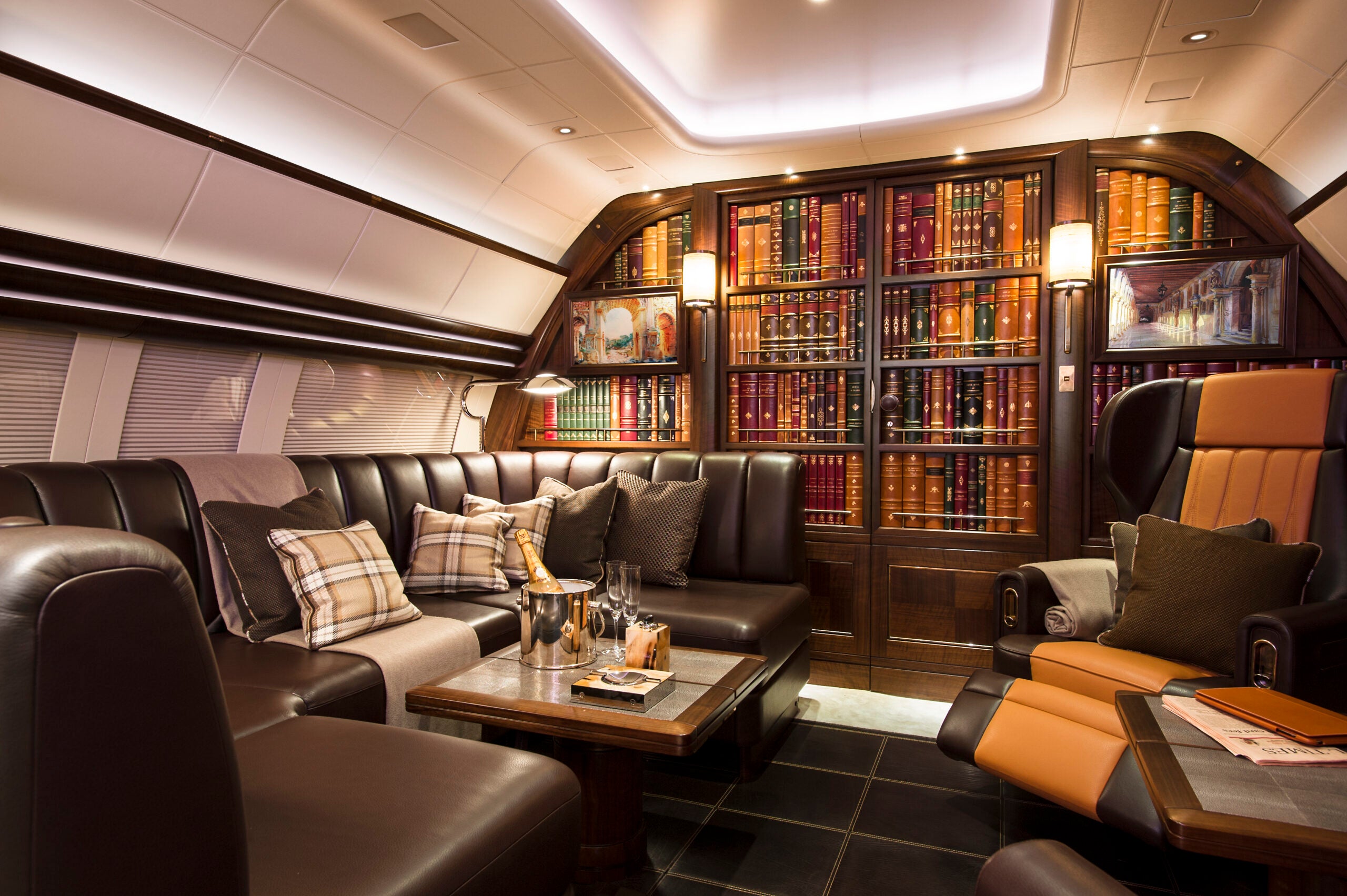
"We often refer to our aviation projects as flying homes," Greig Jolly, aviation partner at Winch design studio, said. "Increasingly, our clients wish to create a seamless experience between their home, car, yacht, jet, etc. Not a repeat environment, but a consistency of quality, service and experience. So an 'apartment in the sky' — rather than simply a means of transportation — is absolutely the expectation."
Look at the aviation portfolio page of Winch's website, and you'll see what he means: neon-lit black marble bathrooms, mohair seat lining, leather sofas, bronze-like leopard sculptures and enough mirrors to make Narcissus blush. The studio's designs look more like something you'd find in an Upper East Side Manhattan penthouse than a plane cabin.
But does a luxurious experience actually cost more to make? Of course it does, but that's not what makes it luxurious, according to Carla El-Samra, managing director at VIP aviation design agency F/List Middle East.
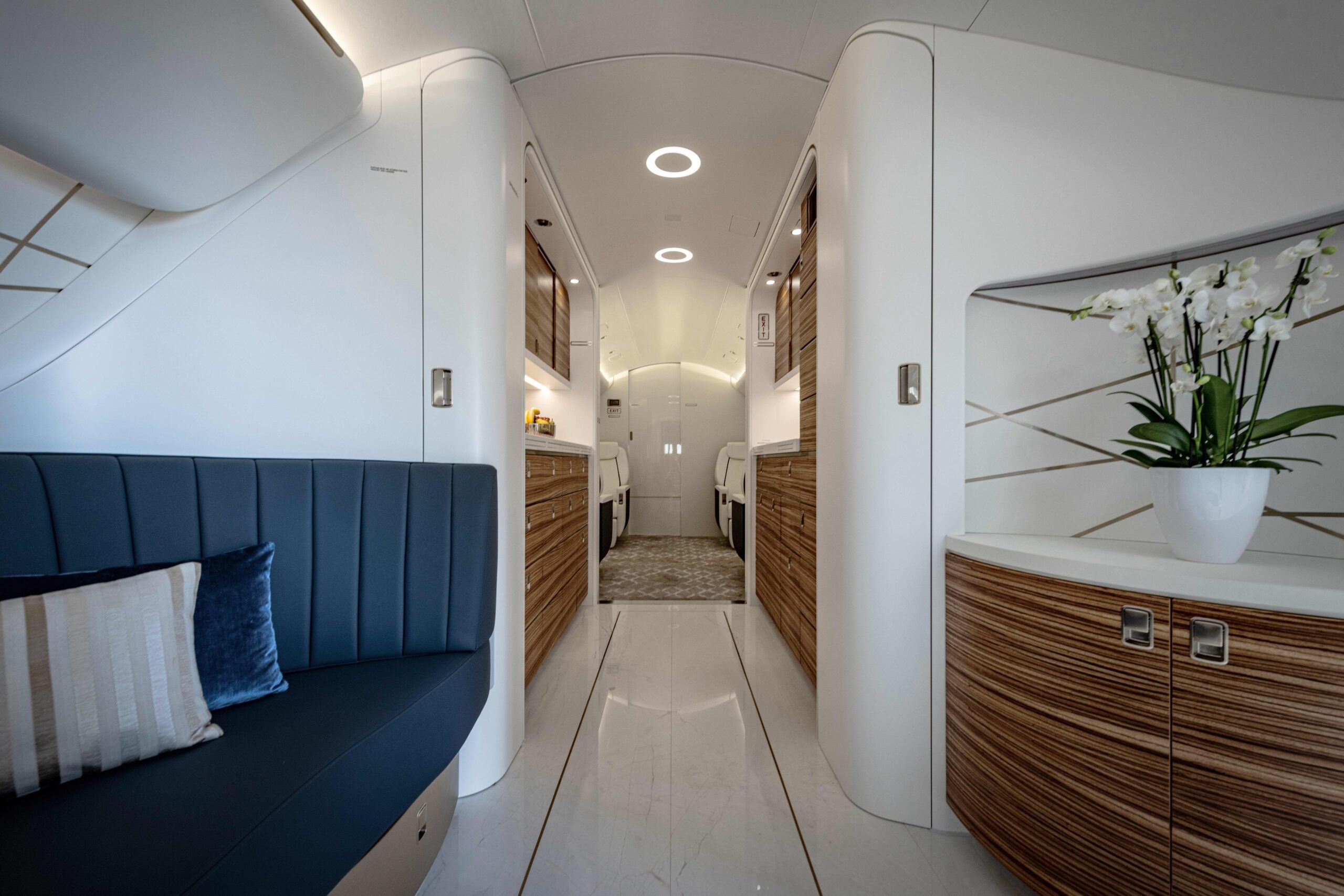
"The high price of luxury means skilled craftsmen and the extra care that goes into each finish," she said. "But yes, it is something more; it's about the sensory and tactile feel of each surface and the overall smell of entering a space. A silk carpet will look and feel softer and more luxurious than a 100% wool carpet. But then again, maybe the customer just prefers wool?"
Memory is the new luxe
So, what is the future of luxury travel?
For almost everyone TPG spoke to, the idea of luxury is no longer focused on overt displays of wealth and extravagance. Rather, it is about evaluating what truly brings people happiness — and providing the 24-carat version of whatever that means. The catalyst that thrust this notion most sharply into focus will come as no surprise: the COVID-19 pandemic.
"Being stuck at home for nearly two years brought back the burning desire to travel and create meaningful experiences and unforgettable memories," says Lucia Penrod, CEO of Nikki Beach, a global lifestyle hospitality company with beach clubs, hotels and resorts in such places as Miami Beach, Florida; Dubai; Ibiza, Spain; and Monte Carlo, Monaco. "Now, [luxury travelers want] boutique hotels in stunning locations, excellent service with a smile, and unique and unforgettable experiences that will be remembered for a lifetime."
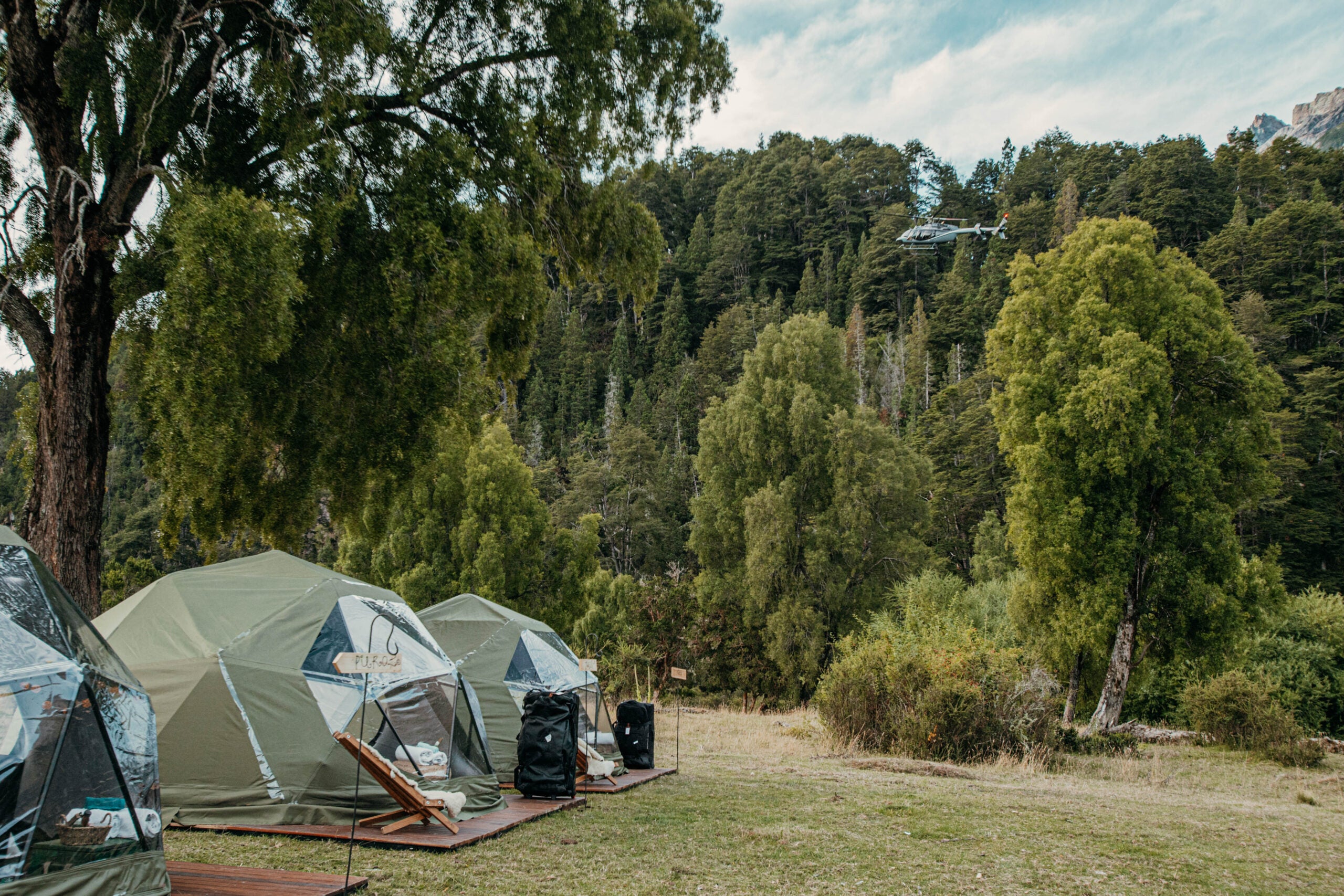
This feeling emanated in a boom of so-called "revenge travel" — traveling to make up for lost time.
"Young people want more business- and first-class flights, more five-star hotels. They want to fly less but farther, and stay away for longer," Vickers said. "Young people [are] more aware of climate change and environmental decline, they take nothing for granted."
Related: 8 women influencing luxury travel tell us what's hot for 2023
Memory — no doubt ideally captured on Instagram or TikTok — is the future of luxury travel. After all, in today's world of frenzied consumer choice and material success, perhaps there is only one commodity left that money still cannot buy: time.
While you may not be able to buy a longer life, you can buy a better one with the right resources.
"Time is the one thing we cannot buy more of," Riello said. "But we have invented the notion of quality time, which can be bought and sold. So I think that out of the 'experiential luxury' market, what will become more important in the future are ways to capture those 'events' into memories to treasure in the future. I think memory will be one area in which luxury brands will exist in the future."
Is luxury travel worth it?
Of course, industry experts will tell you what they're selling is well worth the money. Truthfully, though, value is as ambiguous a concept as luxury.
A product is only worth what people are prepared to shell out for it. The better a brand's marketing can tap into ideas around value, aspiration, freedom and happiness, the more likely a target audience will buy it.
"The trick of luxury, to me, is that both the consumer and the seller know that you don't need this," Riello said. "Nobody is making a strong argument that you need a bag that costs 3,000 pounds. I know I don't need it, and you know you don't need it. But it's fine because I have the 3,000 pounds and I simply like the bag."
The same goes for a movie-inspired tour of Europe that costs more than $75,000 per person or a $1,450-per-night tent in the Masai Mara. If your pockets are deep enough to absorb it, why not enjoy the experience?
Like Coco Chanel once said: "The best things in life are free. The second best things are very, very expensive."
And as far as we are concerned, at least some of the best luxury experiences still take points.
TPG featured card

at American Express's secure site
Terms & restrictions apply. See rates & fees.
| 3X | Earn 3X Miles on Delta purchases. |
| 1X | Earn 1X Miles on all other eligible purchases. |
Pros
- Delta SkyClub access when flying Delta
- Annual companion ticket for travel on Delta (upon renewal)
- Ability to earn MQDs through spending
- Various statement credits for eligible purchases
Cons
- Steep annual fee of $650
- Other Delta cobranded cards offer superior earning categories
- Earn 100,000 Bonus Miles after you spend $6,000 or more in purchases with your new Card within the first 6 months of Card Membership and an additional 25,000 bonus miles after you make an additional $3,000 in purchases on the Card within your first 6 months, starting from the date that your account is opened. Offer Ends 04/01/2026.
- Delta SkyMiles® Reserve American Express Card Members receive 15 Visits per Medallion® Year to the Delta Sky Club® when flying Delta and can unlock an unlimited number of Visits after spending $75,000 in purchases on your Card in a calendar year. Plus, you’ll receive four One-Time Guest Passes each Medallion Year so you can share the experience with family and friends when traveling Delta together.
- Enjoy complimentary access to The Centurion® Lounge in the U.S. and select international locations (as set forth on the Centurion Lounge Website), Sidecar by The Centurion® Lounge in the U.S. (see the Centurion Lounge Website for more information on Sidecar by The Centurion® Lounge availability), and Escape Lounges when flying on a Delta flight booked with the Delta SkyMiles® Reserve American Express Card. § To access Sidecar by The Centurion® Lounge, Card Members must arrive within 90 minutes of their departing flight (including layovers). To access The Centurion® Lounge, Card Members must arrive within 3 hours of their departing flight. Effective July 8, 2026, during a layover, Card Members must arrive within 5 hours of the connecting flight.
- Receive $2,500 Medallion® Qualification Dollars with MQD Headstart each Medallion Qualification Year and earn $1 MQD for each $10 in purchases on your Delta SkyMiles® Reserve American Express Card with MQD Boost to get closer to Status next Medallion Year.
- Enjoy a Companion Certificate on a Delta First, Delta Comfort, or Delta Main round-trip flight to select destinations each year after renewal of your Card. The Companion Certificate requires payment of government-imposed taxes and fees of between $22 and $250 (for itineraries with up to four flight segments). Baggage charges and other restrictions apply. Delta Basic experiences are not eligible for this benefit.
- $240 Resy Credit: When you use your Delta SkyMiles® Reserve American Express Card for eligible purchases with U.S. Resy restaurants, you can earn up to $20 each month in statement credits. Enrollment required.
- $120 Rideshare Credit: Earn up to $10 back in statement credits each month after you use your Delta SkyMiles® Reserve American Express Card to pay for U.S. rideshare purchases with select providers. Enrollment required.
- Delta SkyMiles® Reserve American Express Card Members get 15% off when using miles to book Award Travel on Delta flights through delta.com and the Fly Delta app. Discount not applicable to partner-operated flights or to taxes and fees.
- With your Delta SkyMiles® Reserve American Express Card, receive upgrade priority over others with the same Medallion tier, product and fare experience purchased, and Million Miler milestone when you fly with Delta.
- Earn 3X Miles on Delta purchases and earn 1X Miles on all other eligible purchases.
- No Foreign Transaction Fees. Enjoy international travel without additional fees on purchases made abroad.
- $650 Annual Fee.
- Apply with confidence. Know if you're approved for a Card with no impact to your credit score. If you're approved and you choose to accept this Card, your credit score may be impacted.
- Terms Apply.
- See Rates & Fees