5 steps to take if you lose your wallet on the road

Update: Some offers mentioned below are no longer available. View the current offers here.
While mobile payment services have risen in popularity in recent years, many of us still carry around a good old-fashioned wallet.
And when you travel, it's almost a necessity. After all, some retailers simply don't accept digital payment. But what happens if you lose that wallet and the many cards that are within it?
We asked readers in our TPG Lounge Facebook community what their strategies were should this worst-case scenario happen to them. Let's walk through five of the most important steps to take if you lose your wallet on the road, including some wise preventative measures.
1. Use your card and banking apps to freeze accounts
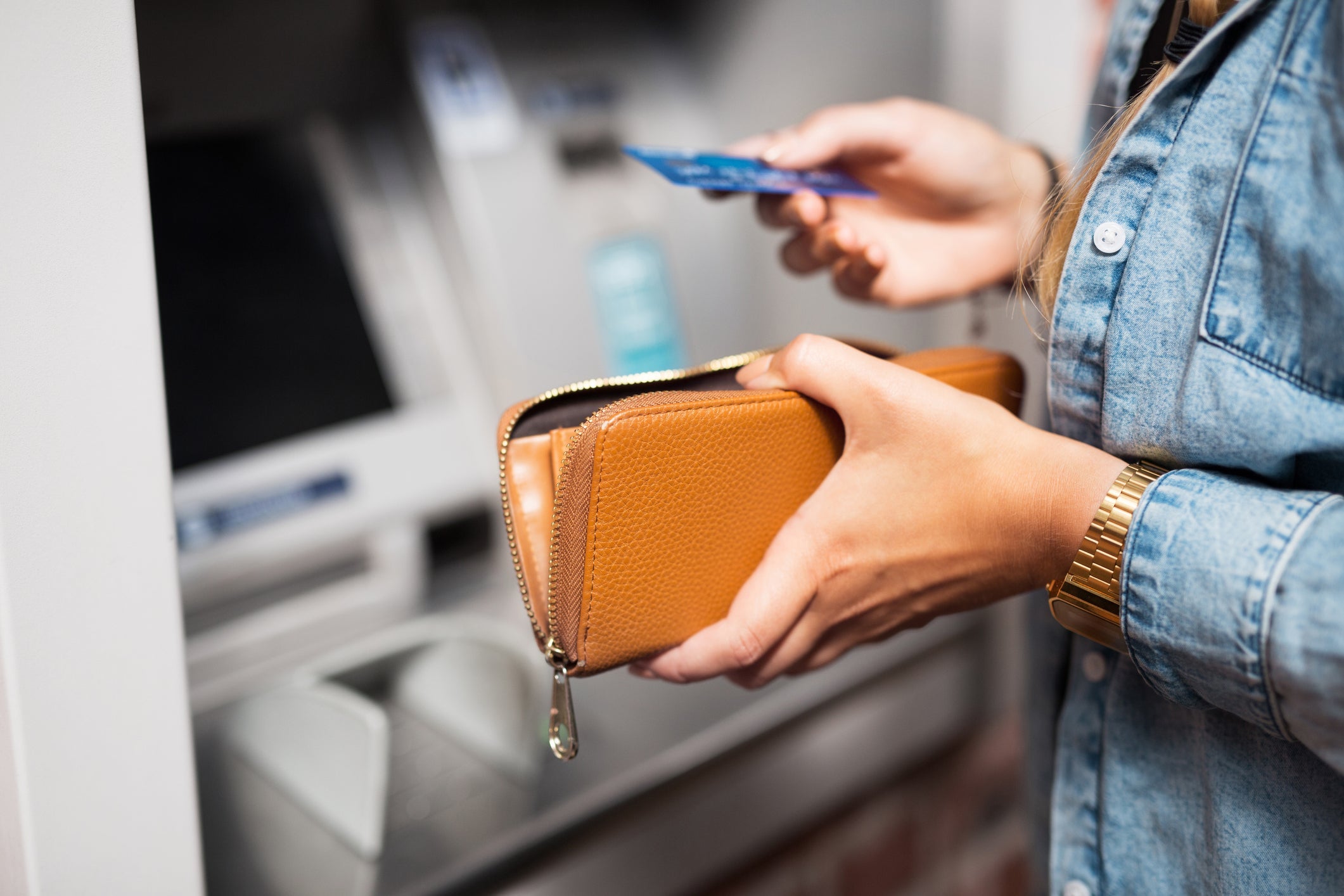
If you lose your wallet, your first step should be to fire up your card and banking mobile apps and contact customer service.
The first card you should freeze is likely your debit card. "I prioritize canceling or freezing my debit card first as I know that my credit cards protect me so much better," TPG reader Tal Almany told us. Since your debit card is linked directly to your bank account, any funds charged or withdrawn will be gone until you can sort things out with your bank. Credit cards tend to offer much more comprehensive fraud protection so you don't have to pay for any unauthorized charges if your card is lost or stolen.
These days, most banks and issuers offer the ability to freeze your account directly within a mobile app. For those that don't, give them a call immediately and ask them to do so.

But when it comes to freezing versus canceling, consider going the freezing, or locking, route first. "I freeze instead of outright cancel to give me some extra time to try and find the wallet while still providing peace of mind that nobody will be able to use my cards," says TPG reader Graham Jones. As Graham notes, unlike canceling your card, which means you'll have to wait for a new one to reach you, locking your account is like temporarily turning off your card. It remains open but unusable by anyone until you call your bank back to unlock it. That way, you can take your time looking for your lost wallet and if you find it, you can simply unfreeze your card. If you don't find it, then you can cancel the card.
Related: Credit card fraud: How to spot and report it

2. Freeze cards with the highest credit limits
Generally speaking, it may be a good rule of thumb to cancel or lock premium rewards cards and business credit cards next. These cards are most likely to have higher spending limits than others. Some cards don't have any preset spending limits at all.
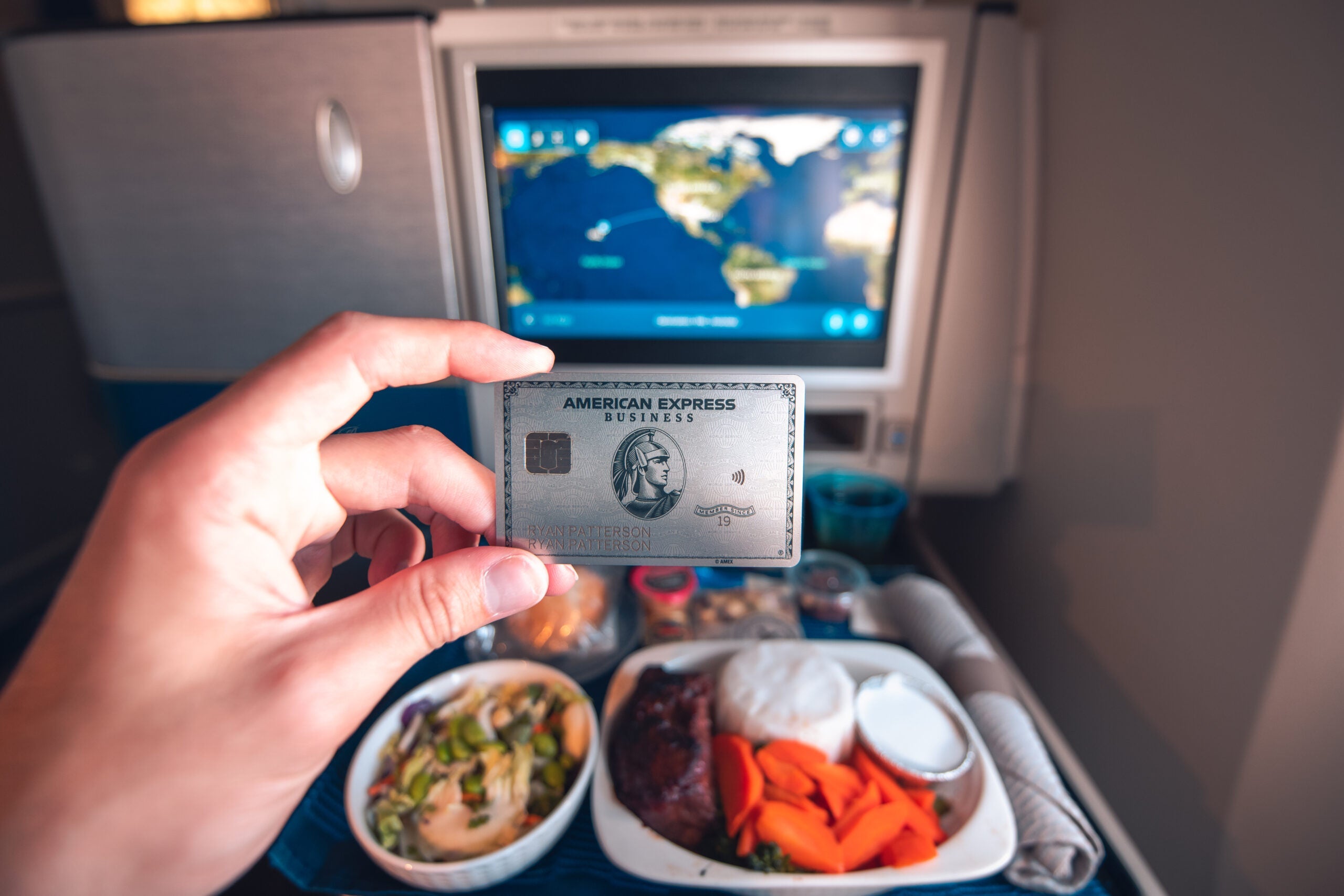
Most Amex-branded cards, including The Platinum Card® from American Express and the American Express® Gold Card, fall under this category. With these cards, your transactions are approved on a case-by-case basis, so it may be wise to cancel these products in case your wallet falls into the wrong hands.
Related: Best credit cards with the highest limits in 2021
3. Only carry the essential cards when traveling
With the advent of digital wallets, it's a best practice to carry as few cards as possible, especially when traveling. That's becoming even easier both here in the U.S. and abroad thanks to the accelerating advent of point-of-sale terminals that accept digital payments.
Carrying cards in your digital wallet instead of your physical one minimizes risk. It's also more sanitary since digital wallets enable contactless payment, so you don't have to touch anybody or anything. Though if you lose your phone, that's another story!
"Only two cards per outing. The rest is on Apple Pay or on an as-needed basis," says TPG reader Jose Ramirez.
4. Have a backup card (or wallet) when you travel
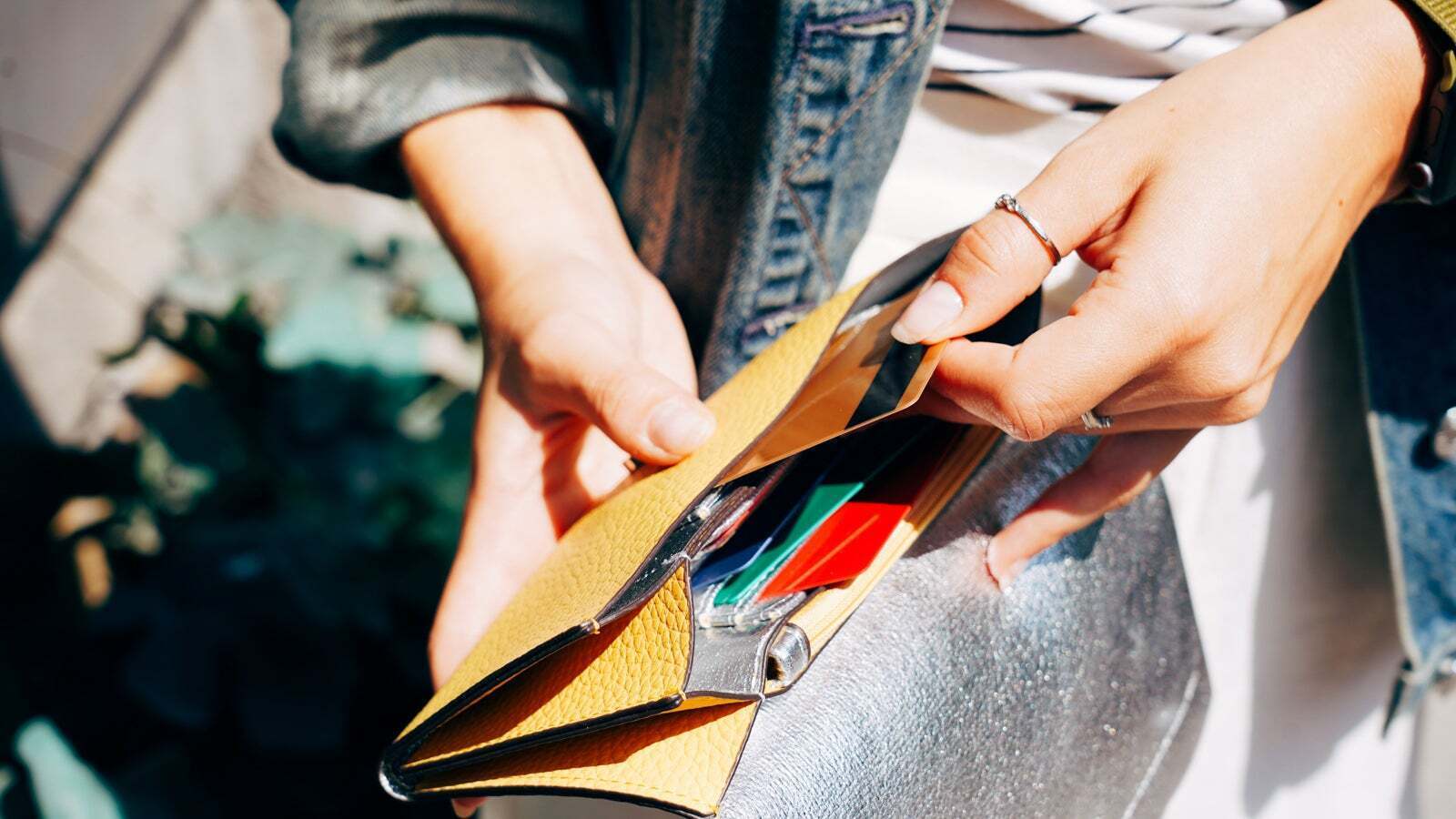
If your wallet is lost or stolen and all of your cards are in it, you'll wish you had set aside at least one card for safekeeping. Therefore, the general advice is to keep your backup card somewhere secure, such as in your hotel room safe.
Some TPG readers and staffers also bring an entire second wallet with them.
TPG senior travel editor Melanie Lieberman usually carries a small card holder on trips that contains a credit card, a debit card, a nonessential ID and a little cash. Meanwhile, she also packs a full-size wallet for backup with a driver's license, a second bank card and other credit cards, then stores it in the hotel safe in case of emergencies.
Related: Why you might want to pack 2 wallets the next time you travel
5. Get a Bluetooth tracker for your wallet
While this won't help in the case of theft, if you happen to lose your wallet, a Bluetooth tracker can come in handy.
"I keep a Tile Bluetooth tracker in my wallet and a note in the first flap with a phone number to reach me at should someone pick it up," TPG reader Mike Geng says.
Bottom line
Losing your wallet, whether at home or on the road, is a massive inconvenience.
But there are certain steps you can take both before and after it happens to ensure things go as smoothly as possible. From immediately freezing your accounts to keeping a backup card or wallet, these are simple procedures to get your life, and your trip, back on track without much hassle.