What Led to Friday's Ground Stop, And Why It Happened at LGA

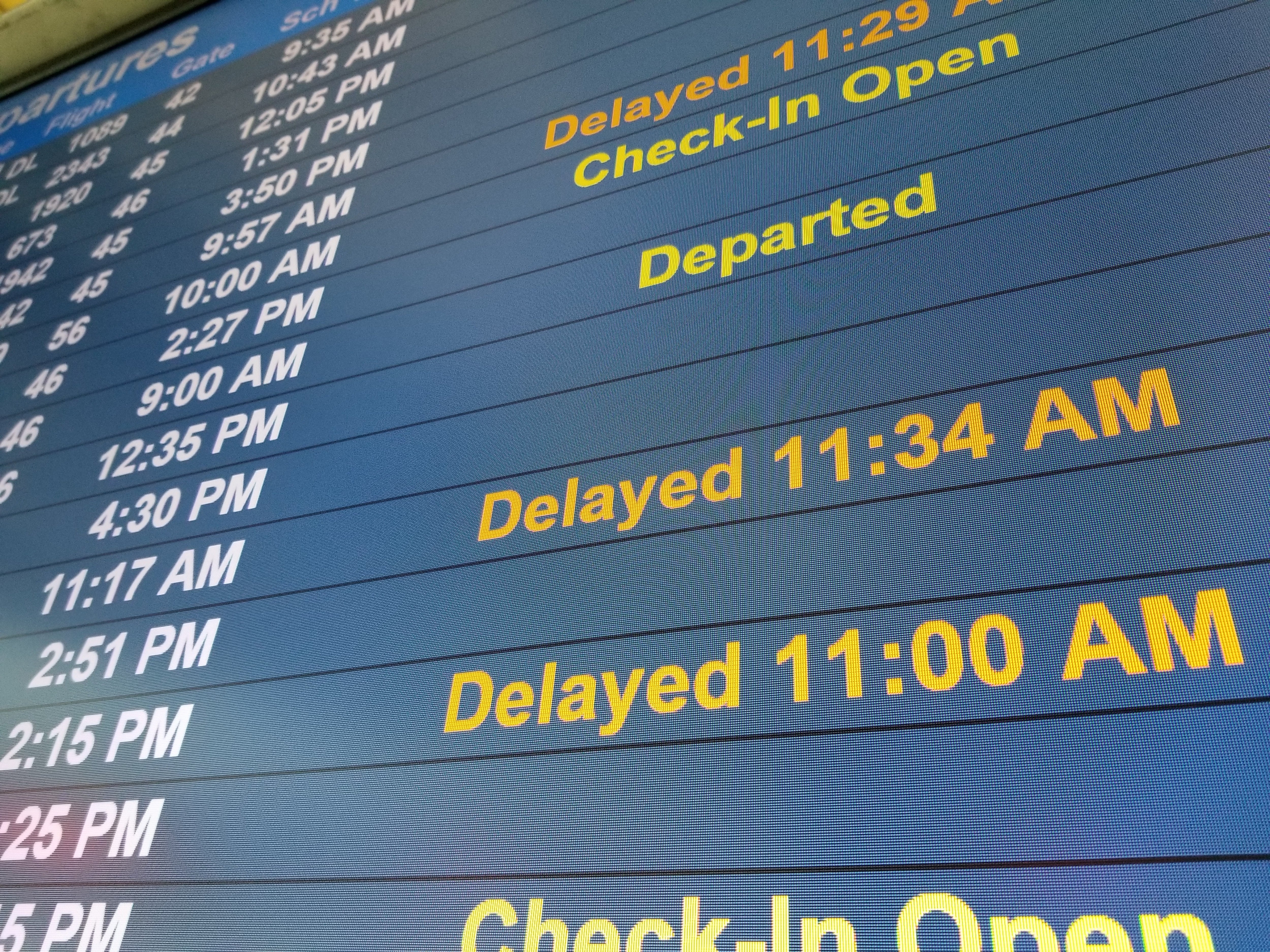
On Friday, Day 35 of the US government shutdown, air traffic control issues at LaGuardia led to widespread delays all across the Northeast and as far away as Atlanta, proving how quickly the US aviation system can fall apart when it's understaffed. These issues also seemed to trigger a quick deal to reopen the government and end the shutdown — at least for the next three weeks — only hours after the FAA issued an LGA ground stop.
It was clear early in the day on Friday that the air traffic system in the northeastern United States was having some serious problems. So, let's dive into what actually happened and why it wreaked such havoc with the system.
First, there's the possible precipitating event. The US Office of Personnel Management (OPM) on Thursday released new guidelines for essential personnel. The new guidance stated that essential personnel were allowed to take leave during the shutdown. Before this, anyone deemed essential was barred from taking leave during a shutdown. The very next day, the ATC system in the northeast saw a significant staffing shortage. While no actual figures were released, it was enough to cause serious problems.
Staff shortages were reported at both Washington Center (ZDC) and Jacksonville Center (ZJX) on Friday. This led to the ATC centers having a lack of capacity for the number of flights that needed to use the airspace. To deal with the lack of capacity a ground stop had to be issued.
A ground stop simply means that flights are halted temporarily, and the most common reason for a ground stop is weather, which already happened to be a problem at LGA on Friday. If you have ever flown through Dallas (or any southern US airport) on a summer afternoon, you may have experienced a ground stop due to thunderstorms. It's simply a way to hold traffic in place.

But ground stops can have ripple effects throughout the system. When a ground stop is in place, planes that are scheduled to depart to the affected airport are held in place as well. ATC won't give a takeoff clearance to head to an airport that isn't currently accepting traffic. For flights en route already, a ground stop could lead to a diversion. A single delay on an aircraft's route for the day can lead to every flight after that on its route being delayed or, in a worst case scenario for passengers, cancelled flights.

By 1pm, FlightRadar24 had LGA, a highly congested airport on the best of days in one of the busiest airspaces anywhere in the United States, listed as the worst airport in the world for delays on Friday. It was likely this combination of an already busy airport, congested air space, lack of ATC capacity and weather (winds) that led to the FAA calling the infamous LGA ground stop.
H/T: NYC Aviation
TPG featured card

at Capital One's secure site
Terms & restrictions apply. See rates & fees.
| 5X miles | Earn 5X miles on hotels, vacation rentals and rental cars booked through Capital One Travel |
| 2X miles | Earn unlimited 2X miles on every purchase, every day |
Pros
- Stellar welcome offer of 75,000 miles after spending $4,000 on purchases in the first three months from account opening. Plus, a $250 Capital One Travel credit to use in your first cardholder year upon account opening.
- You'll earn 2 miles per dollar on every purchase, which means you won't have to worry about memorizing bonus categories
- Rewards are versatile and can be redeemed for a statement credit or transferred to Capital One’s transfer partners
Cons
- Highest bonus-earning categories only on travel booked via Capital One Travel
- LIMITED-TIME OFFER: Enjoy $250 to use on Capital One Travel in your first cardholder year, plus earn 75,000 bonus miles once you spend $4,000 on purchases within the first 3 months from account opening - that’s equal to $1,000 in travel
- Earn unlimited 2X miles on every purchase, every day
- Earn 5X miles on hotels, vacation rentals and rental cars booked through Capital One Travel
- Miles won't expire for the life of the account and there's no limit to how many you can earn
- Receive up to a $120 credit for Global Entry or TSA PreCheck®
- Use your miles to get reimbursed for any travel purchase—or redeem by booking a trip through Capital One Travel
- Enjoy a $50 experience credit and other premium benefits with every hotel and vacation rental booked from the Lifestyle Collection
- Transfer your miles to your choice of 15+ travel loyalty programs
- Top rated mobile app