How Istanbul plans to become the world's busiest airport

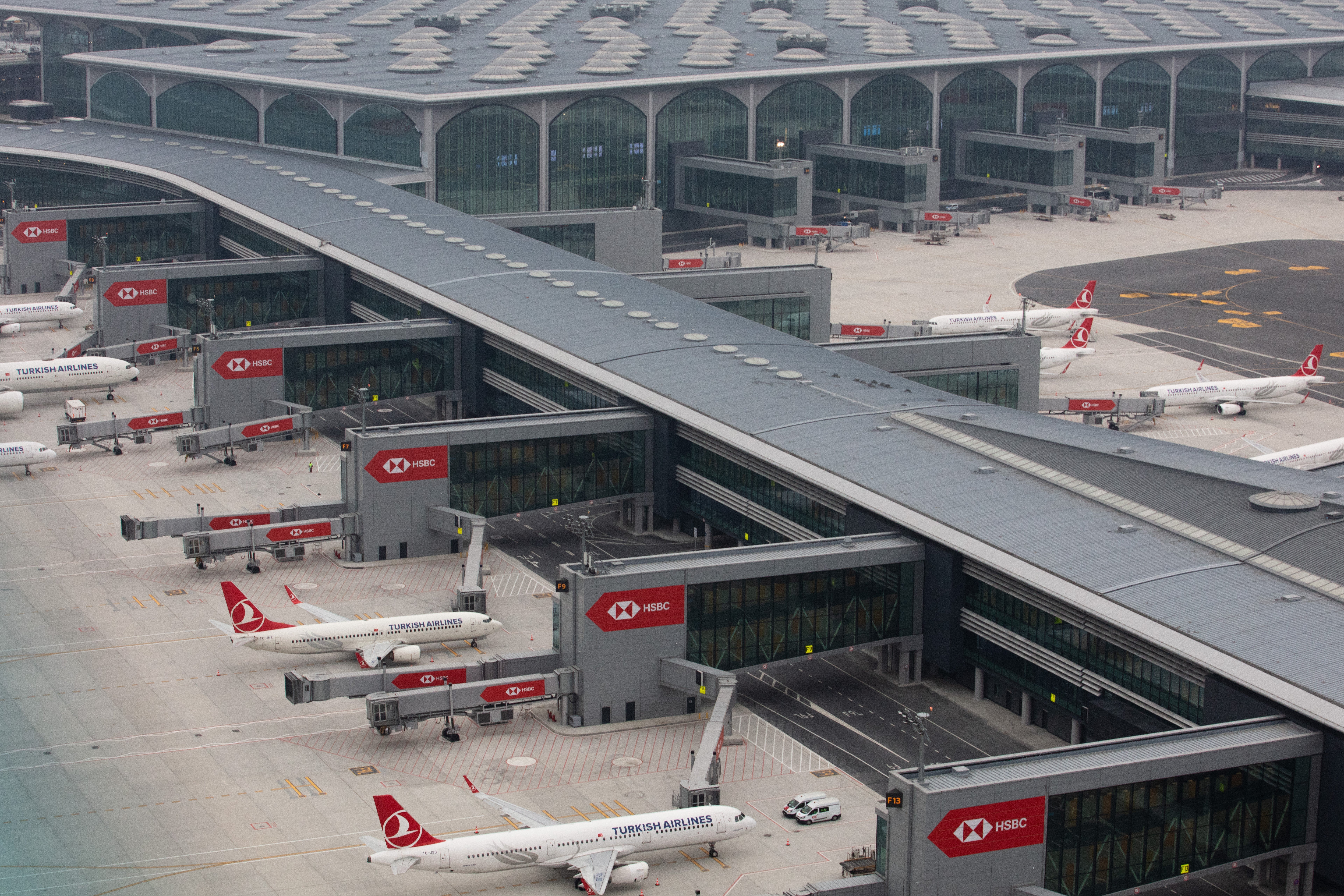
Istanbul opened its new airport earlier this year with very ambitious plans.
It is currently the world's largest single airport terminal by size, and the massive project has only completed its first stage. When the full four stages of additional satellite terminals and runways are complete in 2028, the airport expects to have the capacity to handle a whopping 200 million passengers a year — (far) more than any other airport.
Last year the old Istanbul Ataturk Airport (which this new airport replaced) was the world's 17th busiest airport with "only" 61 million passengers. So, the new airport's plan to more than triple passenger numbers in less than 10 years is indeed a lofty goal.
By comparison, the world's busiest airport by passengers last year was once again Atlanta (ATL) with 107 million passengers.
Like its airport rivals in nearby Dubai (DXB), Abu Dhabi (AUH) and Doha (DOH), Istanbul's airport model is primarily to connect passengers. Flag carrier Turkish Airlines operates a fortress hub at Istanbul (IST), flying to more countries than any other airline. That allows the airline — and the airport — to offer one-stop connections between obscure destinations that few others can.
The airport's CEO, Kadri Samsunlu told the World Aviation Festival in London this week that the ambitious growth strategy to become the world's busiest involves some unique challenges beyond simply attracting more airlines and more flights.
Investing in technology
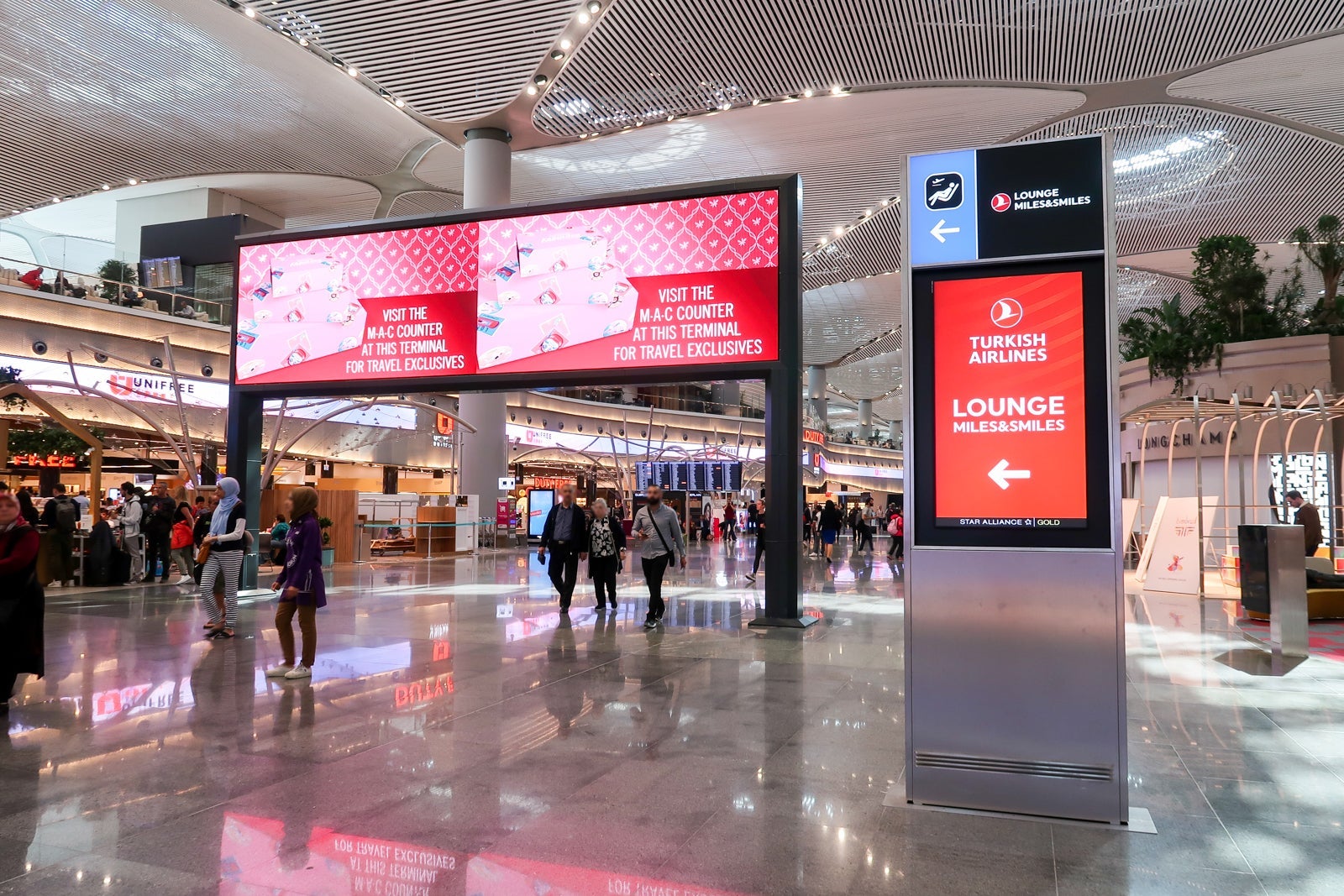
Samsunlu sees a big investment in biometric technology as the future of the airport passenger experience. He says IST designed the airport with the best IT experts he could find in Turkey, regardless of whether they worked in the aviation industry or not.
In theory, the more biometric usage, the less staff required to assist passengers with their journeys. From check-in to immigration and boarding, he believes this investment should eventually pay for itself. Additionally, as automation reduces the time it takes passengers to move through from curb to gate, the more passengers the airport should be handle at any one time — at least theoretically.

Related: Sayonara, Narita: The Rise and Fall of Delta's Tokyo Hub
Reducing wait time, increasing retail time
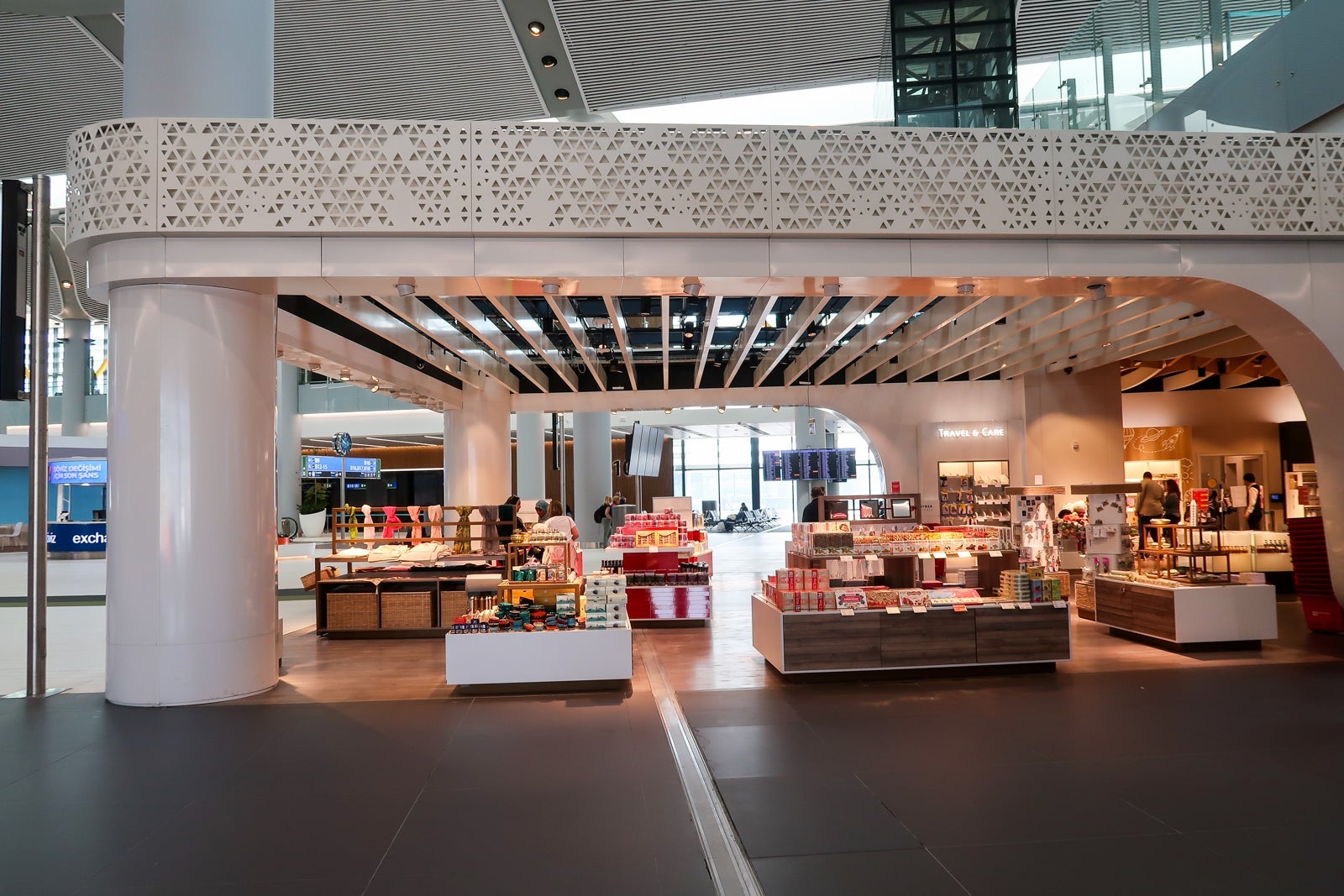
The airport operator freely admits that no matter how many passengers the airport handles, it needs to do so profitably. So in order to cope with potentially hundreds of million of passengers each year, the airport needs to make a huge amount of money. There's only so much money the airport can make from landing fees, so the real profit is in retail operations, whether that is duty free, food and beverage or other shopping.
To maximize the amount of money passengers are likely to spend in airport retail, Istanbul airport needs to maximize the amount of free time they have in these areas before their flights. The easiest way to do this is by minimizing the time passengers are spending in queues throughout their passenger experience.
For passengers this can be considered a win too. While you may not plan to purchase anything while you're airside, surely you'd rather be relaxing by the gate or in an airport lounge instead of standing in an hour-long security queue.
Airline investment, not government investment
One of the most interesting factors Samsunlu revealed was in regards to government relations. He described Turkey as an "emerging economy" and explained that he undertook an education offensive to convince government officials that a thriving Istanbul Airport would benefit the entire nation. Initially, government officials did not understand why a seamless efficient passenger experience utilizing expensive technology was worth spending so much time, focus and money on.
He talked of his frustration with government investment in the airport project so far — the airport corporation has billions of dollars of loans riding on the success of the project. Instead he is looking to profitable airlines for future investment in airport technology and passenger experience. He singled out Lufthansa, Qatar Airways and Air France along with Turkish Airlines, saying 'those airlines have the money and the interest to invest and are far easier to work with than the government. That, he said, has led him to reply on the airlines to help to establish world best practices rather than waiting for government to "get with the times."
Related: The Best Credit Cards for Airline Lounge Access
Enticing passengers to return
Passengers have plenty of choice, particularly in the competitive Middle East region where the like of Qatar and the United Arab Emirates have seemingly endless resources to put their countries on the tourist and aviation maps. Istanbul can offer some connections that no other airport can, thanks to Turkish Airlines' unique route network. Despite that, connecting passengers are spoiled for choices in the region. Excepting for inexperienced and particularly price-sensitive travelers, customers are unikely to choose a connecting airport where they've had a poor experience in previously.
Given that, Istanbul Airport is working hard to make the airport experience as pleasant as possible so passengers choose it for their next itinerary. Samsunlu considers this to be an education task as much as anything. For example, passengers eligible to use passport e-gates can save plenty of time, provided they are aware they can use them.
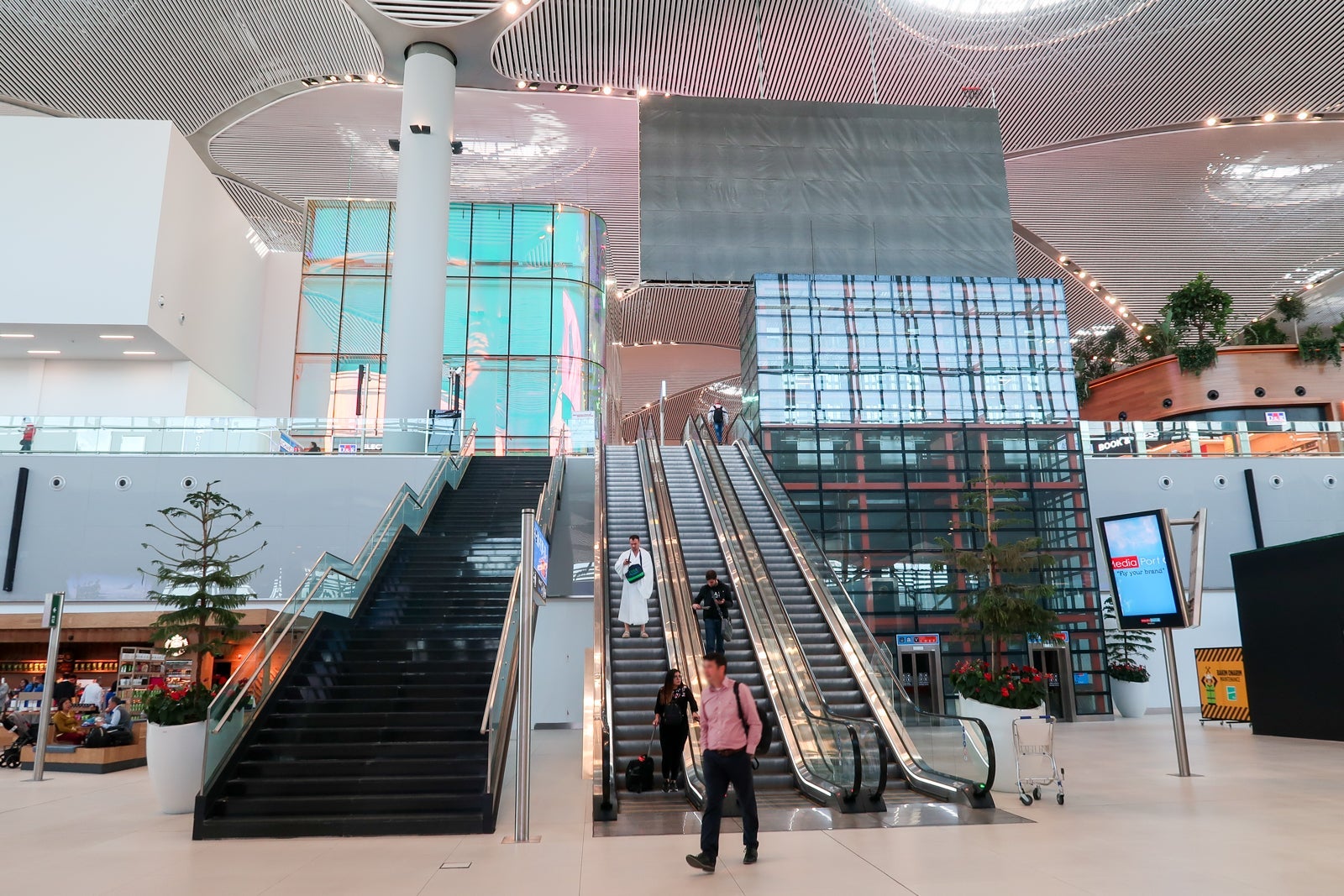
Though the new airport has been built "future-proofed" for a higher capacity than it currently handles (there were no queues anywhere the numerous times I have used it,) I did notice dozens of "ask me" staff scattered across the airport. They are tasked with answering any questions and ensuring passengers are aware of every benefit, all in the hope of getting flyers to choose IST for their next journey.
Related: Here's Which US Airline Cuts More Routes Than Any Other
TPG featured card

at Capital One's secure site
Terms & restrictions apply. See rates & fees.
| 5X miles | Earn 5X miles on hotels, vacation rentals and rental cars booked through Capital One Travel |
| 2X miles | Earn unlimited 2X miles on every purchase, every day |
Pros
- Stellar welcome offer of 75,000 miles after spending $4,000 on purchases in the first three months from account opening. Plus, a $250 Capital One Travel credit to use in your first cardholder year upon account opening.
- You'll earn 2 miles per dollar on every purchase, which means you won't have to worry about memorizing bonus categories
- Rewards are versatile and can be redeemed for a statement credit or transferred to Capital One’s transfer partners
Cons
- Highest bonus-earning categories only on travel booked via Capital One Travel
- LIMITED-TIME OFFER: Enjoy $250 to use on Capital One Travel in your first cardholder year, plus earn 75,000 bonus miles once you spend $4,000 on purchases within the first 3 months from account opening - that’s equal to $1,000 in travel
- Earn unlimited 2X miles on every purchase, every day
- Earn 5X miles on hotels, vacation rentals and rental cars booked through Capital One Travel
- Miles won't expire for the life of the account and there's no limit to how many you can earn
- Receive up to a $120 credit for Global Entry or TSA PreCheck®
- Use your miles to get reimbursed for any travel purchase—or redeem by booking a trip through Capital One Travel
- Enjoy a $50 experience credit and other premium benefits with every hotel and vacation rental booked from the Lifestyle Collection
- Transfer your miles to your choice of 15+ travel loyalty programs
- Top rated mobile app