Hong Kong's iconic Star Ferry may launch its final journey after 142 years in service

After 142 years of service, Hong Kong's iconic Star Ferry may sail its last trip between Kowloon and Hong Kong Island — unless it gets help from big-bucks business investment.
First launched in 1880 as the Kowloon Ferry Company, the Star Ferry Hong Kong has provided service for tourists, commuters and leisurely locals since before Hong Kong's transformation into a commercial and financial hub. The 40-minute to one-hour trip provides travelers with incredible views of Victoria Harbour and the Hong Kong skyline.
Due to political unrest coupled with the COVID-19 pandemic, the ferry is struggling to keep up with its schedule and survive. The last three updates to the company's blog are either service suspension or adjustments, and the company is bleeding money as it tries to continue while crowds dwindle.
Hong Kong's history, blessing and curse
The Star Ferry is steeped in history, and its boats have been at the center of growth, political demonstration and historical events that defined the eras they sailed through.
At the time of the ferry's inauguration, Hong Kong was British-controlled, transforming into a hub for both commerce and corruption — drugs, piracy and smuggling were rampant and a police force was formed to keep control of crime in the harbors of Tsim Sha Tsui on Hong Kong Island and Kowloon.
In 1966, the government raised the ferry's fare price, which did not sit well with a public that had grown to depend on the ferry as part of the city's lifeblood. Days of protests and deadly demonstrations and riots erupted as a result, and officials eventually reformed their policies. These riots became a symbol of the power of protest in Hong Kong.
Modern transportation and the proliferation of public land-based transportation and individual car ownership threatened the ferry once before in 1972, after the city built a cross-harbor tunnel. Star Ferry pivoted to market more to tourists, offering a cheap tour of the glimmering city skyline filled with glass and neon.
Related: 8 things every teen should do in Hong Kong
As the city boomed and more tourists came to visit its bright lights and luxury shopping and hotels, the Star Ferry again became a symbol of a global hub with a rich history.

2019 and 2020: Gut punch for the ferry
In 2019 and 2020, the years of a fight for democracy and against COVID-19 were a one-two gut punch for the ferry. The 2019 demonstrations between pro-democracy protesters and riot police became global news. The world saw civilians in helmets and goggles carrying shields to protect themselves during clashes with officers, demanding political freedom from China. Daily, the streets were clouded with tear gas.
After those protests, the Star Ferry reported an incredible financial crisis, losing more money in the 30 months of protests and pandemic than it had brought in over the last three decades.
Related: Why despite political unrest, it's still a great time to visit Hong Kong
The COVID-19 pandemic brought even more financial devastation to the ferry's operations and bottom line. With small businesses nearly destroyed by continuing "zero-tolerance" lockdowns and restrictions, Hong Kong was cut off from the rest of the world while other countries tried to recover.
It was looking good in late 2021, and Hong Kong had declared victory over the virus. Then came the omicron variant. Hong Kong closed down once again; restaurants, bars, schools and gyms all shuttered until the wave passed. Tourism, once an essential economic driver, is still suspended until May 1.
What can keep the Star Ferry sailing
Suffering from almost $9 million in losses, heaps of debt and owing back pay to its workforce, the Star Ferry's future looks bleak.
A recent article in the South China Morning Post reports general manager David Chow indicated the company has gone into "negative equity" and doesn't expect to pay off its debts until after 2047.
What can help the floundering ferry service? Big investment in preserving Hong Kong's history.
Other areas of Hong Kong, including the State Theatre in North Point and the Peak Tram, a funicular that carries visitors up to the top of Victoria Peak, were both bought by major Hong Kong business families with the intention of renovation and increased profitability. This is what could save the ferry.
Related: How to visit Hong Kong with kids
Additionally, the pier locations along the Tsim Sha Tsui and Kowloon harbors are waterfront properties crying out for investment as dining and shopping destinations, but as of yet, no investors have taken that opportunity.
The desire from Hong Kong's residents is there, and so is the demand. Crowds on the pier to board the tri-tiered boats are returning to pre-pandemic levels, especially as the city prepares to reopen to tourists, but the company's value seems unsalvageable. It'll take a dedicated investor with a love for the city's history and plenty of funds to bail out the ferry service and keep the Star Ferry an iconic piece of Hong Kong for 150 more years.
TPG featured card
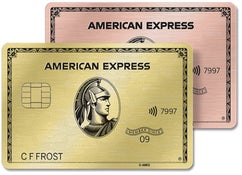
at American Express's secure site
Terms & restrictions apply. See rates & fees.
| 4X | Earn 4X Membership Rewards® points per dollar spent on purchases at restaurants worldwide, on up to $50,000 in purchases per calendar year, then 1X points for the rest of the year. |
| 4X | Earn 4X Membership Rewards® points per dollar spent at US supermarkets, on up to $25,000 in purchases per calendar year, then 1X points for the rest of the year. |
| 5X | Earn 5X Membership Rewards® points on prepaid hotel stays booked through AmexTravel.com or the Amex Travel App™. |
| 3X | Earn 3X Membership Rewards® points on flights booked through AmexTravel.com, the Amex Travel App™, or purchased directly from airlines. |
| 2X | Earn 2X Membership Rewards® points on prepaid car rentals booked through AmexTravel.com or the Amex Travel App™ and cruises booked and paid through AmexTravel.com. |
| 1X | Earn 1X Membership Rewards® point per dollar spent on all other eligible purchases. |
Pros
- Valuable dining and food-related credits
- Flexible rewards with airline and hotel transfer partners
- Multiple travel and purchase protections
- No foreign transaction fees
- Access to Amex Offers for additional savings (enrollment required)
Cons
- Not as useful for those living outside the U.S.
- Some may have trouble using Uber and other dining credits
- You may be eligible for as high as 100,000 Membership Rewards® Points after you spend $8,000 in eligible purchases on your new Card in your first 6 months of Card Membership. Welcome offers vary and you may not be eligible for an offer. Apply to know if you’re approved and find out your exact welcome offer amount – all with no credit score impact. If you’re approved and choose to accept the Card, your score may be impacted.
- Earn 4X Membership Rewards® points per dollar spent on purchases at restaurants worldwide, on up to $50,000 in purchases per calendar year, then 1X points for the rest of the year.
- Earn 4X Membership Rewards® points per dollar spent at US supermarkets, on up to $25,000 in purchases per calendar year, then 1X points for the rest of the year.
- Earn 5X Membership Rewards® points on prepaid hotel stays booked through AmexTravel.com or the Amex Travel App™.
- Earn 3X Membership Rewards® points on flights booked through AmexTravel.com, the Amex Travel App™, or purchased directly from airlines.
- Earn 2X Membership Rewards® points on prepaid car rentals booked through AmexTravel.com or the Amex Travel App™ and cruises booked and paid through AmexTravel.com.
- Earn 1X Membership Rewards® point per dollar spent on all other eligible purchases.
- Pay It® lets you tap in the American Express® App to quickly pay for small purchase amounts throughout the month and still earn rewards the way you usually do. Plan It® gives you the option to split up big purchases into equal monthly payments with a fixed fee. You’ll know upfront exactly how much you’ll pay.
- $120 Dining Credit: Earn up to a total of $10 in statement credits monthly when you pay with the Gold Card at Grubhub (including Seamless), Buffalo Wild Wings, Five Guys, The Cheesecake Factory, and Wonder. This can be an annual savings of up to $120. Enrollment required.
- $100 Resy Credit: Get up to $100 in statement credits each calendar year at over 10,000 qualifying U.S. Resy restaurants after you pay for eligible purchases with the American Express® Gold Card. That’s up to $50 in statement credits semi-annually. Enrollment required.
- $84 Dunkin' Credit: Earn up to $7 in monthly statement credits after you pay with the American Express® Gold Card at U.S. Dunkin’ locations. Enrollment required.
- $120 Uber Cash on Gold: Enjoy up to $120 in Uber Cash annually with your Gold Card. Just add your Card to your Uber account and you'll get $10 in Uber Cash each month to use on orders and rides in the U.S. when you select an Amex Card for your transaction.
- Enjoy complimentary Hertz Five Star® Status benefits like skipping the counter at select locations, adding an additional driver at no additional cost*, and vehicle upgrades**. Benefit enrollment and Hertz Gold+ registration are required. *Additional drivers must meet standard rental qualifications and must be a spouse or domestic partner to qualify as complimentary. Other additional drivers subject to fees. **Benefits are subject to availability and vary by location. Additional Hertz program Terms and Conditions including age restrictions apply.
- Book two nights or more with The Hotel Collection through AmexTravel.com or the Amex Travel App™ and receive a $100* credit towards eligible charges at over 1,400 upscale hotels worldwide. *Eligible charges vary by property.
- Book your travel through the Amex Travel App™ with added peace of mind – backed by American Express® service and support. Only for American Express® Card Members.
- Whenever you need us, we're here. Our Member Services team will ensure you are taken care of. From lost Card replacement to statement questions, we are available to help 24/7.
- No Foreign Transaction Fees.
- Annual Fee is $325.
- Terms Apply.