Heritage Journey: Using DNA to Trace My Roots to Africa
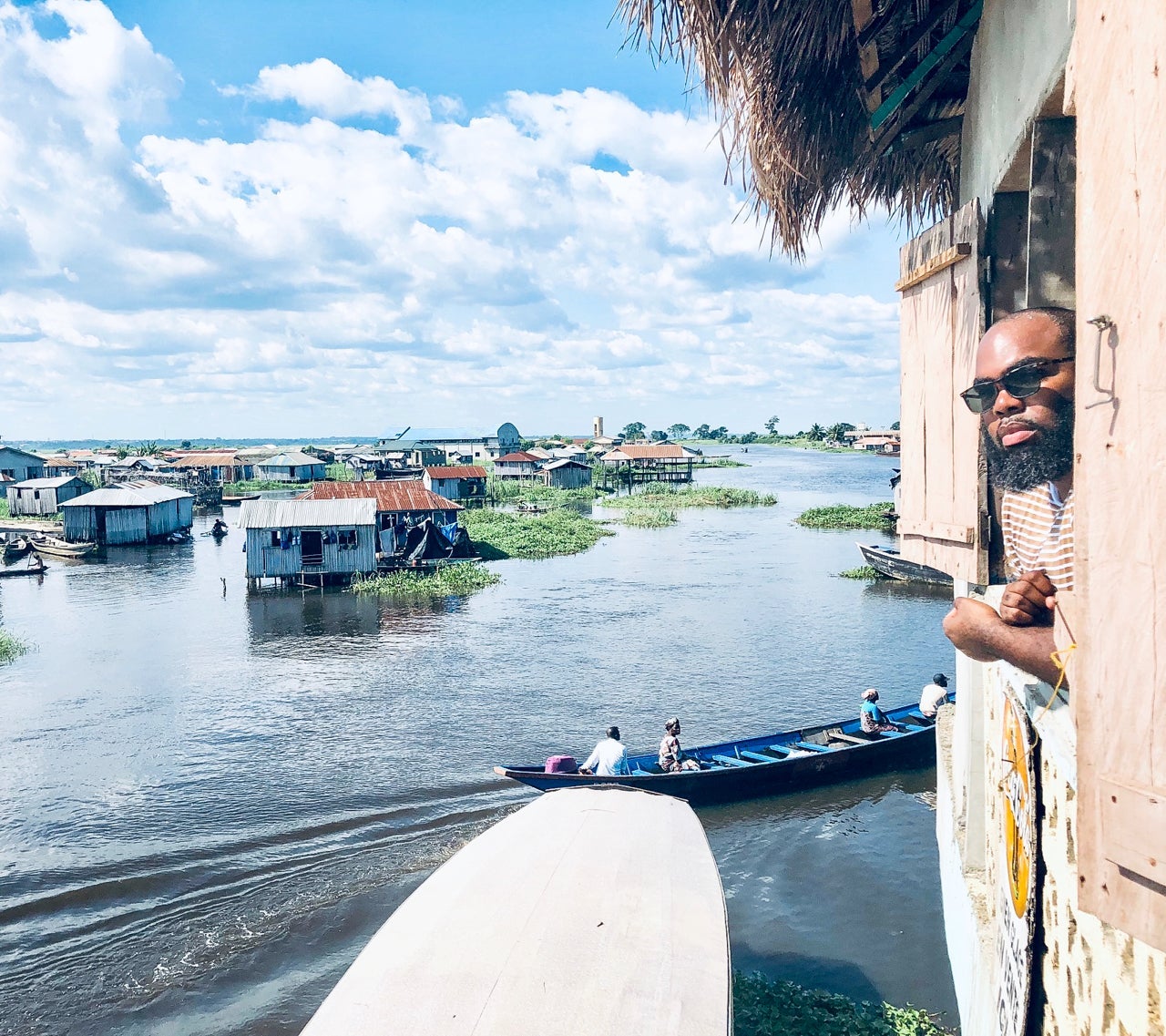
TPG partnered with Soul Society 101 founder Rondel Holder to explore how DNA testing is helping people discover their roots. Follow along on his two-part heritage journey to see what happens when you discover where your ancestors are from for the first time, and then plan an extraordinary adventure around the results.
Part I
When I first spat into a vial for my ancestry test, I felt nervous excitement. I knew the results of this test could answer questions that had been plaguing me for years, and would close the gap between my residence in the US and my "home" within the continent of Africa. I wondered, would I feel an innate pride for the place I'm "from" without ever having been there — and could I be faulted if I didn't? Would a trip there help me forge a stronger bond with my ancestors?
I was born and raised in Brooklyn, New York, to parents from the Caribbean island nations of Grenada and Jamaica. I loved my Caribbean-American upbringing, from the accents to the foods (oil down with roti; meats smothered in curry, jerk and brown stew), from the music to the storytelling and values that make Caribbean-American such a special subculture within being black in America.
Luckily for me, having immigrant parents is fairly common in New York. And the East Flatbush and Flatbush neighborhoods where I grew up have even become known as the Little Caribbean, thanks to the sheer number of Caribbean immigrants who occupy the households and run businesses there.

Though the landscape of New York City has changed a lot over the last 10 years, one quality that's stayed consistent is that you can meet someone from nearly every part of the world here. It's a great place for cultural exposure and self-reflection, and it's probably one of the key reasons I have become an anthropologist of sorts. See, I'm obsessed with learning about different cultures, and how they've been shaped by geography and other influences. This love of culture is why I travel and founded Soul Society 101.
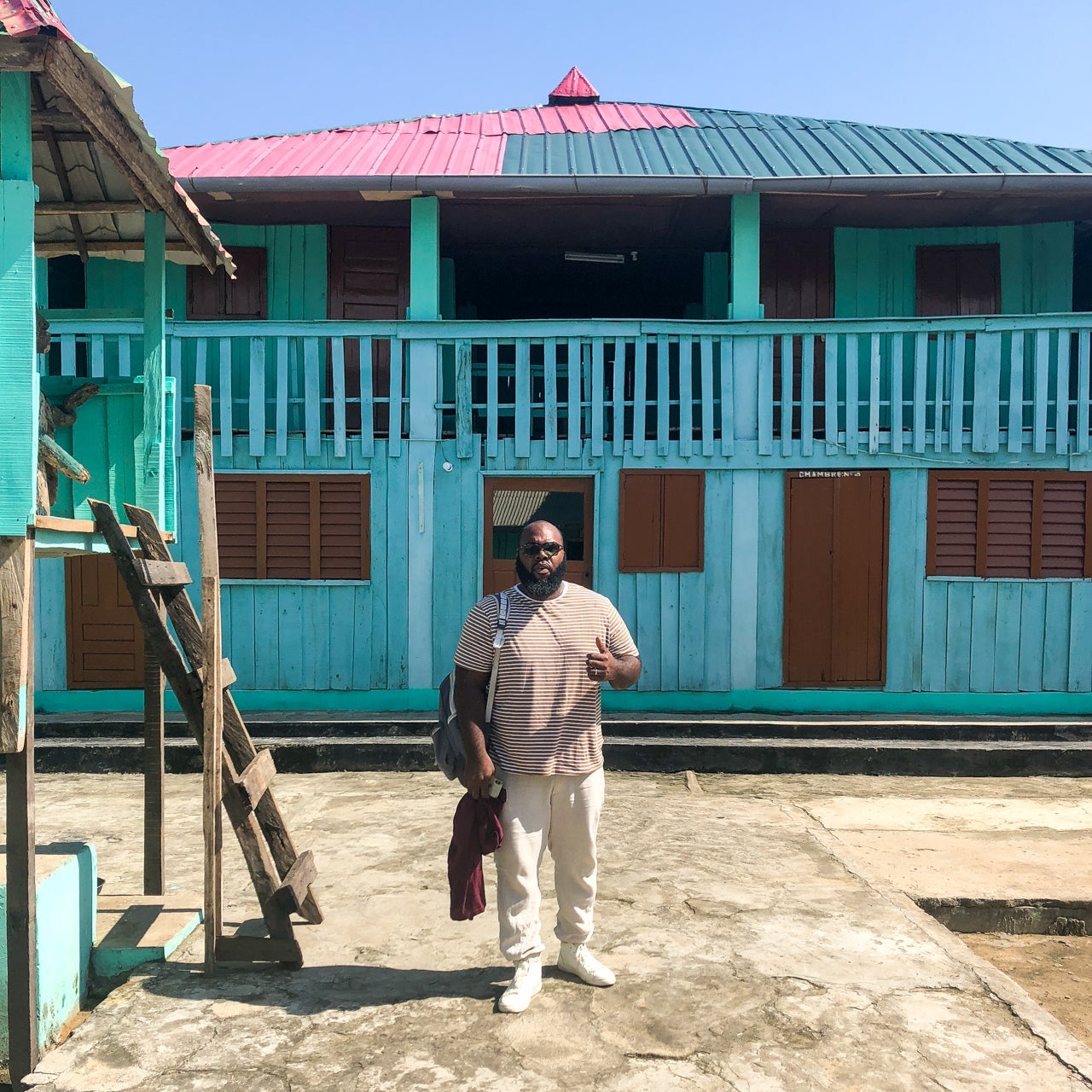
Although I have an affinity with Afro-Caribbean culture and Black American culture, I've often wondered about tracing my lineage even further. Could I follow my bloodline beyond my Caribbean roots? What are the true makings of me?

It's not spoken about enough, but for most black people in America, discovering ancestral roots is much more than a matter of curiosity. It's a spiritual experience. The uprooting of West Africans for slavery in both the US and the Caribbean caused a huge disconnect between black people in these regions and their ancestors, in Africa. Some black people in America don't even relate to the term "African-American," and prefer the term Black, because they feel no connection to the continent. It can feel fraudulent.
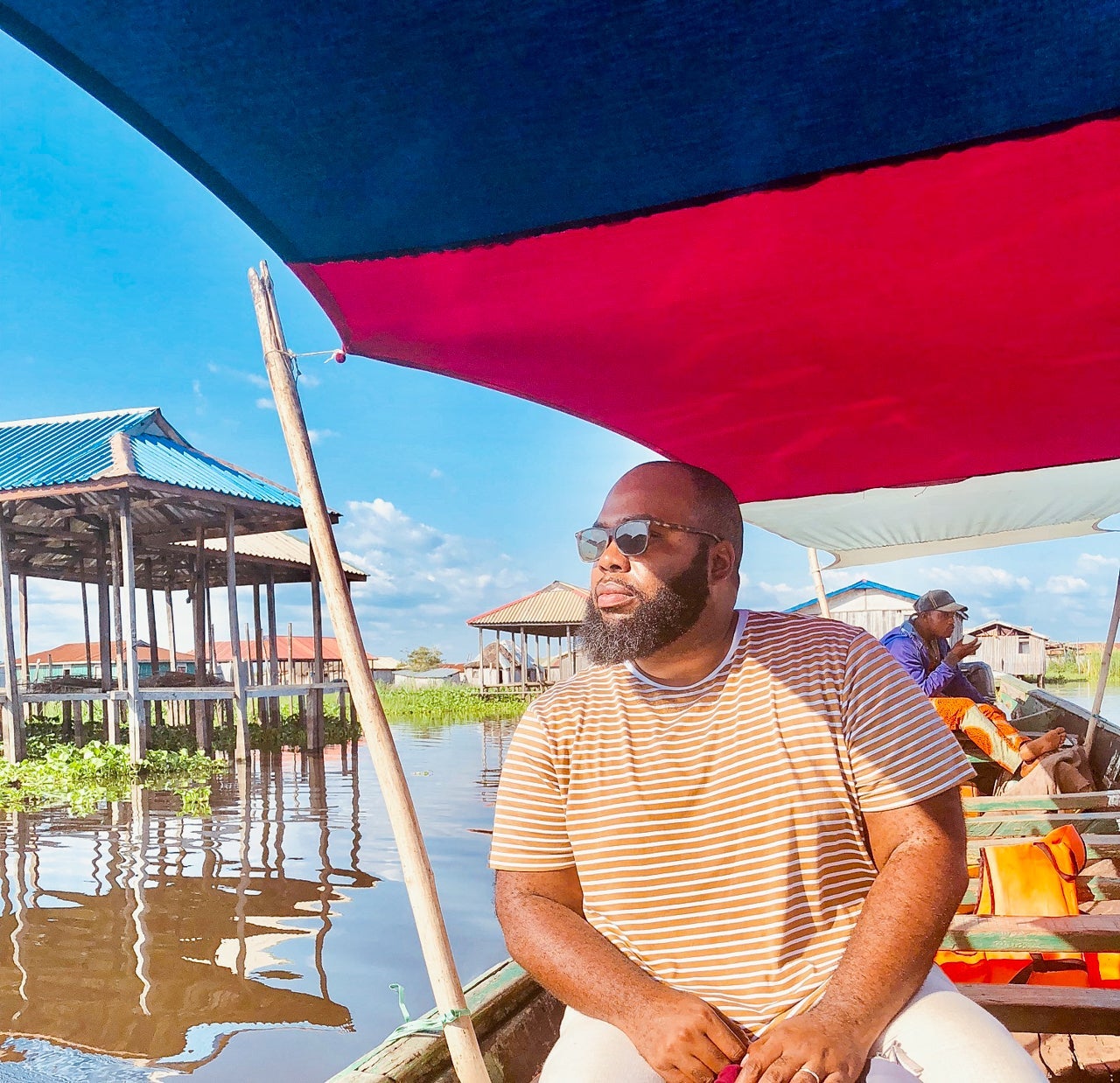
From historical research, I know that both Grenada and Jamaica were home to indigenous Arawak peoples. Later, the British, French and Spanish conquered these islands and brought with them slaves from West African countries including Senegal, Ghana and Nigeria, among others. People from China and India have also immigrated to the Caribbean. Basically, being Caribbean can mean your roots go much farther than the Caribbean Sea.
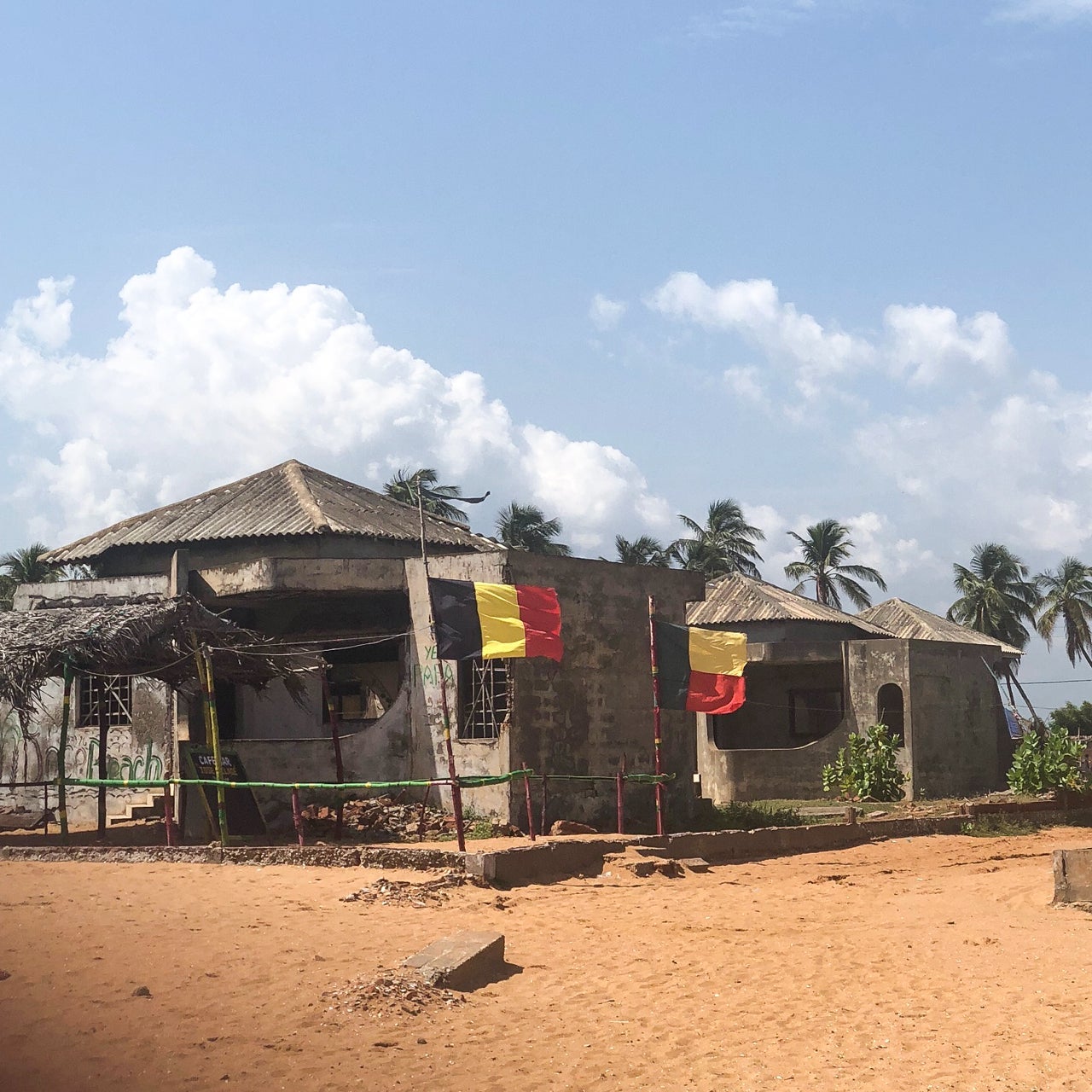
But today, people can actually use genetic material to trace their roots. With AncestryDNA, or any number of other companies that offer a similar service, something as simple as saliva can be used to deduce an ancestral homeland. (We opted to use this particular kit because it's one of the best-known, and claims to have more geographic detail than any other ancestry test on the market. They've also specifically studied migration patterns, so users understand not only where their ancestors are from, but also where they've gone.)

And after mailing off a tube of spit, it took just a few weeks for me to receive the results of my personal test.
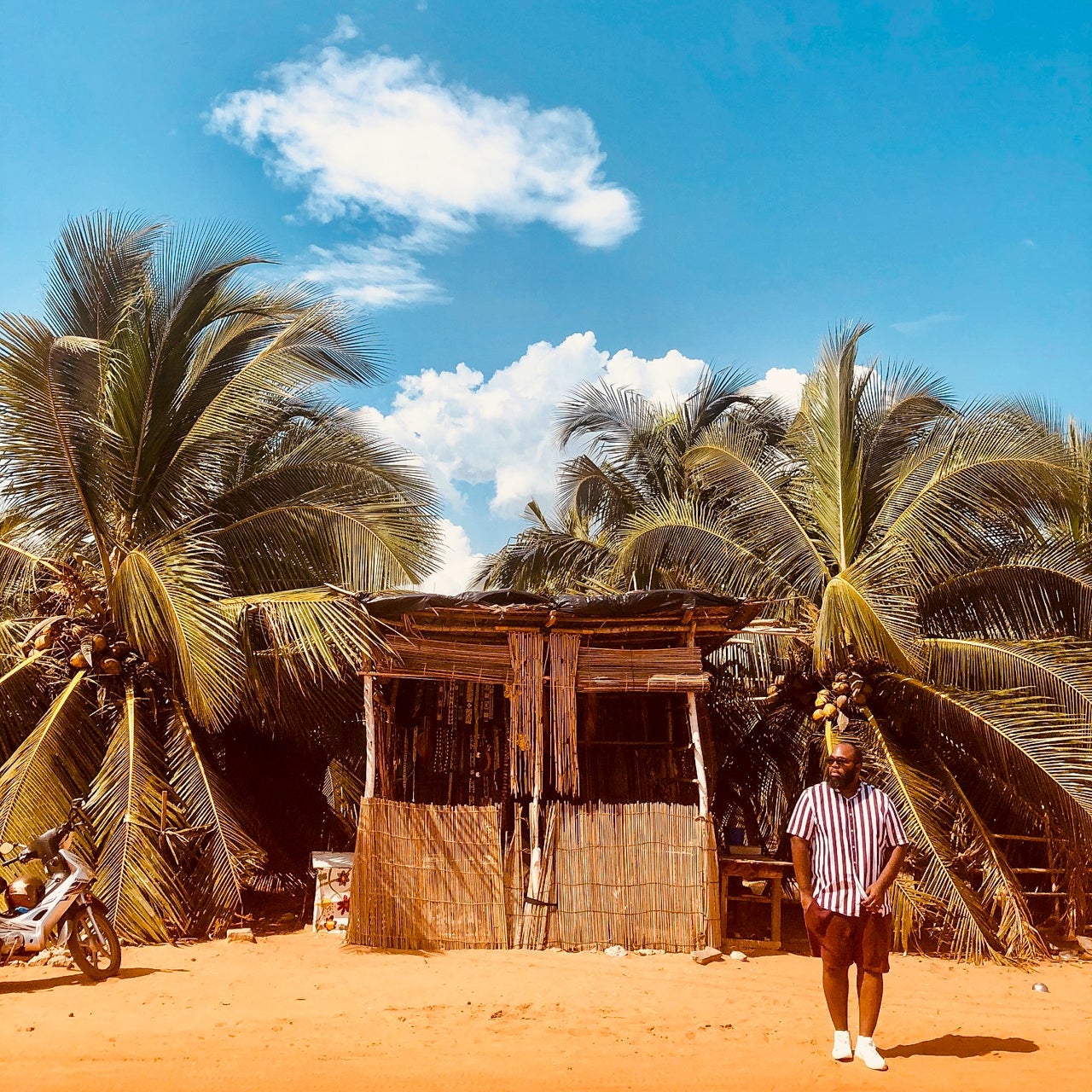
Learning that most of my DNA could be traced to West Africa was not a shock: That's common for black people in America and the Caribbean because of the transatlantic slave ports. What was surprising, however, was that Togo and Benin were where I have the strongest genetic ties (more than 10 countries were in my genetic makeup, actually, including eight in Africa and three in Europe).

But I was very unfamiliar with these two countries. Sure, I'd heard of them before, but I had to look at a map to find out where exactly they were located. And even after doing research online, I still didn't know much about the culture or the people. This made the journey even more exciting.
Within a month, my Air Ethiopia flights were booked. I couldn't wait to explore these nations — and to try and build a connection with places that may have shaped me in ways I never even realized.
Next up: Part II of my Heritage Journey. This journey was not sponsored by AncestryDNA.
Rondel Holder is a content creator and founder of travel platform Soul Society 101, which caters to the African-American audience. An avid traveler and culture enthusiast, Rondel has traveled to over 50 countries worldwide.
TPG featured card

at American Express's secure site
Terms & restrictions apply. See rates & fees.
| 3X | Earn 3X Miles on Delta purchases. |
| 1X | Earn 1X Miles on all other eligible purchases. |
Pros
- Delta SkyClub access when flying Delta
- Annual companion ticket for travel on Delta (upon renewal)
- Ability to earn MQDs through spending
- Various statement credits for eligible purchases
Cons
- Steep annual fee of $650
- Other Delta cobranded cards offer superior earning categories
- Earn 100,000 Bonus Miles after you spend $6,000 or more in purchases with your new Card within the first 6 months of Card Membership and an additional 25,000 bonus miles after you make an additional $3,000 in purchases on the Card within your first 6 months, starting from the date that your account is opened. Offer Ends 04/01/2026.
- Delta SkyMiles® Reserve American Express Card Members receive 15 Visits per Medallion® Year to the Delta Sky Club® when flying Delta and can unlock an unlimited number of Visits after spending $75,000 in purchases on your Card in a calendar year. Plus, you’ll receive four One-Time Guest Passes each Medallion Year so you can share the experience with family and friends when traveling Delta together.
- Enjoy complimentary access to The Centurion® Lounge in the U.S. and select international locations (as set forth on the Centurion Lounge Website), Sidecar by The Centurion® Lounge in the U.S. (see the Centurion Lounge Website for more information on Sidecar by The Centurion® Lounge availability), and Escape Lounges when flying on a Delta flight booked with the Delta SkyMiles® Reserve American Express Card. § To access Sidecar by The Centurion® Lounge, Card Members must arrive within 90 minutes of their departing flight (including layovers). To access The Centurion® Lounge, Card Members must arrive within 3 hours of their departing flight. Effective July 8, 2026, during a layover, Card Members must arrive within 5 hours of the connecting flight.
- Receive $2,500 Medallion® Qualification Dollars with MQD Headstart each Medallion Qualification Year and earn $1 MQD for each $10 in purchases on your Delta SkyMiles® Reserve American Express Card with MQD Boost to get closer to Status next Medallion Year.
- Enjoy a Companion Certificate on a Delta First, Delta Comfort, or Delta Main round-trip flight to select destinations each year after renewal of your Card. The Companion Certificate requires payment of government-imposed taxes and fees of between $22 and $250 (for itineraries with up to four flight segments). Baggage charges and other restrictions apply. Delta Basic experiences are not eligible for this benefit.
- $240 Resy Credit: When you use your Delta SkyMiles® Reserve American Express Card for eligible purchases with U.S. Resy restaurants, you can earn up to $20 each month in statement credits. Enrollment required.
- $120 Rideshare Credit: Earn up to $10 back in statement credits each month after you use your Delta SkyMiles® Reserve American Express Card to pay for U.S. rideshare purchases with select providers. Enrollment required.
- Delta SkyMiles® Reserve American Express Card Members get 15% off when using miles to book Award Travel on Delta flights through delta.com and the Fly Delta app. Discount not applicable to partner-operated flights or to taxes and fees.
- With your Delta SkyMiles® Reserve American Express Card, receive upgrade priority over others with the same Medallion tier, product and fare experience purchased, and Million Miler milestone when you fly with Delta.
- Earn 3X Miles on Delta purchases and earn 1X Miles on all other eligible purchases.
- No Foreign Transaction Fees. Enjoy international travel without additional fees on purchases made abroad.
- $650 Annual Fee.
- Apply with confidence. Know if you're approved for a Card with no impact to your credit score. If you're approved and you choose to accept this Card, your credit score may be impacted.
- Terms Apply.
- See Rates & Fees