Fuel surcharges and higher fares hit travelers' wallets: How you can prepare

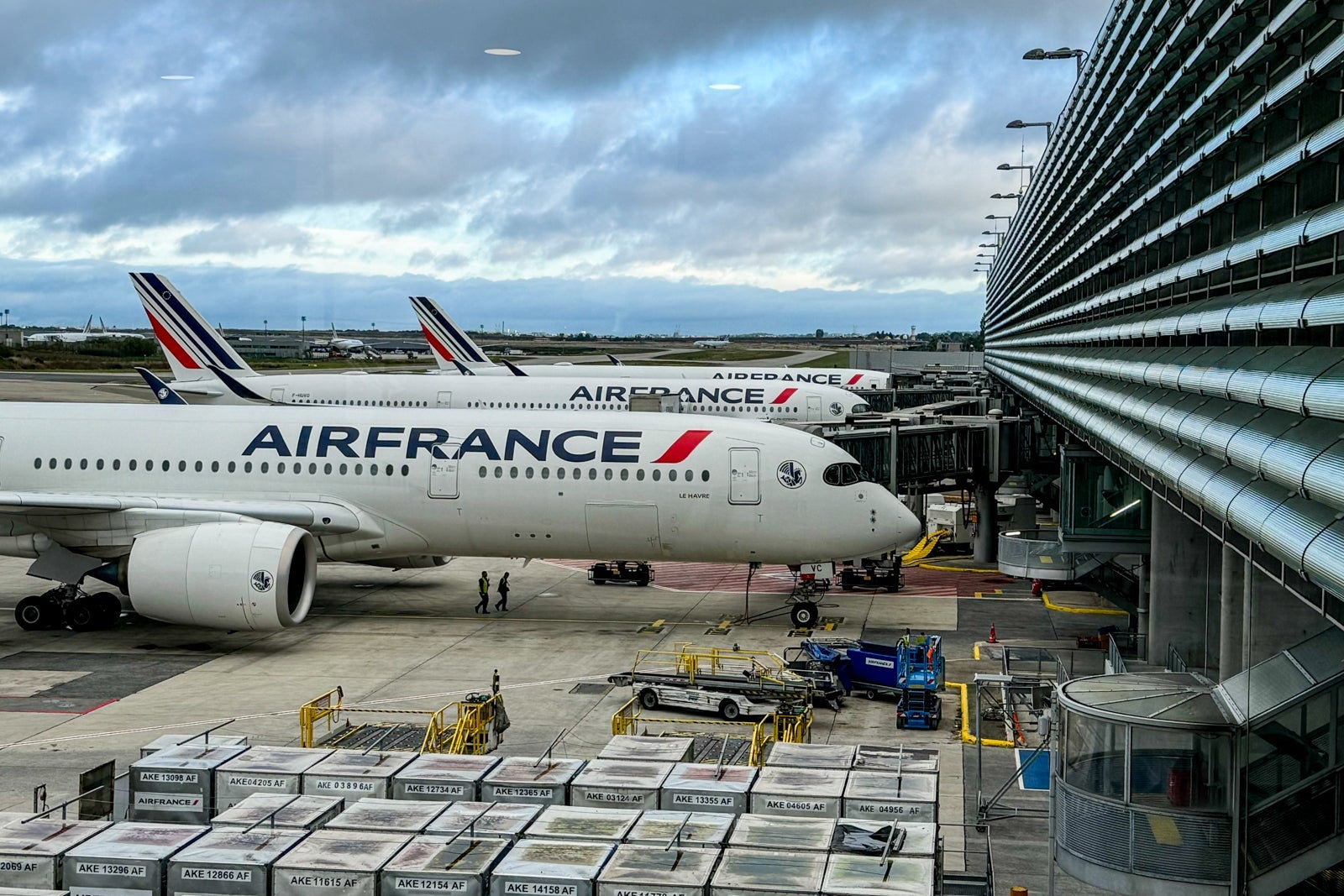
Whether you're booking with cash or using points and miles, get ready to pay up for flights in the coming months.
Weeks after TPG reported that airfare increases were likely on the way, a growing number of global airlines have tacked fuel surcharges onto tickets amid a run-up in oil prices.
These added fees and fares could cost travelers hundreds of dollars extra on spring and summer bookings — and that goes even for award tickets.
US airlines raise fares
Ever since the war in Iran sent oil (and thus jet fuel) prices surging upward, U.S. airlines have been quite clear: Consumers will ultimately have to shoulder the cost burden.
"We have to raise prices to deal with higher fuel prices," United Airlines CEO Scott Kirby acknowledged at a company event last week in Los Angeles.
This comes on top of the Chicago-based carrier revealing plans to trim its flight schedule for the coming months, pulling back on lower-demand days like Tuesdays and Wednesdays, and slashing some red-eye flights.
Related: Higher fares are here: What it means for booking spring, summer flights
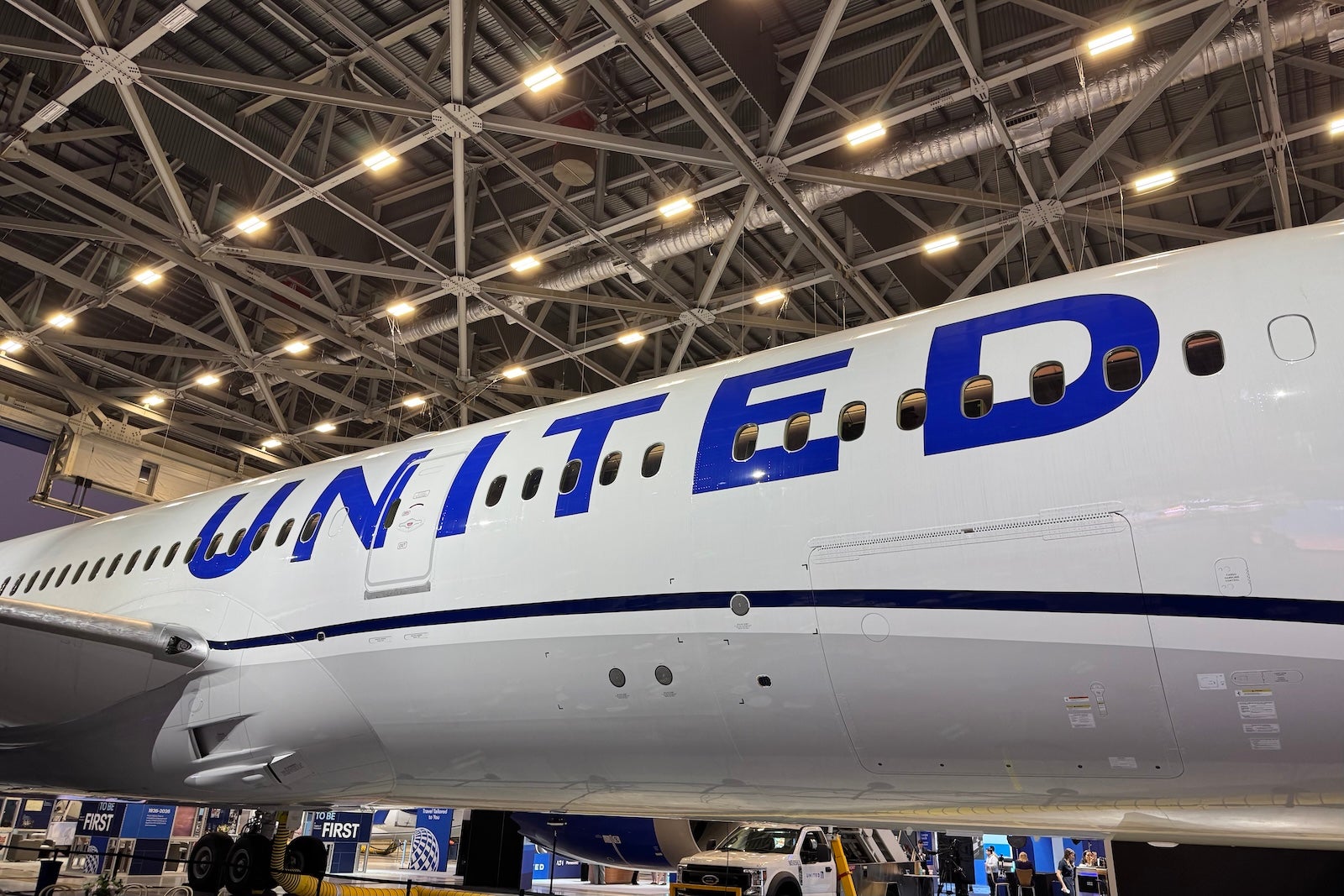
But because U.S. airlines tend to bake costs — like fuel — into fares, it's hard to say exactly how much extra money customers will pay because of the jet fuel itself.
International carriers add fuel surcharges
It's a lot easier to calculate costs for international airlines, including major carriers that fly to and from the U.S.

Europe
In Europe, Air France-KLM (parent company for the French and Dutch flag carriers) last month hiked its fuel surcharge to 50 euros (about $57) round-trip.
That means Air France and KLM passengers flying to Paris, Amsterdam and beyond will have to pay an extra $57 per trip if they book a flight with cash.
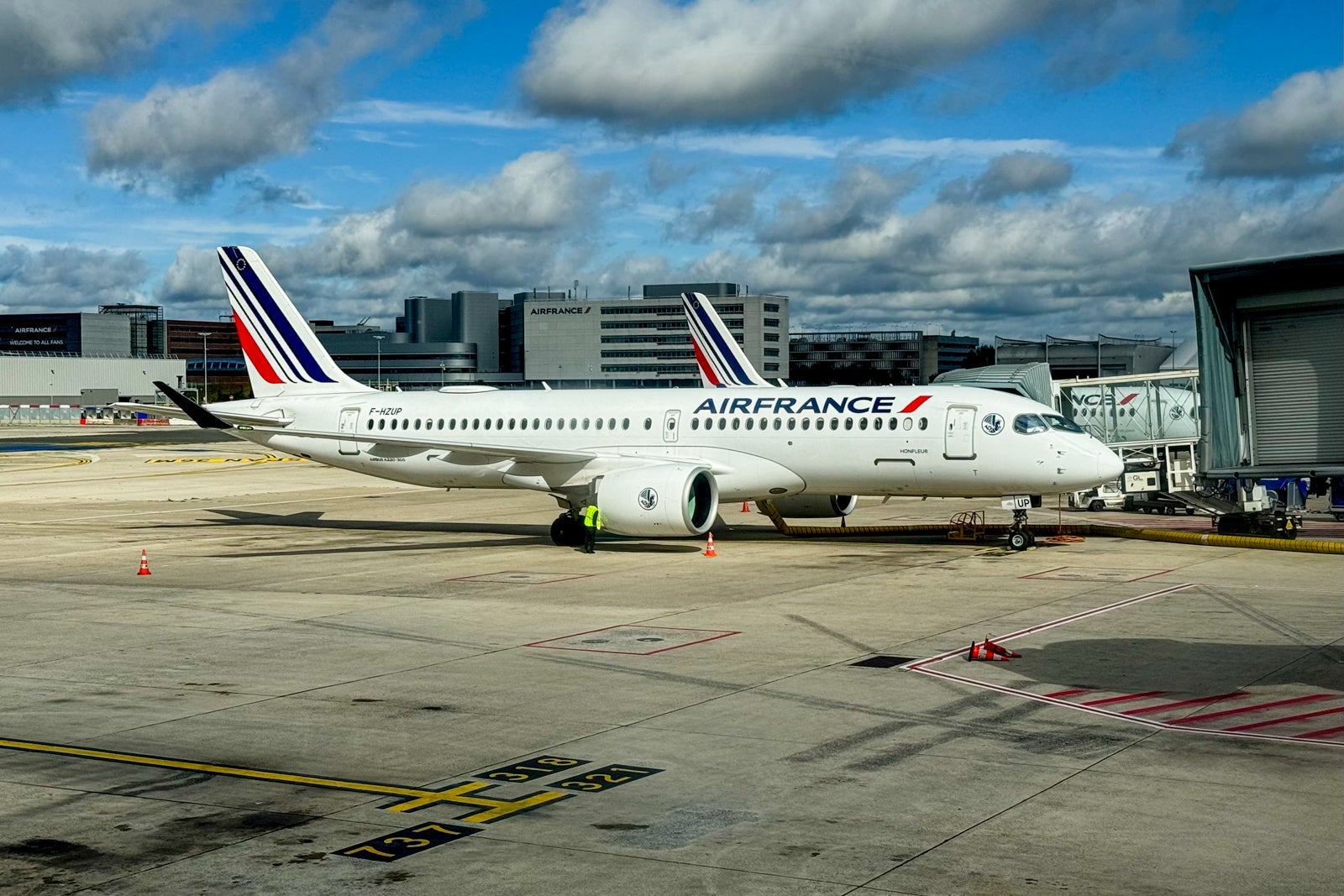
The surcharge applies to award tickets, too.
So, that $57 will be tacked onto the taxes, fees and carrier-imposed charges that members of the two airlines' shared Flying Blue program pay when redeeming miles. (Flying Blue is a transfer partner of several major U.S. credit card programs and among the most popular programs for booking award flights to Europe.)
Air France-KLM is far from alone.
To the north, Scandinavian Airlines acknowledged it put in place a "temporary fuel-related price adjustment" to offset higher fuel costs.
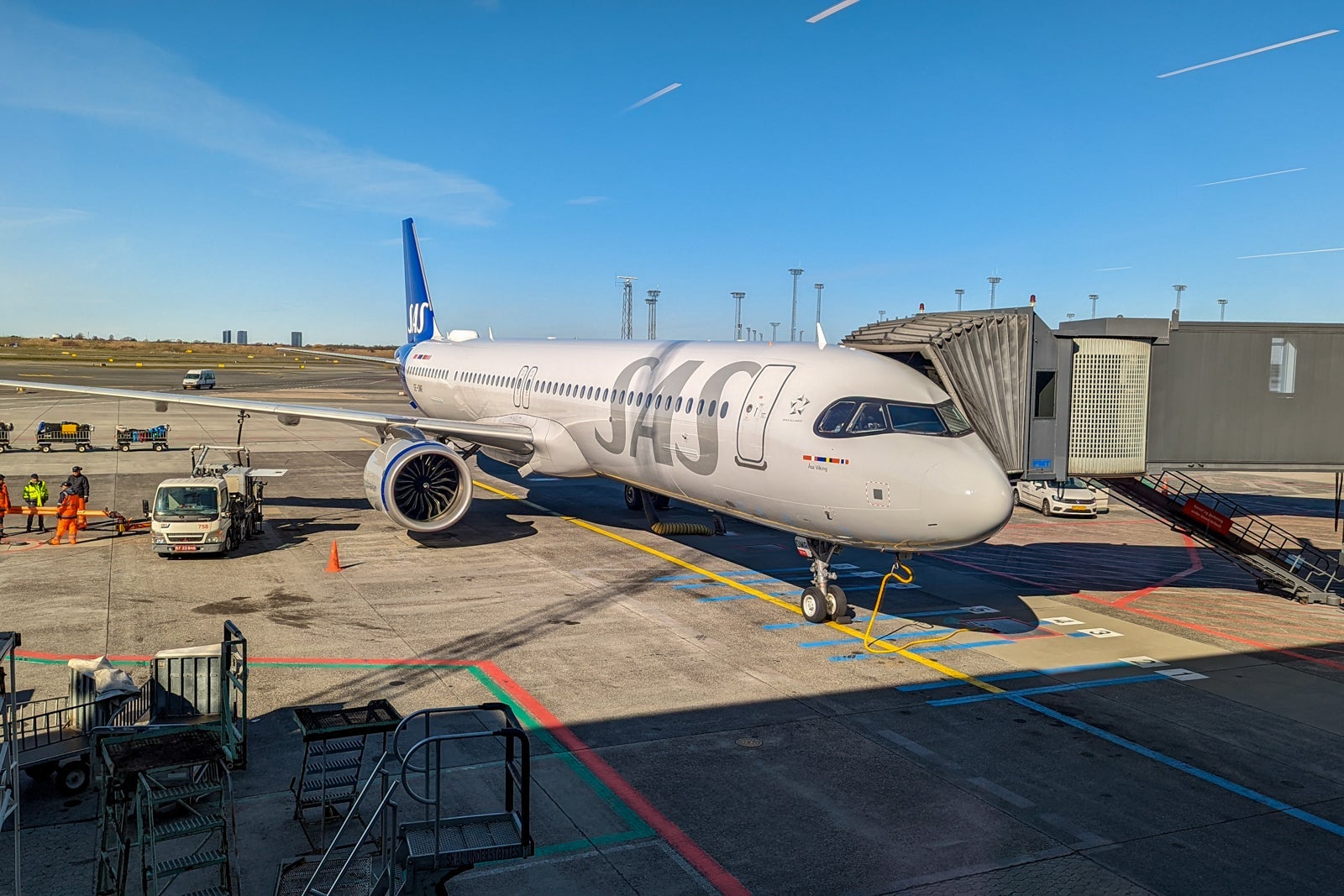
"While we always strive to absorb cost fluctuations where possible, increases of this magnitude require us to respond in order to maintain stable and reliable operations," Alexandra Lindgren Kaoukji, SAS' head of external communication and public relations, told TPG Monday.
The carrier also pared back its flight schedule, focusing on cutting routes that have additional daily nonstop flights.
Asia
In Asia, Cathay Pacific's fuel surcharge is set to increase this week.
On April 1, the Hong Kong-based carrier will raise its add-on fee from the $149 customers paid in March to $200.
That fee will apply to all bookings, whether you're flying in coach or splurging on the airline's alluring Aria Suites.
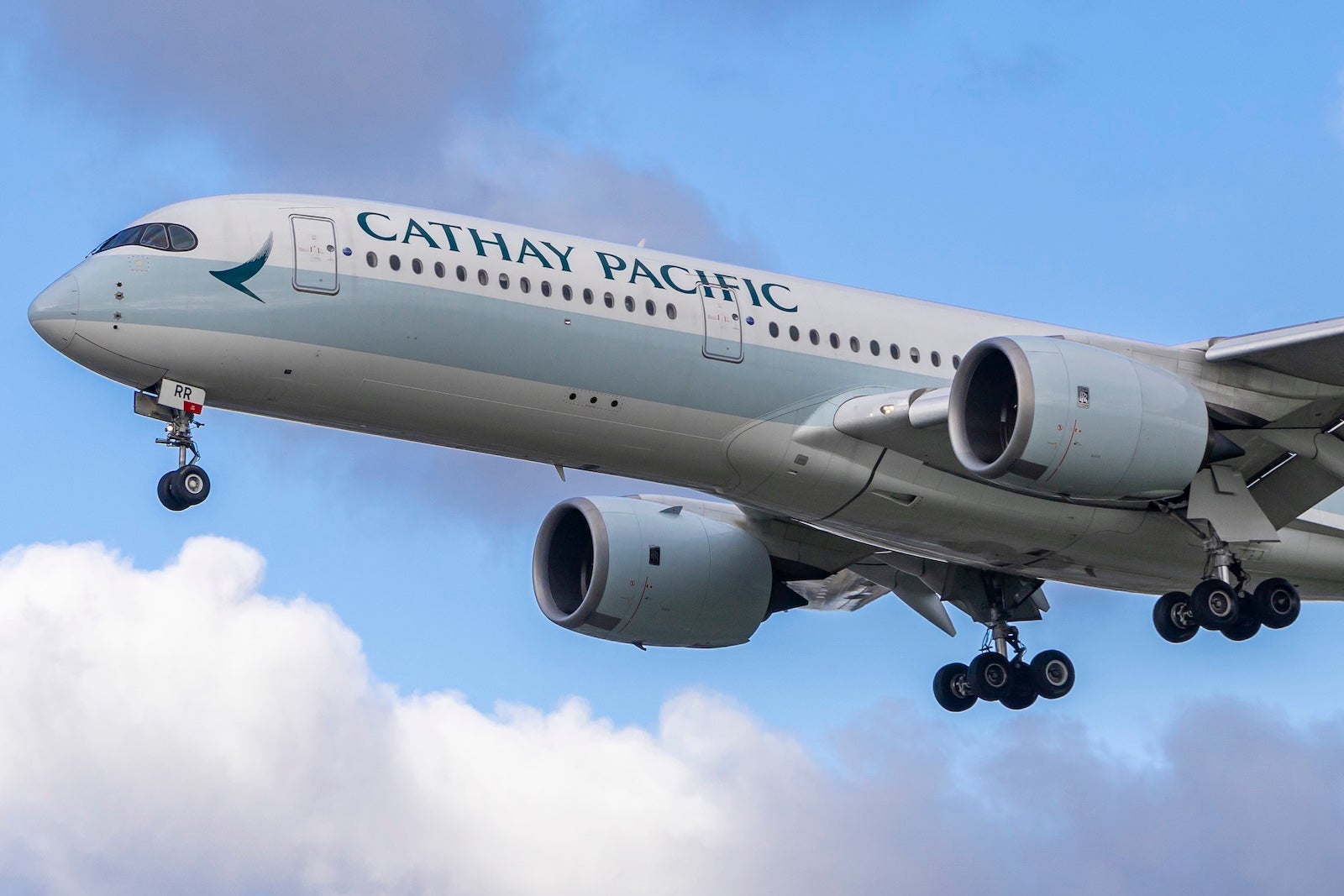
And the surcharge hikes may not be done: Cathay said it would review and revise its add-on charges every two weeks as the price of jet fuel continues to fluctuate.
Japan's two biggest global airlines have similar plans.
Tokyo-based Japan Airlines and All Nippon Airways now charge flyers an extra $164 on flights between the U.S. mainland and Japan.
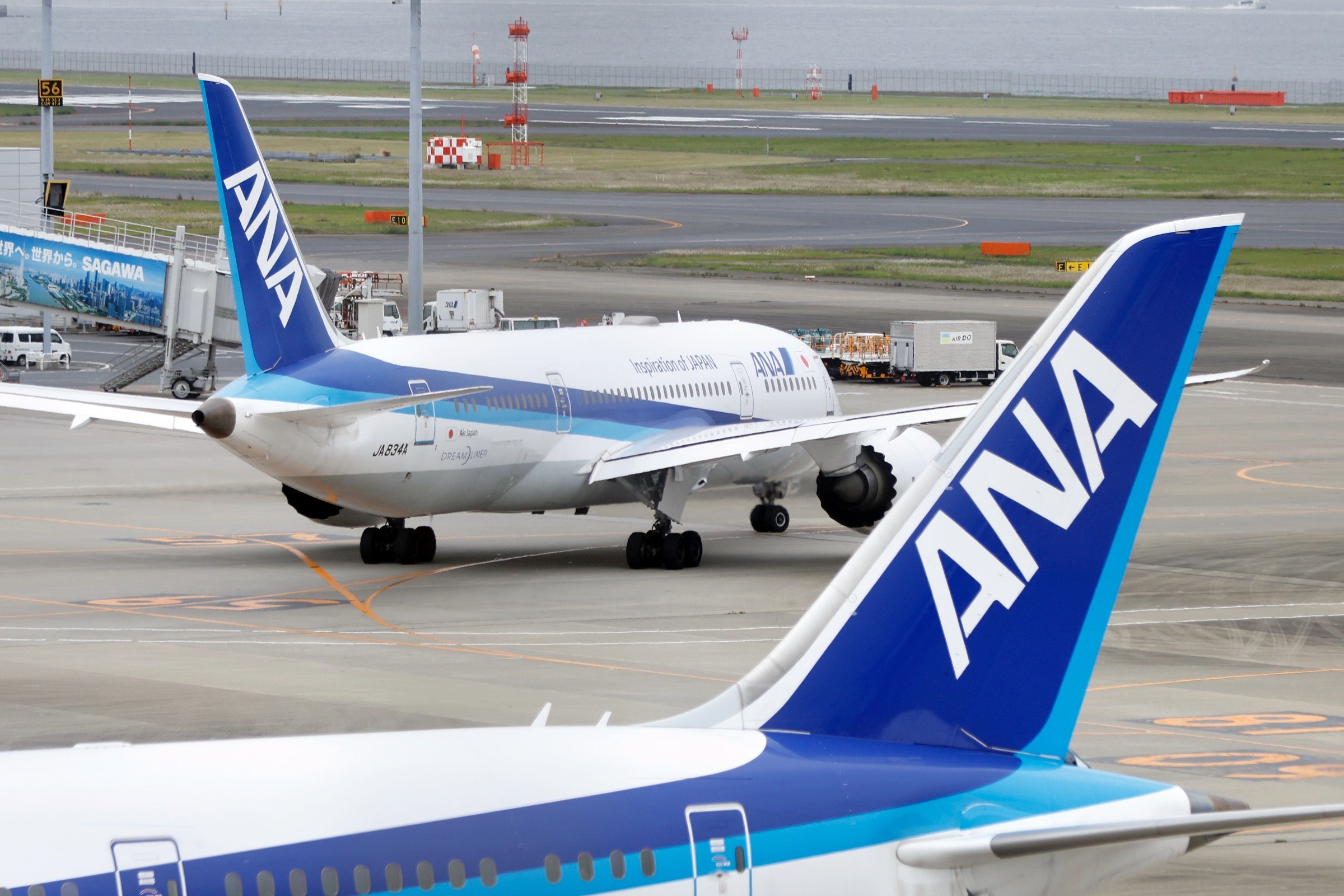
The surcharge will apply to both cash fares and bookings made through the airlines' loyalty programs — Japan Airlines Mileage Bank and ANA Mileage Club.
What should you do if you're booking flights?
A host of additional major international carriers — from Air Canada to Qantas to Air New Zealand — have unveiled fuel surcharges, raised fares or cut flights as a result of the volatile fuel situation
What can travelers do?
Book a flexible ticket now
If you're planning to travel this summer, especially in June or July, we recommend booking as soon as possible. Consider booking a changeable fare so that if the price drops, you'll be able to rebook at a lower price point.
Keep in mind, though, that basic fares tend to be more restrictive; this makes it harder to adjust your itinerary (and price point) if your plans or the airline's fares later shift.
Shop around
Use search engines like Google Flights or another one of TPG's favorite award search tools to ensure you're considering all the cash and award deals out there.
Factor in the full trip cost
If you're weighing points versus cash to book your flight, be sure to account for all the add-on fees you'll pay on your award booking.
For instance, say your options were either a $600 ticket or 25,000 miles with $250 in taxes, fees and surcharges. In that case, you might be better off just spending the $600 and saving your miles.
Consult tools like TPG's points and miles valuations and our award versus cash calculator to help you decide and get the best deal.
Be flexible, if you can
To the extent you're able, try to be as flexible as possible in your travel dates, airlines and even your destination.
While the run-up in global fuel prices is affecting fares to seemingly every pocket of the world, lapses in demand to certain places at certain times can sometimes lead to surprise deals.
Also, consider flying in August, if you can. In recent years, the tail end of summer has produced some of the summer's best travel deals.
Related reading: