Frontier slashes midweek flying and delays new jets but insists things are looking up

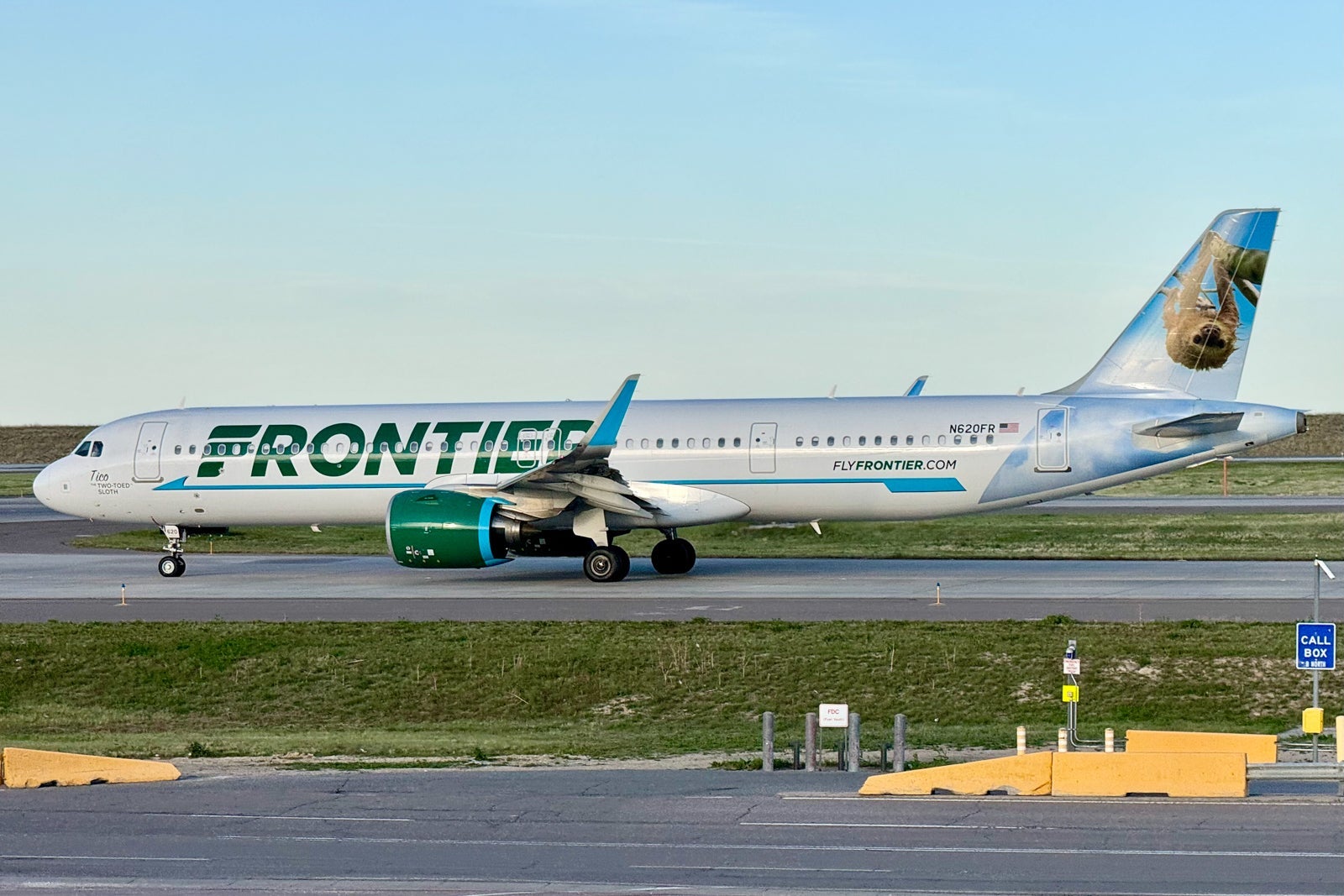
It seems Frontier Airlines CEO Barry Biffle has heard enough criticism of the U.S. ultra-low-cost airline industry — even as the carrier projects more financial losses in the coming months, plans to reduce flights on certain days of the week and push back new aircraft deliveries by years.
Speaking to analysts last week, Biffle insisted the airline's efforts to cut costs — a hallmark of the budget airline strategy — have Frontier well positioned for 2025 and beyond.
"Our cost advantage is real, it's durable, it's sustainable," Biffle said during a conference call Thursday.
Value check: Are airline credit cards worth it anymore?
Biffle made the declaration with a confidence and a cadence evocative of one frequently used in recent months by United Airlines CEO Scott Kirby, although Biffle had a different take on the state of the ultra-low-cost carriers.
For many months, Kirby has boasted of United's "structural, permanent and irreversible" advantage atop the U.S. industry (alongside Delta Air Lines). He's also criticized the business models of budget airlines at the same time, as low-cost carriers have struggled to regain financial footing amid a demand for premium seats and international travel that's strongly favored the larger network carriers.
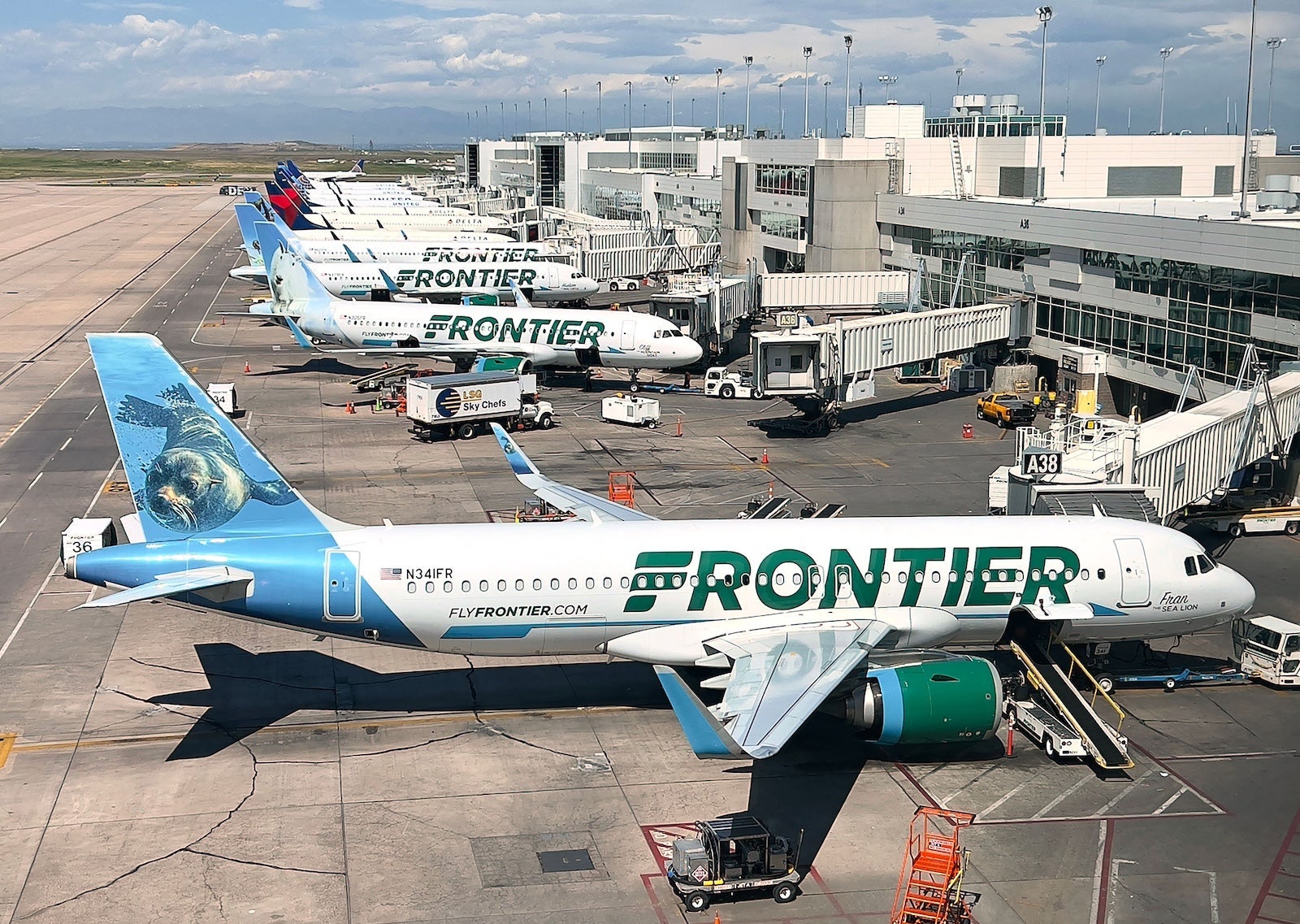
That critique has grown sharper as the U.S. airline industry has faced sagging domestic fares — and profits — in 2024, largely caused, according to airlines, by a surplus of flights flooding the industry with stiff competition. It's forced major route shake-ups and seismic shifts in how some airlines do business.
"It was always inevitable that carriers would begin to cancel this unprofitable flying," Kirby told analysts last month in comments that were more measured than when he predicted some budget carriers' demise while speaking on an industry podcast earlier this summer.
Biffle, in a seemingly defiant assessment of his own, deflected some blame for the industry's challenges Thursday and argued that the larger airlines (the "high-cost carriers," as he called them) have contributed to flooding the industry with flights, pushing down fares.

"Best way to stop losing money is to stop doing things that lose money," Biffle said.
Frontier faces challenges
Of course, when it comes to money, Frontier has had its challenges of late.
Sure, the carrier was profitable in the second quarter of this year, but the second quarter is prime earnings season for all airlines. It's when many carriers hope to line their coffers ahead of other lower-demand parts of the year.
And 2024 has seen Frontier embark on a major top-to-bottom shake-up.
Network shake-up
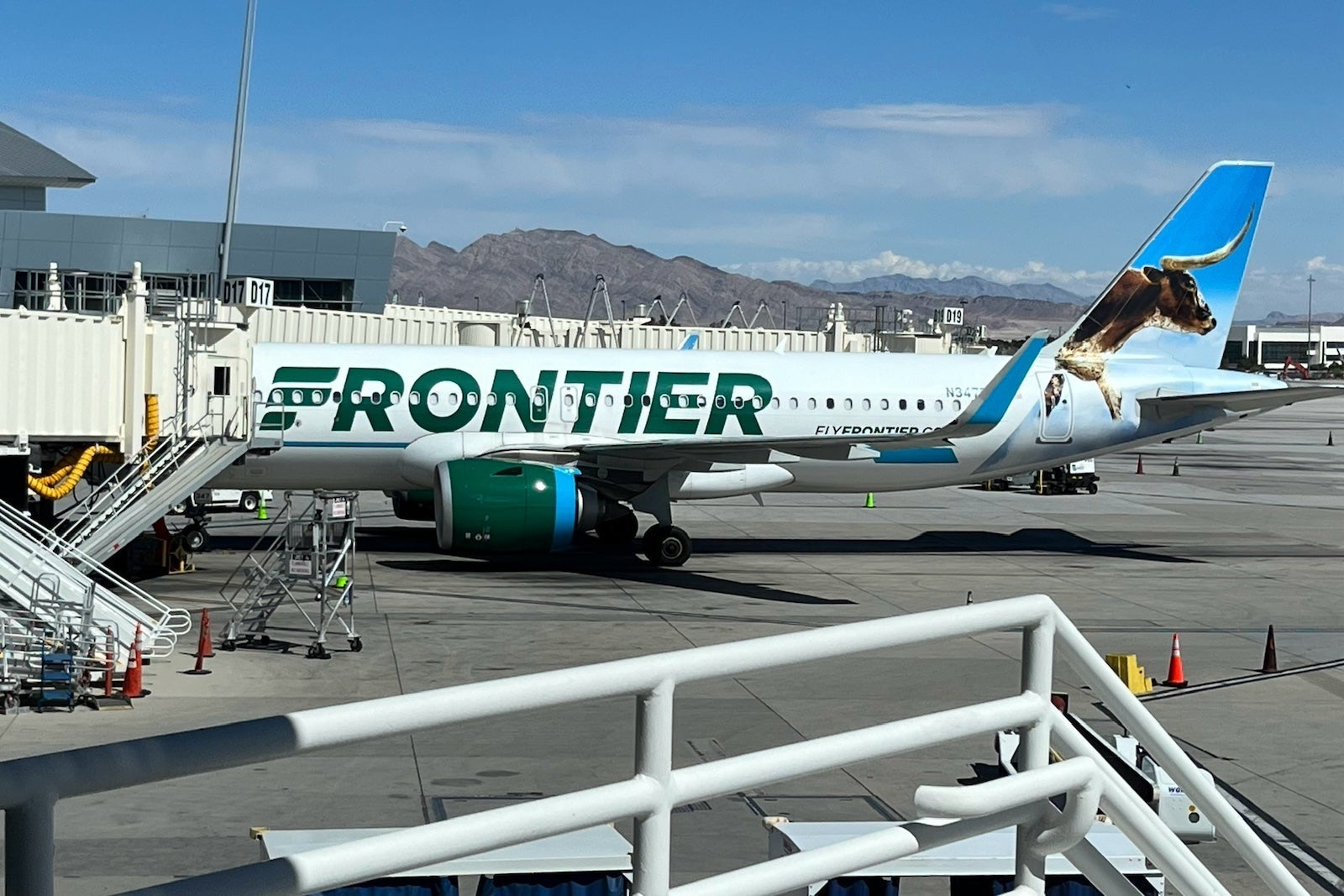
Frontier has announced 114 new routes since January and cut dozens of others.
About a third of the airline's new routes weren't successful, executives revealed Thursday, including a bevy of flights added in and out of Louis Armstrong New Orleans International Airport (MSY). Executives argued this is consistent with historical trends.
2024 has seen the carrier open two new bases in Ohio, launch its first-ever service from New York's John F. Kennedy International Airport (JFK), and focus more heavily on cities like Atlanta, Charlotte, Chicago and Dallas — hubs of the larger airlines — in an effort to reduce exposure to historically popular leisure destinations like Orlando and Las Vegas, where especially stiff competition has cut into airlines' profits.
Commercial strategy overhauled
Frontier also overhauled how it displays ticket prices and add-on fees, offering customers four concrete bundles upfront — one of which comes with a seat style commonly seen in Europe when flying business class that features extra legroom and an empty middle seat.
Results of that move have "far exceeded" Frontier's expectations, with customers "buying up" to a higher fare.
Cutting Tuesday and Wednesday flying
More changes will start unfolding as mid-August arrives. Frontier is slashing its flying on Tuesdays and Wednesdays and focusing on higher-demand days of the week. Fewer than 30% of the airline's scheduled September seats will fly on off-peak days, executives revealed — down from around 40% a year ago.
"We looked at where we make money, and where we've been losing money," Biffle said. "The midweek has been losing money."
Losses expected
Frontier expects to lose more money in the third quarter, with predictions to be in the red by at least 3%.
And, as it tempers plans to grow its flight network for the foreseeable future, the carrier is pushing back deliveries of more than 50 Airbus jets beyond 2028 — about a third of the planes it expected to receive over the next four years.
CrowdStrike compensation sought
Frontier's challenges also mean it has less financial ability to manage problems that arise outside of its control, like the recent CrowdStrike outage. Frontier expects it lost around $20 million during the episode, which affected several U.S. airlines and many industries around the world.
"You would expect that we would look to recover every penny," Biffle said Thursday while noting the carrier's new "out-and-back" flying strategy — which now sees 80% of its aircraft and crews leave and return to the same city each day — helped it recover quickly.
He added that that was a big reason why the carrier (seldom celebrated for its operational reliability) bounced back far more quickly than the ordinarily dependable Delta Air Lines, which ended up in a five-day meltdown and now claims to be out around $500 million from the fiasco.
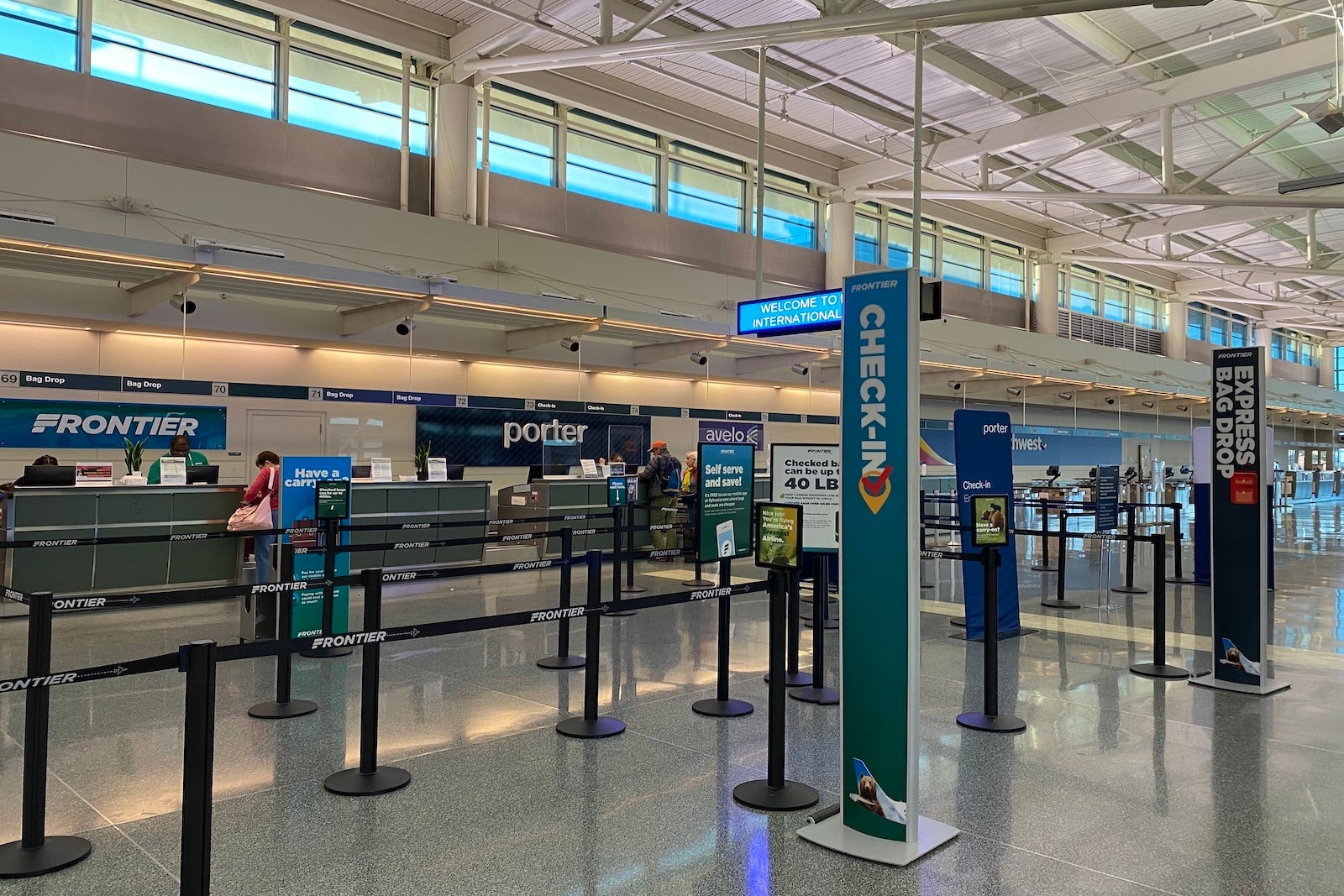
Frontier: 'We're well positioned for 2025 and beyond'
Yet, Frontier insists things are looking up.
Biffle said September fares are trending up as sweeping network changes take hold across the U.S. airline industry.
While that news is less welcome for customers than it is for airlines and their shareholders, September fares are still trending below 2023 levels, said Hayley Berg, lead economist at booking app Hopper. And that's already amid a great time of year to score good travel deals as peak summer demand subsides.
Frontier also expects its recent introduction of a business-oriented travel product could help introduce the airline to more travelers beyond its historic leisure clientele.
Plus, to the extent recent volatility on Wall Street portends softness in the economy, Biffle argues Frontier could be in a prime position.
"Walmart, Costco [and] low-cost carriers win in recessions," he told analysts.
Related reading:
- When is the best time to book flights for the cheapest airfare?
- The best airline credit cards
- What exactly are airline miles, anyway?
- 6 real-life strategies you can use when your flight is canceled or delayed
- Maximize your airfare: The best credit cards for booking flights
- The best credit cards to reach elite status
- What are points and miles worth? TPG's monthly valuations
TPG featured card

at Capital One's secure site
Terms & restrictions apply. See rates & fees.
| 5X miles | Earn 5X miles on hotels, vacation rentals and rental cars booked through Capital One Travel |
| 2X miles | Earn unlimited 2X miles on every purchase, every day |
Pros
- Stellar welcome offer of 75,000 miles after spending $4,000 on purchases in the first three months from account opening. Plus, a $250 Capital One Travel credit to use in your first cardholder year upon account opening.
- You'll earn 2 miles per dollar on every purchase, which means you won't have to worry about memorizing bonus categories
- Rewards are versatile and can be redeemed for a statement credit or transferred to Capital One’s transfer partners
Cons
- Highest bonus-earning categories only on travel booked via Capital One Travel
- LIMITED-TIME OFFER: Enjoy $250 to use on Capital One Travel in your first cardholder year, plus earn 75,000 bonus miles once you spend $4,000 on purchases within the first 3 months from account opening - that’s equal to $1,000 in travel
- Earn unlimited 2X miles on every purchase, every day
- Earn 5X miles on hotels, vacation rentals and rental cars booked through Capital One Travel
- Miles won't expire for the life of the account and there's no limit to how many you can earn
- Receive up to a $120 credit for Global Entry or TSA PreCheck®
- Use your miles to get reimbursed for any travel purchase—or redeem by booking a trip through Capital One Travel
- Enjoy a $50 experience credit and other premium benefits with every hotel and vacation rental booked from the Lifestyle Collection
- Transfer your miles to your choice of 15+ travel loyalty programs
- Top rated mobile app