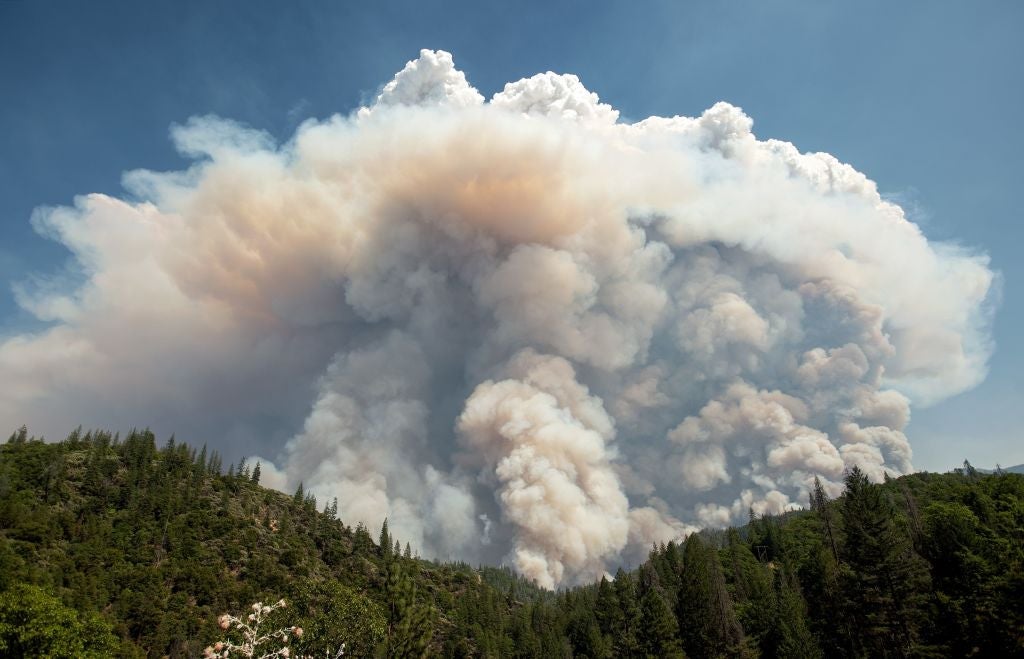

Pyrocumulus "fire" clouds have formed above impacted areas, creating "basically its own localized weather system," according to CNN Weather. These clouds form similarly to how clouds we're most familiar with do, except they occur under faster and hotter conditions. The strong heat of the fire pulls moisture from burning vegetation, which then combines with smoke particles and condenses. Inside, conditions resemble the thunderstorms they appear to be from the outside.
This content is hosted by X.
View this post on XThe wildfire in California has also lead to what us widely being called "firenadoes." Essentially, they're a tornado in the midst of the mess of fire and ash. The video below that CNN Weather Center tweeted looks frighteningly like the end of the world.
This content is hosted by X.
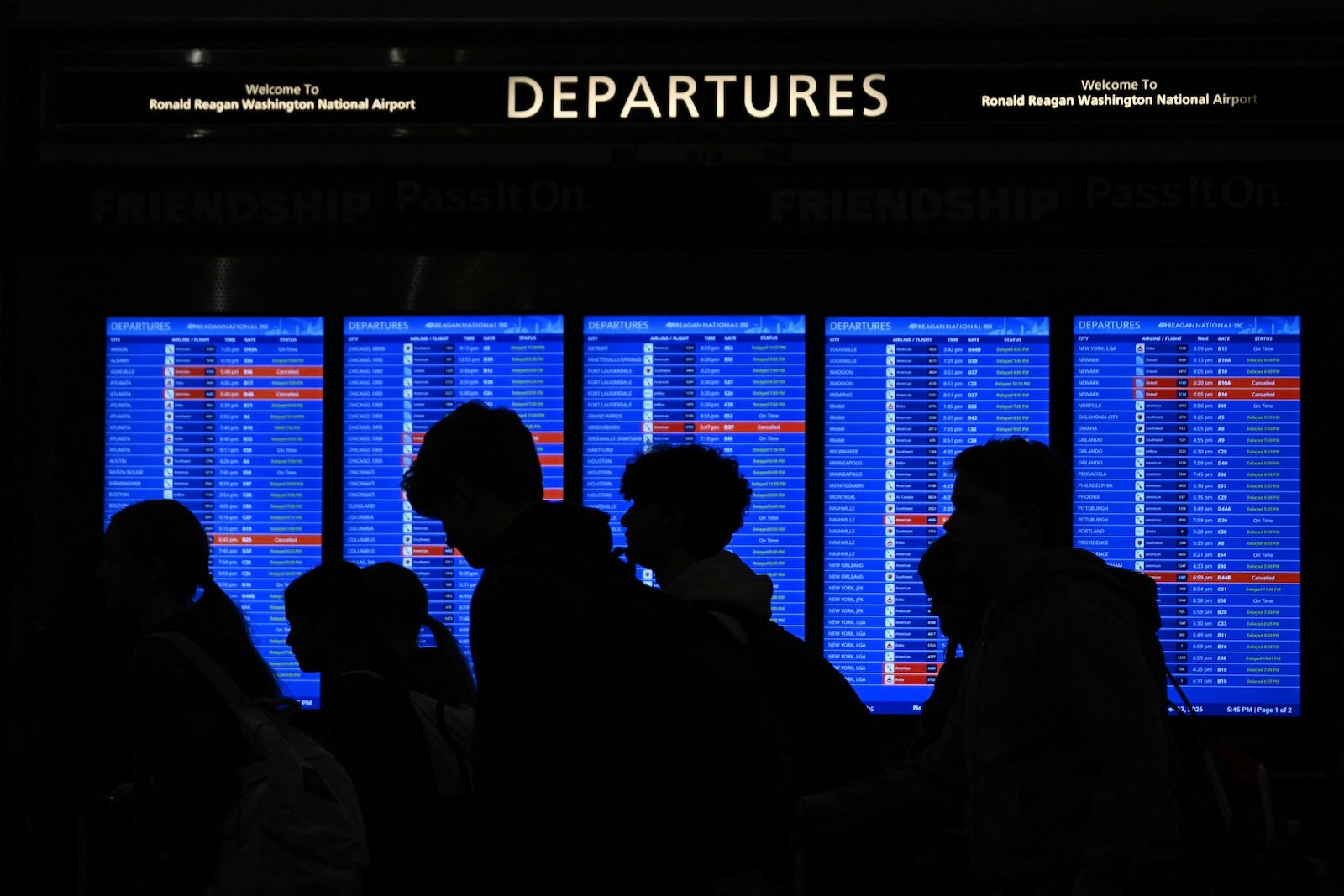
View this post on XSo far, no travel waivers have been issued due to the wildfire, and Flight Aware shows fairly normal conditions at airports in California, but TPG is monitoring the issue in case anything arises.
According to USA Today, the fire itself has spread across more than 150 square miles, and more than 30,000 Californians continue to be evacuated from affected or potentially dangerous areas. According to officials, just 20% of the fire is currently contained.
However, it seems like fire responders seem to have gained a greater control over the situation in California. "We’re feeling a lot more optimistic today as we are starting to gain some ground rather than be in the defensive mode all the time,” one incident commander, Bret Gouvea, said.