On the Final 'Milk Run' of Alaska Airlines' Unique 737-400 Combi

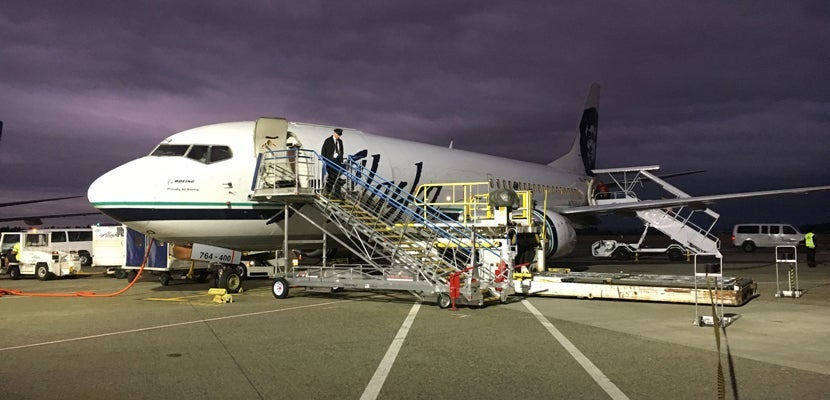
2017 is turning out to be a bittersweet year for classic Boeing airplanes in the US. United and Delta are both retiring their last 747s by the end of the year, but those aren't the only Boeing jets from decades past hitting the scrapyard in 2017. Alaska Airlines just retired, with a final flight on Tuesday, its unique Boeing 737-400 Combi — a weird hybrid of an airplane that stood out for its unique combination (hence the name) of cargo in front and passengers in back. With its retirement, there's nothing else like it left flying in the United States. We were on the last flight.
The airline has kept a fleet of five of these planes for several years, for the purpose of operating flights to small towns around Alaska on what are known as "Milk Runs." The cargo capabilities of the Combi allowed the airline to deliver large quantities of essential supplies (including milk, yes) to these rural areas throughout the year. But the Combis were -400 model 737s, basically 1980s technology, and they were ripe for replacement — they are, in fact, the last 737 Classics in regular service in the US. Alaska Airlines is substituting all-cargo 737-700s for them.
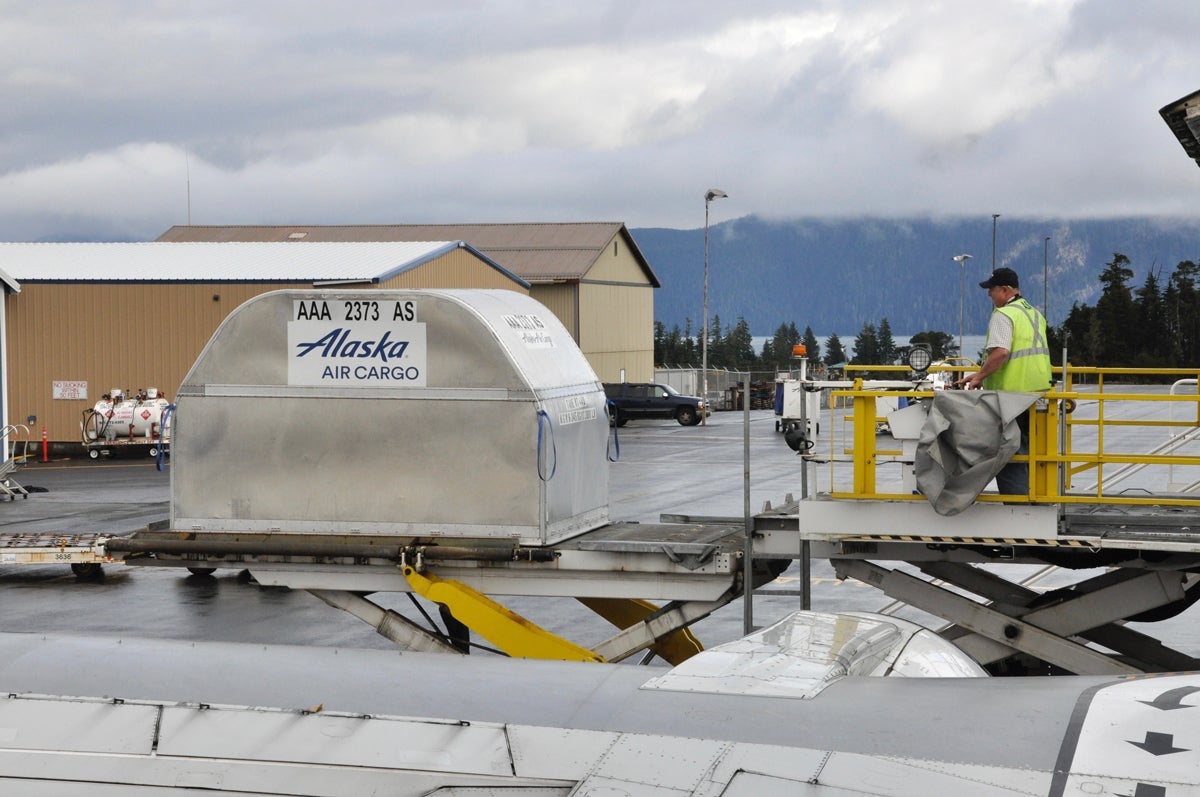
Boeing didn't build the planes this way, however: the 737s flew in full passenger configuration before being converted to the Combi version. Alaska also has regular 737-400s in its fleet, but they too will be retired before the end of the year, to be replaced by the larger, more fuel-efficient 737-900ER. Alaska has also ordered the 737 MAX.
My ticket was booked though Alaska's website, alaskaair.com. I paid a total of $189.20 for the four flights mentioned above, plus $346.99 to get from Denver to Seattle on 10/16, and home from Juneau to Denver following the Combi flights on 10/17. For my trip, I earned 3,872 Mileage Plan miles.
On the way into the airport Tuesday morning, I held the elevator for an Alaska flight attendant, who asked me where I would be flying, so I told her about my special trip on the Combi. It was, she noted, the first aircraft she worked on as an Alaska crew member. "You either love it or you hate it. Some hate it because it's an old plane, with no entertainment system, but that's what I love about it," she said. It might even make people look out the window: "I think sometimes [it] forces you to disconnect and enjoy the outside world. The scenery is beautiful on that trip." Then there's the added twist of a multi-stop flight, something rarely seen in US mainline air service: "As a flight attendant, it really gives you the opportunity to get to know your passengers, because you can be with them for several segments."
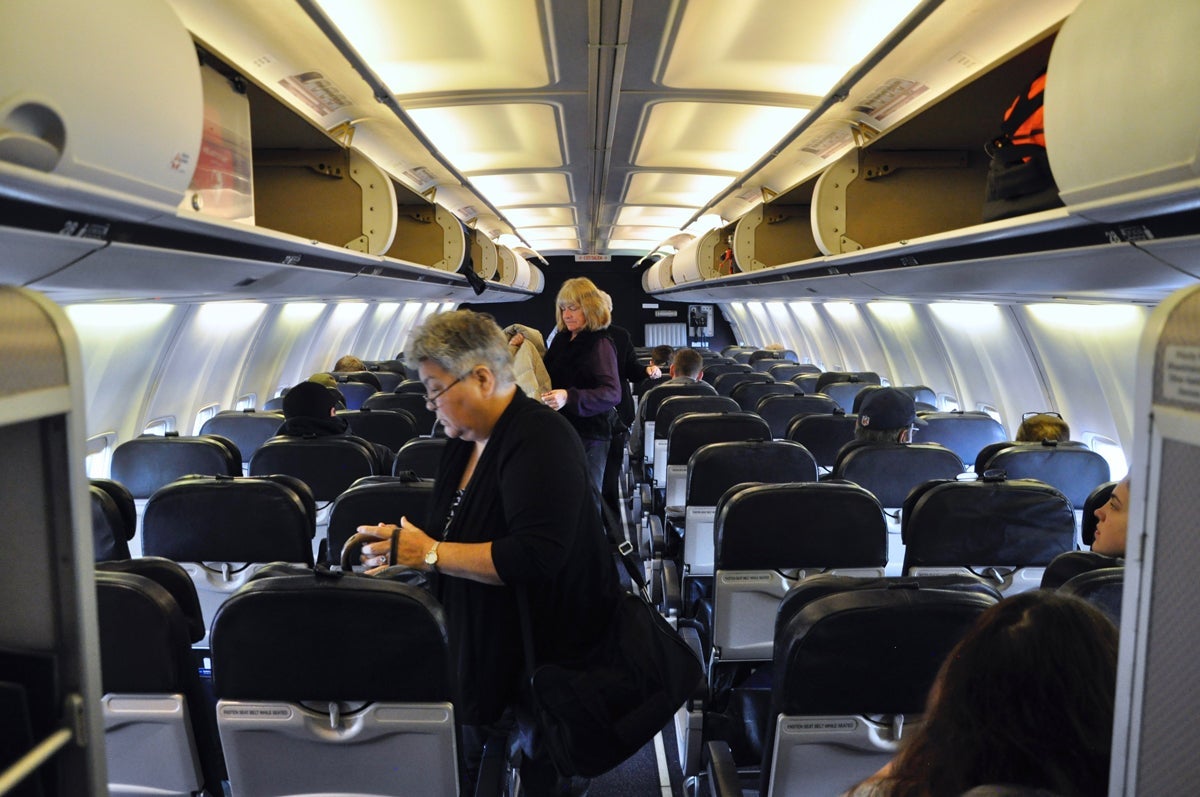
The Combi I rode on was registered N764AS and was built in 1992. At that time, I was in sixth grade. The front half of the aircraft is configured to hold cargo, while the back has 12 rows of seats in a typical 3x3 configuration like any other Boeing 737. The front row of the passenger cabin was row 17, just behind the emergency overwing exit. I found the space of this shrunken cabin to feel similar to the upper deck of an older 747-400.
Boarding and disembarkation for passengers took place at the back of the aircraft, another unusual touch.
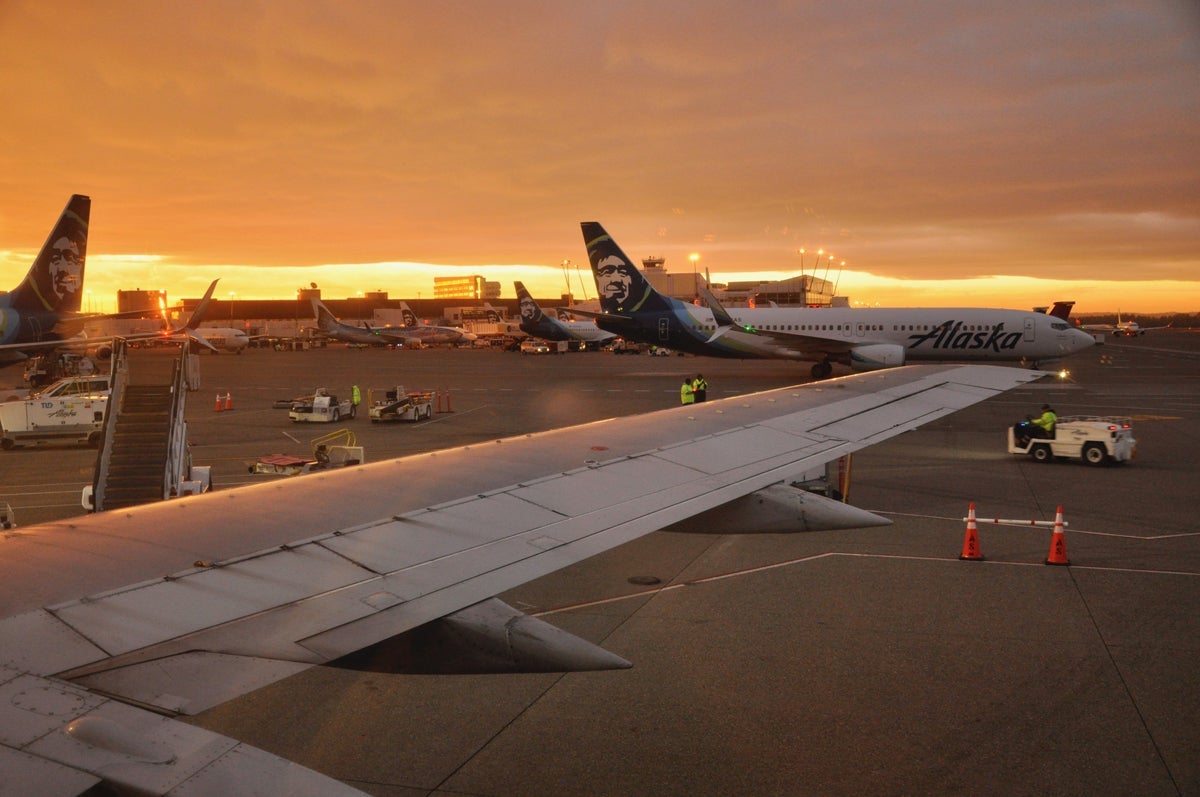
Leg One: Seattle (SEA) to Ketchikan (KTN), population 8,050
My first leg on the Combi would be my longest of the day, 680 miles, with a block time of 122 minutes. We were scheduled to depart at 7:50AM and land in Ketchikan at 8:52AM, local time. There were no festivities marking the final trip, though I overheard the gate agent telling other customers about it. Boarding was first through a set of stairs, followed by a long hallway with three "gates" labeled A, B, and C.

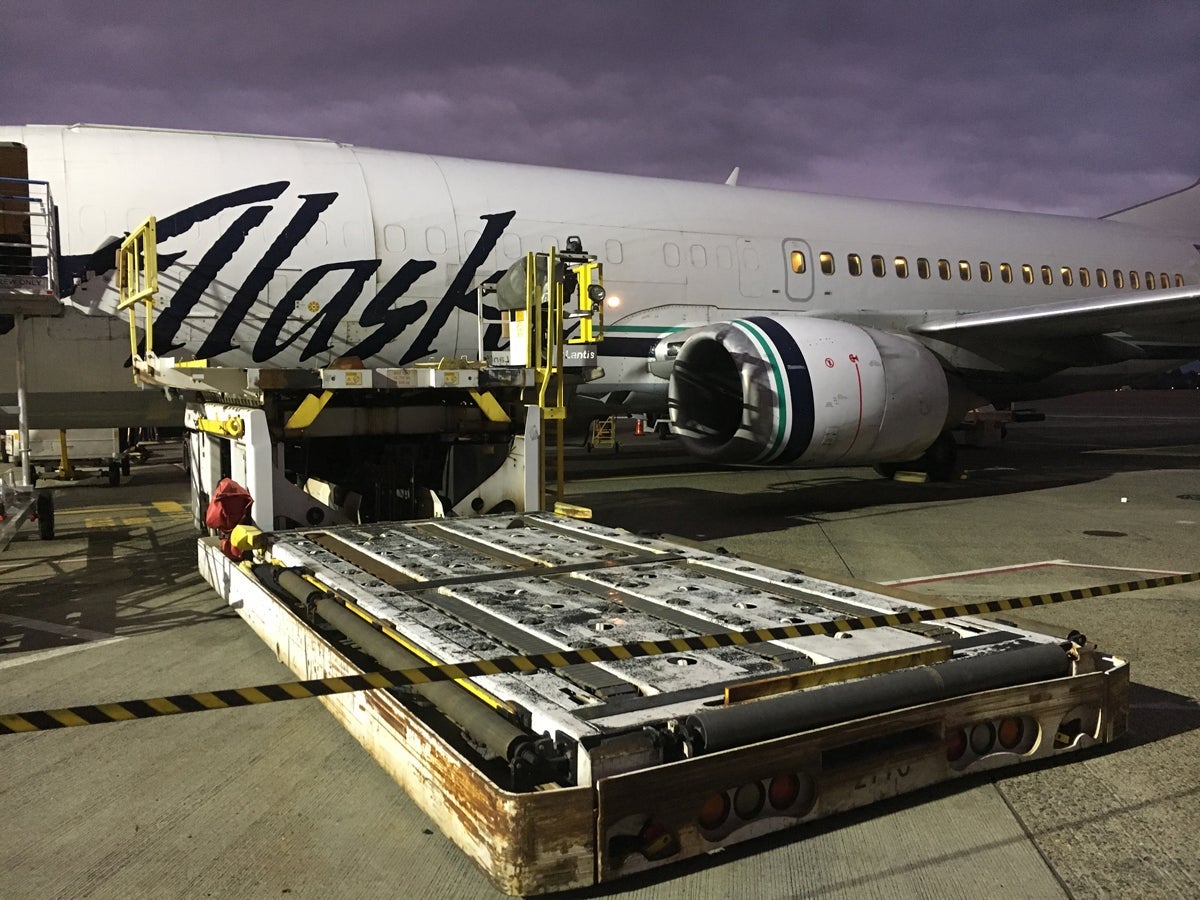
Turning from the C gate hallway, I saw our plane — the filled-in windows and big cargo door gave it away as a Combi, as did the large pallet loader. Up the boarding stairs, just like in the old days before jetways, I found my window seat, 23F, next to an empty middle seat. The rest of the cabin was mostly full, save for a handful of empty middle seats.
During boarding announcements, our flight attendant, Phil, mentioned that this would be the last Northbound journey for the Combi, and "We're sad about that," to which a passenger responded jokingly, "Wait, we're sad?" We taxied under low clouds and rain, reminding us that flying the Combi in the US was a quintessentially Pacific Northwest experience. We got airborne at 8:19AM after a long takeoff queue.
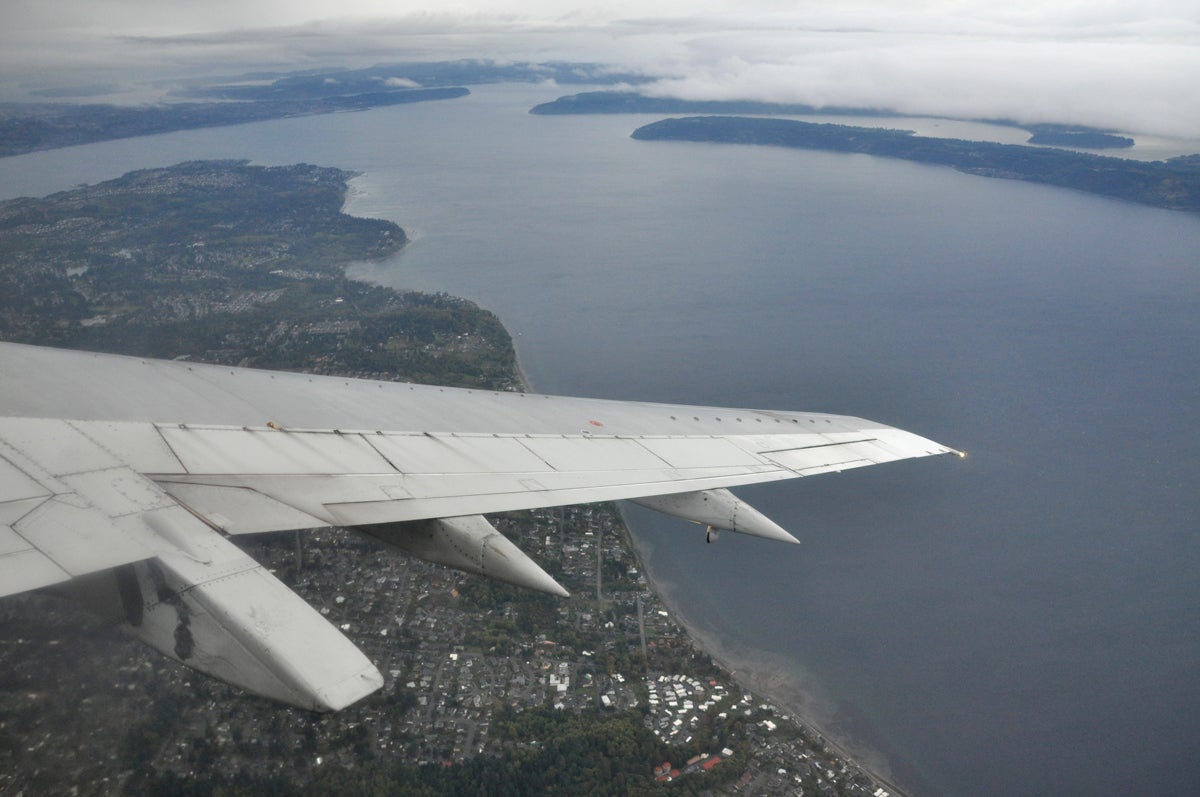
We departed toward the South, then made a gentle Northward turn over Puget Sound, piercing several layers of low, thin clouds. Food and beverage service began 25 minutes after departure, with coffee from the locally-based Starbucks, served in a cup that appeared larger than other airlines' (was it because Seattle is famously a coffee-loving city?) I also got a package of Biscoff cookies. Alaska is one hour earlier than West Coast time, and we landed in KTN at 8:59AM local time.
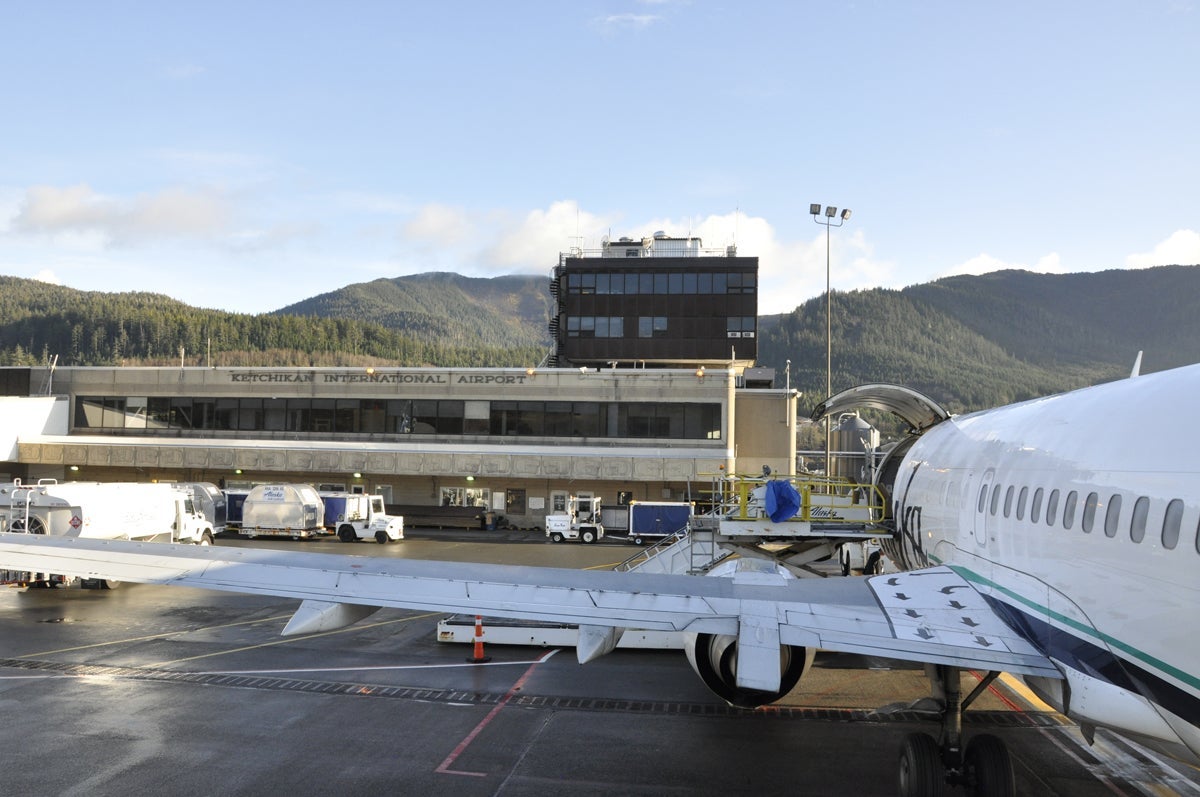
Passengers bound for KTN disembarked using a large ramp instead of stairs, while those staying for the next flight had to remain onboard and weren't allowed into the terminal. The flight attendant I had spoken to at the Seattle airport said the Ketchikan airport is known for its jalapeño popcorn, so I found this really disappointing. Others on the flight had mentioned the popcorn as well.
After passengers disembarked, an employee with a safety vest on came aboard and highlighted the names of the thru passengers, which were printed on a list attached to a clipboard. During the stopover, I met an aviation geek from Sacramento, who had booked this flight last-minute, just to check the Combi experience off his list. Boarding for our next leg began 20 minutes after we parked, and was completed by 9:30.
KTN, while relatively large for a remote Alaskan airports, is still tiny. We were number one for takeoff, and also the only plane taking off, period.
Leg Two: Ketchikan (KTN) to Wrangell (WRG), population 2,369
KTN has a unique runway that sits elevated about 20 feet above the ramp where planes park, which requires departing planes to go up a hill to get to the runway. Taking off also required a backtrack along the entire runway before doing a 180 degree turn to face our departing direction.
Shortly after departing, flight attendant Phil announced there would be no cabin service, due to the short duration of the flight. There were fewer passengers on this leg, and I would guess it was about 60% full. I had all three seats on my row to myself.
Leg Three: Wrangell (WRG) to Petersburg (PSG), population 2,948
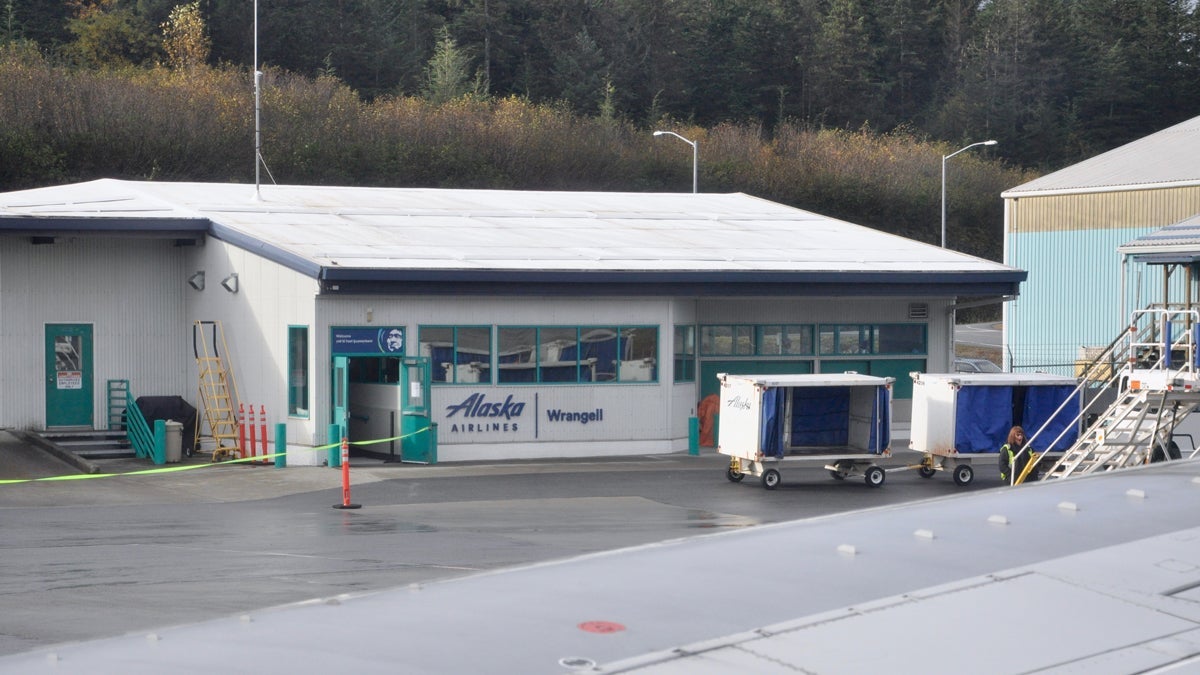
At Wrangell, there were no big cargo operations, just smaller items being unloaded and loaded under the plane, as you'd see on any other flight. I got to chat with Phil and our other flight attendant, Sarah. Phil has been with Alaska for two years, while Sarah for 28. I asked them both how they felt about the Combi, and they both said they love it, and are sad to see it go. Sarah added that the Combi retirement will make a better experience for passengers, because the next planes to fly the route will have the full Alaska experience, with IFE and Wi-Fi.
Most of the passengers stayed on in Wrangell, while a few disembarked, and 19 more boarded, making our very short trip to Petersburg about 75% full, by my estimate.
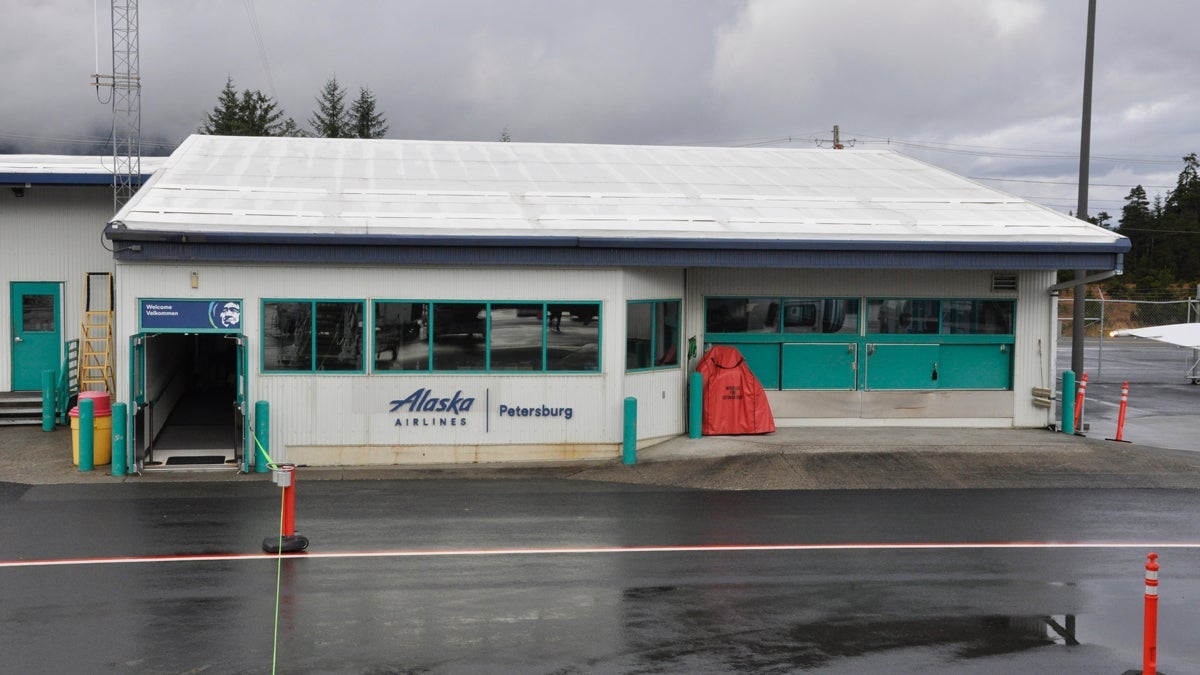
Leg Four: Petersburg (PSG) to Juneau (JNU), population 31,275
Petersburg has a tiny terminal, in the same style of the one in Wrangell. Just a humble little green and while building. Here, I finally got to watch some containers being moved around, sort of.
When it came time to leave, the cabin was about as full as it was during the first leg from Seattle. All three seats in my row were full this time. Phil and Sarah shared the duties of offering water or orange juice for the brief flight, which ended the very last Milk Run.
Inter-Alaska flights have a mix of people you wouldn't normally encounter when flying within the lower 48. Behind me, I overheard a pair of men who were discussing moose hunting, and beside me was a man who was looking to buy a fishing boat, for which he had all of the engineering schematics and deck plans laid out at his seat.
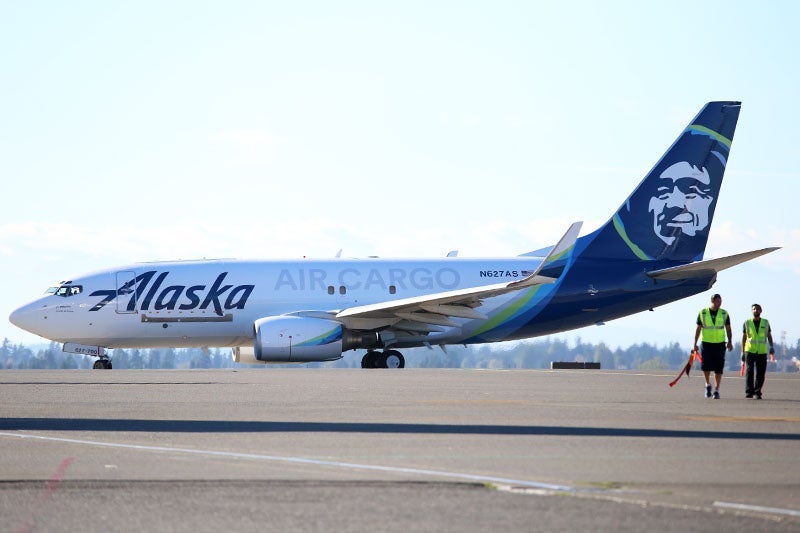
In place of the retiring Combi fleet, Alaska is converted Boeing 737-700s freighters in all cargo configuration. Boeing didn't originally sell 737 NGs (the 600 through 900 series) as freighters, but recently began offering conversions of these planes. Alaska introduced its first 737-700 converted freighter in September, after 17 months in Tel Aviv for its conversion. Having planes that are dedicated solely to freight will allow Alaska to focus on its cargo business. Anchorage is one of the world's primary cargo hubs, receiving massive amounts of cargo from Asia on a daily basis. From there, Alaska is in a unique position among US airlines to move cargo throughout the contiguous US and Canada.
All photos and video are by the author unless otherwise noted.
TPG featured card

at Capital One's secure site
Terms & restrictions apply. See rates & fees.
| 5X miles | Earn 5X miles on hotels, vacation rentals and rental cars booked through Capital One Travel |
| 2X miles | Earn unlimited 2X miles on every purchase, every day |
Pros
- Stellar welcome offer of 75,000 miles after spending $4,000 on purchases in the first three months from account opening. Plus, a $250 Capital One Travel credit to use in your first cardholder year upon account opening.
- You'll earn 2 miles per dollar on every purchase, which means you won't have to worry about memorizing bonus categories
- Rewards are versatile and can be redeemed for a statement credit or transferred to Capital One’s transfer partners
Cons
- Highest bonus-earning categories only on travel booked via Capital One Travel
- LIMITED-TIME OFFER: Enjoy $250 to use on Capital One Travel in your first cardholder year, plus earn 75,000 bonus miles once you spend $4,000 on purchases within the first 3 months from account opening - that’s equal to $1,000 in travel
- Earn unlimited 2X miles on every purchase, every day
- Earn 5X miles on hotels, vacation rentals and rental cars booked through Capital One Travel
- Miles won't expire for the life of the account and there's no limit to how many you can earn
- Receive up to a $120 credit for Global Entry or TSA PreCheck®
- Use your miles to get reimbursed for any travel purchase—or redeem by booking a trip through Capital One Travel
- Enjoy a $50 experience credit and other premium benefits with every hotel and vacation rental booked from the Lifestyle Collection
- Transfer your miles to your choice of 15+ travel loyalty programs
- Top rated mobile app